
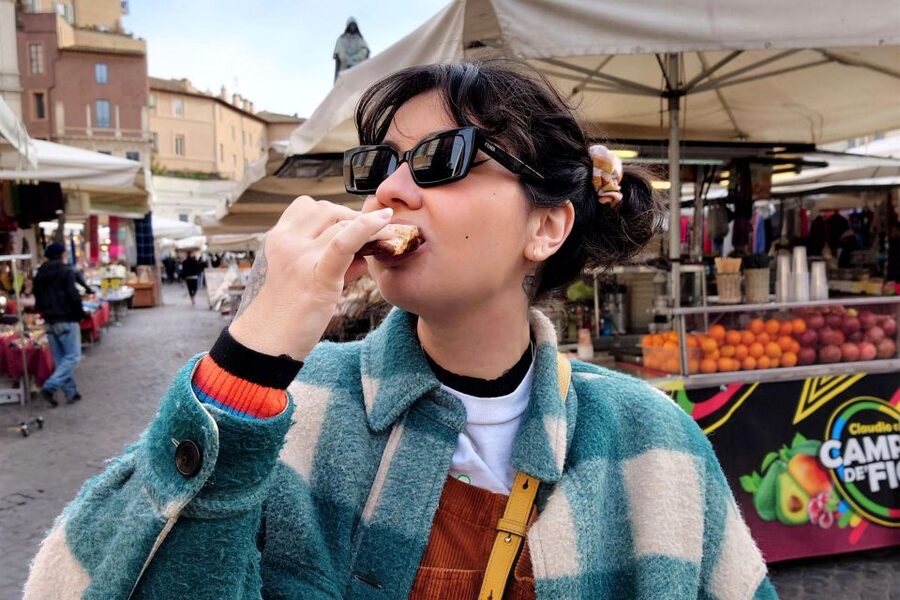
Review · ROME FOOD TOURS
No Diet Club – Unique local Food Tour in Rome! (Trastevere)
Rome’s best food lesson may begin with a fried rice ball. On this three-hour walk through Trastevere, you taste the city one stop at a time: supplì, pizza rossa, panini, gelato, maritozzo, sfogliatella, and coffee. It is less about sitting down for one grand meal and more about learning how Romans snack, share, and keep moving.
I like the small group size, capped at 10, because it gives guides such as Sofia, Alessia, Juliette, Stefania, and Dario room to answer questions and adjust the pace. I also like that the food is included and the guide sends useful restaurant recommendations after the walk. The main thing to consider is the amount of food: arrive hungry, and do not schedule this right after a large breakfast.
Key things to know before booking
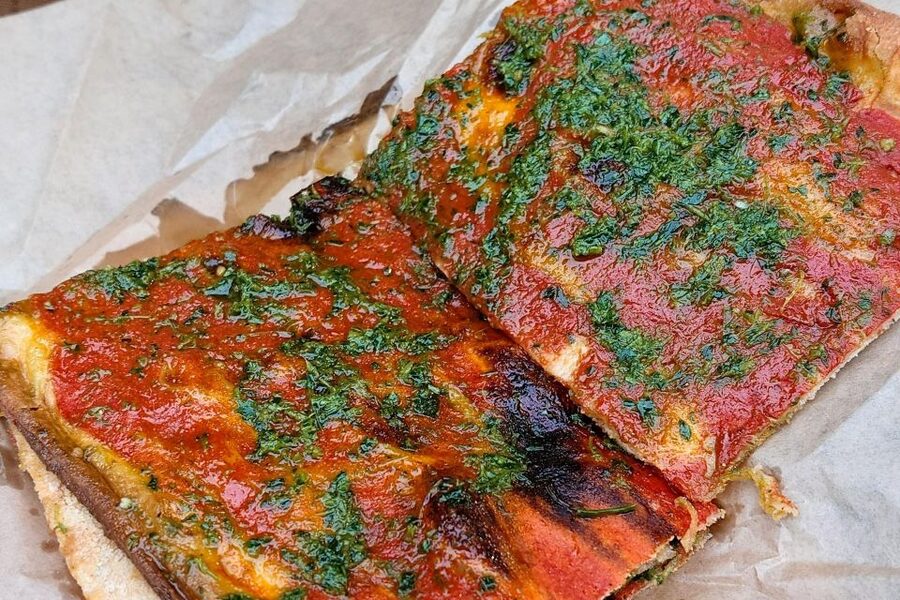
- Supplì starts the Roman food lesson: You learn why this fried rice-and-tomato snack is a local favorite rather than just another appetizer.
- Trastevere supplies the setting: The route mixes food stops with a pleasant walk past churches, squares, and neighborhood streets.
- The portions can be serious: This is not a few token bites. Several tastings may be full-sized, so pace yourself.
- Dessert is part of the main event: Expect gelato, maritozzo, sfogliatella, or similar sweets, depending on the season.
- The guide adds practical value: You receive recommendations for places to eat during the rest of your stay.
- Small groups help the conversation: With up to 10 people, the tour feels more personal than a large food crawl.
A Roman food walk through Trastevere
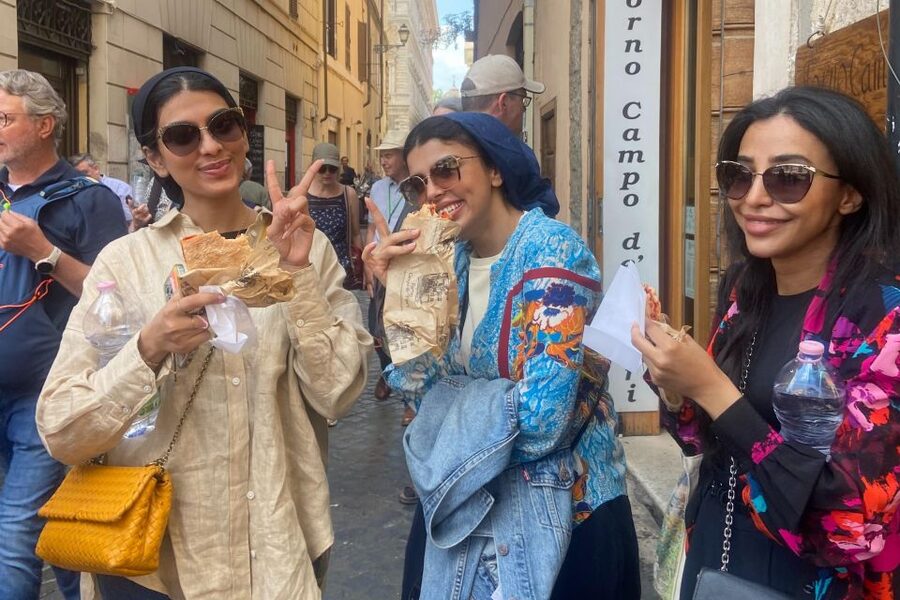
Trastevere is a good neighborhood for this kind of outing. Its narrow streets and lively squares give you plenty to look at between tastings, and the route can include churches, buildings, and small local businesses along the way.
The tour is built around eating as you walk. You are not simply dropped into a restaurant and served a fixed menu. Instead, the guide leads you from one food stop to another, explaining what you are eating, how it fits into Roman life, and what else to order later.
The precise stops can change with the season. That matters in Rome, where a shop may be best known for one item at a certain time of year, or where the day’s freshest offering may replace something listed in the general outline. You should expect the food style to remain similar, even if the exact pastries or flavors shift.
The pace is generally leisurely. There is walking between stops, but the tour is not presented as a strenuous city hike. One participant specifically found it comfortable for an older parent, while another described a private version with several walking sections. Wear shoes you can walk in, and leave some room in your appetite.
More food tours in Rome:
- Winner 2025 Rome Twilight Trastevere Food Tour by Eating Europe
★ 5.0 · 5,157 reviews - Rome: Street Food Tour with Local Guide
★ 4.8 · 4,077 reviews - Rome Food Tour: Unlimited Tastings with Fine Wine & Barolo
★ 5.0 · 3,365 reviews
First bites: supplì and Roman street food
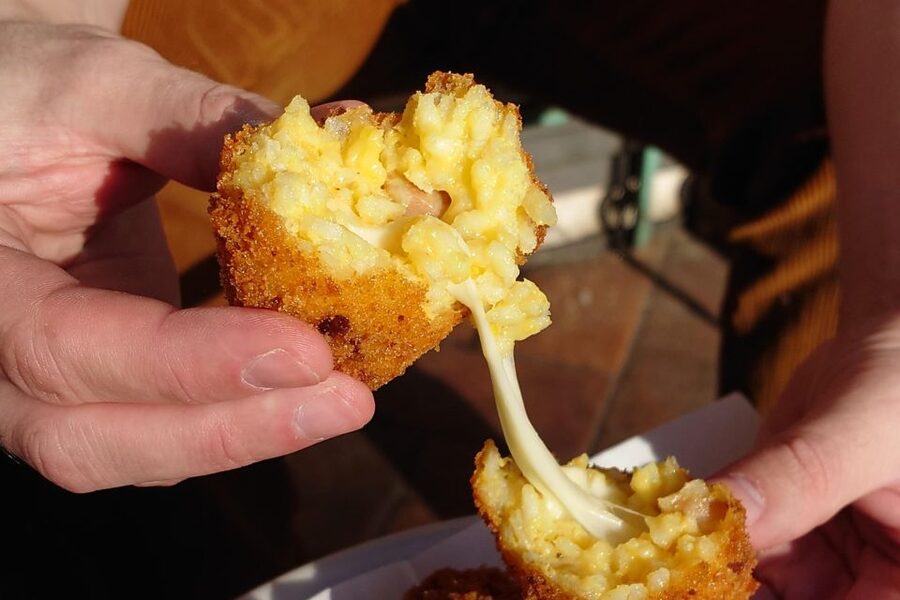
One of the early tastings is usually supplì, a Roman fried snack made with rice and tomato, often with a melted center. The name may be new to you, but the idea is easy to understand after the first bite: crisp outside, soft and savory inside, and substantial enough to make you rethink how much food is still ahead.
This is one of the most useful parts of the tour because it gives you a reference point for Roman fast food. You begin to see that local street food is not limited to pizza by the slice. Supplì is quick, inexpensive, filling, and closely tied to everyday eating.
The guide also explains food names and customs as you go. Dario, who led one outing, was praised for explaining both the dishes and the buildings and squares along the way. That combination keeps the walk from becoming a string of unrelated snacks.
You may want to avoid treating the first stop as a full meal. The temptation is to eat everything immediately, especially if the food is warm. But the total amount builds quickly, and later tastings can be just as filling.
Pizza rossa and the Roman way of eating
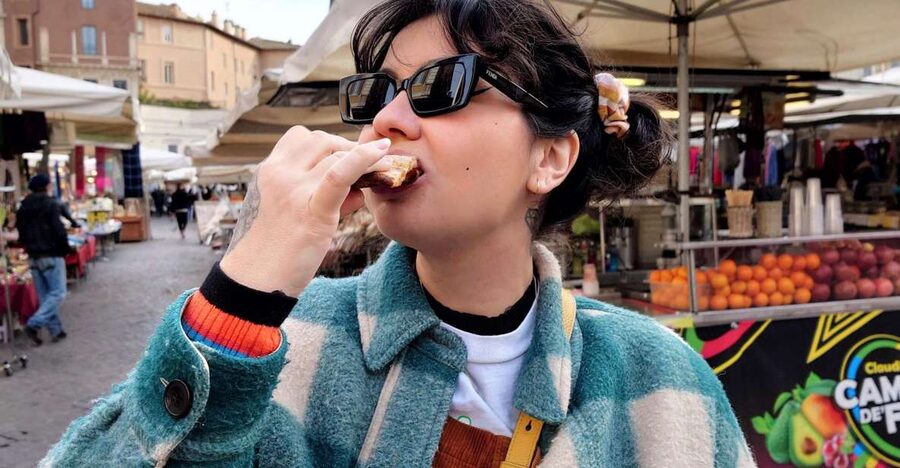
Traditional pizza rossa is another key stop. In Rome, pizza is often sold by weight or by the slice, with a thin base and a straightforward tomato topping. It is practical food, meant to be eaten without ceremony, and it gives you a different picture of pizza from the large round pies many visitors expect.
The tour can also challenge a few familiar assumptions about Italian food. One guide explained that there is no personal pan pizza in the usual Roman sense, and that sharing a pizza is not the standard custom people sometimes imagine. These details are small, but they help you read a menu more clearly after the tour.
This is where the guide’s personality matters. Alessia, Sofia, Juliette, and Stefania were each singled out for being friendly and easy to talk with, while Dario added language skills in English, French, and some Spanish. Since the food itself is fairly simple, the explanations and conversation give the stop its value.
If you already know Roman pizza well, this tasting may not surprise you. But you can still use it as a practical introduction to the city’s casual food shops, especially if you are unsure how to order by weight or what to choose for a quick lunch.
Panini, local shops, and the value of small stops
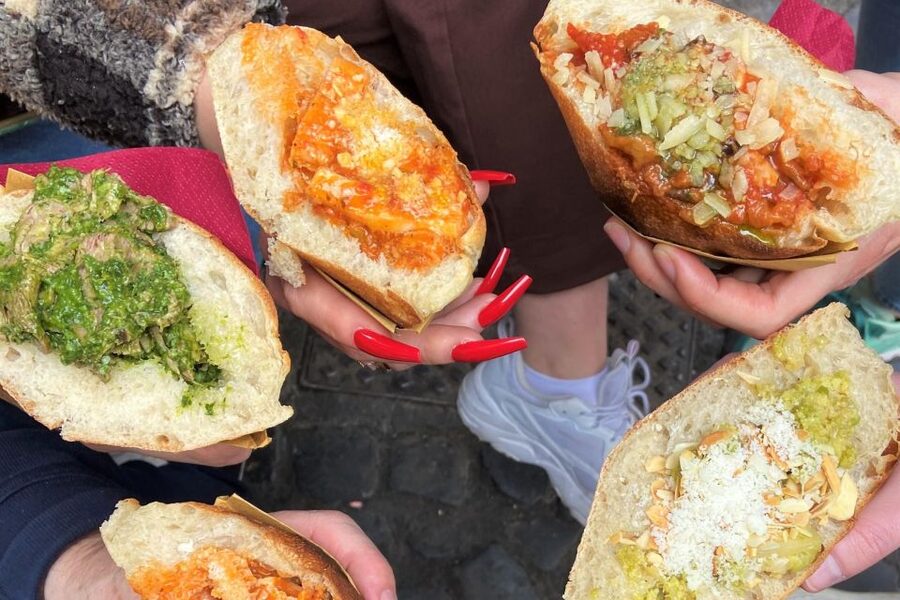
Panini are another strong part of the route. One participant who had already lived in Rome for six months still found the Trastevere sandwich stop a useful discovery. That is a good sign for repeat visitors who want more than the usual list of major sights.
The appeal is not only the sandwich. You are also seeing how a neighborhood food shop works, what locals pick for a quick bite, and how a modest storefront can offer better food than a polished tourist restaurant. The route favors places that feel connected to daily Roman life rather than formal dining rooms.
Some stops may look unremarkable from outside. That can be part of the fun, but it also means the guide is doing real work by pointing you toward places you might otherwise pass. You are paying for access to that local judgment, not simply for a list of foods you could find in a guidebook.
One practical note: full-sized portions have been served on some tours. If you are not used to eating several savory items in one afternoon, share when possible and keep your pace steady. The group is meant to enjoy the food, not win a contest against it.
Same appetite, a different neighbourhood:
- Rome Food Tour: Campo de’ Fiori, Ghetto, Trastevere Winner 2024
★ 5.0 · 3,205 reviews - Rome: Guided Food Walking Tour with Wine in Trastevere
★ 4.9 · 3,105 reviews - Rome: Trastevere Food tour with Free-Flowing Fine Wine
★ 5.0 · 2,853 reviews - Rome: Trastevere & Campo de Fiori Street Food Walking Tour
★ 4.9 · 2,768 reviews
Gelato and the sweet finish
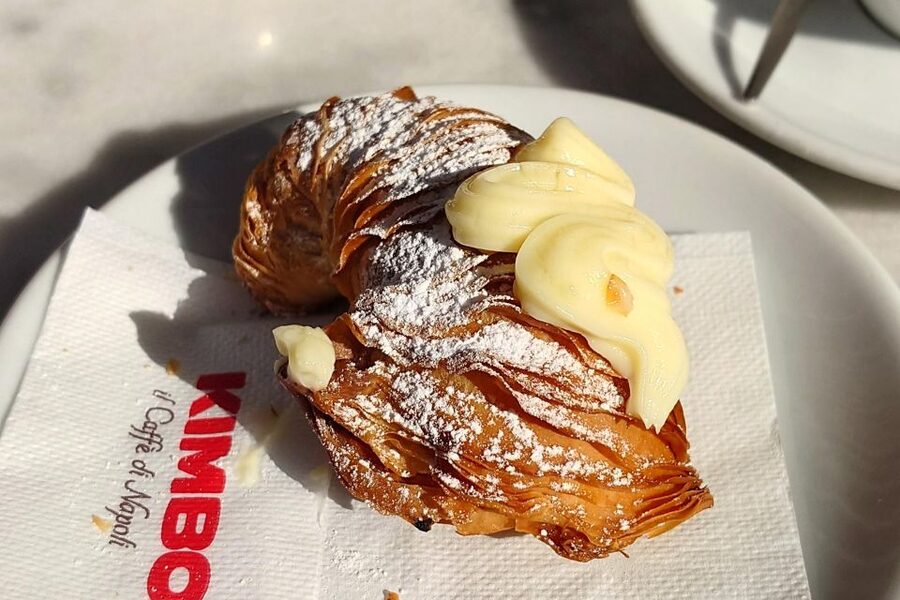
The sweet course is not an afterthought. Gelato, maritozzo, sfogliatella, and other pastries can appear along the way, with the selection changing by season.
The gelato stop aims to move beyond basic tourist ice cream. That does not guarantee that every flavor will suit every palate, but it gives you a chance to compare Roman gelato with the generic frozen dessert sold near major sights. Ask the guide about flavors, ingredients, and which shops are worth returning to.
Maritozzo is especially useful to try with context. This soft Roman sweet, commonly filled with cream, is rich and filling. It is the sort of pastry that makes sense with coffee and explains why you should not arrive after a heavy meal.
Sfogliatella adds a different texture, with a crisp layered shell and sweet filling. It is not originally Roman in the same way as supplì or maritozzo, so the guide can help place it within the wider Italian pastry tradition. Exact sweets may vary, and you should not expect every tour to include every item listed.
The most helpful part comes later, when you know which stops you want to revisit. One person returned to Forno and Otaleg during the rest of the trip after discovering them on the tour. That is a real measure of value: the walk can help you choose where to spend your own food budget afterward.
Coffee, San Calisto, and time to look around

Coffee usually appears near the end, giving you a chance to reset after the food. In Italy, coffee is often a brief part of the day rather than a long café break, and the tour can explain the local habits around ordering and drinking it.
San Calisto was highlighted as a favorite final stop by one participant. The location adds atmosphere to the close of the walk, and you may have time to take in the surroundings rather than rush from one counter to the next.
Some tours also allow time to look around local churches. This is a useful touch because Trastevere should not be treated only as a collection of food counters. You get a little neighborhood context without turning the experience into a formal monument tour.
Do not book this expecting a full history tour of Rome. The commentary focuses mainly on food, local culture, streets, squares, and passing buildings. That balance works well if you want background without spending three hours in a lecture.
How much food do you really get?
The name No Diet Club is not a joke. The route can include several savory and sweet tastings, plus coffee, and the food is included in the $73 price.
For many people, this will function as a very large lunch or an early dinner. One participant who started with an empty stomach managed to eat everything, while another said the group had more than enough food and could not finish one stop. A morning departure can be awkward if you have already eaten breakfast, so an afternoon time may suit you better.
The value depends on how you use the tour. If you judge it only by the cost of each snack, you may find cheaper ways to eat in Rome. But the fee also covers a guided route, local explanations, several tastings, and recommendations for the rest of your visit.
I see the tour as especially useful during your first day or two in Rome. You can learn what foods to look for, identify shops worth revisiting, and ask the guide where to eat near your hotel or the sights you plan to visit. If you already have a detailed food plan, the recommendations may be less important, but the variety and company can still make the price reasonable.
The guides shape the experience
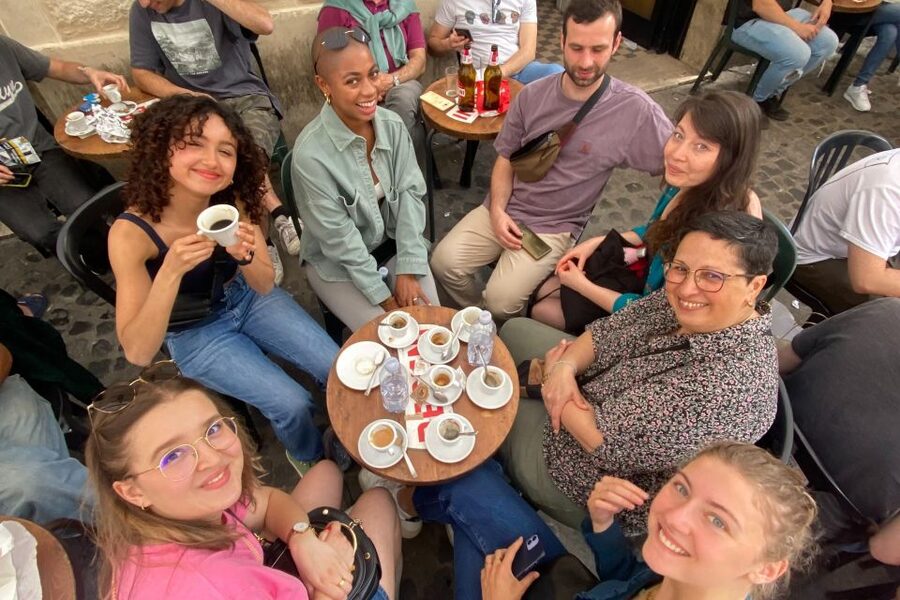
The route is consistent, but the guide gives it its character. Sofia was praised for answering questions about both food and culture. Juliette was noted for her warmth, good conversation, and ability to keep a relaxed pace. Alessia supplied food tips that were useful beyond the tour, and Stefania helped people find places to return to later.
Dario added explanations of food names, local customs, and nearby buildings. In one unusual case, a solo booking became almost a private tour. That will depend on the date, but the group limit of 10 gives you a better chance of having a real conversation than you would on a large coach-style outing.
Guides also help with small social details. At one stop, a guide noticed that the group did not want to buy anything beyond the included tasting and handled the situation clearly. That may sound minor, but it keeps the afternoon comfortable and lets you enjoy the food without pressure.
The tour is offered in English. Vegetarian guests are welcome, though the available tastings can vary. If you have strict dietary needs, you should confirm the arrangements before booking because the available information does not spell out every substitution.
Practical details that affect your choice
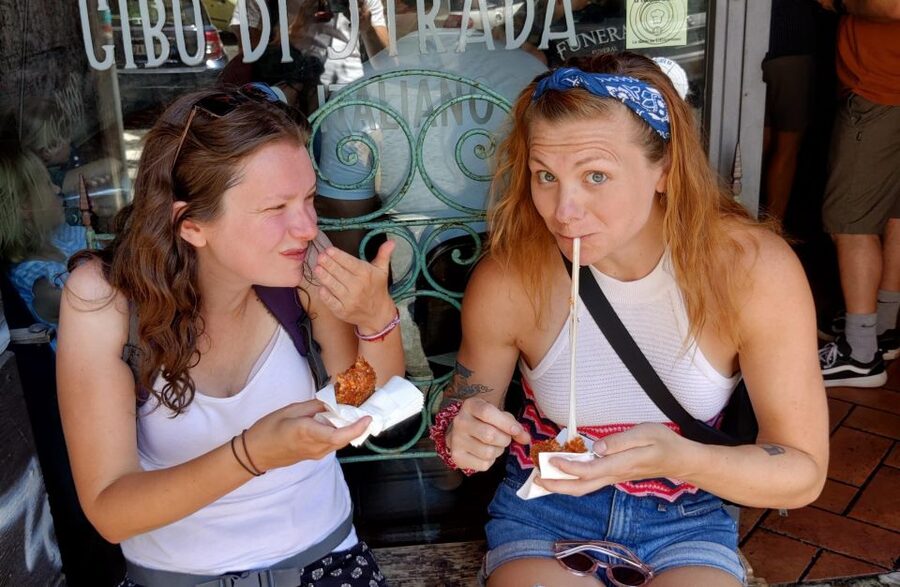
The tour lasts three hours and uses a small group of no more than 10 participants. You should expect a walking route through Trastevere rather than a vehicle ride, despite the general promise of a nice ride through Rome. The food stops and neighborhood streets are the main way you experience the area.
It is listed as wheelchair accessible, which is important for many visitors, but the route includes walking between businesses and through city streets. If you need precise information about surfaces, shop entrances, or restroom access, ask before reserving.
English is the listed tour language. Guides may have other language skills, but you should book on the assumption that the explanations will be in English.
You can cancel up to 24 hours before the start for a full refund, and the reserve-now, pay-later option lets you hold a place without paying immediately. Those terms are useful if your Rome schedule is still shifting, though you should check the available start times before building the rest of your day around it.
Who should book this Trastevere food tour?
I would choose this for first-time Rome visitors who want a friendly introduction to Roman eating without spending an evening in one formal restaurant. It also suits solo visitors, couples, families, and people who like meeting others around a shared table or street-food stop.
You will get the most from it if you enjoy trying several foods, asking questions, and walking at an easy pace. It is also a smart choice for anyone who wants concrete restaurant recommendations rather than a generic list of famous places.
I would hesitate if you have already eaten a large meal, dislike rich sweets, or want a tightly timed sightseeing tour. The food is plentiful, the exact tastings can change, and the route gives more attention to eating and neighborhood life than to major monuments.
Should you book it?
Book this tour if you want a generous tasting menu on foot, a close look at Trastevere, and practical advice you can use after the three hours end. The strongest parts are the range of food, the small groups, and guides who add useful details about Roman customs and local places.
Arrive hungry, choose an afternoon start if breakfast tends to be large, and treat the tour as both lunch and a neighborhood orientation. At $73, it is not the cheapest way to eat in Rome, but it is a fair price if you value the guide, the variety, and the chance to find places you would probably miss on your own.
FAQ
How long does the No Diet Club Rome food tour last?
The tour lasts three hours.
Where does the tour take place?
The experience takes place mainly in Trastevere, with a walk through favorite Rome neighborhoods and stops at local food businesses.
What food is included?
All food is included in the price. Possible tastings include supplì, traditional pizza rossa, panini, gelato, maritozzo, sfogliatella, coffee, and other Roman specialties. The exact selection can change by season.
Is the tour suitable for vegetarians?
Yes. Vegetarians are welcome, although specific tastings may vary.
What language is the tour offered in?
The listed tour language is English.
How large is the group?
The tour is limited to 10 participants. On some dates, the group may be smaller, and a booking can occasionally operate as a private-style experience.
New food tours we have reviewed in Rome
- Rome: 3-Hour Guided Food Tour with Tastings★ 4.9 · 41 reviews
- Rome: Vatican Street Food and Wine Tour with Farmers Market★ 5.0 · 37 reviews
- Rome: Vegan Street Food Tour with Local Guide★ 5.0 · 37 reviews
- Rome Trastevere Walking Food Tour★ 4.8 · 97 reviews
- Rome: Trionfale and Prati Food and Wine Tasting Tour★ 4.8 · 115 reviews
- Rome: Trastevere Quarter Street Food Tour with Sightseeing★ 4.9 · 21 reviews
- Rome: Trastevere & Tiber Island Street Food Tour at Sunset★ 4.9 · 71 reviews
- Rome: The Ultimate Trastevere Food Tour with a Local★ 4.9 · 114 reviews
Rome Food Tours, compared.
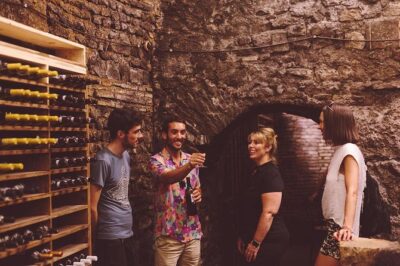
Winner 2025 Rome Twilight Trastevere Food Tour by Eating Europe
Read our review →
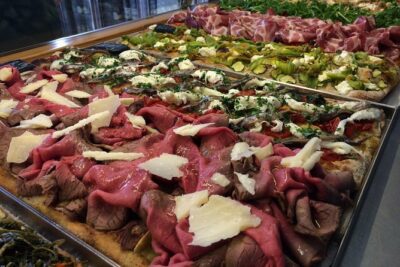
Rome Food Tour: Unlimited Tastings with Fine Wine & Barolo
Read our review →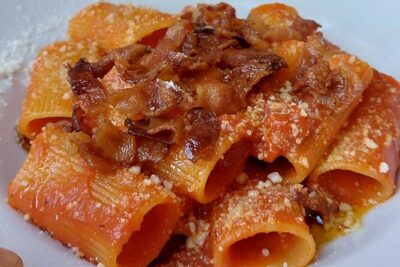
Rome Food Tour: Campo de’ Fiori, Ghetto, Trastevere Winner 2024
Read our review →
Rome: Guided Food Walking Tour with Wine in Trastevere
Read our review →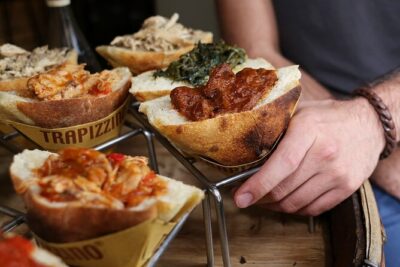
Rome: Trastevere Food tour with Free-Flowing Fine Wine
Read our review →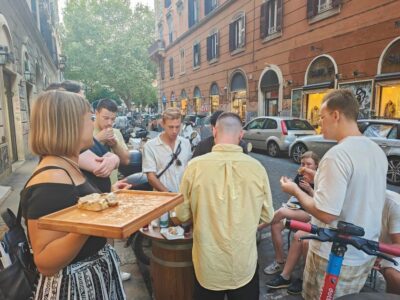
Rome: Trastevere & Campo de Fiori Street Food Walking Tour
Read our review →Browse the lists this tour appears in