
Review · ROME FOOD TOURS
Rome: Eat Like a Roman Ghetto & Campo de’ Fiori Food Tour
Rome’s best street food often arrives in a paper wrapper, and this tour makes a meal of it. Over 2.5 hours, you walk from Piazza di San Simeone toward Campo de’ Fiori and the Jewish Ghetto, eating supplì, porchetta, Roman pizza, fried artichokes, and gelato along the way. Guides such as Daniele, Silvia, Matteo, and Alessandra mix food with stories about Caesar, Jewish-Roman traditions, and everyday city life.
I like the generous portions, which turn five tastings into a proper lunch, and the route, which links famous squares with smaller food stops and local businesses. Morning departures add Campo de’ Fiori’s market, including olive oil, truffle, vinegar, cheese, and other samples. The main caution is dietary: vegetarian choices are available, but the tour is not suitable for vegans or people with gluten intolerance.
What makes this Roman food walk worth your time
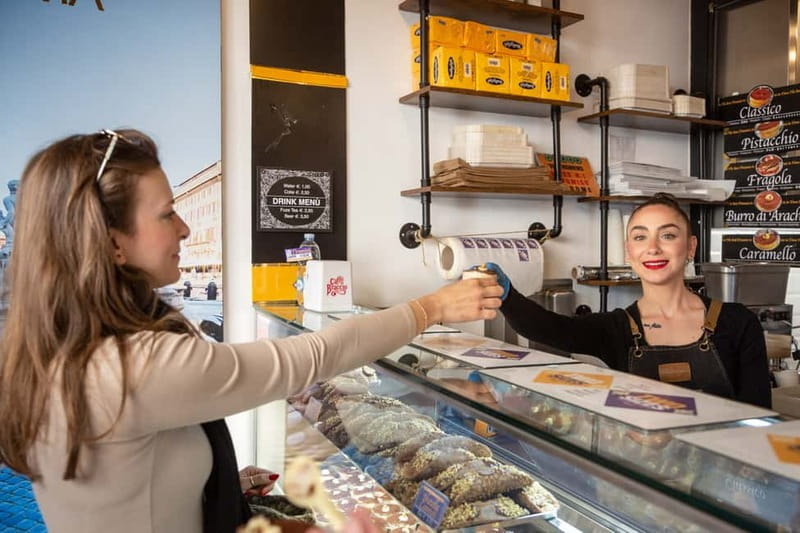
- Supplì comes early: You get a crisp fried rice ball, a classic Roman snack that many first-time visitors miss.
- Porchetta makes it filling: The panino is substantial, so eat lightly before you arrive.
- Morning tours add the market: Campo de’ Fiori includes product tastings such as truffle sauces, olive oils, vinegars, cheeses, and pistachio cream.
- The Jewish Ghetto adds real context: Carciofo alla Giudia, the famous Jewish-style fried artichoke, connects the food to the neighborhood’s traditions.
- The walk passes major landmarks: You see Largo di Torre Argentina, the Pantheon, Teatro Marcello, Portico d’Ottavia, and the Turtle Fountain.
- The guides make the difference: Daniele, Silvia, Matteo, Leonardo, Arianna, and Alessandra are among the guides praised for humor, warmth, food knowledge, and useful Rome tips.
Starting at Piazza di San Simeone
The meeting point is by the fountain in the middle of Piazza di San Simeone. This is a central start near Piazza Navona, and the first part of the route quickly gets you into Rome’s lanes rather than leaving you standing around for a long introduction.
You pass the Chiostro del Bramante before reaching the first food stop. The route is on foot, with several short stretches of three to ten minutes between tastings. That spacing matters. You get time to digest, look around, and hear the guide explain what you are seeing.
The walk is not an archaeological tour with long museum stops. Instead, the city becomes the setting for the food. A guide might point out a church, a square, or an old building, then connect it to a dish, a custom, or a chapter in Rome’s past.
More food tours in Rome:
- Winner 2025 Rome Twilight Trastevere Food Tour by Eating Europe
★ 5.0 · 5,157 reviews - Rome: Street Food Tour with Local Guide
★ 4.8 · 4,077 reviews - Rome Food Tour: Unlimited Tastings with Fine Wine & Barolo
★ 5.0 · 3,365 reviews
Supplì, the snack that sets the pace
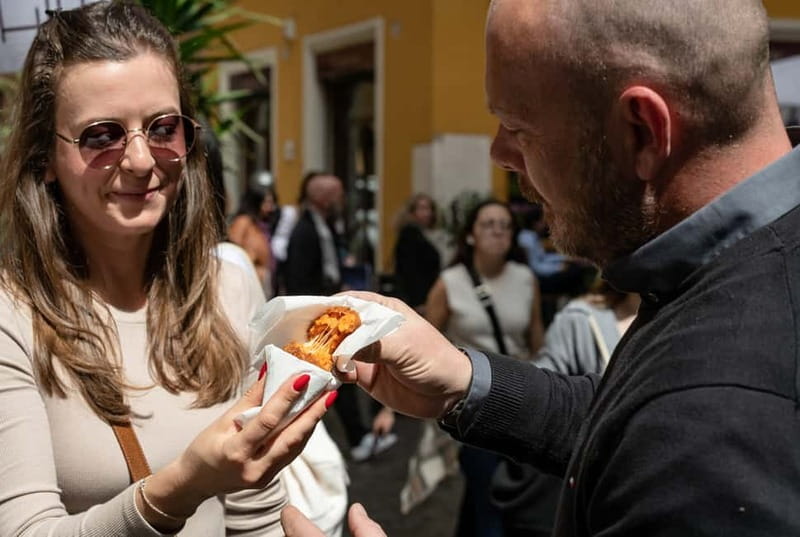
The first food stop introduces supplì, a fried rice ball with a crisp shell and a soft, savory center. It is simple street food, but it gives you a quick lesson in how Romans like food: inexpensive, filling, portable, and fried with confidence.
This is also a good moment to ask questions about ingredients and local eating habits. The guides are encouraged to explain the food rather than simply hand it over. Daniele, in particular, is praised for making these explanations entertaining, while other guides such as Silvia and Matteo are noted for connecting dishes to Roman culture.
Supplì is often a pleasant surprise for people who arrive focused on pasta and pizza. If you enjoy it, make a note of the stop. One visitor returned the next day specifically for another supplì. That is useful advice: pay attention to the places you like, because several stops are suitable for a return visit on your own.
Porchetta and Roman-style pizza
Next comes a panino filled with porchetta, seasoned roast pork with crisp edges and a soft interior. This is the point where the tour starts to feel like lunch rather than a sampling session. Several people found the servings large enough that dinner was unnecessary, so do not arrive after a heavy breakfast or lunch.
Vegetarian alternatives are available, but you should tell the provider about dietary needs when booking. The standard food list leans heavily toward meat, cheese, fried items, and bread. That makes the tour a poor fit for vegans and anyone who cannot eat gluten.
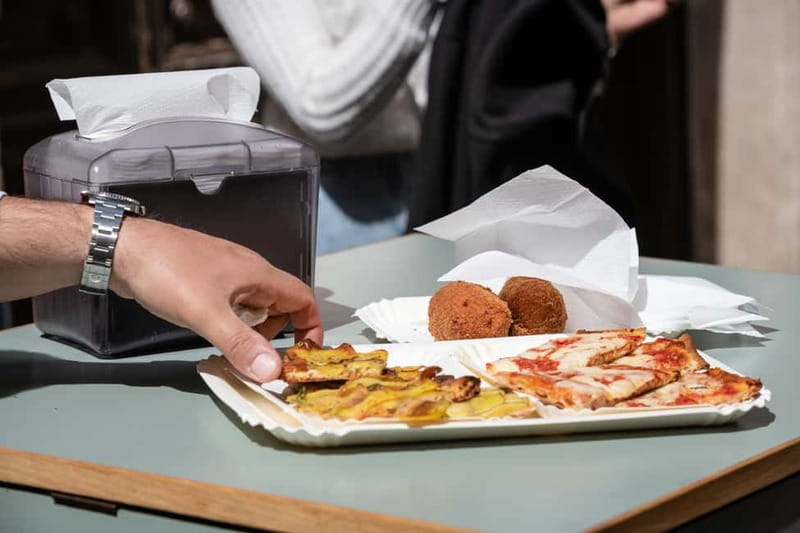
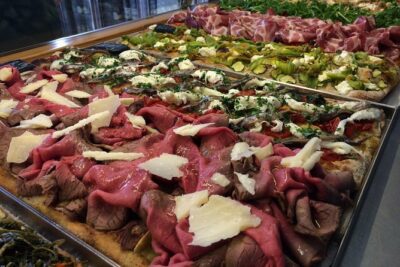
The pizza stop follows at a local bakery or food shop. Roman-style pizza is usually served by the slice, and the route includes more than one piece according to the food selections described by participants. Expect something casual and quick rather than a sit-down pizza dinner.
The food is not presented as a formal tasting menu. You may eat standing up, at a counter, or in a small local restaurant. That casual format is part of the appeal, though anyone seeking long seated meals should choose a different kind of food tour.
Campo de’ Fiori in the morning
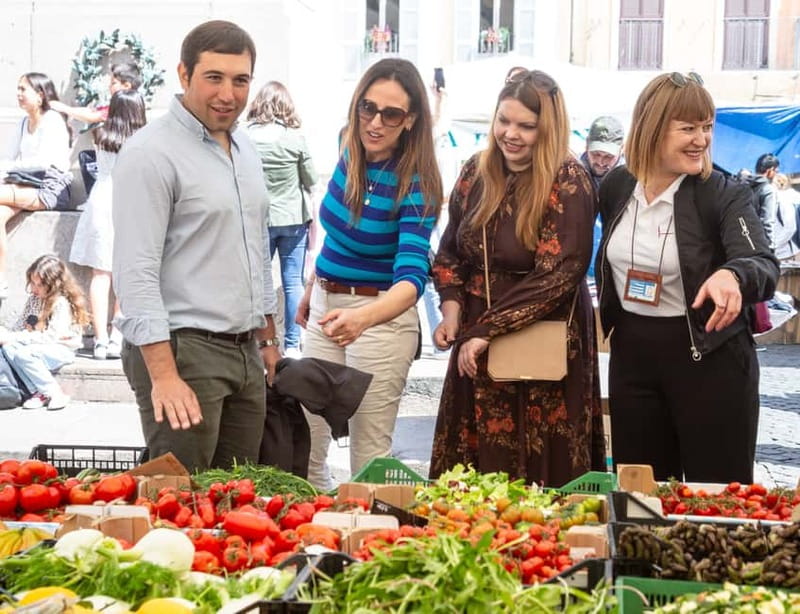
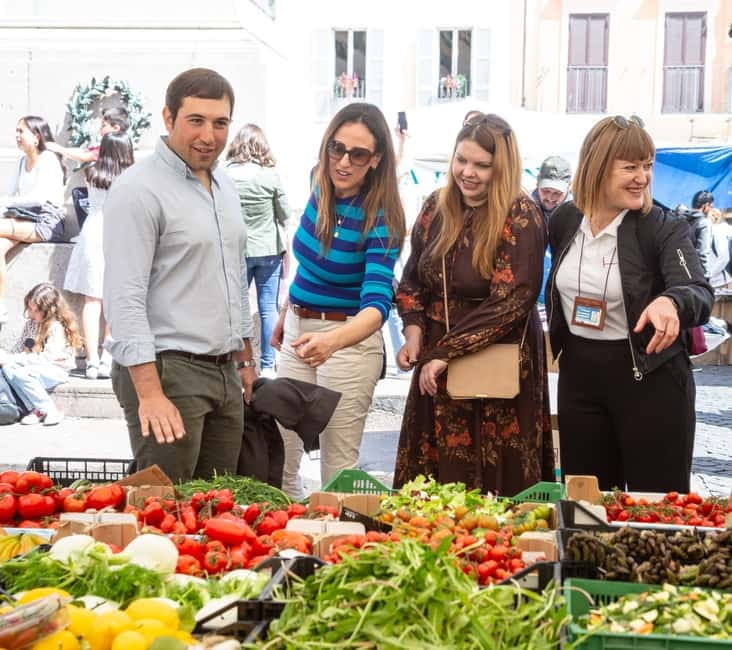
Morning departures include Campo de’ Fiori and its market. The square is a useful stop because it shows another side of Roman food: not just ready-to-eat snacks, but ingredients and products that people buy to take home.
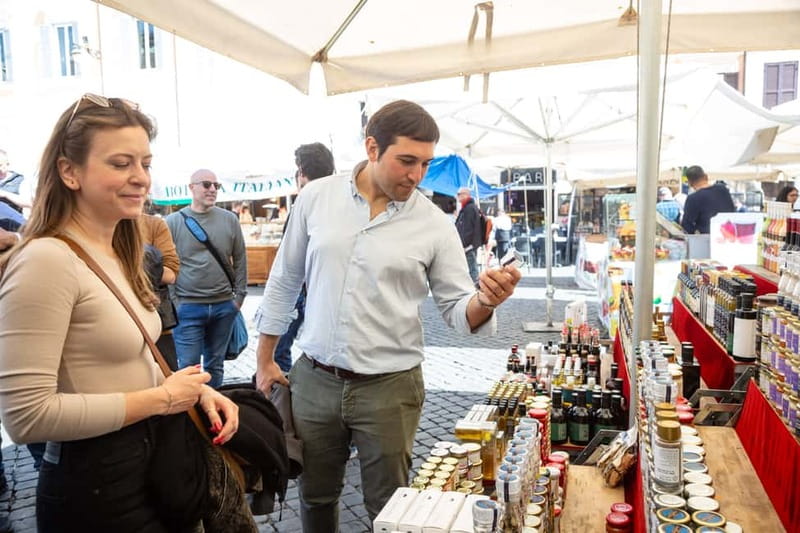
The market visit lasts about 25 minutes. You may sample olive oils, truffle products, vinegars, pestos, cheeses, pistachio cream, and other Italian specialties. The exact selection can vary, but the market gives you a chance to compare flavors and ask how to judge quality.
This stop is especially useful if you want edible souvenirs. One guide introduced the group to a market vendor, and several people bought products they enjoyed. Take a little care here. Product tastings can encourage impulse purchases, so buy only what you genuinely want to carry home.
The market is also the main difference between morning and later departures. Afternoon or evening tours still include the principal Roman food stops, but you should not expect the same market visit or the oil, truffle, and vinegar tasting. Check the available start time before booking if this is important to you.
Same appetite, a different neighbourhood:
- Rome Food Tour: Campo de’ Fiori, Ghetto, Trastevere Winner 2024
★ 5.0 · 3,205 reviews - Rome: Guided Food Walking Tour with Wine in Trastevere
★ 4.9 · 3,105 reviews - Rome: Trastevere Food tour with Free-Flowing Fine Wine
★ 5.0 · 2,853 reviews - Rome: Trastevere & Campo de Fiori Street Food Walking Tour
★ 4.9 · 2,768 reviews
Back streets, bakeries, and small businesses
After Campo de’ Fiori, the route continues through smaller streets and includes a bakery or another local food stop. This part gives the tour a good rhythm. You move away from the market, eat again, and continue toward the Jewish Ghetto without trying to cover every major sight in Rome.
The guides often point out places you might pass without noticing. Some have cooking experience, and the food explanations can include preparation, ingredients, and the reason a dish belongs to Roman street food. Matteo, Daniele, Leonardo, and Alessandra are repeatedly praised for making the walk feel personal and for offering restaurant suggestions for later in your stay.
Those recommendations may be one of the tour’s most useful extras. Several guides provide lists of places to eat and drink that avoid the most obvious tourist choices. I would save those suggestions in your phone before leaving, especially if this is your first day in Rome.
Entering the Jewish Ghetto through its food
The Jewish Ghetto is the strongest historical section of the route. Here, food is not just fuel. It reflects the neighborhood’s Jewish-Roman identity and long culinary traditions.
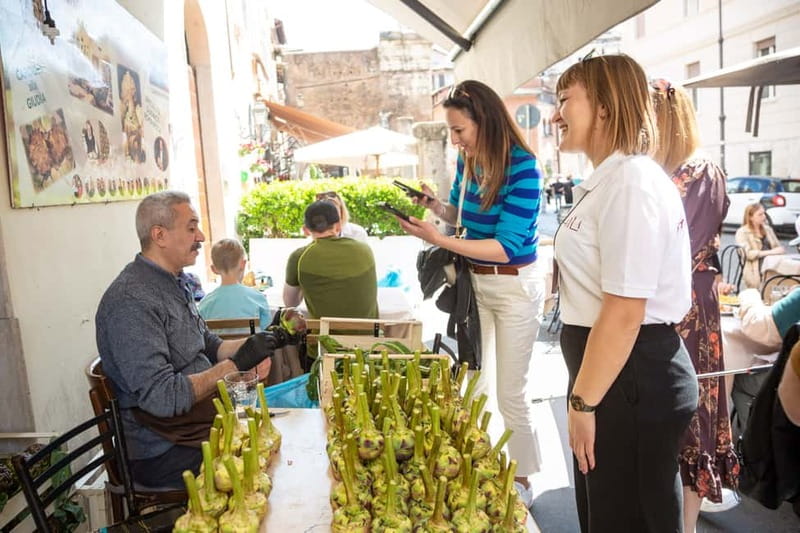
The signature tasting is carciofo alla Giudia, a Jewish-style fried artichoke. The artichoke is prepared so that the leaves become crisp, creating a dish that looks dramatic and eats like a savory snack. It is one of the tour’s most distinctive foods because it is closely tied to this part of Rome.
The stop also gives your guide a natural opening to explain the area’s heritage. You visit the Portico d’Ottavia and walk near the Turtle Fountain, while hearing stories about the neighborhood and its food customs. Fiammetta has been praised for explaining the Jewish Ghetto and surrounding area particularly well, but the assigned guide can vary.
This section is valuable even if you already know Rome’s big monuments. You are seeing places with cultural weight without spending the whole tour in a museum or at a famous ticketed attraction. The food makes the history easier to remember.
Caesar, Teatro Marcello, and the Pantheon
The route passes Largo di Torre Argentina, associated with the assassination of Julius Caesar. The guide uses this landmark as part of the walking story rather than making it the main stop. You will not spend a long time exploring an archaeological site, but you get a look and an explanation as you move through the city.
The walk also passes Teatro Marcello and later the Pantheon. These sights help orient you within central Rome. They are familiar names, but seeing them during a food walk changes the pace. You are not rushing from monument to monument. You are moving through ordinary streets, stopping to eat, then finding a major Roman landmark around the next corner.
The tour also includes Piazza and Passetto del Biscione. These less obvious points are part of what makes the route useful on a first day. You get a broad introduction to central Rome without spending hours on a standard sightseeing circuit.
The walking is generally manageable, with intervals of a few minutes to ten minutes between stops. Still, wear comfortable shoes. Rome’s center has uneven pavement, and you will be eating while walking or standing at several points.
Finishing with artisanal gelato
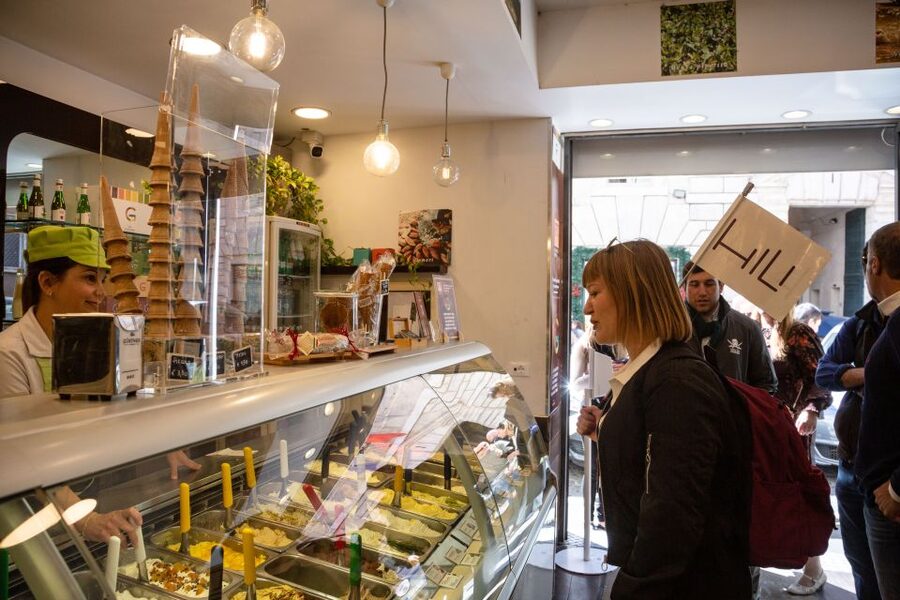
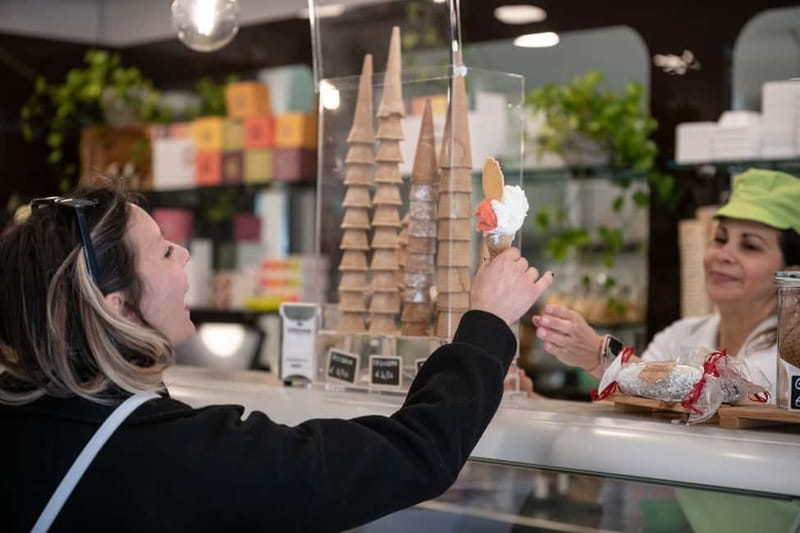
The final tasting is gelato at Gunther Gelateria. It is a sensible ending after fried food, bread, pork, and artichoke. The gelato gives you something cold and sweet, and it closes the tour near the Pantheon area.
This stop has earned special praise. One person liked it enough to return twice later that evening. You can ask the guide about flavors and how to spot quality gelato, then use that advice for the rest of your trip.
The gelato is not merely a small token at the end. Taken with the other portions, the complete route can replace lunch. Some people finished the tour full enough to skip dinner, while others treated it as a long lunch and planned only a light evening meal.
How much food do you really get?
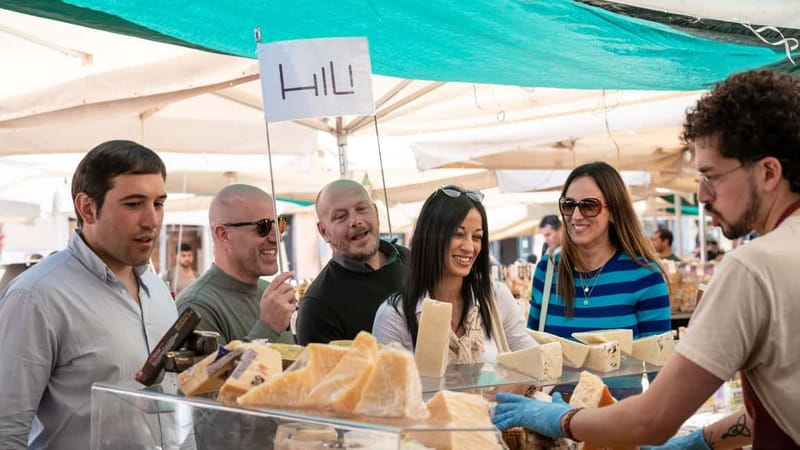
The listed inclusions describe five food tastings, but the actual experience can feel more generous because some tastings include several bites or a full sandwich. The usual sequence includes:
- Supplì
- Porchetta panino
- Roman-style pizza
- Fried artichoke
- Artisanal gelato
Morning tours add market samples, and some departures include drinks such as prosecco, limoncello, or wine according to the food arrangements. Drinks are not generally included as a separate promise, so do not book this expecting an open bar.
The balance is good for most appetites. You get fried food, meat, bread, vegetables, dairy, and dessert. It is less suitable if you prefer a light, health-focused food walk or need strict control over ingredients.
Vegetarian options are supported, but the tour is not suitable for vegans or people with gluten intolerance. Tell the operator about allergies and dietary restrictions when you book. Do not wait until the first stop.
Guide quality and group atmosphere
The guide is central to the experience. The food is appealing, but the route depends on someone who can explain why each dish matters and keep a group moving through busy central streets.
Different guides lead the tour, including Daniele, Silvia, Matteo, Leonardo, Arianna, Alessandra, Anna, Hanna, and others. The strongest descriptions focus on humor, warmth, Roman pride, and a willingness to answer questions. Daniele is often praised for combining historical detail with entertainment, while guides such as Arianna and Alessandra are noted for making families and mixed groups feel included.
Families can consider this tour. A seven-year-old enjoyed it with Daniele, and a twelve-year-old also had a good time. The food format keeps children interested, though younger children may find the walking and standing less comfortable than a seated meal.
Private and small-group options are available. A small group usually gives you more opportunity to speak with the guide and ask about restaurants, but the exact group size should be checked when you book. The tour is wheelchair accessible, though central Rome’s surfaces and food-stop layouts can still affect ease of movement.
Price, timing, and practical value
At $50 per person, the tour is priced fairly if you treat it as a substantial lunch plus a guided walk. Five food stops, market samples on morning departures, and a licensed local guide give you more than a simple orientation walk.
The value is strongest when you are new to Rome. You get foods you might not order on your own, learn where to look for good casual eating, and leave with ideas for the rest of your trip. The route also saves you from spending your first day guessing which shop is worth entering.
It is less attractive if you already know Roman street food and prefer to eat independently. You will be paying for the guide, the group pace, and the fixed sequence of stops. That is worthwhile for many first-time visitors, but less necessary for a repeat visitor with a strong food plan.
The free cancellation policy allows cancellation up to 24 hours before the start for a full refund. You can also reserve and pay later, which helps if your Rome schedule is still shifting.
Who should book this tour?
I would choose this for a first or second day in Rome, especially if you want food to help you understand the city. It suits curious eaters, families, couples, solo visitors, and anyone who likes a guide with personality.
Book a morning departure if Campo de’ Fiori’s market and the product tastings matter to you. Eat only a light breakfast, bring comfortable shoes, and tell the provider about dietary needs in advance.
Skip it if you are vegan, gluten intolerant, or looking for a slow, formal meal. Also think twice if you dislike fried foods, meat, bread, or eating in casual settings.
Should you book the Campo de’ Fiori and Ghetto food tour?
Yes, for most visitors who want a filling introduction to Rome. The strongest parts are the generous food portions, the Jewish Ghetto stop, the market on morning tours, and the guides’ practical advice about where to eat next.
Choose the morning option for the fullest version of the experience. Arrive hungry but not starving, expect lunch-sized portions, and keep your evening meal flexible. At $50, this is a sensible way to combine sightseeing, local food, and useful Rome orientation in one compact walk.
FAQ
Where does the tour begin?
The meeting point is Piazza di San Simeone. Your guide waits by the fountain in the middle of the square.
How long does the tour last?
The walking food tour lasts 2.5 hours.
What foods are included?
The tastings include supplì, a porchetta panino, Roman-style pizza, fried artichoke, and artisanal gelato. Morning tours also include market samples such as olive oil, truffle products, vinegars, and other Italian foods.
Does the tour visit Campo de’ Fiori market?
Morning tours include a visit to Campo de’ Fiori and its local market. The market is not listed as part of the later departures.
Does the tour visit the Jewish Ghetto?
Yes. The route includes the Jewish Ghetto, the Portico d’Ottavia, and a tasting of carciofo alla Giudia, or Jewish-style fried artichoke.
Are vegetarian options available?
Yes. Vegetarian options are available if you tell the activity provider about your needs when booking.
Is the tour suitable for vegans or people with gluten intolerance?
No. The tour is listed as unsuitable for vegans and people with gluten intolerance.
What languages are available?
The live tour is offered in English and Portuguese.
Are drinks included?
Drinks are not included as a general part of the activity. Some food arrangements may include a drink, but you should not assume that drinks are covered.
Can I cancel the booking?
You can cancel up to 24 hours in advance for a full refund. Reserve-now, pay-later booking is also available.
New food tours we have reviewed in Rome
- Rome: 3-Hour Guided Food Tour with Tastings★ 4.9 · 41 reviews
- Rome: Vatican Street Food and Wine Tour with Farmers Market★ 5.0 · 37 reviews
- Rome: Vegan Street Food Tour with Local Guide★ 5.0 · 37 reviews
- Rome Trastevere Walking Food Tour★ 4.8 · 97 reviews
- Rome: Trionfale and Prati Food and Wine Tasting Tour★ 4.8 · 115 reviews
- Rome: Trastevere Quarter Street Food Tour with Sightseeing★ 4.9 · 21 reviews
- Rome: Trastevere & Tiber Island Street Food Tour at Sunset★ 4.9 · 71 reviews
- Rome: The Ultimate Trastevere Food Tour with a Local★ 4.9 · 114 reviews
Rome Food Tours, compared.
Winner 2025 Rome Twilight Trastevere Food Tour by Eating Europe
Read our review →
Rome Food Tour: Unlimited Tastings with Fine Wine & Barolo
Read our review →
Rome Food Tour: Campo de’ Fiori, Ghetto, Trastevere Winner 2024
Read our review →
Rome: Guided Food Walking Tour with Wine in Trastevere
Read our review →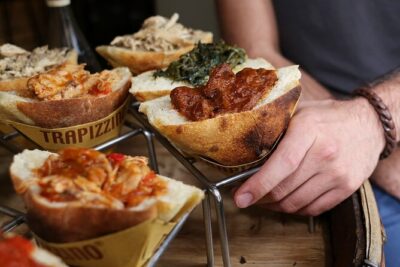
Rome: Trastevere Food tour with Free-Flowing Fine Wine
Read our review →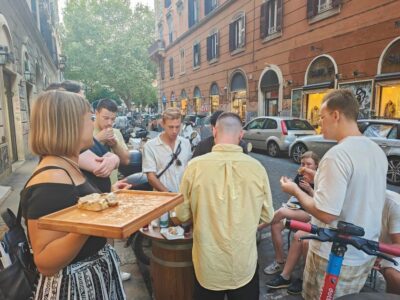
Rome: Trastevere & Campo de Fiori Street Food Walking Tour
Read our review →Browse the lists this tour appears in