
Review · ROME FOOD TOURS
Rome: Guided Food Tasting Tour in Trastevere
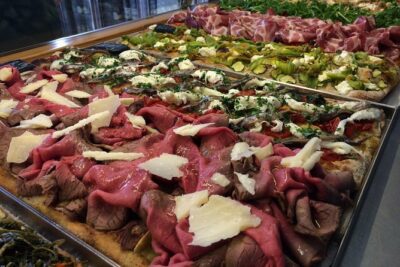
Rome’s best food lessons often happen on foot, with a paper napkin in one hand and a hot suppli in the other. This two-hour walk links Piazza Navona, Campo dei Fiori, and Trastevere while giving you a taste of cheese, fried rice, porchetta, wine, spirits, and dessert.
I like the route because it connects famous sights with everyday Roman eating, and I like the small human touch supplied by guides such as Alima and Pinda, who have been praised for their warmth and clear explanations. The main drawback is that the historical commentary can feel light, and the food lineup may leave you wishing for a fuller pasta tasting.
Key points at a glance
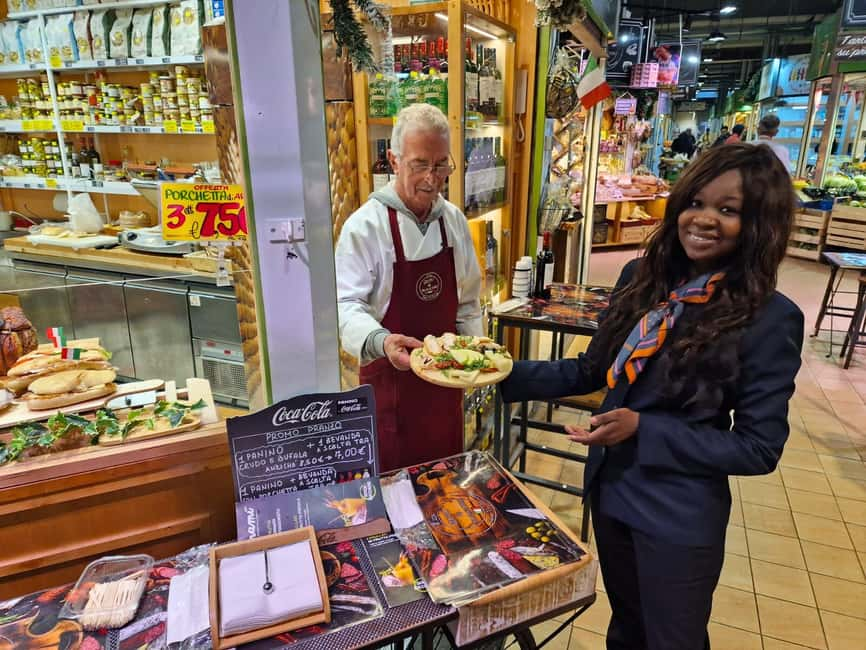
- Roman street food takes center stage: Try suppli, a fried rice ball, and a panino con porchetta, one of Rome’s classic quick meals.
- The route covers three useful areas: See Piazza Navona, Campo dei Fiori, Ponte Sisto, and the lanes and squares of Trastevere.
- Six local tastings are included: The food stops are joined by one glass of tasting wine, a spirit, and dessert.
- The guides shape the experience: Alima and Pinda have been singled out for their friendliness, patience, and answers to questions.
- It is a compact two-hour introduction: You get a quick food-and-neighborhood orientation rather than a long sit-down meal.
- Come ready to walk: Comfortable shoes are essential, and the tour is not suitable for wheelchair users.
A short walk with a very Roman menu
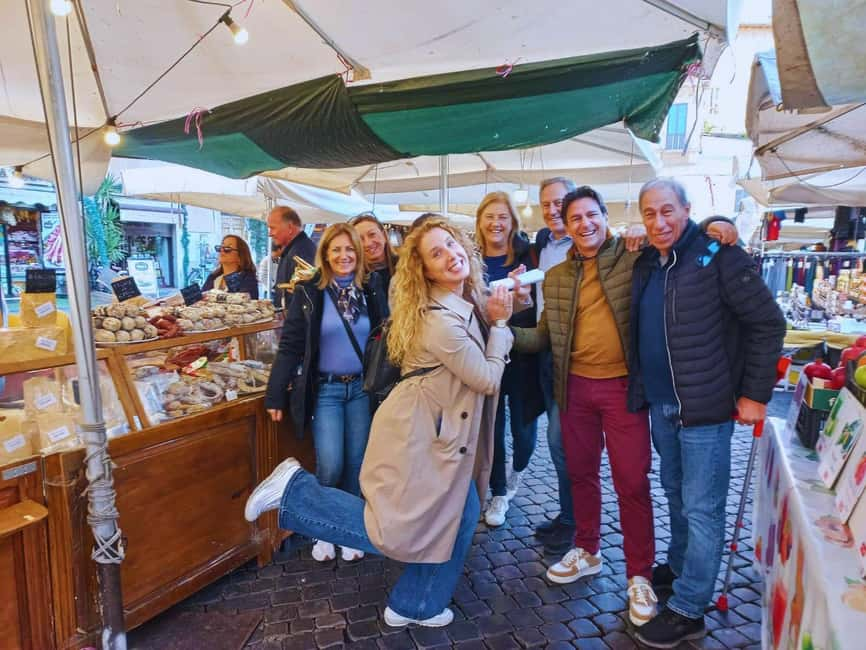
This is not a restaurant crawl built around long meals. It is a moving introduction to Roman food, served in small portions as you cross the city center. That format works well on your first day, when you want to get your bearings and learn what to look for during the rest of your stay.
The advertised package includes six local food tastings and one glass of wine. The stops also include a spirit and a dessert or local snack in Trastevere. You will not receive a complete lunch, so plan to eat something before or after if you have a large appetite.
The route starts at Touristation Navona, inside the office at Piazza Navona, 25. From there, you walk rather than use public transport. The experience ends in Trastevere, which is useful if you plan to continue exploring the neighborhood, but less convenient if you need to return straight to your hotel.
More guided departures in Rome:
- Rome: Street Food Tour with Local Guide
★ 4.8 · 4,077 reviews - Rome: Guided Food Walking Tour with Wine in Trastevere
★ 4.9 · 3,105 reviews - Rome Street Food Tour with Local Guide
★ 5.0 · 2,361 reviews
Piazza Navona sets the scene
Your first sight is Piazza Navona, one of Rome’s grand urban rooms. The guided portion here is brief, about five minutes, so think of it as an introduction rather than a full monument tour. Your guide begins placing food into the city’s story, showing how central squares still serve as meeting points, landmarks, and routes through Rome.
This opening is practical. You see one of Rome’s best-known spaces before moving into smaller streets and food stops. If this is your first visit, the location is easy to recognize and the central meeting point makes the tour simple to find.
The route then moves toward Via della Pace for a tasting of about 15 minutes. This is where the pace becomes clear: walk, stop, taste, listen, and move on. You get a chance to ask questions, but the schedule does not leave room for long explanations at every location.
Campo dei Fiori brings food and daily life together
The next stretch leads through Piazza di Pasquino and on to Campo dei Fiori. The Pasquino stop includes street food and regional food, giving you a chance to sample something connected to Roman eating rather than simply look at another monument.
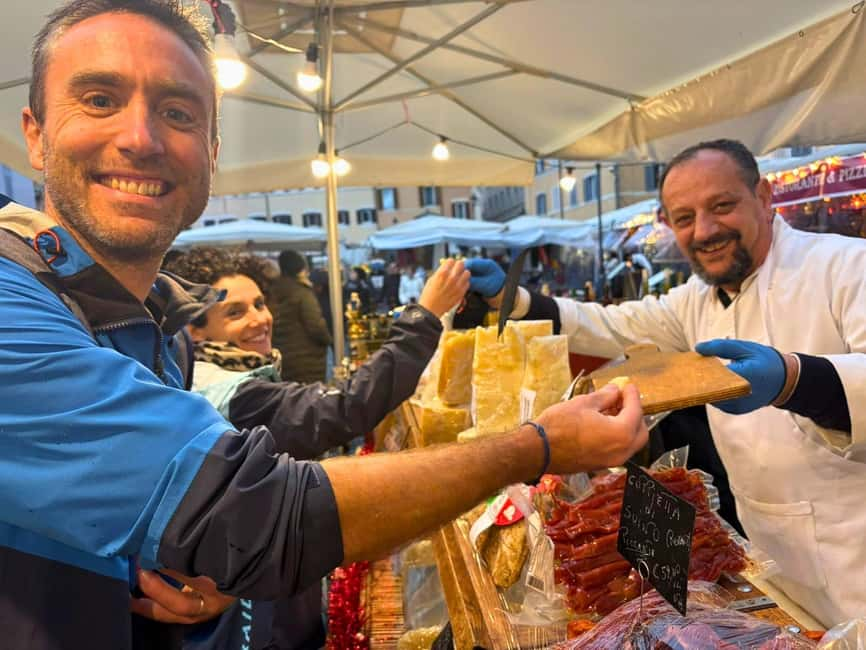
Campo dei Fiori receives about 20 minutes. In the morning, its market gives the square a strong food connection, although the activity description only promises a market visit and does not guarantee that every stall will be operating at every tour time. Check the start time when booking if the market matters to you.
This is one of the more useful parts of the walk because it lets you see food in two forms: prepared snacks you can eat immediately and market goods that reflect how people shop. Your guide also shares stories about Roman culture and the city’s past, though the historical detail may be brief.
If you want a full explanation of each neighborhood’s development or the origin of every recipe, this tour may not go far enough. A few ratings of four out of five specifically wished for more history and more background on the food. I would treat Campo dei Fiori as a lively orientation stop, not a specialist market tour.
A glass of wine near Largo dei Librari
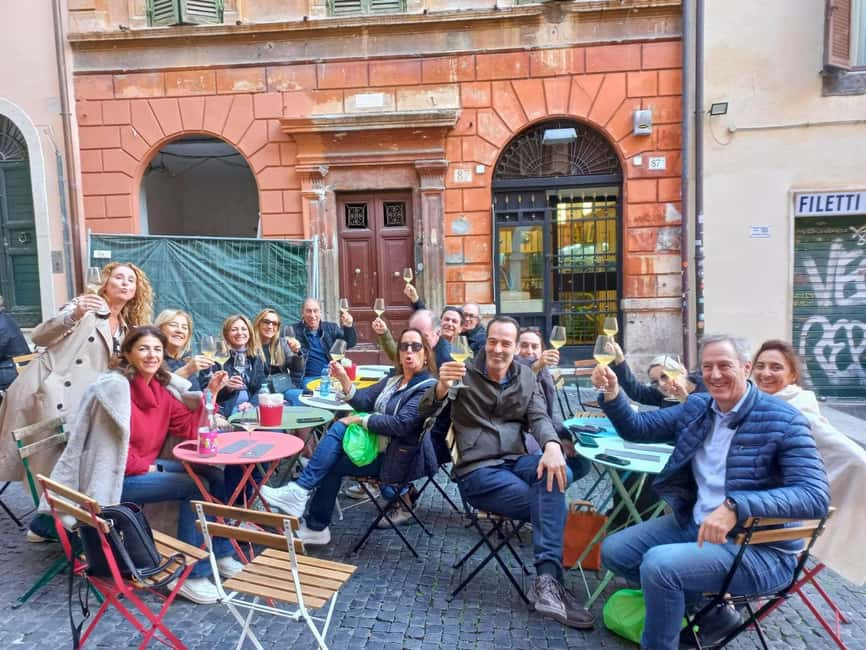
At Largo dei Librari, the program allows about 20 minutes for wine tasting. One glass of tasting wine is included. This gives the walk a calmer pause after the earlier food samples and lets you compare a drink with the snacks you have already tried.
The wine stop is not presented as a formal lesson in Italian wine. You should expect a taste and some local context, not a detailed study of grape varieties, producers, or wine regions. That is perfectly reasonable in a two-hour city walk, especially if your main interest is eating.
A short food tour can easily become a list of disconnected bites. The wine stop helps create a little rhythm: something fried or savory, then a drink, then another neighborhood. It also gives you time to ask the guide questions before the route crosses the Tiber.
More food tours in Rome:
- Winner 2025 Rome Twilight Trastevere Food Tour by Eating Europe
★ 5.0 · 5,157 reviews - Rome Food Tour: Unlimited Tastings with Fine Wine & Barolo
★ 5.0 · 3,365 reviews - Rome Food Tour: Campo de’ Fiori, Ghetto, Trastevere Winner 2024
★ 5.0 · 3,205 reviews - Rome: Trastevere Food tour with Free-Flowing Fine Wine
★ 5.0 · 2,853 reviews
Ponte Sisto is the link to Trastevere
The walk continues to Ponte Sisto, with about five minutes set aside for crossing and looking around. This is not a major food stop, but it matters to the route. You move from the historic center toward Trastevere, and the change in streets gives the tour a natural second half.
At this point, comfortable shoes become important. The tour lasts only two hours, but it includes several walking sections and outdoor stops. The supplied information does not state the group size, distance, or seating at each tasting, so you should expect a walking experience rather than a relaxed, seated meal.
Trastevere serves the strongest Roman flavors
Trastevere is where the menu becomes most clearly Roman. The route includes a tasting of suppli, the city’s beloved fried rice ball. It is a simple food with a lot of character: crisp outside, soft and savory inside, and easy to eat while standing or walking.
You also taste a panino con porchetta, a bread roll filled with seasoned roast pork. This is exactly the sort of local snack that makes a food walk worthwhile. It is not a dish designed for ceremony. It is filling, direct, and tied to the casual side of Roman eating.
The Trastevere section also includes a spirit tasting, followed by dessert or another local snack. One recent rating found the ice cream at the end less distinctive than another Roman specialty might have been. That is useful to keep in mind if you want every bite to be a famous local classic. The menu has variety, but not every stop will carry equal weight.
At Piazza di Santa Maria in Trastevere, you see the Basilica of Santa Maria in Trastevere, described as one of Rome’s oldest churches. This stop adds a strong visual and cultural layer to the food. The square is not just a backdrop for snacks; it is one of the neighborhood’s key gathering places.
Piazza Trilussa is another highlight. It is known here as the center of Trastevere nightlife, so you get a sense of how the area changes from daytime food district to evening meeting place. The tour ends in Trastevere, giving you the option to stay for dinner or continue on your own.
What the guide adds to the food
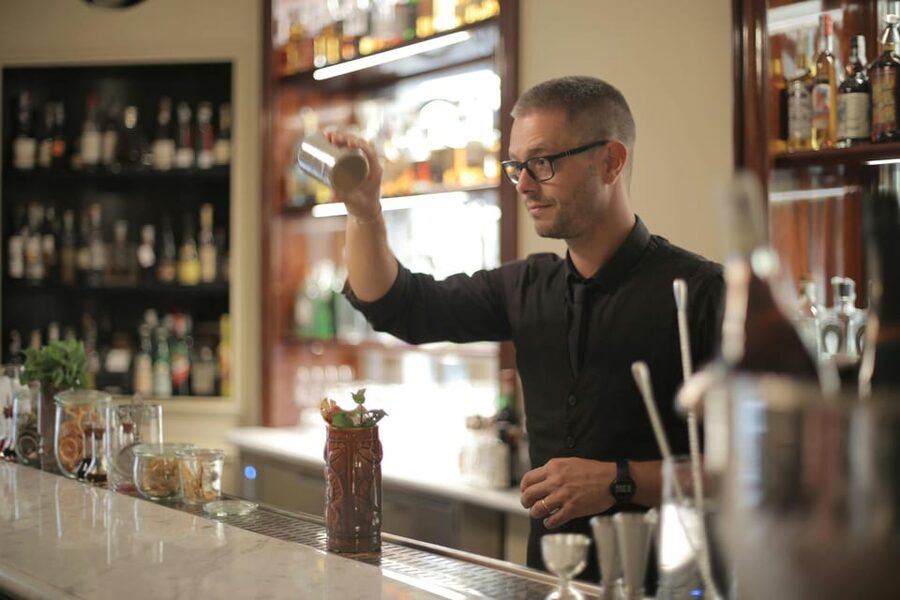
The guide’s role is important because the food portions are small and the walk is short. You are paying for the connection between the places, the stories, and the tastes. A good guide keeps the route from feeling like a string of snack counters.
Alima has received particularly warm praise for making people comfortable, answering questions, and sharing anecdotes as the group moved between restaurants and stops. Pinda has also been praised for clear explanations and an engaging manner. These comments suggest that the human side of the tour is a major strength.
The language options are English and French. If you prefer French, confirm that your selected departure is conducted in French, since the available language may depend on the starting time.
The historical side appears lighter than the food side. One rating specifically asked for more information about the neighborhoods, while another wanted more explanation of the origin of the recipes. I would book this for stories and context in manageable portions, not for a full Roman history lecture.
Does $59 offer fair value?
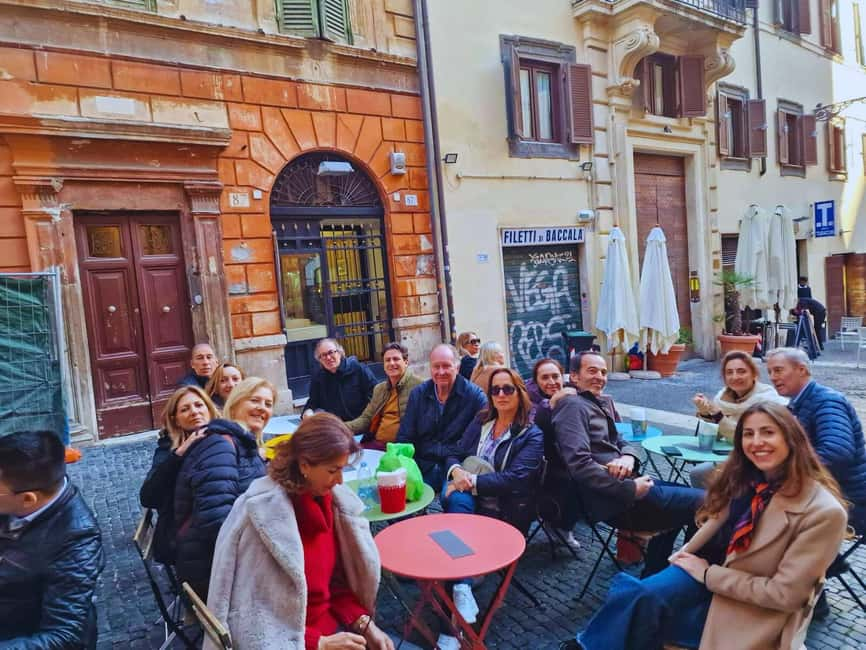
At $59 per person, the price is fair if you value a guided route as much as the food itself. You receive a two-hour walking tour, six local food tastings, one glass of wine, and visits to several major areas. Buying every taste separately would also require time, planning, and some trial and error.
The value is weaker if you want a large meal. The experience does not include hotel pickup, transport, or a promise of full-sized restaurant courses. You pay for access to a planned sequence of tastes and for a guide who helps explain where you are.
I see this as especially useful early in a Rome visit. You can note the foods you like, learn the names of Roman snacks, and return to Trastevere or Campo dei Fiori later with more confidence. It also works for a short visit when you want several neighborhoods in one compact outing.
The two-hour length keeps the commitment low, but it also limits the number of stories and the amount of time at each stop. If your ideal food tour includes long meals, cooking instruction, or several glasses of wine, choose something longer. If you want a quick introduction without giving up half a day, this format makes sense.
Who will enjoy this Roman food walk?
I would recommend it to first-time visitors, couples, families with older children, and anyone who wants help choosing Roman foods. It is also a good fit if you enjoy walking through a city and tasting small portions instead of sitting in one restaurant.
It suits people who want a friendly guide and a basic introduction to Roman neighborhoods. The strong comments about Alima and Pinda matter here, since the guide’s warmth seems to be one of the experience’s most valued parts.
You may want a different tour if you need detailed historical interpretation, a full meal, or careful accessibility planning. Wheelchair users should not book this activity, since it is specifically listed as unsuitable for wheelchair users. Anyone with mobility concerns should also consider the walking route and street conditions before reserving.
Bring comfortable shoes and a camera. No transport is included, and you meet the guide at Touristation Navona rather than at your hotel. Free cancellation is available up to 24 hours before the activity, and you can reserve now and pay later, which helps if your Rome schedule is still shifting.
The final taste test
Book this tour if you want a friendly, compact introduction to Roman food and neighborhoods, with enough variety to help you plan the rest of your stay. The suppli, porchetta, wine, and Trastevere route are the strongest reasons to go.
Skip it if you want a deep food seminar, generous portions, or extensive history at every stop. For most visitors, the best approach is to view the $59 fee as payment for both the tastings and the local guide who connects them. Come with comfortable shoes, a moderate appetite, and realistic expectations, and this should be a pleasant way to begin eating your way through Rome.
FAQ
Where does the tour begin?
The meeting point is inside the Touristation Navona office at Piazza Navona, 25.
Where does the tour end?
The tour finishes in Trastevere.
How long does the experience last?
The walking food tour lasts two hours.
Which foods are included?
The experience includes six local food tastings. Specific foods named for the tour include suppli, a fried rice ball, and panino con porchetta. Cheese, dessert, and local snacks are also included in the tasting route.
Is wine included?
Yes. One glass of tasting wine is included.
Which places will I visit?
The route includes Piazza Navona, Via della Pace, Piazza di Pasquino, Campo dei Fiori, Largo dei Librari, Ponte Sisto, and several parts of Trastevere, including Piazza di Santa Maria in Trastevere and Piazza Trilussa.
What languages are available?
The live tour guide is available in English or French.
Is the tour suitable for wheelchair users?
No. The activity is listed as unsuitable for wheelchair users.
New food tours we have reviewed in Rome
- Rome: 3-Hour Guided Food Tour with Tastings★ 4.9 · 41 reviews
- Rome: Vatican Street Food and Wine Tour with Farmers Market★ 5.0 · 37 reviews
- Rome: Vegan Street Food Tour with Local Guide★ 5.0 · 37 reviews
- Rome Trastevere Walking Food Tour★ 4.8 · 97 reviews
- Rome: Trionfale and Prati Food and Wine Tasting Tour★ 4.8 · 115 reviews
- Rome: Trastevere & Tiber Island Street Food Tour at Sunset★ 4.9 · 71 reviews
- Rome: Trastevere Quarter Street Food Tour with Sightseeing★ 4.9 · 21 reviews
- Rome: The Ultimate Trastevere Food Tour with a Local★ 4.9 · 114 reviews
Rome Food Tours, compared.
Winner 2025 Rome Twilight Trastevere Food Tour by Eating Europe
Read our review →
Rome Food Tour: Unlimited Tastings with Fine Wine & Barolo
Read our review →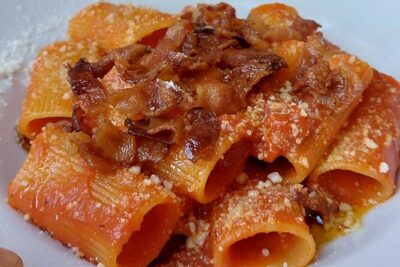
Rome Food Tour: Campo de’ Fiori, Ghetto, Trastevere Winner 2024
Read our review →
Rome: Guided Food Walking Tour with Wine in Trastevere
Read our review →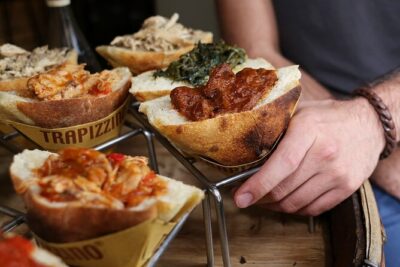
Rome: Trastevere Food tour with Free-Flowing Fine Wine
Read our review →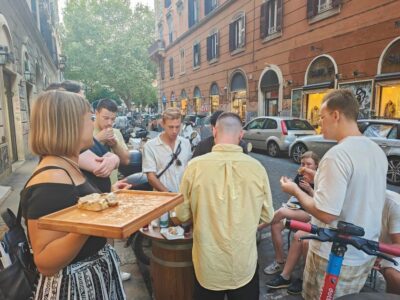
Rome: Trastevere & Campo de Fiori Street Food Walking Tour
Read our review →Browse the lists this tour appears in