
Review · ROME FOOD TOURS
Rome: Trastevere and Campo de Fiori Food Tour
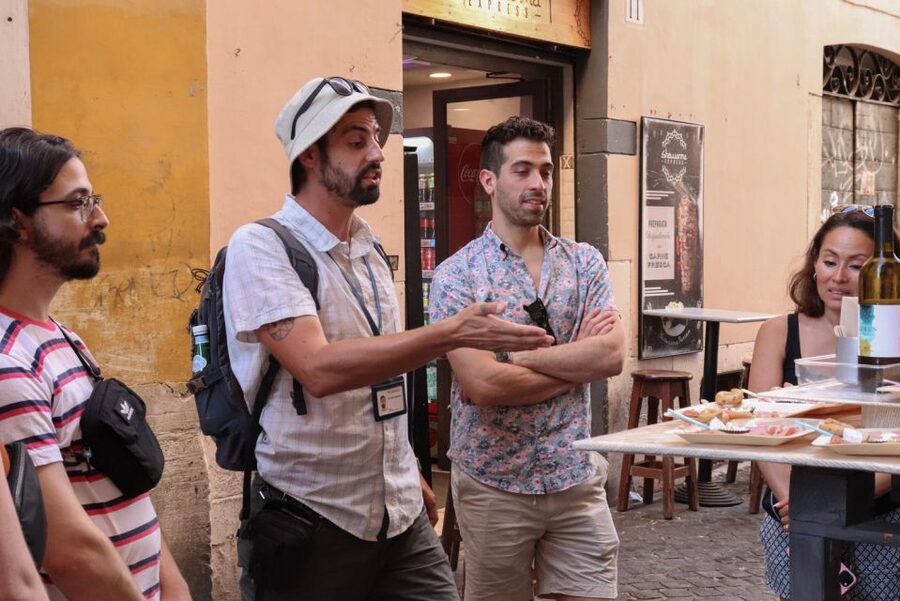
Start with fried hake and local wine in Campo de’ Fiori, then cross the Tiber for supplì, pasta, porchetta, pizza bianca, beer, and gelato. This is a proper meal spread across Rome, not a quick snack crawl. I especially like the small groups of up to 12 and the way the route links two neighborhoods with very different personalities.
I also like the local feel. Guides such as Marco, Anna Maria, Paola, and Valentina explain the food while pointing out landmarks and family-run places. The main consideration is the walking: three hours on Roman streets, with several stops and no time for a slow, sit-down dinner.
Key points to know before booking
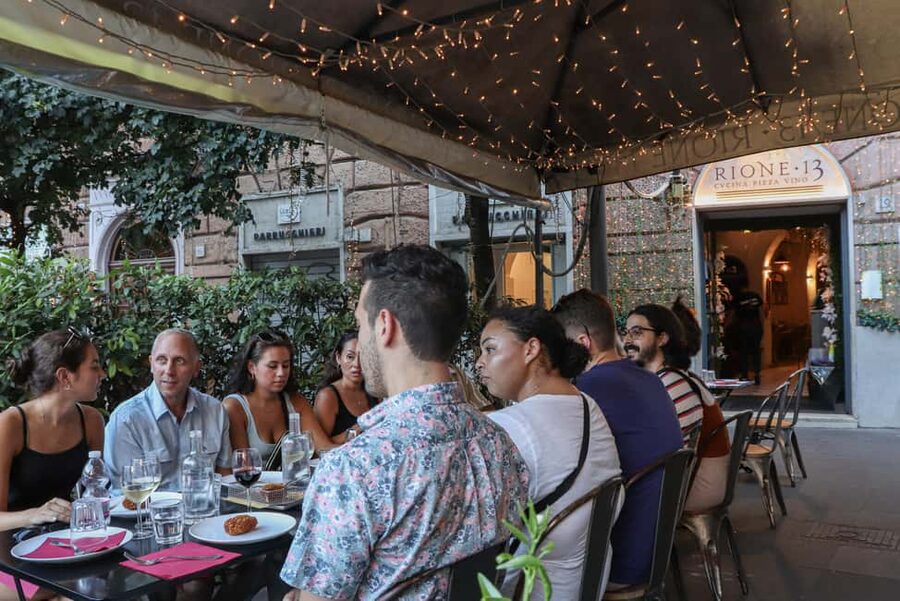
- Roman classics in one three-hour route: Taste fried hake, supplì, pasta, porchetta, pizza bianca, beer, wine, and gelato.
- Two distinctive neighborhoods: Begin around Campo de’ Fiori, cross the Tiber, and finish in Trastevere.
- A full meal, not just samples: The food and drinks are intended to fill you up.
- English-speaking local guides: Guides including Anna Maria, Marco, Paola, and Valentina mix food knowledge with stories about Rome.
- Small group setting: The group is limited to 12 people, which makes questions and dietary requests easier to handle.
- Dietary planning matters: Gluten-free and vegetarian choices are available with advance notice, but you must report allergies and other needs before arrival.
Starting at Piazza Farnese and Campo de’ Fiori
The tour begins at Piazza Farnese, at number 42, right around the corner from the pharmacy. The meeting point is given as 41.89529037475586, 12.471602439880371, a useful detail if you are using a map app rather than looking for a large tour sign.
From there, you head toward Campo de’ Fiori. This part of Rome is a good place to begin a food walk because the streets bring together market life, old churches, cafés, and small food businesses. Your guide uses the setting to explain how Romans eat, shop, and socialize, rather than treating the neighborhood as a string of unrelated tasting stops.
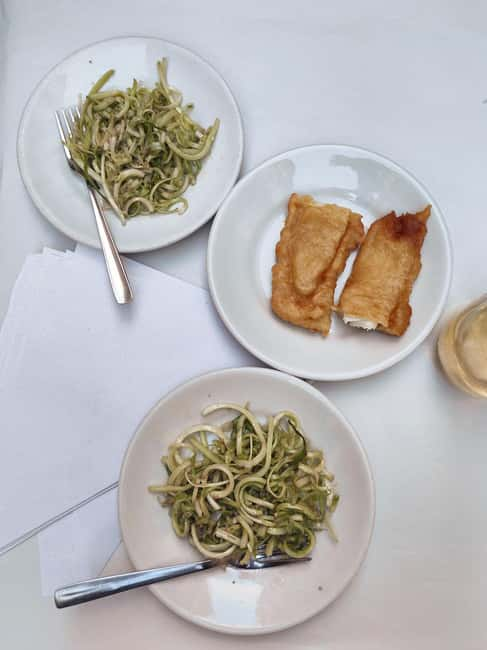
The first food stop is Dar Filettaro a Santa Barbara. Here you try a breaded hake fillet with local wine. Fried fish may sound simple, but that is part of the point. Roman food often gets its character from good ingredients, a straightforward method, and the place where locals have long gone for it.
You should expect this opening stop to be casual rather than formal. It sets the tone for the afternoon or evening: stand, eat, ask questions, and keep moving. If you prefer a long meal at one table, this format may feel rushed. If you want to try several Roman specialties without committing to one restaurant, it works well.
More food tours in Rome:
- Winner 2025 Rome Twilight Trastevere Food Tour by Eating Europe
★ 5.0 · 5,157 reviews - Rome: Street Food Tour with Local Guide
★ 4.8 · 4,077 reviews - Rome Food Tour: Unlimited Tastings with Fine Wine & Barolo
★ 5.0 · 3,365 reviews
Crossing the Tiber with food on your mind
The route then leads toward the Tiber River and across to Trastevere. This change of neighborhood gives the tour a natural rhythm. You are not simply visiting a restaurant and leaving again. The walk connects the food to Rome itself, with the guide filling in details about the streets, landmarks, and local way of life.
Your guide may be one of several members of the team. Anna Maria has been especially good at explaining both the food and the city, while Marco has a relaxed style and welcomes questions about Roman life. Paola is known for explaining the ingredients and wines clearly, and Valentina has been praised for fluent English and thoughtful answers.
The exact guide can vary, so do not book expecting one specific person unless the operator confirms it. The consistent feature is the English-only format and the guide-led conversation along the way.
Supplì and pasta in Trastevere
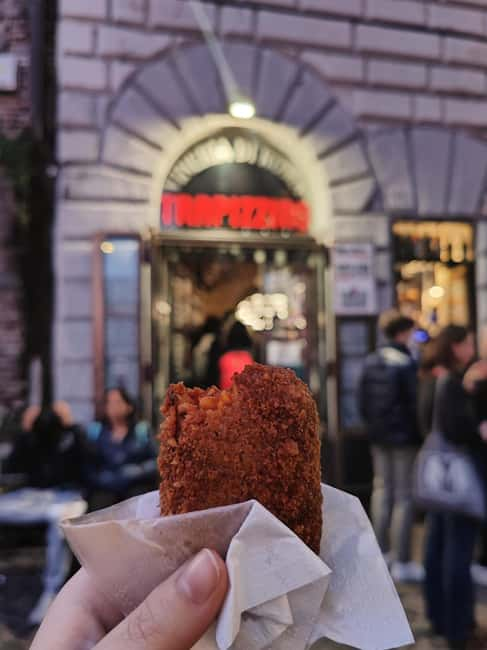
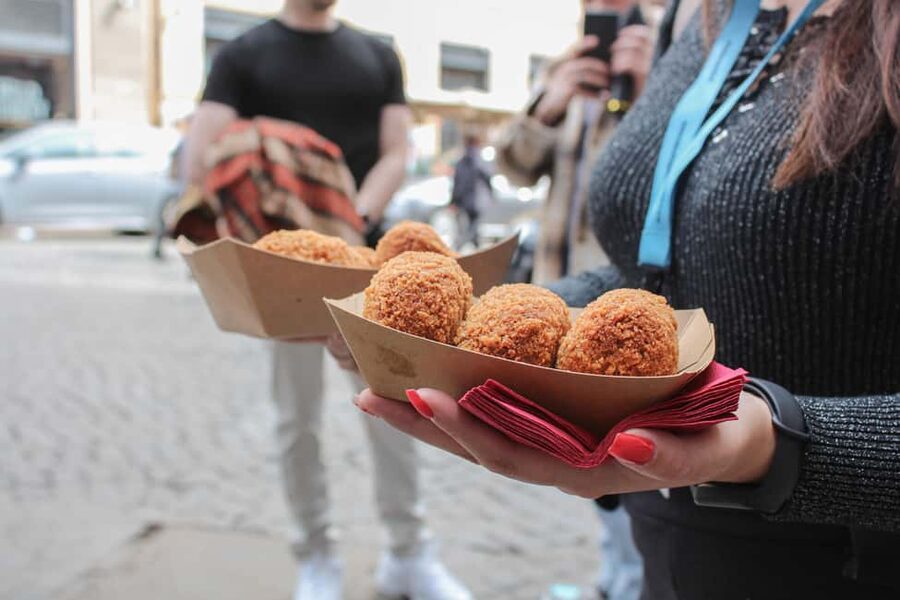
Once in Trastevere, the food becomes even more familiar to anyone building a list of Roman must-tries. Supplì is a fried rice croquette, usually associated with a crisp outside and a warm, soft center. It is classic Roman street food and easy to understand once you taste it: portable, filling, and made for eating without ceremony.
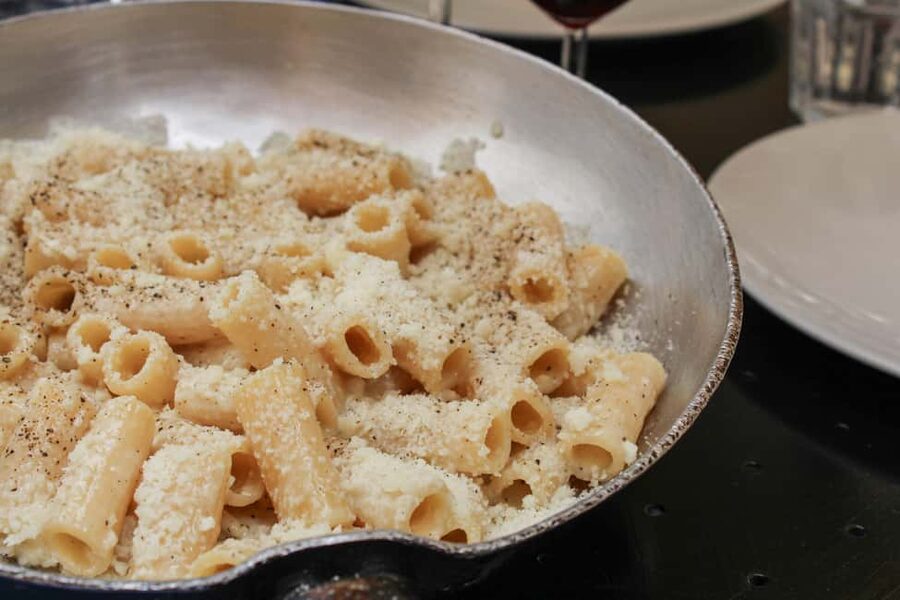
The tour also includes a traditional pasta dish at a local restaurant. The supplied information does not promise one fixed pasta recipe, and that is worth noting. Food can change with seasonal supply and the restaurant’s current menu, so you should expect Roman pasta rather than a guaranteed named dish.
That flexibility is useful in a city where menus change and kitchens work with what is available. It also means you should not treat the published sequence as a promise of identical dishes on every date. The operator specifically notes that tastings vary with the season.
Trastevere is a strong setting for this part of the tour. Its narrow streets and restaurant-lined lanes make the area feel suited to an evening food walk. Still, the neighborhood can be busy, and you will be walking through public streets rather than moving between quiet private rooms. Comfortable shoes are essential.
Porchetta, pizza bianca, and a local beer
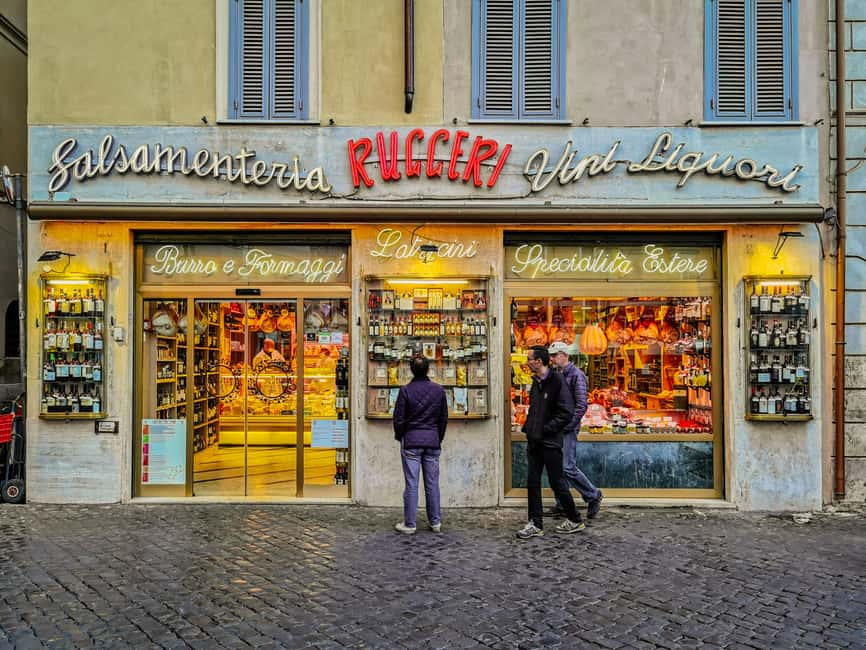
One of the more distinctive stops is La Norceria di Iacozzilli, associated with the King of Porchetta. Here you try roast pork with crispy pizza bianca, paired with locally brewed Italian beer.
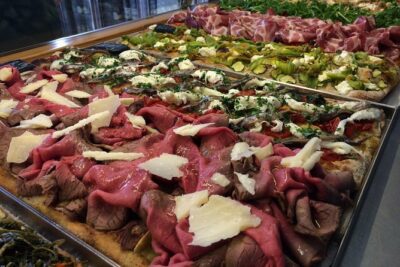
Porchetta is a useful taste of central Italian food culture. It is seasoned roast pork, generally prized for its crisp exterior and tender interior. Pizza bianca is not the tomato-topped pizza many people picture. It is a plain, airy Roman bread that works as a sandwich base or as a simple partner for meat.
This pairing shows why a food tour can be more helpful than ordering at random. You get context for what is on the plate and how Romans use it. You also get a combination that may not be obvious to a first-time visitor browsing a menu.
The beer adds variety after the wine served earlier. That matters if you want to understand Rome through more than one famous drink. The tour is not limited to pasta and red wine, and the food sequence gives you several textures and styles: fried fish, croquettes, pasta, roast pork, bread, and frozen dessert.
The porchetta stop may be less comfortable for anyone who does not eat pork or red meat. Vegetarian and special dietary arrangements are possible with advance notice, but you should not wait until the meeting point to explain a serious allergy or restriction.
Same appetite, a different neighbourhood:
- Rome Food Tour: Campo de’ Fiori, Ghetto, Trastevere Winner 2024
★ 5.0 · 3,205 reviews - Rome: Guided Food Walking Tour with Wine in Trastevere
★ 4.9 · 3,105 reviews - Rome: Trastevere Food tour with Free-Flowing Fine Wine
★ 5.0 · 2,853 reviews - Rome: Trastevere & Campo de Fiori Street Food Walking Tour
★ 4.9 · 2,768 reviews
Finishing with organic gelato in Trastevere
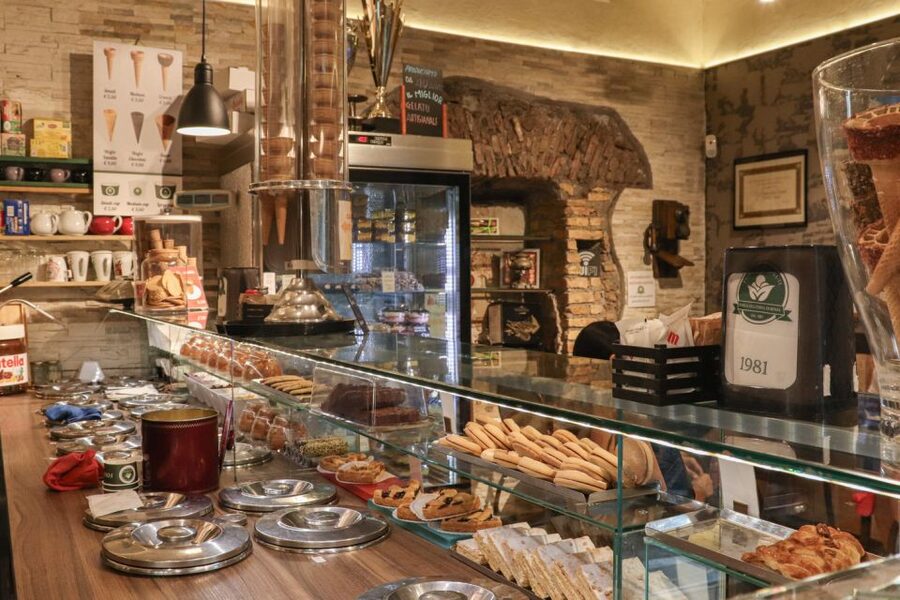
The final tasting is gelato at a respected artisanal shop in Trastevere, identified as a local café stop in the route. The gelato is described as organic, creamy, and full of flavor.
Ending with gelato is more than a sweet finish. It gives you a slower final stop after several savory tastings and lets the group wind down before reaching Fonte della Salute. The endpoint is in Trastevere, so you can continue exploring the neighborhood afterward or use the guide’s suggestions for later meals.
Gelato quality varies widely in Rome, and the useful detail here is that the stop focuses on an artisanal producer rather than a generic dessert counter. You can ask your guide about flavors and ingredients, though exact choices can change.
Because the tour includes a full meal, do not eat a large lunch immediately beforehand. A light breakfast or early snack makes more sense if you are joining later in the day. You will want room for the full sequence, especially the pasta and porchetta.
What the three-hour format means
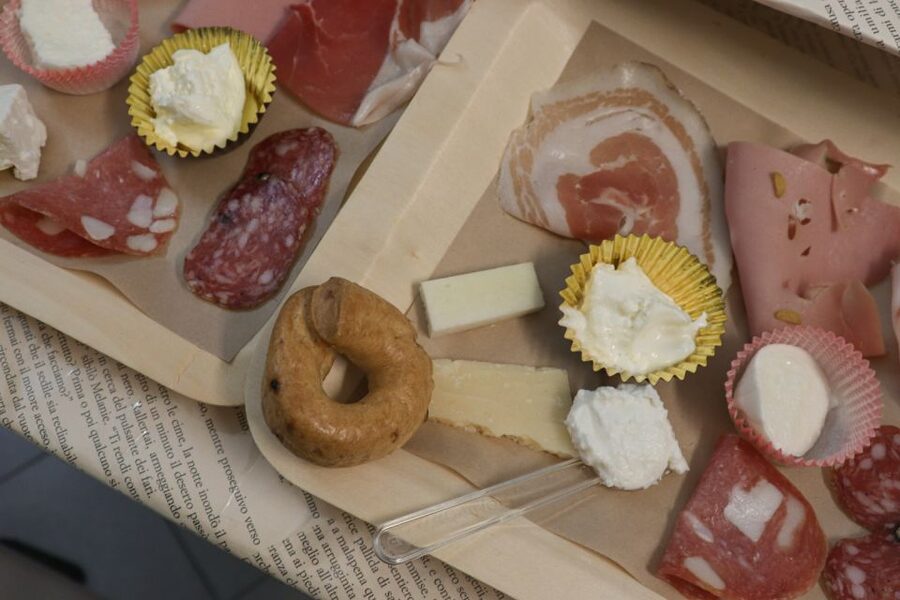
Three hours is long enough to cover the two neighborhoods and several food stops, but short enough to fit into a busy Rome schedule. I would place it early in your stay, ideally during your first day or two. The food will help you identify dishes for later meals, and the guides can offer practical suggestions for the rest of your visit.
The pace is active. You walk between stops, cross the Tiber, and spend time standing at casual food counters or restaurants. This is not a sightseeing tour with long stops at major monuments, although the guide does discuss Rome’s history and landmarks along the way.
That distinction matters. If your main goal is the Colosseum, Vatican Museums, or ancient Roman archaeology, choose a dedicated history tour. This experience uses the city as a setting for food, with historical detail woven into the walk.
The small group limit of 12 is helpful. You can hear the guide more easily than in a large group, and it is simpler to ask about ingredients, Roman customs, or places to eat later. It also creates the social side of the tour. You may share the route with people from several countries, and the casual tastings give everyone an easy subject to talk about.
Dietary needs, mobility, and practical limits
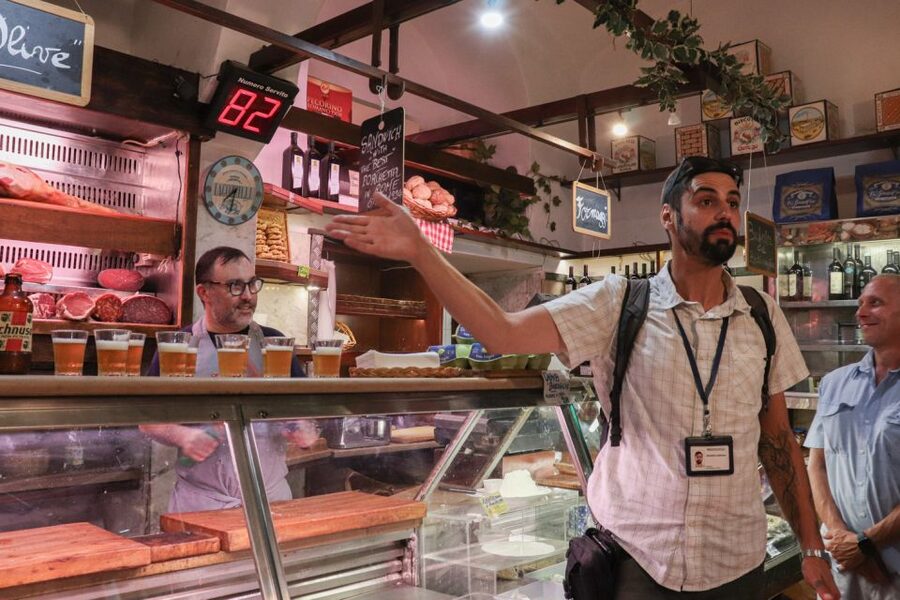
Tell the operator about dietary needs before the tour. The experience can offer gluten-free or vegetarian alternatives with prior notice, and the guide team has handled serious food concerns by arranging substitutes at certain stops. This is encouraging, but advance communication remains essential.
You should mention lactose intolerance, gluten intolerance, vegetarian or vegan needs, pregnancy, fish allergies, and any other restriction. Do not assume that an alternative will be available if you arrive without warning.
The tour requires comfortable shoes and comfortable clothing. Large bags, oversize luggage, bikes, skateboards, drones, and smoking are not allowed. Non-folding wheelchairs and non-folding strollers are also excluded, so check the format carefully if someone in your group needs mobility equipment.
The route is through city streets, and the information does not promise step-free access at every stop. If you use a wheelchair or stroller, contact the operator in advance and describe your equipment clearly. The team asks visitors to report special requirements such as a wheelchair or stroller before the tour.
Value, cancellation, and booking timing
No fixed price is provided here, and the amount can change by date or booking platform. To judge value, look at what is included: several substantial food tastings, wine, beer, gelato, and three hours of guiding. Since the food is intended to make a full meal, you can compare the cost with a meal plus a separate walking tour.
The better value comes if you use the guide’s advice afterward. A good food tour should help you order more confidently for the rest of your stay, understand Roman specialties, and find places beyond the most obvious tourist menus.
Free cancellation is available up to 24 hours before the start for a full refund. You can also reserve now and pay later, which helps if your Rome schedule is still moving around. There are no refunds for no-shows or late arrivals, so allow extra time to reach Piazza Farnese.
The meeting point is specific, but Rome’s streets can be confusing. Save the address and coordinates, arrive early, and look for the pharmacy corner. Turning up late is particularly risky on a walking tour because the group may already be on its way to the first stop.
Who will enjoy this Rome food walk?
I would recommend it most strongly to first-time visitors who want a friendly introduction to Roman food without spending a full day on a formal cooking class. It also suits solo visitors and couples who like meeting people while exploring.
Families may enjoy the variety, but parents should consider the walking and the no-stroller rule for non-folding strollers. People with serious allergies can join only after making arrangements in advance. Anyone who wants a quiet, slow dinner should choose a restaurant instead.
The English-only format is clear and useful if you are comfortable following explanations in English. The guides are expected to answer questions about food, local customs, landmarks, and daily life, so the tour works best when you participate rather than simply follow along.
I also like it for a short Rome stay. With just three days in the city, this route gives you a practical introduction to two central neighborhoods and several dishes in one outing. It does not replace Rome’s major monuments, but it adds the everyday side of the city that a museum ticket cannot provide.
Should you book the Campo de’ Fiori and Trastevere food tour?
Book it if you want a full meal built around Roman specialties, a small English-speaking group, and a guide who can connect food with local life. The combination of hake, supplì, pasta, porchetta, pizza bianca, beer, wine, and gelato gives you a broad taste of Rome in a short time.
Skip it if you dislike walking, need a guaranteed fixed menu, or prefer to spend three hours seated in one restaurant. Also skip it unless you can report dietary needs before booking.
For most food-minded visitors, the strongest reason to choose this tour is the balance of eating and orientation. You get a useful first look at Campo de’ Fiori and Trastevere, several dishes worth seeking out again, and practical advice from guides such as Marco, Anna Maria, and Paola. Just arrive on time, wear sensible shoes, and save room for gelato.
FAQ
Where does the tour begin?
It begins at Piazza Farnese, 42, right around the corner from the pharmacy. The meeting point coordinates are 41.89529037475586, 12.471602439880371.
Where does the tour finish?
The tour finishes at Fonte della Salute in Trastevere.
How long does the food tour last?
The experience lasts three hours. Starting times depend on availability.
Is the tour offered in English?
Yes. The live guide and tour language are English only.
What food and drinks are included?
The route includes breaded hake with local wine, supplì, traditional pasta, porchetta with pizza bianca, locally brewed Italian beer, and artisanal gelato. Tastings can vary based on seasonal availability.
Can I request vegetarian or gluten-free food?
Yes, vegetarian and gluten-free options may be available with prior notice. You should also report allergies, lactose or gluten intolerance, vegan needs, pregnancy, and any other dietary requirement before the tour.
New food tours we have reviewed in Rome
- Rome: 3-Hour Guided Food Tour with Tastings★ 4.9 · 41 reviews
- Rome: Vatican Street Food and Wine Tour with Farmers Market★ 5.0 · 37 reviews
- Rome: Vegan Street Food Tour with Local Guide★ 5.0 · 37 reviews
- Rome Trastevere Walking Food Tour★ 4.8 · 97 reviews
- Rome: Trionfale and Prati Food and Wine Tasting Tour★ 4.8 · 115 reviews
- Rome: Trastevere & Tiber Island Street Food Tour at Sunset★ 4.9 · 71 reviews
- Rome: Trastevere Quarter Street Food Tour with Sightseeing★ 4.9 · 21 reviews
- Rome: The Ultimate Trastevere Food Tour with a Local★ 4.9 · 114 reviews
Rome Food Tours, compared.
Winner 2025 Rome Twilight Trastevere Food Tour by Eating Europe
Read our review →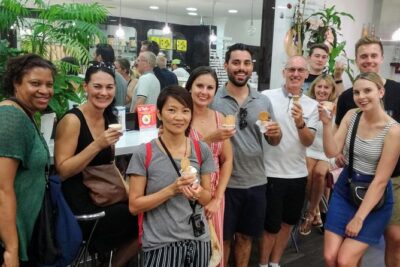
Rome Food Tour: Unlimited Tastings with Fine Wine & Barolo
Read our review →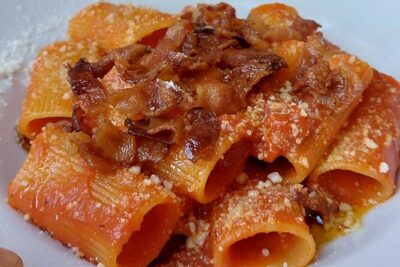
Rome Food Tour: Campo de’ Fiori, Ghetto, Trastevere Winner 2024
Read our review →
Rome: Guided Food Walking Tour with Wine in Trastevere
Read our review →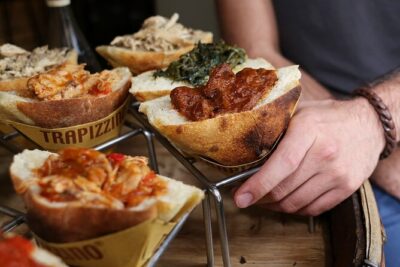
Rome: Trastevere Food tour with Free-Flowing Fine Wine
Read our review →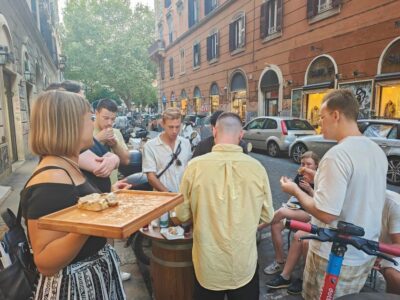
Rome: Trastevere & Campo de Fiori Street Food Walking Tour
Read our review →Browse the lists this tour appears in