
Review · STREET FOOD TOURS
Santa Marta A Historical & Street food Experience
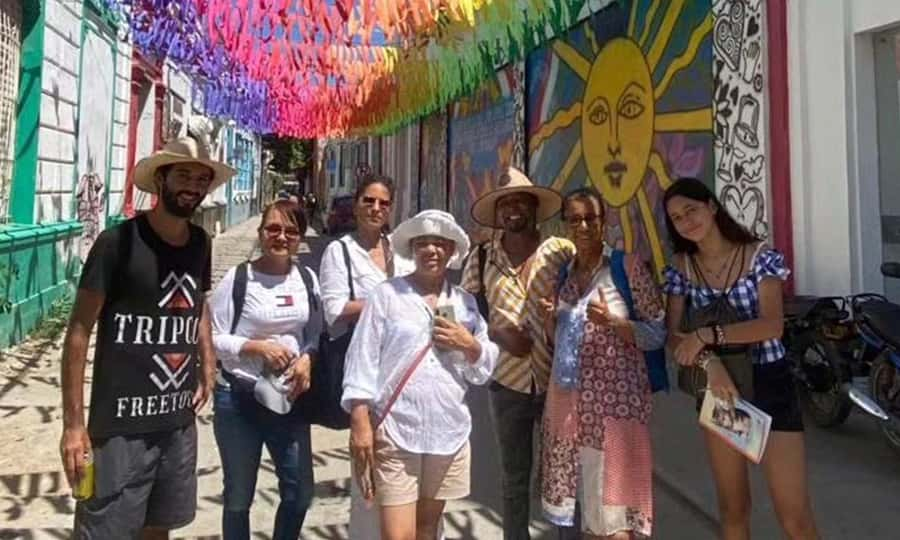
Santa Marta’s old center makes a fine open-air classroom, but the real prize here is the way the tour connects Tayrona culture, colonial buildings, and everyday street food. You move from goldwork and independence history to fruit juice, ceviche, lulo, and empanadas without leaving the compact center.
I like the chance to see several important buildings in one outing, and I like having a guide who can explain the indigenous people of the Sierra Nevada rather than treating Santa Marta as just a beach stop. The main concern is value: at $56 per person, two hours can feel expensive if the route is rushed or a promised food stop is unavailable.
Key points
- Tairona Gold Museum: Begin at Casa de la Aduana with a guided look at Tayrona artifacts and traditions.
- Compact historic center: Walk between Bolívar Park, the cathedral, Camellón, Los Novios Park, San Francisco Church, and San Miguel Cemetery.
- Food and drink tasting: The planned flavors include ceviche, exotic fruit juice, lulo, and empanadas, but the included details specifically confirm a local drink.
- Bilingual guiding: Tours are offered in English and Spanish, with guides trained in history, journalism, and anthropology.
- Flexible timing: The advertised duration is two hours, but one recent afternoon outing lasted close to four hours while other bookings felt hurried.
- Best timing: The 4:30 afternoon start can be more comfortable in Santa Marta’s heat.
A history walk that begins with Tayrona gold
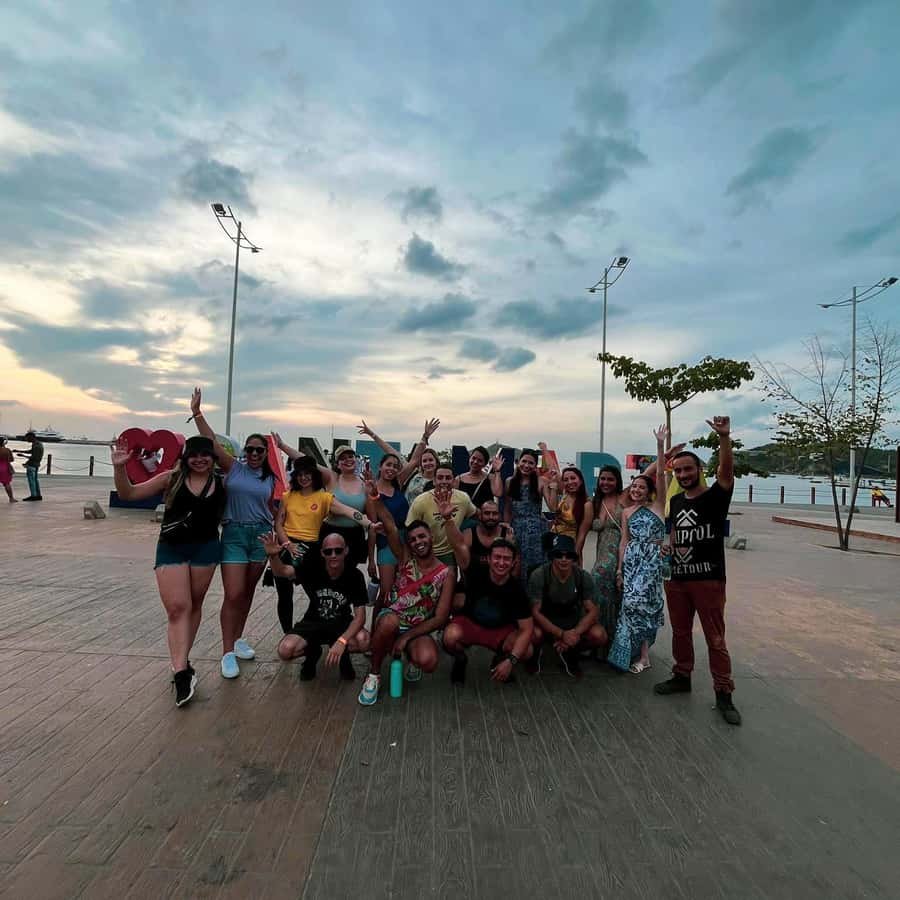
The meeting point is the Tairona Gold Museum at Casa de la Aduana, a useful choice because this building brings together two parts of Santa Marta’s story. The Casa de la Aduana recalls the city’s role in trade, while the museum introduces the material culture of the Tayrona people and other indigenous communities connected to the Sierra Nevada.
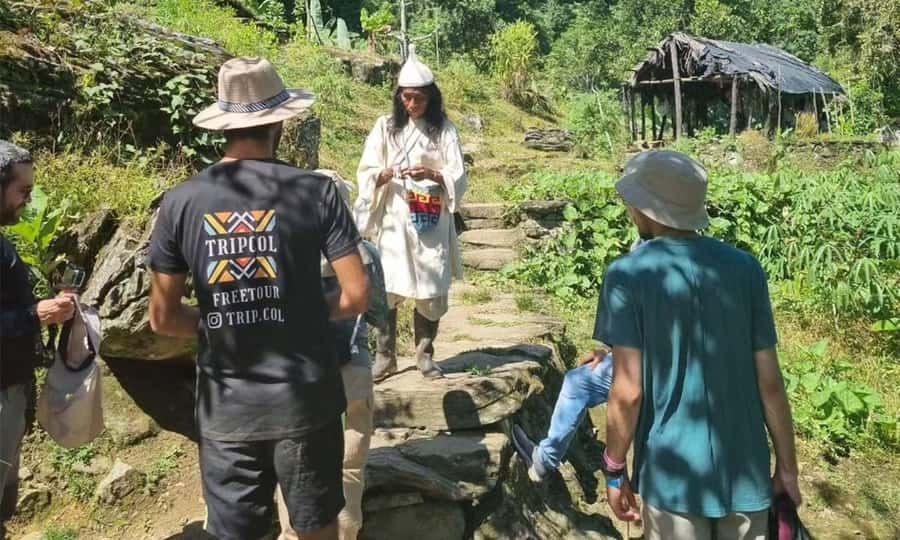
The museum portion is listed as two guided segments, one of about 15 minutes and another of about 30 minutes. That suggests the visit can take a meaningful share of your time rather than being a quick look through the doorway. You’ll need that context. The gold pieces are not simply decorative objects. They point to craftsmanship, belief, status, and the long presence of indigenous communities in the region.
This is also where the quality of the guide matters most. A guide with a background in history, journalism, or anthropology can help connect museum objects to the city you are about to walk through. Sergio, one guide associated with this experience, has been especially useful to visitors who want to ask basic questions about Santa Marta and get practical ideas for the rest of their stay.
The museum is a strong reason to book this outing if you have just arrived and want a cultural starting point. If you already plan a long museum visit on your own, though, the paid tour may feel less useful unless you value the added interpretation.
More Street Food Tours in Colombia:
- Medellín: Comuna 13 True Story and Street Food Tour
★ 4.9 · 1,779 reviews - Cartagena: Guided Street Food Tour with Tastings
★ 4.9 · 833 reviews - Medellin: Street Food and Poblado Rooftop Tour with a Local
★ 4.8 · 317 reviews
Bolívar Park and the story of independence
From the museum, the route continues to Simón Bolívar Park, where the guide explains Bolívar’s connection to Santa Marta and the city’s place in Colombia’s independence story. This is not just a green pause between buildings. It gives you a political frame for understanding why Santa Marta’s old center has so many layers.
The stop is scheduled for about 30 minutes. That is enough time for a clear introduction, questions, and a look at the surrounding architecture. It is not enough for a long lecture, so expect the guide to focus on the main people and events.
I like this kind of stop early in a city walk. You get a sense of how public spaces work as stages for memory and civic life. You also begin to see the difference between Santa Marta’s official history, told through Bolívar and colonial institutions, and the older indigenous history presented at the museum.
Camellón, the cathedral, and Santa Marta’s public face
The walk then reaches Camellón Rodrigo de Bastidas, a waterfront area used for a photo stop and short explanation. The exact amount of time here is listed as about 15 minutes. This is a brief stop, so think of it as a chance to look, take photographs, and hear how the waterfront fits into the city’s development.
The Cathedral Basilica of Santa Marta receives about 20 minutes. Its colonial architecture and interior details are part of the tour’s focus, including the idea that the building contains messages and clues in its decoration. The cathedral also helps you read the old center as a place where religious, commercial, and political power once met.
A scenic view on the way is included in this part of the route. Do not expect a long architectural seminar. The value is in having someone point out what you might otherwise pass without noticing.
For me, these stops work best when the guide keeps the explanations tied to visible details. A useful guide will show you where to look, then explain why the building matters. A rushed commentary can turn the cathedral into little more than a quick photograph, which is one reason the pace of this experience deserves attention.
Los Novios Park, where the city changes gear
Parque de los Novios receives the longest scheduled stop, about 45 minutes. That makes sense. This is one of the city center’s main social spaces, surrounded by restaurants, pubs, and clubs. The tour uses it to discuss local life, romance, legends, and the changing character of central Santa Marta.
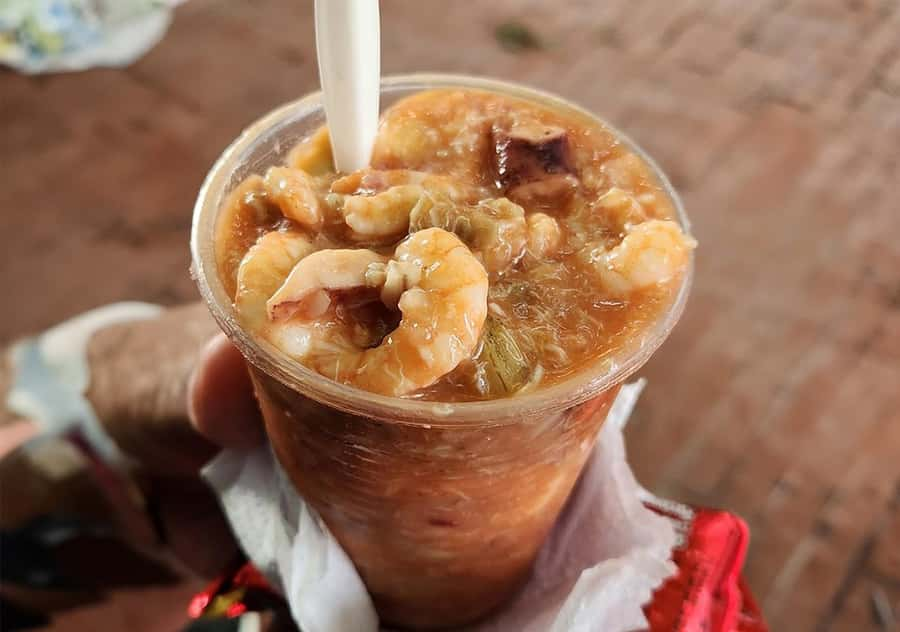
This is also the natural place to consider the food portion. The experience is designed to connect the city’s past with what people eat and drink now. A fruit drink, lulo preparation, ceviche, and empanada can tell you plenty about local habits in a short time, especially when the guide explains what you are tasting.
The advertised tastings include:
- Ceviche in a Colombian style, using fresh seafood and local flavor combinations
- Juice made with fruits such as guanábana, maracuyá, or zapote
- Lulo, served in drinks or other local preparations
- Crispy empanadas with local fillings
The practical catch is that the confirmed inclusions specifically list a local drink, professional guiding, and the guided museum visit. The full tasting sequence is described as part of the experience, but it is wise to ask exactly what is included when you book. One ceviche stop has been unavailable because the venue was closed, and no replacement tasting was provided.
That does not erase the value of the food theme, but it affects the price calculation. If food is your main reason for booking, confirm whether the ceviche, lulo, juice, and empanada tastings will all be served on your date.
More restaurant experiences in Colombia:
- Santa Marta: Guided Walking Food Experience
★ 4.8 · 33 reviews - Bateaux Parisiens Seine River Gourmet Dinner & Sightseeing Cruise
★ 4.5 · 6,930 reviews - Sorrento Farm and Food Experience including Olive Oil, Limoncello, Wine tasting
★ 5.0 · 2,524 reviews - Rome: Gourmet Food Tour with Dinner & Barolo Wine
★ 4.9 · 2,347 reviews
San Francisco Church and San Miguel Cemetery
The route continues to Iglesia San Francisco, with about 15 minutes for a visit, photographs, and commentary. This stop adds another religious building to the cathedral, but the comparison is useful. You can look at differences in setting, scale, and architectural character rather than seeing only one grand church.
The final major stop is San Miguel Cemetery, listed at about 20 minutes. Cemeteries often reveal a city in a quieter and more personal way. Here, the guide can discuss memorial traditions and the people connected to Santa Marta’s past, although the supplied details do not promise a particular grave or monument.
Keep your expectations measured. These are short visits, not extended tours of either site. Their value comes from the sequence: museum, civic park, waterfront, cathedral, social square, church, and cemetery. Together, they create a broad picture of the city center.
The experience finishes with drop-off at either Parque de los Novios or the Tairona Gold Museum. That is convenient if you want to continue eating or exploring in the center. It also means you are not taken back to a hotel or transported across town.
The food is a bonus, not the whole meal
The tasting element makes this tour more appealing than a standard walking tour, but you should see it as a series of samples rather than lunch. The listed stops suggest small tastes of local food and drink, not a full meal.
Lulo is one of the more interesting ingredients to encounter. Its tart flavor is common in Colombian drinks and can be softened with sweetness or blended into a refreshing juice. Guanábana, maracuyá, and zapote offer different textures and flavors, making the juice stop a simple but useful introduction to Colombian produce.
Ceviche brings a coastal note to the route. Santa Marta’s location makes seafood a natural part of the city’s food identity, but preparation can differ from the versions you know from Peru or elsewhere. The tour promises a Colombian-style sample, so you can expect the guide to frame it as a local expression rather than a universal recipe.
Empanadas are the most familiar street food stop for many people. Their appeal is practical: easy to eat, inexpensive in everyday life, and tied to ordinary city routines. A final empanada gives the tour a casual ending after the more formal museum and churches.
Still, the food schedule may change. A closed venue has caused at least one advertised ceviche tasting to disappear without a substitute. If a specific dish matters to you, ask before setting out and bring enough money for an extra snack or drink.
How the timing affects the experience
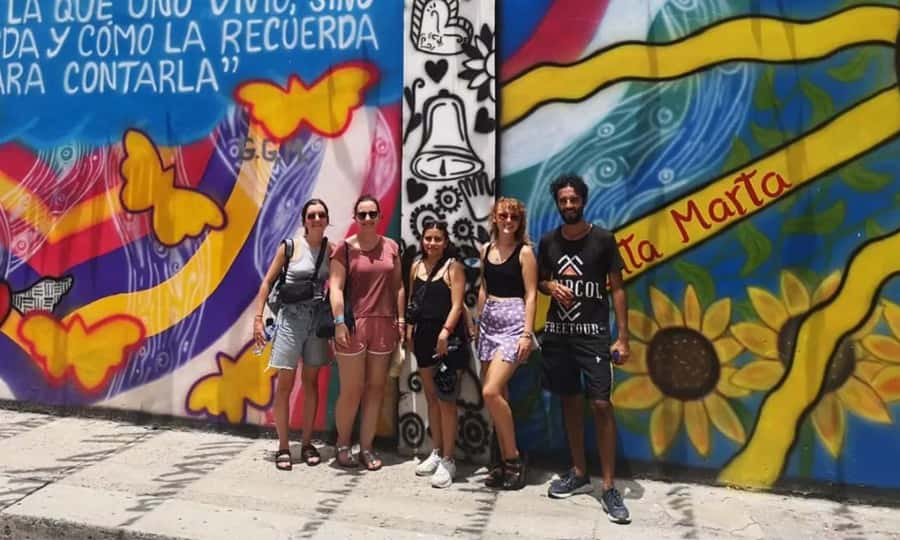
The official duration is two hours, with starting times subject to availability. That is a tight schedule for a route containing a museum, six named sightseeing stops, several tastings, and time for questions.
Some people may appreciate the brisk overview. You can cover a lot of ground and quickly identify which sites deserve a second visit. Others may find that the route becomes a checklist, especially if the group spends the full planned time inside the museum.
There is also a notable difference between the advertised schedule and actual pacing. One afternoon outing took close to four hours, while other bookings felt much shorter and hurried. That inconsistency matters. If you have a dinner reservation, a bus departure, or another timed activity, leave a buffer.
The 4:30 afternoon departure is worth considering. A late start can be easier in Santa Marta’s heat, and the route may feel more pleasant as the strongest midday sun fades. If you prefer a cooler walk, choose the latest available start, but confirm the precise time when reserving.
Is $56 a fair price?
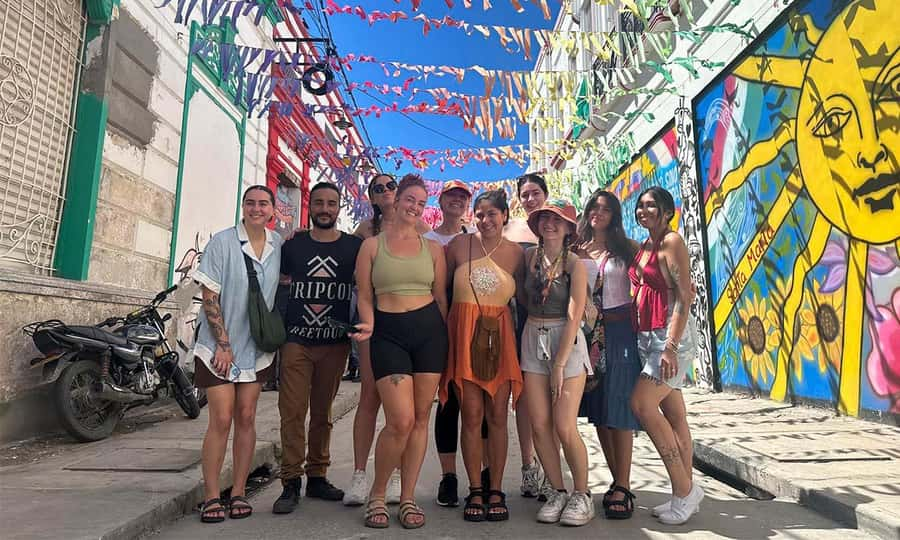
At $56 per person, this is not a bargain walking tour. You are paying for a bilingual professional guide, museum guidance, a local drink, several hours or stops of interpretation, and the convenience of combining cultural sights with food sampling.
The price makes more sense if you want an organized introduction to Santa Marta and do not plan to research the city yourself. A good guide can save you time, explain the links between Tayrona culture and colonial Santa Marta, and help you decide what to do afterward. Sergio, in particular, has been helpful with practical questions beyond the tour itself.
The price is harder to justify if the outing lasts only two hurried hours, if the museum visit is brief, or if several tastings are unavailable. The food component needs special attention because the general description is broader than the specifically confirmed inclusions.
My advice is to treat this as a guided orientation, not as a cheap way to eat. If you value context and personal explanation, the cost may be reasonable. If you mainly want ceviche and empanadas, you can likely spend less by eating independently in the center.
Who will get the most from this walk?
I would recommend it to someone visiting Santa Marta for the first time, especially if you want a quick introduction before heading to other parts of Magdalena. It also suits anyone interested in indigenous culture, colonial architecture, churches, public spaces, and Colombian food in one compact outing.
It is a good fit for curious visitors who like asking questions. The strongest guide experience appears to be conversational, with room to ask about local customs, places to visit, and the city’s past. English and Spanish guiding makes the tour accessible to speakers of either language.
You may want to skip it if you dislike fixed routes, prefer long museum visits, or need strict control over your schedule. It is also not the best choice if your main goal is a guaranteed, substantial meal.
The cancellation policy helps reduce the risk: you can cancel up to 24 hours before the start for a full refund. You can also reserve and pay later, which is useful when your plans around Santa Marta are still shifting.
My call: book it with two questions first
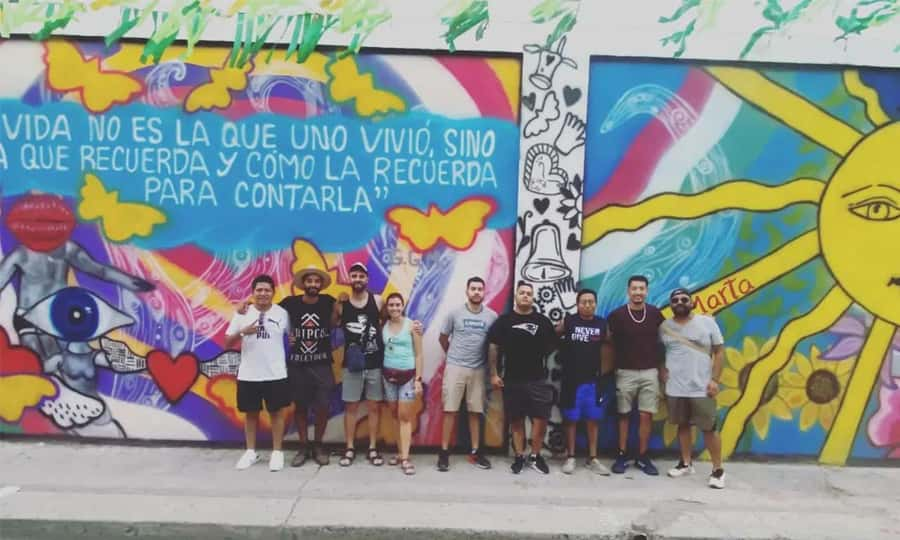
I would book this experience if I wanted context quickly and had not yet explored Santa Marta’s center. The museum, Tayrona focus, churches, cemetery, and food stops give you more range than a basic monument walk, and a strong guide can make the city much easier to understand.
Before paying $56, I would ask two direct questions: Will the guided museum visit and all listed tastings operate on my date, and should I plan for two hours or longer? If the answer is clear and you value personal guiding, this can be a worthwhile first look at Santa Marta.
If the operator cannot confirm the food stops or you have a tight schedule, consider exploring the center independently and spending your food budget at the local places you choose. The tour is at its best when the guide has time to explain, the museum is fully included, and the tasting stops are actually open.
FAQ
Where does the tour start?
The tour starts at Museo del Oro Tairona, located in Casa de la Aduana.
Where does the tour finish?
The tour has two possible drop-off locations: Parque de los Novios or Museo del Oro Tairona, Casa de la Aduana.
How long is the experience?
The advertised duration is two hours. The actual pace can vary, and one outing lasted close to four hours.
What languages are available?
Live guiding is available in English and Spanish.
Is the Tairona Gold Museum included?
Yes. A professional guide and a guided visit inside the museum are included.
What food and drinks are part of the experience?
The experience describes ceviche, exotic fruit juice, lulo, and empanada tastings. The specifically confirmed inclusion is a local drink, so ask what will be served on your date.
Is a professional guide included?
Yes. The experience includes a professional guide. Guides may have backgrounds in history, journalism, or anthropology.
Can I cancel for a full refund?
Yes. You can cancel up to 24 hours in advance for a full refund.
Do I have to pay when I reserve?
No. The reserve now and pay later option lets you book without paying immediately.
More history tours in Colombia
- Barcelona: Tapas Walking Tour with Food, Wine, and History
★ 4.8 · 4,261 reviews - Sevilla Food Tour: Tapas, Wine, History & Traditions
★ 5.0 · 3,468 reviews - Madrid Tapas & Taverns Small Group Food & History Tour
★ 5.0 · 2,664 reviews - Historic Ybor City Food Walking Tour
★ 5.0 · 2,210 reviews
New food tours we have reviewed in Colombia
- Private Cartagena city and street food tour.★ 5.0 · 31 reviews
- Street Food Tour – Live A Unique Gastronomic Experience★ 5.0 · 34 reviews
- The Cali Street Food Walking Tour★ 5.0 · 81 reviews
- Street Food Tour in Bogotá with Tastings★ 5.0 · 34 reviews
- Food Tour in La Candelaria Bogotá★ 5.0 · 63 reviews
- PALOQUEMAO MARKET FOOD TOUR. EXOTIC FRUIT. LOCAL SNACKS. /Min 2 pax★ 5.0 · 70 reviews
- Bogota´s Gastronomic Wonders – Experience the best traditional food★ 4.5 · 30 reviews
- Cali: Street Food Tour★ 4.8 · 71 reviews
Street Food Tours, compared.
Dubai: Old Town, Creek, Museums, Souks, & Street Food Tour
Read our review →
Ho Chi Minh City Street Food Tour & Sightseeing By Motorbike
Read our review →
Dubai: Old Town, Souks, Street Food, Guided Tour & Abra Ride
Read our review →
Naples: Street Food Walking Tour with Local Guide
Read our review →
Small Group Hanoi Street Food Tour with a Real Foodie
Read our review →
Saigon By Night and Street Food By Motorbike | Opt: Ao Dai Riders
Read our review →
Private Street Food Tour by Motorbike/Car with Local Students
Read our review →Browse the lists this tour appears in