
Review · MARKET FOOD TOURS
Seoul: Gwangjang Market Netflix Food Tour
Seoul’s best introduction may be a walk from Insa-dong’s art lanes to the food stalls of Gwangjang Market. This three-hour tour links old neighborhoods, hanok buildings, Korean food customs, and market life in one compact route. I like the strong sense of place, and I like that the guide helps you order foods you might otherwise pass by. The late food portions are the main consideration: eat lightly beforehand, but do not arrive hungry.
I also like the route’s balance. You get culture in Insa-dong, old Seoul architecture in Ikseon-dong, and hands-on eating at Gwangjang Market. Guides including Peter, Sally, Alan, Charlie, and Sam have been praised for clear explanations and friendly pacing. The one weakness is that some people may want more time inside the market or a larger meal.
Key points at a glance
- Three neighborhoods in three hours: Begin at Anguk Station, walk through Insa-dong and Ikseon-dong, then finish inside Gwangjang Market.
- Food is included: Taste three to five Korean street foods, depending on the option you book.
- The market comes late: The largest portions arrive near the end, so have a light meal before the tour.
- History has a practical purpose: Your guide explains Korean customs, food origins, buildings, and local ways of eating.
- A small-group feel is possible: Private and small-group options are available, with English or Korean guiding.
- The food highlight may be octopus: One itinerary included octopus near the end, a memorable choice for adventurous eaters.
Why this route works for a first look at Seoul
This tour does more than take you to a famous market for snacks. It gives you a short story about Seoul, beginning with traditional arts, moving through preserved hanok streets, and ending with food served in one of the city’s best-known markets.
That order matters. Insa-dong gives you a cultural starting point before the crowds and food stalls take over your senses. Ikseon-dong adds a slower walk through old-style buildings and narrow lanes. By the time you reach Gwangjang Market, you have some context for the dishes, customs, and neighborhood life around you.
I would choose this tour early in a Seoul stay, especially if you want help getting comfortable with Korean food. A good guide can explain what you are looking at, how people eat it, and which items are worth trying. Guides such as Peter, Alan, Sally, Sam, and Charlie have been noted for combining historical detail with an easy, friendly manner.
The route is also useful if you have only a short time in the city. You are not spending half a day moving between distant sights. The walk connects nearby central areas and finishes at Gwangjang Market, where you can continue exploring or make your own way onward.
More Market Food Tours in the world:
- Chef Guided Food Tour of Pike Place Market
★ 5.0 · 3,733 reviews - Tokyo Tsukiji Fish Market Food and Culture Walking Tour
★ 5.0 · 3,184 reviews - London Bridge & Borough Market Food Tour with 7 Authentic Dishes
★ 5.0 · 1,972 reviews
Starting at Anguk Station and entering Insa-dong
Meet your guide in front of Exit 6 at Anguk Station on Subway Line 3. Arrive 10 to 15 minutes early. That gives you time to find the correct exit and settle in before the group moves into the streets.
Insa-dong is known for traditional Korean arts, galleries, antiques, craft shops, and small boutiques. The route gives you a chance to see how the area mixes older cultural traditions with modern shopping and cafes. You may find something to buy here, but shopping is not the main purpose of the tour.
The useful part is the explanation. Insa-dong can look like a pleasant shopping district at first glance, yet the streets carry more meaning when someone explains how the neighborhood developed and why it remains connected with Korean art and craft. Your guide can point out details you might otherwise pass without notice.
I especially like this part for people who want more than a list of famous addresses. The guide’s job is to connect places with Korean customs and local life. Elaine, for example, described gaining a better sense of Korean culture and history while walking and taking photographs. That is the tone to expect: an easy walk with plenty of background rather than a formal lecture.
The drawback is that Insa-dong can feel commercial in places. If your main goal is an untouched historic district, you may find the mix of souvenir shops, galleries, and cafes less atmospheric than expected. Still, that mixture is part of what the tour explains: old Seoul and present-day Seoul share the same streets.
Ikseon-dong’s hanok lanes and old Seoul atmosphere
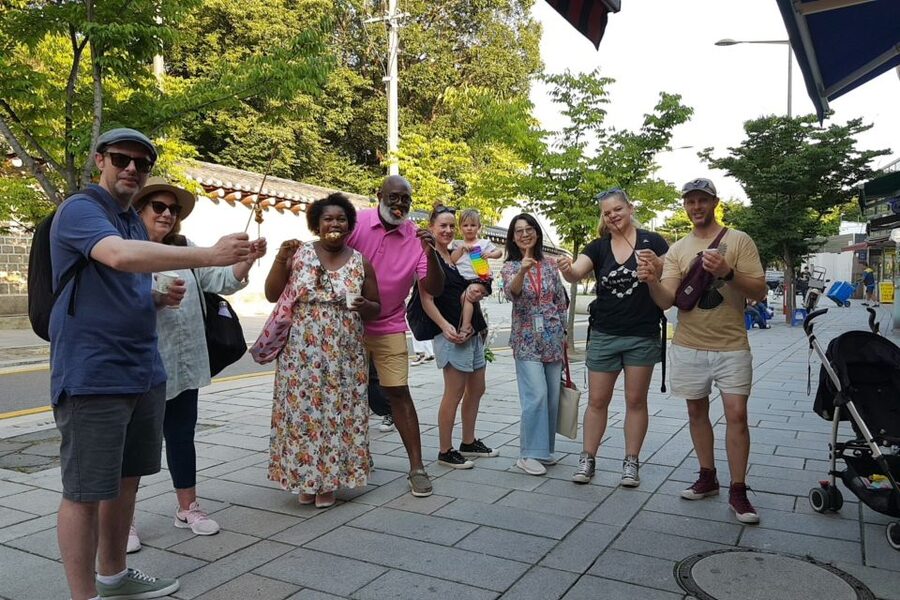
The route continues to Ikseon-dong, where traditional hanok houses line narrow alleys alongside modern cafes and shops. This is one of the most appealing visual sections of the walk. The low buildings and tight lanes create a very different feel from Seoul’s larger roads and tall buildings.
You should keep your camera ready, but pay attention to the guide too. The value here is not simply seeing attractive buildings. It is learning how older structures remain part of a changing neighborhood. The tour helps you read the district as a meeting point between preserved architecture and current city life.
This stop also gives the walking portion some breathing room before the market. Insa-dong can tempt you to pause at every shop, while Ikseon-dong rewards a slower look at the lanes and buildings. If your group is private or small, you may have more flexibility to ask questions or adjust the pace, though the exact pace depends on the guide and conditions.
Do not expect a long architectural tour. The total experience lasts about three hours, and Gwangjang Market takes up a major part of the food focus. Ikseon-dong is best understood as a carefully chosen neighborhood walk, not a full study of Seoul’s hanok architecture.
What happens at Gwangjang Market
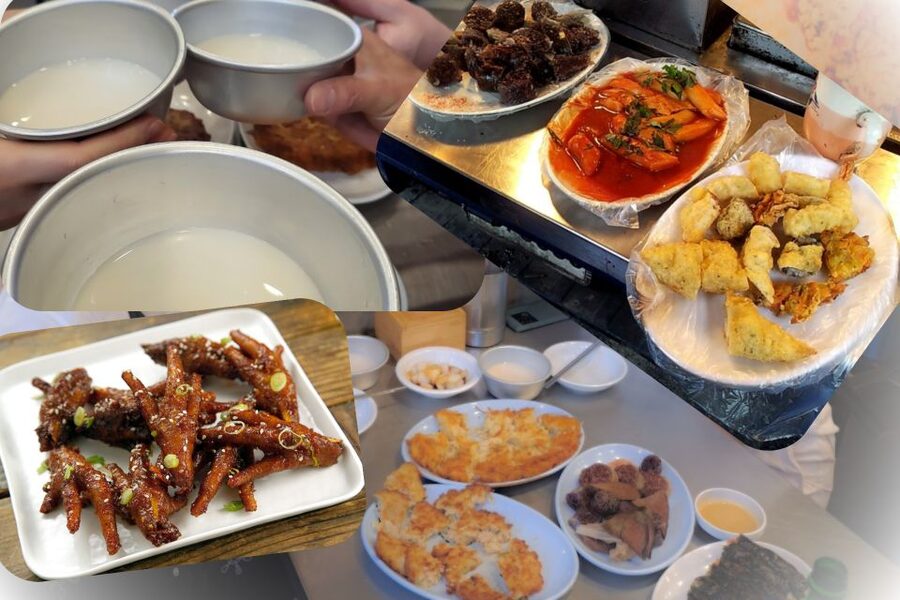
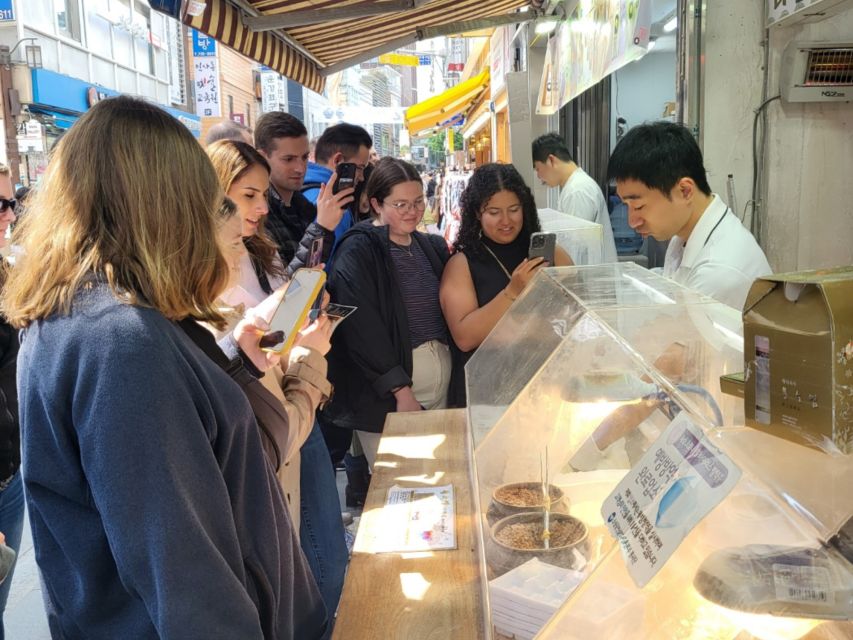
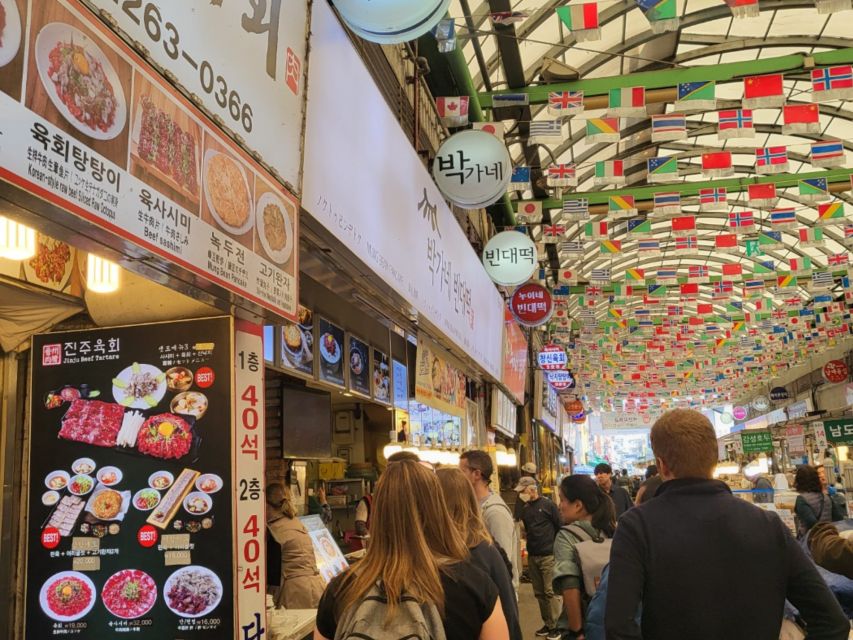
Gwangjang Market is the main event for food. The market dates to the early 1900s and brings together food stalls, textiles, handmade goods, and everyday shopping. It is a working marketplace, not only a sightseeing stop, and that gives the final part of the tour its strongest local feel.
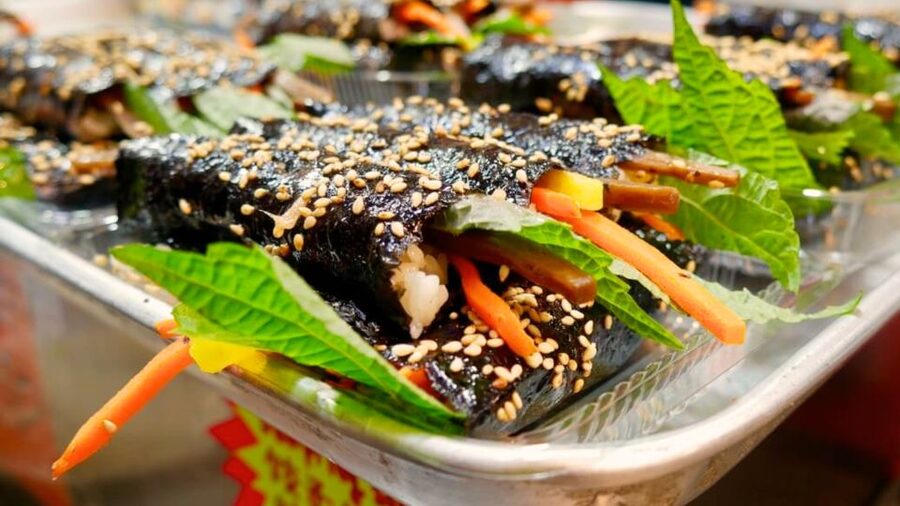
Your guide leads you through the food options and arranges tastes of three to five street foods, depending on the option booked. The included food is an important part of the $64 price because you are not left to guess what to order or pay separately for each tasting.
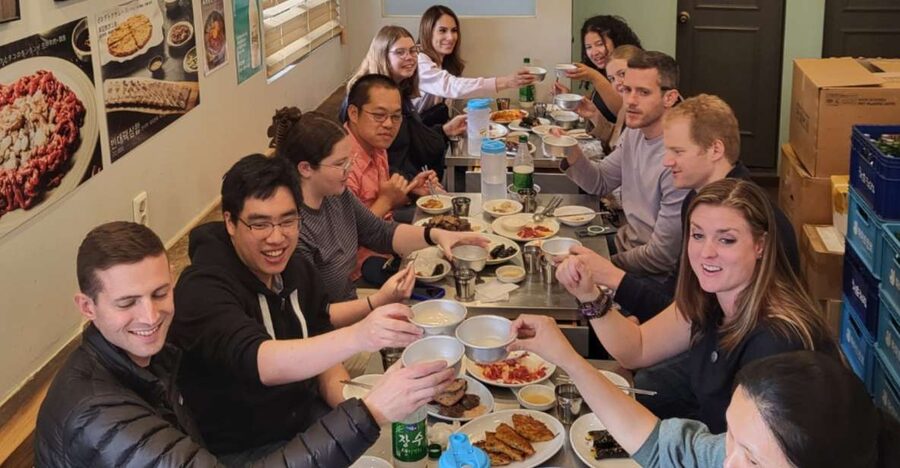
The exact menu can vary, so you should not book this expecting one fixed list of dishes. That flexibility is useful because the guide can steer you toward available foods and explain what you are eating. Sam was praised for making good food choices, while Alan was noted for including a local meal and explaining common Korean cuisine and restaurant customs.
The largest portions come toward the end. This is worth planning around. The experience includes several tastings, but it does not provide a full meal from the start. Eat something light before meeting the guide, rather than skipping food entirely and waiting for the market.
One food highlight mentioned specifically is octopus near the end of the tour. That suggests the experience can include more adventurous choices, but you should ask your guide about ingredients if you have strong preferences or concerns. The supplied information does not promise a fixed menu or separate alternatives for every dietary need.
The market can be crowded and noisy. That is part of its character, but it can also make conversation harder and limit how long you can linger at each stall. One person wanted more time to see the market and taste more food. I would take that seriously if Gwangjang Market is your main reason for booking. This is a guided introduction, not an unhurried half-day market crawl.
More food tours in the world:
- Reykjavik Food Walk – Local Foodie Adventure in Iceland
★ 5.0 · 18,952 reviews - Dubai: Old Town, Creek, Museums, Souks, & Street Food Tour
★ 4.8 · 10,816 reviews - Ho Chi Minh City Street Food Tour & Sightseeing By Motorbike
★ 5.0 · 9,413 reviews - Montserrat Half-Day Tour with Tapas and Gourmet Wines
★ 5.0 · 7,359 reviews
Food guidance is the tour’s real value
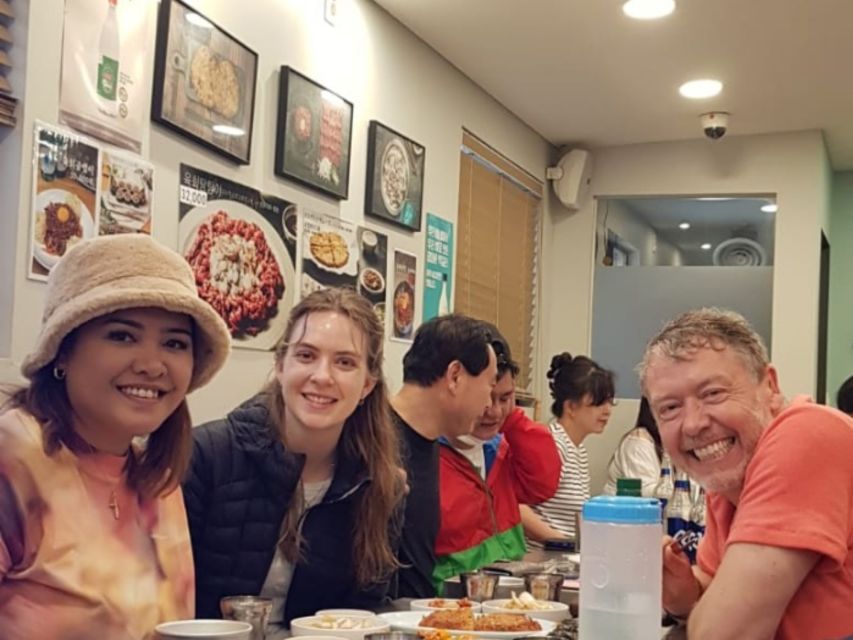
A market food tour earns its price by removing uncertainty. You do not need to study menus in advance, point at unknown dishes, or wonder if you have chosen something typical. The guide gives you a starting point and explains the food as you go.
That help is particularly useful for first-time visitors to Korea. Food names, textures, serving styles, and market etiquette can all be unfamiliar. A guide can also explain the origins of traditional dishes and the local way of eating them. One participant from South Korea found the discussion of food culture useful because it explained customs that were previously unclear.
The food is not presented as a luxury dining experience. It is street food, served in a busy public market, with the practical energy that implies. If you want polished service, a quiet table, or a carefully planned tasting menu, choose a restaurant-based experience instead.
If you want to understand how ordinary Korean food fits into daily life, this approach has more value. You see the setting, taste several items, and hear why the food matters. That combination is harder to get by eating alone.
The guides and the style of the walk
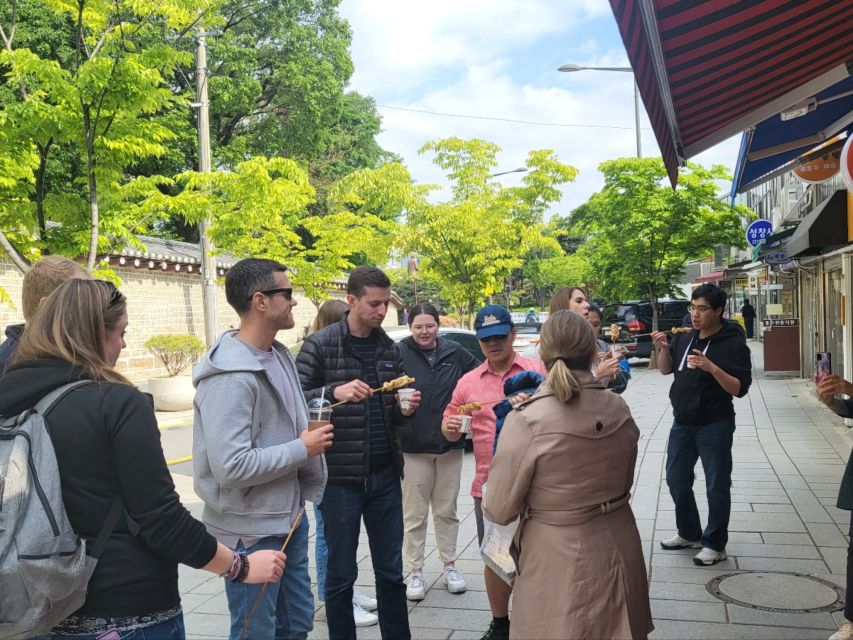
The guide can shape the experience more than the route. The available feedback points to a series of guides rather than one fixed host. Peter, Sally, Alan, Charlie, and Sam are all named in the supplied comments, and each is associated with a slightly different strength.
Peter is repeatedly praised for history, culture, and food explanations. One group still enjoyed the walk in poor weather, which suggests he kept the experience moving and engaging when conditions were not ideal. Alan is described as friendly, clear, and helpful, with a strong grasp of local landmarks, food, and customs. Sally is noted for warmth and flexibility, useful qualities for families or groups with mixed interests.
Charlie is described as making the tour informative without making it dull. Sam is praised for choosing food well. These details matter because the route itself is compact and straightforward. The guide’s ability to explain, pace, and adapt is what turns a basic neighborhood walk into a useful introduction.
English and Korean guiding are available. Private and small-group formats are also offered. A private booking may suit families, couples, or groups that want to ask many questions, though the exact level of customization is not specified. Small groups should make it easier to hear explanations and stay together in the market.
Is $64 good value?
At $64 per person, this is not the cheapest way to walk through central Seoul. You are paying for a guide, planning, cultural explanation, and three to five food tastings, not simply admission to a market.
The value is strongest if you are new to Seoul and want a confident start. You receive a connected route through three distinctive areas, guidance on food choices, and explanations of history and custom. If you would otherwise book separate sightseeing and food activities, the combined format can make sense.
The value is weaker if you already know Insa-dong and Gwangjang Market, speak Korean comfortably, or prefer choosing every dish yourself. You could spend less by visiting the neighborhoods independently, although you would lose the guide’s context and food advice.
I would also factor in the food quantity. This is a tasting experience, not a full lunch or dinner. The price should be judged as a guided cultural walk with food included, not as an all-you-can-eat market meal.
Practical details that affect your choice
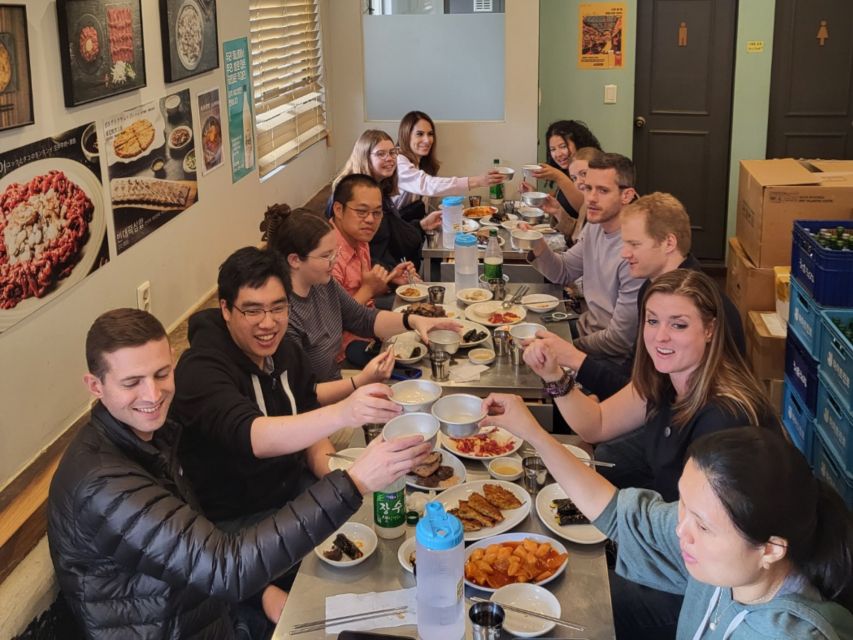
The experience lasts three hours and begins at Anguk Station. It ends at Gwangjang Market, so the route is not a loop back to the starting point. That is convenient if you plan to keep exploring the market, but you should allow extra time if you need to return to Anguk Station afterward.
Wear comfortable shoes. The route includes walking through streets and narrow market lanes, and the experience depends on moving from one district to the next. Rain or poor weather may affect comfort, though one group still found the tour worthwhile in difficult conditions.
Book a private or small-group option if personal attention matters to you. For a general introduction, a standard group should be enough, especially if your main goals are food and orientation.
Free cancellation is available up to 24 hours before the start time, and you can reserve now and pay later. The tour requires a minimum number of participants. If that number is not reached and the activity is canceled, you are offered another date or experience, or a full refund.
Who should book this Seoul food tour?
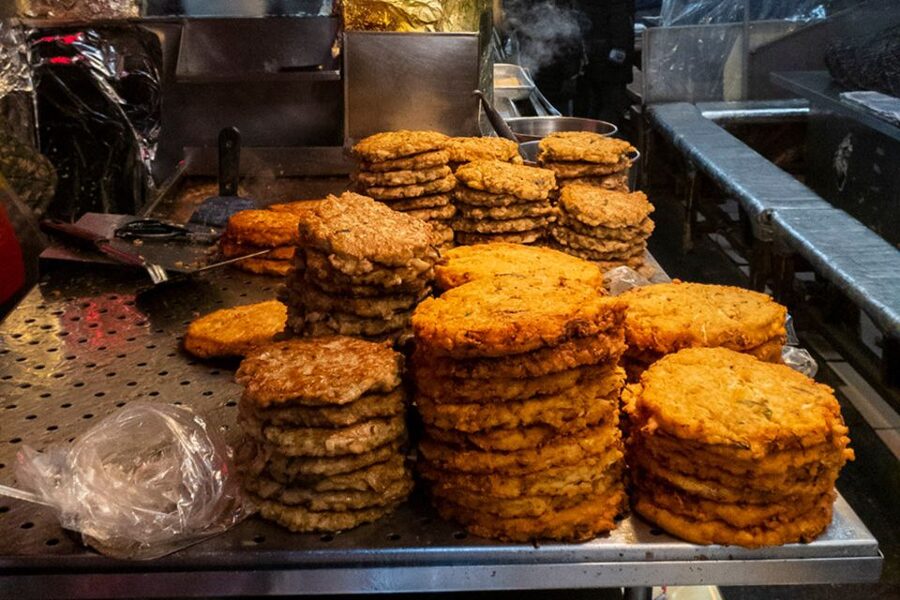
I would recommend it to first-time Seoul visitors, food-curious eaters, families, and anyone who wants cultural background without spending a full day in a museum. It also suits people who feel unsure about ordering Korean street food alone.
It is a good fit for an early trip day because it helps you learn the city’s rhythm and gives you ideas for later meals. The route is short enough to fit into a busy schedule, but substantial enough to introduce several central neighborhoods.
I would hesitate if you want a full meal, a long market visit, or a fixed menu. The tour gives you several tastes, with the bigger portions near the end, and the market section may feel brief if you want to inspect every aisle.
Should you book it?
Book this tour if you want guided food choices plus neighborhood history in one efficient three-hour walk. The strongest reasons are the route from Insa-dong to Ikseon-dong to Gwangjang Market, the food explanations, and the chance to try several street foods without paying extra at each stop.
Skip it if you already know these districts or want to explore Gwangjang Market at your own pace. For most first-time visitors, though, $64 is fair for a guide-led introduction that combines Seoul’s arts, architecture, and food in one practical outing.
FAQ
Where does the tour begin?
It begins in front of Exit 6 at Anguk Station on Subway Line 3.
Where does the tour end?
The tour ends at Gwangjang Market.
How long does the experience last?
The walking and food tour lasts about three hours.
What food is included?
You receive tastings of three to five kinds of Korean street food, depending on the option selected.
Is this a full meal?
No. The tour includes food tastings rather than a complete meal, and the largest portions come near the end.
What languages are available?
Live guiding is available in English and Korean.
Can I book a private or small-group tour?
Yes. Private and small-group options are available.
What happens if the tour is canceled because too few people book?
You are offered a different date or experience, or a full refund.
New food tours we have reviewed in the world
- ChattaBrunch Food Tour★ 5.0 · 87 reviews
- Downtown Chattanooga Food Tour★ 5.0 · 290 reviews
- Charlottetown waterfront SOLAR PartyBike food & drink experience!★ 4.0 · 92 reviews
- Historic Southside Food Tour in Chattanooga★ 5.0 · 32 reviews
- Tastes Through Time – Charleston’s Best Food & History Tour★ 4.5 · 95 reviews
- Charlottetown Food Walking Tour★ 5.0 · 59 reviews
- Charleston’s Savor the Flavors of Upper King Street Walking Food Tour★ 4.5 · 130 reviews
- Charleston Private Brunch Tour: Biscuits, Shrimps, Grits and More★ 5.0 · 48 reviews
Market Food Tours, compared.
Tokyo Tsukiji Fish Market Food and Culture Walking Tour
Read our review →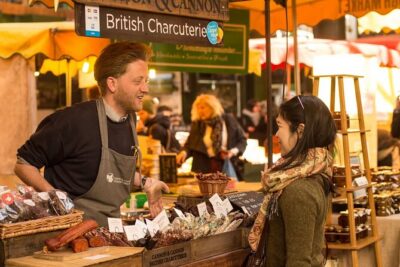
London Bridge & Borough Market Food Tour with 7 Authentic Dishes
Read our review →
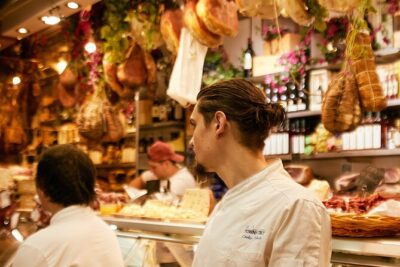
Small Group Cooking Class & Market Food Tour in Florence
Read our review →
Nishiki Market Brunch Walking Tour (7 Tastings + Brunch)
Read our review →
Bologna Food & Market Tour with 6 Tastings, Pasta, Wines & More
Read our review →
Browse the lists this tour appears in