
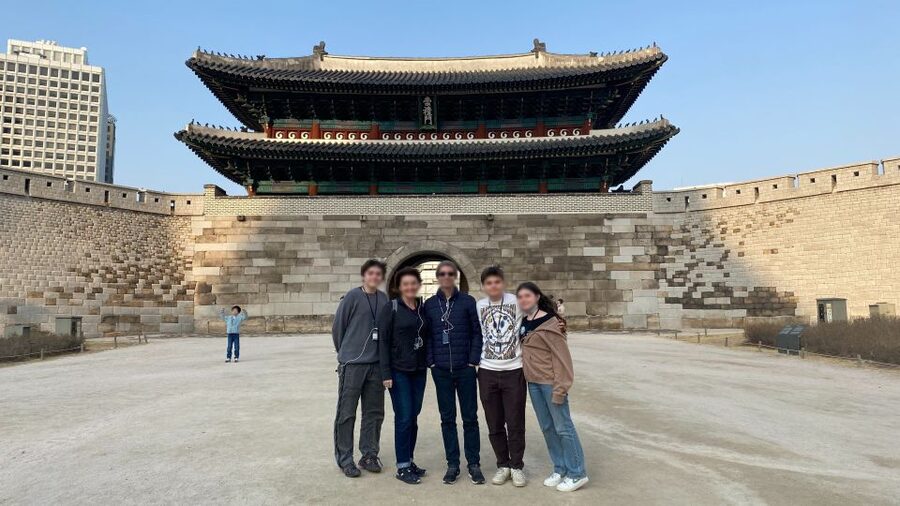
Review · MARKET FOOD TOURS
Seoul: Namdaemun Market Food Tour
Namdaemun Market is at its best when you follow someone who knows which narrow lane leads to noodles, which stall serves a market classic, and where the craft sellers work. This 150-minute food walk combines four tastings with a useful introduction to Seoul life, market customs, and Korean food.
I like the small groups of up to 10 and the way guides can adjust the food stops to your tastes. I also like that shopping is optional, so you can wander through accessory stalls and craft displays without being pushed to buy anything. The main caution is timing: bookings cannot be confirmed on weekends and holidays, and the tour may be canceled if fewer than four people join.
Key points to know before you book
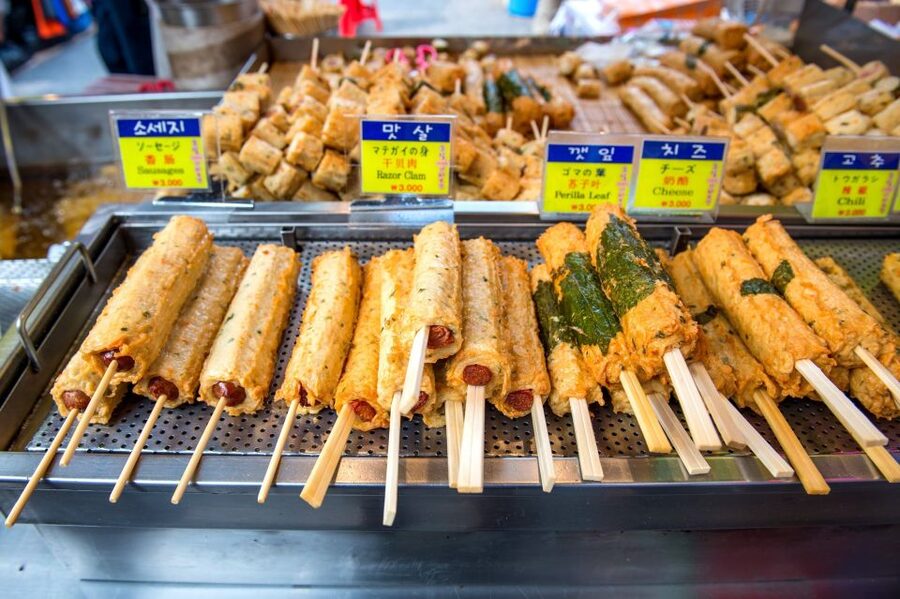
- Four Korean street-food tastings: Expect noodle soup, dumplings, twisted bread sticks, and skewered fish cake, with lunch, snacks, and coffee or tea included.
- A market, not a staged food court: You move through Food Alley, Kalguksu Alley, accessory lanes, and craft areas while learning how Namdaemun works.
- Guides shape the experience: Past guides have included Joy, Alan, Sally, Sheen, Sophie, and Soojin, all offering English commentary and a personal approach.
- Shopping stays optional: Your guide can help with purchases or haggling, but you are free to browse and keep walking.
- A useful first-day activity: The market orientation can help you feel more confident ordering food and exploring Seoul on your own.
- Plan around the group rule: The tour needs at least four participants, and same-day cancellations or no-shows receive no refund.
Starting at Hoehyun Station Exit 5
The meeting point is Exit 5 of Hoehyun Station, beside one of Seoul’s most useful gateways into Namdaemun Market. Arrive about 10 minutes early. The market has many lanes and entrances, so meeting your guide at the stated exit matters more than it might seem.
The guide usually contacts you by email or WhatsApp with the final meeting details and start time. Keep an eye on both before leaving your hotel. In a crowded market, a quick message can save you from wandering around the wrong entrance.
This is a walking tour through a working market, not a sit-down restaurant crawl. Wear comfortable shoes and come ready to eat at several stops. The pace should suit most visitors, but the narrow lanes and busy stalls mean you will spend much of the two and a half hours on your feet.
More Market Food Tours in the world:
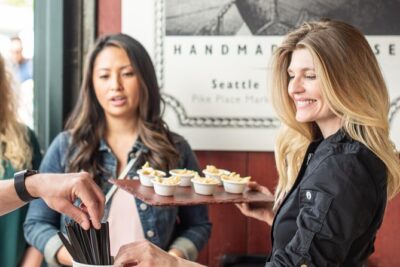
- Chef Guided Food Tour of Pike Place Market
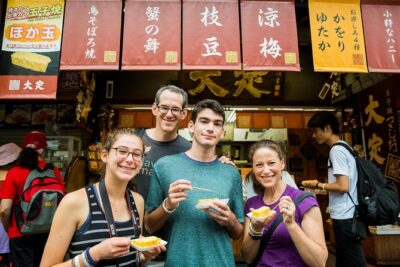
★ 5.0 · 3,733 reviews - Tokyo Tsukiji Fish Market Food and Culture Walking Tour
★ 5.0 · 3,184 reviews - London Bridge & Borough Market Food Tour with 7 Authentic Dishes
★ 5.0 · 1,972 reviews
Four foods that introduce Korean market cooking
The food portion is the heart of the experience. You taste four items: noodle soup, dumplings, a twisted bread stick, and skewered fish cake. Together they give you a useful range of Korean comfort food, from warm broth to quick snacks sold from street stalls.
The noodle soup connects with Namdaemun’s famous Kalguksu Alley, where restaurants focus on hand-cut noodles. Kalguksu means knife-cut noodles, and the name tells you something about the dish itself. The noodles are made in broad, uneven strips rather than the thin, factory-perfect strands you might know from other Asian noodle soups.
This stop is especially useful if you are unsure how to order Korean food on your own. You can see the dish, taste it, and ask your guide what makes it different. If you are sensitive to spice or have food preferences, tell the guide early. One useful feature of a small group is that guides such as Joy and Soojin have adjusted the route or food choices when needed.
Dumplings provide a different texture and a familiar entry point for anyone still getting used to Korean flavors. Your guide can explain how the market serves them and how they fit into everyday eating in Seoul. They are also a practical choice for a first food tour because they are easy to share and generally less intimidating than an unfamiliar stew.
The twisted bread stick is a simple snack with plenty of appeal. It is the sort of food that makes a market walk feel local rather than formal. One earlier participant especially enjoyed the mochi-style donuts, so you might encounter a similar sweet or chewy snack depending on the guide’s route and the stalls operating that day.
Skewered fish cake rounds out the tasting. Fish cake is a common Korean street-food item, often served on a stick with broth nearby. It is warm, portable, and easy to eat while walking. Your guide can also explain how street-food stalls fit into daily routines, rather than treating each item as a museum piece.
The exact order and stall selection may change. Markets are working places, and not every vendor operates at every moment. What matters is the mix: one noodle meal, one dumpling stop, one baked or fried snack, and one fish-cake tasting. Lunch, snacks, and coffee or tea are included in the $71 price.
Food Alley, Kalguksu Alley, and Galchi Jorim Road
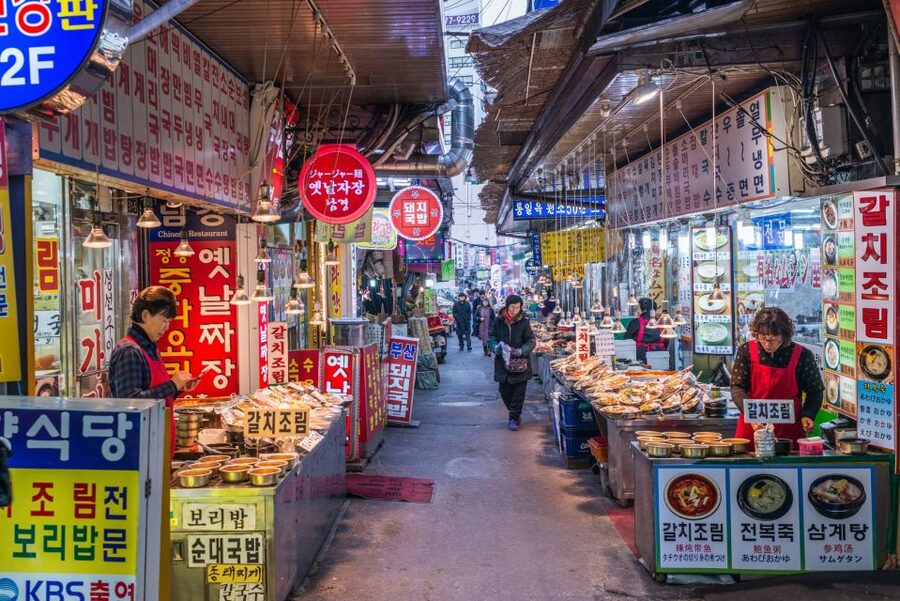
Food Alley is the broadest introduction to the market’s edible side. It is lined with vendors serving familiar Korean dishes and quick snacks. Here, your guide can point out the difference between food made for a fast meal, food bought to take home, and food that has become part of the market’s identity.
Kalguksu Alley is more focused. Restaurants here specialize in hand-cut noodle soup, and the close grouping of similar eateries gives you a glimpse of how Seoul markets organize themselves. Instead of seeing one isolated restaurant, you get a sense of a whole food street built around one dish.
Galchi Jorim Road is devoted to braised hairtail fish stew, a dish associated with Namdaemun. It may be less familiar to many international visitors than noodles or dumplings. Even if it is not one of the four stated tastings, seeing this part of the market helps explain how dishes can become tied to one place and passed through local food culture.
The tour’s value is not just the amount of food. It is the explanation around the food. Guides have discussed Korean history, daily life, food traditions, and the market’s role in Seoul. Sheen, Joy, Alan, Sally, Sophie, and Soojin have all been praised for clear English and friendly conversation on different departures.
A working market with more than food
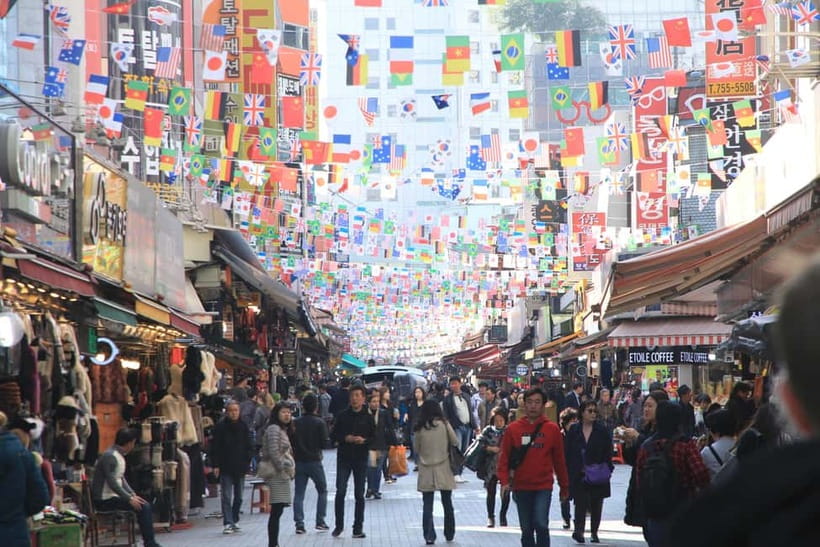
Namdaemun is the largest of Seoul’s traditional markets, and its food streets are only one part of the experience. The route also takes you through accessory lanes and areas where you can view Korean traditional crafts.
This change of subject keeps the tour from feeling like four stops stitched together. One minute you may be learning about noodle soup, and the next you are looking at goods sold for daily use or gifts. The market becomes easier to understand when you see how food, clothing, accessories, flowers, crafts, and small household items share the same network of lanes.
You do not have to shop. That is worth stressing because market tours can sometimes turn into sales walks. Here, shopping is optional. If you want to buy something, the guide can help you find an item, communicate with sellers, or negotiate. Alan helped one participant with purchases, while Joy assisted another with haggling.
If you prefer to browse, you can simply look. The route through Accessory Alley and the craft areas gives you something to do between tastings without turning the activity into a shopping obligation. A participant who did not enjoy shopping still appreciated the maze of stores and the flower market.
The craft viewing is also a helpful cultural layer. You may find traditional Korean items among the modern market goods, though the exact displays can vary. Your guide can explain what you are seeing and how the market serves both local shoppers and visitors.
More food tours in the world:
- Reykjavik Food Walk – Local Foodie Adventure in Iceland
★ 5.0 · 18,952 reviews - Dubai: Old Town, Creek, Museums, Souks, & Street Food Tour
★ 4.8 · 10,816 reviews - Ho Chi Minh City Street Food Tour & Sightseeing By Motorbike
★ 5.0 · 9,413 reviews - Montserrat Half-Day Tour with Tapas and Gourmet Wines
★ 5.0 · 7,359 reviews
Why the guide makes the difference
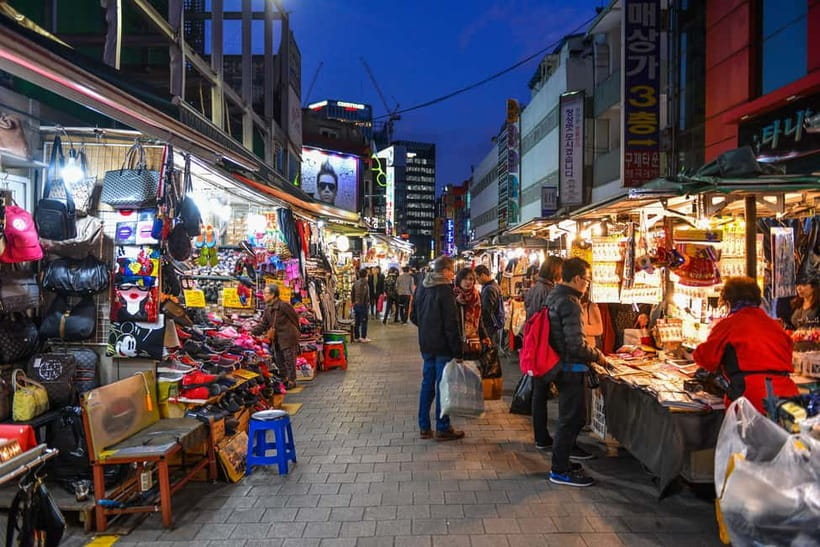
Namdaemun is easy to enter and easy to get lost in. That is part of its charm, but it can also make a first visit feel scattered. A guide gives the walk a shape and helps you spend time on food and culture rather than trying to decode every lane yourself.
The strongest part of the guiding style is the conversation. Guides have discussed Korean traditions, Seoul’s past, food customs, and ordinary life in South Korea. That background adds meaning to a dish that might otherwise be just a quick snack.
The guide also helps with practical details. You can ask what an ingredient is, how a dish is normally eaten, or which item would suit your preferences. English is the tour language, and past guides such as Alan and Sheen have been specifically appreciated for speaking clearly.
Small-group size matters here. The maximum is 10 people, which is still large enough for a social outing but more manageable than a big coach group. If the group becomes very small, the experience can feel almost private. Several departures have had only one or two participants, allowing the guide to adjust the route, food choices, conversation, and photo stops.
That flexibility is a benefit, but it is not guaranteed. The tour requires at least four participants and may be canceled if that minimum is not reached. The provider sends cancellation notices by WhatsApp, so make sure your contact details are current.
Is $71 good value for 150 minutes?
At $71 per person, this is not the cheapest way to buy a few snacks in Seoul. You could spend much less by walking into Namdaemun alone and choosing food from the stalls. The price makes more sense if you want interpretation, a planned route, several tastings, and help navigating the market.
You are paying for a local English-speaking guide, lunch, snacks, coffee or tea, and the time saved by not having to search for the right alleys yourself. The cultural explanations add another layer. For a first visit to Seoul, that can be worthwhile, especially if you want an early orientation before exploring other markets and neighborhoods independently.
The value is strongest for people who might otherwise hesitate to order from a small stall. You can watch the guide handle the route, ask questions, and try foods in a supportive setting. It is also useful for solo visitors, since a guide can make the experience feel more social and can take photos when appropriate.
The value is weaker if you already know Namdaemun well, speak Korean, or mainly want the cheapest possible meal. You may also prefer to spend two and a half hours eating at your own pace rather than following a set route.
What the 150-minute schedule feels like
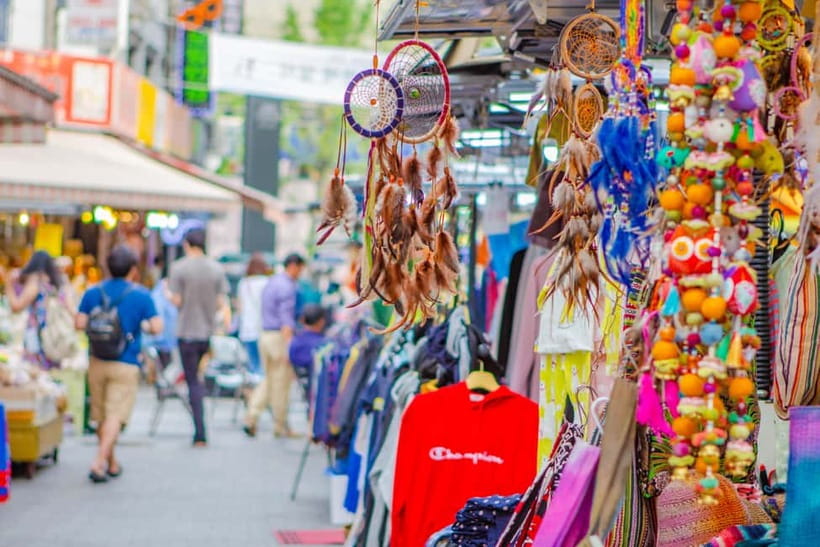
The time is long enough to cover food, market sections, and conversation without taking up an entire day. Expect a walking route rather than long stops at one restaurant.
The opening section gives you your bearings and introduces the market. From there, the guide leads you toward food lanes and begins the tastings. The noodle soup and dumplings provide the more substantial part of the meal, while the twisted bread stick and fish cake add smaller street-food moments.
The middle of the tour is likely to include Food Alley and Kalguksu Alley, with explanations about market food and Korean culture. You may also pass Galchi Jorim Road, even if hairtail stew is not part of your included tasting list.
The final part moves through accessory stalls and craft areas, with time for questions and optional shopping. Coffee or tea is included, giving you a short pause before the tour ends.
The tour is not designed as a rushed checklist. Its best moments come when you ask questions and let the guide explain what you are seeing. Keep your schedule slightly flexible afterward, especially if you want to continue shopping or take your time with photos.
Who should book this market walk?
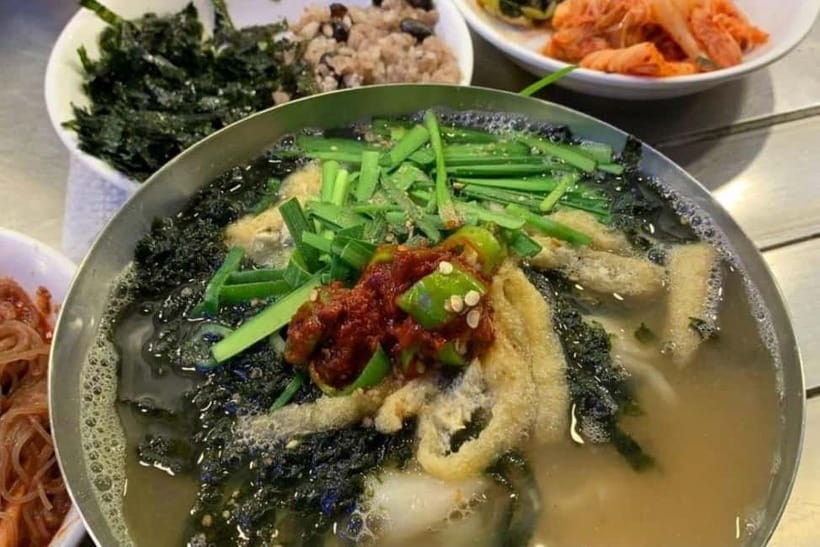
I would recommend it to first-time visitors who want an easy introduction to Korean food without committing to a formal cooking class or a full-day food tour. It also suits solo visitors, couples, and small groups who want help finding places they might miss alone.
It is a good choice for curious eaters who enjoy ordinary local food more than polished restaurant meals. The dishes are approachable, but you still get a look at less familiar market specialties and food streets.
Families and mixed-interest groups may also find it useful because not every moment is about eating. One person can focus on noodles, another on crafts, and another on accessories. Since shopping is optional, the group does not have to agree on every purchase.
I would be more cautious if you have strict dietary restrictions. The available information confirms the four main tastings but does not provide a detailed allergen or dietary menu. Contact the provider before booking if you need firm assurances about ingredients.
Book at least a day ahead if possible. Cancellation is free up to 24 hours before the activity, but there is no refund for a same-day cancellation or no-show. Weekend and holiday reservations cannot be confirmed, so weekday planning is the safer choice.
Should you book the Namdaemun food tour?
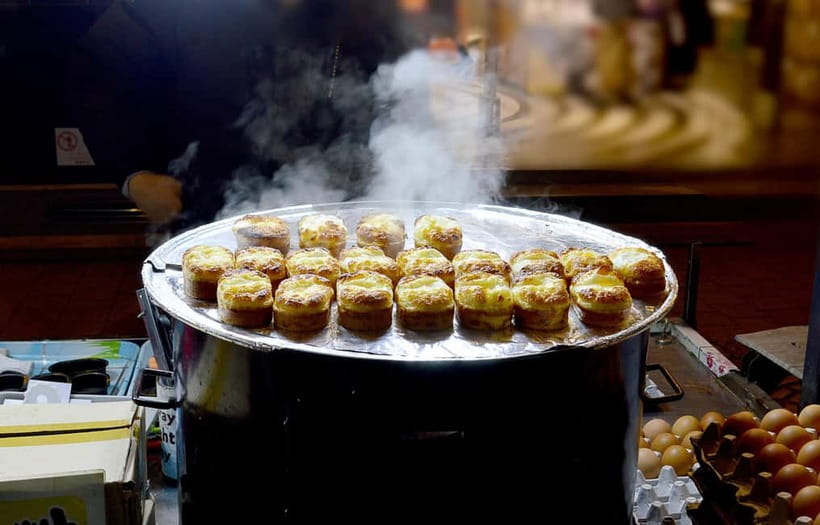
Book it if you want more than a snack crawl. The combination of four tastings, market history, traditional crafts, and optional shopping gives you a clear introduction to one of Seoul’s busiest traditional markets.
The tour is especially worthwhile early in your Seoul stay. Afterward, you should feel more comfortable recognizing common street foods and finding your way through the market’s food and shopping lanes.
Skip it if your main goal is a low-cost meal or complete freedom to wander. At $71, the real purchase is the guide’s route, explanations, and personal help. For many first-time visitors, that structure is exactly what makes Namdaemun less confusing and more rewarding.
FAQ
Where does the Namdaemun Market food tour meet?
The meeting point is Exit 5 of Hoehyun Station. Arrive 10 minutes before the activity starts.
How long does the tour last?
The tour lasts 150 minutes, or two and a half hours.
What foods are included?
The stated tastings are noodle soup, dumplings, twisted bread sticks, and skewered fish cake. Lunch, snacks, and coffee or tea are also included.
Is the tour offered in English?
Yes. The tour has a live English-speaking guide.
How many people can join the group?
The group is limited to 10 participants.
Is shopping required?
No. Shopping is optional. If you want to buy something, the guide may help with purchases or haggling.
What happens if fewer than four people book?
The tour may be canceled if fewer than four participants join. The cancellation notice is sent by WhatsApp.
Can I cancel for a refund?
You can cancel up to 24 hours in advance for a full refund. No refund is issued for a no-show or cancellation on the day of the tour.
Is travel insurance included?
No. Traveler’s insurance is not included in the activity price.
New food tours we have reviewed in the world
- Downtown Chattanooga Food Tour★ 5.0 · 290 reviews
- ChattaBrunch Food Tour★ 5.0 · 87 reviews
- Charlottetown waterfront SOLAR PartyBike food & drink experience!★ 4.0 · 92 reviews
- Historic Southside Food Tour in Chattanooga★ 5.0 · 32 reviews
- Tastes Through Time – Charleston’s Best Food & History Tour★ 4.5 · 95 reviews
- Charleston’s Savor the Flavors of Upper King Street Walking Food Tour★ 4.5 · 130 reviews
- Charlottetown Food Walking Tour★ 5.0 · 59 reviews
- Charleston Private Brunch Tour: Biscuits, Shrimps, Grits and More★ 5.0 · 48 reviews
Market Food Tours, compared.
Tokyo Tsukiji Fish Market Food and Culture Walking Tour
Read our review →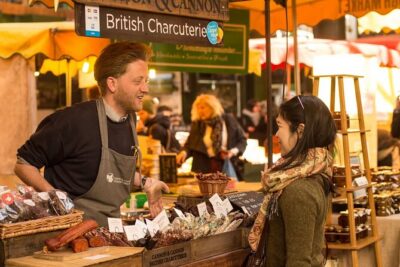
London Bridge & Borough Market Food Tour with 7 Authentic Dishes
Read our review →
Small Group Cooking Class & Market Food Tour in Florence
Read our review →
Nishiki Market Brunch Walking Tour (7 Tastings + Brunch)
Read our review →
Bologna Food & Market Tour with 6 Tastings, Pasta, Wines & More
Read our review →
Browse the lists this tour appears in