
Review · MARKET FOOD TOURS
Sofia: Flea and Food Markets Tour
Sofia’s markets make a fine classroom. In one day, you move from flea-market bric-a-brac to food stalls, old city streets, and major landmarks while your guide links each stop to Bulgaria’s Ottoman, royal, Communist, and postcommunist periods. I like the four food stops, which turn a sightseeing walk into a proper introduction to local eating. I also like the useful city orientation, especially if you take this early in your stay.
The main drawback is the walking. You cover about 3 kilometers with stops, often through busy central streets, and the tour is not suitable for wheelchair users or people with mobility impairments. Come in comfortable shoes, and come hungry.
Key points at a glance
- Four markets, four eras: The Flea Market, Central Market Hall, Hali Market, and Women’s Market each help explain a different period of Bulgarian life.
- Four local food stops: Your fee includes traditional dishes and a soft drink at the final stop, with enough food that you should not plan a large meal beforehand.
- A useful first-day walk: The route passes Alexander Nevsky Cathedral, Saint Sofia Church, The Largo, Roman ruins, Banya Bashi Mosque, Sofia Synagogue, and Lion Bridge.
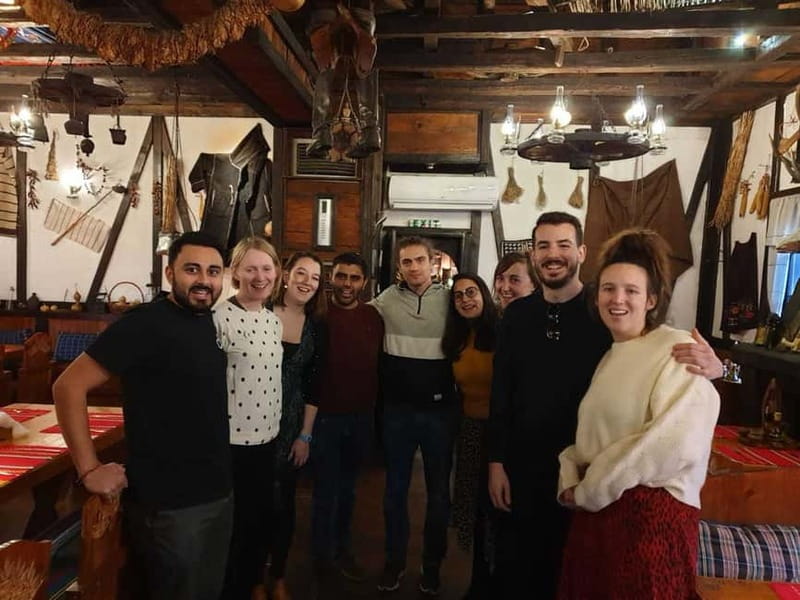
- A guide-led introduction: English-speaking guides such as Ivo, Daniella, Dany, Danny, Nesi, and Theodora have led this experience.
- A chance to shop: The markets and nearby antique shops offer souvenirs, old objects, and possible finds for anyone who enjoys browsing.
- A manageable but active route: The distance is about 2 miles, but uneven streets, standing, and market crowds can make it feel longer.
Why Sofia’s markets tell the city’s story
This is not simply a food walk with a few shopping stops added on. The clever part is the way the markets are used as markers for Sofia’s past.
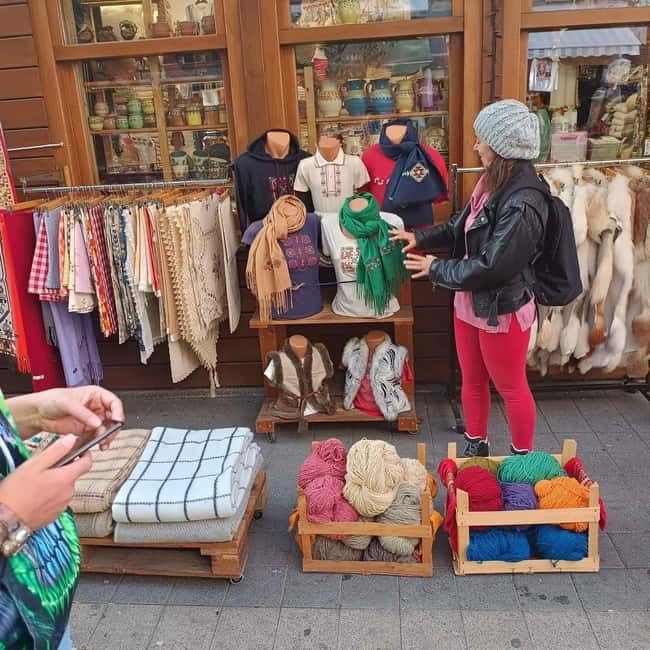
The Flea Market connects with the postcommunist era, when old household goods, curios, military items, and secondhand objects became part of an informal marketplace. You might find something worth buying, or you might simply enjoy seeing the odd mix of objects that gives a flea market its character. The point is less about finding a perfect souvenir and more about seeing how everyday trade changed after Communism.
The Central Market Hall represents the Communist period in the tour’s historical framework. Its covered setting gives you a look at the role of organized food selling in city life. It is also a practical place to notice how local shopping works, rather than seeing Sofia only through grand churches and government buildings.
The Hali Market is connected with the Kingdom period. Here, the market setting helps your guide explain Sofia before the Communist years and place the city’s food traditions in a larger political story. The tour does not treat history as a list of dates. You get the useful connection between a place, the goods sold there, and the people who used it.
The Women’s Market reflects the Ottoman presence in Bulgaria. It is a particularly helpful stop if you want to understand how Sofia’s food culture was shaped by trade and by contact with the wider region. Expect a working market atmosphere rather than a polished attraction. That is part of its appeal, though it also means you should watch your footing and keep your belongings secure in crowded spots.
More Market Food Tours in the world:
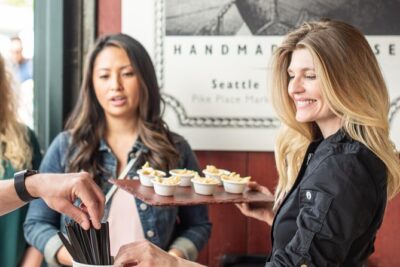
- Chef Guided Food Tour of Pike Place Market
★ 5.0 · 3,733 reviews - Tokyo Tsukiji Fish Market Food and Culture Walking Tour
★ 5.0 · 3,184 reviews - London Bridge & Borough Market Food Tour with 7 Authentic Dishes
★ 5.0 · 1,972 reviews
Four food stops, with enough to count as lunch
Food is the other main reason to book this walk. Four stops are included, and the tasting is meant to be substantial rather than a token bite at one café.
You receive local dishes and drinks along the way, with a soft drink included at the final stop. The exact menu can vary, so do not book this expecting a fixed restaurant tasting list. Instead, think of it as a guided introduction to Bulgarian eating, with explanations about local traditions and the place of food in the country’s past.
The food is described as tasty and plentiful, so I would schedule this in place of lunch or a light afternoon meal. One useful tip is simple: do not eat a heavy meal before you arrive. The tour is much better value when you can enjoy all four stops rather than picking at the later dishes.
Bulgarian yogurt and spring water may come up during the food discussion, along with the way Ottoman rule influenced Bulgarian cooking and daily life. The value here is the explanation. You are not just sampling something unfamiliar, then moving on. Your guide can explain what you are eating and how it fits into Bulgarian culture.
This is also a good choice for cautious eaters. You can ask questions through the English-speaking guide, and the food stops provide more context than ordering an unknown dish alone. Still, the supplied details do not list allergy options or dietary substitutions, so ask about those before booking if they matter to you.
From Alexander Nevsky Cathedral to the Roman ruins
The markets are the core of the experience, but the walking route also gives you a fast tour of central Sofia.
Alexander Nevsky Cathedral is one of the city’s major landmarks, and passing by it helps put Sofia’s grand public architecture on the map. Saint Sofia Church adds a different layer, with the kind of long religious and urban story that makes the city feel older than its modern streets suggest.
At The Largo, you see a major central area tied to Sofia’s public face. Nearby Roman ruins show that the city’s story reaches far beyond the modern Bulgarian state. The route also passes the Banya Bashi Mosque and Sofia Synagogue, giving your guide a chance to discuss the city’s religious mix and the cultural forces that shaped it.
Lion Bridge adds another landmark as you continue through the city. Because the tour links these places with markets and food, you get a better sense of Sofia as a lived-in city, not just a checklist of monuments. The walk is especially useful at the start of a trip, when you are still learning how central Sofia fits together.
Do not expect long interior visits at every sight. The emphasis is on passing through the city, hearing the story, and reaching the next market or food stop. If you want detailed architectural tours of the cathedral, church, mosque, or synagogue, you will need separate time.
The guide makes the difference
The tour is built around local explanation, so the person leading your group matters. The English-speaking guides named in the supplied information include Theodora, Nesi, Ivo, Daniella, Dany, and Danny.
The strongest part of the guide role is the connection between small details and larger events. You might hear about a dish, a market custom, or an old object, then learn how it relates to Bulgaria’s Ottoman past, royal period, Communist decades, or postcommunist years.
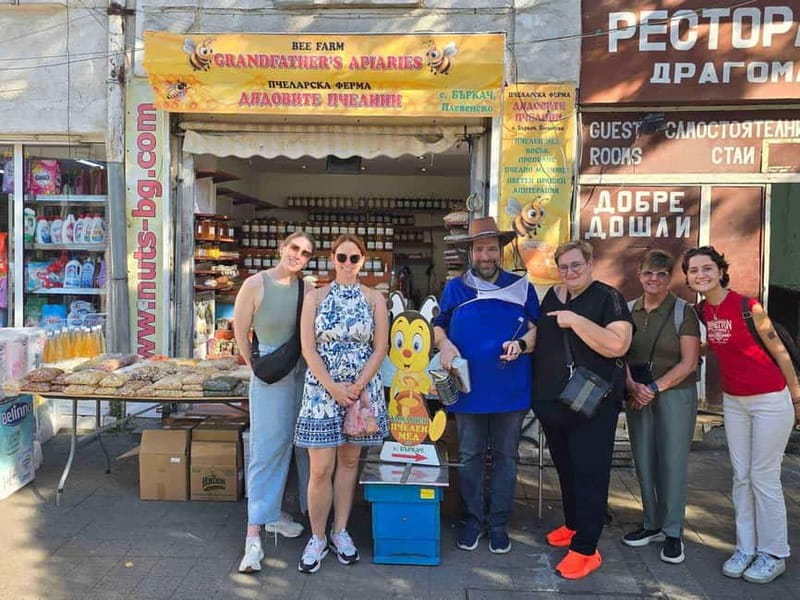
Several guides received specific praise for being friendly, clear, and generous with their time. Theodora was described as warm and fun to talk with. Nesi was noted for explaining both food and national history. Ivo was praised for his city knowledge and easy manner, including during rainy weather. Daniella was singled out for answering questions, keeping the group laughing, and taking care of practical needs.
That personal quality matters on a market walk. You want someone who can explain an unfamiliar food without making the experience feel like a lecture. You also want room to ask about restaurants, local customs, and the sights you will pass. Smaller groups can be especially good for this. The group size is not stated as fixed, but some departures have been very small, including one for only two people.
More food tours in the world:
- Reykjavik Food Walk – Local Foodie Adventure in Iceland
★ 5.0 · 18,952 reviews - Dubai: Old Town, Creek, Museums, Souks, & Street Food Tour
★ 4.8 · 10,816 reviews - Ho Chi Minh City Street Food Tour & Sightseeing By Motorbike
★ 5.0 · 9,413 reviews - Montserrat Half-Day Tour with Tapas and Gourmet Wines
★ 5.0 · 7,359 reviews
Shopping for antiques and practical souvenirs
Bring a little time for browsing. The markets may offer souvenirs and antiques, and the route passes antique shops that you may want to revisit later.
The Flea Market is the obvious place to look for unusual objects. The appeal is the hunt, not guaranteed quality or a neatly arranged souvenir selection. Take your time, compare prices, and buy only what you can identify or genuinely like.
The Women’s Market and other market areas are better for seeing everyday trade and local produce. You might find something useful, but the greater value is watching how these places function. This is not a staged shopping village built only for tourists.
If you want a special antique, ask your guide for help with context and nearby shops. A guide may be able to tell you more about what you are seeing, but the tour does not promise expert valuation or a particular purchase. Keep your expectations sensible and your bag light.
How much value do you get for $50?
At $50 per person, the price is fair if you would otherwise pay separately for a food tour and a city orientation walk. The fee includes an expert local guide, four food stops with local dishes, and a soft drink at the final stop. You are also paying for the historical links between the markets and the city sights.
The value is strongest for a first visit. You get practical bearings, an introduction to Bulgarian food, and a list of places you can return to on your own. The tour also saves you the trial and error of finding four local stops yourself.
It is less compelling if you mainly want a long shopping session or a formal monument tour. The route is designed to keep moving, and the food is part of a broader cultural walk. You are paying for the combination, not for a single large meal or a private antiques consultation.
The overall rating is 4.8 from 63 reviews, with strong praise for the food, guide quality, historical information, and the amount covered in one outing. One practical complaint involved a late start that pushed the end of the tour into evening plans. I would confirm the starting time and leave some room afterward, especially if you have a dinner reservation or transport to catch.
Walking, weather, and what to bring
The route covers about 3 kilometers, or 2 miles, with stops. That is not a marathon, but markets involve standing, slow movement, and occasional crowded or uneven surfaces. Comfortable shoes are essential, and comfortable clothes are recommended.
The experience runs in outdoor areas as well as covered markets, so weather can affect your comfort. The walk has still been enjoyed in rainy conditions, but bring suitable protection if the forecast is poor. The supplied information does not promise indoor alternatives or a shortened route.
Meet at the Stefan Stambolov Monument in Crystal Park. It is described as a sculpture of a split head, a useful detail because the meeting point may be easier to recognize by its shape than by its formal name. Arrive 10 minutes early.
The tour is offered in English. It is not suitable for wheelchair users or people with mobility impairments. If you have trouble walking or standing for several hours, this is not the right Sofia activity for you.
Who should book this Sofia food walk?
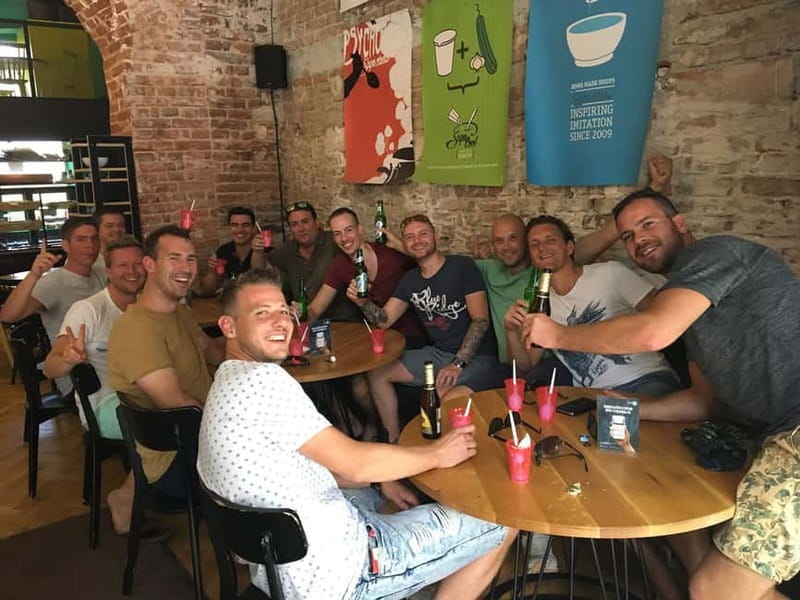
I would choose this tour for a first day in Sofia, especially if you want help understanding the city before exploring alone. It suits curious eaters, history-minded visitors, couples, friends, and younger groups who prefer learning while walking rather than sitting through a long lecture.
It is also a good match if you want local food but do not know where to start. The guide gives you a safe way to try several dishes, and the four-stop format keeps the meal varied.
You may want another option if you need step-free access, dislike market crowds, have strict dietary needs that have not been confirmed, or want an evening focused only on restaurants. Shoppers who want antiques should treat the tour as an introduction, then return to promising shops on their own.
Should you book it?
Book this tour if you want food, history, and city orientation in one walk. The strongest reasons are the four tastings, the market-to-history structure, and the chance to ask an English-speaking local guide about Sofia as you go.
I would book it near the beginning of your stay, arrive early, wear good shoes, and keep your evening schedule flexible. Skip it if the 3-kilometer route is beyond your comfort level or if you want a detailed indoor tour of each landmark. For most active visitors, $50 buys a useful and filling introduction to Sofia, with enough local detail to shape the rest of your time in the city.
FAQ
How long is the Sofia Flea and Food Markets Tour?
It is listed as a 1-day activity. The route involves about 3 kilometers, or 2 miles, of walking with stops.
How many food stops are included?
Four food stops with local dishes are included. A soft drink is included at the final food stop.
Which markets does the tour visit?
The route includes the Flea Market, Central Market Hall, Hali Market, and Women’s Market.
What language is the tour conducted in?
The tour is conducted in English with a live guide.
Where is the meeting point?
Meet at the Stefan Stambolov Monument in Crystal Park. The monument is described as a sculpture of a split head. Arrive 10 minutes before the activity starts.
Is the tour suitable for wheelchair users?
No. The tour is not suitable for wheelchair users or people with mobility impairments.
New food tours we have reviewed in the world
- ChattaBrunch Food Tour★ 5.0 · 87 reviews
- Downtown Chattanooga Food Tour★ 5.0 · 290 reviews
- Charlottetown waterfront SOLAR PartyBike food & drink experience!★ 4.0 · 92 reviews
- Historic Southside Food Tour in Chattanooga★ 5.0 · 32 reviews
- Tastes Through Time – Charleston’s Best Food & History Tour★ 4.5 · 95 reviews
- Charleston’s Savor the Flavors of Upper King Street Walking Food Tour★ 4.5 · 130 reviews
- Charlottetown Food Walking Tour★ 5.0 · 59 reviews
- Charleston Private Brunch Tour: Biscuits, Shrimps, Grits and More★ 5.0 · 48 reviews
Market Food Tours, compared.
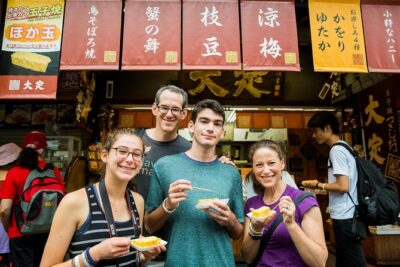
Tokyo Tsukiji Fish Market Food and Culture Walking Tour
Read our review →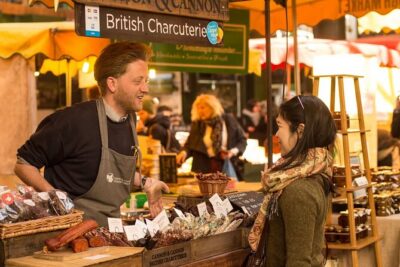
London Bridge & Borough Market Food Tour with 7 Authentic Dishes
Read our review →
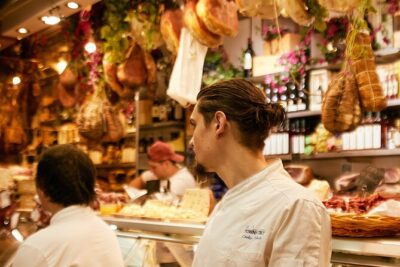
Small Group Cooking Class & Market Food Tour in Florence
Read our review →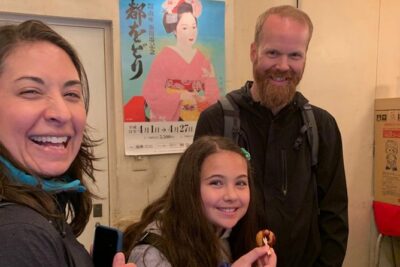
Nishiki Market Brunch Walking Tour (7 Tastings + Brunch)
Read our review →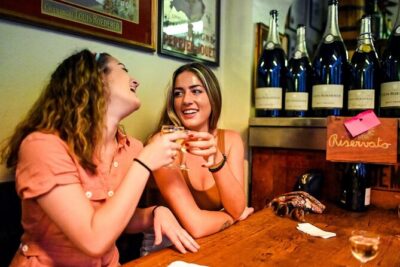
Bologna Food & Market Tour with 6 Tastings, Pasta, Wines & More
Read our review →
Browse the lists this tour appears in