

Review · WINE TOURS
St. Augustine’s Wine, Cocktail and Food Experience
St. Augustine’s food and drink tour does two useful jobs at once: it gives you a three-course-style afternoon of food and beverages while helping you get your bearings in the old city. You walk between tasting stops, hear stories about the nation’s oldest city, and pass major sights such as the Castillo de San Marcos and Plaza de la Constitución.
I like the small maximum of eight people, which keeps the walking tour personal, and I like that the $159 price includes lunch, alcoholic drinks, food samples, and bottled water. The main caution is that the experience depends heavily on your guide. Garry, Russ, and Alex receive especially warm praise for humor, history, and restaurant choices, but a guide’s personal style may not suit everyone.
Key points at a glance

- Food and drinks are included: The $159 price covers lunch, alcoholic beverages, food tastings, and bottled water, with non-alcoholic drinks available.
- A compact walking group: The tour accepts no more than eight people, a major advantage on narrow historic streets.
- More than a restaurant crawl: You pass the Castillo de San Marcos, Old City Gates, St. George Street, the cathedral, Government House, and other landmarks.
- A filling afternoon: Portions are described as generous enough that some people skipped a later dinner reservation.
- Guide style matters: Garry, Russ, and Alex are frequently praised for humor, local stories, and food suggestions.
- Plan for steady walking: The tour lasts about three and a half hours and requires a moderate level of physical fitness.
Why this tour works well on a first afternoon
St. Augustine can feel like a maze of old lanes, courtyards, churches, shops, and restaurants. A food tour gives you a pleasant reason to walk through it without trying to build your own plan from scratch.
The meeting point is 57 Treasury Street, close to the central historic district. From there, the route moves through the old core and finishes near Plaza de la Constitución, within two blocks of the plaza. That ending point is useful. You can continue sightseeing, browse nearby streets, or return to your hotel without arranging another ride.
The timing also makes sense. This is an afternoon experience, a good slot for seeing the city before the evening crowd and for learning where you might want to eat later. You receive enough food to make it function as lunch, not just a few token bites.
I would book this early in your stay. The walking route introduces the major landmarks, and the food stops give you ideas for later meals. The tour is often reserved about a month ahead, so waiting until the day before may not work, especially for a small group.
More Wine Tours in the USA
- Healdsburg Small-Group Food and Wine Walking Tour
★ 5.0 · 433 reviews - Temecula’s Premier Wine Tasting Tour
★ 4.5 · 363 reviews - Napa Valley: Wine Tasting Tour by Open Air Trolley & Lunch
★ 4.3 · 71 reviews
The Castillo de San Marcos sets the scene
The route includes the Castillo de San Marcos, St. Augustine’s massive Spanish stone fort. Built in the 17th century, it is the oldest masonry fort in the continental United States and the oldest structure in St. Augustine.
You should not expect a long interior visit or a full fort tour as part of this experience. The value here is context. The fort explains why St. Augustine developed as a defended Spanish settlement and why the city’s old center feels so different from a typical American downtown.
This is a smart place to begin the city story. Food can tell you plenty about a destination, but architecture and military history explain the setting around you. As you walk, your guide connects the restaurants and streets to the city’s Spanish, British, and American periods.
If you want detailed time inside the Castillo, plan a separate visit. This food experience gives you a look at the fort and its place in the city, but its main purpose remains eating, drinking, and walking.
Huguenot Cemetery and the Old City Gates
A short stop at Huguenot Cemetery adds a quieter note to the route. The cemetery sits across from the historic City Gate and served as a Protestant burial ground from 1821 to 1884.
Before American control, St. Augustine was mainly Catholic, and the Tolomato Cemetery was reserved for Catholics. After the United States took control in 1821, the new administration created a formal Protestant burial ground outside the city gates. The first burials came just before a yellow fever epidemic that took many lives.
You spend about five minutes here, so this is not a long cemetery visit. That is probably right for the pace of the tour. It gives you a concise piece of local history before you enter the old center, without turning a food outing into a full historical lecture.
The City Gates, built in 1808, mark the entrance to St. George Street. I like this transition because it makes the route feel physical. You are not simply moving from one restaurant to another. You are crossing into the part of St. Augustine where the city’s early plan, buildings, churches, and public spaces are still easy to read.
St. George Street brings the city to life
St. George Street is the backbone of the historic district. You spend about 20 minutes here, entering through the old gates and walking along one of the city’s best-known streets.
This is one of the places where the small group helps. St. George Street can be crowded, and eight people are easier to keep together than a large bus-sized group. You have a better chance to hear the guide and ask questions while looking at the buildings around you.
The street is also a practical introduction to St. Augustine’s visitor scene. It contains plenty of shops and activity, but the guide helps you look beyond the obvious storefronts. Several food stops are described as places you might not find on your own, including restaurants away from the busiest section of the main tourist street.
Do not expect a quiet architectural walk. St. George Street is a popular part of town. The reward is access to the city’s central route, along with food and drink breaks that keep the walk from feeling like a formal history lesson.
Same appetite, a different neighbourhood:
- New Orleans Food Walking Tour of the French Quarter with Small-Group Option
★ 5.0 · 6,118 reviews - Chef Guided Food Tour of Pike Place Market
★ 5.0 · 3,733 reviews - Savannah First Squares Culinary & Cultural Walking Food Tour
★ 5.0 · 3,229 reviews - NYC: Chinatown & Little Italy Food Tour with 7 Flavorful Tastings
★ 5.0 · 2,733 reviews
Greek heritage at St. Photios Shrine

Near the old city gates, the route passes the St. Photios Greek Orthodox National Shrine. The shrine honors the first Greek colony in America, which arrived in 1768, and belongs to the Greek Orthodox Archdiocese of America.
This stop widens the story beyond Spanish forts and Catholic churches. St. Augustine’s past includes several colonial powers and immigrant communities, and the shrine offers a useful reminder that the city’s identity is not limited to one tradition.
The supplied timing does not give a separate visit length here, so treat it as a guided sight along the walking route rather than a guaranteed extended interior stop. If the shrine is a priority for you, ask the guide how much time is available on your departure date.
Plaza de la Constitución explains the city plan
Plaza de la Constitución is the central public square, and the original city plan was built outward from it. The plaza is bordered by Government House, the Cathedral Basilica, and the route toward the Bridge of Lions and Matanzas Bay.
You spend about ten minutes here. The guide can explain the Spanish planning rule that called for a central plaza serving government, church, and public use. Along the coast, these squares were placed by the water, where people could see activity in the harbor and be seen themselves.
That detail helps you understand the layout instead of simply photographing a pretty square. St. Augustine’s streets and buildings make more sense once you recognize the plaza as the civic center.
The plaza is also the tour’s finishing area, so you may want to remember it as a useful reference point. The tour ends within two blocks of it, making the location convenient for continuing your afternoon.
The cathedral and Government House add depth
The Cathedral Basilica of St. Augustine is another major sight on the route. The building was constructed from 1793 to 1797 and later designated a National Historic Landmark. Its congregation dates to 1565, making it the oldest Christian congregation in the contiguous United States.
You may appreciate this stop most if you enjoy seeing how religious buildings shaped early town life. The cathedral is not just a photo stop. Its location beside the plaza shows how worship, government, and public space worked together in the Spanish colonial plan.
Government House occupies the west end of the plaza. A government building has been located on the site since 1598, first serving Spanish governors, then British and Spanish administrations, and later the United States.
After Florida passed to the United States in 1821, the building served as a courthouse and briefly as the capital of the new Florida Territory. I find this kind of detail especially useful on a walking tour because it gives the buildings a job and a timeline. You are not only looking at old walls. You are seeing the places where the city was governed.
What you actually eat and drink

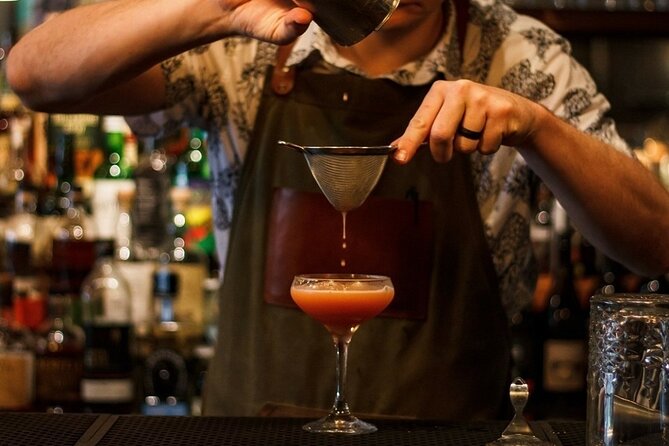
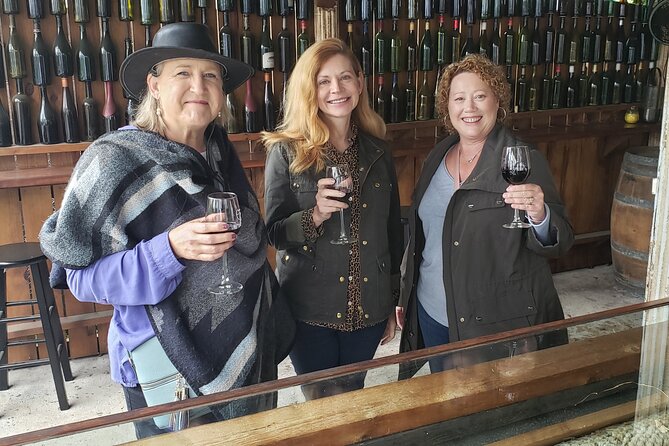
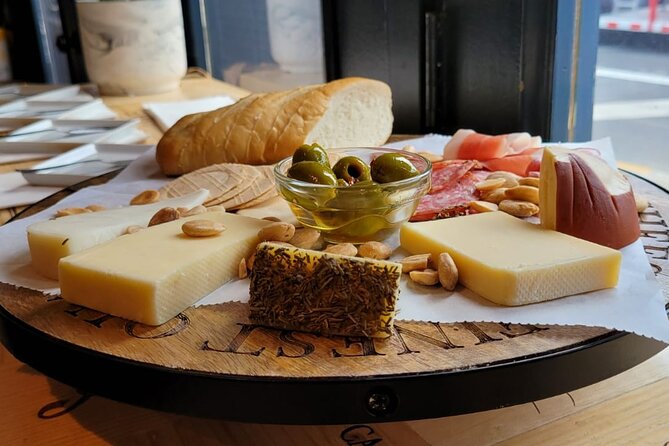
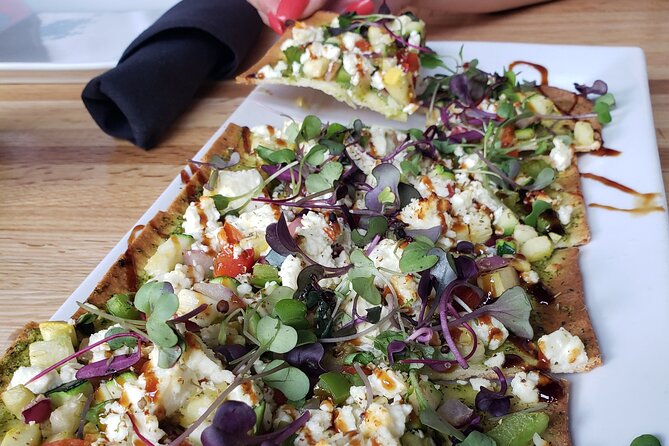
The exact restaurants and tasting menu can vary, so you should not book this expecting a fixed list of dishes. The experience includes lunch, food tastings, wine, cocktails, and other alcoholic beverages, with choices available at the stops.
The food is not treated as decoration. The portion sizes are described as generous, and one account specifically notes that the meal was filling enough to replace dinner. Another highlights barbecue, while other stops include wine, cocktails, dessert, and food such as brie. The mix appears to change from place to place, which is part of the appeal but also means you should arrive ready to try the guide’s selections.
The drink choices seem to be a major strength. You can expect wine and cocktails, and the menu may offer enough variety for you to choose a drink rather than accept one preset pour. One particularly useful tip is that a wine stop may tempt you to return later, so remember the names of places you enjoy.
Non-alcoholic drinks are available. Still, the tour is designed around alcoholic beverages, so people who do not drink should confirm that the alternatives suit them before booking. The experience can accommodate a non-drinker, but it is not primarily a soft-drink tasting tour.
Dietary limits need careful thought
Vegetarian, vegan, kosher, dairy-free, sugar-free, and gluten-free diets have a much more limited selection. This is the biggest food-related caution.
If you have a mild preference, you may find enough to eat. If you have a serious allergy or strict medical restriction, contact the operator before booking and explain exactly what you need. The included meal is one of the tour’s main values, but that value drops if you can only sample a small portion of it.
The tour also includes bottled water. That is a small detail, but it matters during a three-and-a-half-hour walking route, especially in warm weather.
Guide personalities can shape the afternoon
Garry, Russ, and Alex are the names most often associated with the tour. Garry is praised for storytelling, humor, building details, and local food suggestions. Russ receives strong marks for history, restaurant choices, and drink recommendations. Alex is described as personable and particularly good at mixing city background with practical tips for places to return to.
That range is important. The guide is not just handing you plates and pointing toward the next address. The guide controls the pace, tells the city story, introduces the food, and sets the mood for the group.
The same personal approach can be a drawback if you prefer a quiet, strictly scripted tour. One sharply negative account describes a guide who focused too much on personal stories, discussed past ratings, and asked directly for a tip. That appears out of step with the much more positive overall pattern, but it is worth knowing that guide style can vary.
The safest expectation is a lively, conversational tour rather than a formal academic lecture. If you enjoy humor and storytelling, you are likely to get more from it. If you want a tightly timed food itinerary with minimal conversation, this may not be your ideal format.
Is $159 a fair price?
At $159 per person, this is not a cheap walk around town. The price makes more sense when you count what is included: about three and a half hours, lunch, several food samples, wine and cocktails, bottled water, and a small-group guide.
You are also paying for research and coordination. The guide chooses the stops, manages the timing, and connects them to the city’s history. Creating the same afternoon on your own would require selecting restaurants, ordering enough food at each one, and figuring out how to fit the sights between meals.
Still, value depends on how much you eat and drink. If you rarely drink alcohol or have major dietary restrictions, you may not receive the full benefit of the price. If you enjoy a substantial lunch, several drinks, and local history, the package is easier to justify.
The generous portions are another reason to avoid booking a large dinner immediately afterward. Keep your evening flexible. You can always make a later reservation if you finish hungry, but the food may be enough to carry you through the night.
Who should book this St. Augustine food tour?
I would recommend it to first-time visitors who want an easy introduction to the historic district, couples looking for a social afternoon, and small groups that like trying several places instead of sitting in one restaurant.
It is also a good fit if you want history in manageable pieces. You receive the fort, cemetery, city gates, plaza, cathedral, Government House, and Greek heritage in one route, but the food and drinks keep the experience relaxed.
You should think twice if you dislike walking, need a strict allergy-safe menu, or want a private and quiet meal. The route requires moderate physical fitness, and the old streets may be tiring over three and a half hours.
Should you book it?
Book this tour if you want a filling afternoon with wine, cocktails, local food, and a useful first look at St. Augustine. The small group, included drinks, and generous portions make it more than a standard sightseeing walk.
I would schedule it near the beginning of your stay, arrive ready to walk, and keep dinner plans light. Ask about dietary needs before paying, and remember that the guide’s personality is a real part of the experience. For food-focused visitors who also want the city’s story, this is a strong way to spend an afternoon.
FAQ
How long does the St. Augustine food tour last?
The experience lasts about 3 hours and 30 minutes.
How much does the tour cost?
The listed price is $159 per person.
What is included in the price?
Lunch, food tastings, alcoholic beverages, and bottled water are included. Non-alcoholic drinks are also available.
Where does the tour begin?
The meeting point is 57 Treasury Street, St. Augustine, Florida 32084.
Where does the tour finish?
The tour finishes near Plaza de la Constitución, within two blocks of the plaza.
How many people can join the tour?
The maximum group size is eight people.
Can people with dietary restrictions join?
Vegetarian, vegan, kosher, dairy-free, sugar-free, and gluten-free options are much more limited. You should check your needs with the provider before booking.
Is the tour accessible for people who do not drink alcohol?
Non-alcoholic drinks are available, but the experience is built around wine, cocktails, and other alcoholic beverages. The tour provider should be contacted if you need specific drink arrangements.
What is the cancellation policy?
You can cancel at least 24 hours before the start time for a full refund. Cancellations or changes made less than 24 hours before the start time are not accepted for a refund.
More restaurant experiences in the USA
- Boston: North End Food Experience with Pizza, Meats & Cheese
★ 4.9 · 111 reviews - Napa Valley Wine Train: Gourmet Express Lunch or Dinner
★ 4.7 · 48 reviews - Farm-to-Table Chef’s Dinner at Kulaniapia Falls
★ 4.5 · 42 reviews - New York City: Bustronome Gourmet Dinner Tour
★ 4.4 · 34 reviews
New food tours we have reviewed in the USA
- ChattaBrunch Food Tour★ 5.0 · 87 reviews
- Downtown Chattanooga Food Tour★ 5.0 · 290 reviews
- Historic Southside Food Tour in Chattanooga★ 5.0 · 32 reviews
- Tastes Through Time – Charleston’s Best Food & History Tour★ 4.5 · 95 reviews
- Charleston’s Savor the Flavors of Upper King Street Walking Food Tour★ 4.5 · 130 reviews
- Charleston Private Brunch Tour: Biscuits, Shrimps, Grits and More★ 5.0 · 48 reviews
- Charleston Farm-to-Table Food Tour and Chef’s Challenge★ 5.0 · 110 reviews
- Private Charleston Walking Food Tour at the French Quarter★ 5.0 · 201 reviews
Wine Tours, compared.

Montserrat Half-Day Tour with Tapas and Gourmet Wines
Read our review →
Winner 2025 Undiscovered Lisbon Food & Wine Tour by Eating Europe
Read our review →
From Porto: 2 Wine Regions, Farm-to-Table Lunch & Boat
Read our review →
Winner 2025 Florence Sunset Food & Wine Tour by Eating Europe
Read our review →
Authentic Parisian Gourmet Food Tour with 10 Local Dishes & Wines
Read our review →
Barcelona: Tapas Walking Tour with Food, Wine, and History
Read our review →
Lisbon: Food and Wine Small Group Walking Tour
Read our review →
Lisbon Small-Group Portuguese Food and Wine Tour
Read our review →Browse the lists this tour appears in