
Review · FOOD WALKING TOURS
Strasbourg: Traditional Food Walking Tour with Tastings
Strasbourg’s food culture is hearty, local, and built for cold weather. This three-and-a-half-hour walking tour takes you from Place d’Austerlitz through the old center and into Petite France, with stops for bretzels, cured meats, cheese, choucroute, sweets, and Alsatian wine or beer. You get a meal and a city walk at the same time.
I like the small group limit of 12, which keeps the tastings personal and makes it easier to ask questions. I also like the mix of old food shops, cafés, and restaurants, since you see both traditional Alsatian cooking and the city’s newer food scene. The main drawback is simple: $116 is a serious price, and the portions can be so large that you may not have room to sample everything.
Key points to know before booking
- Start at Place d’Austerlitz: Meet in front of the miniature of Strasbourg, not at a restaurant.
- Expect at least four food stops: Each includes at least one serving, with water and one alcoholic drink included.
- The food is generous: Plan to arrive very hungry, especially for the choucroute or other full meal stop.
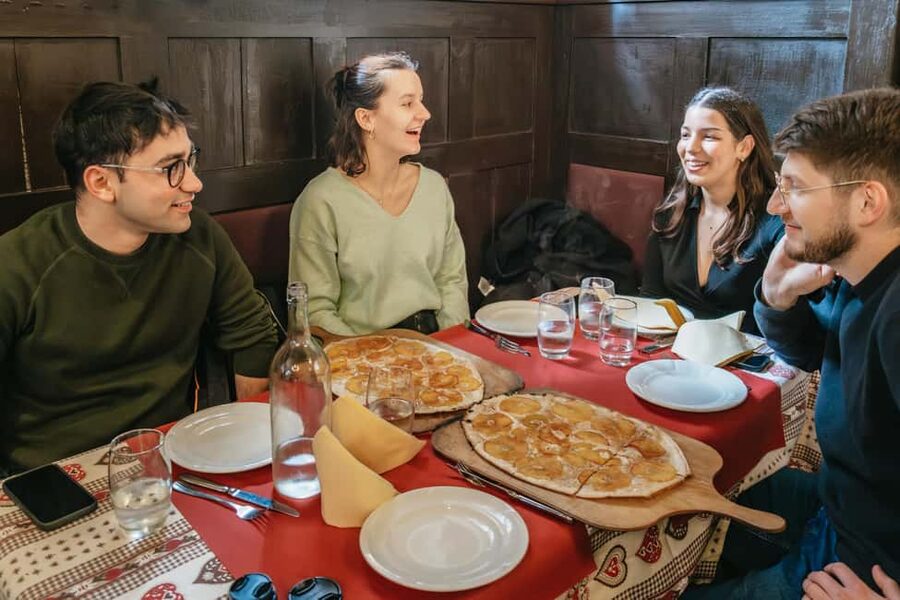
- Taste classic Alsatian flavors: Bretzels, charcuterie, cheese, sauerkraut, sausages, gingerbread, Kugelhopf, and possibly tarte flambée may appear.
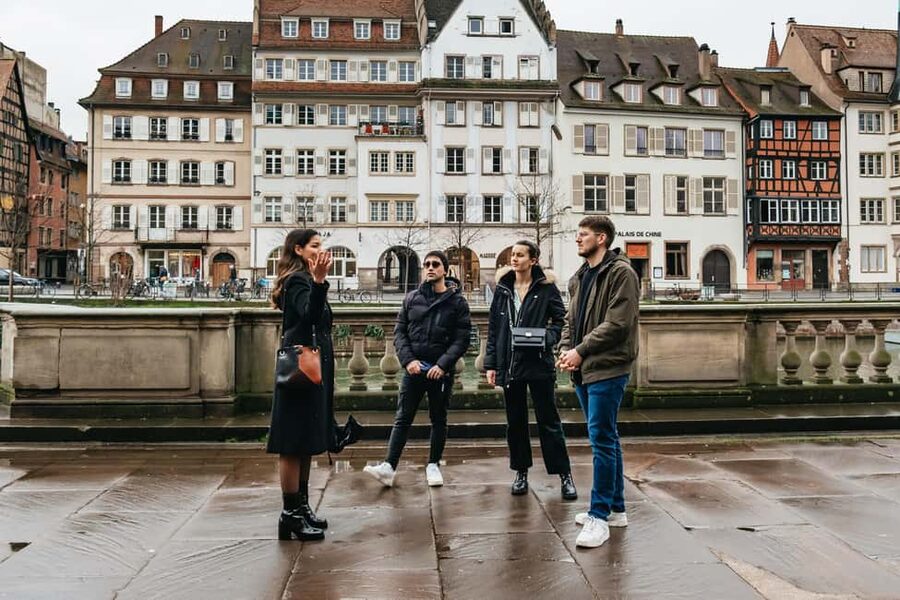
- Walk through the city center: The route includes the cathedral area, Rue des Grandes Arcades, and Petite France.
- Small groups and bilingual guiding: Tours operate with two to 12 people and may be conducted in English and French.
What this Strasbourg food tour is really about
This is not a quick parade of bite-sized samples. It is closer to a guided lunch or early dinner spread while walking through the central districts of Strasbourg. You stop, eat, listen, and move on. By the end, you should understand why Alsatian food leans so comfortably toward sausage, sauerkraut, cheese, bread, pastry, and wine.
The tour lasts 210 minutes, a useful length for Strasbourg. You have enough time to eat properly and see several parts of the old city without spending an entire day at a table. The walking itself is not especially demanding. The route is described as mostly flat, but the activity is not suitable for people with mobility impairments, and comfortable shoes are still important.
The group size matters. With no more than 12 people, a guide such as Raphael, JP, Loubna, Christine, or Nahama can explain a dish without shouting across a crowded room. The exact guide depends on the date, but the strongest part of this experience is the personal local commentary: food, city history, shop recommendations, and practical advice about where to eat or drink later.
More Food Walking Tours in France
- Nice Small-Group Walking Food Tour with Local Specialties & Wine Tasting
★ 4.5 · 558 reviews - Saint-Germain: Gourmet Chocolate & Pastry Walking Food Tour
★ 4.8 · 495 reviews - Nice: Provencal Food Walking Tour with Tastings
★ 4.9 · 387 reviews
Meeting at Place d’Austerlitz
The starting point is Place d’Austerlitz, in front of the miniature of Strasbourg. Give yourself extra time to find it. The meeting instructions have confused some people, especially when map directions lead to a nearby business rather than the correct spot. The miniature is the detail to look for.
Starting here gives the group a natural route into the historic center. You are not being collected from your hotel, and hotel pickup and drop-off are not included. Bring only what you need for a few hours. Large bags and luggage are not allowed, which is sensible when you are moving between small shops and restaurants.
A morning tour can function as breakfast and lunch combined. Several people have been surprised by just how much food arrives, so I would not plan a full meal beforehand. For an afternoon departure, have a light breakfast and save your appetite. You will need it.
Bretzels, charcuterie, and cheese in the old center
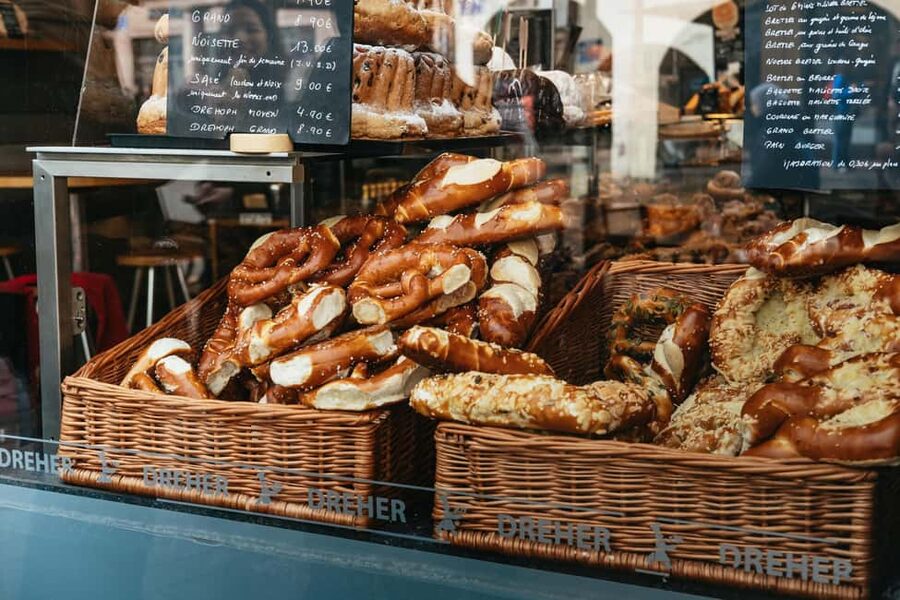
One of the first tastings can include soft bretzels, a selection of charcuterie, and local cheese. This is a good introduction to Alsatian eating because the flavors are direct and substantial. The bretzel is not just a tourist symbol here. It is a practical carrier for cured meats, cheese, or a drink.
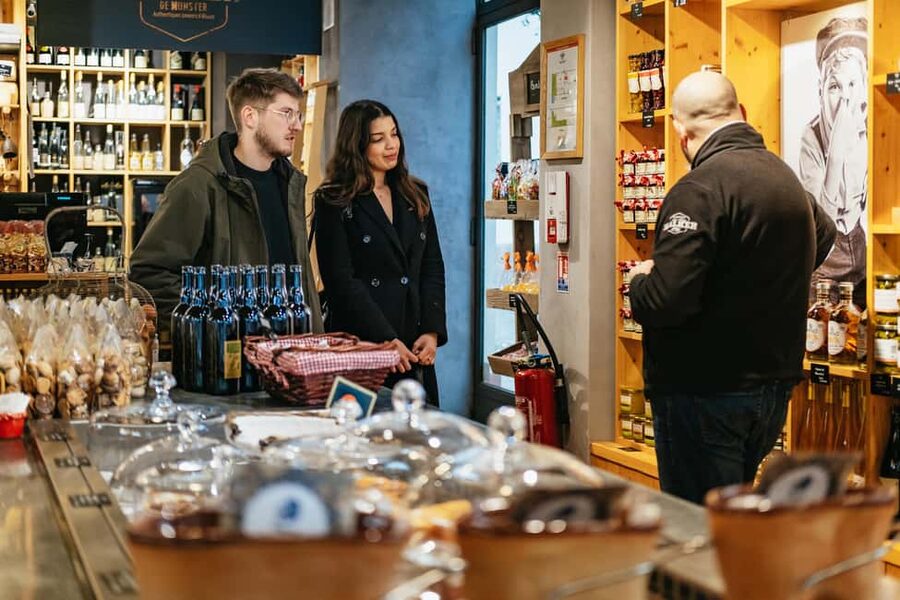
A stop at a cheese shop can also show you how the region’s food traditions extend beyond restaurant dishes. Your guide can explain what you are tasting and how these foods fit into local habits. The food is generally served as a proper portion, not a token nibble, so pace yourself from the first stop.
Fortwenger Strasbourg Cathedrale is included as a sightseeing and food-tasting point. The name is associated with Alsatian gingerbread and traditional sweets. Depending on the season and what partner shops have available, the tasting may focus on sweet specialties rather than a formal demonstration.
That distinction is worth knowing. You may visit a bakery or specialty shop, collect sweets, and taste them, but you should not expect a cooking class. The value is in the explanation and the chance to identify products you may want to buy later.
Rue des Grandes Arcades and the city’s central food scene
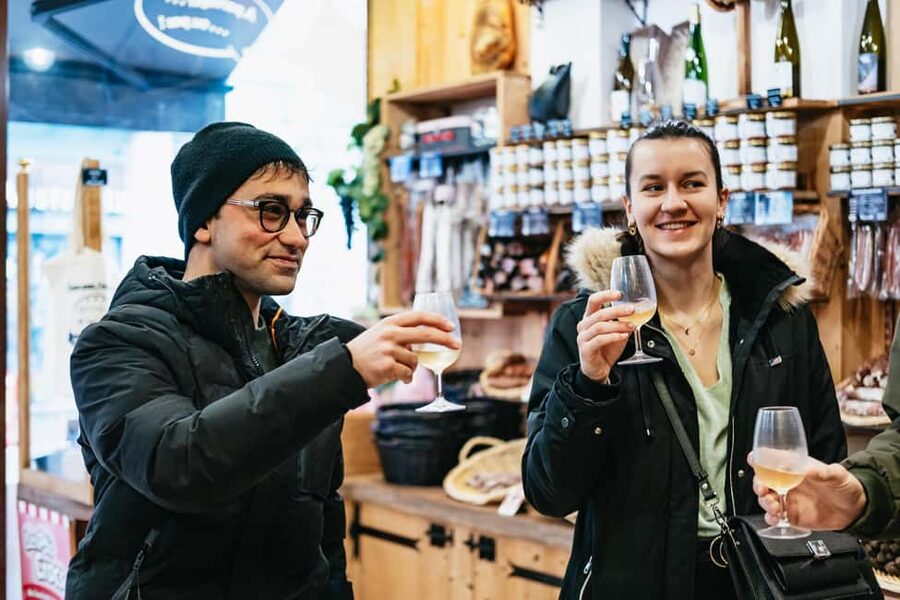
The route continues through Rue des Grandes Arcades, one of the main shopping streets in central Strasbourg. This section helps connect the food to the city around it. You are not simply being driven between restaurants. The guide points out places of interest while moving through the center, so the tour also works as a useful orientation walk.
The food stops can include historic eateries, modern cafés, and newer restaurants. That range is one of the better reasons to book this tour instead of eating one traditional meal on your own. A single restaurant can give you one version of Alsatian cuisine. This route gives you a broader sample, from shop-counter specialties to a sit-down meal and desserts.
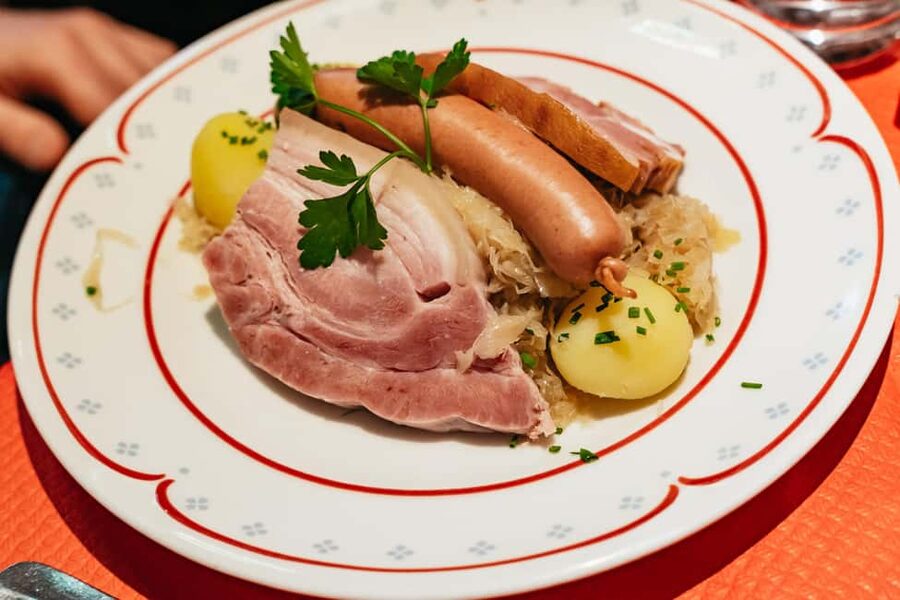
The exact food lineup changes with the season and with partner availability. You might find choucroute garnie, a dish of sauerkraut served with smoked sausages and other meats. You might also taste tarte flambée, the thin regional specialty often topped with cream, onions, and bacon, or a large bowl of pasta with a strong local cheese sauce.
The meal portion can be surprisingly large. If you are used to food tours offering tiny plates, adjust your expectations. The lunch stop may feel like a full restaurant meal, and some people have found it difficult to finish everything. That is not a complaint about quality, but it does affect value if you want to sample widely rather than eat one generous dish.
Same appetite, a different neighbourhood:
- Bateaux Parisiens Seine River Gourmet Dinner & Sightseeing Cruise
★ 4.5 · 6,930 reviews - Authentic Parisian Gourmet Food Tour with 10 Local Dishes & Wines
★ 5.0 · 4,754 reviews - Bateaux Parisiens Seine River Gourmet Lunch & Sightseeing Cruise
★ 4.5 · 2,680 reviews - Montmartre Hill French Gourmet Food and Wine Tasting Walking Tour
★ 5.0 · 2,588 reviews
Choucroute garnie and the case for arriving hungry
Choucroute garnie is one of the clearest expressions of Alsatian cooking. The sauerkraut brings acidity, while smoked sausages and other meats make the dish filling and warming. It is regional food with no interest in being delicate.
The tour presents this dish as a major tasting, not merely a forkful. That makes the experience more satisfying for someone who wants a real meal, but it can limit the number of later samples you manage. I would treat the first savory stop as an appetizer and the choucroute as lunch, not as two small tastings.
Some tours have included unusual sausage varieties, including a bull sausage. The specific dish is not guaranteed, but the range can be wider than the standard tourist menu. Your guide is the person to ask about ingredients, preparation, and which items are most local.
The drink pairing may be Alsatian wine or beer, with at least one alcoholic drink included. The wine selection changes, and not every style will suit every palate. Water is also included, which matters on a long food walk. If you do not drink alcohol, check the arrangements before booking, since the listed inclusion is one alcoholic drink rather than a stated nonalcoholic substitute.
From the cathedral area toward Petite France
The walk takes in the area around Strasbourg Cathedral and continues toward Petite France, the canal-lined historic quarter where the tour finishes. The route gives you the chance to stop for photos and hear short explanations about the city, rather than keeping the focus only on food.
That balance has been handled well on many departures. The guide may point out major sights, explain local history, and share small facts about the buildings or traditions before moving on to the next tasting. Raphael, JP, Loubna, and Christine have each been praised for combining food information with an entertaining city walk.
Do not expect a full sightseeing tour of every landmark. The history is there to give the meal context and help you read the city as you walk. If you want a detailed cathedral interior tour or a specialist architectural tour, book that separately.
Petite France is a sensible finishing point. It is one of Strasbourg’s most atmospheric areas, and ending here leaves you well placed to continue exploring on foot. You finish in Petite-France rather than returning to Place d’Austerlitz, so plan your next stop from there.
Gingerbread, Kugelhopf, and changing sweet stops
The dessert part of the tour brings in Alsatian pain d’épices, or gingerbread, along with possible tastings of Kugelhopf and other traditional sweets. These are useful foods to try during a city visit because they travel well and make good gifts.
Kugelhopf is the region’s ring-shaped yeast cake, while pain d’épices brings warm spice and honeyed sweetness. A bakery stop may be brief, with treats collected for the group rather than a behind-the-scenes baking demonstration. That is fine if you want to taste local products, but less satisfying if you are hoping to see how they are made.
The balance between savory and sweet can vary. Some departures have included three savory stops and two sweet stops, while other schedules may lean more heavily toward desserts. One practical criticism has been that a sweet stop could sometimes be exchanged for another savory tasting. If you prefer variety across several main dishes, ask the guide what is planned at the start.
Tarte flambée can also appear in the tasting lineup. It is traditionally savory, despite being grouped with the tour’s broader selection of regional specialties. The exact dish is seasonal and depends on what the partner venues are serving.
How much food do you actually get?
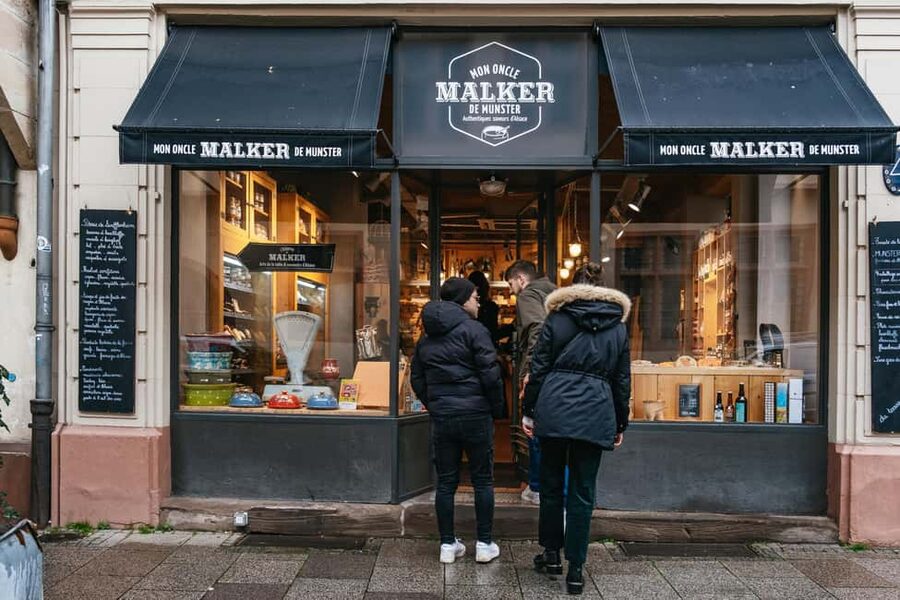
The short answer is: a lot. At least four stops are included, with one serving at each stop. The descriptions from different departures point to generous portions, including a full meal at lunch and substantial sweets.
That is excellent value for someone who wants lunch covered and likes hearty food. It is less ideal for someone who prefers tiny samples from ten different places. You may leave full rather than hungry, and you may not finish every serving.
The $116 price also includes the guide, water, and at least one alcoholic drink. To judge the cost fairly, compare it with a sit-down Strasbourg meal, separate tastings, and three and a half hours of local guiding. The price is not low, but the amount of food and the city orientation make it reasonable for an active food-focused visitor.
I would be more cautious if you are a light eater, have strict dietary needs, or mainly want a budget introduction to Strasbourg. Additional food and drinks cost extra, and the tour does not promise a customized menu. The supplied information also does not list vegetarian, vegan, allergy, or gluten-free arrangements, so ask before booking if that matters to you.
The guides and the feel of the group
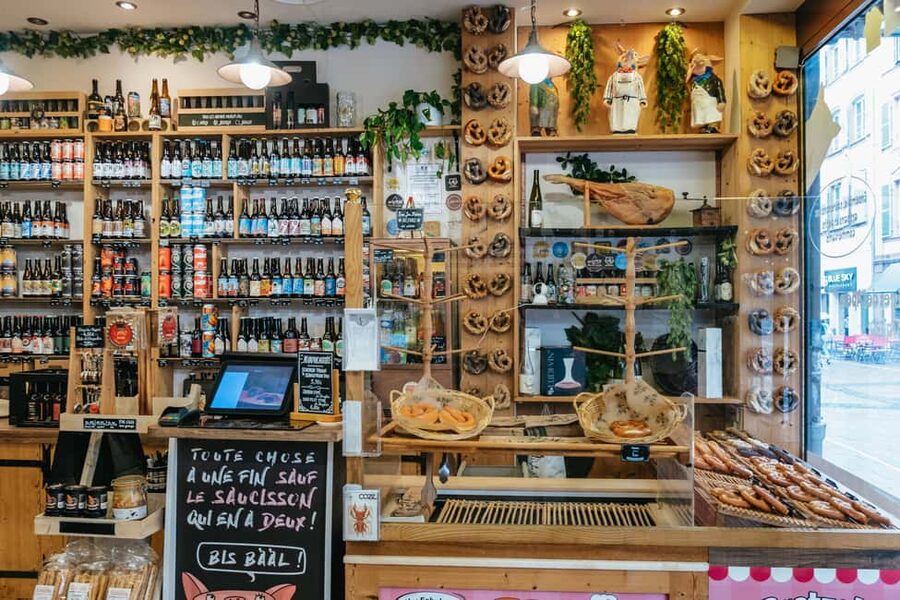
The guide can make or break a food walk, and this experience depends heavily on that person. Guides named in the tour feedback include Raphael, JP, Loubna, Christine, Nahama, Sabria, Naha, and Loubna’s similarly listed spelling Lubna. They are described as friendly, funny, clear, and well informed about both food and Strasbourg.
Raphael has been especially good at answering questions, suggesting later restaurants and bars, and pointing out photo spots. JP has brought a relaxed mix of local food knowledge and city facts. Loubna has led food and history walks at an easy pace, while Christine has been praised for handling families and explaining things clearly.
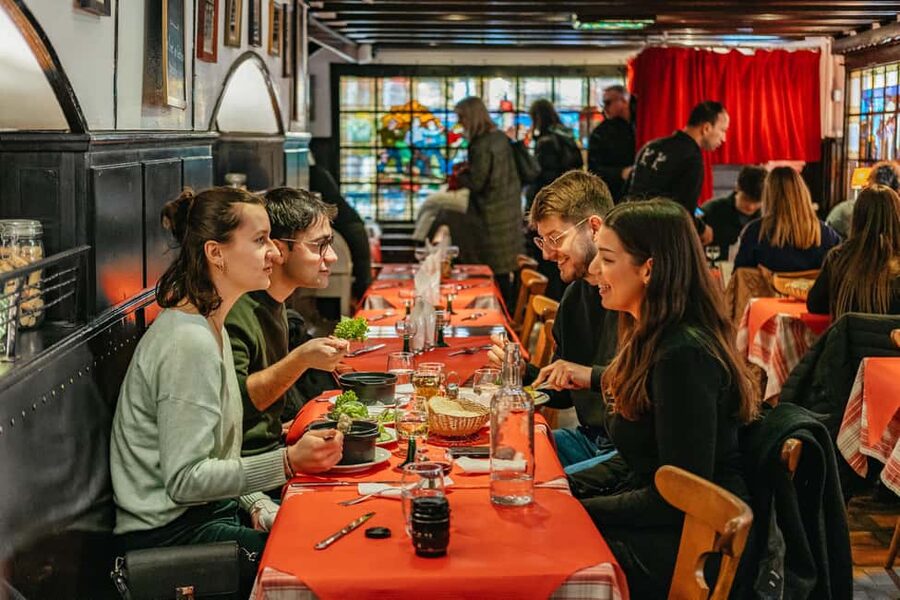
The tour is a good choice for solo visitors. The group size is small enough that you are unlikely to feel stranded, and the shared table stops make conversation easy. It can also work for families, though children may not want every cured meat, cheese, or alcoholic drink. The guide can help explain the food, but the tour is not designed only for children.
English and French are offered. Be aware that the guide may use both languages during the same tour. If you need every explanation in English, ask at the start so you know how the group will be handled.
Practical drawbacks to weigh before you pay
The most obvious issue is the price. At $116 per person, this is a special outing rather than a casual snack walk. It earns its cost through quantity, a full meal, drinks, several food venues, and a guide who also shows you the center of Strasbourg.
The second issue is food volume. Some people will love having more than enough. Others will feel that large bowls and plates reduce the chance to sample a wider range. Do not eat a full breakfast before a morning departure.
The third issue is changing availability. Tasting menus vary by season and partner opening hours. A particular wine, dessert, or restaurant is not guaranteed. One stop has occasionally had an operational change, so keep a little flexibility in your plans rather than scheduling an important timed activity immediately afterward.
Finally, the meeting point can be hard to identify. Use the miniature of Strasbourg at Place d’Austerlitz as your landmark, and arrive early. The tour does not accept luggage or large bags, and it is not suitable for people with mobility impairments.
Who should book this Strasbourg food walk?
I would book it early in a Strasbourg stay. The route helps you get your bearings, and the guide can suggest places to return to after you have tasted the basics. It is especially useful for a first visit, for food-focused weekends, and for anyone who wants a local meal without spending hours researching restaurants.
You should book it if you enjoy hearty portions, traditional regional food, and a social small-group walk. It also suits solo visitors who want company without joining a huge bus tour.
I would skip it if you are looking for a low-cost activity, a very light tasting menu, a formal cooking lesson, or a fully accessible route. I would also check dietary arrangements before paying if you cannot eat pork, dairy, gluten, or alcohol.
Final verdict: a filling way to meet Strasbourg
This is a strong choice for getting both food and orientation in one outing. You walk through the cathedral area, Rue des Grandes Arcades, and Petite France while tasting the ingredients and dishes that define Alsace. The guides add the context that turns a plate of sauerkraut or a piece of gingerbread into part of the city’s story.
The price is high, but the food is generous and the tour includes a real meal, several stops, water, and a drink. Come hungry, wear comfortable shoes, and expect the menu to change. If that sounds like your kind of afternoon, this tour gives you a substantial and enjoyable introduction to Strasbourg.
FAQ
Where does the Strasbourg food tour begin?
It begins at Place d’Austerlitz, in front of the miniature of Strasbourg.
Where does the tour finish?
The tour finishes in Petite-France.
How long does the experience last?
It lasts 210 minutes, or three and a half hours.
How many food stops are included?
At least four food stops are included, with at least one serving at each stop.
What food might I taste?
Possible tastings include bretzels, charcuterie, local cheese, choucroute garnie, Alsatian gingerbread, Kugelhopf, tarte flambée, and other seasonal specialties.
Is a drink included?
Yes. Water and at least one alcoholic drink are included. Additional food and drinks are not included.
What languages are available?
The tour is offered in English and French. The guide may speak both languages during the experience.
Is the tour suitable for people with mobility impairments?
No. The activity is listed as unsuitable for people with mobility impairments. Comfortable shoes are recommended, and luggage or large bags are not allowed.
New food tours we have reviewed in France
- Taste Cannes – A Full French Riviera Food Tour by Do Eat Better★ 5.0 · 63 reviews
- Cannes Ooh La La Croissant Tasting Tour★ 5.0 · 30 reviews
- Saint-Émilion day tour: village visit, Châteaux and lunch★ 5.0 · 121 reviews
- Bordeaux wines tasting workshop including Food & Wine pairings★ 5.0 · 31 reviews
- NO DIET CLUB – Unique food tour in Bordeaux !★ 5.0 · 201 reviews
- Historical Center, Bordeaux Food Tour★ 5.0 · 33 reviews
- Bordeaux Food and Wine Tour : Authentic Artisanal Flavors★ 5.0 · 62 reviews
- Bordeaux Gourmet Experience : tasting of French cheeses & wines★ 4.5 · 71 reviews
Food Walking Tours, compared.
Reykjavik Food Walk – Local Foodie Adventure in Iceland
Read our review →
New Orleans Food Walking Tour of the French Quarter with Small-Group Option
Read our review →
Naples: Street Food Walking Tour with Local Guide
Read our review →
Savannah First Squares Culinary & Cultural Walking Food Tour
Read our review →
Rome: Guided Food Walking Tour with Wine in Trastevere
Read our review →
Rome: Trastevere & Campo de Fiori Street Food Walking Tour
Read our review →Browse the lists this tour appears in