
Review · HISTORICAL TOURS
Toulouse Food & History Tour with a Chef (in English)
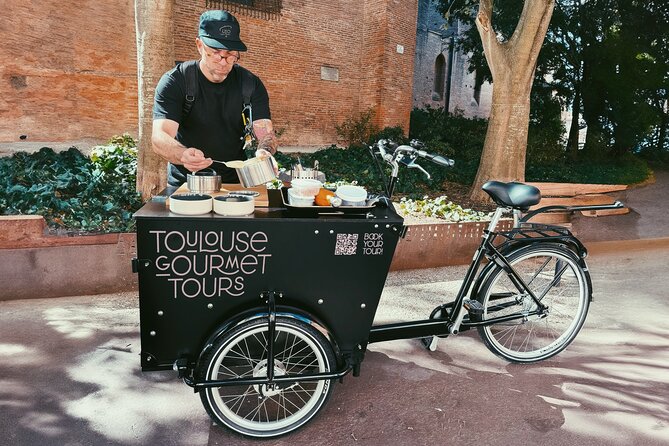
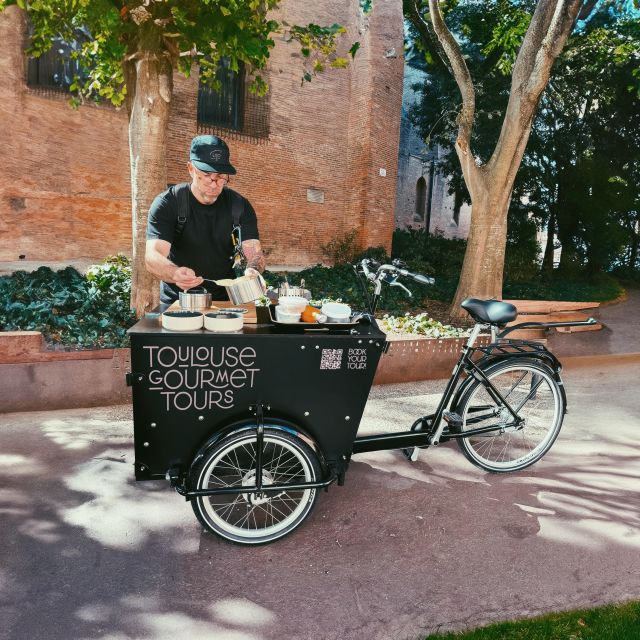
Toulouse is best understood with something to eat in your hand, and this tour makes that idea literal. Chef Alejandro walks you through the old center, stopping at major sights while preparing or presenting food tied to each place. His bicycle kitchen is the unusual feature: this is not just a guide buying bites from a shop and passing them around.
I especially like the link between food and local stories, from the great fire that changed Toulouse to the city’s aerospace past. I also like the chance to taste serious regional products, including Porc Noir de Bigorre charcuterie, Toulouse sausage, artisanal cheese, wine, and a pastry with a 2,000-year-old recipe. The main caution is that this is an outdoor walking tour, and some food preparation depends on weather, season, and shop hours.
Key points to know before booking
- Chef-led walking route: Alejandro combines guiding with on-the-spot cooking from a bicycle cart.
- Six food stories in the old center: Each stop connects a local bite with Toulouse history, architecture, or culture.
- Major landmarks included: Expect Hôtel d’Assézat, the Garonne riverfront, Place du Capitole, Victor Hugo Market, and Saint-Sernin Basilica.
- Generous portions: The tastings are substantial enough to function as a light meal, not just a few token samples.
- Outdoor and weather-dependent: Comfortable shoes matter, and the tour does not operate in rainy conditions.
- Best for adults and older children: It is not suitable for children under 12 or people with mobility impairments.
Why this Toulouse food tour feels different
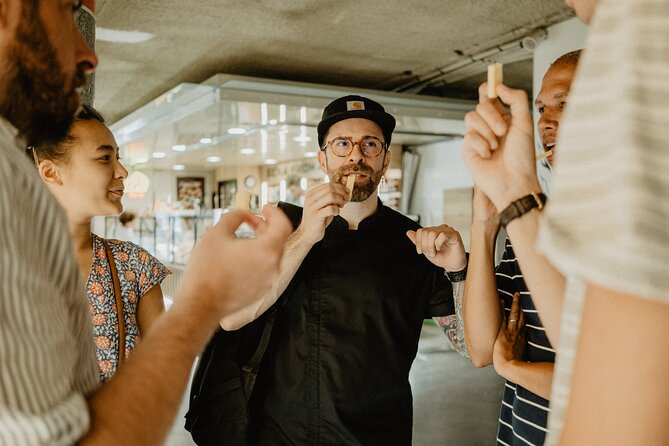
Many city food walks follow a simple pattern: stop at a bakery, stop at a market, taste something, and move on. This one has a clearer idea behind it. Alejandro uses food as a key to Toulouse, then uses Toulouse to explain the food.
That approach gives the four hours a useful rhythm. You are not standing in one place listening to a long lecture, and you are not rushing from snack to snack without understanding what you are eating. A story comes first, then a bite that gives the story a local flavor.
Alejandro is a trained chef, and that matters most when he prepares food himself. The experience is designed around cooking and plating regional recipes during the walk, rather than relying only on ready-made products. In colder or windier weather, he may cook less from the cart. That is an important practical point, but the tour still includes food from specialist shops, bakeries, restaurants, and market sources.
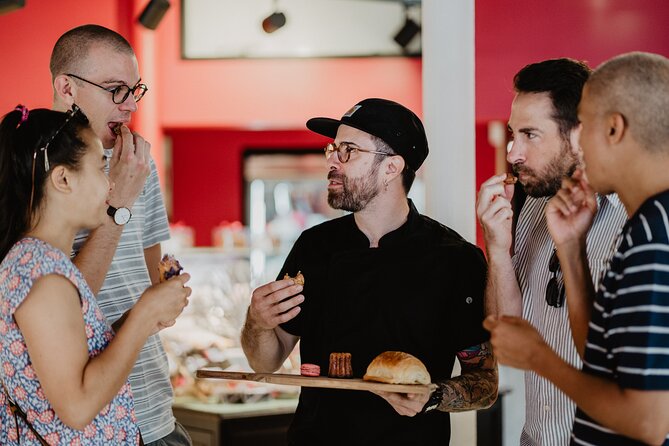
The food is also generous. You should not think of this as a coffee-and-pastry stroll. The samples include charcuterie, a main course based on Toulouse sausage, cheese, wine, pastries, and sweets. Several people have found the tastings filling enough that lunch afterward may not be necessary.
More history tours in France:
- Toulouse Food & History Tour with a Chef (in English)
★ 5.0 · 503 reviews - Gourmet & Cultural Tour Aix En Provence English / Espanol
★ 5.0 · 88 reviews - Avignon: Historic District Guided Food & Wine Walking Tour
★ 4.8 · 84 reviews
Hôtel d’Assézat and the wealth behind Toulouse pastries
The meeting point is in front of Hôtel d’Assézat, home to the Georges Bemberg Foundation. This grand private mansion offers a strong opening because it introduces the money and ambition that shaped Toulouse in the 16th century.
The city once had roughly 200 private mansions of this sort. Alejandro explains how local families made their fortunes and why they could afford such elaborate homes. The building gives you a visual lesson before the food begins: Toulouse was not simply a provincial town, but a place where commerce and wealth left a mark on the streets.
Here you taste one of the city’s most recognizable baked goods. The point is not just to sample a pastry, but to understand how a product becomes part of a city’s identity. If you are arriving in Toulouse without much knowledge of local food, this first stop gets you oriented quickly.
The Georges Bemberg Foundation is also a practical meeting point because it sits in the historic center. You begin among old buildings rather than at a modern transport hub, so wear shoes that can handle uneven streets and several hours of walking.
The Garonne, the great fire, and Toulouse’s oldest pâtisserie
The route continues toward Quai de la Daurade, where the Garonne opens up the view. This is one of the most pleasant parts of the walk because the riverfront gives you space after the tighter streets around the mansions.
The story here is darker. A great fire in the 15th century destroyed 85 percent of Toulouse and forced major changes to the city’s architecture. That history helps explain why some parts of the center look different from what you might expect in a medieval French city. Fire was not an abstract threat. It shaped the materials and form of the streets you are walking through.
The tasting is a sweet bite from the city’s oldest pâtisserie. This pairing works well: you look at the river and rebuilt city while eating something connected to Toulouse’s long pastry tradition.
The walk remains outdoors, so rain matters. The operator does not run the tour in rainy conditions, and a forecast of rain can lead to rescheduling or cancellation with a full refund. Bring an umbrella as a general precaution, but do not assume the tour will proceed in poor weather.
Medieval buildings, Roman stories, and the central squares
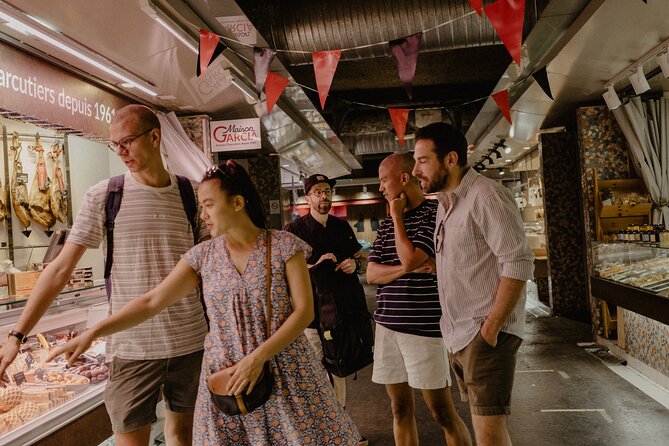
The exact route can change with opening hours, day of the week, and season. One version includes the Tour de Serta, the oldest timber-frame house in Toulouse, built in 1533 for Capitoul Pierre de Serta. Another listed stop includes the Church of the Jacobins.
That flexibility is worth understanding. You should not book this expecting a rigid museum itinerary in which every minute and stop is identical. The core promise is the food and history pairing, while the precise route may shift to keep the experience practical.
The Church of the Jacobins adds another layer to the walk. Toulouse’s churches are not merely scenic backdrops here. They help Alejandro move between Roman-era Toulouse, medieval religious power, and later civic life. The stories give you a reason to look up at the stonework rather than treating the church as another stop on a checklist.
The pace is generally leisurely, with roughly half an hour at several points. That makes it easier to listen, taste, and ask questions without feeling herded from one address to the next. It also means the experience is not ideal if you want a fast survey of every attraction in the center.
More food tours in France:
- Bateaux Parisiens Seine River Gourmet Dinner & Sightseeing Cruise
★ 4.5 · 6,930 reviews - Authentic Parisian Gourmet Food Tour with 10 Local Dishes & Wines
★ 5.0 · 4,754 reviews - Bateaux Parisiens Seine River Gourmet Lunch & Sightseeing Cruise
★ 4.5 · 2,680 reviews - Montmartre Hill French Gourmet Food and Wine Tasting Walking Tour
★ 5.0 · 2,588 reviews
Place du Capitole and the taste of southwestern France
Place du Capitole is the visual heart of the route. It is also where the tour connects Toulouse’s older identity with its modern role in aviation and aerospace.
The city became a major European aerospace center and the headquarters of Airbus. That may seem like a sharp turn from pastry and sausage, but it gives you a fuller picture of Toulouse. The city is not frozen in medieval architecture or regional cooking. Its modern economy has a very different character, and the tour makes that contrast part of the story.
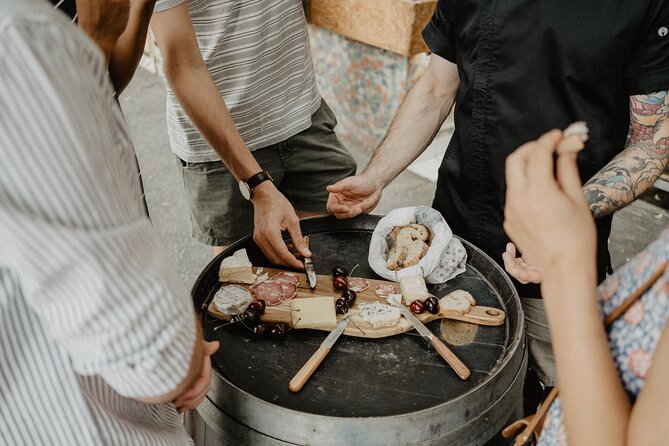
Here you sample a typical charcuterie product from the area. The focus on Porc Noir de Bigorre AOP is particularly useful for food-minded visitors. This is not generic sliced meat selected simply because it is easy to serve. It introduces you to a protected regional product and the standards behind it.
A food tour can sometimes reduce a region to clichés. This stop avoids that by showing Toulouse as both a historic city and a center of modern industry. You get a bite of southwestern France while hearing why Toulouse matters far beyond its old streets.
Place Saint-Georges and the real Toulouse sausage
At Place Saint-Georges, Alejandro tells the story of a wrongful execution in the 18th century and its effect on France’s political future after the Revolution. The subject adds moral and political weight to what might otherwise be a pretty square with cafés and façades.
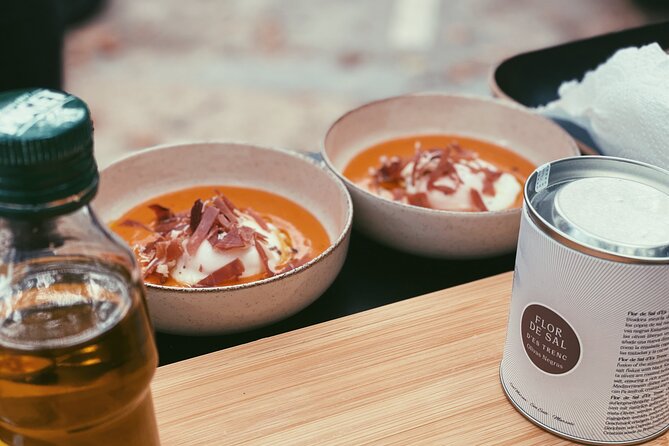
Then comes a main course built around la véritable saucisse de Toulouse. This is one of the most satisfying stops because the dish is substantial and directly tied to the city. If you have already sampled pastries and charcuterie, the sausage course gives the walk a proper meal-like center.
The pairing also shows why a trained chef changes the experience. Alejandro can explain the product, prepare it in a way that highlights the region, and connect it to the story rather than simply handing you a cold sample.
Portions vary with the day and conditions, but the overall pattern is filling. If you have an evening dinner reservation, schedule it with care. You may want a lighter meal later, especially if you make the most of every tasting.
Victor Hugo Market and the French cheese lesson
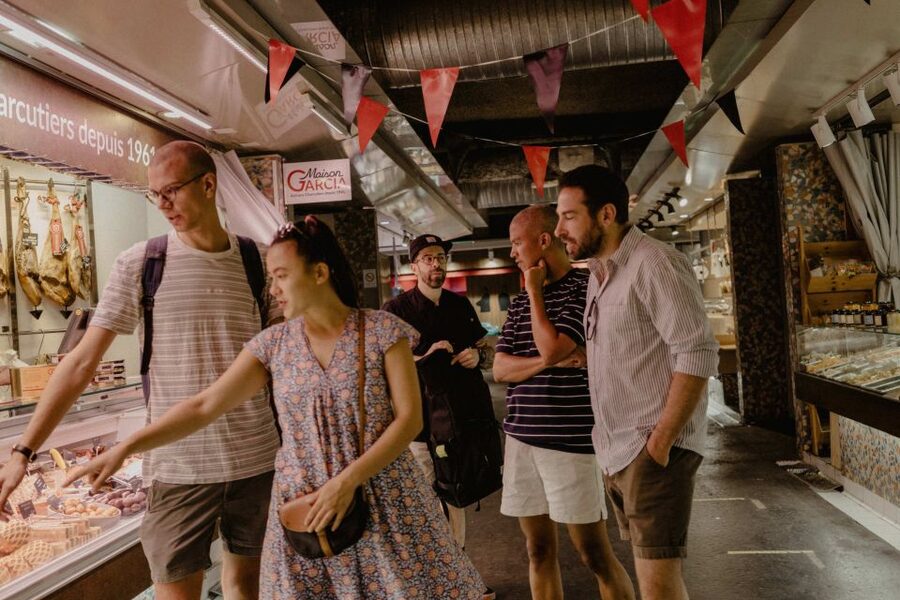
Victor Hugo Market is the longest stop, about an hour, and it is where the food side of the tour comes fully into focus. The market’s own past is part of the story. Its site developed from a medieval rampart to an art nouveau market and later became a concrete brutalist car park before taking its current market form.
That sequence gives you a useful lesson in how cities change. Toulouse is not a museum display preserved behind glass. Its public spaces have been rebuilt, repurposed, and argued over across generations.
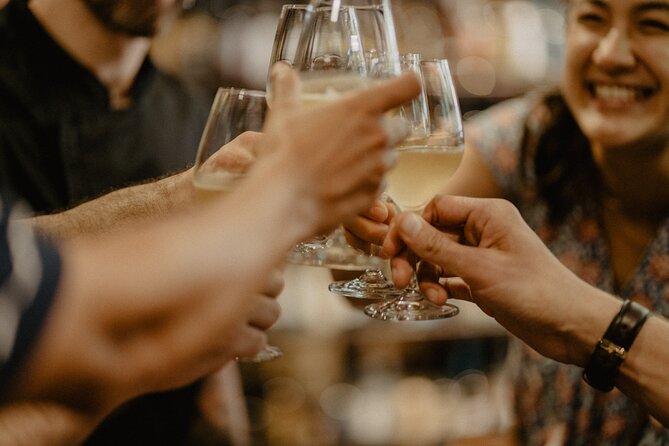
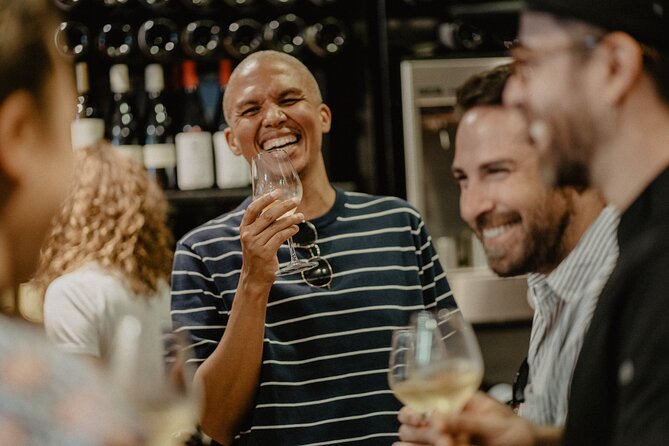
The tasting here focuses on cheese and wine. French cheese can be confusing because the country has an enormous range of styles, regions, aging methods, and names. Alejandro’s role is to make that subject manageable. You sample artisanal and highly local cheeses with wine, learning how the pairing works instead of trying to remember a long list of labels.
This is one of the strongest parts of the tour for anyone who feels uncertain at a French cheese counter. You leave with a better sense of what you like and, just as important, how to ask for it.
The market stop also gives you a chance to see food as local life rather than as a staged tasting. You are surrounded by a working food hall, with products and vendors that help put the samples in context. The tradeoff is that a market can be busy and noisy, and you will not get a long seated break. One person specifically wished for a restaurant stop where the group could rest and eat at leisure. Keep that in mind if you prefer a slow, formal lunch.
Saint-Sernin Basilica and a 2,000-year-old sweet ending
The tour finishes at Basilique Saint-Sernin, one of Toulouse’s major landmarks. The story here centers on the first Christian of Toulouse, who opposed the Roman Empire. It is a fitting final history stop because it returns the tour to the city’s earliest religious and political conflicts.
The final tasting is the city’s most famous dessert, made from a recipe said to be more than 2,000 years old. That claim gives the ending a strong sense of continuity, linking the modern visitor to food traditions that reach back to Roman times.
Saint-Sernin is also a useful place to finish because you can continue exploring the basilica and surrounding area on your own. The tour does not return you to the starting point, so plan your afternoon from the basilica rather than from Hôtel d’Assézat.
The route description uses six stories and six samples, while the full sequence can include seven sightseeing points, especially when the Jacobins or an alternate historic building is added. That is not a problem as long as you understand that the food and sites are the stable idea, while the exact stop count can vary.
How much value do you get for $129?
At $129 per person, this is not a budget snack walk. The price makes more sense if you value three services at once: a four-hour city orientation, a live English-speaking guide, and a substantial tasting menu of regional food and drink.
A standard sightseeing tour might explain the buildings for less. A simple market tasting might cost less. This experience combines both and adds a chef who prepares some food during the route. If you would otherwise book a separate historical walk and spend money sampling Toulouse on your own, the package becomes easier to justify.
The value is strongest for a first visit. You get practical food suggestions, an overview of the center, and a better idea of which specialties deserve another look. Alejandro also gives restaurant recommendations, which can help you plan later meals.
The value is weaker if you want a formal sit-down meal, a large number of restaurant courses, or a fully scripted cooking demonstration. Some tastings may be premade or bought from specialist shops, especially outside the warmer months. In windy November conditions, for example, only one dish may be cooked on the cart, with other items coming from restaurants, bakeries, and shops.
That is not a flaw by itself. It is simply the reality of a mobile outdoor food tour. Book it for the combination of stories, walking, and tasting, not for four hours of live cooking.
Who should book this Toulouse experience?
I would choose this tour if you enjoy food but also want to understand where it comes from. It suits couples, friends, solo visitors who are comfortable joining a group, and anyone who wants a strong first orientation to Toulouse.
It is particularly good for:
- Adults who like history explained through everyday life
- Food lovers interested in cheese, charcuterie, sausage, pastries, and wine
- First-time visitors who want landmarks and local eating ideas in one outing
- People who prefer an engaging guide to a formal museum lecture
- Visitors who appreciate generous tastings rather than tiny decorative samples
It is less suitable for children under 12, people with mobility impairments, or anyone who dislikes several hours on foot. It may also disappoint you if rain is likely, if you need a guaranteed restaurant table, or if you expect every dish to be cooked from scratch in front of you.
Book early in your stay if possible. The tour can help you choose later restaurants and decide which foods or markets deserve a return visit. Solo visitors should also note that at least two participants are needed for the tour to operate. If you are the only booking, the operator may contact you about another date.
Practical details for a smoother walk
The tour begins at Hôtel d’Assézat, in front of the Georges Bemberg Foundation, and ends at Saint-Sernin Basilica. Allow enough time to reach the first meeting point, and do not assume the end point is near the start.
Wear comfortable clothes and walking shoes. Bring an umbrella, though the tour does not run in rainy conditions, and carry a passport or identity card as requested. The walk takes place outdoors in the historic center, with several stops lasting around 30 minutes and a longer market visit of about an hour.
The activity is advertised as four hours. The weather information also describes the journey as 3.5 hours, so the precise length may vary with the route, tastings, and conditions. Check the starting time and current availability when booking.
The tour is conducted in English with a live guide. Food and drink samples are included, as is the guiding. You can cancel up to 24 hours ahead for a full refund, and the reserve-now, pay-later option helps if your plans are still shifting.
Should you book it?
Book this tour if you want Toulouse served as a connected story rather than as a list of monuments. Alejandro’s strongest contribution is the bridge between place and plate: the fire with the pastry, the aerospace city with the charcuterie, the political past with the sausage, and the old basilica with the ancient dessert.
I would skip it only if you need a seated meal, dislike walking, or want a tightly fixed route with guaranteed cooking at every stop. For most food-minded adults visiting Toulouse, the generous portions, strong local focus, and personal chef-guide format make $129 a fair price for a half-day introduction.
FAQ
How long does the Toulouse Food and History Tour last?
The activity is advertised as four hours. The weather information describes the outdoor journey as 3.5 hours, so the exact duration may vary slightly.
Where does the tour start?
It starts in front of Hôtel d’Assézat, home to the Georges Bemberg Foundation.
Where does the tour finish?
The tour finishes at Basilique Saint-Sernin de Toulouse.
Is the tour conducted in English?
Yes. It includes a live English-speaking guide.
What food and drinks are included?
Samples include regional pastries, Porc Noir de Bigorre AOP charcuterie, Toulouse sausage, artisanal and local cheese, wine, and other Southwestern French dishes. Some food is prepared by Chef Alejandro, while other items come from specialist shops, bakeries, restaurants, or the market.
Does the tour operate in the rain?
No. The operator does not run the outdoor tour in rainy conditions. If rain is forecast, the operator may contact you to reschedule or cancel with a full refund.
Is the tour suitable for children and people with mobility impairments?
It is not suitable for children under 12 or people with mobility impairments.
New food tours we have reviewed in France
- Taste Cannes – A Full French Riviera Food Tour by Do Eat Better★ 5.0 · 63 reviews
- Cannes Ooh La La Croissant Tasting Tour★ 5.0 · 30 reviews
- Saint-Émilion day tour: village visit, Châteaux and lunch★ 5.0 · 121 reviews
- Bordeaux wines tasting workshop including Food & Wine pairings★ 5.0 · 31 reviews
- NO DIET CLUB – Unique food tour in Bordeaux !★ 5.0 · 201 reviews
- Historical Center, Bordeaux Food Tour★ 5.0 · 33 reviews
- Bordeaux Food and Wine Tour : Authentic Artisanal Flavors★ 5.0 · 62 reviews
- Bordeaux Gourmet Experience : tasting of French cheeses & wines★ 4.5 · 71 reviews
Historical Tours, compared.
Barcelona: Tapas Walking Tour with Food, Wine, and History
Read our review →
Sevilla Food Tour: Tapas, Wine, History & Traditions
Read our review →
Madrid Tapas & Taverns Small Group Food & History Tour
Read our review →
Barcelona Tapas Walking Tour: Food, Wine & History
Read our review →

Boston Food & History: Pizza, North End & Freedom Trail
Read our review →Browse the lists this tour appears in