Review · TOURS
Kathmandu: Food and Drink Walking Tour
Kathmandu’s food culture makes the most sense one bite at a time. This three-hour walk through Thamel takes you beyond the usual restaurant menu, with more than nine Nepali dishes and drinks, including momo, chatamari, bara, yomari, selroti, panipuri, tea, lassi, and coffee. Local guide Deepak Kushwaha leads the way and explains what you’re eating and why it matters.
I like the wide range of tastes, from crisp lentil bara and tangy panipuri to sweet yomari and selroti. I also like the practical approach to dietary needs, since vegetarian versions and other adjustments can be arranged if you tell the guide ahead of time. The main drawback is simple: you need to arrive very hungry, and people with mobility limitations may find the walking route difficult.
Key points to know before booking
- Nine or more tastings form a full meal: Momo, chatamari, bara, yomari, selroti, panipuri, noodles, sweets, and drinks are all part of the experience.
- Deepak Kushwaha is the named guide: His role goes beyond carrying you from stop to stop. He explains food traditions, keeps the group comfortable, and helps diners try dishes they might otherwise skip.
- Thamel is both the starting point and finish: The route stays in and around this central Kathmandu district, making it easy to fit into a sightseeing day.
- Vegetarian diners are catered for: Tell the provider about dietary needs in advance so suitable choices can be arranged.
- The pace is relaxed but the food is plentiful: Several people found themselves very full by the end, so avoid eating a large meal beforehand.
- The price is $34 per person: With food, drinks, a guide, and a three-hour walk included, it can replace one substantial meal while giving you local context as well.
Starting in Thamel, Kathmandu’s easiest food base
The tour begins with pickup in Thamel and returns there at the end. Exact meeting instructions arrive after booking, and you should wait in your hotel lobby or near the entrance 10 minutes before the scheduled time if pickup has been arranged.
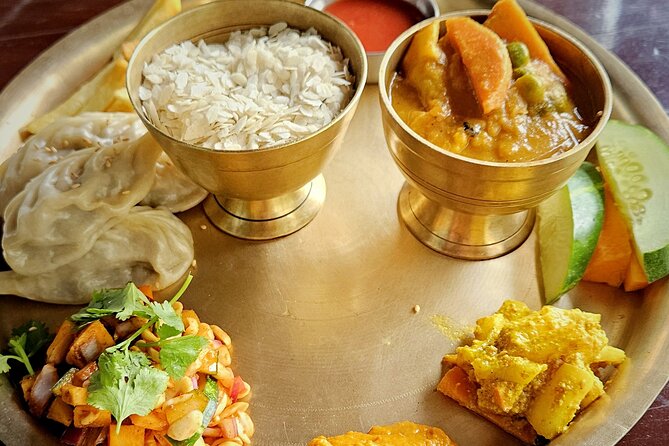
Thamel is a useful base for this kind of outing. It is central, easy to reach, and packed with restaurants, snack stalls, cafés, shops, and narrow side streets. You are not being taken to a single formal dining room and served a fixed plate. Instead, the walk uses the neighborhood as a setting for tasting and conversation.
The route includes stops for breakfast or brunch-style foods, street snacks, dessert, coffee, tea, and a more substantial meal. The description also allows for food-market visits, local snacks, arts and crafts areas, and short sightseeing pauses. Exact stops can vary, so think of this as a guided food route rather than a rigid restaurant schedule.
That flexibility is useful in Kathmandu. A local guide can choose suitable places for the group and adjust the order of dishes. It also means you should not expect a printed menu with every stop fixed in advance. If knowing each dish matters to you, ask for the names as you go. One useful touch is that the food can be listed afterward, which helps if you want to remember what to order later.
More food tours in the world:
- Reykjavik Food Walk – Local Foodie Adventure in Iceland
★ 5.0 · 18,952 reviews - Dubai: Old Town, Creek, Museums, Souks, & Street Food Tour
★ 4.8 · 10,816 reviews - Ho Chi Minh City Street Food Tour & Sightseeing By Motorbike
★ 5.0 · 9,413 reviews
The food: nine or more tastes of Nepal
The strongest part of this experience is its range. You get a quick education in texture, spice, cooking method, and occasion rather than one repeated type of snack.
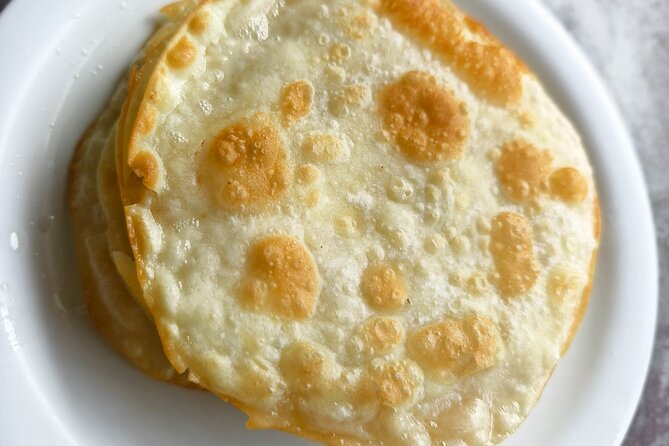
Chatamari is a rice-flour crepe often called a Newari-style pizza, though that comparison only goes so far. It may come topped with minced meat, egg, or vegetables. The base is thin, while the topping gives it more substance. It is a good introduction to the Newar food traditions found in the Kathmandu Valley.
Bara is a savory lentil cake, commonly fried until crisp outside. It is a useful stop for anyone who wants something hearty without meat. The lentil flavor and firm texture make it quite different from the softer dumplings served later.
Yomari brings sweetness into the meal. This steamed dumpling is made from rice flour and filled with chaku, a dark molasses-style sweetener, or khuwa, a creamy dairy filling. Yomari is closely linked with festivals and Newar culture, so it gives the guide a natural opening to explain how food connects with family and celebration.
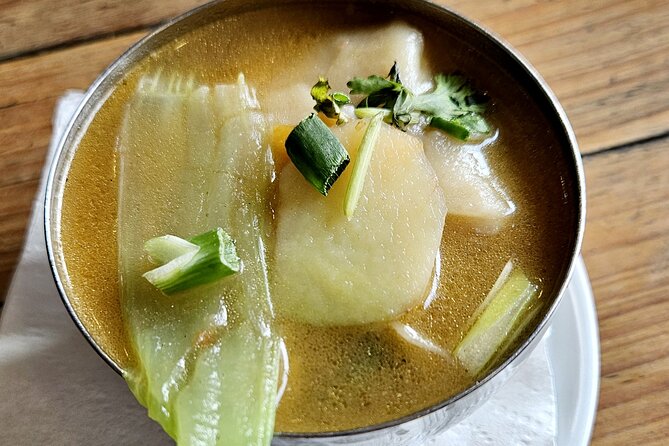
Thenthuk is a hand-pulled noodle soup. Expect a warm, comforting bowl rather than a small finger-food sample. This can be especially welcome if the weather is cool, though a full bowl adds to the already generous amount of food.
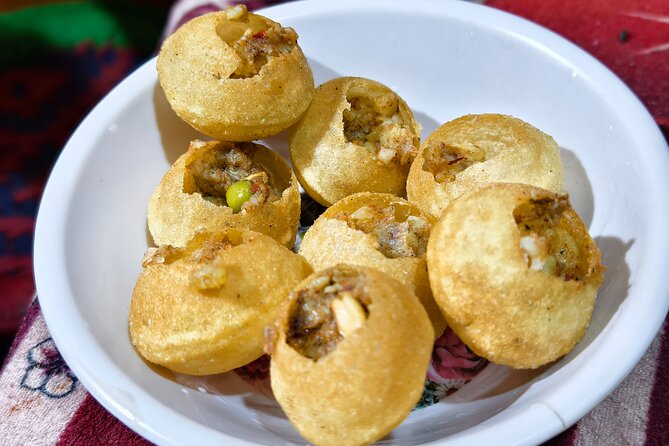
Panipuri is a crisp street snack filled with flavored water and other fillings. It is tangy, crunchy, and usually eaten quickly. Having a guide nearby is useful here, since you can see how the snack is assembled and avoid the hesitation that often keeps first-time visitors from ordering street food alone.
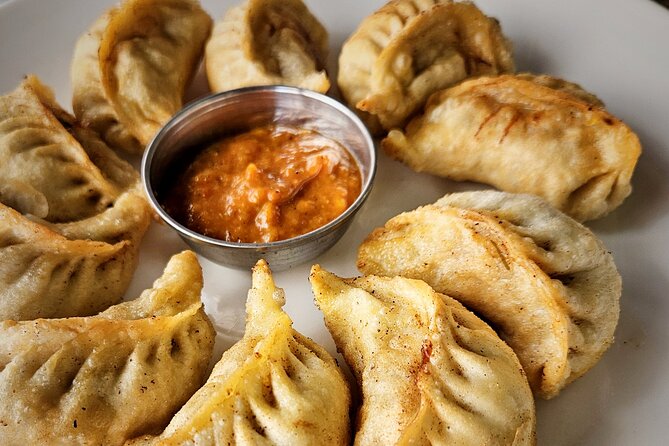
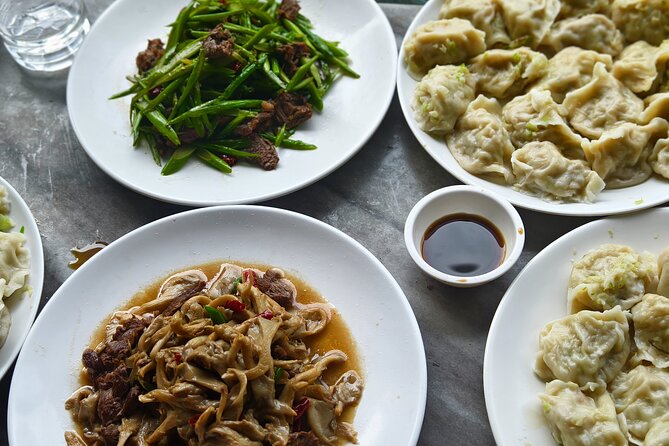
Then comes momo, Nepal’s famous dumpling. Vegetarian and non-vegetarian versions are available, and the filling, sauce, and steaming or cooking style can differ from place to place. Momo is likely to be one of the most familiar dishes on the route, but tasting it in a local setting gives you a better sense of why it is such a staple.
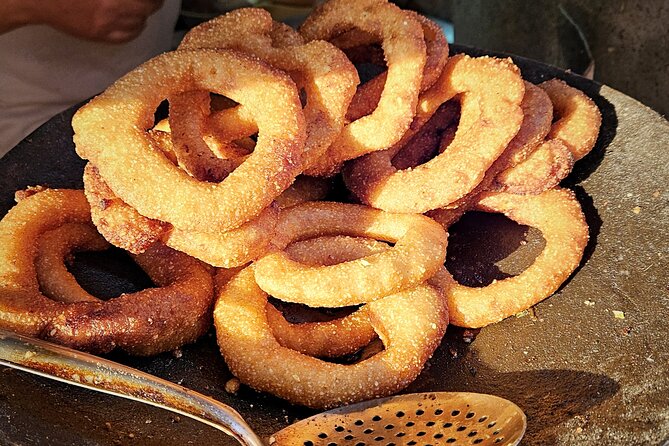
Selroti is a ring-shaped rice bread, often associated with festivals. It is crisp around the outside and pleasantly chewy inside. Its shape makes it easy to recognize, and it works well as a sweet or lightly savory part of the tasting sequence.
The tour also includes sweet treats and may feature keema noodles or other local dishes depending on the route and dietary requirements. Since the included promise is at least nine food tastings, not one unchanging list of every possible item, you should treat the examples as the core menu rather than a guarantee that every named dish will appear at every departure.
Drinks that make the food tour feel complete
The drinks are not filler. They help show another side of Nepali daily life and give you short pauses between heavier tastings.
Masala milk chiya is a spiced tea made with buffalo milk. It is warm, creamy, and familiar enough for most tea drinkers, while still offering a local variation. If you have already had chai elsewhere in South Asia, this is still worth trying for the use of buffalo milk and the cultural explanation that comes with it.
Sweet lassi is a thick yogurt drink topped with condensed milk, dry grapes, and cashews. It is creamy and filling, so pace yourself. After panipuri or spicy food, the cool dairy flavor can be a welcome change, but it also adds to the sense of a very full afternoon or evening.
Coffee drinkers get Himalayan Java Coffee, a taste of Nepal’s growing coffee culture. This gives the tour a modern note alongside its older recipes. The drink selection also makes the walk easier for a mixed group, since tea, lassi, and coffee provide different kinds of refreshment.
Additional drinks and snacks are not included, so bring a little extra money if you want to stop for something beyond the planned tastings.
Why the guide matters on this particular walk
Food tours succeed or fail on the guide. Here, Deepak Kushwaha is the named experience provider, and the strongest praise centers on his warmth, clear explanations, and ability to make a mixed group feel at ease.
That matters in Kathmandu because many dishes are easy to pass without understanding. A rice crepe can look plain. A steamed dumpling can seem familiar. A small fried snack may not reveal whether it is everyday food or something tied to a festival. Deepak’s explanations give each sample a place in Nepali culture.
He also helps with the social side of the walk. Solo visitors can meet other people, while couples and small groups get a chance to compare reactions as the menu changes. The group size is kept small, though the exact number is not stated, so you should expect a shared tour rather than a private food crawl.
The guide can also help you order safely and confidently. If you are unsure about spice, meat, dairy, or unfamiliar ingredients, ask before tasting. If you are vegetarian, make your needs clear before the tour begins. The experience is designed to accommodate dietary restrictions, but advance notice is important.
Same appetite, a different neighbourhood:
- Montserrat Half-Day Tour with Tapas and Gourmet Wines
★ 5.0 · 7,359 reviews - Dubai: Old Town, Souks, Street Food, Guided Tour & Abra Ride
★ 4.9 · 7,170 reviews - Bateaux Parisiens Seine River Gourmet Dinner & Sightseeing Cruise
★ 4.5 · 6,930 reviews - Tokyo: Shinjuku Food Tour (13 Dishes at 4 Local Eateries)
★ 5.0 · 6,603 reviews
A relaxed three-hour route, with plenty of food

The advertised duration is three hours. That is long enough to eat a substantial amount without turning the experience into a rushed checklist. You will walk between food stops, pause to hear about the dishes, and spend time eating rather than simply collecting samples.
The pace is described as relaxed, but the amount of food is not small. Several parts of the menu can be filling on their own: thenthuk, momo, lassi, and chatamari are not tiny tastes in the same way as a single piece of selroti or a quick panipuri. Plan this as a meal replacement, not an appetizer before dinner.
The route starts and ends in Thamel. At the finish, you can choose a relaxed drop-off or continue exploring from a central location. This is useful if you want to move straight on to shopping, another part of Kathmandu, or an evening activity.
The walk operates in rain or shine. Wear sturdy, comfortable shoes and layered clothing. Kathmandu weather can shift, and waiting outdoors or walking on uneven surfaces is less pleasant in flimsy footwear. Hand sanitizer or tissues are also sensible for a food walk.
Is $34 good value?
At $34 per person, this is not the cheapest way to eat in Kathmandu. You could buy individual snacks for less if you already know where to go and feel comfortable choosing unfamiliar food on your own.
The value comes from the combination of food, guidance, and variety. You are getting at least nine tastings, several drinks, sweet items, a three-hour route, and explanations of the cultural background. If the food replaces lunch or dinner, the price becomes easier to justify.
I would see this as particularly good value early in a Kathmandu visit. The guide can introduce dishes you might later order independently, and you get a quick sense of which flavors and textures suit you. It is less compelling for someone who already has a full list of favorite local eateries and prefers to explore without a set route.
There is also value in reducing guesswork. You do not need to identify an unfamiliar stall, decide what to order, and wonder how a dish should be eaten. You can simply follow the guide, ask questions, and compare several foods in one outing.
Who should book, and who should think twice?
This tour suits first-time visitors, curious eaters, solo visitors, and anyone who wants food to explain the city. It is also a good fit for people who normally avoid street food because they are unsure where to begin. The guide provides a useful bridge between the visitor and the local food scene.
Vegetarians should feel comfortable booking if they provide notice in advance. The tour specifically allows menu adjustments, and vegetarian dishes are available. People who do not eat dairy should ask about the milk tea, lassi, khuwa, and other fillings before the walk.
You should think twice if you have limited mobility. The experience is not suitable for wheelchair users or people with mobility impairments, and the route involves walking between several food locations. It is also a poor match if you dislike eating a large amount over a short period.
Come hungry, but not so hungry that you rush. The best approach is a light meal earlier in the day, comfortable clothes, and enough appetite for both savory and sweet foods.
Booking details worth knowing
The price is $34 per person, and the duration is three hours. Starting times depend on availability. Pickup is included, but transportation to the meeting point is not, so confirm exactly where you need to go after booking.
You can cancel up to 24 hours in advance for a full refund, and reserve now while paying later. The tour is offered in English, Nepali, Hindi, Chinese, German, Japanese, French, Spanish, Russian, and Korean, subject to availability.
You do not need a physical ID. A photo on your phone is sufficient. Weapons, sharp objects, alcohol, drugs, explosives, intoxication, and nudity are not allowed. Those rules are standard, but the practical points are more important: wear walking shoes, carry tissues or sanitizer, and keep your phone available for pickup updates through WhatsApp, text, or a call.
Should you book the Kathmandu Food and Drink Walking Tour?
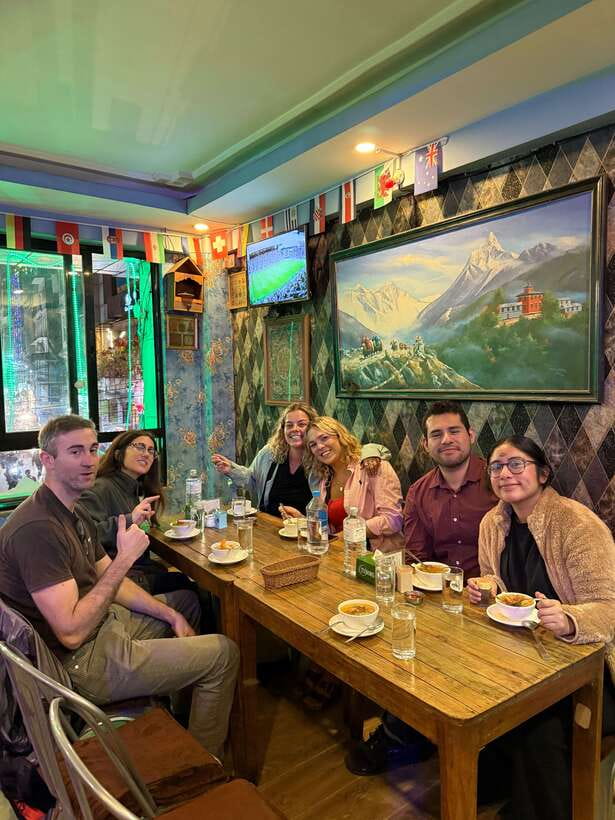
Book it if you want a generous first taste of Nepali food without spending days working out where to go. The combination of momo, yomari, selroti, chatamari, street snacks, tea, lassi, and coffee gives you a broad introduction, while Deepak’s explanations add meaning to each stop.
I would especially recommend it for solo visitors, vegetarians who arrange their needs in advance, and anyone arriving in Kathmandu with limited time. Skip it if you need a wheelchair-accessible route, dislike large meals, or already have a carefully planned food itinerary.
For most visitors, the strongest reason to go is practical: three hours can turn an unfamiliar menu into one you understand. Just leave room in your schedule, wear good shoes, and do not eat lunch right before you meet Deepak.
FAQ
How long does the Kathmandu food tour last?
The tour lasts approximately three hours, with a relaxed pace between food and drink stops.
Where does the tour start and finish?
The tour starts in Thamel and returns to Thamel at the end. Detailed meeting instructions are sent after booking.
How many foods and drinks are included?
At least nine food tastings are included, along with drinks such as masala milk tea, sweet lassi, and coffee. Sweet treats are also included.
Are vegetarian options available?
Yes. Vegetarian options are available, and dietary needs can be accommodated when you provide the information in advance.
Is transportation included?
Pickup is included, but transportation to the meeting point is not. Follow the meeting instructions sent after booking and contact the guide using the number on your voucher if needed.
Is the tour suitable for wheelchair users?
No. The experience is not suitable for wheelchair users or people with mobility impairments.
Can I cancel the booking?
Yes. You can cancel up to 24 hours in advance for a full refund. You can also reserve now and pay later.
New food tours we have reviewed in the world
- ChattaBrunch Food Tour★ 5.0 · 87 reviews
- Downtown Chattanooga Food Tour★ 5.0 · 290 reviews
- Charlottetown waterfront SOLAR PartyBike food & drink experience!★ 4.0 · 92 reviews
- Historic Southside Food Tour in Chattanooga★ 5.0 · 32 reviews
- Tastes Through Time – Charleston’s Best Food & History Tour★ 4.5 · 95 reviews
- Charleston’s Savor the Flavors of Upper King Street Walking Food Tour★ 4.5 · 130 reviews
- Charlottetown Food Walking Tour★ 5.0 · 59 reviews
- Charleston Private Brunch Tour: Biscuits, Shrimps, Grits and More★ 5.0 · 48 reviews
Tours, compared.
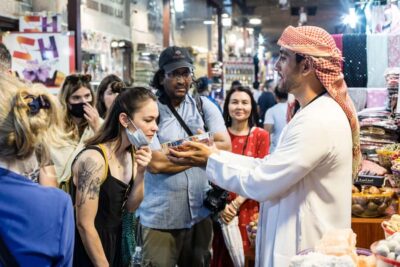
Dubai: Old Town, Creek, Museums, Souks, & Street Food Tour
Read our review →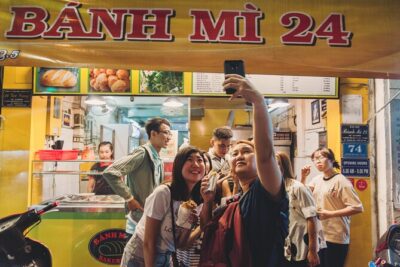
Ho Chi Minh City Street Food Tour & Sightseeing By Motorbike
Read our review →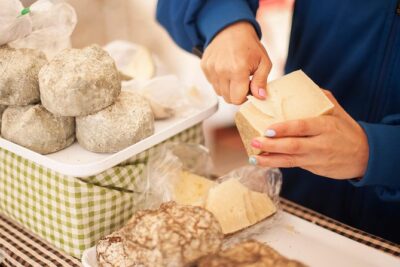
Montserrat Half-Day Tour with Tapas and Gourmet Wines
Read our review →
Dubai: Old Town, Souks, Street Food, Guided Tour & Abra Ride
Read our review →
Tokyo: Shinjuku Food Tour (13 Dishes at 4 Local Eateries)
Read our review →
Winner 2025 Undiscovered Lisbon Food & Wine Tour by Eating Europe
Read our review →
Hanoi: Guided Food Tour with Train Street Visit
Read our review →