
Review · STREET FOOD TOURS
Kuala Lumpur: Sambal Street Food Tour with 15+ Tastings
Kuala Lumpur’s best food lesson may happen far from its polished shopping malls. This four-hour walk takes you through local eateries and a market in Chow Kit and Kampung Baru, where dishes such as nasi lemak, roti canai, satay, grilled mackerel, curry, and durian cendol explain Malaysia better than a museum label.
I like the small eight-person group and the way guides such as Kiran, Nadia, Ian, Steve, and Sam adjust spice levels and food choices. I also like the generous range of more than 15 tastings. The main drawback is just as clear: come very hungry, because the food can be too much for some people, and this is not a good fit for vegans, vegetarians, or severe food allergies.
Key points at a glance
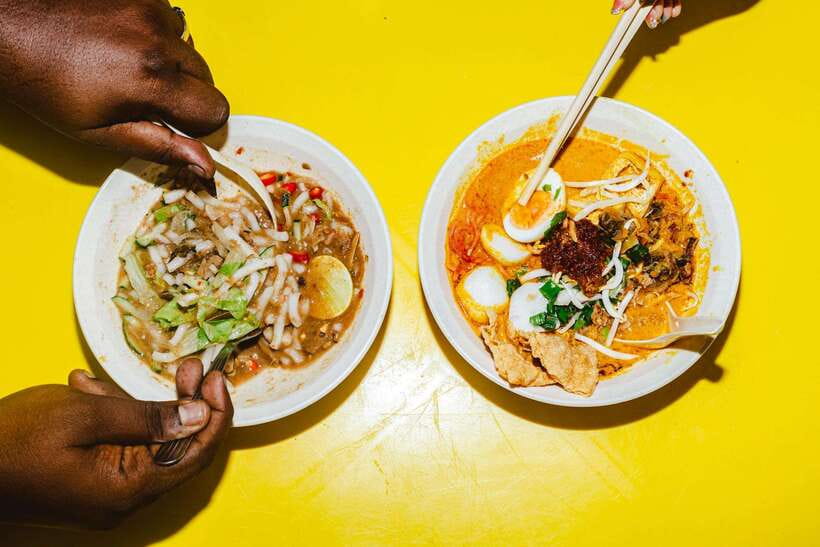
- More than 15 tastings: You sample classics and less familiar dishes rather than sitting down to one large meal.
- Chow Kit and Kampung Baru: The walk reaches one of Kuala Lumpur’s remaining traditional neighbourhoods and avoids the city’s main tourist dining circuit.
- Market and ingredient lesson: You see the produce behind Malaysian cooking before eating your way through prepared dishes.
- Small groups of eight: The size makes it easier to ask questions, share food, and get help with spice levels.
- Local guides with personality: Guides including Kiran, Nadia, Ian, Sam, Sean, Steve, and Jay are praised for food knowledge, cultural stories, and careful hosting.
- A serious amount of food: The tour suits big appetites. Eat lightly beforehand, or skip a meal.
Why this Kuala Lumpur food walk is different
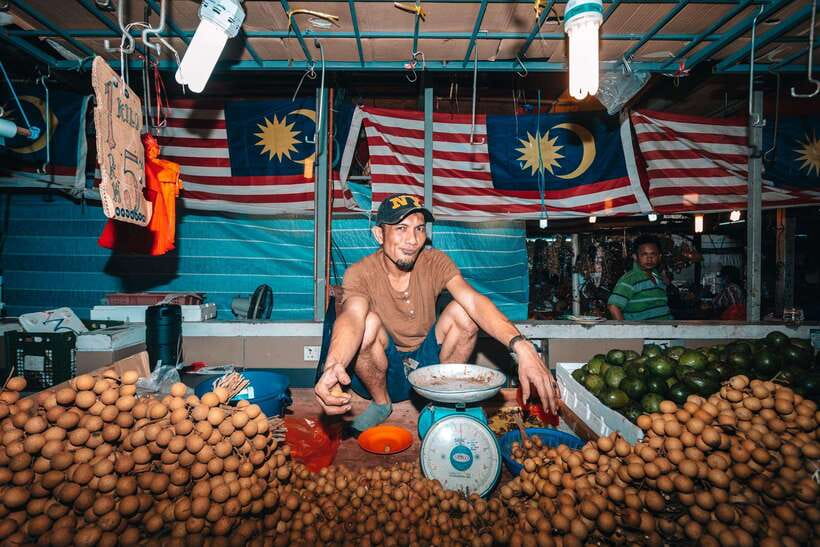
Kuala Lumpur is not a city with one tidy national cuisine. Malay, Chinese, Indian, and other traditions meet on the plate, often in the same neighbourhood. A dish may be spicy, creamy, smoky, sweet, sour, or all of those at once.
That can make ordering on your own a little daunting. Menus may not explain ingredients clearly, and a dish that looks simple can carry a long story about migration, religion, family cooking, or local produce. A good guide gives you a map through that confusion.
This tour uses food as the route. You walk between several stops, hear about Malaysian cooking and local history, and taste small portions along the way. The point is not to find one perfect dish. It is to understand how many food traditions share the same city.
The four-hour format gives the meal room to breathe. You are not expected to swallow one course and hurry to the next attraction. The evening moves through different places, with time to hear explanations, take photographs, and let one round settle before the next begins.
More Street Food Tours in the world:
- Dubai: Old Town, Creek, Museums, Souks, & Street Food Tour
★ 4.8 · 10,816 reviews - Ho Chi Minh City Street Food Tour & Sightseeing By Motorbike
★ 5.0 · 9,413 reviews - Dubai: Old Town, Souks, Street Food, Guided Tour & Abra Ride
★ 4.9 · 7,170 reviews
Meeting the guide outside Hilton Garden Inn South
The meeting point is outside the entrance of the Hilton Garden Inn South, on the corner of Jalan Raja Alang and Jalan Tuanku Abdul Rahman. Hotel pickup and drop-off are not included, so you need to make your own way there.
The tour is conducted in English. It is limited to eight people, which matters here. Food tours can become awkward when a large group crowds around a stall or waits for every dish to arrive. With eight, you have a better chance of hearing the guide and trying foods without a long queue of plates.
The guides vary by departure. Names that appear repeatedly include Kiran, Nadia, Ian, Steve, Sam, Sean, Jay, and Stephen. The best part of this variety is that the experience has a human feel rather than a fixed speech delivered by a machine. Guides explain dishes, answer questions, help with photographs, and often adjust the pace or food choices.
One practical point: the meeting location specifies the South entrance of the Hilton Garden Inn. Check that detail carefully, since the hotel name includes a north location as well.
The opening market walk through Chow Kit
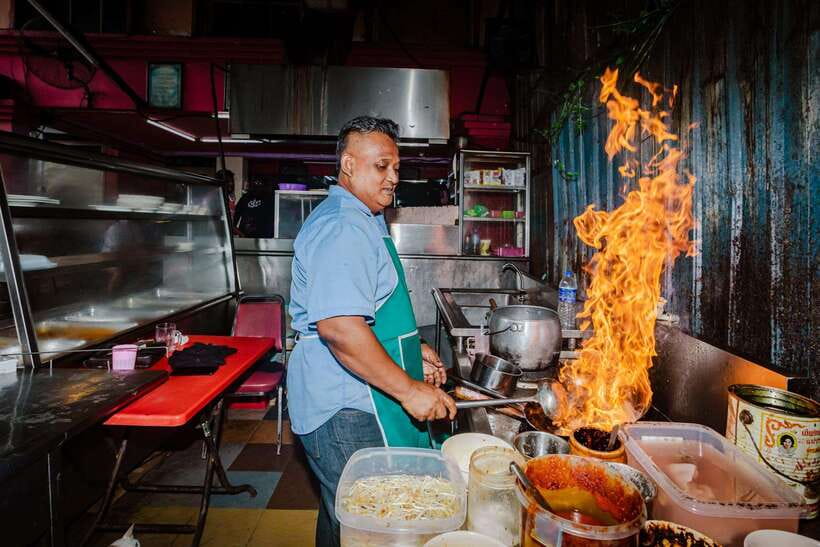
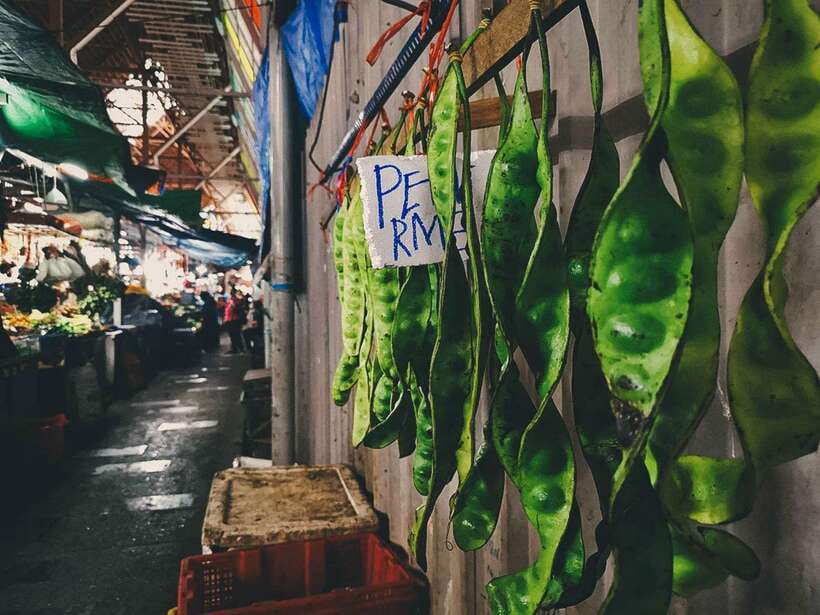
The walk begins with local ingredients and context. Instead of starting with a plate dropped in front of you, the guide helps you see the raw materials used in Malaysian cooking.
That opening stop gives you a useful vocabulary for the rest of the evening. You may see produce, spices, seafood, fruit, and other ingredients that later appear in cooked dishes. The guide can explain how they are used and why certain flavours turn up again and again.
Chow Kit is a practical setting for this lesson. It is one of the areas included on the route, and it feels more connected to everyday Kuala Lumpur than the city’s major sightseeing zones. You are not simply eating food labelled Malaysian for an audience. You are walking through a working neighbourhood and learning what local cooking looks like before it reaches your plate.
The market section also helps you judge what you are tasting. When you later encounter sambal, curry, coconut, grilled fish, or fruit, you have already seen part of the supply chain. That connection is one of the tour’s strongest features.
Roti canai, curry, and a little hands-on fun
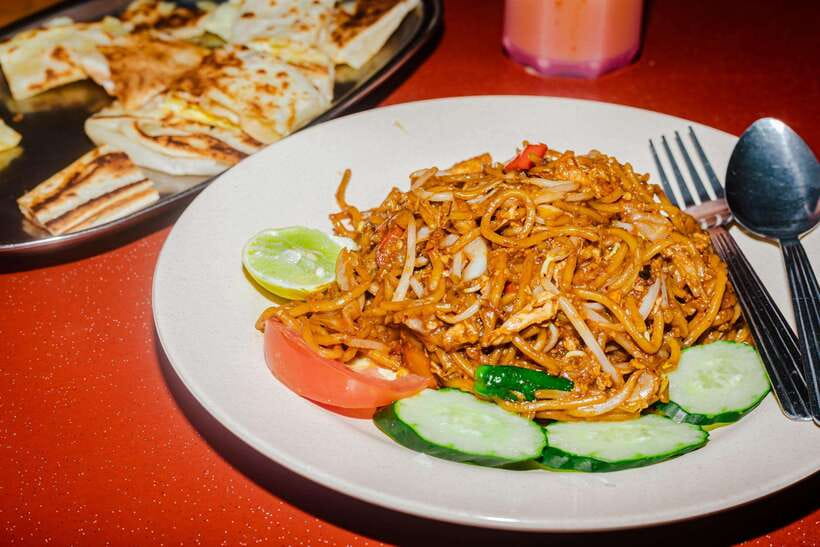
Roti canai is one of the tour’s more playful moments. The flatbread is hand stretched, flipped, and cooked before being served with curry. One of the stops gives you a chance to see the preparation up close, and some departures include trying the roti-flipping technique.
This is more useful than a standard demonstration because it shows how much movement goes into a bread that can look effortless on the plate. It also introduces the Indian influence within Malaysian food culture.
The curry makes the roti a proper tasting rather than a cooking show. You can see how the bread works as a vehicle for sauce, and the guide can explain the combination as part of Malaysia’s shared food culture.
Do not expect every stop to be a full cooking class. The value is in seeing a familiar street food made in front of you, learning how it is eaten, and then moving on before one dish fills you up.
More food tours in the world:
- Reykjavik Food Walk – Local Foodie Adventure in Iceland
★ 5.0 · 18,952 reviews - Montserrat Half-Day Tour with Tapas and Gourmet Wines
★ 5.0 · 7,359 reviews - Bateaux Parisiens Seine River Gourmet Dinner & Sightseeing Cruise
★ 4.5 · 6,930 reviews - Tokyo: Shinjuku Food Tour (13 Dishes at 4 Local Eateries)
★ 5.0 · 6,603 reviews
Nasi lemak, satay, and Malaysian classics
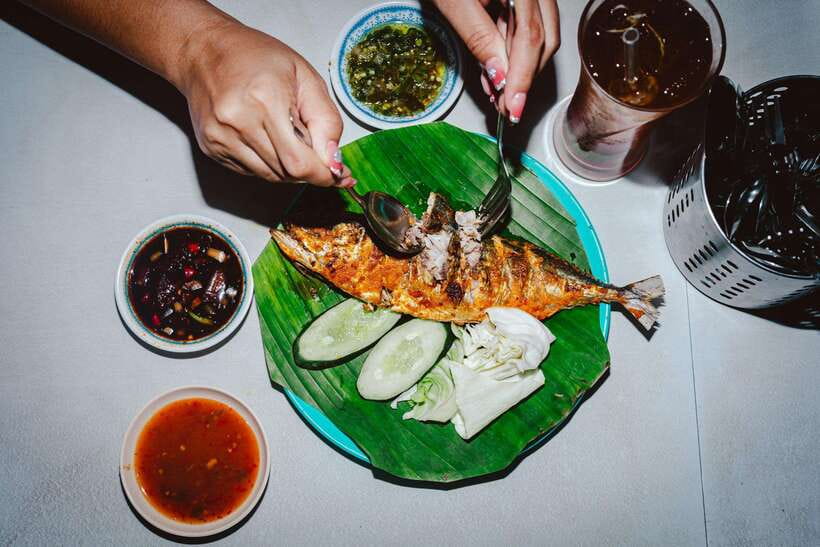
The tour includes several foods many first-time visitors hope to try. Nasi lemak, Malaysia’s famous coconut rice dish, is one of the central classics. Satay adds another familiar format: flame-grilled skewers served with peanut sauce.
These dishes are useful reference points. If you have eaten Malaysian food before, you can compare local versions with what you already know. If you are new to it, they provide an approachable start before the guide points you toward stronger flavours.
The satay brings smoke and savoury seasoning. Nasi lemak offers a different balance, with rice and accompanying ingredients creating a meal that can be both comforting and complex. The exact selection can vary, but the goal is a broad tasting rather than a single set menu.
Portions are generally designed for sharing. That lets you try more dishes without ordering a full serving of everything. Even so, the total amount adds up quickly. Several people finish extremely full, and one person felt the tour included more food than they could manage. Take that warning seriously.
Sambal grilled mackerel and the stronger flavours
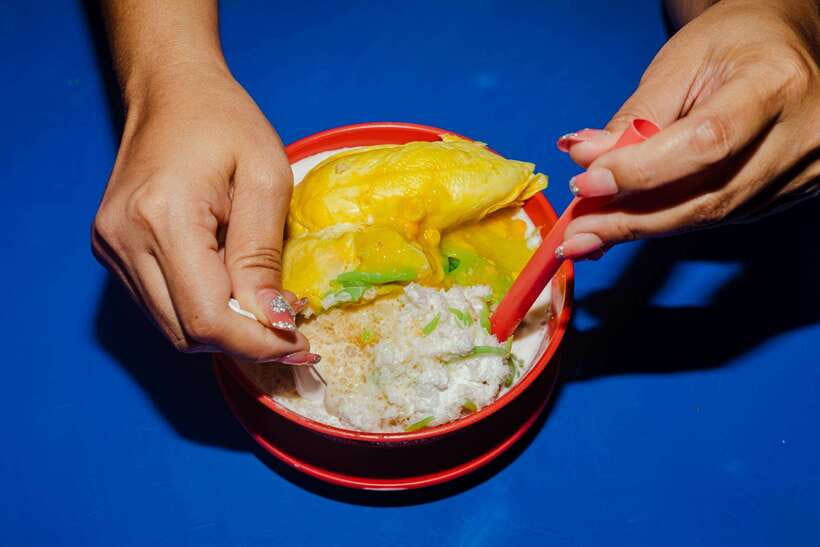
The tour does not stay with safe introductions. Banana-leaf grilled mackerel with sambal is one of the more distinctive tastings. The fish brings a smoky, savoury base, while sambal adds chilli and depth.
This is where the guide’s role becomes important. Spice is not the same thing as heat alone. Sambal can carry sweetness, salt, acidity, and fermented notes along with chilli. A guide can tell you what to expect, help you pace yourself, and suggest how to combine it with other foods.
The tour team checks food needs at the start and can adjust for some dietary requirements and spice preferences. Several guides are praised for asking how severe an intolerance is and for making sure the correct food reaches the right person.
That said, you should not treat the tour as a safe choice for severe allergies. The provider warns that there are few alternatives at the stops. Vegetarians and vegans should also choose another experience, since the food is heavily built around meat, seafood, and dishes that may not have simple substitutes.
Cendol, durian, fruit, and the sweet finish
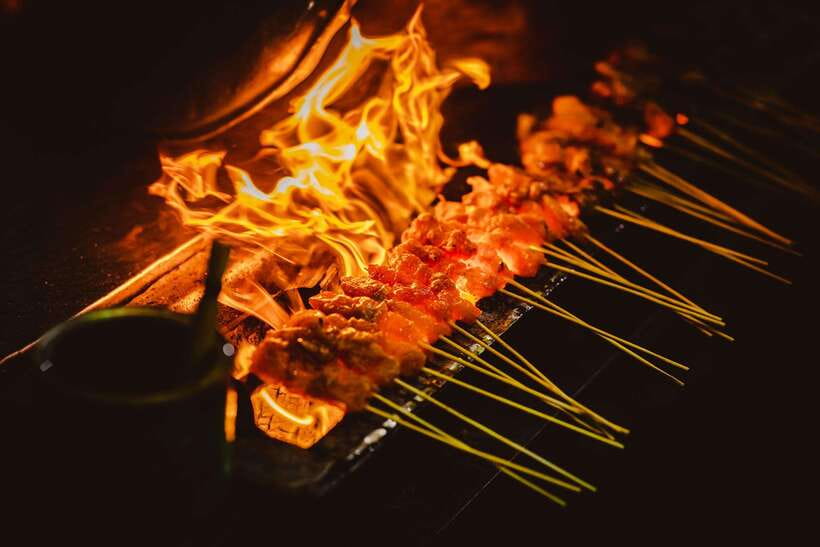
Malaysian food is not only about chilli and grilled meat. The tour also brings in cooling sweets and drinks, including cendol with durian and a mango shake on some departures.
Cendol is a good antidote to the heat of the savoury dishes. Its cool texture and sweetness offer a change of pace, while durian adds a very particular flavour. If you have never tried durian, this is an easy place to do it because the guide can explain what you are tasting and the group can share the moment.
Durian is divisive. You may love its custard-like quality, or you may find the aroma challenging. Either response is fine. The useful point is that the tour does not avoid foods that are central to local taste simply because they are unfamiliar to outsiders.
Seasonal fruit and fresh drinks may also appear, depending on the stops. These lighter items help prevent the meal from becoming one long series of fried, grilled, and sauced dishes.
What the four-hour pace feels like
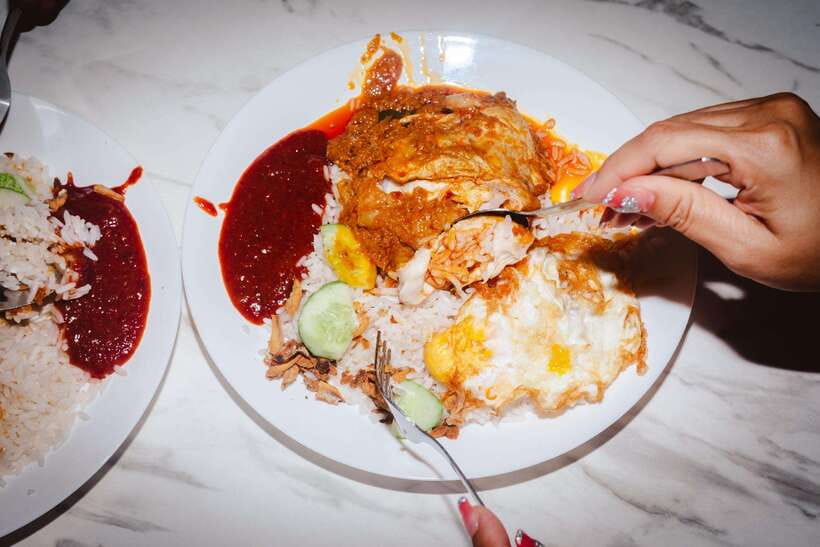
A four-hour food tour sounds long until you count the number of tastings. The pacing is one of the more successful parts of this experience. Guides walk between stops, explain the area, order food, and leave enough time to eat without rushing.
The small group helps with this. A guide can watch how quickly people are eating, notice who needs a milder option, and adjust portions when possible. That personal attention is especially useful when one person wants to try everything and another is already full.
The tour departs rain or shine. Kuala Lumpur’s weather can change quickly, so bring an umbrella and rain gear. Comfortable shoes are not optional. You will be walking between food stops, and wet pavements are no place for delicate footwear.
The route also gives you more than a series of restaurant interiors. You see parts of the city between meals, including neighbourhood streets and local businesses that you might not find by following a standard sightseeing route.
Is $53 a fair price?
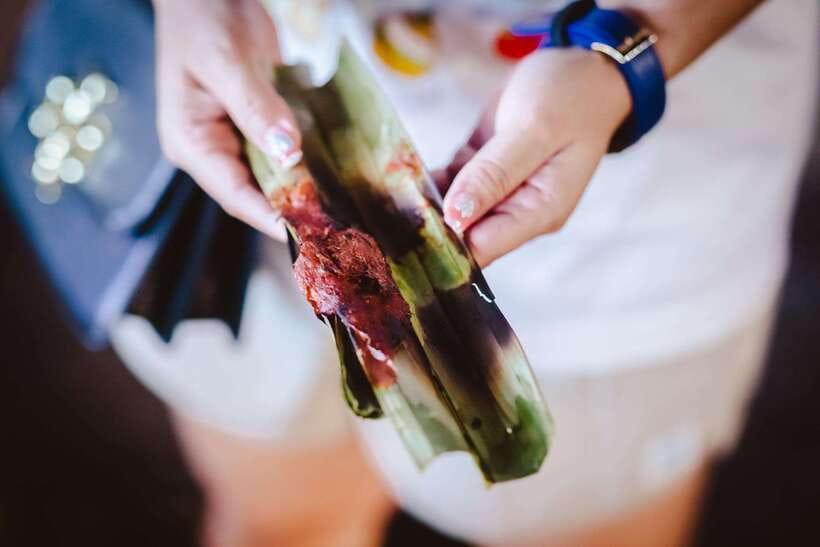
At $53 per person, this is not the cheapest way to eat in Kuala Lumpur. If your only goal is to get calories at the lowest possible price, you can spend much less at local stalls.
The value comes from the range and guidance. More than 15 tastings, bottled water, a four-hour walk, and an English-speaking local guide add up to more than a single restaurant meal. You also avoid ordering the wrong dish, missing a market area, or spending half an evening trying to understand unfamiliar menus.
I think the price is reasonable for a first or second day in Kuala Lumpur, when you want to learn what to eat for the rest of your stay. Several people found the food plentiful enough to cover dinner, which makes the price easier to justify.
Still, the value depends on your appetite. If you eat little, dislike sharing, or prefer a short list of carefully chosen dishes, 15-plus tastings may feel excessive. The quantity is part of the attraction, but it is also the clearest weakness.
Who should book this experience?
I would recommend it to first-time visitors who want a practical introduction to Malaysian food. It is also a good match for solo visitors, since the eight-person format makes it easy to meet other food-minded people without joining a huge group.
Adventurous eaters will get the most from it. You need to be willing to try unfamiliar fruit, seafood, sambal, and durian, even if you do not enjoy every bite.
The tour also suits people who care about context. Guides such as Kiran, Nadia, Ian, Sam, and Steve explain food, culture, ingredients, and local history rather than simply naming each dish. Some guides also help people find their way to public transport at the end, which is a thoughtful touch if you are still getting used to Kuala Lumpur.
I would skip it if you are vegetarian or vegan, have a severe food allergy, dislike wet-weather walking, or want a quiet sit-down dinner. I would also avoid scheduling it after a large lunch. You will need the appetite.
Practical details worth knowing
The tour lasts four hours and includes 15-plus tastings, bottled water, a local foodie guide, and a small-group walking format. Alcohol is not included, and alcohol and drugs are not allowed.
Dietary options are available for some needs, including lactose intolerance, but you must tell the provider when booking. The stated limitations for vegetarians, vegans, and severe food allergies are important. Do not assume a replacement meal will be available at every stop.
Cancellation is free up to 24 hours before the tour for a full refund. You can also reserve and pay later, which is useful if your Kuala Lumpur plans are still shifting.
Eat lightly throughout the day. That does not mean starving yourself, but a large breakfast and heavy lunch will make the final tastings hard work. Wear comfortable shoes, bring an umbrella, and expect the tour to run in the rain.
Should you book the Sambal Street Food Tour?
Book it if you want a broad, guided introduction to Kuala Lumpur’s food culture rather than a single restaurant meal. The combination of market ingredients, neighbourhood walking, classic dishes, less familiar tastes, and a small group gives you a useful sense of how the city eats.
The strongest reason to go is the guide. Names vary, but the experience depends on someone who can explain the food, manage the pace, adjust spice levels, and make a mixed group feel comfortable. The main caution is the volume of food. You are paying for a feast, not a few polite samples.
For most omnivorous visitors with a healthy appetite, $53 is fair value. Schedule it early in your stay, arrive hungry, and let the tour teach you what to order for the rest of your time in Kuala Lumpur.
FAQ
How long does the Sambal Street Food Tour last?
The tour lasts four hours.
How many tastings are included?
The experience includes more than 15 tastings, along with bottled water.
Where does the tour meet?
Meet outside the entrance of the Hilton Garden Inn South, on the corner of Jalan Raja Alang and Jalan Tuanku Abdul Rahman.
Is hotel pickup included?
No. Hotel pickup and drop-off are not included.
What language is the tour conducted in?
The live tour guide speaks English.
How large is the group?
The tour is limited to eight participants.
Is the tour suitable for vegetarians or vegans?
No. The provider states that the tour is not suitable for vegetarians or vegans because there are few alternatives at the food stops.
What should I bring?
Bring comfortable shoes, an umbrella, and rain gear. The tour operates rain or shine.
New food tours we have reviewed in the world
- ChattaBrunch Food Tour★ 5.0 · 87 reviews
- Downtown Chattanooga Food Tour★ 5.0 · 290 reviews
- Charlottetown waterfront SOLAR PartyBike food & drink experience!★ 4.0 · 92 reviews
- Historic Southside Food Tour in Chattanooga★ 5.0 · 32 reviews
- Tastes Through Time – Charleston’s Best Food & History Tour★ 4.5 · 95 reviews
- Charleston’s Savor the Flavors of Upper King Street Walking Food Tour★ 4.5 · 130 reviews
- Charlottetown Food Walking Tour★ 5.0 · 59 reviews
- Charleston Private Brunch Tour: Biscuits, Shrimps, Grits and More★ 5.0 · 48 reviews
Street Food Tours, compared.
Dubai: Old Town, Creek, Museums, Souks, & Street Food Tour
Read our review →
Ho Chi Minh City Street Food Tour & Sightseeing By Motorbike
Read our review →
Dubai: Old Town, Souks, Street Food, Guided Tour & Abra Ride
Read our review →
Naples: Street Food Walking Tour with Local Guide
Read our review →
Small Group Hanoi Street Food Tour with a Real Foodie
Read our review →
Saigon By Night and Street Food By Motorbike | Opt: Ao Dai Riders
Read our review →
Private Street Food Tour by Motorbike/Car with Local Students
Read our review →Browse the lists this tour appears in