
Review · STREET FOOD TOURS
Marrakech Night Street Food Tour / Taste The Real Marrakech
The main event here is not one famous dish, but the sheer range of food you try in four hours. You move through Marrakech after dark, stopping at local eateries and small food spots for msemen pancakes, harira, tangia, sardines, sweets, and fresh juice. Come hungry. Seriously.
I like two things in particular: the guides take you beyond the obvious tourist streets, and they explain the customs behind the food instead of simply handing you a plate. Nour and Omar have been especially praised for their humor and care, while guides such as Mustafa and Mohammed have added dishes they prepared themselves. The one drawback is easy to predict: there can be so much food that the final stops become a test of will.
Key points to know before booking
- Five or more food stops: Expect substantial portions, not just tiny samples.
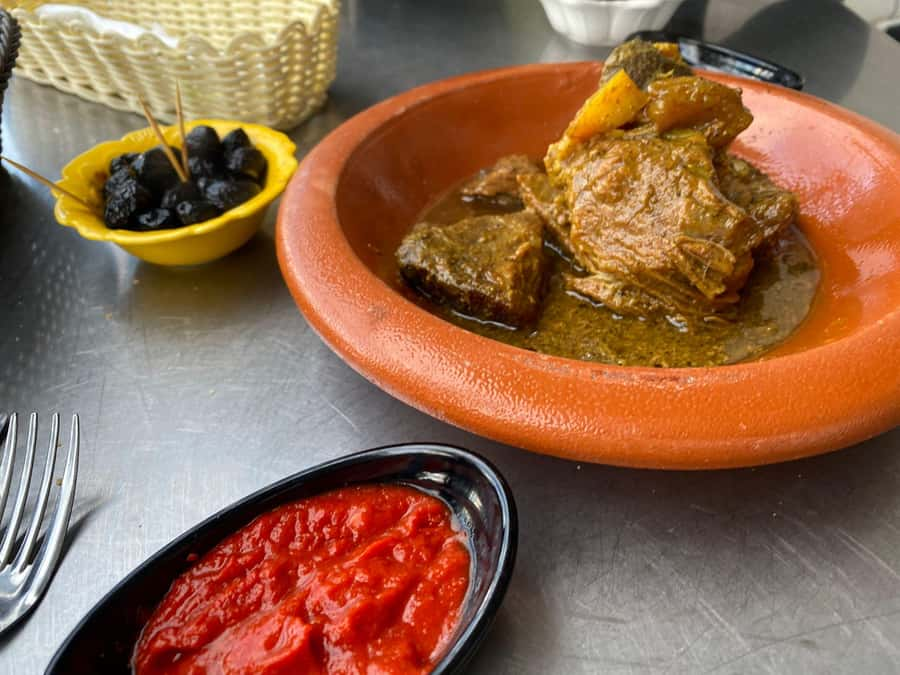
- Tangia is a highlight: This slow-cooked meat dish may be prepared specially and cooked in the embers of a hammam.
- A local view of Marrakech: The route can take you through the Medina, Kasbah, alleyways, and less touristy neighborhoods.
- Small groups: Numbers are limited to 10, which helps the group move through narrow streets.
- Plan your meals carefully: The best advice is to eat very lightly beforehand.
- Food needs can be discussed: Tell the operator about allergies, vegetarian needs, or vegan requirements in advance.
A generous night of Moroccan street food
At $56 per person, this is a food tour built around quantity as much as variety. You are not paying for one restaurant meal with a guide attached. You are paying for a moving introduction to Moroccan cooking, local food habits, neighborhood life, and a long string of tastings.
The advertised length is four hours, though the evening can run longer. One outing lasted about five hours, and that was not unusual when the guides wanted everyone to try another dish or explain one more part of local culture. I would keep the rest of your night open. This is not a quick pre-dinner stroll.
The tour begins in front of Café de France, an easy landmark in the city center. From there, your guide explains the route before taking you on foot, and at times by vehicle, through different parts of Marrakech. Transportation is not included, so any driving used during the route should be clarified with the operator. The central part of the experience is walking.
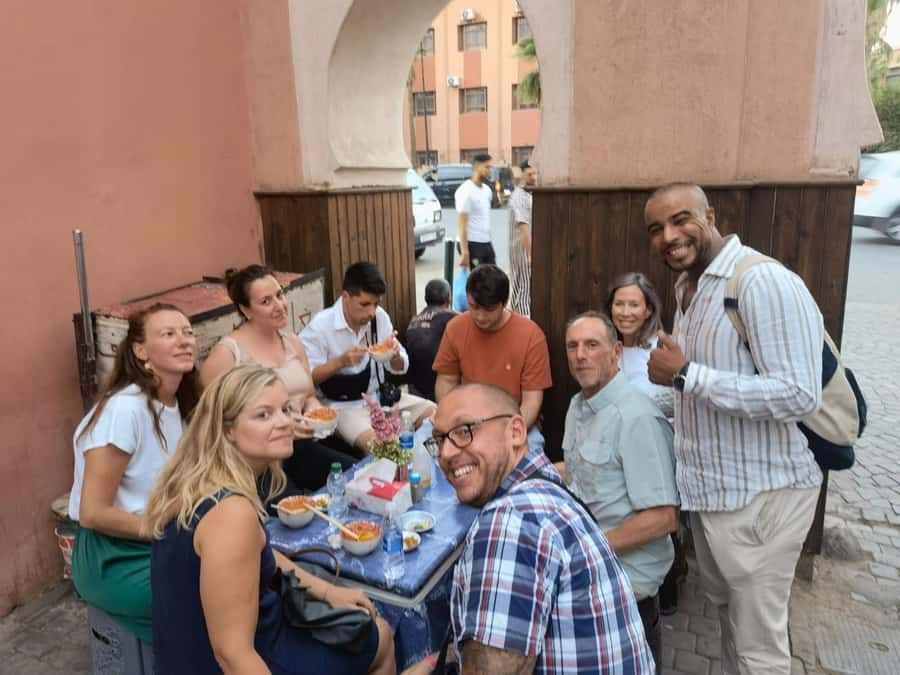
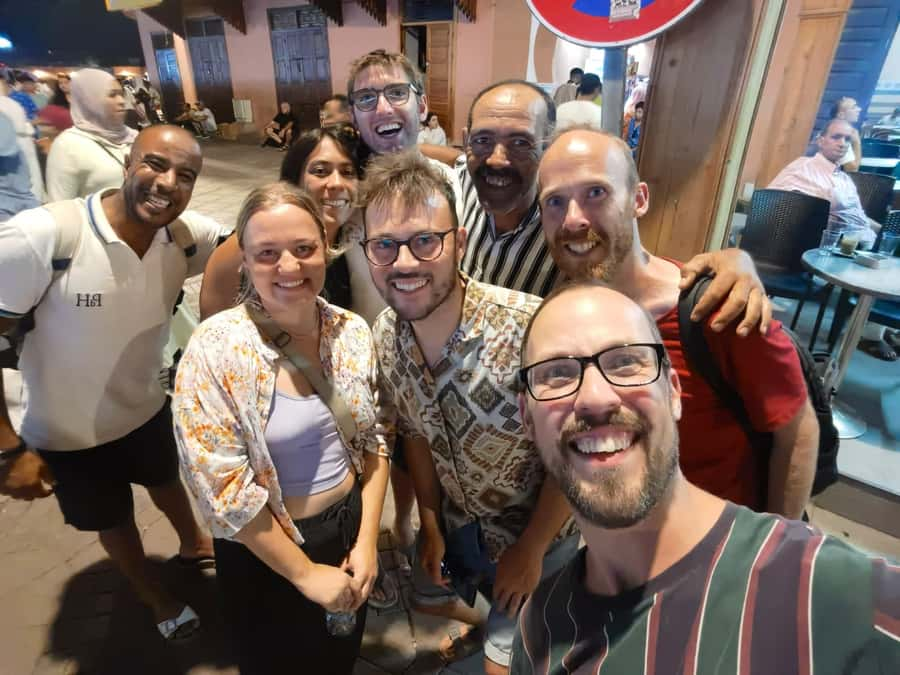
The group limit of 10 is useful here. Marrakech’s narrow lanes are not made for a large crowd, and a smaller group makes it easier to hear the guide, stay together, and sit down at compact local food spots. It also gives Nour, Omar, Mustafa, Mohammed, or another assigned guide more time to answer questions.
More Street Food Tours in Morocco:
- Marrakech: Street Food Tour with a Local Guide
★ 4.9 · 3,119 reviews - Marrakech: Street Food Tour by Night
★ 4.8 · 2,838 reviews - Casablanca Food Tour – Moroccan Street Food Tour
★ 5.0 · 86 reviews
Starting with msemen, harcha, and Moroccan tea
Early stops introduce the simple foods that many Moroccans eat at breakfast or as a snack. Msemen is a layered, pan-fried Moroccan pancake with a pleasant chew. Harcha is a griddled semolina pancake with a different texture and a more crumbly bite.
These first tastings matter because they show the everyday side of Moroccan food. You are not starting with a grand restaurant dish. You are getting the kind of food that works with tea, conversation, and a quick stop in the city.
Tea and coffee are included, along with bottled water. Moroccan tea is closely tied to hospitality, and the guide uses these pauses to explain how food fits into ordinary life. You may also try fresh fruit juice, called assir, during the evening.
The portions are not always modest. Several stops provide enough food to feel like a proper meal, so it is wise to treat the first pancakes as the opening course rather than dinner.
Harira, chebakia, and the sweet side of Marrakech
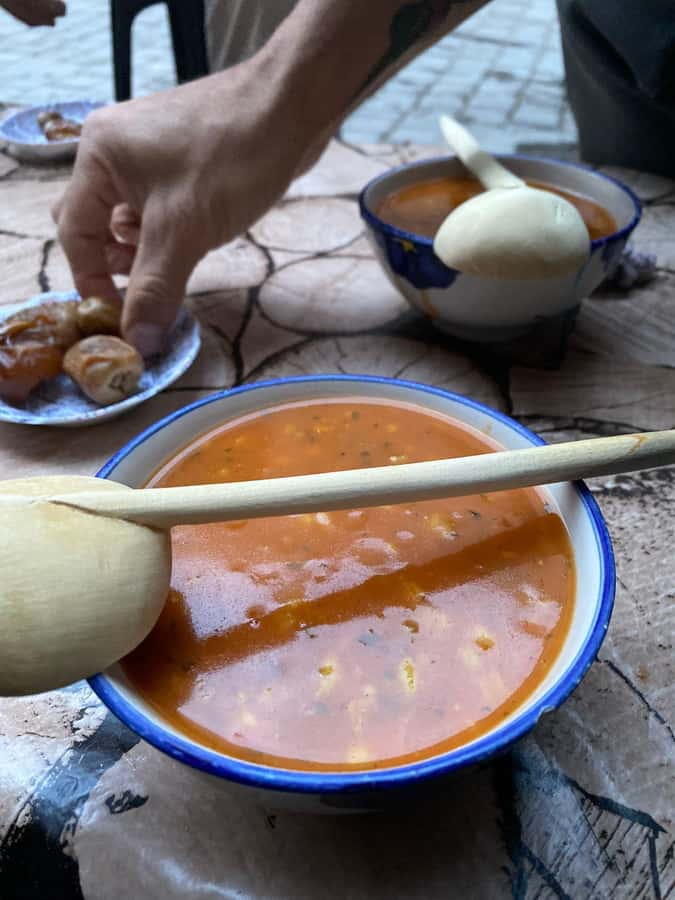
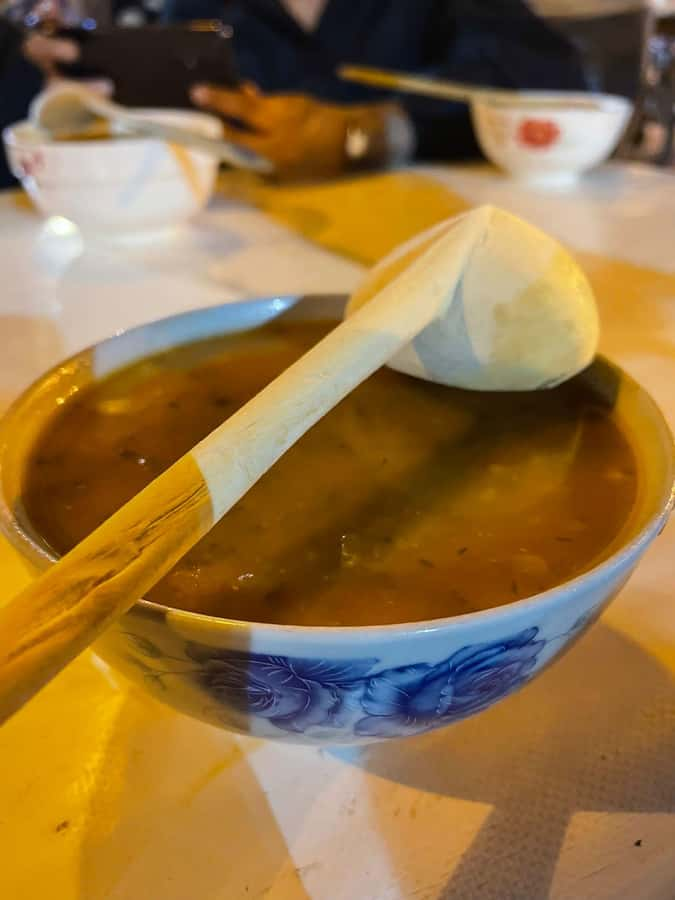
Harira, a well-known Moroccan soup, is another important stop. The version described for this tour is vegetarian, making it a useful dish for anyone trying to avoid meat for at least part of the evening. It is hearty and often associated with family meals and Ramadan, so the bowl comes with cultural context as well as warmth.
Then comes chebakia, a sweet pastry with a sticky, spiced character. This is where the tour begins to show the broad range of Moroccan flavors. You move from soup and pancakes to syrupy sweets, often with tea close at hand.
There are also donuts called chfnj, described as a Jewish Moroccan specialty. These are served with tea and offer a chance to see how different communities have shaped Marrakech’s food traditions. The tour does not treat Moroccan cuisine as one single, fixed tradition. It points to Berber, Jewish, and other cultural influences along the way.
You may also encounter olives, more sweets, or other small items depending on the route and what is available that evening. The exact lineup can change. That flexibility is useful when a family stall or restaurant is closed, but it means you should not expect every listed item in precisely the same order.
Tangia, stews, and the heart of the meal
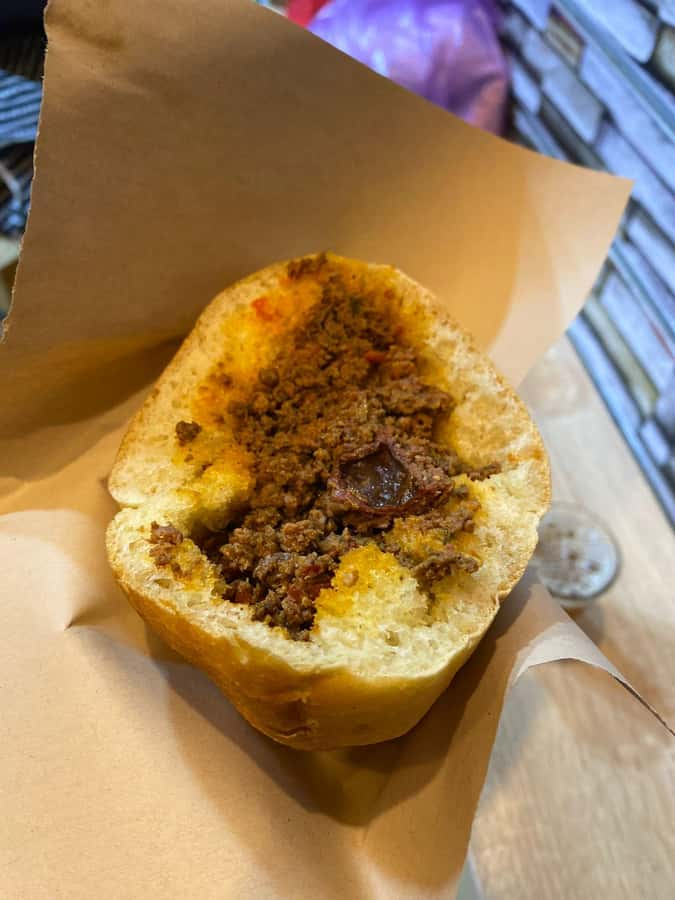
Tangia is the dish most likely to stay with you. It is a slow-cooked traditional meat stew, and several versions of the tour have featured one prepared especially for the group.
The unusual part is the cooking method. In some outings, the tangia was cooked in the embers of a hammam, with the guide or a local cook explaining how the dish is made. One guide, Mustafa, is also a chef and has brought food he prepared himself. Mohammed has also prepared tangia for the group. These details turn a standard tasting into a look at how the dish moves from kitchen or cooking fire to table.
You may also taste other Moroccan stews, minced liver, chicken, or beef. The exact meat dishes depend on the route. This is a good fit if you want to understand how Moroccan cooking uses long cooking times, spices, and shared pots to produce deeply seasoned food.
The tangia stop can be especially worthwhile for people who have already eaten tagine in restaurants. Tangia is not simply another generic stew. The cooking setting and the stories around it give the dish a stronger connection to Marrakech.
Do not expect a delicate tasting menu. Portions can be generous, and you may be offered more after you already feel full. I appreciate the abundance, but I also understand why some people find the later stages physically demanding.
More after-dark experiences in Morocco:
- Night Tour of Casablanca with Street Food Tasting
★ 4.8 · 29 reviews - Winner 2025 Florence Sunset Food & Wine Tour by Eating Europe
★ 5.0 · 5,015 reviews - Saigon By Night and Street Food By Motorbike | Opt: Ao Dai Riders
★ 5.0 · 4,066 reviews - Private Street Food Evening Walking Tour in Ho Chi Minh City
★ 5.0 · 3,175 reviews
Sardines, eggplant, and a Berber omelet
The savory stops continue with fried sardines served with eggplant and with a dish called lbid o maticha, a Berber-style omelet made with eggs and tomatoes. These dishes bring a different set of textures and flavors to the evening.
The sardines are a useful reminder that Moroccan food is not limited to lamb, beef, couscous, and tagine. Fish, vegetables, eggs, and bread all have a place in local eating. The eggplant adds a soft, rich element to the sardines, while the omelet is simpler and more familiar.
This part of the tour is also where the guide’s explanations make a difference. Nour is described as especially good at connecting dishes with occasions, customs, and local life. Omar has also been praised for explaining what you are eating and how the food is made.
If you are unsure about a dish, ask before taking a large portion. The guides want you to try the food, but the quantity is one of the main challenges of this tour.
Walking through the Medina and Kasbah after dark
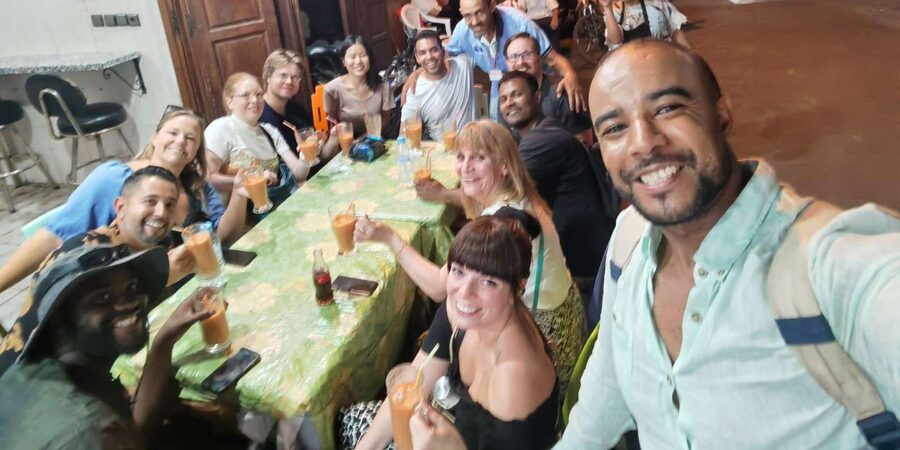
The food is only half the experience. Between stops, you walk through Marrakech’s Medina and, on some routes, the Kasbah. You may pass through small lanes, local gathering places, and neighborhoods you would probably overlook on your own.
This is not a formal sightseeing tour with a long list of monuments. It is more informal and food-led. Still, the guides add stories about Morocco’s past, door knockers, sugar, cooking traditions, and the way people live in the city.
I like doing this kind of tour early in a visit. It helps you get your bearings, and it gives you a better sense of where locals eat before you start choosing restaurants on your own. Several guides also offer suggestions for later meals.
Night adds a different mood to the walk. Food stalls are active, people are out eating, and the route feels more social than a daytime visit to a historic site. At the same time, you should be comfortable walking for several hours through busy streets and standing or sitting at several food stops.
The meeting point is clear in principle, but one person had trouble finding the guide because there was no sign at Café de France. I would arrive a little early, keep your phone available, and confirm how you will recognize the guide.
What the guides add to the evening
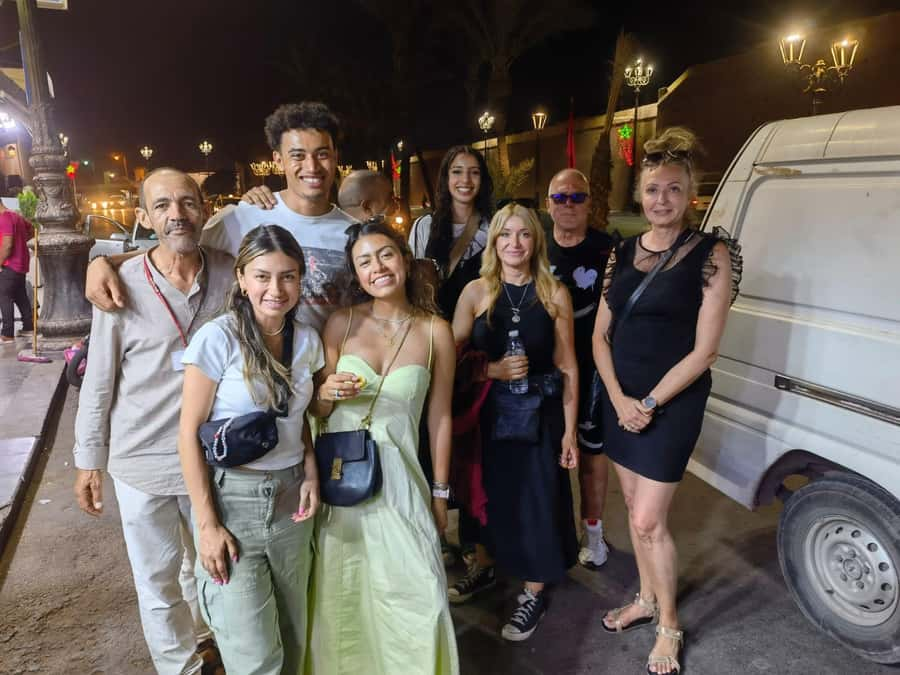
The operator is Flavors of Marrakesh, and the guide assigned to your group may vary. Nour and Omar are frequently associated with the tour, while other outings have been led by Mustafa, Mohammed, Khawla, or Nurdin.
That variation matters because each guide brings a slightly different personality. Nour is known for lively storytelling and enthusiasm. Omar is described as friendly, flexible, and good at explaining the food. Mustafa has a cooking background and may add his own preparations. Khawla has led routes focused on neighborhood food outside the main tourist center.
The common thread is that the guide is not just a person who points out the next stall. You get explanations of ingredients, preparation, history, and social customs. The best moments come when a dish leads to a story about family meals, religious occasions, local work, or the many communities that have influenced Moroccan cooking.
The guides also take care of practical matters. Wipes and water have been provided during some outings, and guides have helped people get back safely by taxi or tuk-tuk when needed. That is not a guaranteed part of the published service, but it shows the level of personal attention that can make a late-night food walk feel easier.
Vegetarian, vegan, and allergy considerations
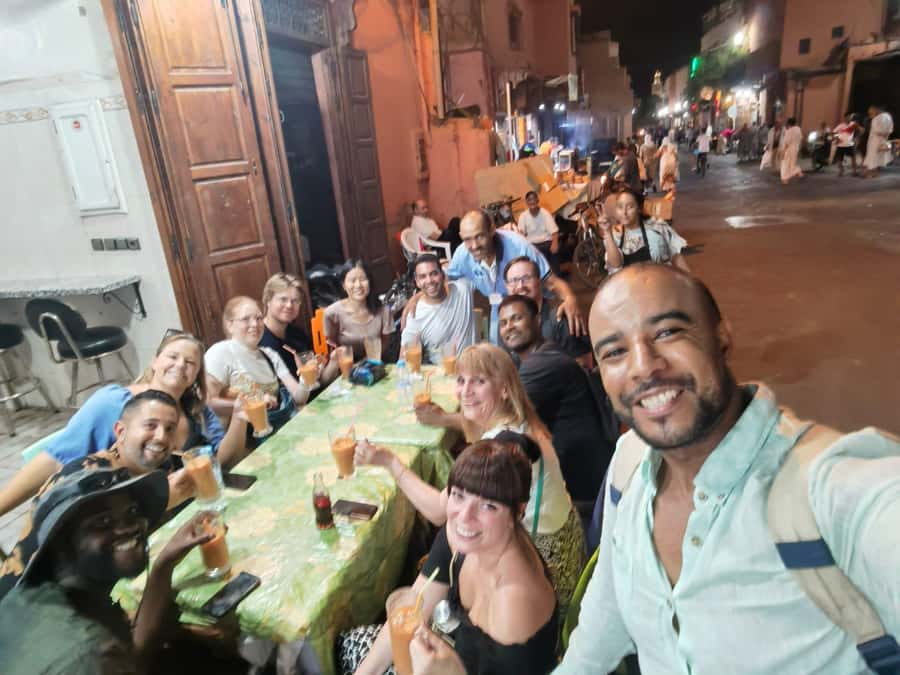
This is a meat-heavy experience. Tangia, stews, sardines, and other savory dishes form a large part of the route, so strict vegetarians should contact the operator before booking.
There are workable options. Harira is vegetarian, and some guides have arranged separate dishes for vegan participants at several stops. The care can be excellent, but I would not assume that every listed item can be replaced. Tell the operator about allergies, vegetarian needs, or vegan requirements before the tour so alternatives can be planned.
If you have a serious allergy, ask what ingredients are used and how food is prepared. The tour description promises alternatives, but the food is bought and served in several different places, so clear communication is important.
Is $56 a fair price?
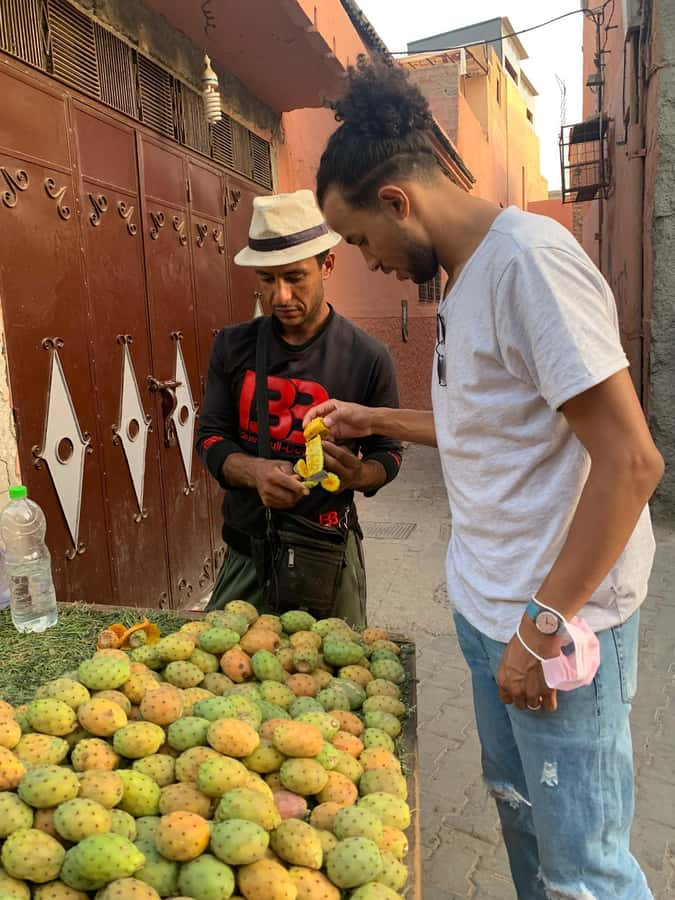
For four hours of food, drinks, guiding, and walking, $56 is a strong value if you eat most of what is served. You would likely spend a good part of that amount sampling separate dishes on your own, without the local introductions or the help of a guide who knows where to go.
The value is strongest for first-time visitors. You get a wide survey of Moroccan food in one evening, from pancakes and soup to fish, meat, pastries, frozen yogurt, and juice. You also gain restaurant ideas and a better sense of local food customs.
The value is weaker if you prefer tiny portions, a quiet dinner, or a carefully paced meal. This is an active, generous tour. You may finish full enough to skip breakfast the next morning, and some people struggle to sample everything at the final stops.
Free cancellation is available up to 24 hours before the start, and you can reserve now and pay later. The tour is listed as wheelchair accessible, though the route includes extended walking through Medina streets, so I would confirm the precise route and vehicle arrangements if access is important to you.
Who should book this Marrakech food walk?
I would choose it for a first night in Marrakech, especially if you want an easy introduction to local food without guessing which stalls are safe or worthwhile. It also suits curious eaters who enjoy trying unfamiliar dishes and learning the story behind them.
It is a good match for small groups of friends, couples, solo visitors, and people who like meeting others from different countries. The group size is small enough for conversation without turning the evening into a private tour price.
I would think twice if you dislike meat, have severe dietary restrictions, or want a short and polished restaurant experience. You should also be ready for a long walk, strong portions, and a schedule that may run beyond four hours.
Should you book it?
Book this tour if you want to eat broadly, walk through parts of Marrakech you might miss, and hear local stories while you eat. The strongest reasons are the quantity of food, the range of dishes, and the chance to try tangia cooked in the traditional hammam embers.
Choose an early date in your stay if possible. You will learn what to order later, find places you might not locate alone, and get a useful introduction to the Medina and Kasbah at night.
My practical advice is simple: eat lightly beforehand, wear comfortable shoes, tell the guide about dietary needs, and leave your evening free. If that sounds appealing, the $56 price is well justified.
FAQ
Where does the Marrakech night food tour meet?
The meeting point is in front of Café de France in Marrakech.
How long does the tour last?
The stated duration is four hours. Some outings have lasted longer, including one that ran for about five hours.
How much does the tour cost?
The listed price is $56 per person.
What food is included?
Included tastings can include msemen and harcha pancakes, harira soup, chebakia pastries, tangia, Moroccan stews, fried sardines with eggplant, chfnj donuts, lbid o maticha, raïb frozen yogurt, fresh fruit juice, sweets, and other local dishes.
Are drinks included?
Yes. Coffee or tea and bottled water are included. Fresh fruit juice may also be part of the tastings.
Is the tour suitable for vegetarians or vegans?
Vegetarian and vegan alternatives can be provided, but the route includes many meat and fish dishes. Contact the operator in advance so suitable options can be arranged.
What language is the tour in?
The live tour guide speaks English. The guide is described as bilingual.
How large is the group?
The tour is a small-group experience limited to 10 participants.
Can I cancel the booking?
You can cancel up to 24 hours in advance for a full refund. A reserve-now, pay-later option is also available.
New food tours we have reviewed in Morocco
- Casablanca Food Tour★ 5.0 · 60 reviews
- Casablanca Food Tour – Moroccan Street Food Tour★ 5.0 · 86 reviews
- Discovery of Moroccan Culinary Heritage, History and Secrets★ 4.5 · 48 reviews
- Authentic Food Tour in Agadir – Eat Like A Local★ 5.0 · 117 reviews
- Tangier: Food Walking Tour★ 4.9 · 43 reviews
- Rabat: Walking Food Tour★ 4.9 · 48 reviews
- Marrakech: Medina Stories Food Tour with 15+ Tastings★ 5.0 · 141 reviews
- Marrakech: Authentic Moroccan Food Walking Tour & Dinner★ 4.8 · 261 reviews
Street Food Tours, compared.
Dubai: Old Town, Creek, Museums, Souks, & Street Food Tour
Read our review →
Ho Chi Minh City Street Food Tour & Sightseeing By Motorbike
Read our review →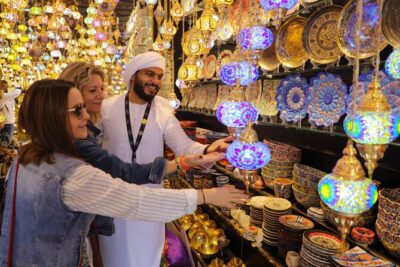
Dubai: Old Town, Souks, Street Food, Guided Tour & Abra Ride
Read our review →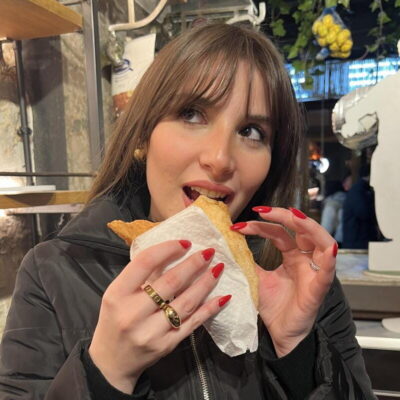
Naples: Street Food Walking Tour with Local Guide
Read our review →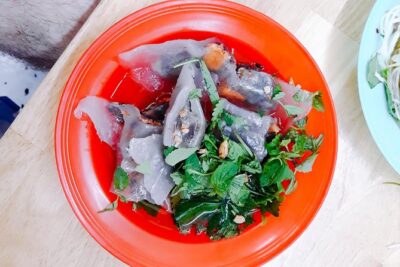
Small Group Hanoi Street Food Tour with a Real Foodie
Read our review →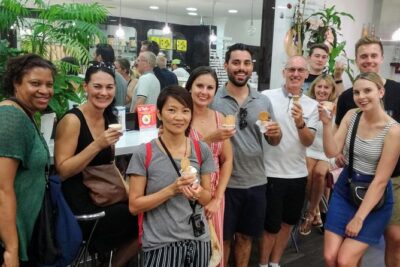
Saigon By Night and Street Food By Motorbike | Opt: Ao Dai Riders
Read our review →
Private Street Food Tour by Motorbike/Car with Local Students
Read our review →Browse the lists this tour appears in