Review · STREET FOOD TOURS
São Paulo: Liberdade Street Food Tour
São Paulo’s Liberdade neighborhood turns a short food walk into a lesson in migration, memory, and adaptation. You’ll eat Japanese, Brazilian, Korean, and possibly Argentine specialties while walking through an area shaped by Japanese immigration and later by communities from China, Korea, Congo, and Haiti. The food is the doorway into the neighborhood’s story.
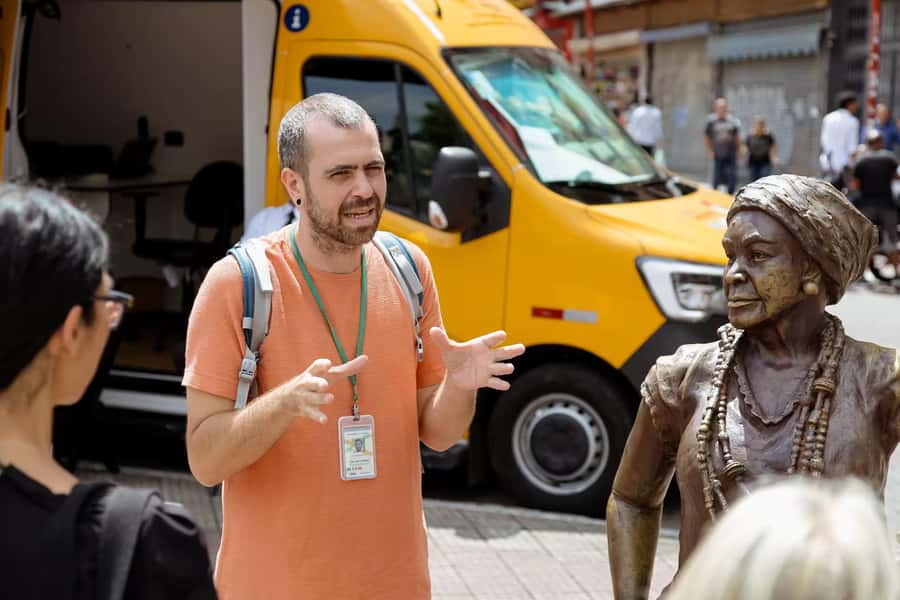
I like the small group, limited to 10 people, and the clear focus on tasting rather than simply looking at storefronts. I also like the guides, especially Giuliano, who is praised for his fluent English, energy, and strong grasp of São Paulo history. The main caution is timing: the tour starts strictly on time, and two hours can pass quickly if you want a leisurely meal rather than a compact tasting walk.
Quick takeaways
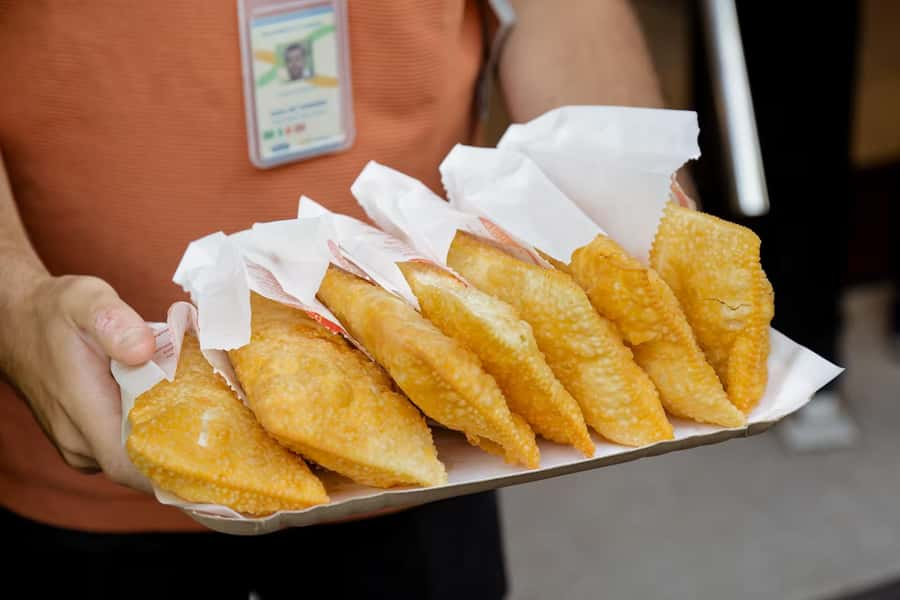
- Taste across several cultures: Japanese pastel, onigiri, takoyaki or tempura, Korean choux au craquelin, and sometimes Argentine empanadas.
- Meet at the heart of Liberdade: The starting point is outside the large red Banco Bradesco Prime in Liberdade Square.
- Learn while eating: The guide connects each snack with São Paulo’s immigrant communities and the neighborhood’s changing identity.
- Expect a small, personal group: The tour accepts no more than 10 participants and runs in English.
- Bring sun and rain protection: Sunscreen and an umbrella are specifically recommended.
- Leave room in your stomach: The included tastings and drinks are designed to make this a filling afternoon.
Why Liberdade makes such a good food stop
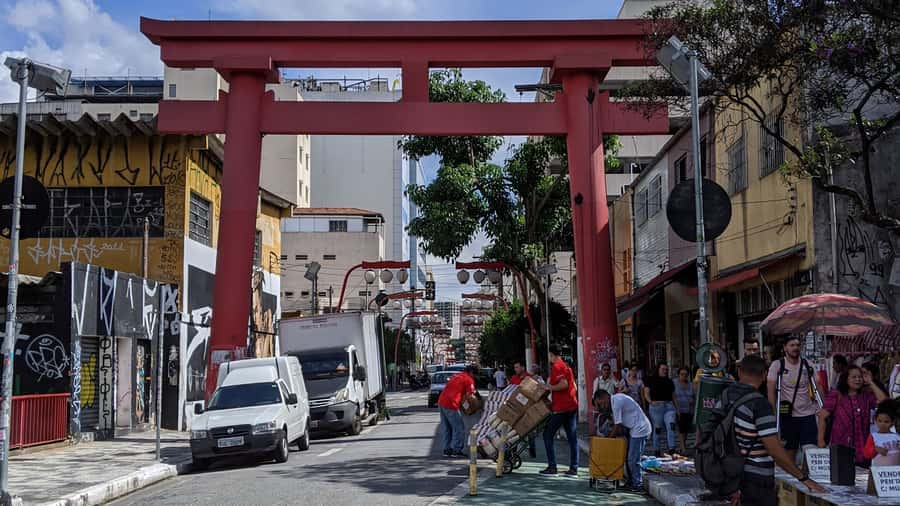
Liberdade is best understood as more than São Paulo’s Japanese quarter. Its Japanese influence is strong and central, but the neighborhood also reflects later migration from China, Korea, Congo, and Haiti, alongside a significant Afro-Brazilian heritage.
That mix gives the walk a useful shape. You are not simply sampling food from one country after another. You are seeing how food changes when people settle in a new city, work with local ingredients, and share a neighborhood with other communities.
The Japanese presence here goes back about a century. Before that, Liberdade had served as a military district. The area’s past gives the guide plenty to explain as you move between markets, streets, food counters, and places of architectural interest.
I like this approach because it gives you a better way to remember the neighborhood. Instead of leaving with a list of dishes, you leave with a sense of why those dishes appear here and how São Paulo became such a large, mixed city.
More Street Food Tours in the world:
- Dubai: Old Town, Creek, Museums, Souks, & Street Food Tour
★ 4.8 · 10,816 reviews - Ho Chi Minh City Street Food Tour & Sightseeing By Motorbike
★ 5.0 · 9,413 reviews - Dubai: Old Town, Souks, Street Food, Guided Tour & Abra Ride
★ 4.9 · 7,170 reviews
Starting at Liberdade Square
The meeting point is easy to identify: stand outside the large red Banco Bradesco Prime in the middle of Liberdade Square. This detail matters in a crowded city, since a precise landmark is much easier to find than a general instruction to meet somewhere in the neighborhood.
Plan your route before you leave. The guide starts strictly on time and will not be checking the phone once the walk begins. If you arrive late, you cannot count on joining the group, so give yourself a little extra time to reach the square.
From there, the route heads into Liberdade for a guided food and neighborhood walk. The main guided portion is listed as 105 minutes, with the full activity lasting about two hours. That makes this a compact introduction rather than an all-day food crawl.
The first bites: Japanese pastel and onigiri
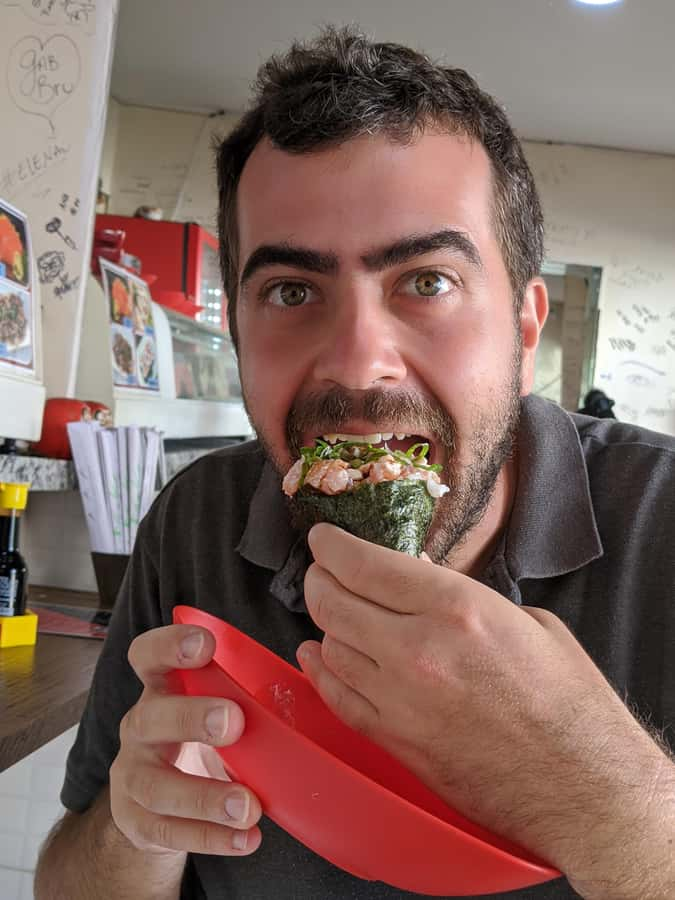
The opening tastings include Japanese pastel and onigiri. Pastel is a familiar Brazilian street snack, usually a crisp filled pastry, but the Japanese version gives you a good example of how local and immigrant food traditions meet.
Pairing it with onigiri makes the contrast clearer. You get two different snack forms in one stop, with the guide explaining the Japanese influence that helped define Liberdade’s identity.
This is one of the strongest parts of the experience for curious eaters. You are not being asked to treat Japanese food as something separate from Brazil. Instead, you see how it has become part of São Paulo’s everyday food culture.
The included sugarcane juice adds another local note. It is tropical, sweet, and a natural match for salty street snacks. You also receive a bottle of water, which is useful on a warm day or during a walk through the neighborhood.
Brazilian-style takoyaki, tempura, or weekday empanadas
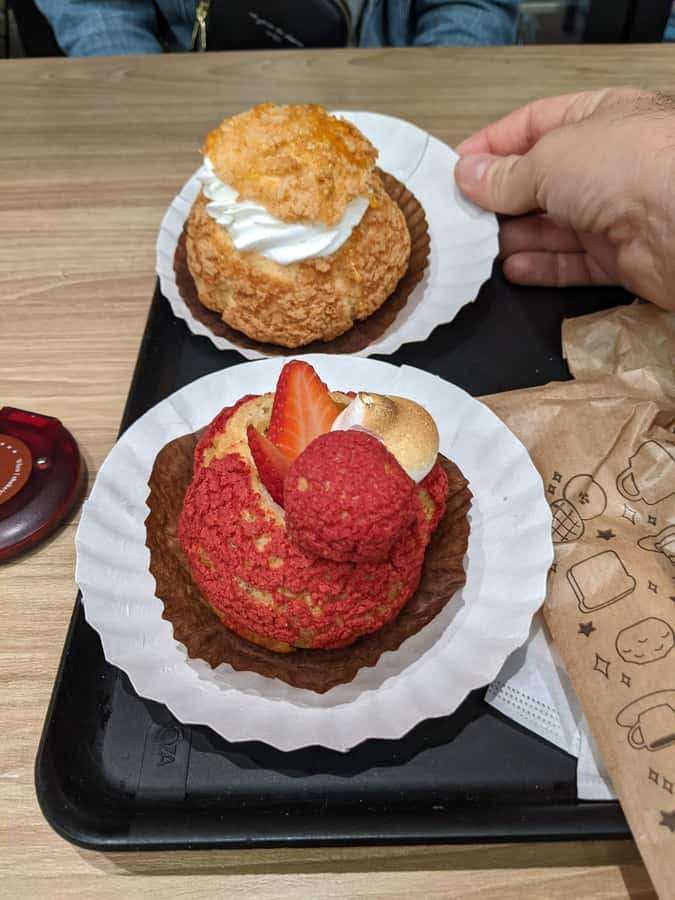
Another tasting is traditional takoyaki or tempura. The exact choice can vary, and on weekdays this stop may be replaced with Argentine empanadas.
That variation is worth noting before you book. If you have your heart set on takoyaki, the food selection may not be identical on every day. On the other hand, an empanada stop gives you another look at São Paulo’s wider immigrant food culture and may be a favorite if you prefer a savory pastry.
The idea of Brazilian takoyaki is especially interesting because it shows how a familiar dish can shift in a new setting. The guide uses these foods to connect taste with place, rather than presenting each item as an isolated sample.
You should arrive hungry. The tasting portions are not described as a full restaurant meal, but the combination of several snacks, drinks, and a final stop can leave you quite full. One practical tip: do not schedule a large lunch immediately beforehand.
More food tours in the world:
- Reykjavik Food Walk – Local Foodie Adventure in Iceland
★ 5.0 · 18,952 reviews - Montserrat Half-Day Tour with Tapas and Gourmet Wines
★ 5.0 · 7,359 reviews - Bateaux Parisiens Seine River Gourmet Dinner & Sightseeing Cruise
★ 4.5 · 6,930 reviews - Tokyo: Shinjuku Food Tour (13 Dishes at 4 Local Eateries)
★ 5.0 · 6,603 reviews
Korean choux au craquelin and the final drink
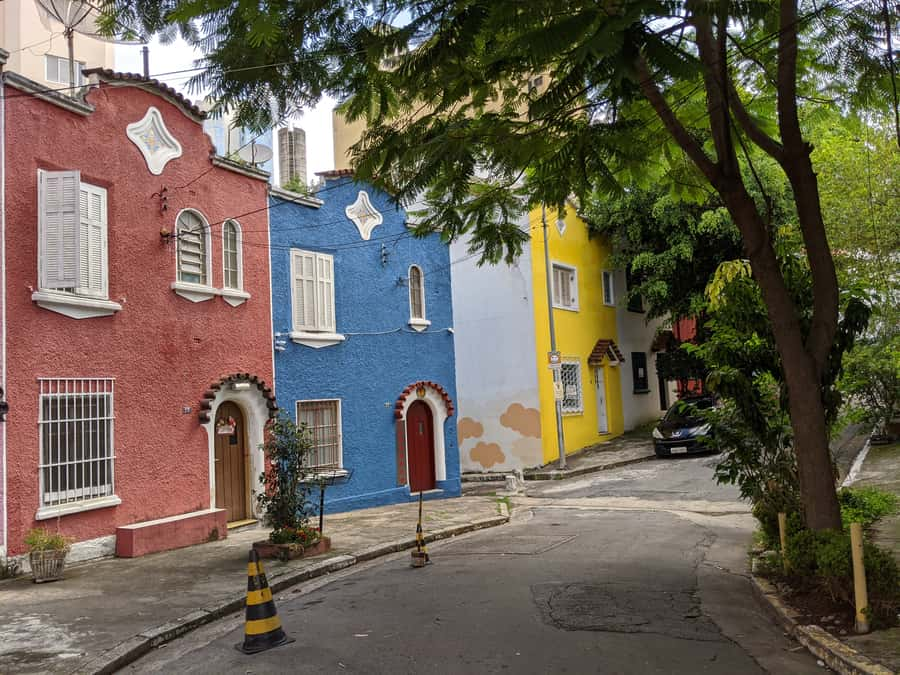
The Korean choux au craquelin adds a sweet course and keeps the food selection from leaning entirely toward fried or savory snacks. Choux au craquelin has a crisp topping over a soft pastry, and its appearance on this route adds another Korean touch to the neighborhood’s food mix.
The final inclusion is a soft drink or coffee. This gives you a chance to settle after the tastings and finish the walk with something familiar. If you are sensitive to caffeine or prefer a lighter finish, you can choose the soft drink instead.
The official inclusions are described as three main snacks, with the food list also naming Japanese pastel and onigiri, takoyaki or tempura, Korean choux au craquelin, and sometimes empanadas. I would treat this as a tasting sequence rather than a fixed restaurant menu. Food availability can affect what appears on a particular day, especially on weekdays.
Additional food and drinks cost extra, so keep that in mind if you want to continue eating after the final stop.
The history between the snacks
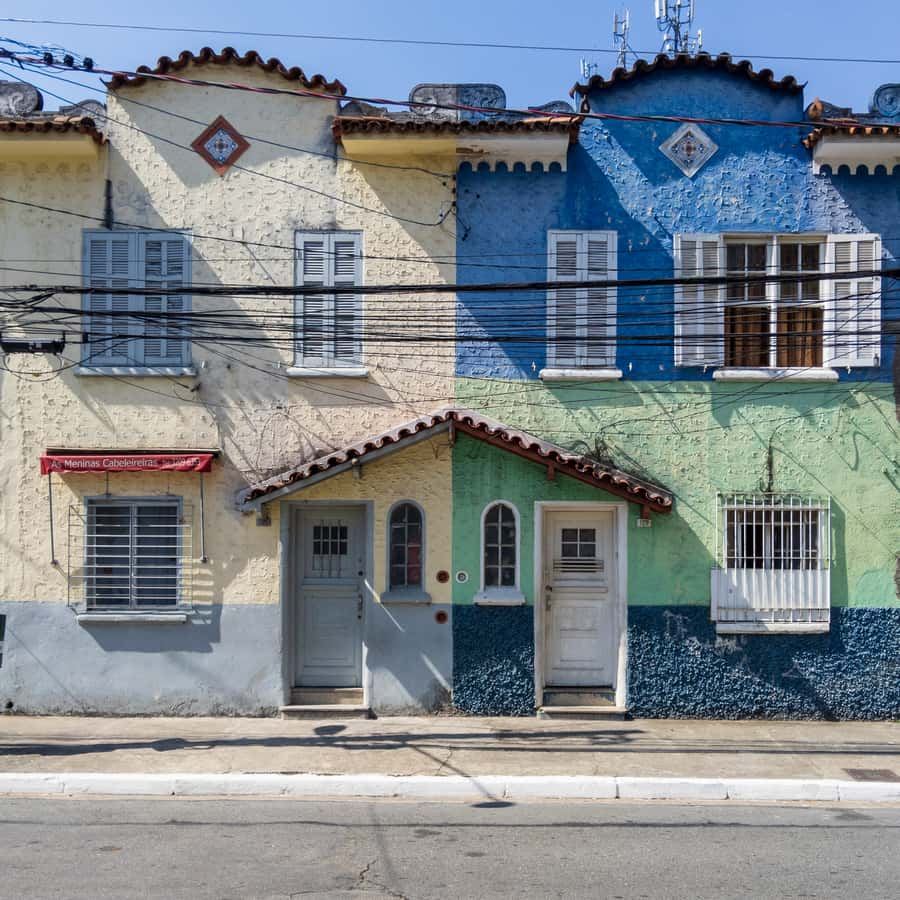
The strongest reason to choose this tour is the way the guide ties food to São Paulo’s past. You will hear about the Japanese influence on Liberdade, the area’s earlier role as a military district, and the immigrant communities that have helped shape it over time.
You will also walk beyond the food stalls to spot architectural details and learn more about who lives in the area. That matters because a neighborhood can look like a themed shopping zone if you only visit its markets. The walking portion helps place the food in a real urban community.
Giuliano receives especially strong praise for his English, energy, and ability to explain both Brazilian history and local food. One useful detail is that he has lived in Brazil for many years and brings an outside perspective to the city without losing touch with the place he is showing you.
Other guides may lead the tour, but the experience is designed around an English-speaking live guide. Expect conversation, explanations, and questions rather than an audio guide or a self-guided route.
What the two-hour format feels like
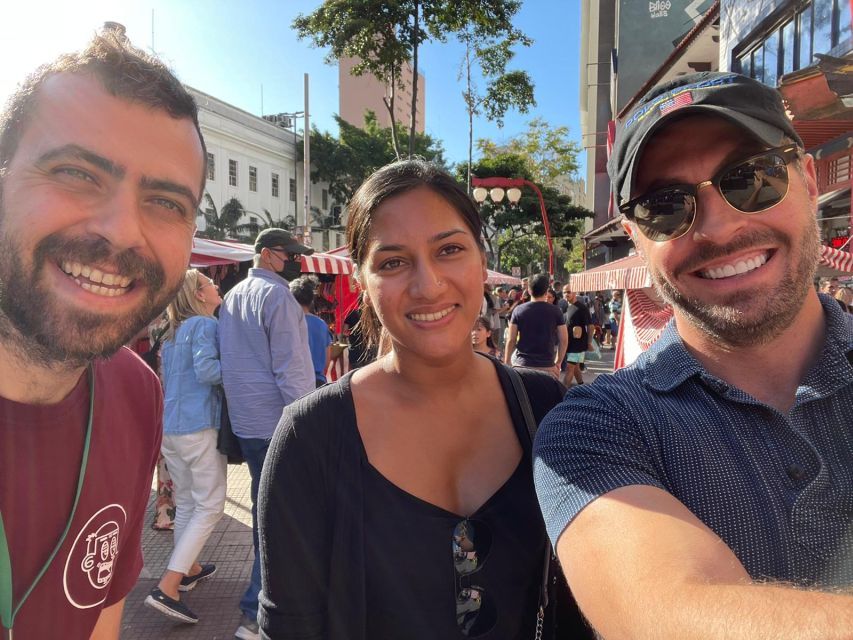
Two hours is enough to sample several foods and get a clear introduction to Liberdade. It is not enough to stop at every market, linger over every architectural feature, or turn each tasting into a full meal.
That short format is a benefit if you are fitting the neighborhood into a busy São Paulo schedule. You can use it as an afternoon activity before dinner, or as an early orientation to Liberdade before returning on your own.
It can feel brisk if your ideal food tour includes long sit-down stops. You will be walking, tasting, listening, and moving on. The small group should make questions easier, but the strict start time means you need to be ready from the beginning.
The tour is wheelchair accessible, which is useful for visitors who need that arrangement. Still, the experience takes place on city streets and through food areas, so it is sensible to confirm any specific mobility needs before booking.
Is $60 a fair price?
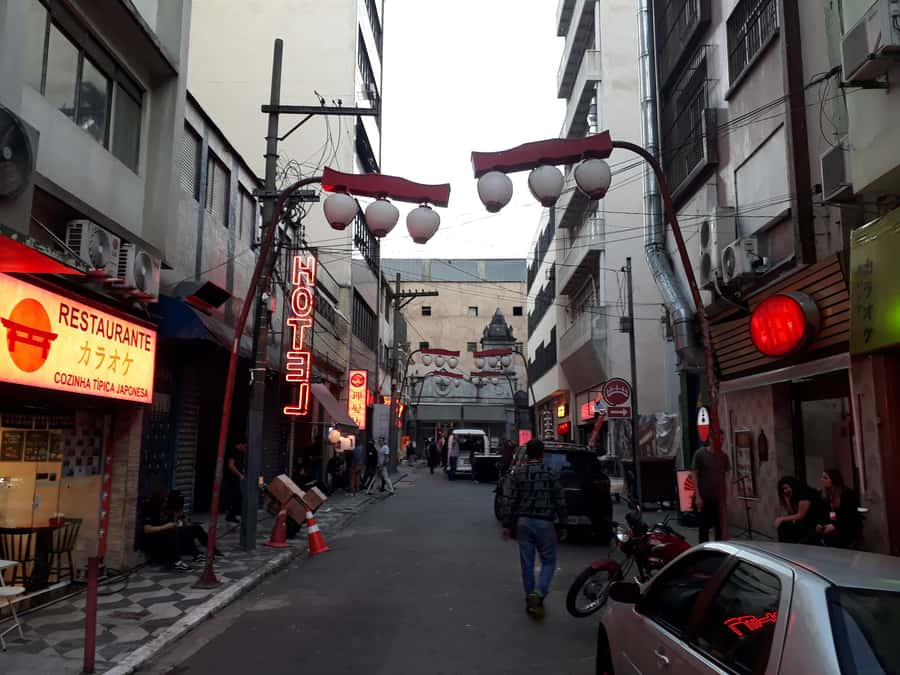
At $60 per person, this is not the cheapest way to buy snacks in Liberdade. If you only want inexpensive street food, you can spend less by exploring alone.
The value comes from combining food, interpretation, and a guided walk. Your price covers the listed tastings, water, sugarcane juice, and a final soft drink or coffee, along with an English-speaking guide and a small group capped at 10 people.
I see the price as reasonable for a first visit, especially if you want context and do not speak Portuguese. The guide helps you understand what you are eating, where the neighborhood came from, and how its different communities fit together. That saves you from guessing your way through unfamiliar counters and menus.
The value is weaker if you already know Liberdade well or mainly want a large meal. In that case, you may prefer to explore independently and spend your money on extra dishes. Remember that additional food and beverages are not included.
Who will enjoy this food walk most
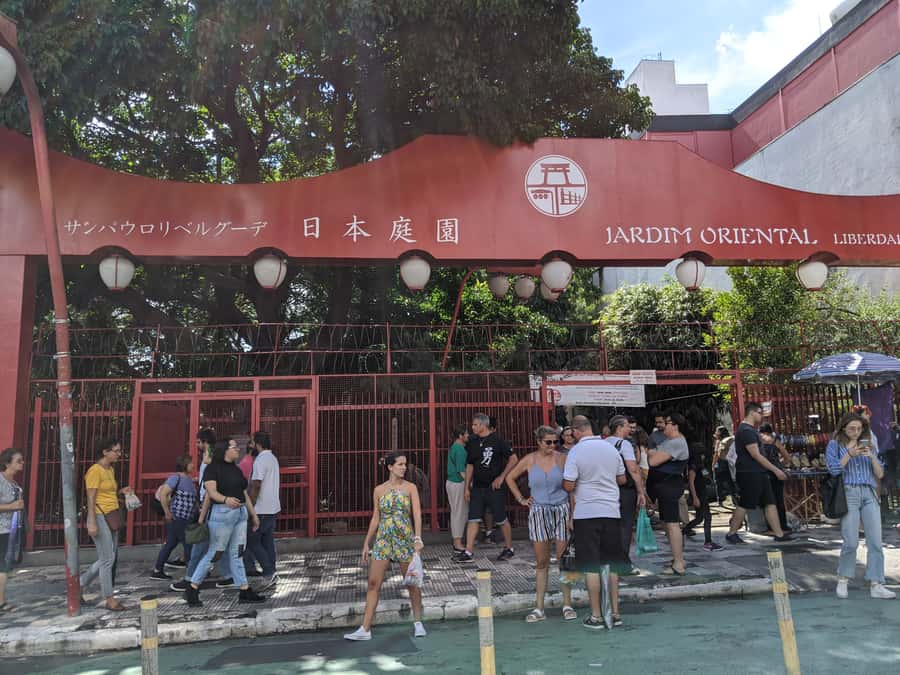
This experience suits you if you like small-group tours, street food, and local history in equal measure. It is a good fit for a first visit to São Paulo, especially if you want an easy introduction to Liberdade without planning every stop yourself.
It also works well for solo visitors. A group of up to 10 people is small enough for a more personal walk, and the guide can keep the pace social without creating the feel of a large coach tour.
You should choose it if you are open to trying several styles of food. The route moves from Japanese and Brazilian combinations to Korean pastry and possibly Argentine empanadas. Picky eaters may find the variety less appealing, and one food tasting may not suit every palate.
The activity is also a good match for travelers who enjoy learning the story behind a dish. If you only want a quick list of the best things to eat, the historical explanations may feel like extra time. I consider them the main reason to book.
Practical details worth knowing
Bring sunscreen and an umbrella. São Paulo weather can change, and the activity takes place outdoors as you move between food stops and neighborhood sights.
Wear something comfortable for walking and keep your schedule clear around the start time. The meeting point is outside the red Bradesco bank in Liberdade Square, and late arrivals cannot join once the guide has left.
You can cancel up to 24 hours before the activity for a full refund. The reserve-now, pay-later option also keeps your plans flexible, since you do not need to pay at the time of booking.
The tour is offered in English and is led by a live guide. With food, walking, and historical explanation packed into two hours, you should expect an active tasting route rather than a slow café afternoon.
Should you book the Liberdade Street Food Tour?
Book it if you want to understand Liberdade through its food, not just photograph its signs and markets. The combination of Japanese pastel, onigiri, takoyaki or tempura, Korean pastry, sugarcane juice, and possible Argentine empanadas gives you a broad taste of São Paulo’s mixed food culture.
I would especially recommend it for first-time visitors, solo travelers, and anyone who values a strong guide. Giuliano’s reported mix of fluent English, energy, and historical insight is a real asset when available.
Skip it if you prefer to eat slowly, choose every dish yourself, or spend less than $60 on snacks. Also note that food is personal: most of the tastings are appealing, but not every item will suit every palate.
For a short, focused introduction to one of São Paulo’s most distinctive neighborhoods, this is a well-shaped choice. Arrive early, bring an umbrella, and save room for the food.
FAQ
Where does the São Paulo Liberdade Street Food Tour meet?
Meet outside the large red Banco Bradesco Prime in the middle of Liberdade Square.
How long does the tour last?
The activity lasts about two hours. The guided food and walking portion is listed as 105 minutes.
What food and drinks are included?
Included items are Japanese pastel and onigiri, traditional takoyaki or tempura, Korean choux au craquelin, one bottle of water, sugarcane juice, and a final soft drink or coffee. On weekdays, takoyaki or tempura may be replaced by Argentine empanadas.
Is the tour offered in English?
Yes. The tour has a live English-speaking guide.
How many people are in the group?
The tour is limited to 10 participants.
Can I cancel for a full refund?
Yes. You can cancel up to 24 hours in advance for a full refund. You can also reserve now and pay later.
New food tours we have reviewed in the world
- ChattaBrunch Food Tour★ 5.0 · 87 reviews
- Downtown Chattanooga Food Tour★ 5.0 · 290 reviews
- Charlottetown waterfront SOLAR PartyBike food & drink experience!★ 4.0 · 92 reviews
- Historic Southside Food Tour in Chattanooga★ 5.0 · 32 reviews
- Tastes Through Time – Charleston’s Best Food & History Tour★ 4.5 · 95 reviews
- Charleston’s Savor the Flavors of Upper King Street Walking Food Tour★ 4.5 · 130 reviews
- Charlottetown Food Walking Tour★ 5.0 · 59 reviews
- Charleston Private Brunch Tour: Biscuits, Shrimps, Grits and More★ 5.0 · 48 reviews
Street Food Tours, compared.
Dubai: Old Town, Creek, Museums, Souks, & Street Food Tour
Read our review →
Ho Chi Minh City Street Food Tour & Sightseeing By Motorbike
Read our review →
Dubai: Old Town, Souks, Street Food, Guided Tour & Abra Ride
Read our review →
Naples: Street Food Walking Tour with Local Guide
Read our review →
Small Group Hanoi Street Food Tour with a Real Foodie
Read our review →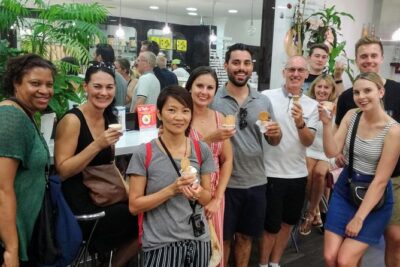
Saigon By Night and Street Food By Motorbike | Opt: Ao Dai Riders
Read our review →