
Review · MARKET FOOD TOURS
Ethiopian Culinary Tour – Market, Food, Coffee Ceremony & more
Addis Ababa’s food culture begins long before you sit down to eat. It starts in the produce stalls, spice shops, coffee counters, and home kitchens. This tour gives you a useful taste of that everyday world, from Merkato’s spice market to making your own injera and watching coffee beans roast over a live fire.
I like two things especially: the itinerary connects food with the city’s daily life, and the guides can adjust the day when you have already seen a stop. Guides such as Zerefa, Samuel, Emmanuel, Abiy, and Seya have been praised for clear English, local insight, and friendly help in crowded markets. The main consideration is pace: five to six hours can feel full, and a group of up to 30 people may make the market portions less personal.
Key points to know before booking
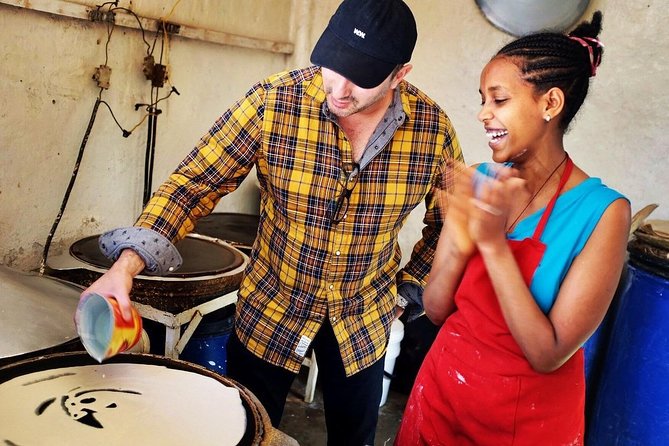
- Make your own injera: Learn the basic process from a group of local women, then eat what you prepare.
- Explore two major markets: Atkilt Tera focuses on produce, while Merkato brings you into Addis Ababa’s famous spice trade.
- Taste coffee in two different ways: Stop at the old Tomoca Coffee, then attend a complete ceremony in Sululta.
- Eat at historic Taitu Hotel: Lunch comes as an assortment of Ethiopian dishes served buffet-style.
- Finish in the mountains: Sululta adds cooler air, countryside views, coffee roasting, and honey wine.
- Good value for a packed day: At $85, the price includes pickup, transport, guides, lunch, water, and hot drinks.
A food tour that also explains Addis Ababa
This is not simply a sequence of restaurant stops. It is a city tour built around the ingredients that shape Ethiopian cooking.
Your morning begins with pickup from a hotel, house, or the airport in Addis Ababa. The stated meeting point is Edna Mall on Cameroon Street, but the tour includes round-trip transport from locations within the city. That is useful in Addis, where getting between markets, central neighborhoods, and Sululta can take time and local traffic can make independent planning harder.
The vehicle includes a driver, fuel, and an English-speaking guide. Local guides may join at individual stops, and the guide may be multilingual. The maximum group size is 30, so ask at booking if you want to know the expected group size for your date.
The advertised duration is five to six hours, although the experience is described as a full-day outing. That is a generous half-day or compact day, depending on traffic and how long you linger at each stop. I would not schedule a tight airport departure immediately afterward.
More Coffee Tours in the world:
- Vienna Coffee, Cake & Pastries Tour with Local Stories
★ 5.0 · 470 reviews - Hanoi: Vietnamese Street Food Tour with Egg Coffee
★ 4.9 · 315 reviews - Coffee and Gastronomic Bike Tour in Antigua
★ 5.0 · 284 reviews
Atkilt Tera and the produce side of Ethiopian cooking
The first market stop is Atkilt Tera, described as Ethiopia’s largest open fruit and vegetable market. This is the right place to start because it introduces the raw materials before you encounter finished dishes.
You can expect piles of produce, local buying habits, and a close look at the ingredients that supply Addis kitchens. The point is not to shop from a checklist. It is to see the scale and rhythm of food trading in the capital, with your guide explaining what you are looking at and how the ingredients fit into local meals.
The tour description does not assign a separate time for Atkilt Tera, so the exact length can change. That flexibility is helpful if the market is especially active, but it also means the day may not follow the clock precisely.
Wear shoes you can walk in and clothing suitable for dust, sun, or rain. The experience operates in all weather conditions, and market paths can be uneven or crowded.
Merkato spices, bargaining, and city energy
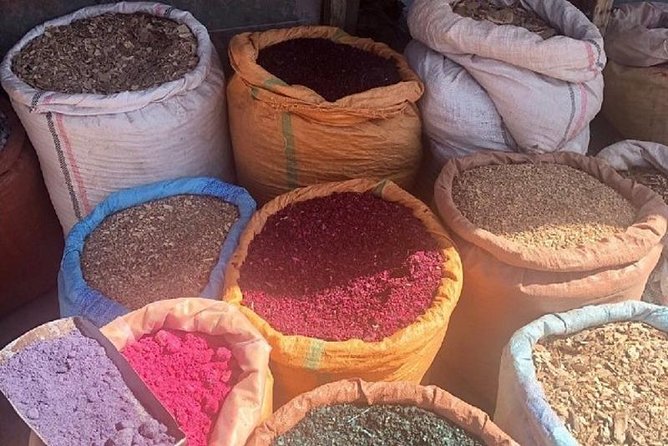
Next comes Merkato, the largest open-air market in Africa according to the tour information. The focus here is the spice market in the center of the wider bazaar.
This is one of the strongest parts of the day for a first-time visitor. Ethiopian cooking depends heavily on seasoning, and the spice stalls give you a more direct sense of that than a menu does. You will see and smell the ingredients used in sauces and stews, while your guide helps you understand what is being sold.
The scheduled visit lasts about one hour, with admission included at no extra charge. You may also have time to look for souvenirs. One guide, Desale, helped a participant find suitable gifts at a fair price, and the guides can be useful when you want to buy coffee or spices without making the process awkward.
Merkato is not a polished shopping center. It is crowded, active, and difficult to navigate alone, especially if you are unfamiliar with Addis Ababa. One guide and driver team, Zerefa and Tamirsat, received particular praise for keeping a visitor comfortable and safe through the busy sections. That does not remove the need to watch your belongings, but it is a strong reason to visit with a local guide rather than attempt the market independently.
If you prefer quiet museums and orderly streets, this part may feel tiring. If you want to see how the city actually buys and sells food, it is essential.
Tomoca Coffee and the taste of Addis

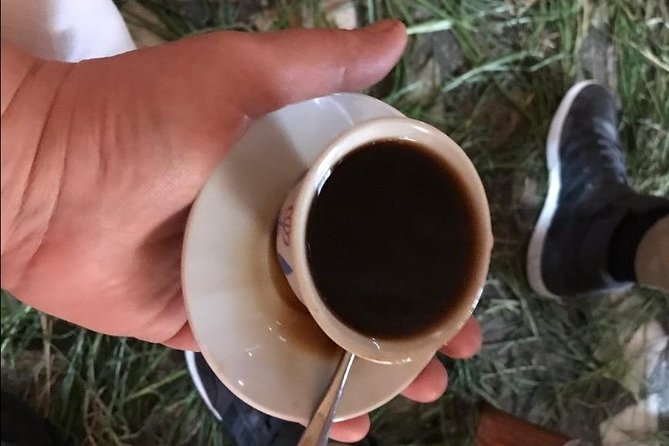
The next stop is Tomoca Coffee, one of Addis Ababa’s best-known old coffee houses. The visit lasts about 30 minutes, and a cup of coffee or macchiato is included.
This stop offers a different experience from the later ceremony. At Tomoca, you get a prepared drink in a historic coffee setting and can buy roasted or ground coffee to take home. That makes it a practical souvenir stop as well as a tasting.
I like the contrast between Tomoca and Sululta. Tomoca shows coffee as part of urban life, a quick and social stop in the city. Sululta shows the slower ceremonial side, from washing and roasting the beans to serving the finished drink.
Coffee lovers should pay attention to the difference in pace. You are not just sampling several cups from the same place. You are seeing how coffee works both as a daily drink and as a social ritual.
More Market Food Tours in the world:
- Chef Guided Food Tour of Pike Place Market
★ 5.0 · 3,733 reviews - Tokyo Tsukiji Fish Market Food and Culture Walking Tour
★ 5.0 · 3,184 reviews - London Bridge & Borough Market Food Tour with 7 Authentic Dishes
★ 5.0 · 1,972 reviews - Pike Place Market Tasting Tour
★ 5.0 · 1,696 reviews
Making injera with local women
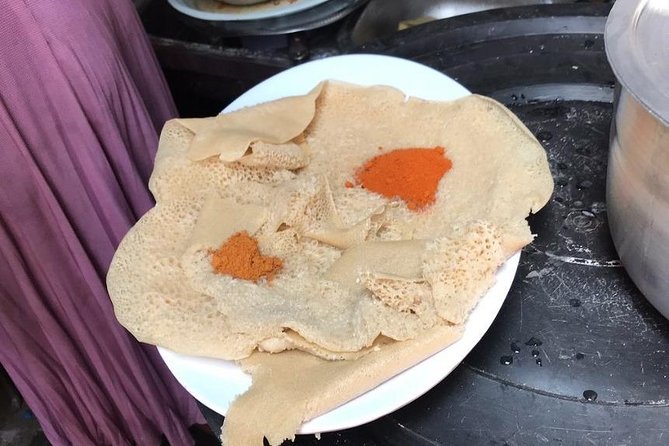
The injera lesson is the most hands-on section of the tour. You meet a group of women who guide you through the process of making Ethiopia’s traditional flatbread.
The useful part here is participation. You do not only hear that injera is important. You try to prepare it, cook it, and eat your own result. One participant described the attempt as hilariously bad, while still finding the activity enjoyable. That is the proper attitude: this is a cultural lesson, not a professional cooking exam.
The available details do not promise a full class in Ethiopian home cooking. You learn how injera is made, but the tour does not specifically include a chef-led lesson on the sauces, spices, or stews served with it. If you want detailed instruction in preparing the dishes that go on top, this tour may leave you wanting more.
Still, injera is central to the Ethiopian meal. It works as bread, plate, and utensil, and making it gives you a better sense of the work behind every shared meal. You also get to eat what you made, which adds a simple reward to the lesson.
Lunch at Taitu Hotel in Piassa
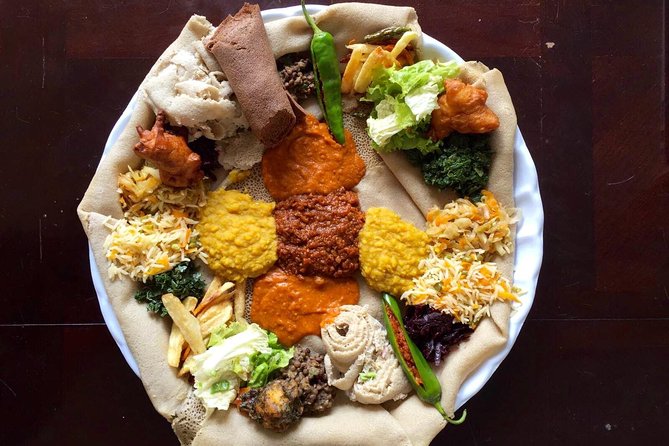
Lunch takes place at Taitu Hotel in Piassa, described as Ethiopia’s oldest hotel. The meal is served as a buffet of assorted Ethiopian dishes, with a bottle of water and hot drinks included.
This is a smart choice for a food tour. Instead of limiting you to one plate, the buffet format lets you sample several flavors and textures. You can ask your guide about unfamiliar dishes and choose at your own pace.
The hotel also adds a historic setting to the meal. The tour does not promise a formal hotel tour, so think of Taitu as the place for lunch rather than a separate sightseeing visit. After eating, the group spends time sightseeing in Piassa.
The food is one of the tour’s most praised elements, with good portions and a broad selection. Still, dietary details are not provided. If you have allergies, follow a special diet, or cannot eat certain ingredients, tell the operator before the tour rather than waiting until lunch.
Piassa and the city between meals
Piassa gives the itinerary a central Addis Ababa stop beyond markets and restaurants. It is a chance to see more of the city and put the food stops into a wider setting.
The exact sightseeing route is not fixed in the information provided. That may be an advantage. Guides have adjusted the day for people who had already visited certain sites, including replacing a stop with an art gallery. Zerefa, in particular, was praised for customizing the route and adding extra sights during the drive.
This flexibility is worth clarifying at the start of the morning. Tell your guide what you have already seen and what interests you most. You may prefer more markets, more city history, a gallery, or extra time for coffee shopping. The tour seems to work best when you treat the schedule as a framework rather than a rigid script.
Sululta coffee ceremony and honey wine
The final major stop is Sululta, a mountain town outside Addis Ababa. The drive gives you a change of setting and scenery after the dense city markets.
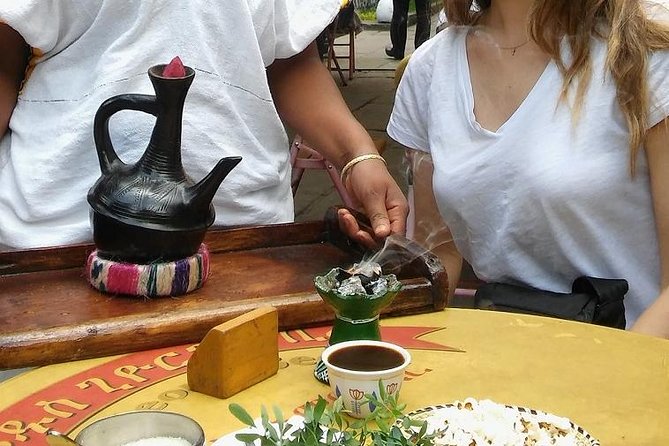
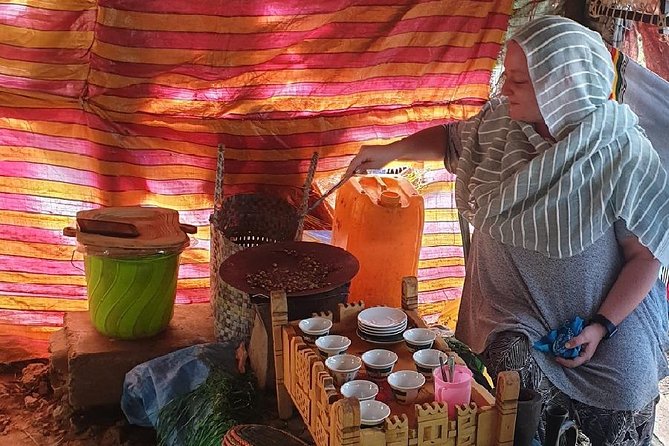
Here, you attend a full Ethiopian coffee ceremony. The demonstration includes washing the beans, roasting them live, and preparing the coffee before you drink it. This is not just a quick cup at a café. The process itself is the lesson, and the slower pace gives the group time to watch, ask questions, and share the drink.
You also taste Ethiopian honey wine. The tour includes an explanation of how it is made and a glass to sample. Other alcoholic drinks are not included, although one account of the experience also refers to locally made vodka and beer being interesting to try. Do not count on those extras being part of the package.
The Sululta stop lasts about two hours, making it the longest scheduled section. That gives the ceremony room to unfold without being rushed. It is also where the tour feels most connected to Ethiopian hospitality, since coffee preparation is treated as a social event rather than a simple beverage service.
You should know that this is a tasting, not an open bar. The included drink is honey wine, and other alcohol costs extra if available.
What $85 includes, and what it does not
At $85 per person, this tour offers good value if you want several major food and culture experiences in one outing.
The price includes:
- Pickup and drop-off anywhere in Addis Ababa, including a hotel, house, or airport
- A car, driver, fuel, and ground transport
- An English-speaking guide
- Local guides
- Lunch
- A bottle of water
- Hot drinks
- The Tomoca Coffee stop
- The injera activity
- The Sululta coffee ceremony and honey wine tasting
You are paying not only for food. You are also paying for transport between spread-out locations, market guidance, translation, and the time saved by having someone organize the route.
The price does not include tips, drinks other than honey wine, or other costs not listed. Coffee or spices bought as souvenirs at Tomoca are also personal purchases.
For a solo visitor with only one free day in Addis Ababa, the value is particularly strong. You cover markets, coffee, cooking, lunch, city sightseeing, and a mountain outing without arranging several separate taxis and guides. For a large group, the group discount may improve the price further, though the available details do not state the exact discount.
Who will enjoy this tour most
I would recommend this outing to someone visiting Addis Ababa for the first time who wants food to be the main way into the city. It suits curious eaters, coffee fans, photographers, and people with one spare day after a conference.
It also works well for visitors who want local contact but do not want to organize market visits and rural transport alone. The guides have been praised for friendly conversation, strong English, history, and flexibility. Seya received especially high praise for detailed explanations of Ethiopian culture, while Zerefa was repeatedly noted for customizing the day.
Families can join if children are at least eight years old. Most people can participate, but the market walks and full schedule may be less comfortable for anyone who has difficulty walking or dislikes crowded public spaces.
This is not the best pick if you want a slow, specialized cooking course. The injera lesson is hands-on, but the focus is broad: see the city, taste the food, learn the coffee customs, and cover several places in one day.
Practical details that affect your day
Confirmation is provided at booking. Pickup is offered, with Edna Mall listed as the start point and the activity ending back at the meeting point when that arrangement is used.
The tour runs in all weather, so bring clothing suited to the conditions. Addis Ababa’s weather can change, and the Sululta portion may feel different from the city. The tour requires good weather to operate as planned, and a cancellation for poor weather brings either a new date or a full refund.
Free cancellation is available up to 24 hours before the start time. Cancellations or changes inside that window are not refunded or accepted.
The experience is available with mobile tickets and may be operated by a multilingual guide. Since the group can reach 30 people, ask about the expected group size if personal attention matters to you. Also confirm pickup details, especially if you are coming from the airport or staying outside the central area.
Should you book it?
Book this tour if you want a broad, practical introduction to Addis Ababa through food. The best parts are the spice market, the chance to make and eat injera, the historic Taitu Hotel lunch, and the complete coffee ceremony in Sululta.
I would be less quick to book it for a second visit if you have already seen Merkato, Tomoca, and Taitu Hotel. In that case, contact the operator before the day and ask for a revised route. The guides have shown a willingness to change the plan, and that flexibility can turn a repeat tour into a more personal city outing.
At $85, with transport, lunch, guides, coffee, and honey wine included, this is a strong choice for a food-focused day in Addis Ababa. Allow for a busy schedule, keep an open mind about the market crowds, and tell your guide what you want from the day. That is how you get the most from it.
FAQ
How long does the Ethiopian Culinary Tour last?
The tour lasts approximately five to six hours. It is described as a full-day experience, but the stated duration is closer to a packed half-day or compact day.
What is included in the $85 price?
The price includes Addis Ababa pickup and drop-off, ground transportation, a driver, fuel, an English-speaking guide, local guides, lunch, a bottle of water, hot drinks, and the listed food and coffee activities.
Is hotel pickup available?
Yes. Pickup and drop-off are offered from any location in Addis Ababa, including a hotel, house, or airport. Edna Mall is also listed as a meeting point.
What markets does the tour visit?
The tour visits Atkilt Tera, a major produce market, and Merkato, where the group focuses on the spice market in the center of the larger open-air market.
Do I get to make injera?
Yes. You meet local women who guide you through making injera, Ethiopia’s traditional bread. You can eat what you prepare.
Where is lunch served?
Lunch is served at Taitu Hotel in Piassa, described as Ethiopia’s oldest hotel. The meal is an assortment of Ethiopian dishes served buffet-style.
Is coffee included?
Yes. The Tomoca Coffee stop includes a coffee or macchiato, and the Sululta visit includes a full coffee ceremony with coffee prepared from washed and roasted beans.
Is honey wine included?
Yes. The Sululta portion includes an explanation of honey wine production and a tasting glass. Other alcoholic drinks are not included.
What is the minimum age?
The minimum age is eight years old.
Can I cancel for a full refund?
You can cancel at least 24 hours before the experience start time for a full refund. Cancellations or changes made less than 24 hours before the start time are not refunded or accepted.
New food tours we have reviewed in the world
- ChattaBrunch Food Tour★ 5.0 · 87 reviews
- Downtown Chattanooga Food Tour★ 5.0 · 290 reviews
- Charlottetown waterfront SOLAR PartyBike food & drink experience!★ 4.0 · 92 reviews
- Historic Southside Food Tour in Chattanooga★ 5.0 · 32 reviews
- Tastes Through Time – Charleston’s Best Food & History Tour★ 4.5 · 95 reviews
- Charleston’s Savor the Flavors of Upper King Street Walking Food Tour★ 4.5 · 130 reviews
- Charlottetown Food Walking Tour★ 5.0 · 59 reviews
- Charleston Private Brunch Tour: Biscuits, Shrimps, Grits and More★ 5.0 · 48 reviews
Market Food Tours, compared.

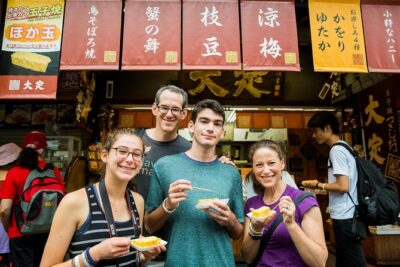
Tokyo Tsukiji Fish Market Food and Culture Walking Tour
Read our review →
London Bridge & Borough Market Food Tour with 7 Authentic Dishes
Read our review →
Small Group Cooking Class & Market Food Tour in Florence
Read our review →
Nishiki Market Brunch Walking Tour (7 Tastings + Brunch)
Read our review →
Bologna Food & Market Tour with 6 Tastings, Pasta, Wines & More
Read our review →
Browse the lists this tour appears in