
Review · FOOD WALKING TOURS
San Francisco: Chinatown Culinary Walking Tour
San Francisco Chinatown reveals itself best through its food. This three-hour walk takes you beyond Grant Avenue into food markets, narrow alleys, tea shops, bakeries, restaurants, and a Buddhist temple tucked upstairs. Along the way, you taste dim sum, pastries, fortune cookies, tea, and other Chinese specialties.
I like the mix of hands-on food stops and cultural context, especially the tea tasting and the chance to watch fortune cookies being made. I also like that guides such as Andre, Brian, Scott, Cynthia, and Isabella bring personal stories and local connections to the walk.
The main consideration is pace. You cover a lot in three hours, and one guide has been described as quick both on foot and while speaking. Wear good shoes, listen carefully, and arrive with a very empty stomach.
Key points to know before you go
- Eat lightly beforehand: The tastings can amount to several small meals, including dim sum, pastries, tea, and sit-down dishes.
- Expect more than a food crawl: The route includes Chinatown history, Chinese herbs and teas, crafts, ritual objects, a Buddhist temple, and an old cathedral.
- Look for the small details: The most memorable moments may be upstairs or down side streets, away from the main tourist route.
- Guides shape the experience: Andre, Brian, Scott, Cynthia, Isabella, and other English-speaking guides have been praised for their stories, care, and local insight.
- Plan for a quick walking pace: The route covers roughly several Chinatown blocks, with frequent stops and plenty of time on your feet.
- The $84 price includes tastings: You pay for the guide, the walking tour, and all food and drink samples, not just an introduction to the neighborhood.
Starting at the Chinatown Gate
Meet your guide at the Chinatown Gate, at the corner of Bush and Grant streets. This is a useful starting point because the gate puts you right at the edge of the district’s best-known commercial streets, while the tour soon moves into less obvious corners.
The opening portion helps you get oriented. Grant Avenue carries the bright signs, souvenir shops, restaurants, and old-style storefronts most people associate with Chinatown. Stockton Street gives you a different view, with food markets and everyday shopping that make the district feel like a working neighborhood rather than a set built for sightseeing.
Your guide sets the tone early. Andres has been praised for explaining the plan and making sure everyone understands what to expect. That matters on a food walk, since you need to pace yourself and save room for what comes later.
You may be part of a small group. One departure had only three people, which allowed the guide to answer questions in detail. Group size can affect the feel of the walk, but the repeated praise for guides such as Brian, Scott, and Isabella suggests that the human side of this experience is one of its strongest features.
More Food Walking Tours in the USA
- New Orleans Food Walking Tour of the French Quarter with Small-Group Option
★ 5.0 · 6,118 reviews - Savannah First Squares Culinary & Cultural Walking Food Tour
★ 5.0 · 3,229 reviews - Historic Ybor City Food Walking Tour
★ 5.0 · 2,210 reviews
Markets, produce, herbs, and everyday Chinatown
The tour uses food as a way into local life. You stop at markets and shopfronts where you might see unfamiliar produce, dried goods, herbs, tea, cookware, and Chinese specialty items. This is not simply a matter of pointing at unusual ingredients. Your guide explains what they are used for and helps you understand why these shops matter to the neighborhood.
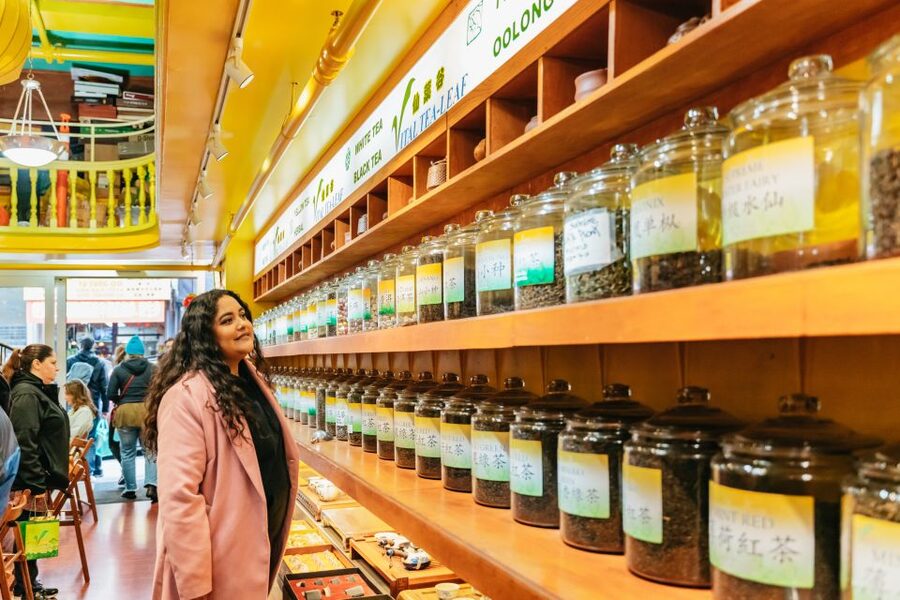
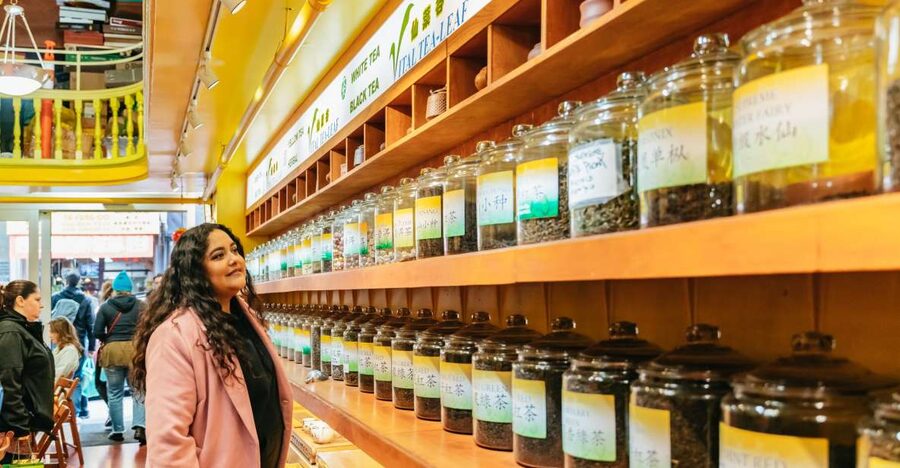
The herb and tea portion is especially useful if you have wandered into these stores before and felt unsure where to begin. You learn about different Chinese teas and herbs from people who work with them, then taste aromatic teas as part of the tour.
The tea tasting can become one of the more memorable stops because it slows the pace. Food tours often rush from one bite to the next. Here, you get a chance to notice the smell, color, and preparation of the tea while learning how it fits into Chinese food traditions.
You also browse shops selling pottery, crafts, cookware, antiquities, statuettes, and ritual objects. Some objects are described as thousands of years old. The point is not to turn the stop into an antique-buying session. It gives you a better sense of how food, religion, household objects, and decoration overlap in Chinatown.
Keep your eyes up and down. The most interesting details may sit above a shop, inside a narrow passage, or behind an ordinary-looking entrance. Isabella has been praised for leading people to a Buddhist temple on a fourth floor, a place easy to miss if you only follow the main streets.
Fortune cookies, bakeries, and the first sweet bites
A stop to see fortune cookies made by hand adds a bit of theater to the route. You watch a simple process that has become closely tied to the American idea of Chinese food, even though fortune cookies are not a standard part of traditional Chinese dining.
The stop works because it connects a familiar object with the people and shops that produce it. You get to see the cookies being shaped rather than simply buying a bag from a shelf. You also taste fresh fortune cookies during the walk.
The bakery stop is more substantial. The tour includes dim sum at the oldest Chinese bakery of its kind in San Francisco. Depending on the day and the food arranged by the guide, you may encounter items such as onion buns, pork rolls, moon cake, or other pastries and baked specialties.
Do not think of these as token samples. The food is a major part of the value, and the portions can be generous. One reported sequence included pastries, two sit-down meals, fortune cookies, and tea. Another person could not finish everything by the end.
That makes the advice to arrive hungry very literal. Have a light breakfast or lunch beforehand, but do not arrive completely unprepared for a three-hour walk. You need enough energy to keep moving, yet saving room matters more than usual.
Dim sum and sit-down food stops
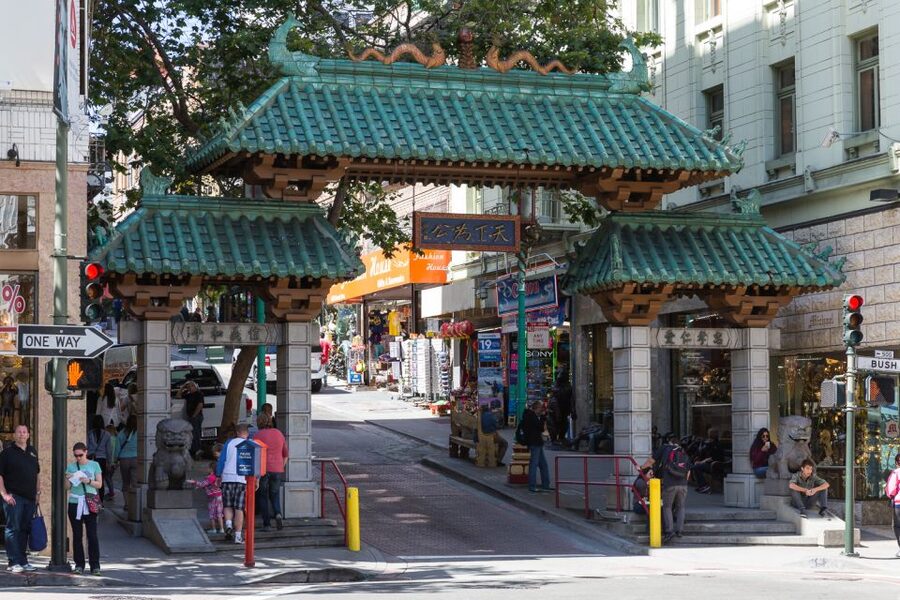
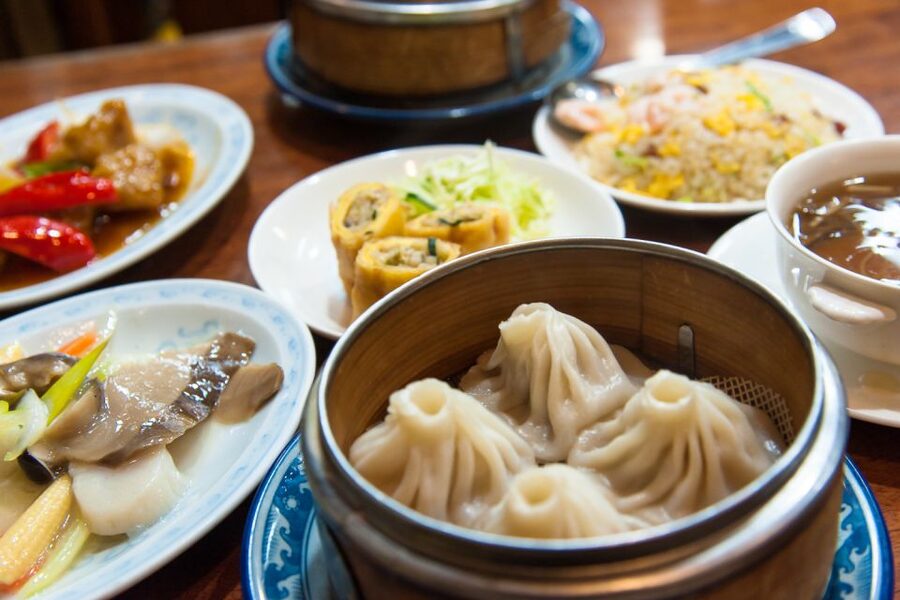
Dim sum gives the tour its heart. Rather than treating Chinatown as a place to photograph and leave, the experience puts you at the table with food that carries regional traditions and everyday meaning.
The exact dishes can vary, and the supplied details do not promise one fixed menu for every departure. What you can expect is a series of Chinese specialties served at food shops and restaurants, with the guide explaining what you are eating and how to approach it.
Some departures include two sit-down meals. That is a useful detail when judging the $84 price. You are not paying for a single pastry and a quick tea sample. You receive several food and drink tastings, with enough food that you may not need another full meal immediately afterward.
The group setting also shapes the meal. You eat alongside people you have just met, which can make the stop feel more social than a normal restaurant visit. If you prefer complete control over your order, table, and timing, a guided food walk may feel less flexible. If you like tasting several things without having to choose every dish yourself, it is a good arrangement.
Dietary needs deserve advance attention. Guides have made efforts to provide alternatives for vegetarians, people avoiding pork, and people with gluten restrictions. That is encouraging, but you should still explain your needs clearly when booking or at the meeting point. The tour includes shared food experiences, so the guide needs to know what you can and cannot eat.
More Chinatown food tours in the USA:
- NYC: Chinatown & Little Italy Food Tour with 7 Flavorful Tastings
★ 5.0 · 2,733 reviews - Original NYC Guided Food Tour of Chinatown and Little Italy
★ 5.0 · 2,194 reviews - Chinatown & North BeachLittle Italy: 7 Tastings & History
★ 5.0 · 1,070 reviews - NYC: Chinatown and Little Italy Food Tour
★ 4.7 · 703 reviews
The Buddhist temple and the old cathedral
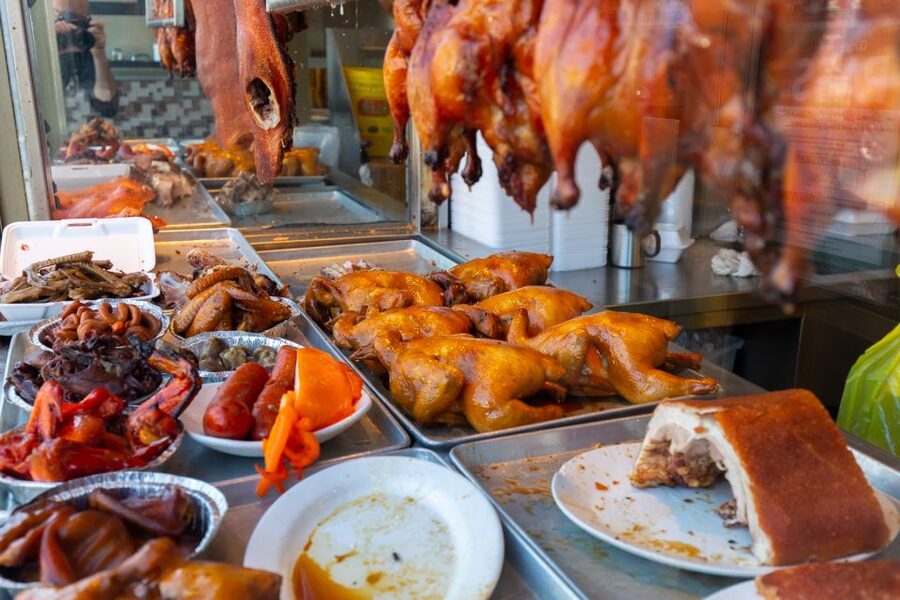
Food alone would make this a worthwhile walk, but the cultural stops give the route more shape. You visit a Buddhist temple and one of San Francisco’s older cathedrals, seeing two very different religious spaces within or near the Chinatown area.
The Buddhist temple is particularly easy to miss. A temple on an upper floor does not announce itself like a major landmark, and the climb adds to the sense that you are seeing part of the neighborhood most independent visitors would likely pass by.
The cathedral offers another kind of contrast. Rather than treating Chinatown as a sealed-off cultural island, the tour places it within San Francisco’s broader city story. Religion, immigration, commerce, food, and family life have all shaped this compact part of town.
These visits are not presented as long formal museum tours. They are short stops within a walking route, so you should expect an introduction and time to look around, not an exhaustive study of Chinese Buddhism or San Francisco religious architecture.
What the guides add
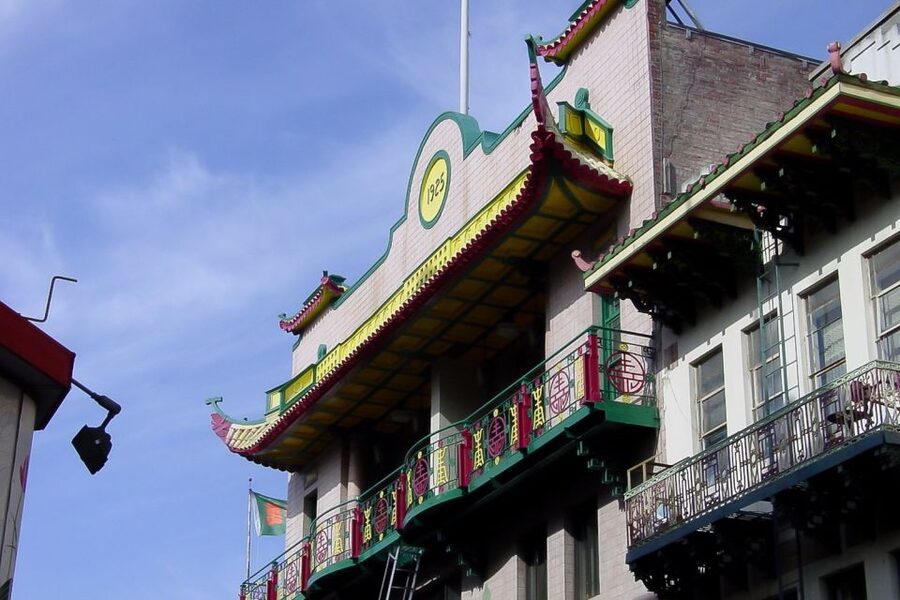
The guides receive unusually strong praise, and that emphasis is deserved based on the details of the experience. A food tour can easily become a string of transactions. The guide is what turns it into a connected story.
Brian has been described as well connected with Chinatown shop owners and able to take groups to places they would not find alone. He also gets credit for handling dietary restrictions and keeping the mood light. Isabella is praised for her warmth, her interest in each person in the group, and her ability to find less obvious places, including the upper-floor Buddhist temple.
Andre is known for strong explanations of Chinatown, San Francisco, Little Italy, and the food being tasted. Scott is praised for keeping the history interesting while moving the group through the neighborhood. Cynthia has been singled out for watching the group’s comfort and adjusting for food preferences.
The guide you receive will depend on the departure. That means the exact personality can vary, but the pattern is clear: the tour depends heavily on a guide who can explain, organize, and keep a group moving.
One practical point: guides may speak quickly because there is a lot to cover. If you have trouble hearing or keeping pace, say so early. The guides have been praised for being considerate, but they cannot help with a problem they do not know about.
Walking pace, comfort, and practical planning
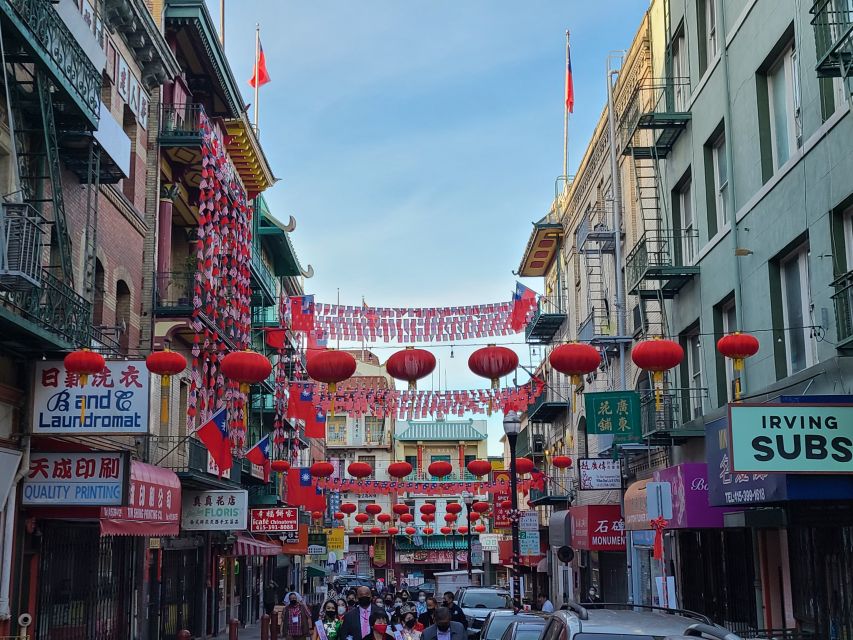
This is a three-hour walking tour, not a series of seated tastings. You move through streets, alleys, shops, markets, and religious sites, then stop to eat. Comfortable shoes are essential.
The route covers a modest number of Chinatown blocks, but the number of stops makes it feel full. You may climb stairs to a temple or move through crowded shop areas. The food itself can also slow things down, especially when the group is sharing dishes and listening to explanations.
Bring water if you normally need it during a walk, though the tour includes drinks and tea tastings. Dress for San Francisco’s changeable weather, since much of the experience takes place outdoors and the information provided does not promise indoor shelter at every stop.
The meeting point is easy to identify, but arrive with enough time to find the Chinatown Gate. You do not want to begin by hurrying through the first explanation or missing the group.
The tour is conducted in English. It suits visitors who want context as they eat, but it may not be ideal if you prefer a quiet meal, a slow stroll, or a self-directed route with long stops at each shop.
Is $84 a fair price?
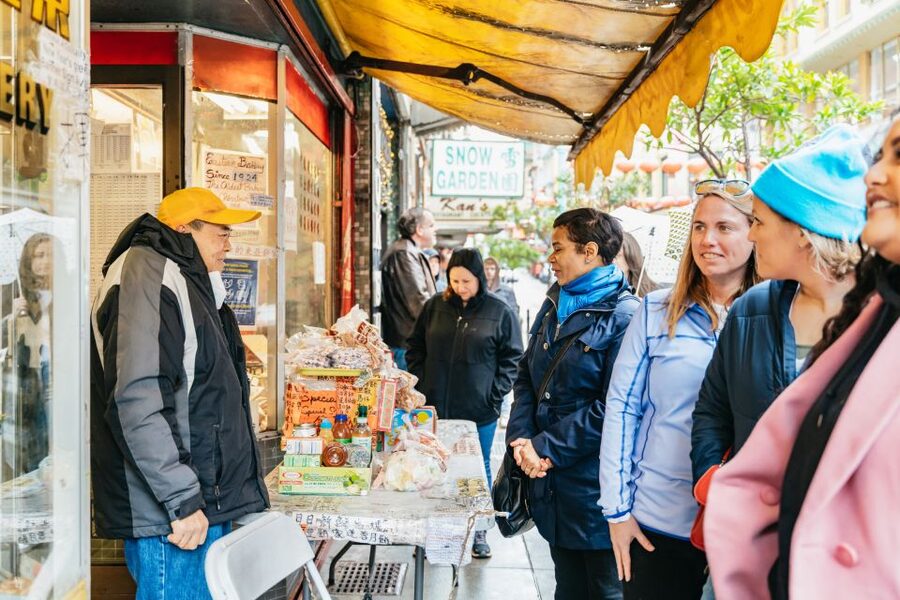
At $84 per person, this is not the cheapest way to grab lunch in Chinatown. It can be a good value if you use the included food fully and want an organized introduction to the area.
The price covers the three-hour guide, walking route, and all food and drink tastings. You also get access to places and conversations that may be hard to arrange alone, including the tea tasting, hand-made fortune cookies, the older Chinese bakery, and the upper-floor temple.
A self-guided visit could cost less. You could buy dim sum, tea, pastries, and fortune cookies on your own, then wander the streets without paying a guide. But you would need to choose the shops, understand what you are ordering, and build the cultural context yourself.
The tour makes the most financial sense on your first Chinatown visit, especially if you want several tastings rather than one meal. It is also useful early in a San Francisco stay because you can return later to the shops and restaurants you liked best.
The amount of food is a real part of the value. Several stops can add up to far more than a normal tasting menu. If you are a light eater, have allergies, or do not enjoy shared dishes, some of that value may be lost.
Who should book this Chinatown food walk?
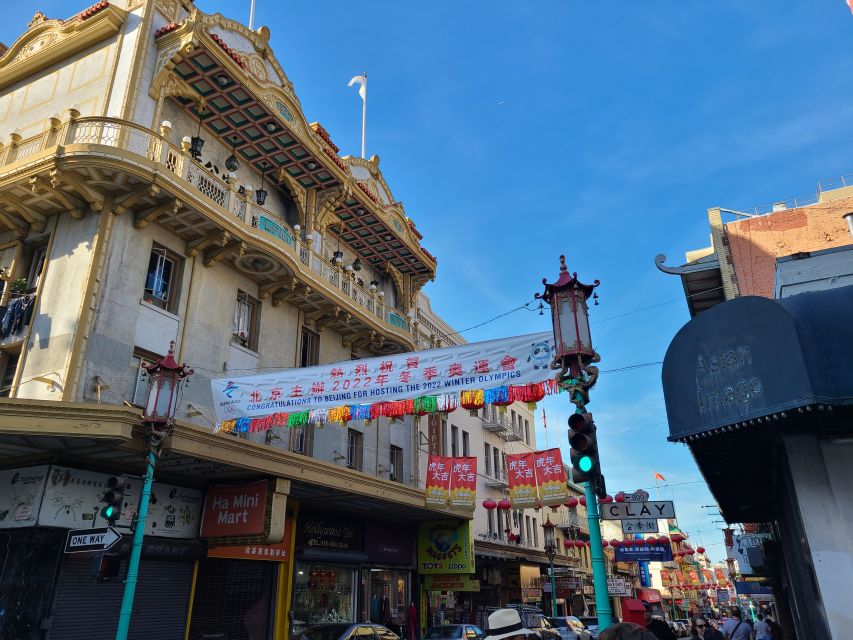
I would recommend it to first-time visitors who want a guided introduction without spending a full day in museums. It is also a good fit for people who enjoy trying unfamiliar foods but want someone nearby to explain what they are eating.
Families with older children may enjoy the fortune cookie demonstration and the variety of stops, though everyone should be comfortable walking for three hours. Couples and solo visitors benefit from the social meal stops, while local residents may still find new shops, alleys, and stories.
This is less suitable for someone who wants a slow, highly customizable food itinerary. It is also not the best choice if you have severe dietary restrictions that make shared tastings difficult, although the guides have made efforts to accommodate vegetarian, gluten-free, and no-pork needs.
Cancellation is flexible up to 24 hours before the start for a full refund, and you can reserve now and pay later. Those policies help if your San Francisco schedule is still shifting.
Should you book it?
Book this tour if you want Chinatown explained through food, people, and places rather than viewed from the sidewalk. The combination of tea, dim sum, pastries, fortune cookies, markets, religious sites, and local stories gives you a well-rounded first look at the district.
Skip it if you already know Chinatown well and prefer choosing every restaurant yourself. For everyone else, the strongest reason to go is simple: you get a generous amount to eat, a guide who can open doors and add context, and a route that reaches beyond the obvious streets. Arrive hungry, wear good shoes, and leave room for one more bite.
FAQ
Where does the Chinatown Culinary Walking Tour meet?
The tour meets in front of the Chinatown Gate at the corner of Bush and Grant streets in San Francisco.
How long does the tour last?
The walking tour lasts three hours.
What is included in the $84 price?
The price includes the walking tour, an English-speaking guide, and all food and drink tastings.
Is the tour conducted in English?
Yes. The available tour language is English.
What food and drinks will I taste?
The tour includes Chinese specialties such as dim sum, fortune cookies, aromatic teas, and bakery items. Food may include pastries, onion buns, pork rolls, moon cake, and dishes served at sit-down meals.
Should I eat before the tour?
Eat lightly. The tasting portions are described as ample, and several food stops can add up to a substantial amount of food.
What should I bring?
Bring comfortable shoes because the experience includes three hours of walking through Chinatown streets, alleys, shops, and cultural sites.
Can the tour accommodate dietary restrictions?
Guides have worked to accommodate vegetarian, no-pork, and gluten-free preferences. Tell the guide about your needs so alternatives can be considered.
Can I cancel the booking?
Yes. You can cancel up to 24 hours in advance for a full refund. You can also reserve now and pay later.
New food tours we have reviewed in the USA
- ChattaBrunch Food Tour★ 5.0 · 87 reviews
- Downtown Chattanooga Food Tour★ 5.0 · 290 reviews
- Historic Southside Food Tour in Chattanooga★ 5.0 · 32 reviews
- Tastes Through Time – Charleston’s Best Food & History Tour★ 4.5 · 95 reviews
- Charleston’s Savor the Flavors of Upper King Street Walking Food Tour★ 4.5 · 130 reviews
- Charleston Farm-to-Table Food Tour and Chef’s Challenge★ 5.0 · 110 reviews
- Private Charleston Walking Food Tour at the French Quarter★ 5.0 · 201 reviews
- Charleston Private Brunch Tour: Biscuits, Shrimps, Grits and More★ 5.0 · 48 reviews
Food Walking Tours, compared.
Reykjavik Food Walk – Local Foodie Adventure in Iceland
Read our review →
New Orleans Food Walking Tour of the French Quarter with Small-Group Option
Read our review →
Naples: Street Food Walking Tour with Local Guide
Read our review →
Savannah First Squares Culinary & Cultural Walking Food Tour
Read our review →
Rome: Guided Food Walking Tour with Wine in Trastevere
Read our review →
Rome: Trastevere & Campo de Fiori Street Food Walking Tour
Read our review →Browse the lists this tour appears in