
Review · FOOD WALKING TOURS
The Nordic Food Walk Stockholm
Stockholm’s best food lesson may be found one bite at a time, from game meats and seafood to salty licorice and a final cinnamon bun. The Nordic Food Walk connects food halls, casual eateries, specialty shops, and Old Town streets over about four hours.
I like the broad range of tastes, especially the chance to try smoked reindeer, elk salami, cloudberry jam, Swedish meatballs, and seafood in one outing. I also like the local angle: guides such as Cotton, Teresa, Sarah, and Caoimhe add stories about Swedish customs, daily life, and food traditions. The main drawback is the walking. A few people found the pace quick, and a group of up to 20 can make tasting stops feel slow.
Key points to know before booking
- Start with Sweden’s oldest food market: Östermalms Saluhall introduces you to family-run food businesses, cheeses, game meats, and northern beer.
- Expect a full meal’s worth of samples: The tastings can include meatballs, seafood, cured meats, cheese, fruit, sweets, beer, wine, and fika.
- Walk from Östermalm to Gamla Stan: The route crosses Stureplan, Kungsgatan, the Kings Garden area, Hötorget, and medieval Old Town.
- Prepare for bold flavors: Swedish licorice, especially the salty kind, is a memorable test of courage.
- Plan around dietary needs: Vegetarian requests and food allergies must be given at booking, since changes cannot be made once the walk begins.
- Come hungry and wear good shoes: The food is generous overall, but the route is active and some tastings are small.
A food tour that also shows you Stockholm
The Nordic Food Walk works best as a first or second-day activity. You get a working introduction to Swedish food while moving through several central districts. Instead of sitting in one restaurant for four hours, you sample a little, walk a little, and see how Stockholm changes from polished Östermalm to casual food halls and medieval Gamla Stan.
The tour costs $122.32 per person. That is not cheap for a walking tour, but the price includes many food samples, water, a glass of wine, and a professional English-speaking guide. If you paid separately for a full lunch, several snacks, drinks, and dessert, the cost would not seem out of line. The real value is the explanation attached to each taste and the list of places you can revisit later.
You should still think of this as a food walk, not a string of large restaurant meals. Some portions are modest, and one person felt the experience involved more walking than eating. By the end, though, several people found themselves very full, so skipping breakfast is sensible.
More Food Walking Tours in the world:
- Reykjavik Food Walk – Local Foodie Adventure in Iceland
★ 5.0 · 18,952 reviews - New Orleans Food Walking Tour of the French Quarter with Small-Group Option
★ 5.0 · 6,118 reviews - Naples: Street Food Walking Tour with Local Guide
★ 4.9 · 4,976 reviews
Östermalms Saluhall brings Swedish food indoors
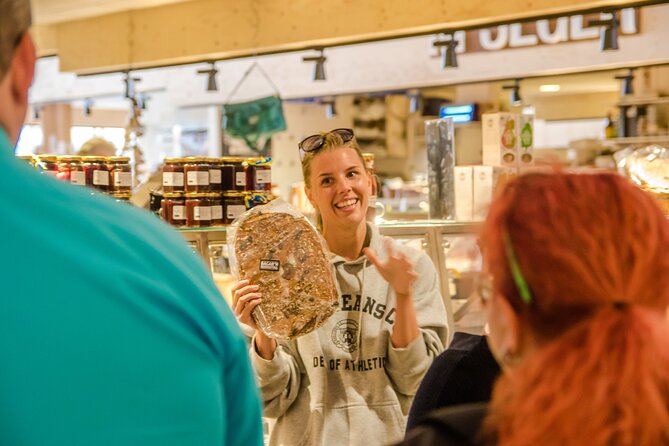
The walk begins near Beirut Café on Nybrogatan, close to Östermalms Saluhall. This historic market is one of Stockholm’s finest settings for learning about food. Its carved wooden interior and preserved details give the place an old-fashioned market character, while the stalls reflect modern Swedish tastes.
This is where the guide starts building the food vocabulary for the day. Expect discussion and samples involving cheeses, cured products, game meat, and beer. Swedish food is not limited to meatballs and herring, and this opening stop makes that clear.
The market is also a useful place to understand Sweden’s regional cooking. Northern ingredients such as reindeer and elk appear later in the walk, while carefully made cheeses and preserved foods show the practical side of Swedish food traditions. Many businesses here have stayed in the same families for generations, which gives the tasting a sense of continuity without turning it into a museum talk.
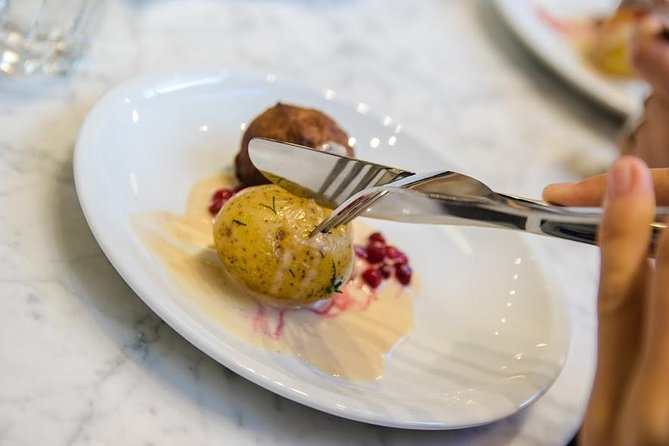
One early highlight is the modern Swedish meatball. It is presented as a lighter, healthier variation on the familiar classic, with the usual questions about potatoes, sauces, and jam. The guide explains why lingonberry-style accompaniments matter and how the dish fits into Swedish home cooking.
Stureplan and K25 show a younger side of the city
From Östermalm, the route heads toward Stureplan and Kungsgatan. Many people pass through this central area without stopping, so the walk helps you see a less obvious side of Stockholm. Stureplan is associated with money, style, and nightlife, while K25 offers a more casual urban food court atmosphere.
K25 is a good contrast to the traditional market hall. It is a meeting place for younger Stockholm residents, with several food choices under one roof. Here you may try seafood and enjoy a glass of white wine while watching the city move around you.
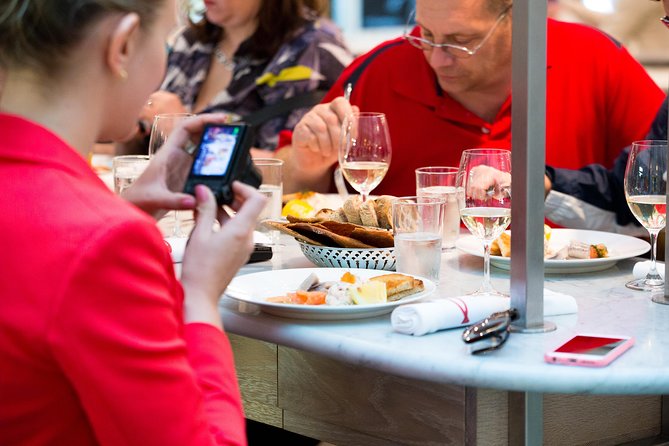
This stop also gives the tour some breathing room. You are not simply standing at a counter and swallowing a sample before hurrying away. The seafood tasting includes a chance to sit, talk, and ask questions, something that several participants particularly enjoyed.
The pace can vary by guide. Cotton is often praised for his food and city knowledge, while Teresa is described as warm and easy company. Sarah has led a relaxed version with a sit-down seafood stop and a fika break. The experience is partly shaped by who leads your group, so do not expect every walk to feel identical.
Chocolate and Hötorget add sweetness and color
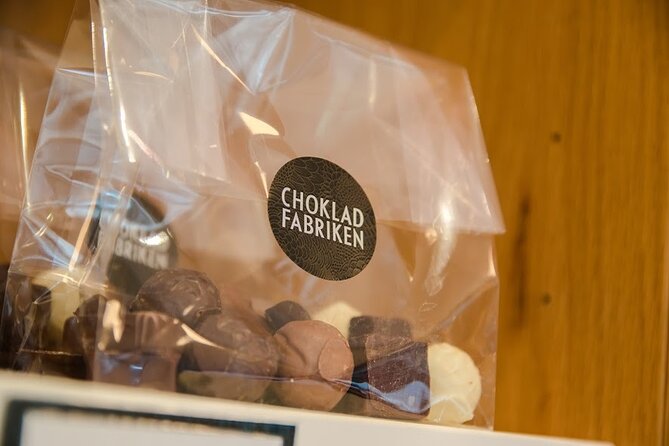
A stop at Chokoladfabriken brings a warm pause. The hot chocolate is made with 65 percent cocoa and cardamom, giving it more depth than a standard café drink. It is a welcome change after walking through central Stockholm, especially in cold weather.
The cardamom matters here. Swedish baking and sweets often rely on spices that may feel familiar but are used in a different balance from American or British desserts. This cup gives you a small lesson in that flavor style before the final fika.
The route then reaches Hötorget and Hötorget Market Hall, where stalls display produce, prepared foods, and Swedish specialties. This is another useful stop for seeing food as part of daily city life rather than a performance made only for visitors.
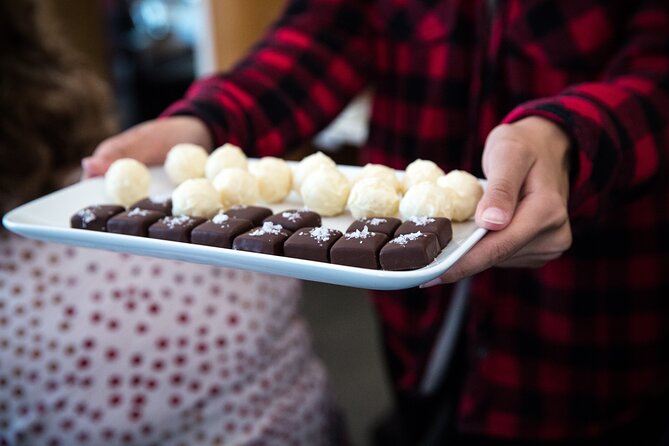
At P&B Delikatesser, samples may include homemade truffles, Swedish licorice, and cloudberry jam. Cloudberries are especially interesting because they are tied to the northern parts of Sweden and are less familiar to many people outside Scandinavia. The jam provides a sweet, slightly tart contrast to the sharper flavors elsewhere.
The licorice deserves a warning. Swedish licorice can be much saltier than you expect, and the tasting has become one of the tour’s comic moments. If you dislike strong salty flavors, take a small sample first. If you enjoy unusual sweets, this may be the most memorable part of the day.
More food tours in the world:
- Dubai: Old Town, Creek, Museums, Souks, & Street Food Tour
★ 4.8 · 10,816 reviews - Ho Chi Minh City Street Food Tour & Sightseeing By Motorbike
★ 5.0 · 9,413 reviews - Montserrat Half-Day Tour with Tapas and Gourmet Wines
★ 5.0 · 7,359 reviews - Dubai: Old Town, Souks, Street Food, Guided Tour & Abra Ride
★ 4.9 · 7,170 reviews
Cheese, game meats, beer, and fruit make the middle stretch
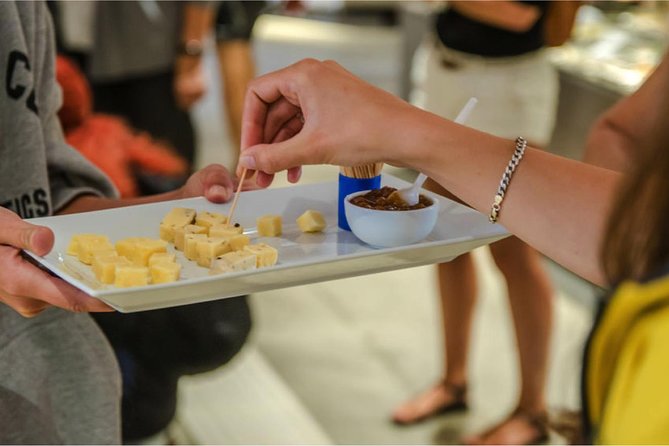
At Husmans Deli, the focus shifts to artisan cheese. This is a chance to compare Swedish dairy products with the stronger game and cured flavors already introduced. The tour does not treat Swedish cuisine as one single style. It moves between country traditions, market foods, modern city eating, and simple café customs.
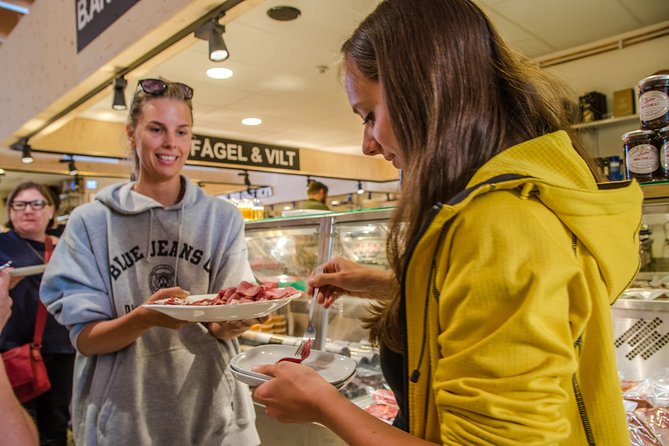
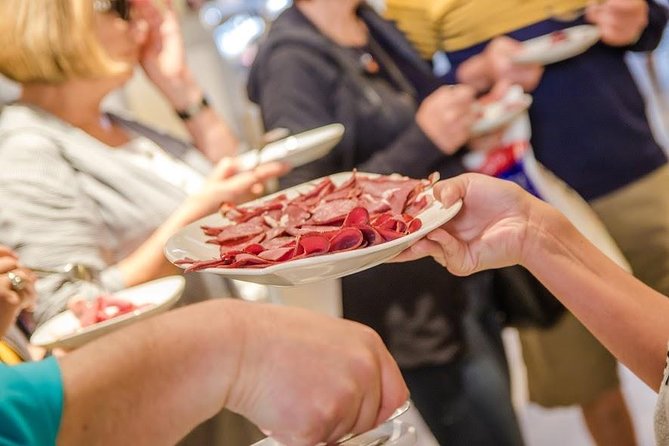
Fågel and Vilt adds a distinctly northern note. Cured meats can include smoked reindeer and elk salami. These are not novelty foods inserted only for shock value. They reflect the importance of game and preservation in Swedish food culture, particularly in northern regions.
A glass of Norrlands Guld beer follows. The beer is sometimes described as the Gold of the North, a fitting break after the salty meats and cheeses. Water is also included, which is useful since the tasting sequence includes plenty of savory food.
Fresh fruit from Lisbeth Janson Frukt and Grönt helps reset your palate. It may seem like a small detail, but the change from cured meat and cheese to fruit keeps the tour from becoming heavy. It also shows how a food market can mix everyday produce with specialty items.
The main practical concern here is portion size and group flow. One person felt it took too long for a larger group to receive each bite, while another found the variety impressive. A maximum of 20 people is not a tiny group, and food counters can feel crowded at that size. If you want an intimate tasting with extended conversation at every stop, this may feel busy.
Kings Garden and Gamla Stan turn lunch into a city walk
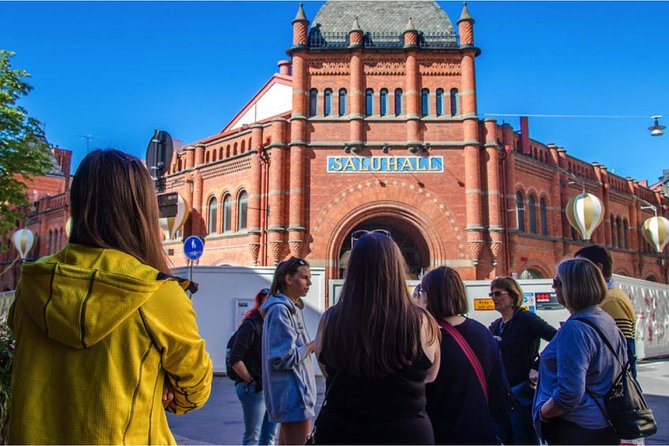
The route passes through the Kings Garden area before continuing to Gamla Stan. The walk is part of the experience, not just transportation between restaurants. Your guide points out buildings, districts, and details about Stockholm as you go.
A section near Stureplan has been recognized by Vogue as one of the world’s coolest districts. That label is less important than the contrast you see on foot. Stockholm shifts quickly from fashionable avenues to food halls, parks, narrow lanes, and historic stone buildings.
Gamla Stan gives the tour its strongest visual finish. The Old Town dates to the 13th century and is made up of medieval alleyways and old architecture. The cobblestones can be uneven, so practical shoes matter. The route is manageable for anyone with moderate physical fitness, but it is not a good choice if you want to avoid walking.
A candy stop comes before the final café break. This keeps the ending light and playful after the stronger tastes of game meat, cheese, and licorice. The route finishes near Kindstugatan 1, giving you a central base for continuing through Old Town.
Fika is the right ending
The final tasting is traditional Swedish fika, usually a kanelbullar, or cinnamon bun, with strong coffee. Fika is more than a pastry break. It is a regular pause for conversation and company, and it gives the tour a useful cultural ending.
The café stop is also where the day’s food becomes easier to place. You have tasted market foods, preserved foods, sweets, seafood, beer, and modern versions of traditional dishes. Fika shows the everyday habit that ties much of Swedish food culture together.
The cinnamon bun can vary. One person found the final bun dry and disappointing, while others enjoyed the fika stop. That is a fair reminder that no food tour can guarantee every item will suit every palate. The coffee and pause remain valuable even if the pastry is not the best thing you eat all afternoon.
What the guides add to the experience
The strongest part of this tour is the guide’s role. Cotton is repeatedly praised for connecting food with Stockholm’s history, Swedish life, and preparation methods. Teresa and Theresa are described as friendly, patient, and especially good company for solo participants. Sarah has been noted for an engaging style, while Caoimhe accommodated gluten-free and vegetarian needs on one outing.
You may also find that the tour becomes a broader conversation about Sweden. One guide answered questions about taxes, health care, and daily life along with food questions. That can make the walk feel more personal, though the experience depends on your guide and group.
The best guides do not simply name each sample. They explain why a food is eaten, where it comes from, and how it fits into local customs. That is what turns a series of snacks into a useful introduction to Sweden.
Is the $122.32 price fair?
I would call the value reasonable for the right type of visitor. You receive four hours of guiding, numerous samples, water, and wine, and you finish with a better sense of where to eat during the rest of your stay. The tour also saves you the work of choosing unfamiliar dishes on your own.
The price is harder to justify if you mainly want large portions or a quiet restaurant meal. Some samples are small, and a group of 20 may slow service at busy stops. You are paying partly for access and partly for interpretation, not only for the food itself.
Choose the morning tour if you want to use the afternoon for museums or sightseeing. Choose the afternoon tour if you like the idea of ending with fika and continuing into an evening in Gamla Stan.
Who should book this food walk?
I would recommend it to curious eaters, first-time visitors to Stockholm, solo participants, and anyone who wants a practical introduction to Swedish food. It is especially useful if you do not know where to begin with game meats, seafood, licorice, cloudberries, or food-hall dining.
It is less suitable if you dislike walking, need large servings at every stop, or prefer a very small private group. Older members of your party should be comfortable with the route and should tell the guide if the pace becomes too fast.
Food allergies and vegetarian needs must be stated at booking. The operator says changes cannot be made once the walk has begun, so do not rely on last-minute substitutions. The experience is offered in English, uses a mobile ticket, and is near public transportation.
Free cancellation is available up to 24 hours before the start time. Inside that window, refunds and changes are not accepted.
Should you book the Nordic Food Walk?
Book it if you want Swedish food explained in context, not just placed on a plate. The combination of Östermalms Saluhall, K25, Hötorget, specialty stalls, central streets, and Gamla Stan gives you a broad look at Stockholm in one half-day.
Come hungry, wear sturdy shoes, and expect salty licorice to challenge you. If you can accept some walking and the possibility of modest portions at a few stops, this is a flavorful and useful way to get your bearings in Stockholm.
FAQ
How long does the Nordic Food Walk Stockholm last?
The tour lasts approximately four hours.
How much does the tour cost?
The listed price is $122.32 per person.
What food and drinks are included?
Food tastings, free samples, water, and one glass of wine are included. Additional food and drinks are not included.
Where does the tour begin?
The meeting point is near Östermalms Saluhall, at Beirut Café, Nybrogatan 29, 114 39 Stockholm.
Where does the tour end?
The tour ends at Kindstugatan 1 in Gamla Stan.
Is the tour offered in English?
Yes. The tour is offered in English.
Are morning and afternoon departures available?
Yes. You can choose a morning or afternoon tour.
How many people can join the tour?
The maximum group size is 20 people.
Can vegetarian or allergy-related requests be accommodated?
You must provide vegetarian requirements or food allergies when booking. Tastings cannot be changed after the tour has started.
How much walking is involved?
The tour includes a considerable amount of walking through central Stockholm, including cobblestone streets in Gamla Stan. A moderate level of physical fitness is recommended.
New food tours we have reviewed in the world
- Downtown Chattanooga Food Tour★ 5.0 · 290 reviews
- ChattaBrunch Food Tour★ 5.0 · 87 reviews
- Charlottetown waterfront SOLAR PartyBike food & drink experience!★ 4.0 · 92 reviews
- Historic Southside Food Tour in Chattanooga★ 5.0 · 32 reviews
- Tastes Through Time – Charleston’s Best Food & History Tour★ 4.5 · 95 reviews
- Charleston’s Savor the Flavors of Upper King Street Walking Food Tour★ 4.5 · 130 reviews
- Charlottetown Food Walking Tour★ 5.0 · 59 reviews
- Charleston Private Brunch Tour: Biscuits, Shrimps, Grits and More★ 5.0 · 48 reviews
Food Walking Tours, compared.
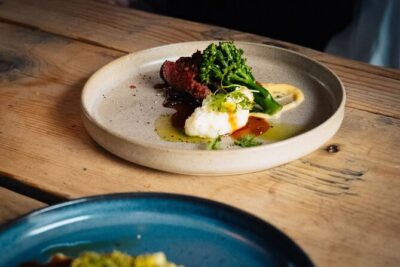
Reykjavik Food Walk – Local Foodie Adventure in Iceland
Read our review →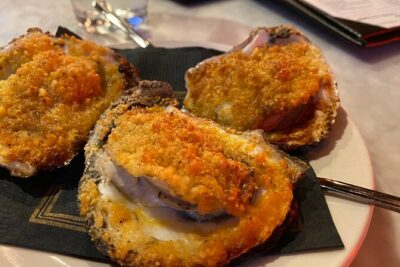
New Orleans Food Walking Tour of the French Quarter with Small-Group Option
Read our review →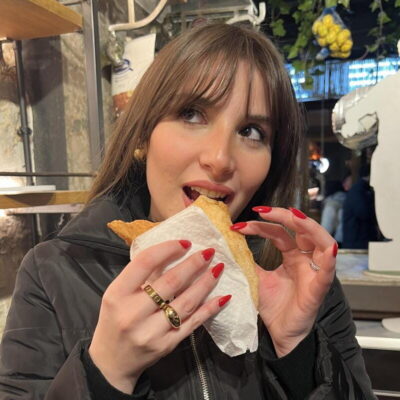
Naples: Street Food Walking Tour with Local Guide
Read our review →
Savannah First Squares Culinary & Cultural Walking Food Tour
Read our review →
Rome: Guided Food Walking Tour with Wine in Trastevere
Read our review →
Rome: Trastevere & Campo de Fiori Street Food Walking Tour
Read our review →Browse the lists this tour appears in