Review · TOURS
Arequipa Walking Tour city center and drinks experience
Arequipa’s appeal comes into focus on foot, especially when a single outing links alpaca fiber and Andean textiles with volcanic-stone churches, colonial lanes, and a rooftop view of the surrounding volcanoes. The walk also includes Peruvian chocolate, tea, and snacks, so it is more than a standard monuments tour.
I like the small maximum of 10 people, which gives you a better chance to ask questions, and I like the useful local advice built into the walk. Guides including Paolo, Jorge, and Johan Paolo have been praised for clear history, humor, and suggestions for places to visit later. The main consideration is the sun: this is a long walk in a high-altitude city, and one guide has been described as rushing through parts of the tour.
Key points at a glance
- Alpacas come first: At Mundo Alpaca, you can see the animals, learn why their fiber matters, and look at handmade textiles colored with natural dyes.
- Arequipa’s center gets real attention: About 1 hour and 40 minutes is devoted to the UNESCO-listed historic center and its religious and civilian buildings.
- Chocolate and tea break: The tasting adds a simple food-and-drink pause to the history and architecture.
- Fundo El Fierro adds character: This old colonial neighborhood has unusual streets and a role in local festivals.
- The group stays small: No more than 10 people are accepted, making conversation with the guide easier.
- The price is modest: At $10 per person, the tour gives you a useful first look at the city for very little money.
Why this walk is a smart first look at Arequipa
This experience works best as an introduction. You begin at the Plaza de Armas, move through several parts of the central city, and return to the same square. Along the way, the guide connects architecture, textiles, food, religion, and local traditions instead of treating each stop as an isolated photo opportunity.
I especially like that the tour does not begin and end with grand buildings. Mundo Alpaca gives you a practical way to understand the importance of camelid fiber in Peru and across South America. You see how animals, weaving, and Andean communities fit into the country’s cultural life.
The city center then supplies the architectural setting. Arequipa has been a UNESCO World Heritage Site since 2000, and the walk focuses on buildings made from local volcanic materials. The result is a useful introduction to both the physical look of the city and the traditions that shaped it.
At $10, you are not paying for a long private excursion or a packed museum program. You are paying for a guided orientation, a few tastings, and a chance to decide which parts of Arequipa deserve a slower second visit. That is good value, especially if you schedule it early in your stay.
More food tours in the world:
- Reykjavik Food Walk – Local Foodie Adventure in Iceland
★ 5.0 · 18,952 reviews - Dubai: Old Town, Creek, Museums, Souks, & Street Food Tour
★ 4.8 · 10,816 reviews - Ho Chi Minh City Street Food Tour & Sightseeing By Motorbike
★ 5.0 · 9,413 reviews
Mundo Alpaca: start with fiber, animals, and craft
The first stop, Mundo Alpaca Arequipa, lasts about 20 minutes. Admission is included, and the focus is on the role of alpacas and related animals in Peru, along with the value of their fibers.
This stop gives the rest of the walk some context. When you later see woolen goods and handmade textiles, you will have a clearer idea of why these materials matter. The visit also includes a look at textiles made with natural dyes, techniques still used by Andean communities.
A particularly appealing part is the chance to see, pet, and feed alpacas, as described by one participant. That makes this stop more memorable than a simple explanation beside a display case. It also suits families and anyone interested in textiles, local production, or the human connection behind traditional craft.
Keep your expectations in check. The stop is only about 20 minutes, so it is an introduction rather than a full textile workshop. You will get the main idea and see the animals and textiles, but you should not expect a long lesson in weaving or dye preparation.
The historic center and its volcanic-stone buildings
The longest part of the experience takes place in Arequipa’s historic center, with about 1 hour and 40 minutes devoted to its religious and civilian architecture. This is where the tour earns its place as a city orientation.
The guide explains the city’s past and present while pointing out buildings made from volcanic materials. That detail matters because Arequipa’s appearance is closely tied to the stone available in the area. Instead of simply hearing that the center is protected by UNESCO, you get a reason to notice its materials, façades, and public spaces.
The pace appears to be active. You cover a good amount of ground in a few hours, with several landmarks and side locations included along the way. A French-speaking participant found the guide willing to explain the city’s history and architecture in detail, while another person appreciated being taken into places they would not have entered alone.
That is one of the better reasons to take this walk early. You may pass shops, cafés, restaurants, and corners that are easy to overlook when exploring alone. One guide also shared suggestions for later visits, and those recommendations helped shape the rest of the stay.
The main weakness is pace. One English-language experience was described as hard to follow because the guide spoke unclearly and moved too quickly. That does not match the stronger comments about Paolo, Jorge, and Johan Paolo, but it is worth keeping in mind. If you need repeated explanations or prefer a slow photographic walk, tell the guide early.
Tea, chocolate, and a useful pause
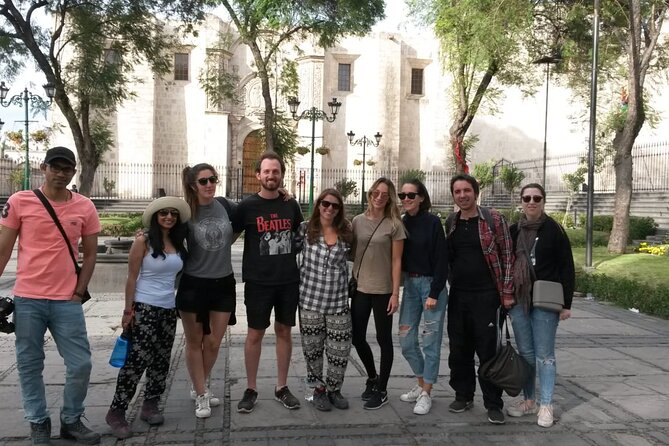
The food element is small but well judged. During the historic-center portion, you take a break for Peruvian chocolate and tea, with snacks included.
This is not a full food tour, and you should not book it expecting a long series of tastings. Instead, think of it as a pleasant pause that breaks up the walking and adds a taste of Peru to the cultural discussion. Several people found the food stops a strong part of the experience, and one visitor specifically described the samples as worth seeking out later.
The break also gives you a chance to ask questions. A guide who is discussing Arequipa’s political background, architecture, or traditions can make the tasting more meaningful than a quick snack handed over without explanation.
If you have food allergies or dietary restrictions, the supplied information does not specify the ingredients or alternatives. Ask the provider before booking if this matters to you.
Same appetite, a different neighbourhood:
- Montserrat Half-Day Tour with Tapas and Gourmet Wines
★ 5.0 · 7,359 reviews - Dubai: Old Town, Souks, Street Food, Guided Tour & Abra Ride
★ 4.9 · 7,170 reviews - Bateaux Parisiens Seine River Gourmet Dinner & Sightseeing Cruise
★ 4.5 · 6,930 reviews - Tokyo: Shinjuku Food Tour (13 Dishes at 4 Local Eateries)
★ 5.0 · 6,603 reviews
Fundo El Fierro and the older colonial streets
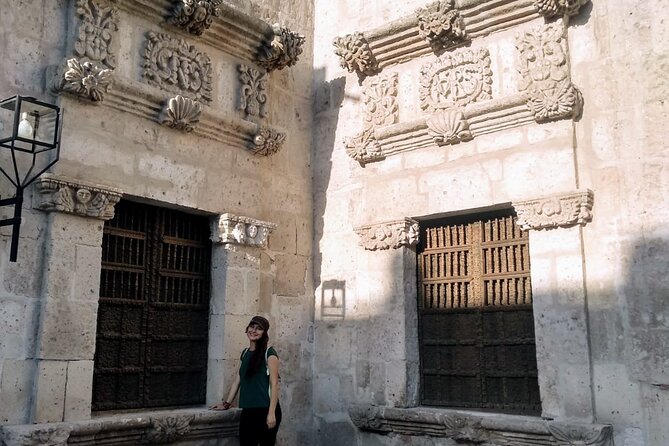
The third stop is Fundo El Fierro, visited for about 30 minutes. It is described as the oldest colonial neighborhood in the city, with a distinctive street design and an important place in Arequipa’s story.
This section helps the walk move beyond the main square. You see how the city’s character changes from formal public buildings to an older neighborhood with its own shape and traditions. The area is also associated with important festivals, so the guide can connect the streets to the way local celebrations use the city.
Half an hour is enough to get a sense of the neighborhood without making the tour drag. If you like urban design and local traditions, this may be one of the more useful parts of the walk. If your main interest is grand architecture, it may feel less immediately impressive than the central square, but it adds texture and variety.
Plaza de Armas and the rooftop finish
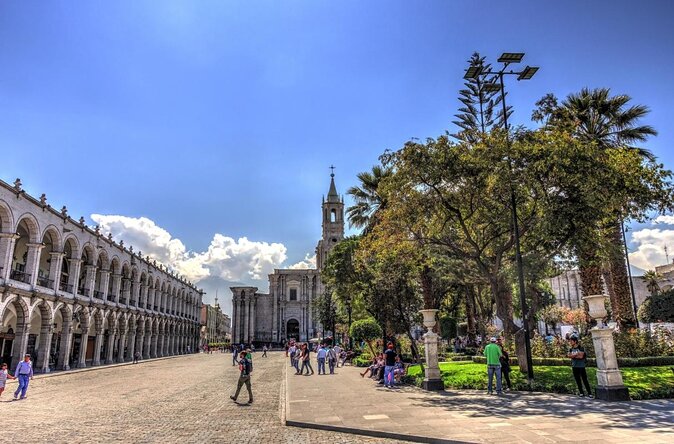
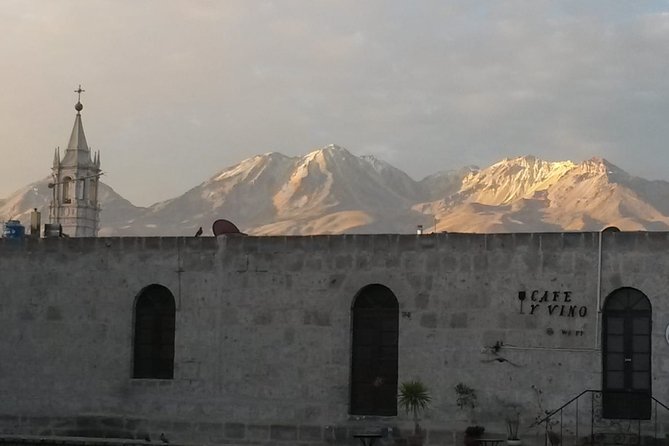
The walk ends back at the Plaza de Armas, with about seven minutes set aside for a rooftop viewpoint. From there, you can see the city and the volcanoes, with the afternoon tour timed for sunset.
Seven minutes is brief, so treat this as a final look rather than a long sunset session. The exact quality of the view will depend on weather and visibility, but the idea is excellent: after walking through the city’s streets, you finish by seeing its wider setting from above.
The return to the Plaza de Armas is convenient. You do not need to arrange transport back to your hotel or find a distant ending point. It also leaves you in the center, close to places you may want to revisit for dinner, shopping, or more independent exploring.
Guides, group size, and the tone of the walk
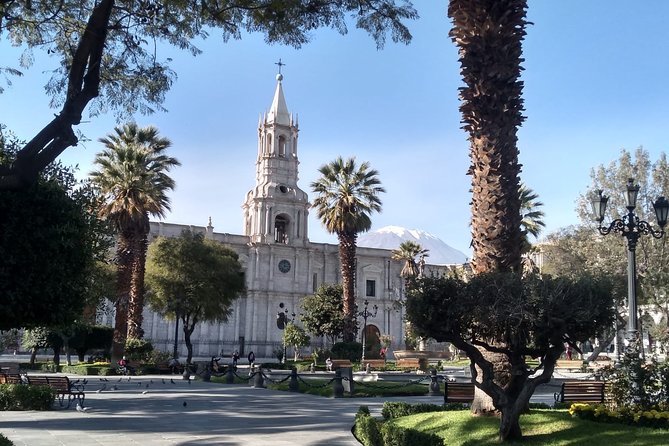
The experience is provided by Paolo Corrales, with names appearing in the feedback including Paolo, Jorge, and Johan Paolo. The strongest praise centers on guides who explain the city clearly, answer detailed questions, add humor, and take pride in Arequipa.
That personal element matters on a walking tour. A good guide can turn a church façade into a story about local materials, or explain why a neighborhood still matters during festivals. The best comments describe an engaging and friendly style rather than a dry lecture.
The group limit is 10 people. That is small enough for questions and conversation without the higher cost of a private tour. It also makes it easier to hear the guide in busy central streets.
There was one serious communication problem in the available feedback, involving a missed meeting and calls that did not connect. The provider stated that the customer received a refund and that contact procedures were later tightened. To protect yourself, confirm the meeting details and contact number before the start, especially if you are unsure about the exact meeting point.
The published meeting location is the main square, Plaza de Armas, in central Arequipa. The walk ends there as well. It is near public transportation, and the activity states that most people can take part.
How much walking and sun to expect
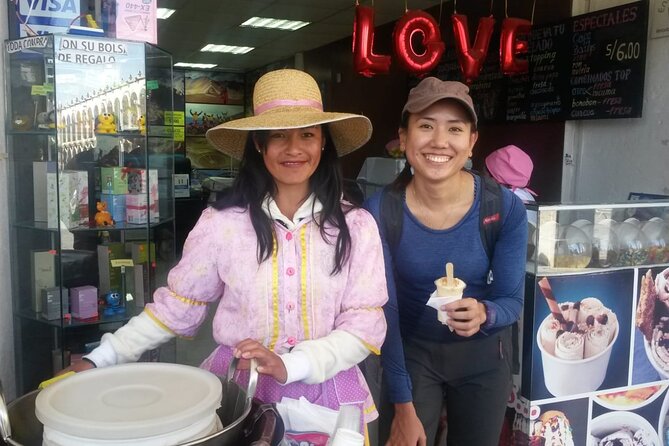
The stated duration is about 2 hours and 37 minutes, though the listed stops total roughly 2 hours and 37 minutes as well. This is a genuine walking tour, not a quick loop between vehicle stops.
One person praised the amount covered but noted that the sun was scorching. Another guide made a point of helping a sun-sensitive participant find shade whenever possible. Even so, you should bring sun protection and water, and wear shoes suited to several hours on city streets.
The high-altitude setting can make strong sun feel more intense than expected. The supplied details do not state an accessibility rating beyond saying that most people can participate, so anyone with mobility concerns should ask the provider about the walking surface, stairs, and rooftop access before booking.
Several start times are available. That is useful if you are fitting the walk around a morning visit, a museum, or an afternoon arrival. For the sunset finish, choose a later departure when possible, but confirm the available schedule at booking.
Who will get the most from this experience
I would choose this tour for a first day or second day in Arequipa. It gives you a mental map of the central area and points you toward shops, restaurants, sights, and neighborhoods worth returning to.
It is also a good match for:
- First-time visitors who want a broad introduction
- Solo visitors who enjoy asking questions in a small group
- Couples who want history with a light food element
- Families interested in alpacas and textiles
- People who prefer local context over a checklist of monuments
- Budget-conscious visitors looking for a low-cost orientation
It may not suit you as well if you want a slow, highly specialized architecture tour, a large meal, or a private guide with a completely flexible route. The pace covers a lot, and guide quality can affect how easy the explanations are to follow.
Booking, cancellations, and overall value
The price is $10 per person. For that amount, you receive a guided walk lasting nearly three hours, entry to the included locations, tea, Peruvian chocolate, and snacks. Even if you later return to only one or two sites, the orientation can save time and help you choose where to spend the rest of your visit.
The 4.9 rating from 72 reviews and 97 percent recommendation rate point to a strong record, but I would not ignore the less positive details. The missed-meeting complaint shows why clear communication matters, and the comment about rushed English explanations shows why the guide assigned to your departure can shape the experience.
Free cancellation is available up to 24 hours before the start time. Cancellations or changes made less than 24 hours before the start are not refunded, and the experience requires a minimum number of participants. If that minimum is not met, you are offered another date or experience, or a full refund.
Should you book the Arequipa walking tour?
Yes, if you want an affordable first orientation that mixes the city’s main architectural setting with alpacas, textiles, snacks, and a rooftop finish. The small group, central meeting point, and practical advice from guides such as Paolo, Jorge, and Johan Paolo make it especially useful near the beginning of your stay.
Book with realistic expectations. This is a brisk city walk, not a full food tour or private history seminar. Bring sun protection, confirm the contact details, and ask questions as you go. For $10, it offers a lot of Arequipa in a short period and gives you a solid plan for exploring more on your own.
FAQ
How much does the Arequipa walking tour cost?
The price is $10 per person.
How long does the experience last?
The experience lasts approximately 2 hours and 37 minutes.
Where does the tour begin?
It begins at Plaza de Armas in central Arequipa, Peru.
Where does the tour end?
It ends at Plaza de Armas, the same central square where it begins.
What places are visited?
The walk includes Mundo Alpaca Arequipa, Arequipa’s historic center, Fundo El Fierro, and a rooftop viewpoint at Plaza de Armas.
Is food or drink included?
Yes. Tea, Peruvian chocolate, and snacks are included.
How large is the group?
The maximum group size is 10 people.
Are several departure times available?
Yes. Several tour times are offered so you can fit the experience into your schedule.
Can most people participate?
The activity states that most people can participate. Anyone with specific mobility concerns should contact the provider for more details.
What is the cancellation policy?
You can cancel for a full refund up to 24 hours before the experience starts. Cancellations or changes made less than 24 hours before the start are not refunded.
New food tours we have reviewed in the world
- ChattaBrunch Food Tour★ 5.0 · 87 reviews
- Downtown Chattanooga Food Tour★ 5.0 · 290 reviews
- Charlottetown waterfront SOLAR PartyBike food & drink experience!★ 4.0 · 92 reviews
- Historic Southside Food Tour in Chattanooga★ 5.0 · 32 reviews
- Tastes Through Time – Charleston’s Best Food & History Tour★ 4.5 · 95 reviews
- Charleston’s Savor the Flavors of Upper King Street Walking Food Tour★ 4.5 · 130 reviews
- Charlottetown Food Walking Tour★ 5.0 · 59 reviews
- Charleston Private Brunch Tour: Biscuits, Shrimps, Grits and More★ 5.0 · 48 reviews
Tours, compared.
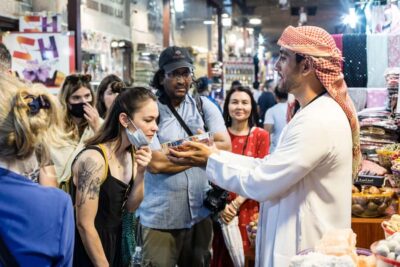
Dubai: Old Town, Creek, Museums, Souks, & Street Food Tour
Read our review →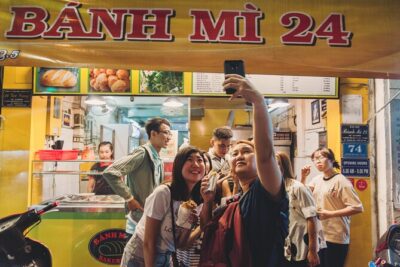
Ho Chi Minh City Street Food Tour & Sightseeing By Motorbike
Read our review →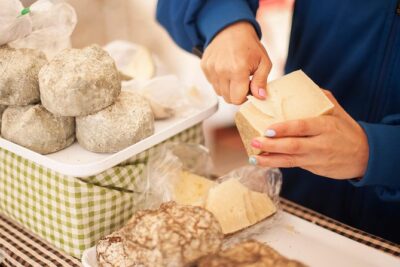
Montserrat Half-Day Tour with Tapas and Gourmet Wines
Read our review →
Dubai: Old Town, Souks, Street Food, Guided Tour & Abra Ride
Read our review →
Tokyo: Shinjuku Food Tour (13 Dishes at 4 Local Eateries)
Read our review →
Winner 2025 Undiscovered Lisbon Food & Wine Tour by Eating Europe
Read our review →
Hanoi: Guided Food Tour with Train Street Visit
Read our review →