
Review · INDONESIA FOOD TOURS
Bali: Bites Food Tour with over 15 Tastings
Old Denpasar is where this food tour earns its keep. Instead of spending the evening on a beach strip with familiar Western dishes, you walk into local warungs, street stalls, night markets, and family-run food spots that are easy to miss on your own. I especially like the seven or eight stops and the chance to taste both Balinese dishes and food from other parts of Indonesia.
I also like the small size, capped at eight people, because it lets you hear guides such as Rasyid, Ras, or Raysid while standing beside a busy food stall. The main drawback is that the advertised 15-plus tastings may vary with the group, and one booking lasted only two hours instead of the expected three to four. Come hungry, and do not book this if you need strict allergy control.
Key points to know before booking
- More than a meal: The 15-plus tastings add up to a full dinner, not a few sample bites.
- Old Denpasar focus: You visit streets, warungs, vendors, and markets far from Bali’s beach dining strips.
- Local guides matter: Rasyid, Ras, and Raysid explain food, customs, preparation, and Denpasar traditions.
- Small groups help: The usual maximum is eight people, with private arrangements available.
- Dietary limits are real: Vegans, pregnant women, vegetarians, and people with food allergies should choose another tour.
- Plan your return: The walk ends at Badung Market, not back at your hotel, and transport can be less simple there.
Why this Denpasar food walk feels different
Bali is famous for its beaches, temples, rice fields, and resort restaurants. Yet the island’s food culture is often harder to understand than its scenery. Menus aimed at visitors can blur the difference between Balinese cooking, wider Indonesian food, and international dishes.
This tour puts you in old Denpasar, where food is part of ordinary city life. You move from one modest eating place to another, trying dishes in the setting where local people actually buy and eat them. That makes the experience useful even if you have visited Bali before. One repeat customer booked it a second time and found that the tasting lineup had changed.
The format is closer to a progressive dinner than a standard sightseeing walk. You may begin with something fried and sweet, move into grilled meat and noodles, then tackle soup, slow-cooked chicken, tofu, and dessert. The food arrives in small servings, but there is a lot of it. Several people needed smaller portions toward the end, and one family described it as enough for both lunch and dinner.
The tour holds a rating of 4.8 from 136 reviews, with especially strong praise for the guides, food variety, and access to places you would probably not try alone. That does not mean every dish will suit your taste. Some flavors and ingredients are adventurous, and the point is to sample widely rather than receive a carefully tailored restaurant menu.
More food tours in the world:
- Reykjavik Food Walk – Local Foodie Adventure in Iceland
★ 5.0 · 18,952 reviews - Dubai: Old Town, Creek, Museums, Souks, & Street Food Tour
★ 4.8 · 10,816 reviews - Ho Chi Minh City Street Food Tour & Sightseeing By Motorbike
★ 5.0 · 9,413 reviews
Meeting Rasyid at Inna Bali Heritage Hotel
The walk begins at the terrace bar or restaurant of the Inna Bali Heritage Hotel in Denpasar. The meeting spot is outside, across from the hotel sign with white lettering. Your guide usually wears an A Chef’s Tour shirt, which helps you identify the right person.
You arrange your own way there. The location is reachable by taxi from Kuta, Seminyak, Canggu, Sanur, and other beach areas, but allow extra time for traffic. One participant arrived nearly 20 minutes late because of road congestion, and the guide was able to accommodate the delay. I would still avoid cutting it close, since the tour is built around food stalls that may run on their own schedule.
The guides named in the feedback include Rasyid, Ras, and Raysid. Their strength is not just naming dishes. They explain how food is prepared, why certain ingredients appear together, and how food connects with Indonesian and Balinese customs. The best moments come when a simple plate becomes a doorway into local life.
The group limit is eight people. That matters in a market or beside a small warung, where a large crowd would block the walkway and make explanations hard to hear. Private tours are also possible, and groups of nine or more are asked to contact the operator.
Starting with pisang goreng, sate, and local drinks
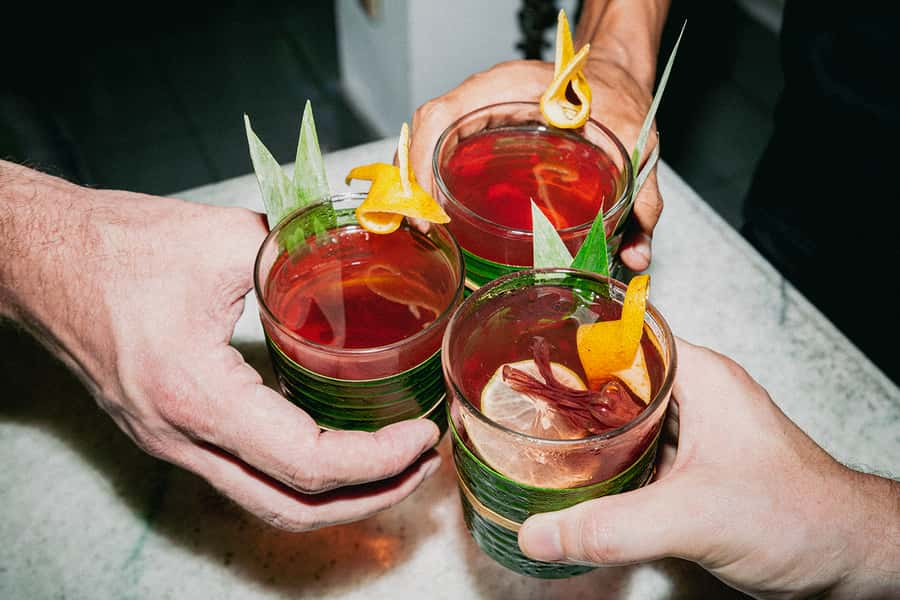
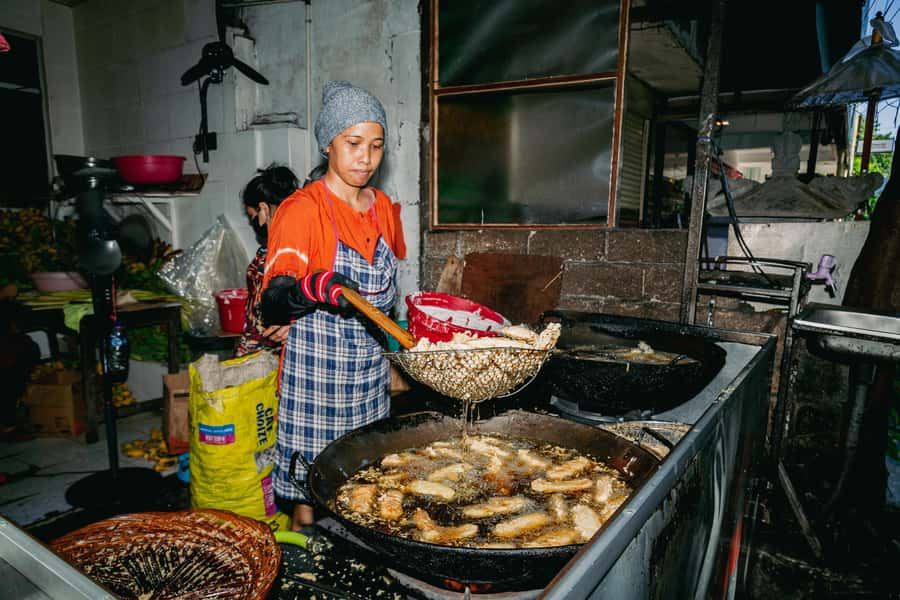
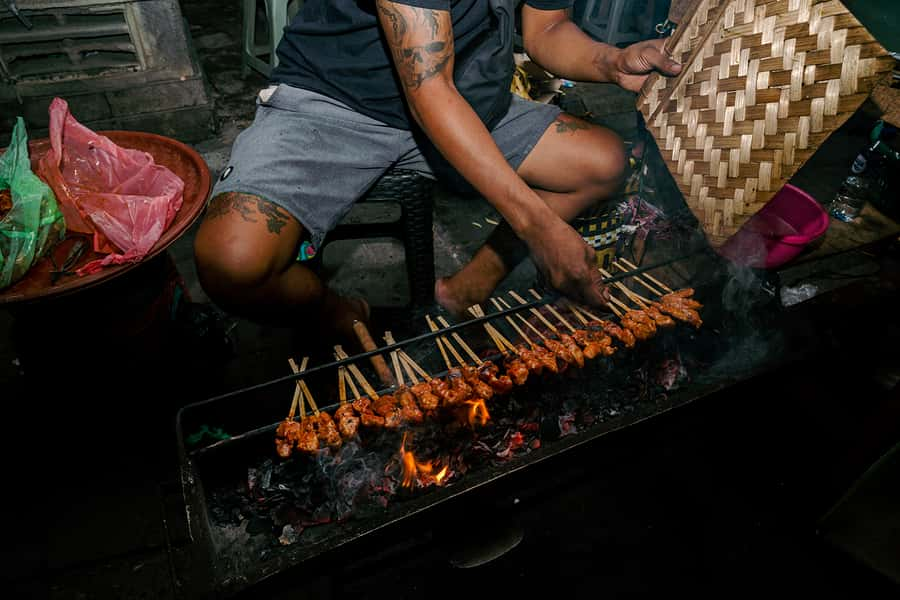
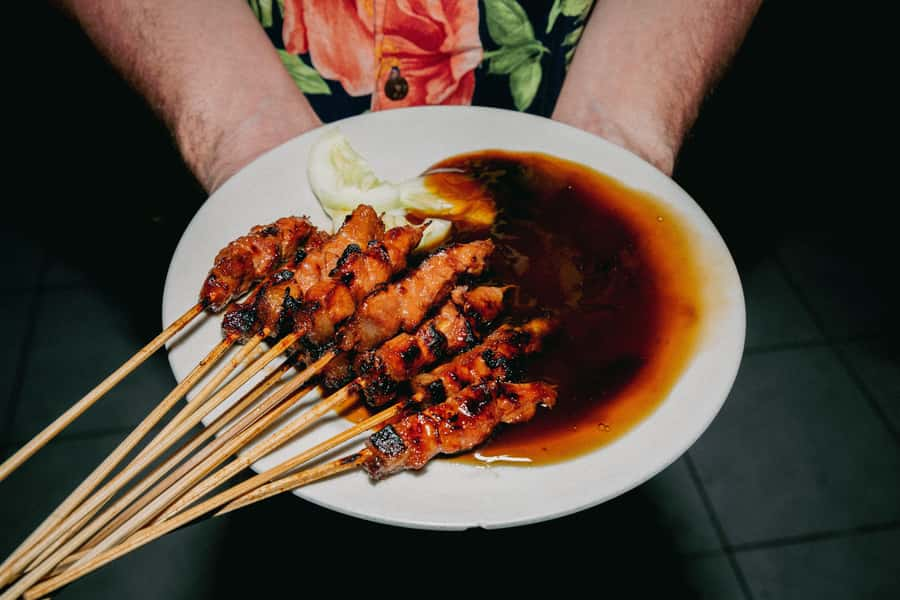
The first tastings set the tone. Crispy pisang goreng, or fried banana, gives you a sweet and familiar opening, while Indonesian-style sate brings grilled meat and sambal into the picture. You may also receive local drinks and bottled water, which are included.
Sate is a good early stop because it shows how much flavor can come from a simple preparation. The meat is grilled, then paired with a spicy sauce that can change the character of each bite. One named favorite was a particularly large or memorable serving called Godzilla Satay.
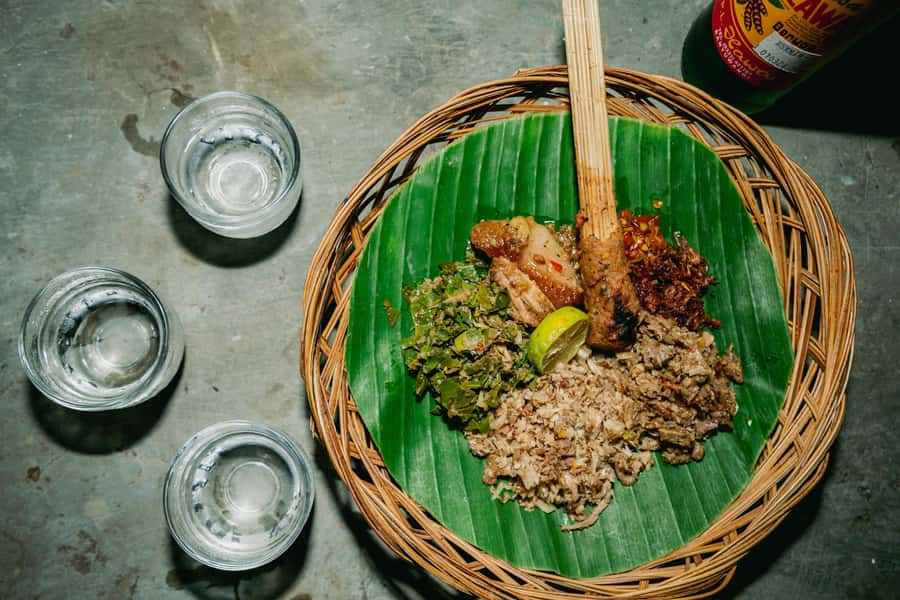
The tour may also include a shot of arak, Bali’s local spirit. Alcoholic drinks beyond what is specifically included are not covered, so you should not assume the tour is an open bar. If you do not drink, tell your guide rather than treating the arak as compulsory.
The early stops are usually quick, but do not mistake the pace for a rushed dinner. You are walking between places, learning where you are, and tasting food in settings that may be cramped or informal. Comfortable shoes are useful, even though the walk is described as easy paced.
Noodles, tofu, and dishes beyond Bali

One of the tour’s strengths is that it does not pretend every dish is strictly Balinese. Indonesia has many regional food traditions, and the route includes both local specialties and dishes from elsewhere in the country.
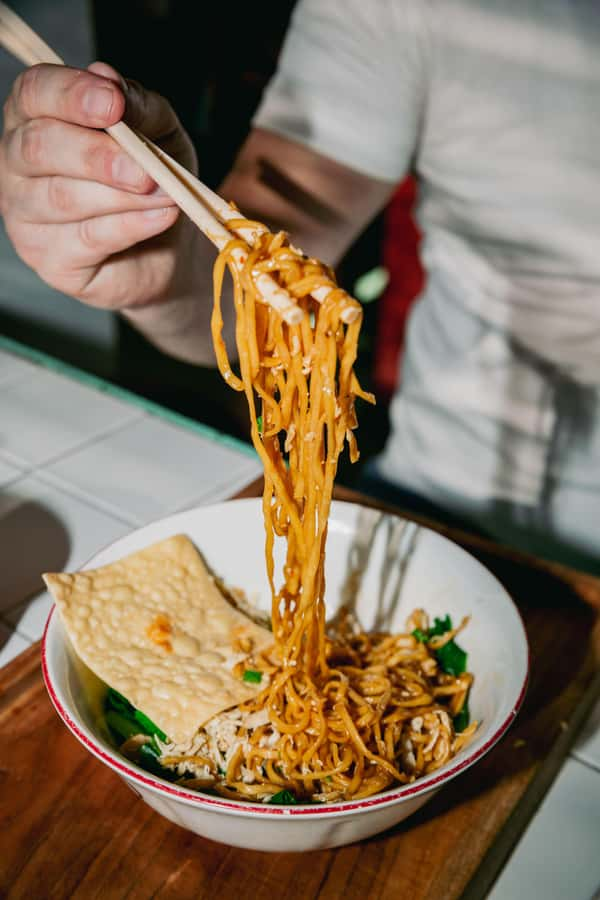
Wok-fried yamien noodles provide a savory, filling course. Tipat tahu brings fried tofu, rice cake, and peanut sauce into the mix. These dishes help you understand the range of textures in Indonesian food, from crisp and fried to soft, sauced, and chewy.
You may also try dumpling soup, a dish singled out as a favorite, along with sweet pancakes. The pancake combination of chocolate and cheese sounds unusual to many visitors, but it is one of the tour’s more playful surprises. Jackfruit ice cream has also appeared as a street-vendor dessert.
I like this part of the route because it prevents the meal from becoming a parade of similar meat dishes. You get noodles, soup, tofu, grilled items, fried snacks, and sweets. Still, the exact order and selection can change, so do not treat the listed foods as a guaranteed checklist.
Same appetite, a different neighbourhood:
- Montserrat Half-Day Tour with Tapas and Gourmet Wines
★ 5.0 · 7,359 reviews - Dubai: Old Town, Souks, Street Food, Guided Tour & Abra Ride
★ 4.9 · 7,170 reviews - Bateaux Parisiens Seine River Gourmet Dinner & Sightseeing Cruise
★ 4.5 · 6,930 reviews - Tokyo: Shinjuku Food Tour (13 Dishes at 4 Local Eateries)
★ 5.0 · 6,603 reviews
Ayam betutu and a family food business
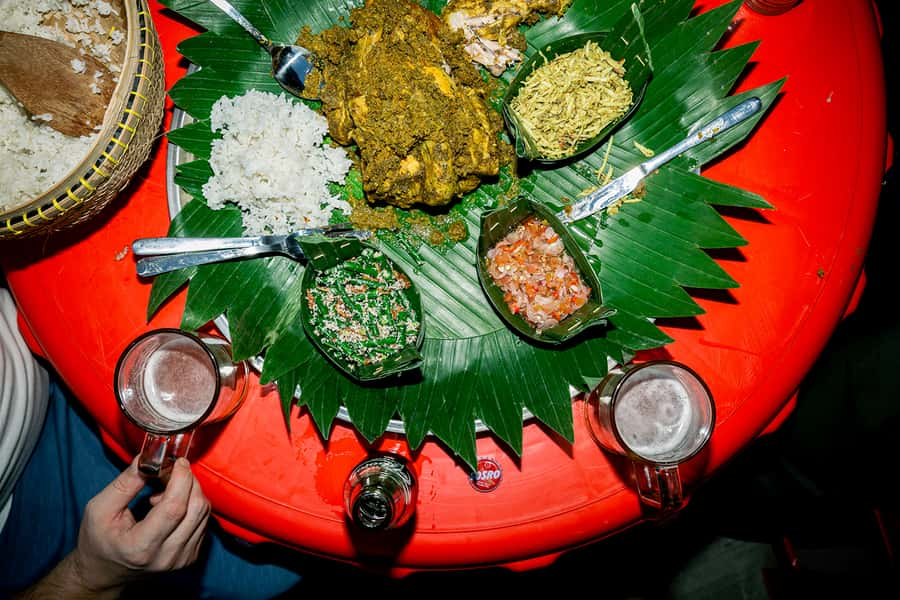
The most memorable savory stop may be ayam betutu, a Balinese chicken dish cooked slowly with a complex spice mixture. The dish is valued not just for the flavor but for the care behind it. A food business visited on the route has been operating since the late 1960s, with family history tied to its cooking.
This is where the tour moves beyond simple tasting. Your guide can explain the preparation and the family story, while you see why a dish served in a modest place can matter so much to its neighborhood. Several people singled out the slow-cooked chicken as the best food of the evening.
You should expect spice, herbs, and strong seasoning rather than mild resort food. The tour is designed to show you local cooking as it is served, within the limits of each vendor. That means you may not get a custom version with every ingredient removed.
Food hygiene is a fair concern in any street-food experience. The route includes stalls and small eateries, but participants specifically noted clean utensils, gloves, and tidy preparation at the places they visited. That should reassure you, but no street-food tour can remove all risk. Eat sensibly, follow your guide’s advice, and skip anything you cannot safely consume.
Soto babat at a long-running warung
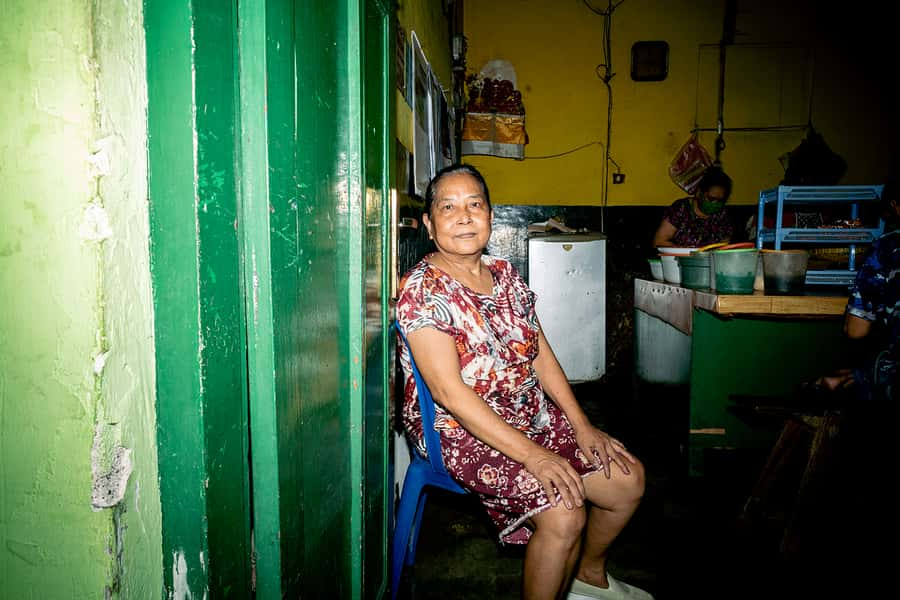
Soto babat is a beef soup that includes tripe, so it is one of the more adventurous tastings. It is served at a small business with decades of operation, described as dating from 1969 or 1980 in different accounts. Either way, this is not a new stall created for visitors. It has a long family connection to the dish.
The soup gives you a look at how Indonesian cooking uses the whole animal and builds flavor through broth, seasoning, and texture. If you are open to trying offal, this may be a highlight. If tripe is outside your comfort zone, the guide can explain what you are eating, but you should not expect the menu to be redesigned around your preferences.
This stop also shows why a local guide adds value. Finding a small warung in an unfamiliar part of Denpasar is one challenge. Knowing what to order, how a dish fits into local food culture, and which family business has been serving it for decades is another.
A blessing in the backstreets and a walk through the market
The route includes a small Balinese blessing in the backstreets. It is a brief cultural moment rather than a major temple visit, but it adds meaning to an evening otherwise centered on eating. You get a reminder that food, ritual, family, and daily routine are closely linked in Bali.
The walk also passes through a local produce market. Here the focus shifts from finished dishes to ingredients. You can see the kind of fresh produce used in Balinese cooking while your guide explains what goes into the food you have been eating.
This market stop is one of the tour’s strongest features, but the amount of time can depend on the group and the pace. One person felt the market visit was too short and wanted more time to look around. If markets are your main interest, make that clear to the guide early in the evening.
The tour ends at Badung Market, with sweets or a final snack providing the closing note. The market offers a busy, crowded city atmosphere that feels very different from Bali’s hotel districts. It is a good place to finish, but it is not your hotel, so arrange a taxi or make sure your phone has data for a ride-hailing app. Blue Bird taxis may not be easy to find at the endpoint.
What $45 buys you
At $45 per person, the tour is not the cheapest way to eat in Denpasar. Local food itself can cost far less when you order one plate at a time. The value comes from the range, guidance, and access.
You receive 15 or more tastings across seven or eight stops, bottled water, local drinks, and roughly three to four hours of walking and eating. You also avoid the cost of ordering full portions of dishes you may not recognize or enjoy. For a first evening in Denpasar, that lowers the guesswork.
The guide is the other major part of the price. Rasyid, Ras, and Raysid are praised for explaining food preparation, local customs, and the history of Denpasar. A solo participant even received a running tour when no one else joined. That flexibility can make the price feel fairer, particularly if you value context as much as food.
The main value warning is the timing. The advertised duration is around three to four hours, but one small group finished in about two hours and felt the meal was short on tastings. This seems to be an occasional risk tied to group size, appetite, or pacing. If the full duration matters to you, ask the guide at the start how many stops are planned.
Dietary limits and comfort on the route
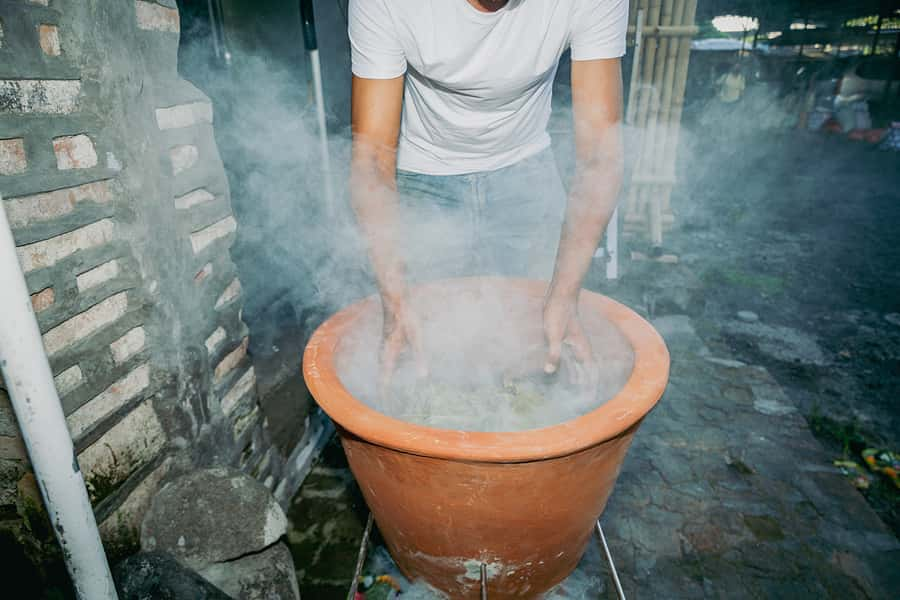
This is not a suitable choice for vegans, pregnant women, people with food allergies, or anyone who needs strict control over ingredients. Vegetarian participants receive three or four fewer tastings because several vendors have limited alternatives.
Mild gluten intolerance may be manageable, but the tour is not advised for celiac disease. Soy sauce appears in several tastings, and traces or cross-contamination cannot be ruled out. Street vendors cannot reliably provide the controlled preparation needed for severe allergies.
The tour operates in rain or shine. Bring an umbrella if rain looks likely, wear comfortable shoes, and choose light clothing suited to the weather. You should also arrive genuinely hungry. This is not a light sampling walk, and the quantity can be surprisingly large.
The walking is described as easy paced, but you still move through streets and markets rather than sitting in one restaurant. If you dislike crowded public areas, informal seating, or unfamiliar ingredients, this may feel like too much work for dinner.
Who should book this Denpasar food tour?
I would choose this tour if you want to understand Indonesian food beyond beach restaurants, especially if you enjoy tasting small portions and asking questions. It suits first-time visitors who need a confident introduction, as well as repeat Bali visitors who have already seen the resort side of the island.
It is also a good pick for curious families with older children. An 11-year-old enjoyed one outing, though some dishes may be too adventurous for younger or cautious eaters. Small groups make it easier to adjust the pace and explain unfamiliar food.
I would skip it if you are vegan, pregnant, managing serious allergies, or looking for a polished restaurant meal. I would also think twice if you need the exact advertised number of tastings and a fixed four-hour schedule.
Should you book it?
Book this food walk if your priority is local access, generous portions, and a guide who can explain what you are eating. The best parts are the family-run warungs, ayam betutu, soto babat, the market visit, and the chance to see old Denpasar after dark.
Go in with flexible expectations. The dishes can change, vegetarian options are limited, and the pace may be shorter than planned for a very small group. With those limits understood, $45 buys a useful introduction to Bali’s food culture and a side of Denpasar you are unlikely to find by staying near the beach.
FAQ
Where does the Bali food tour begin?
Meet your guide at the terrace bar or restaurant of the Inna Bali Heritage Hotel in Denpasar. It is the outdoor bar across the road from the hotel sign with white letters. The guide usually wears an A Chef’s Tour shirt.
Where does the tour finish?
The tour finishes at Badung Market in Denpasar. Hotel drop-off is not included, so arrange your own transport afterward.
How long does the food tour last?
The planned duration is around three to four hours, with the activity details listing four hours. The actual time can vary with the group’s pace and appetite.
How many tastings are included?
The tour includes 15 or more food tastings across seven or eight stops. The precise dishes can change, and vegetarian participants receive three or four fewer tastings because alternatives are limited.
Is the tour suitable for vegetarians, vegans, or people with allergies?
The tour is not suitable for vegans, vegetarians, or people with food allergies according to the activity restrictions. Mild gluten intolerance may be manageable, but the tour is not advised for people with celiac disease because of gluten traces and cross-contamination.
What should I bring?
Bring comfortable shoes, weather-appropriate clothing, and an umbrella if rain is likely. Arrive hungry because the tour includes enough food for a substantial meal.
New food tours we have reviewed in the world
- ChattaBrunch Food Tour★ 5.0 · 87 reviews
- Downtown Chattanooga Food Tour★ 5.0 · 290 reviews
- Charlottetown waterfront SOLAR PartyBike food & drink experience!★ 4.0 · 92 reviews
- Historic Southside Food Tour in Chattanooga★ 5.0 · 32 reviews
- Tastes Through Time – Charleston’s Best Food & History Tour★ 4.5 · 95 reviews
- Charleston’s Savor the Flavors of Upper King Street Walking Food Tour★ 4.5 · 130 reviews
- Charlottetown Food Walking Tour★ 5.0 · 59 reviews
- Charleston Private Brunch Tour: Biscuits, Shrimps, Grits and More★ 5.0 · 48 reviews
Indonesia Food Tours, compared.
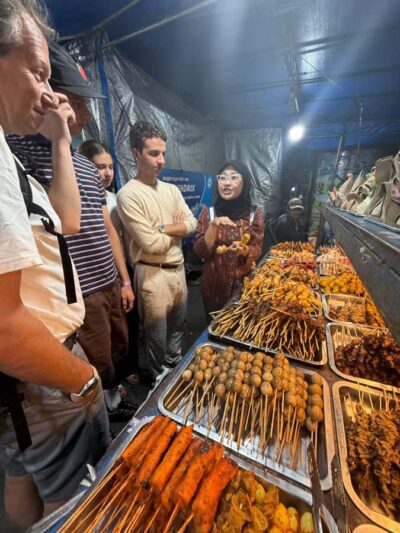
Small-Group Walking and Food Tour by Night in Yogyakarta
Read our review →
Bali Private Food Walking Tour With Locals: The 10 Tastings
Read our review →
Bali: Authentic Culinary Street Food Experience Tour
Read our review →
Jakarta: Private Guided Sightseeing & Street Food Night Tour
Read our review →
Browse the lists this tour appears in