Review · STREET FOOD TOURS
Belgrade: Street Food and Drinks Tour with 20+Tastings
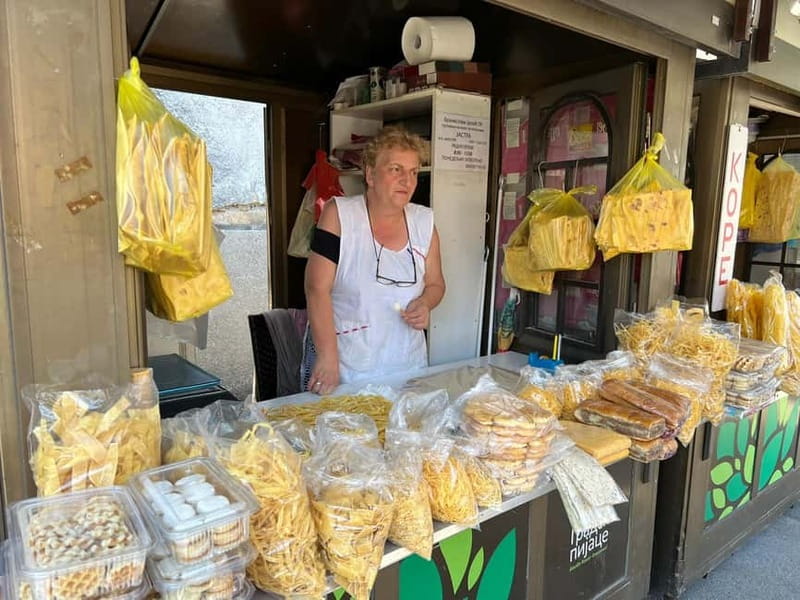
Belgrade’s food story is best understood one bite at a time. This 3.5-hour walking tour links bakeries, food stands, markets, and local eateries, showing you how Serbian cooking reflects Austrian, Turkish, Hungarian, Bulgarian, and wider Balkan influence. You may try cherry burek, cured meat, čvarci, village cheese, truffle spread, fish, goulash, honey, and sweets in a single outing.
I like the small group of up to 10 because it leaves room for questions and personal attention. I also like the guides, including Yair and Davor, who add stories about where dishes come from and how food connects Serbia with its neighbors. The main caution is simple: 20-plus tastings in three and a half hours is a lot of food, so arrive hungry and tell the guide about allergies or dislikes at the start.
Key points at a glance
- More than 20 tastings: Expect a broad spread of savory, sweet, fresh, cured, and alcoholic samples rather than one large meal.
- A practical first-day activity: The route ends in Belgrade Old Town near the pedestrian zone, with restaurant suggestions for later.
- Guides who add context: Yair and Davor bring food together with stories about Serbian and Balkan culture.
- Rakia is part of the experience: You’ll sample fruit brandy alongside traditional dishes and local products.
- Small-group format: The group is limited to 10 participants, making conversation and food questions easier.
- Come ready to eat: Pastries, meats, cheese, goulash, fruit, fish, and sweets add up quickly.
Starting at Hotel Moskva in central Belgrade
The meeting point is the entrance of Hotel Moskva, a central and easy-to-recognize starting place. From there, the tour moves through Belgrade on foot, visiting food stands, bakeries, markets, and other local stops.
That central location matters. You are not spending the afternoon on a long ride to distant restaurants. Instead, the food is paired with a look at the city around you, including less obvious corners decorated with street art. The route finishes in Belgrade Old Town, close to the pedestrian zone, so you can continue exploring on foot afterward.
The tour lasts three and a half hours. That is long enough to create a real meal-sized experience, but short enough to fit around sightseeing, shopping, or an evening plan. I would book it early in your stay. The restaurant list at the end can help shape the rest of your visit, and the guide can give you a first sense of which foods you want to order again.
The tour is conducted in English. Since the group is capped at 10, you should have a reasonable chance to hear the guide and ask about dishes as they appear.
More Street Food Tours in the world:
- Dubai: Old Town, Creek, Museums, Souks, & Street Food Tour
★ 4.8 · 10,816 reviews - Ho Chi Minh City Street Food Tour & Sightseeing By Motorbike
★ 5.0 · 9,413 reviews - Dubai: Old Town, Souks, Street Food, Guided Tour & Abra Ride
★ 4.9 · 7,170 reviews
Serbian food begins with outside influences
One of the useful ideas behind this tour is that Serbian food does not fit neatly into one narrow category. Centuries of contact with Austria, Turkey, Hungary, Bulgaria, and other Balkan cultures left their mark on ingredients, cooking methods, and meal habits.
That makes each tasting more interesting than a simple checklist of national dishes. A pastry may point toward Ottoman or Balkan traditions. A sausage or stew may reflect Central European connections. Cheese, cured meat, bread, fruit brandy, and preserved foods all tell part of the story of how people ate across the region.
Davor is especially suited to this part of the experience, since he connects the food with historical background and regional ties. Yair also adds personal stories and explains what you are eating in a warm, easygoing way. The guide names may vary, but the useful feature is the combination of food and explanation. You are not just handed a sample and moved along.
This context is valuable in Belgrade because many dishes have close relatives elsewhere in the Balkans. You may recognize an ingredient or cooking style from another country, then learn how the Serbian version differs. That makes the tour helpful for anyone trying to understand the region rather than simply collect snapshots of local dishes.
Bakeries, burek, and the best reason to skip breakfast
The bakery portion is likely to be one of the most satisfying early stops. Serbian food culture gives bread and pastry a central role, and burek is one of the essential things to try.
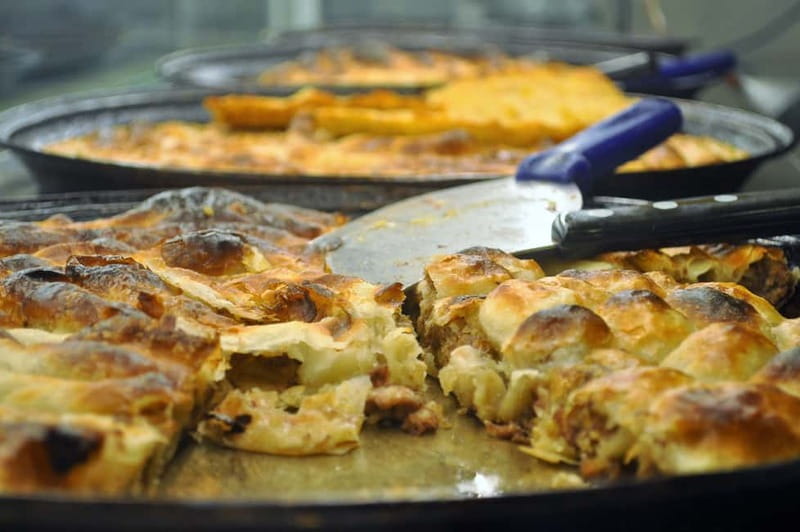
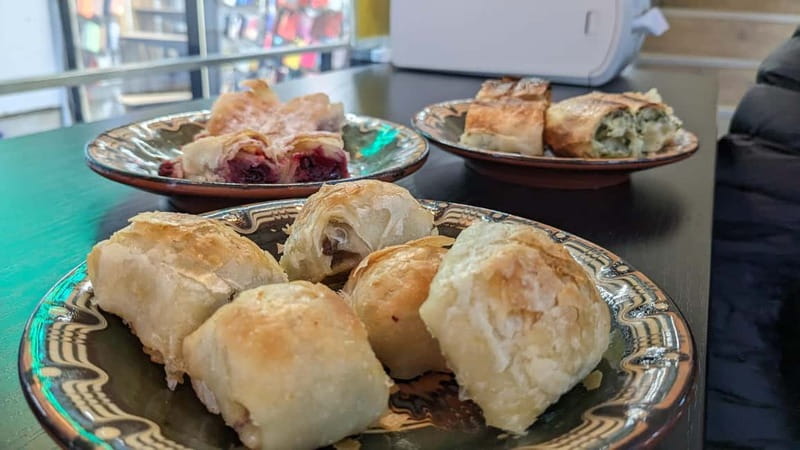
Burek is a layered pastry with a crisp exterior and a filling that can vary. The tasting may include savory versions, and one particularly memorable possibility is cherry burek. The contrast between flaky pastry and sweet fruit gives you a different view of a dish often associated with meat or cheese.
You may also encounter other traditional pastries during the route. The point is not just to eat a quick snack. Your guide can explain how these foods fit into daily life, where they come from, and why bakery food is such a practical part of eating in Belgrade.
The portion sizes are not specified, so do not assume every tasting is a full serving. Still, the total amount is substantial. One direct tip is worth repeating: do not eat a large meal before the tour. A light start is sensible, especially if you want to try everything.
Cured meats, čvarci, and village cheese
The savory portion gives you a closer look at preserved foods and rural Serbian flavors. Expect cured meats, sausages, village cheeses, and crispy čvarci, a traditional pork rind preparation.
Čvarci can be unfamiliar if you have not encountered them before. They are rich, crisp, and intensely savory, so they make a good example of how Serbian cooking values texture and full flavor. You do not need to love every sample, but an open mind helps. This is a food tour built around trying things you may not order on your own.
The meat and cheese tastings also show how much Serbian food depends on straightforward ingredients handled well. A platter of local products can be more revealing than a polished restaurant dish because you taste the basics directly: salt, smoke, fat, fermentation, and the character of the cheese.
The tour has a practical advantage for anyone with food restrictions. Alternatives may be available for allergies or strong dislikes, but you should tell the guide before tasting begins. Do not rely on an unspoken assumption that every dish can be replaced.
More food tours in the world:
- Reykjavik Food Walk – Local Foodie Adventure in Iceland
★ 5.0 · 18,952 reviews - Montserrat Half-Day Tour with Tapas and Gourmet Wines
★ 5.0 · 7,359 reviews - Bateaux Parisiens Seine River Gourmet Dinner & Sightseeing Cruise
★ 4.5 · 6,930 reviews - Tokyo: Shinjuku Food Tour (13 Dishes at 4 Local Eateries)
★ 5.0 · 6,603 reviews
Rakia, honey, fruit, and the sweet side of Serbia
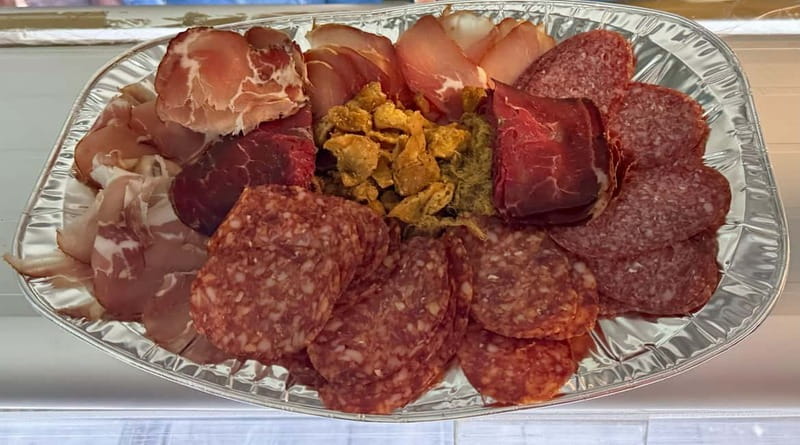
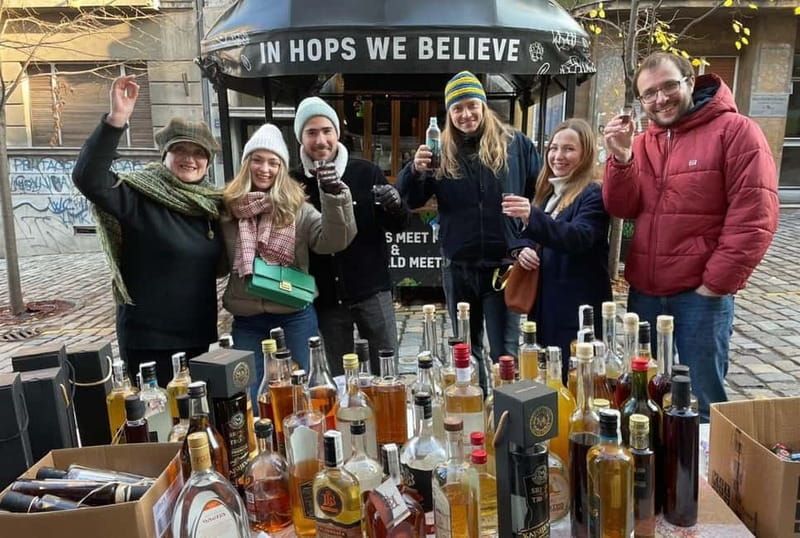
Rakia, the local fruit brandy, is one of the signature drinks included in the experience. It is often made from fruit, and the tasting gives you a chance to understand why it has such a strong place in Serbian social life.
Rakia can be powerful, so pace yourself. This is a food tour, not a drinking contest, and you still have many tastings ahead. If you do not drink alcohol, confirm the available alternatives with the guide before booking or at the beginning of the tour.
The drink is paired with a broad selection of other products, including honey items, fresh fruit, and sweets. These samples soften the heavier foods and give the afternoon some variety. Honey products also help show the importance of local agricultural goods in Serbian eating.
The mix is one of the best features of the route. You are not spending three hours eating only meat or pastry. The experience shifts between crisp, creamy, smoky, sweet, fresh, and rich flavors. That range makes the tour useful for first-time visitors who want a quick introduction to the country’s food habits.
Goulash, fish, truffle spread, and unexpected combinations
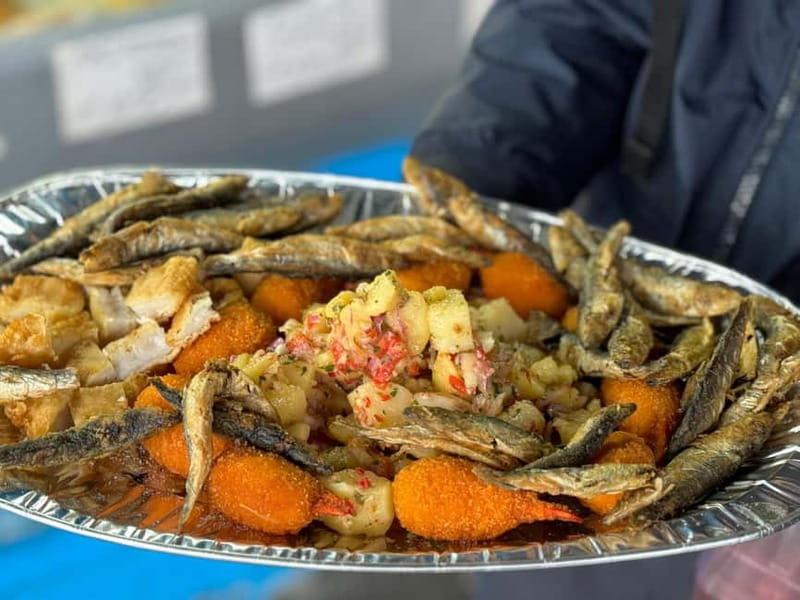
The tour also includes more substantial and less predictable samples. You might try goulash with a Serbian or Balkan twist, fish, and a truffle spread. One version of the goulash tasting has included kidneys and plenty of kajmak, a rich dairy product often served with savory foods.
These are the samples that reward curiosity. Goulash is associated with several Central European food traditions, so tasting a local variation fits neatly with the tour’s larger story about regional influence. Kajmak adds a creamy, salty richness that can change the character of the dish.
Fish provides another change of pace. The exact preparation is not specified, but its inclusion gives the route more range than a standard meat-and-pastry walk. Truffle spread is also a less obvious addition, showing that the experience is not limited to the most famous Serbian dishes.
You should not expect a fixed restaurant-style menu with every dish presented in the same order every day. Food stops can vary with availability, and the emphasis is on sampling many local products. That flexibility is part of the appeal, though anyone seeking a tightly scripted itinerary may prefer a formal sit-down meal.
Street art and the city between tastings
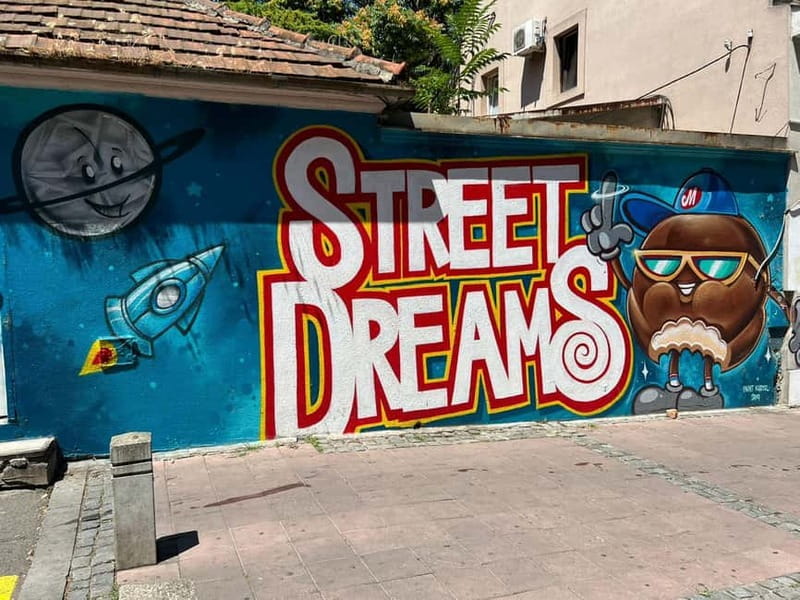
The route includes off-the-beaten-path locations decorated with street art. This matters because the food is not presented in isolation. You get short walks between stops and a chance to see parts of central Belgrade beyond the most obvious monuments.
The city portion is not a separate sightseeing tour, so do not book this expecting long historical visits or museum access. Instead, think of it as a food walk with urban details along the way. The guide can point out the character of different areas while moving from one tasting to the next.
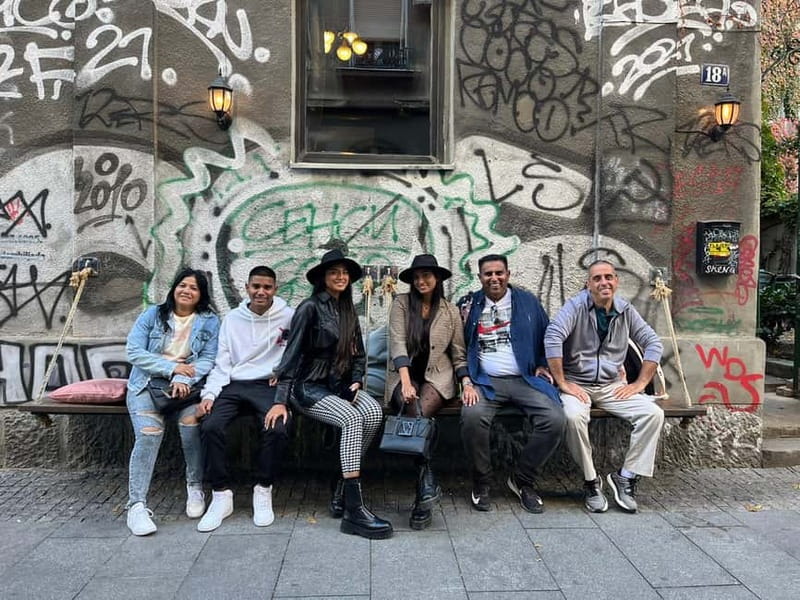
Davor’s interest in history is useful here. Food traditions make more sense when you understand how borders, empires, trade, and neighboring cultures shaped the city. Yair’s personal stories add another layer, helping the tour feel less like a lecture and more like a conversation while you eat.
The walking component also affects what you should wear. The tour lasts several hours and includes multiple stops, so comfortable shoes are a sensible choice. That is practical advice rather than a special requirement stated for the activity.
What the $69 price includes
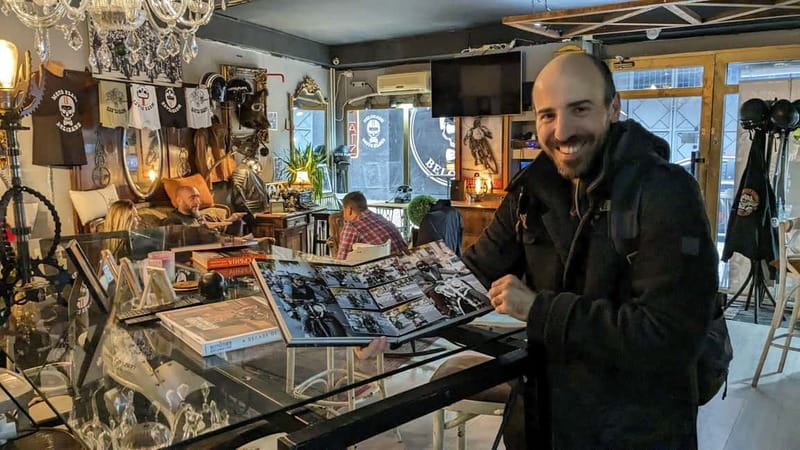
The listed price is $69 per person, including the guide, food, and drinks. The real question is how much value you place on variety, explanation, and convenience.
If you tried to buy 20-plus separate tastings on your own, you would spend time finding the right bakeries, stands, markets, and local products. You would also have to guess what to order and miss the background that links each item to Serbian and Balkan culture. The fee pays for that access and organization as much as for the food itself.
It is also a practical alternative to booking a single high-end meal. You get many small tastes instead of one main course, plus a walking route and restaurant advice for later. For a first visit to Belgrade, that broad introduction can be more useful than spending the same money on one dinner.
Still, the value depends on your appetite and interests. If you dislike trying unfamiliar foods, do not drink alcohol, or prefer a slow meal at one table, you may not get as much from this format. If you enjoy variety and want a food orientation early in your stay, $69 is a fair price for the amount included.
The reserve-now, pay-later option and free cancellation up to 24 hours before the start provide some booking flexibility. Keep an eye on the stated cancellation deadline when making plans.
Who will enjoy this Belgrade food walk
I would recommend the tour to first-time visitors who want an immediate sense of how Belgrade eats. It is also a good fit for couples, small groups of friends, and families with older children who can manage a long series of tastings.
Food-focused visitors will appreciate the range. So will anyone who wants a guide to explain the relationship between Serbian dishes and food from neighboring countries. The tour can also work well for people who normally feel unsure about ordering in unfamiliar places because you receive a list of local restaurants at the end.
The experience is less suitable for someone who wants a single large meal, an advanced cooking class, or a detailed monument tour. The city sightseeing is incidental to the food route, and the number of tastings means the pace may feel full.
People with allergies should speak up at the start. One guide has been especially attentive about offering alternatives, but you should still communicate clearly. If you have strict dietary needs, confirm what can be accommodated before you reserve.
Practical tips before you go
- Eat lightly beforehand, but do not arrive after a full breakfast or lunch.
- Tell Yair, Davor, or your assigned guide about allergies and dislikes immediately.
- Pace yourself with rakia, especially because the tour includes many foods afterward.
- Wear comfortable shoes for the walking route.
- Use the restaurant list at the end to plan another Serbian meal nearby.
- Book early in your stay if you want the food advice to shape your remaining days in Belgrade.
- Keep an open mind about čvarci, kidneys, kajmak, unfamiliar cheeses, and regional pastries.
- Remember that the tour is in English and limited to 10 people.
FAQ
Where does the Belgrade food tour meet?
The meeting point is at the entrance of Hotel Moskva.
How long does the food tour last?
The tour lasts 3.5 hours.
How many food and drink tastings are included?
The experience includes more than 20 tastings.
What foods might I try?
Possible tastings include traditional pastries, burek, cured meats, sausages, čvarci, village cheeses, truffle spread, goulash, honey products, fresh fruit, fish, rakia, and sweets.
Is rakia included?
Yes. Rakia, a Serbian fruit brandy, is included among the drinks.
What language is the tour conducted in?
The live tour guide speaks English, and English is the listed tour language.
How many people are in the group?
The small group is limited to 10 participants.
Can I cancel the booking for a refund?
You can cancel up to 24 hours in advance for a full refund. The activity also offers a reserve-now, pay-later option.
Should you book this Belgrade food tour?
Book it if you want a generous first taste of Serbian food, prefer small-group guiding, and like having local context with your meal. The combination of 20-plus tastings, rakia, street art, bakeries, markets, and restaurant advice makes it a useful introduction to Belgrade rather than just a snack crawl.
I would schedule it near the beginning of your visit and arrive hungry. The main limitation is the sheer amount of food and the quick movement between different samples. For an open-minded eater who wants to understand what makes Serbian food distinct, the $69 price offers good value.
New food tours we have reviewed in the world
- ChattaBrunch Food Tour★ 5.0 · 87 reviews
- Downtown Chattanooga Food Tour★ 5.0 · 290 reviews
- Tastes Through Time – Charleston’s Best Food & History Tour★ 4.5 · 95 reviews
- Charlottetown waterfront SOLAR PartyBike food & drink experience!★ 4.0 · 92 reviews
- Historic Southside Food Tour in Chattanooga★ 5.0 · 32 reviews
- Charleston’s Savor the Flavors of Upper King Street Walking Food Tour★ 4.5 · 130 reviews
- Charlottetown Food Walking Tour★ 5.0 · 59 reviews
- Charleston Private Brunch Tour: Biscuits, Shrimps, Grits and More★ 5.0 · 48 reviews
Street Food Tours, compared.
Dubai: Old Town, Creek, Museums, Souks, & Street Food Tour
Read our review →
Ho Chi Minh City Street Food Tour & Sightseeing By Motorbike
Read our review →
Dubai: Old Town, Souks, Street Food, Guided Tour & Abra Ride
Read our review →
Naples: Street Food Walking Tour with Local Guide
Read our review →
Small Group Hanoi Street Food Tour with a Real Foodie
Read our review →
Saigon By Night and Street Food By Motorbike | Opt: Ao Dai Riders
Read our review →