
Review · CHIANG MAI FOOD TOURS
Chiang Mai: Food Tour by Songtheaw Truck with 15+ Tastings
Northern Thai food is the real star here, but the best part is how much ground you cover between bites. In four hours, you ride a red songthaew from Wat Lok Molee to family-run food stops, local restaurants, and a market, trying more than 15 dishes that are hard to find on your own. Moui, Aim, and Noi are among the guides praised for explaining not just what you are eating, but why it matters.
I like the generous variety and the small group size, which makes it easy to ask questions and share dishes. I also like the transport: the truck saves you from a long, hot walk between stops. The main catch is simple: this is a serious amount of food, and the tour is not suitable for vegetarians, vegans, pescatarians, or anyone with severe food allergies.
Key points to know before booking
- More than 15 tastings: Expect full portions and shared plates, not just tiny samples.
- Five food stops plus a market: The route mixes restaurants, street food spots, and market snacks.
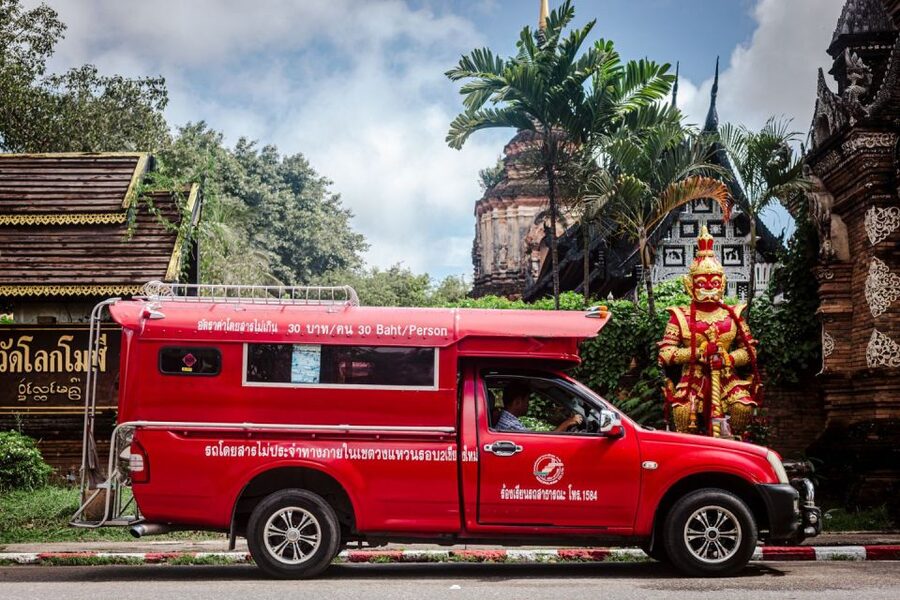
- A private red truck: The songthaew makes it easier to reach places outside the central tourist zone.
- Northern Thai focus: Try dishes influenced by Shan, Burmese, and other regional food traditions.
- Small groups of up to eight: You get a more personal guide experience and plenty of chances to ask questions.
- Come very hungry: Several people found the food so plentiful that they skipped their next meal.
Why this Chiang Mai food tour is different
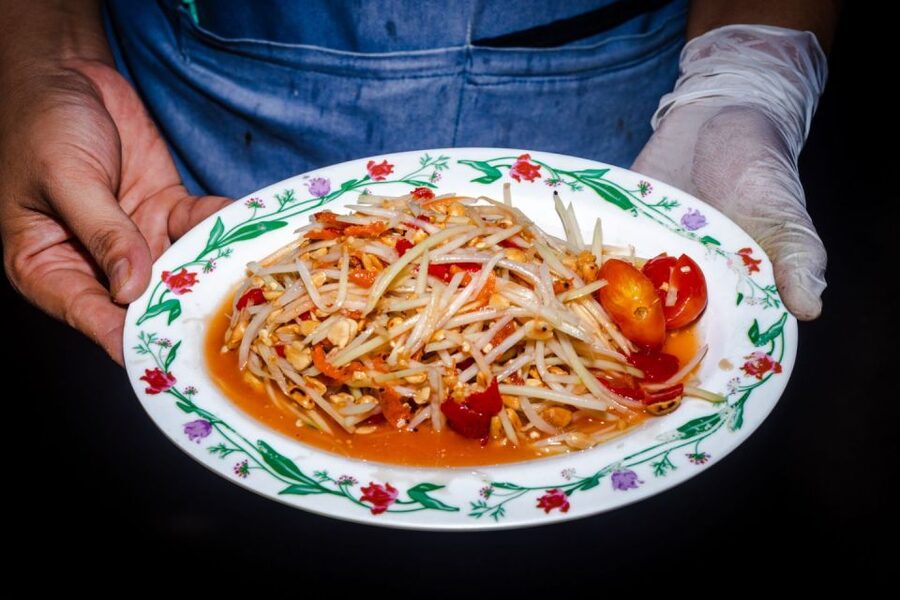
Many food tours focus on familiar dishes, then send you home after a few bites. This one takes a broader view of Northern Thai cooking. You may try crispy pork belly, sai oua sausage, larb, curries, vegetables, desserts, fruit, fermented ingredients, and snacks from the market.
The tour also treats food as a way to understand Chiang Mai. Your guide explains how ingredients are used, where dishes came from, and how different groups shaped Northern Thai cooking. That might mean learning about Shan specialties, fermented pork, fermented soybean paste, or the regional spices used in a sausage.
I like this approach because it gives you something useful beyond lunch. After four hours, you should have a better idea of what to order at a local restaurant, how to recognize unfamiliar ingredients, and which flavors belong to Northern Thailand rather than central Thai cooking.
The 4.9 rating from 157 reviews reflects a very consistent experience, especially in the areas that matter most on a food tour: food quality, guide enthusiasm, and the number of dishes served. The only recurring caution is that you need to pace yourself.
More food tours in Thailand:
- Bangkok: Backstreets Food Tour with 15+ Tastings
★ 4.9 · 2,880 reviews - Bangkok: Midnight Food Tour by Tuk-Tuk
★ 4.9 · 2,054 reviews - Southern Flavors Phuket Food Tour with 15+ Tastings
★ 5.0 · 1,933 reviews
Starting at Wat Lok Molee
The meeting point is in the grounds of Wat Lok Molee, a well-known temple near central Chiang Mai. Enter the temple grounds, turn left, and look for the large decorated tree beside the four-headed statue. Your guide waits there.
This is a pleasant place to begin, but give yourself time to find it. The instructions are specific, yet temple grounds can feel confusing if you arrive in a rush. If you use a taxi, show the driver the Thai address: วัดโลกโมฬี ถนน มณีนพรัตน์.
The tour operates in the morning or at another available starting time, depending on the schedule. If you choose a morning departure, skip breakfast or keep it very light. That is not a throwaway suggestion. The portions are substantial, and the food keeps coming.
Once the group gathers, you board the private songthaew. This red truck is the practical backbone of the outing. Rather than walking long distances under the Chiang Mai sun, you ride between food stops and get a look at parts of the city beyond the usual central route.
Riding the songthaew between local stops
The red truck gives the tour a distinctly Chiang Mai feel. It is not a luxury vehicle, and it should not be treated like one. Its value is that it carries your small group efficiently from one eating place to the next.
The group is limited to eight participants, though some departures are smaller. That makes a difference when you are sharing dishes or listening to an explanation about an ingredient. A guide can keep the group together without shouting across a crowded restaurant.
The ride also breaks up the eating. You are not sitting at one table for four straight hours. Instead, you eat, hear the story behind the dishes, travel to another location, and start again. For anyone who finds a long walking tour tiring, the truck is a major advantage.
You still need comfortable shoes. There is a market visit and some walking between the vehicle and food stalls. An umbrella is also wise because the tour runs in rain or shine. Weather-appropriate clothing will make the day much easier.
Restaurant stops and family-run food
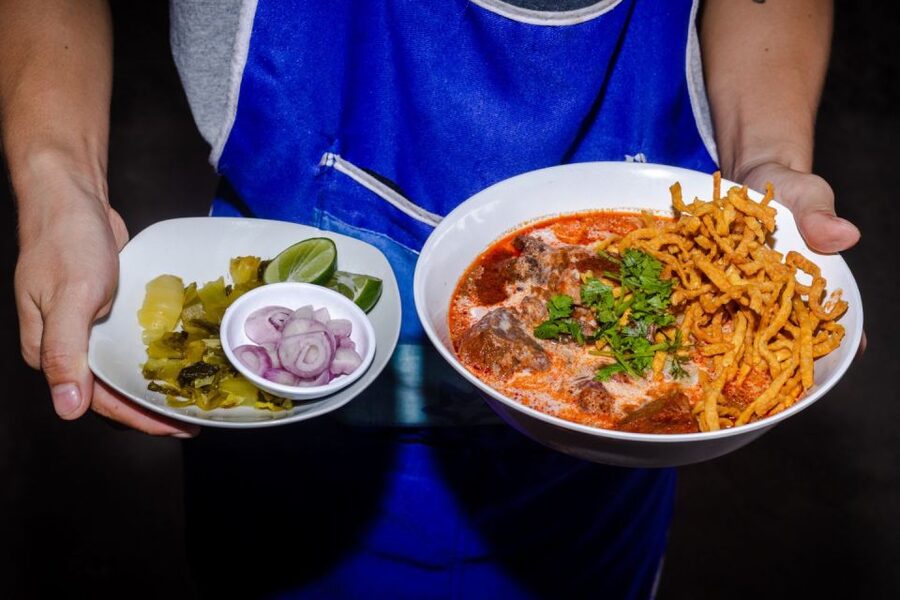
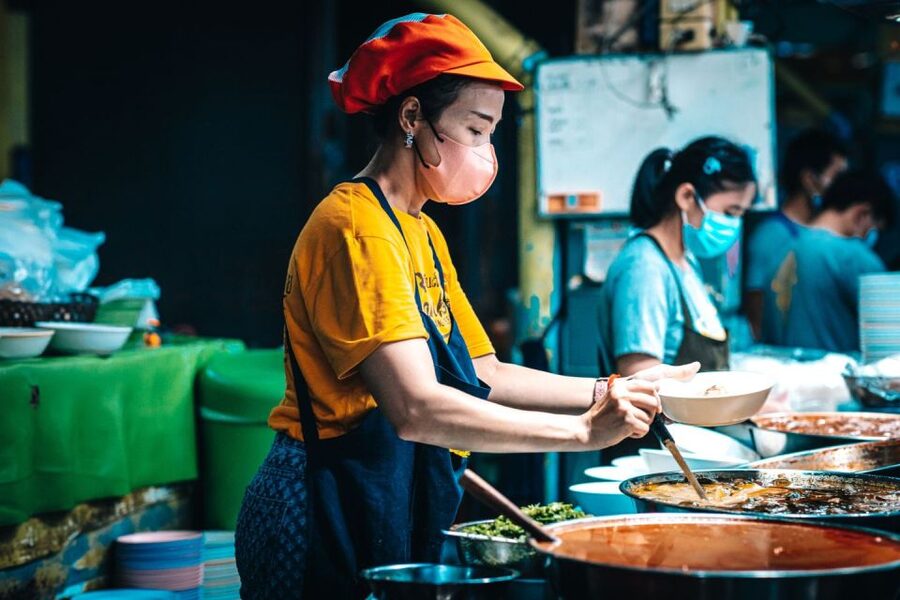
The exact dishes may vary, but the food stops form the heart of the experience. You visit several restaurants and street food locations, often outside the most obvious tourist areas. The appeal is not fine dining. It is the chance to eat food prepared for local customers in ordinary places you might pass without noticing.
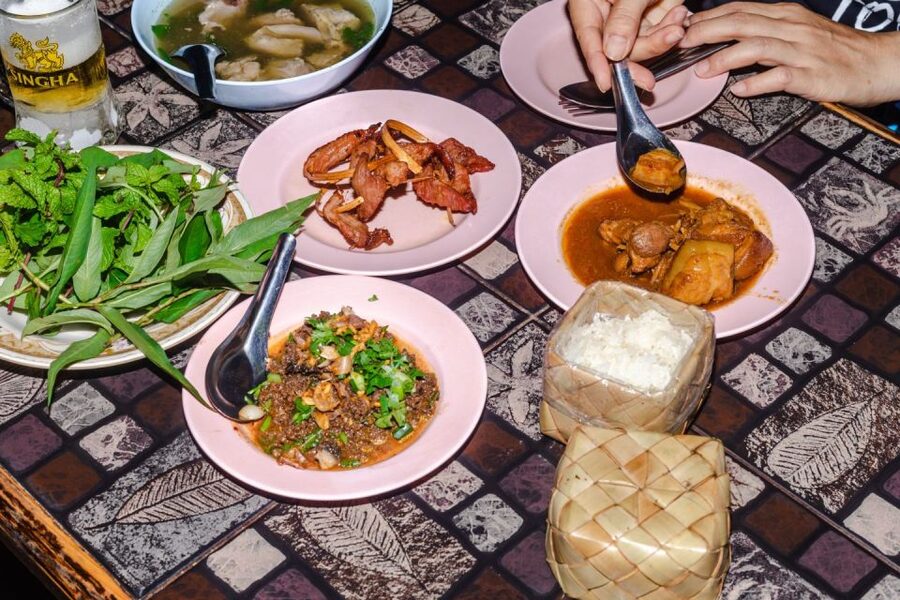
Several dishes receive special attention. Crispy pork belly cooked in a clay pot gives you a rich, savory start. The pork may be paired with other dishes rather than served as a single sample, so pace yourself.
Sai oua is another important tasting. This Northern Thai sausage is commonly seasoned with lemongrass and other herbs, giving it a fragrant, lively flavor. Your guide may explain how the spice blend differs from sausage elsewhere in Thailand.
Larb adds a sharper note. Northern Thai larb can differ from the familiar versions found in other parts of the country, and the guide helps explain the seasoning and regional style. You may also try curries, vegetable dishes, grilled meats, soups, and other local specialties.
The tasting list can include foods that many visitors would not order without help. Past menus have included water buffalo, fermented pork, coagulated chicken blood, crickets, silkworm larvae, and other unusual ingredients. These items are not presented as stunts. They are part of the wider food culture, and the guide explains what you are tasting before you decide how much to try.
That said, you do need an open mind. If you dislike strong fermented flavors or are uneasy around unfamiliar ingredients, this tour may feel demanding. The guide can explain the dishes, but the experience is built around trying food rather than staying with safe choices.
Same appetite, a different neighbourhood:
- Bangkok Backstreets Food Tour with 15+ Tastings
★ 5.0 · 1,926 reviews - Bangkok: Michelin Guide Street Food Tour by Tuk Tuk
★ 4.4 · 1,274 reviews - Old Siam Bangkok Food Tour with 15+ Tastings
★ 5.0 · 867 reviews - Bangkok Authentic Tasting Thai-Chinatown Walking Food Tour
★ 4.9 · 852 reviews
The stories behind Northern Thai ingredients
The strongest part of the tour is the explanation that comes with each dish. Guides such as Moui, Aim, Indy, Muang, Bun, Tree, and Noi have been praised for their command of food, local history, and culture. The names may vary by departure, but the experience is designed around a live English-speaking guide.
A good guide helps you connect ingredients to place. You might smell spice blends, examine dried fermented soybean paste, or learn how a dish reflects influences from neighboring regions. You also get context about the people who run the food stalls and restaurants.
That personal connection matters. You are not just eating a plate of sausage. You may learn who makes it, how it is seasoned, and why it belongs to Northern Thai food. At some stops, your guide may introduce you to the restaurant owners or cooks.
I especially like that the cultural explanation continues beyond the kitchen. The food tells you about trade, migration, local customs, and daily life in Northern Thailand. You do not need to be a serious food student to enjoy this. The information is practical, and it helps you recognize what makes Chiang Mai cooking distinct.
The market finale
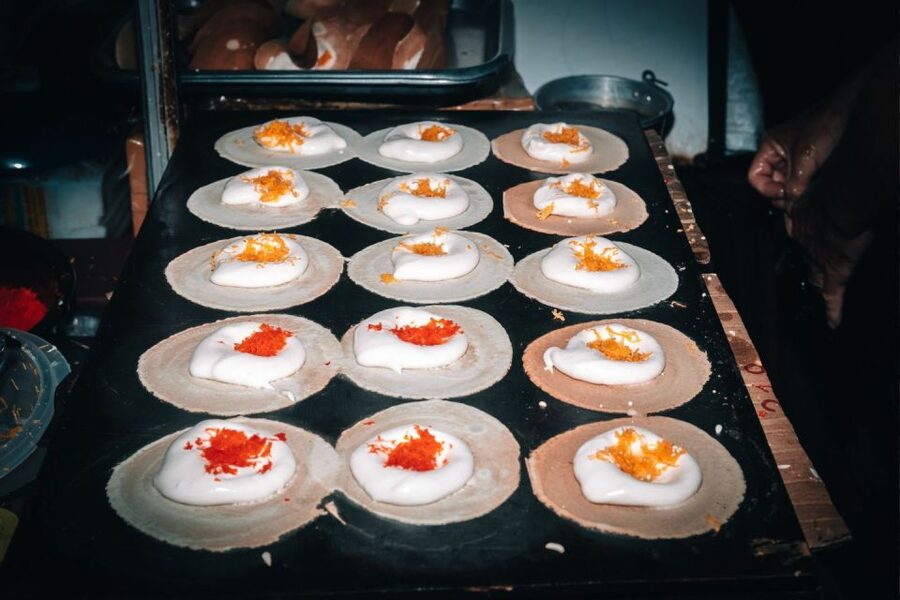
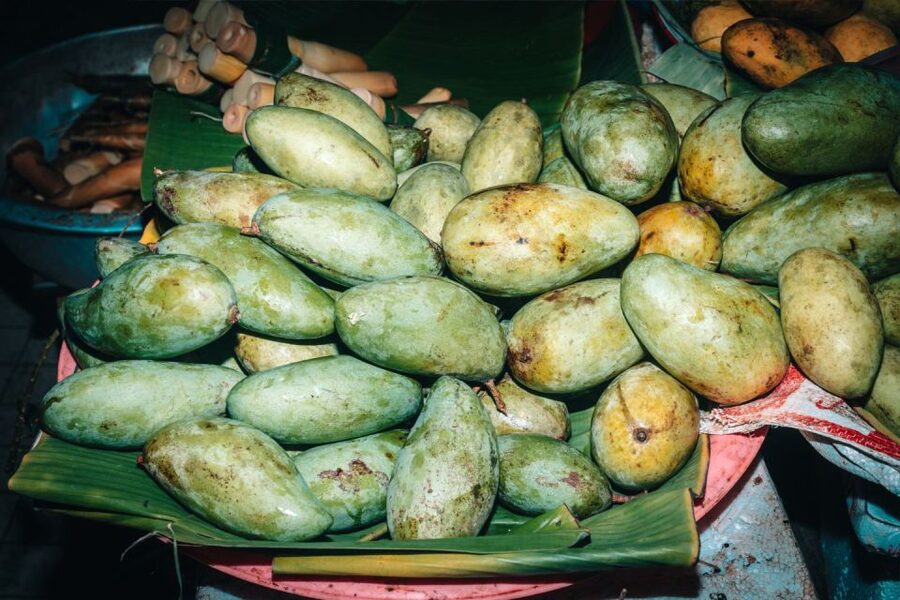
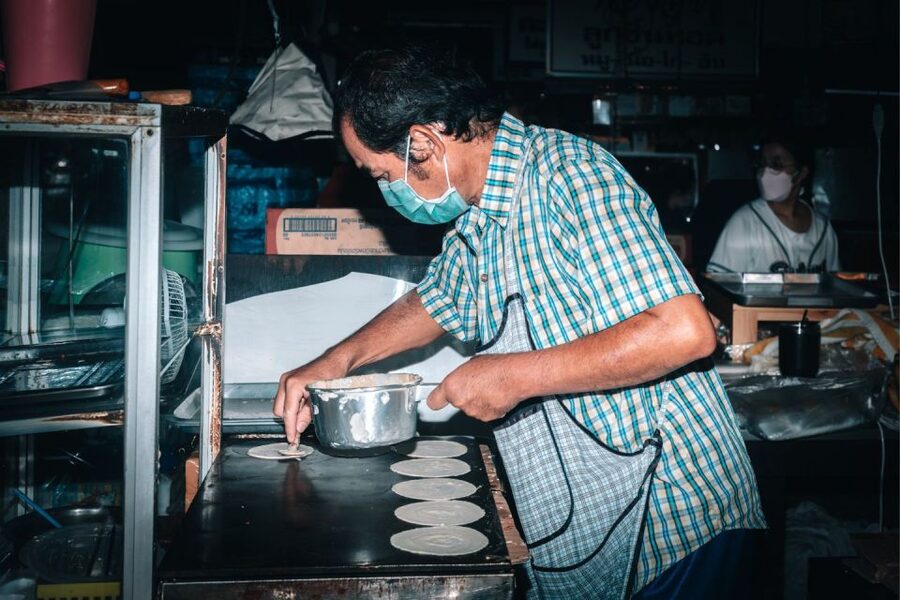
The final market visit changes the pace again. Instead of sitting down to a prepared meal, you walk through a local market with your guide. You look at stalls selling fresh ingredients, snacks, sweets, fruit, spices, and other everyday foods.
Your guide explains how locals shop and eat, then selects additional items for the group to share. The market tasting works like a casual picnic, with bags of snacks and desserts opened for everyone.
This is where the tour becomes especially useful for the rest of your trip. You can ask what an ingredient is, how a snack is eaten, or what might travel well in your luggage. You may also have a chance to buy spices or tea.
The market will not necessarily impress anyone who has visited many large markets around the world. One participant found the final market less appealing than other Chiang Mai markets. That is a fair point. The market stop is more valuable for the food lesson and tastings than for grand scenery or polished presentation.
How much food will you actually eat?
A lot. The tour promises more than 15 tastings, but the portions can feel closer to a series of shared meals than a succession of nibbles. Several people finished completely stuffed, and some did not eat again until the following morning.
The best strategy is to pace yourself from the first stop. Take smaller portions when possible, drink water, and remember that savory dishes are followed by market snacks and dessert. Do not fill up on the first plate simply because it is delicious.
Bottled water and soft drinks are included. Alcohol is not included, so plan to buy your own elsewhere if you want a drink later. Since you will be moving among several venues, this is not the right outing for anyone who wants to linger over a single long lunch.
The quantity is also part of the value. At $62 per person, you are paying for transportation, a guide, and a large amount of food across several locations. You are also paying for the ordering and translation help that makes unfamiliar restaurants much easier to navigate.
Is the $62 price good value?
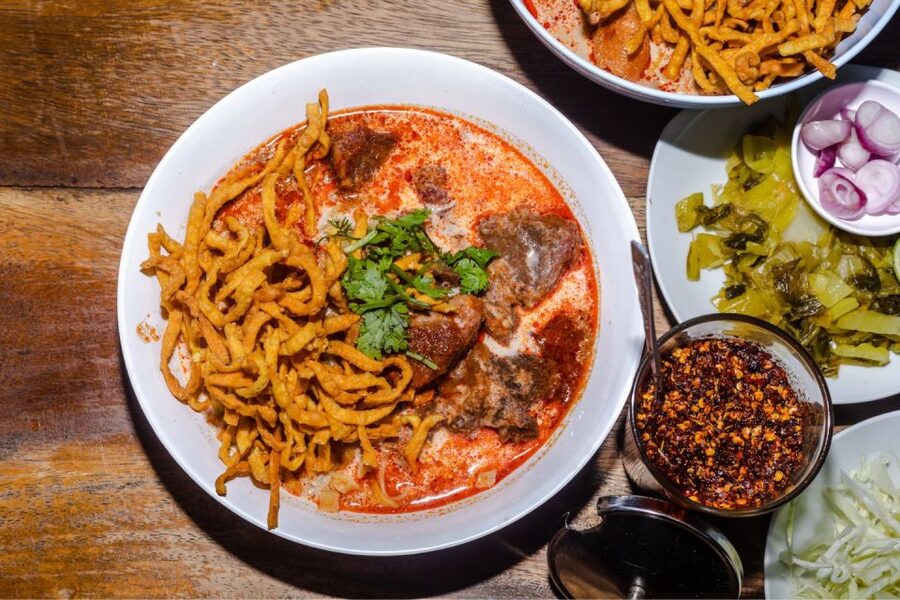
For a simple meal, $62 would be expensive in Chiang Mai. For four hours of food, transport, market visits, and guided interpretation, the price is more reasonable.
You would have difficulty ordering 15 or more different Northern Thai tastings alone, especially if you are traveling as a couple or a small family. Many dishes are served family-style, so the tour lets you sample widely without buying a full plate of everything.
The private songthaew adds value too. You avoid arranging separate rides between several locations, and you can reach restaurants outside the central tourist area. The guide also handles the difficult part: knowing where to go and what to order.
I would consider it good value for first-time visitors, serious eaters, and anyone who wants more than the standard khao soi stop. It is less useful if you already have a fixed list of restaurants and prefer to order independently. It is also not good value if food restrictions mean you can only eat a small portion of the menu.
Who should book this experience?
You should consider booking it if you want to:
- Try many Northern Thai dishes in one outing
- Learn how food connects with local history and culture
- Reach family-run places that are hard to identify on your own
- Eat comfortably without walking across Chiang Mai all afternoon
- Get ideas for what to order during the rest of your Thailand trip
- Meet a few other people in a small group
This is particularly useful early in your Chiang Mai stay. The guide can give you a practical food map for the days ahead, and you may return to a restaurant or market after learning what to order.
The tour is not suitable for vegetarians, vegans, pescatarians, people with nut allergies, severe food allergies, or anyone who cannot consume soy sauce. The information also lists it as unsuitable for people over 95 years old. If you have any dietary concern, this is not a tour where you should hope to manage quietly at the table.
Practical tips for getting the most from it
Arrive early at Wat Lok Molee. The meeting point is clear once you are under the tree, but late arrivals can be hard to fold into a moving food tour.
Wear shoes that are comfortable for a market visit. The truck reduces walking but does not remove it. Bring an umbrella, even if the forecast looks uncertain, because the tour runs in wet weather.
Do not eat a full breakfast or lunch before starting. A small snack may be sensible if you need one, but you want room for the full route.
Keep your mind open, but do not force yourself to eat an ingredient that concerns you. Ask questions. The guide is there to explain the dishes, and the small group format makes those conversations easy.
Finally, bring a little extra money if you want to buy tea, spices, snacks, or desserts at the market. Those purchases are not included.
FAQ
How long does the Chiang Mai food tour last?
The tour lasts four hours.
How many food tastings are included?
The experience includes more than 15 Northern Thai food tastings.
Where does the tour meet?
The meeting point is in the grounds of Wat Lok Molee. After entering, turn left and look under the large decorated tree next to the four-headed statue.
How do you travel between food stops?
You travel in a private rod deang, also called a songthaew or red truck.
How many people are in the group?
The group is limited to eight participants.
Is the tour conducted in English?
Yes. The tour includes a live English-speaking guide.
Are drinks included?
Bottled water and soft drinks are included. Alcohol is not included.
Is the tour suitable for vegetarians or people with allergies?
No. The tour is not suitable for vegetarians, vegans, pescatarians, people with food allergies, or people with nut allergies. It is also unsuitable for anyone who cannot consume soy sauce.
Should you book this Chiang Mai food tour?
Book it if you want a generous, local-focused introduction to Northern Thai food and do not mind sharing many dishes in a short time. The combination of a small group, red truck transport, market shopping, and guides such as Moui, Aim, and Noi gives you both a meal and a useful lesson in how to eat around Chiang Mai.
Skip it if you need strict dietary control, prefer a slow meal, or already know the city’s food scene well. For everyone else, the smart move is to book it near the start of your stay, arrive hungry, and let the guide order.
New food tours we have reviewed in Thailand
- Bangkok 3-in-1 Tour: Longtail Boat,TukTuk & Street Food Adventure★ 5.0 · 73 reviews
- 4-Hour Hidden Bangkok TukTuk Street Food Guided Tour★ 5.0 · 23 reviews
- Private Tuktuk Authentic Food Tour (Chinatown-Flower Market)★ 5.0 · 75 reviews
- Train & Floating Market Food Adventure + Scenic train ride★ 5.0 · 102 reviews
- Bangkok Tuk Tuk Food Tour By Night★ 5.0 · 198 reviews
- Timeless Thonburi Canal and Food Tour★ 5.0 · 31 reviews
- Authentic Street Food Tour in China Town Bangkok★ 5.0 · 25 reviews
- Night Street Food Tour of Bangkok’s Chinatown★ 5.0 · 173 reviews
Chiang Mai Food Tours, compared.
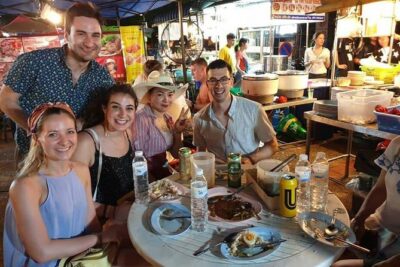
Small-Group Chiang Mai Evening Street Food Tour
Read our review →
Chiang Mai: Evening Local Street Food Market Tour
Read our review →
Northern Flavours Chiang Mai Food Tour with 15+ Tastings
Read our review →
The 10 Tastings of Chiang Mai With Locals: Private Street Food Tour
Read our review →
Taste of Chiang Mai: Michelin Guide & Street Food Tour
Read our review →
Fresh Local Market Tour – Food tour in Chiang Mai
Read our review →
Chiang Mai: Tuk-Tuk Evening Tour with Temples & Street Foods
Read our review →Browse the lists this tour appears in