
Review · CHINATOWN FOOD TOURS
Chinatown Walking Tour: Food, History & Flavor
San Francisco’s Chinatown is easy to visit and surprisingly easy to miss. This tour gives you a useful key to the neighborhood: follow a local guide from Dragon Gate through back alleys, tea shops, markets, and food counters, while the stories explain why these streets matter.
I like the small group of 15 or fewer, which leaves room for questions and makes narrow passageways easier to manage. I also like the mix of tastes: dim sum, BBQ pork buns, tea, pastries, and fresh fortune cookies make this more than a sightseeing walk.
The main thing to know is that this is as much a history and culture tour as a food tour. If you want a nonstop eating crawl, the storytelling may feel heavy at times, and the fortune cookie stop can be shortened or missed when lines are long.
Key points to know before booking
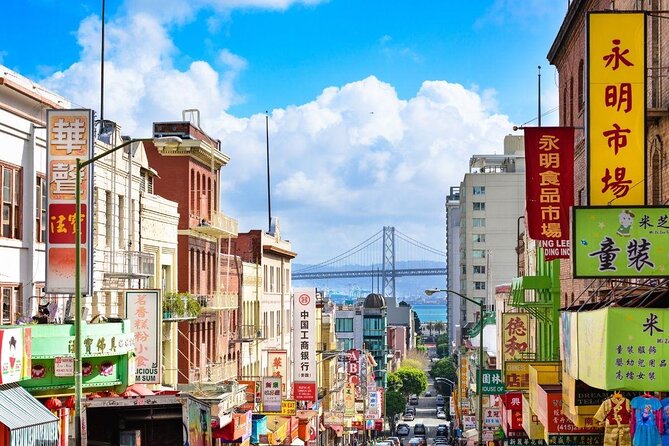
- Dragon Gate start: Begin at 400 Grant Avenue, then walk into the oldest Chinatown in North America.
- Lunch-sized tastings: Dim sum, BBQ pork buns, pastries, tea, and other Chinese specialties are served along the route.
- Excellent guides: Ryan, Andre, Scott, Isabella, Cynthia, Brian, and David are among the guides praised for their stories, humor, and local knowledge.
- Tea is a highlight: Vital Tea Leaf provides a lively tasting and an entertaining look at Chinese tea customs.
- Expect some hills: Most people can take part, but Chinatown’s slopes and steady walking deserve attention.
- Book ahead: The tour is often reserved about 24 days in advance, so popular dates may fill early.
Why this Chinatown walk works so well
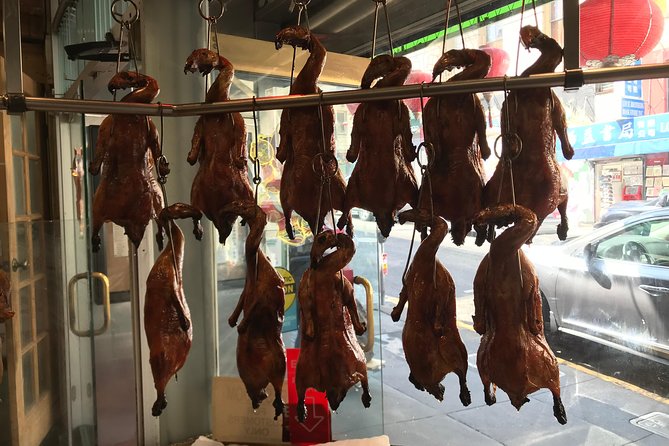
A first visit to Chinatown can feel like a collection of signs, storefronts, red lanterns, and busy sidewalks. You may enjoy the atmosphere without understanding how the neighborhood took shape or where locals actually shop.
This tour adds that missing context. Your guide connects the streets to Chinese immigration, Gold Rush-era San Francisco, community resilience, food traditions, and the neighborhood’s present-day life. That last point matters. You are not simply looking at an old district preserved for sightseeing. You are walking through a working community, with grocers, tea shops, restaurants, bakeries, and markets serving people who live nearby.
The pace is built around eating and explaining. You walk a short stretch, stop for a taste, hear a story, then continue. That rhythm keeps three hours from feeling like a lecture, though the balance leans toward history more than some people expect.
The group limit of 15 is a real advantage. A large food tour can turn every tasting into a traffic jam. Here, your guide can answer questions, point out small details, and keep the group together in tight lanes. The tradeoff is that you will still be moving at a group pace, so this is not the right choice if you want to linger at every shop.
More Chinatown food tours in the USA:
- NYC: Chinatown & Little Italy Food Tour with 7 Flavorful Tastings
★ 5.0 · 2,733 reviews - Original NYC Guided Food Tour of Chinatown and Little Italy
★ 5.0 · 2,194 reviews - Chinatown & North BeachLittle Italy: 7 Tastings & History
★ 5.0 · 1,070 reviews
Starting at Dragon Gate on Grant Avenue
The meeting point is 400 Grant Avenue, near the famous Dragon Gate. It is a fitting beginning. The gate marks the popular entrance to Chinatown, but the tour quickly takes you beyond the obvious postcard view.
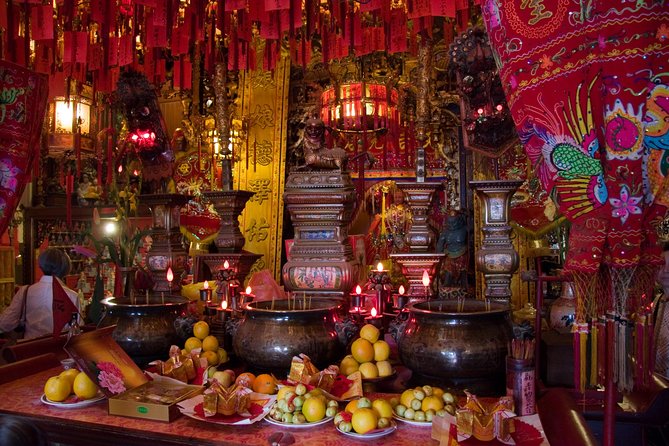
From here, your guide sets the tone with the neighborhood’s backstory. You learn how Chinese immigrants arrived in San Francisco, how the community developed, and how Chinatown endured major hardship while keeping its cultural identity.
This opening portion may feel slower than the food stops. One family described the beginning as a little sluggish, so do not expect to be eating within the first few minutes. The payoff is that the first stories give the food more meaning later.
Guides bring different personalities to the route. Ryan has been praised for mixing humor with history. Andre is known for explaining both the neighborhood’s past and his own connection to its shops and restaurants. Scott often folds pop culture and local stories into the walk, while Isabella, Cynthia, Brian, and David have also received praise for making the material easy to follow.
The individual guide can shape the experience. Some are especially entertaining, some focus more on history, and some spend more time answering questions. In every case, it is worth speaking up early if you are curious about food, architecture, shopping, or the community’s past.
Narrow alleys and the stories behind them
The best part of this tour is not simply reaching famous sights. It is learning how to read the neighborhood.
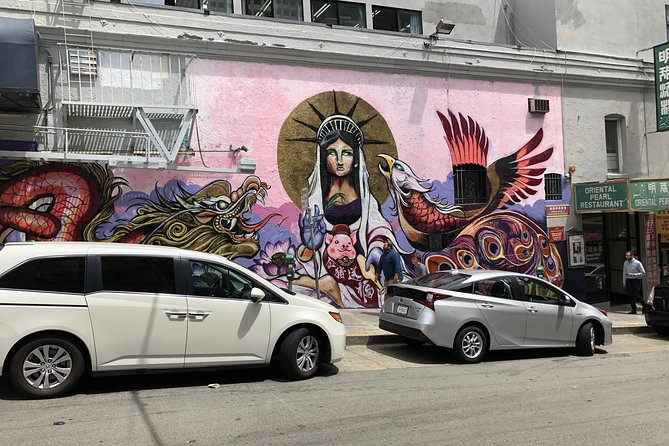
Your route includes narrow streets and back passages that are easy to overlook when you wander alone. A guide points out places you might otherwise pass without noticing, then explains how Chinatown’s streets, businesses, and traditions fit together.
The history is a major part of the experience. You hear about Chinese immigration, the Gold Rush period, and the community’s long effort to maintain a home in San Francisco. Several guides also connect the past with Chinatown today, including local shopping habits, food culture, and the way the neighborhood functions beyond tourism.
This is where the tour earns much of its $86 price. You could buy some food on your own for less, but you would not get the same organized route, background, introductions, and chance to ask questions. The value is strongest for a first visit, especially if you want to understand the area rather than simply eat in it.
If you already know Chinatown well, the historical sections may offer less novelty. Still, the back streets, tea presentation, and food stops can add something new, especially with a guide who has strong personal ties to the neighborhood.
Food stops that build into lunch
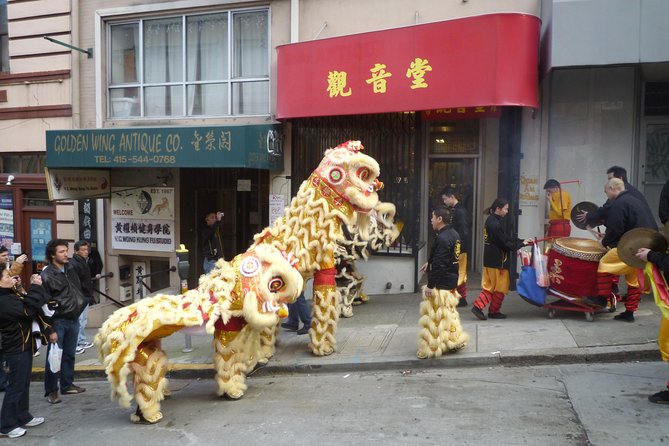
The tasting menu is designed to add up to a full lunch. The exact selection can vary, but the tour has included dim sum, BBQ pork buns, pastries, onion pancakes, Shanghai dumplings, potstickers, sesame balls, shrimp dumplings, rice cakes, Peking duck, and other Chinatown specialties.
That variety is one of the tour’s strengths. You are not asked to commit to one large dish at one restaurant. Instead, you sample several styles and textures as you move through the neighborhood. It is a good format if you enjoy trying unfamiliar foods or want an introduction to Chinese dishes without guessing from a menu.
The first food stop has been especially memorable for some groups, with onion and pork buns served early in the route. Other favorites include Peking duck and what has been called Scott’s noodles, an off-menu item associated with one guide and the Vital Tea Leaf stop.
The food quality may not be perfectly even. One detailed account found some tastings excellent and others merely fine, while still rating the history portion highly. That is useful context. You should book this as a food-and-history walk, not as a carefully staged tasting menu where every bite is a standout.
The food also arrives in a group setting. You may receive small portions rather than a private meal, and popular shops can be busy. The advantage is range. By the end, you are likely to have tried more than you would by choosing a single restaurant on your own.
More history tours in the USA:
- Historic Ybor City Food Walking Tour
★ 5.0 · 2,210 reviews - Boston Food & History: Pizza, North End & Freedom Trail
★ 5.0 · 1,772 reviews - New Orleans Food and History Walking Tour
★ 5.0 · 1,544 reviews - Boston’s North End Food Tour: Italian Flavors & Heritage Walk
★ 5.0 · 1,322 reviews
The Golden Gate Fortune Cookie Factory
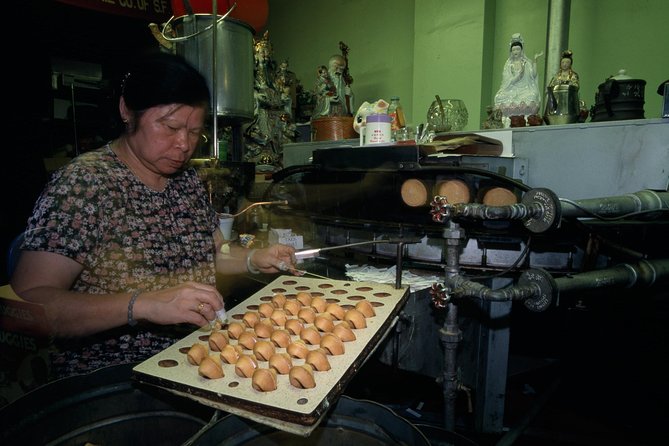
The Golden Gate Fortune Cookie Factory is one of the tour’s most distinctive stops. You can see fortune cookies being made fresh and sample them while they are still connected to the production process.
It is a brief but memorable contrast to the historical material. The factory is small and practical, not a grand museum, which is part of its charm. You get a look at a familiar restaurant item in its working setting.
There is one important limitation. Long lines can interfere with the schedule, and one group missed the factory because the wait was too long. Your guide may need to make a judgment call to protect the rest of the route. If this stop matters greatly to you, ask at the start whether conditions are likely to affect it.
Even if the factory visit is shortened, the tour still includes plenty of food and cultural material. But do not treat the cookie factory as an absolute guarantee of a long visit.
Stockton Street markets and everyday Chinatown
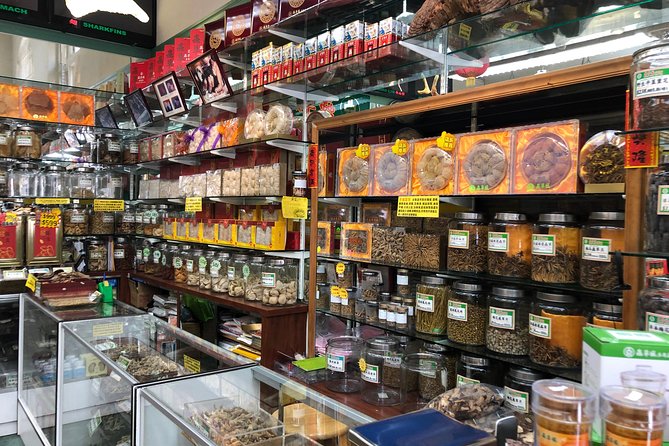
The Stockton Street market section helps keep the tour grounded in daily life. You browse shops where local residents buy fresh produce, herbs, dried goods, and other delicacies.
For me, this is more revealing than simply passing restaurant windows. The displays show how ingredients connect to home cooking and traditional remedies. Your guide can explain unfamiliar produce and herbs, and you can ask about things you would probably ignore on a solo walk.
The market streets can be crowded and active. That makes the stop feel authentic, but it also means you need to stay close to the group and watch your footing. A small group helps here, especially when the sidewalks tighten or the route passes through a busy shop.
This part also gives you practical confidence for exploring after the tour. One person specifically found that the walk made it easier to return to Chinatown independently. That is a useful measure of a good neighborhood tour: by the end, you should feel less like an outsider trying to decode every storefront.
Tea at Vital Tea Leaf
The tea tasting is one of the most consistently praised parts of the experience. At Vital Tea Leaf, you sample different teas and learn about Chinese tea customs, preparation, and flavor.
The setting adds personality. The tasting host has been described as funny and engaging, which keeps the presentation from becoming stiff. The stop also gives you a chance to slow down after the walking and food samples.
Tea is a smart inclusion because it adds something beyond another snack. You learn why tea matters in Chinese culture and how different varieties can taste and feel. If you normally skip tea shops, this is the stop most likely to change your mind.
It is also a good place to ask questions. You may want to know how to choose a tea, what makes one variety different from another, or how tea fits into meals and family customs. The small group makes that conversation easier than it would be during a crowded demonstration.
Walking effort, hills, and timing
The experience lasts about three hours and takes place entirely on foot. You should wear comfortable shoes and plan for a steady pace between stops.
Chinatown is hilly. The route is manageable for most people, but it includes at least one noticeable slope, with one account describing a block-long climb. There are pauses for food and commentary, yet this is not a flat stroll.
Most people can participate, and service animals are allowed. The activity is near public transportation, which makes the Grant Avenue meeting point practical if you are staying elsewhere in San Francisco. The tour ends at 650 Jackson Street, so you should note that you finish in a different part of Chinatown from where you begin.
Because food and walking are combined, this tour works best when you avoid scheduling another demanding activity immediately afterward. The tastings add up to lunch, and the hills take some energy. You will want time to enjoy the neighborhood after the final stop rather than rushing to another appointment.
Price, group size, and booking value
At $86 per person, this is not the cheapest way to eat in Chinatown. You can certainly spend less by ordering a meal and wandering around on your own.
The price makes more sense when you count what is included: roughly three hours of guiding, a small group, several tastings, tea, fortune cookies, market visits, and a route designed to connect food with history. You are also paying for the time saved. Instead of researching restaurants, guessing what to order, and missing the back alleys, you get a structured introduction.
The tour is often booked about 24 days ahead. That suggests you should reserve early for weekends, family trips, or specific dates. Confirmation arrives when you book, and free cancellation is available if you cancel at least 24 hours before the start time. Changes or cancellations inside that window are not refunded.
Children and young people need an adult registration, and the company cannot accommodate nut allergies. If that affects your group, ask before booking rather than hoping the tasting route can be adjusted.
Who should book this Chinatown tour?
I would choose this walk for a first-time visitor who wants a useful introduction to Chinatown without spending half a day planning meals. It also suits families, couples, solo visitors, and older children who enjoy a mix of food and stories.
It is a particularly good fit if you want:
- A small group instead of a large procession
- A local guide who can answer questions
- Several tastes rather than one restaurant meal
- Context about immigration and community life
- Tea, markets, and back streets alongside the major sights
I would hesitate if your only goal is to eat as much as possible. The history sections are substantial, and the food quality can vary from stop to stop. You should also think twice if hills or three hours of walking would be difficult.
Should you book it?
Book this tour if you want Chinatown to make sense, not just look interesting. The strongest parts are the guides, the neighborhood stories, the Vital Tea Leaf tasting, and the chance to sample several local foods while moving through places you might miss alone.
Choose another plan if you want a pure food crawl, need a completely flat route, or have a nut allergy. For most first visits, though, the $86 fee buys a well-organized introduction, a lunch’s worth of tastings, and a better understanding of why San Francisco Chinatown is more than a tourist district.
FAQ
Where does the Chinatown walking tour start?
The tour starts at 400 Grant Avenue in San Francisco, near Dragon Gate.
Where does the tour end?
The tour ends at 650 Jackson Street in San Francisco.
How long does the experience last?
The walking tour lasts approximately three hours.
How many people can join the tour?
The maximum group size is 15 people.
What food is included?
The tastings can include dim sum, BBQ pork buns, Chinese pastries, tea, fortune cookies, and other local specialties. Food mentioned along the route includes items such as Peking duck, dumplings, onion pancakes, potstickers, and rice cakes.
Is the fortune cookie factory visit guaranteed?
The tour includes a stop at the Golden Gate Fortune Cookie Factory, but long lines can sometimes prevent a full visit.
Can the tour accommodate nut allergies?
No. The tour provider states that it cannot accommodate nut allergies.
New food tours we have reviewed in the USA
- ChattaBrunch Food Tour★ 5.0 · 87 reviews
- Downtown Chattanooga Food Tour★ 5.0 · 290 reviews
- Historic Southside Food Tour in Chattanooga★ 5.0 · 32 reviews
- Tastes Through Time – Charleston’s Best Food & History Tour★ 4.5 · 95 reviews
- Charleston’s Savor the Flavors of Upper King Street Walking Food Tour★ 4.5 · 130 reviews
- Charleston Private Brunch Tour: Biscuits, Shrimps, Grits and More★ 5.0 · 48 reviews
- Charleston Farm-to-Table Food Tour and Chef’s Challenge★ 5.0 · 110 reviews
- Private Charleston Walking Food Tour at the French Quarter★ 5.0 · 201 reviews
Chinatown Food Tours, compared.
NYC: Chinatown & Little Italy Food Tour with 7 Flavorful Tastings
Read our review →
Original NYC Guided Food Tour of Chinatown and Little Italy
Read our review →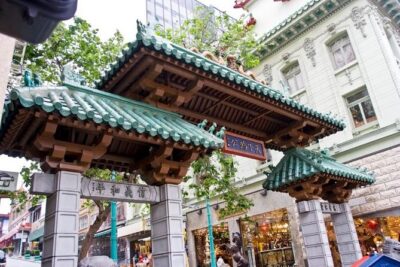
Chinatown & North BeachLittle Italy: 7 Tastings & History
Read our review →
Bangkok Authentic Tasting Thai-Chinatown Walking Food Tour
Read our review →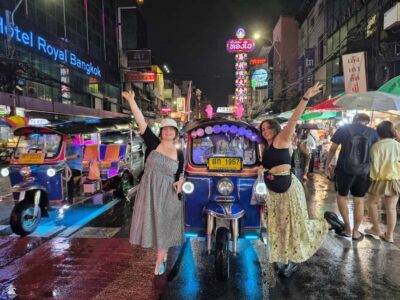
Bangkok: Tuk Tuk Adventure Chinatown Michelin Food & Temples
Read our review →

Bangkok Tuk-Tuk Tour by Night with Chinatown Street Food Meal
Read our review →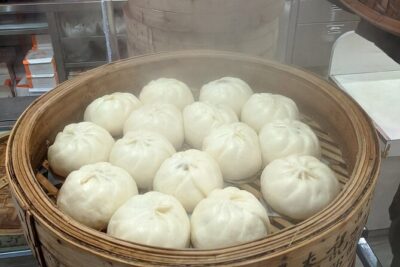
A Wok Around Chinatown: Culinary and Cultural Walking Tour Led by a Chef
Read our review →Browse the lists this tour appears in