
Review · STREET ART
East Meets West: Berlin Food Culture & Street Art
Berlin’s food culture makes the most sense on foot, especially when your route runs from former East Berlin to Kreuzberg. This small-group walk combines six local tastings with street art, the Berlin Wall, Turkish food, Ukrainian cooking, and stories from the Nazi and Communist eras. It is less about grand monuments and more about how Berliners eat, work, and remake their neighborhoods.
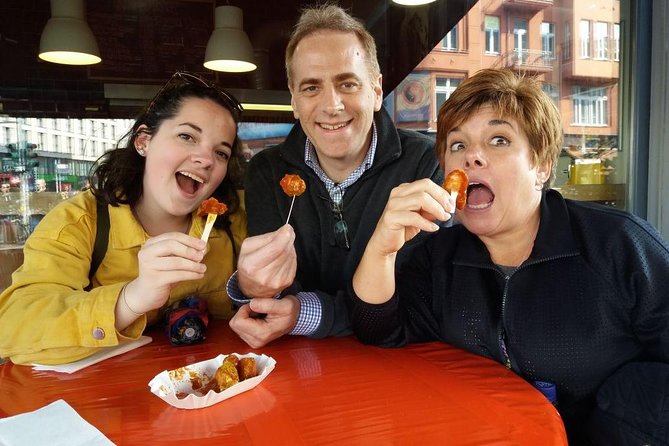
I like the way the tour links food to place. Schnitzel, currywurst, Turkish street food, vegan doughnuts, and Ukrainian dishes are not random samples, but clues to Berlin’s changing identity. I also like the maximum of eight people, which gives guides such as Lee, Elena, Tiago, and Will room to answer questions and adjust the pace.
The main drawback is value for anyone expecting a major sightseeing tour. One less-satisfied experience found the food stops inexpensive and the sightseeing limited mostly to East Side Gallery and the walk toward West Berlin. At $169.38 per person, you need to want a food-and-neighborhood tour, not a full survey of Berlin’s famous sights.
Key points at a glance
- Six tastings across four food traditions: Expect German, Turkish, Ukrainian, and vegan specialties, plus drinks and Berliner Pilsner.
- A clear East-to-West route: Begin in Friedrichshain, see the Berlin Wall at East Side Gallery, then finish in Kreuzberg near Kottbusser Tor.
- A small group of no more than eight: The format suits questions, conversation, and a more personal walk.
- History is tied to ordinary streets: Stories cover Nazi Germany, SS patrols, East Berlin life, the Wall, and the growth of Kreuzberg’s Turkish community.
- A filling midday meal: Several people found the portions substantial enough to replace breakfast and, in some cases, dinner.
- Plan for walking and weather: Wear comfortable shoes, carry rain protection, and arrange your BVG transport ticket separately.
Berlin’s food story begins in Friedrichshain
The tour starts at Industriepalast Hostel on Warschauer Strasse at noon. Friedrichshain is a useful starting point because the neighborhood carries the feel of former East Berlin, with its association with revolutionary East Berliners and its newer creative scene.
Your guide and small group set off on foot, moving through an area where political change is still visible in the streets. The first stop is brief, about 20 minutes, so this is an introduction rather than a full neighborhood tour. You get the setting, then move quickly toward the Wall and the first food-focused parts of the route.
The pace matters. This is a 3-hour-30-minute experience, and the route has ten listed stops. You will not linger at every location for a long lecture. Instead, the guide connects short visits, food samples, and stories as you move through the city.
Guides have a large effect on the experience. Lee has been praised for explaining both the local cuisine and the area, while Elena is known for spending time on Berlin’s people, culture, and neighborhoods. Tiago and Will have also been singled out for clear explanations of the city and its food. The operator assigns the guide, so you should think of these names as examples of the style rather than a guarantee of who will lead your group.
More street art walks in Berlin:
- Naples: Street Art, Wine and Food Tasting Walking Tour
★ 5.0 · 163 reviews - Phnom Penh: Street Art & Food Tour by Tuk-Tuk
★ 4.9 · 69 reviews - Bangkok: Street Art and Street Food Walking Tour
★ 4.1 · 58 reviews
East Side Gallery and the Berlin Wall
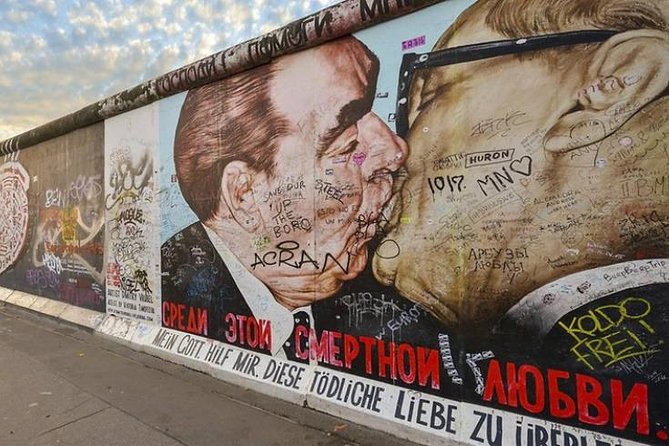
East Side Gallery is the tour’s clearest sightseeing stop. You spend about 20 minutes at a surviving section of the Berlin Wall, where political murals cover the concrete. This is not simply a photo stop. The art helps your guide explain how the Wall changed from a symbol of division into a public canvas for political expression.
You can touch an actual remaining section of the Wall, a detail that gives this part of the walk more weight than viewing a replica or reading a museum panel. The stop is short, though, so anyone wanting a detailed Cold War lesson should make time for a separate museum or memorial.
From here, the route crosses toward former West Berlin and Kreuzberg. The transition is one of the tour’s best ideas. Instead of presenting East and West Berlin as separate history-book chapters, you see the two sides as connected neighborhoods shaped by migration, politics, and new businesses.
Kreuzberg, schnitzel, and Berlin’s changing identity
Kreuzberg brings a different mood. The area is known for bars, restaurants, creative work, and a strong immigrant influence. You spend about 30 minutes getting a feel for the neighborhood before stopping at Scheers Schnitzel, described as a Berlin schnitzel institution.
This is a useful food lesson because schnitzel is familiar to many visitors, yet the Berlin style gives the dish a local frame. The tour does not present German food as a fixed tradition untouched by outside influence. Instead, it places classic comfort food beside the dishes that arrived with newer communities and the foods created by Berlin’s current restaurant scene.
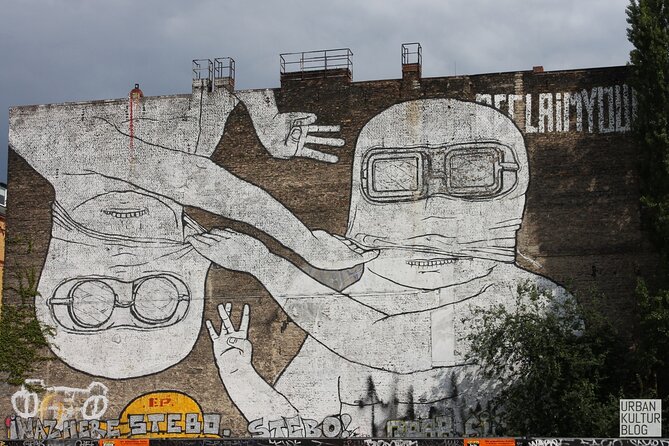
The route then pauses for street art. Kreuzberg is one of the main reasons to choose this tour instead of a standard food crawl in central Berlin. You see a world-famous mural and hear how art can tell stories about East and West, the past and the future.
The street-art portion is brief, around 15 minutes. That is enough to understand the point and see a major work, but not enough for a full mural tour. If graffiti is your main reason for booking, you may want a separate street-art walk as well.
Ukrainian soul food at Slava Berlin
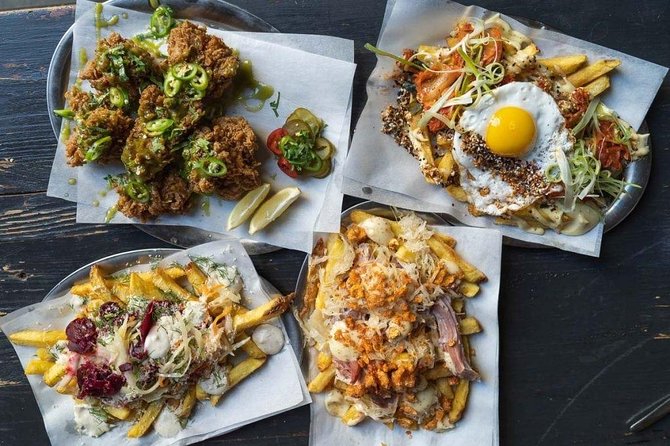
At Slava Berlin, the tour turns to modern Ukrainian food in an immigrant women-led restaurant. This stop adds a current European story to the older Berlin narrative. You are not only eating a traditional national dish. You are seeing how migration and recent events shape the city’s restaurant culture.
The stop lasts about 20 minutes and is part of the included tasting program. The food is served as one of several small experiences, so you should not expect a long restaurant meal at each address. The appeal comes from the range: Ukrainian food appears alongside German, Turkish, and vegan Berlin specialties in a single afternoon.
That range is one of the strongest parts of the tour. You can ask your guide how the foods connect to Berlin, how communities changed Kreuzberg, and why certain dishes became part of the city’s everyday eating habits. Guides such as Elena and Tiago have received especially warm praise for answering questions about culture, history, and food rather than rushing through a script.
More food tours in Berlin:
- Berlin Center Food Tour with 8+ Authentic Local Tastings
★ 5.0 · 1,227 reviews - Kreuzberg: Culinary Food Tour
★ 4.5 · 770 reviews - Berlin: Mitte Culinary Food Tour
★ 4.5 · 447 reviews - Berlin: Downtown Food Tour with 8 Authentic Local Tastings
★ 4.8 · 342 reviews
Markthalle Neun and Berlin’s independent food scene
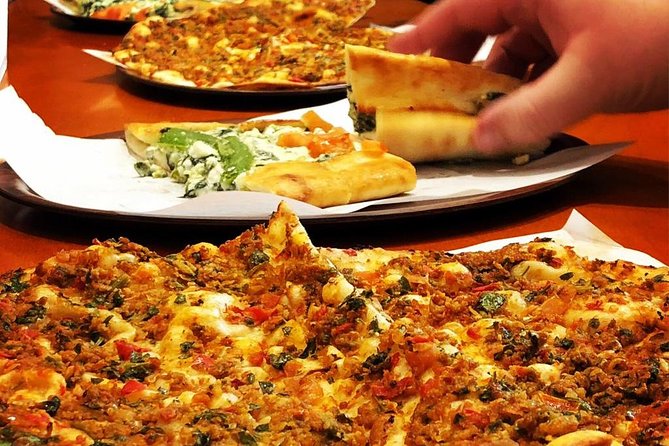
Markthalle Neun is the largest stop on paper, with about 30 minutes inside the restored market hall. The building dates from the early 1900s and survived the destruction of World War II as well as later pressure to become a more commercial space.
That history makes the hall worth seeing even if you are already full. It represents a different side of Berlin’s food culture: small producers, independent stalls, events, and inventive cooking in a reused historic building. The hall’s programming connects Berlin food businesses with producers from the surrounding region and beyond.
Your visit may vary depending on the day and event schedule. The tour description presents Markthalle Neun as a culinary center, but it does not promise a specific market event or a particular vendor beyond the planned tasting route. You should treat it as a window into Berlin’s food scene, not as free time to sample everything in the hall.
This is also where the price begins to make more sense for some people. You are paying for a guided route that connects several businesses and neighborhoods, not merely for six snack portions. If you enjoy local food markets and want context for what you are eating, the hall adds useful depth.
Turkish Kreuzberg at Leylak
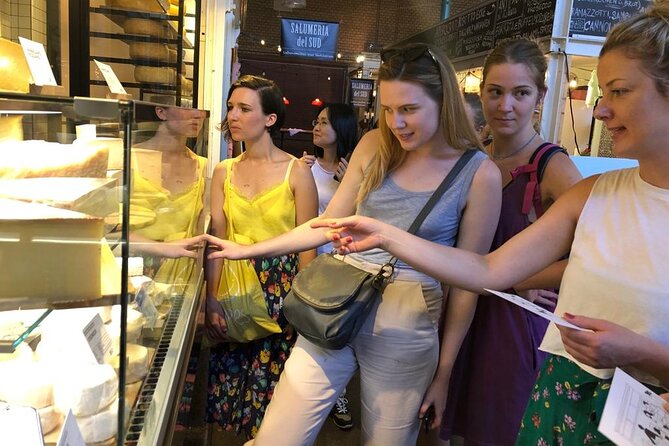
The Turkish stop at Leylak explains one of the most important parts of Kreuzberg’s identity. Berlin has the largest Turkish community outside Turkey, and Turkish residents helped rebuild and reshape the neighborhood during the 1980s and 1990s.
At Leylak, you taste street food associated with the Anatolian region. The stop lasts around 20 minutes, so the focus is on sampling and explanation rather than a long sit-down meal. This is one of the places where the food and history fit together most clearly.
I like this kind of stop because it avoids treating immigrant food as a side note. Turkish cooking is presented as central to Kreuzberg, not as an exotic extra added to a German menu. You can also expect the guide to place the food in a wider story about Berlin’s multicultural neighborhoods and the people who built them.
The description uses the phrase Little Istanbul for this part of the city. That nickname can be useful for orientation, but Kreuzberg is not a museum version of Istanbul. The neighborhood includes many communities, styles, and periods, and the tour gives you one focused look at its Turkish influence.
Currywurst, coffee, and a vegan finish
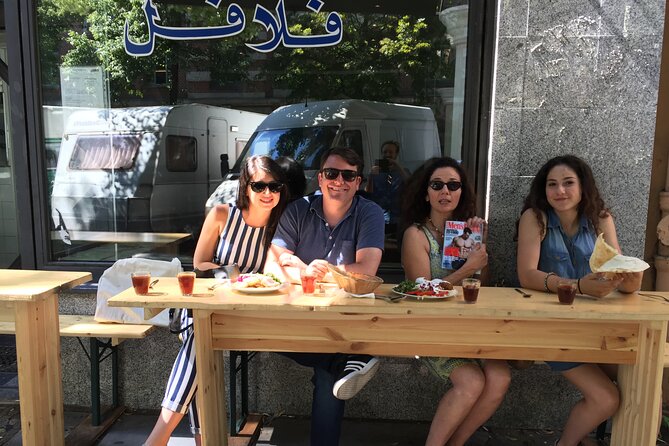
Ketels Curry provides the currywurst chapter. The dish is closely tied to Berlin’s modern food identity, and the tour tells the story behind its rise. The stop is not only about eating a sausage with sauce. It explains how a simple street food became part of the city’s public image.
The exact balance between food and storytelling depends on your guide and group questions. The itinerary allows about 20 minutes, so expect a compact tasting rather than a long historical talk. Still, currywurst is one of the most practical Berlin foods to understand because you will see it across the city.
The final food stop is Brammibal’s Donuts at Maybachufer. These are vegan doughnuts, and the tour uses them to show how Berlin’s current food culture differs from its older dishes. Vegan eating is treated as a major part of the city’s identity, not simply a substitute for meat.
The contrast is fun: schnitzel earlier, currywurst later, and vegan doughnuts near the finish. It also makes this tour easier for people who want more than traditional German food. Vegetarian guests can participate if they tell the operator when booking, and specific dietary needs should be reported in advance.
Coffee is part of the broader experience too, with a stop at one of Friedrichshain’s hip coffee shops as your stomach gets going. The included drinks and Berliner Pilsner help round out the food samples, though you should confirm any special dietary or drink requirements before departure.
How much food do you really get?
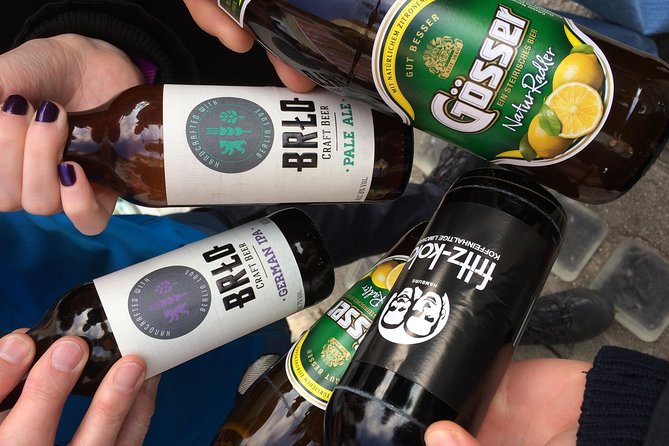
Come hungry. The tastings are substantial enough that one person was glad to skip breakfast, while another found the portions large enough to replace dinner later. That is a useful warning if you prefer light grazing rather than a full midday intake.
The tour includes six local tastings, beverages, food samples, and Berliner Pilsner. The ten listed stops are not all food stops. Some are neighborhood or street-art visits, while others are short historical pauses. That distinction matters because the experience is not ten separate meals.
At $169.38, the value depends on how you use the tour. The price is high for inexpensive street food alone. It becomes easier to justify if you value a small group, a local guide, several tastings, and the work of connecting Berlin’s food to its political and immigrant history.
A person seeking premium restaurant dishes may be disappointed. The food is mainly casual, local, and accessible. One less favorable assessment found the choices inexpensive and only moderately good, while most of the available feedback praised the variety, flavor, and generous portions. I would book this for breadth and context, not luxury dining.
Walking, transport, and practical planning
You meet at Industriepalast Hostel, Warschauer Strasse 43, at 12:00 p.m. The tour ends near U Kottbusser Tor, served by the U8 and U1 lines. That final location is useful because you can continue exploring Kreuzberg or connect to other parts of Berlin by subway.
Your BVG transport ticket is not included. The supplied route lists walking between neighborhoods, but it does not include public transport as part of the price. Ask the operator if the meeting point or timing changes with the season, since those details may be reconfirmed by email before departure.
Wear comfortable walking shoes. A rain jacket or poncho is sensible because street art and neighborhood stops remain outdoor experiences in poor weather. The tour requires a moderate amount of walking, and most people can participate, but it is not a seated food tasting.
The group maximum is eight people. That is small enough for direct questions, and it matters on a food tour where timing, dietary needs, and personal interests can affect the experience. Service animals are allowed, and the tour operates near public transport.
Free cancellation is available up to 24 hours before the start time. If you cancel later, the payment is not refunded, and the operator may offer a new date or full refund if the minimum number needed to run the experience is not reached.
Who should book this Berlin food walk?
I would choose this tour if you are visiting Berlin for the first time and want a fast introduction to Friedrichshain and Kreuzberg. It works especially well for people who enjoy eating small portions from several cultures, asking questions, and learning why a neighborhood looks the way it does.
It also suits repeat visitors who have already seen the Brandenburg Gate, Reichstag, and Museum Island. You get a closer look at daily Berlin, with food stalls, murals, market spaces, Turkish businesses, and newer immigrant cooking.
Vegetarians can join with advance notice, but you should share all dietary requirements when booking. The tour includes many different food traditions, so clear communication is important.
I would hesitate if you want a major Berlin sightseeing route, long museum visits, or refined dining. You will see East Side Gallery and a major mural, but most of the experience is about neighborhoods and food. I would also compare the cost carefully if inexpensive street food is your only goal.
Should you book East Meets West?
Book it if you want Berlin explained through what people eat. The strongest parts are the small group, the East-to-West route, the Turkish and Ukrainian food stops, the market hall, and the way guides such as Lee, Elena, Tiago, and Will have handled questions about local history and culture.
Skip it if you expect a packed list of famous sights or high-end dishes. At $169.38, the value comes from the guide’s storytelling, the variety of tastings, and the access to neighborhoods you might otherwise pass through without understanding. Come hungry, wear good shoes, and reserve your appetite for a generous, informal look at Berlin’s changing food culture.
FAQ
How long does the East Meets West food tour last?
The experience lasts approximately 3 hours and 30 minutes.
Where does the tour begin?
The tour begins at Industriepalast Hostel, Warschauer Strasse 43, 10243 Berlin, Germany.
What time does the tour start?
The scheduled start time is 12:00 p.m.
Where does the tour finish?
The tour ends at U Kottbusser Tor, near the U8 and U1 lines.
How many people can join the tour?
The maximum group size is eight people.
Is vegetarian food available?
Yes. A vegetarian option is available, but you should request it when booking. Specific dietary requirements should also be provided in advance.
Is public transport included in the price?
No. A BVG transport ticket is not included.
New food tours we have reviewed in Berlin
- Classic Bites and Culinary Trends Neighborhood Food Tour in Berlin★ 5.0 · 191 reviews
- Private Tour: Daytime Food Tour Trends & Classics★ 5.0 · 24 reviews
- Small-Group Berlin Sightseeing and Food Tour of Prenzlauer Berg and Mitte★ 5.0 · 25 reviews
- Private Berlin Street Food Tour by Bike★ 5.0 · 87 reviews
- The 10 Tastings of Berlin Kreuzberg Private Food Tour With Locals★ 4.5 · 31 reviews
- Berlin Evening Culinary Tour – Award Winning★ 5.0 · 118 reviews
- East Berlin Food & History Tour with Eating Europe★ 5.0 · 204 reviews
- The Berlin Culinary Experience: A Regional & Cultural Food Tour★ 5.0 · 79 reviews
Street Art, compared.
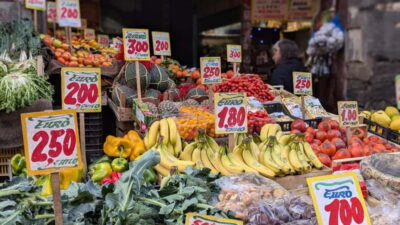
Naples: Street Art, Wine and Food Tasting Walking Tour
Read our review →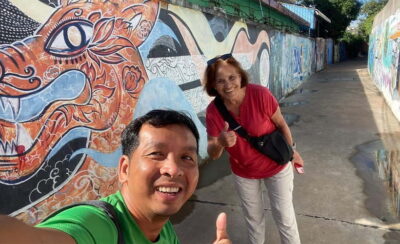
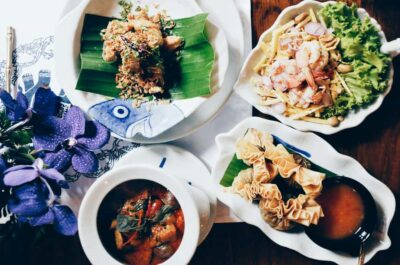
Bangkok: Street Art and Street Food Walking Tour
Read our review →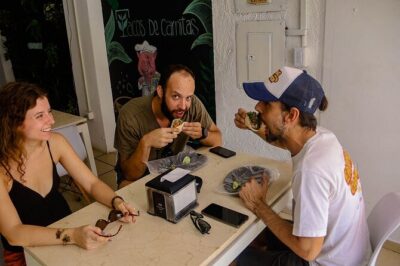
Cancun Walking Food Tour: Local Food, Markets, and Street Art.
Read our review →
Calgary Street Art & Craft Beer 3 Hour Tasting Tour
Read our review →
Insider’s Atlanta Beltline Food & Street Art Tour
Read our review →Browse the lists this tour appears in