
Review · BERLIN FOOD TOURS
The Berlin Culinary Experience: A Regional & Cultural Food Tour
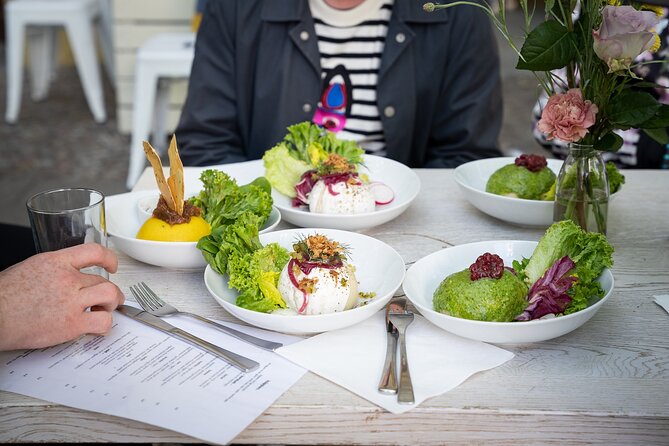
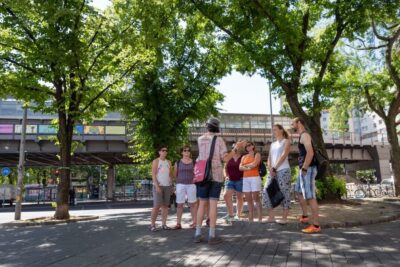
Berlin shows its past in many ways, but food may be the most enjoyable clue. This tour takes you through Prenzlauer Berg, a former East Berlin neighborhood, and links local dishes to the city’s changing story. You’ll visit small independent food businesses, taste traditional and modern fare, and walk through the monument-protected Kulturbrauerei complex.
I like the old-and-new mix, from traditional German food at one of Berlin’s older restaurants to newer artisanal and modern dishes. I also like the small-group format, with a maximum listed group size of eight in the highlights, though the general tour information allows up to ten people. That is still intimate enough for easy conversation with guides such as Alex or Irem.
The main drawback is dietary: the tour cannot accommodate vegan or gluten-free diets. The food count also needs clarification, since the experience is promoted with at least seven tastings, while the inclusions list six food tastings. Ask before booking if the exact number matters to you.
Key points to know before you book
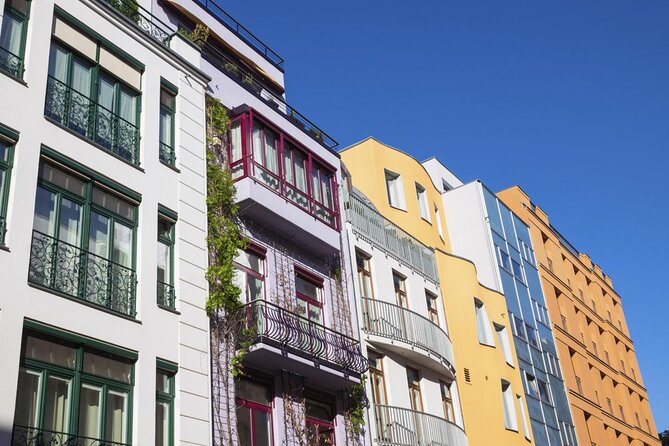
- Prenzlauer Berg is the setting: You’ll explore a former East Berlin district, not just move between restaurants.
- Kulturbrauerei adds historical context: The tour begins around this preserved former brewery complex.
- Food and drinks are central: Expect regional tastings, beer, one regional wine, coffee, and tea.
- Alex and Irem are named guides: Past tours have been led by both, with history and restaurant advice woven into the walk.
- The group is small: The advertised maximum is eight, with general information allowing up to ten.
- Dietary limits are firm: Vegan and gluten-free requests cannot be accepted.
Starting at Kulturbrauerei in Prenzlauer Berg
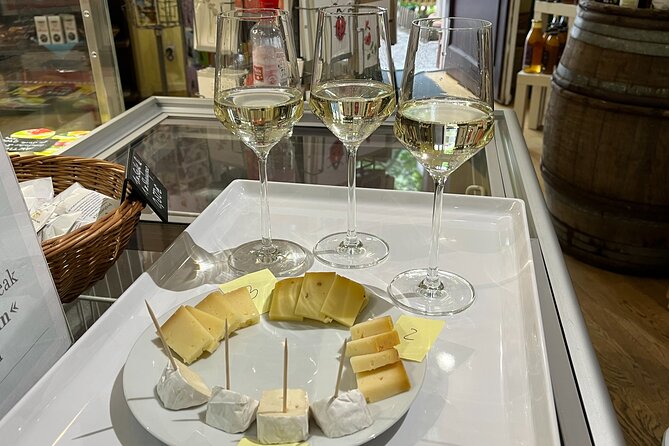
The tour starts at noon at Pappelallee 2, in the Prenzlauer Berg area, and returns near the same point after roughly three and a half hours. That timing makes it a substantial lunch and afternoon outing rather than a quick snack walk.
The first major setting is Kulturbrauerei, a monument-protected complex with a past as a brewery and a present-day role as a cultural venue. Your guide explains what the site used to be and how it is used now. That opening gives the walk a clear sense of place before the tasting begins in earnest.
I appreciate this kind of start because it prevents the food from feeling detached from Berlin. You are not simply sampling dishes in a series of unrelated stops. The guide uses the neighborhood and its buildings to explain how the area has changed, especially since the days when Prenzlauer Berg belonged to East Berlin.
You should expect a walking tour, so wear comfortable shoes and leave room for a relaxed pace. The tour requires good weather, and the route takes place outdoors between food stops. If poor weather forces a cancellation, you can choose another date or receive a full refund.
More food tours in Berlin:
- Berlin Center Food Tour with 8+ Authentic Local Tastings
★ 5.0 · 1,227 reviews - Kreuzberg: Culinary Food Tour
★ 4.5 · 770 reviews - Berlin: Mitte Culinary Food Tour
★ 4.5 · 447 reviews
Seeing the old and new sides of Prenzlauer Berg
Prenzlauer Berg is especially useful for a food tour because its character has shifted over time. Your guide discusses the district’s history, culture, and recent development while taking you to places that are easy to miss if you stick to Berlin’s best-known sights.
The route focuses on small and independent businesses. That matters because local food is often easier to understand when you see the people and places behind it. You may get a traditional dish, then something made by a newer local business, followed by a sweet or another regional specialty.
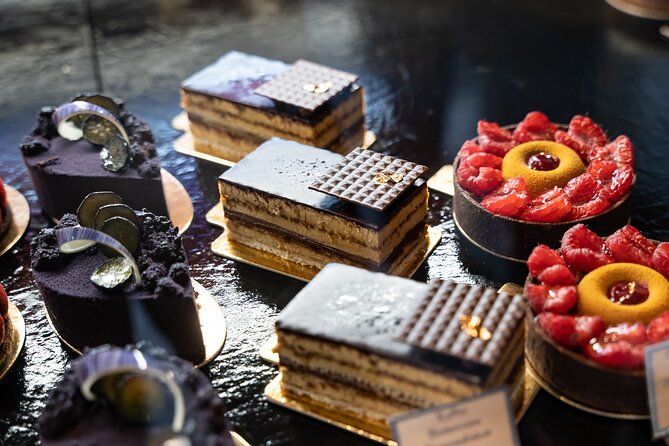
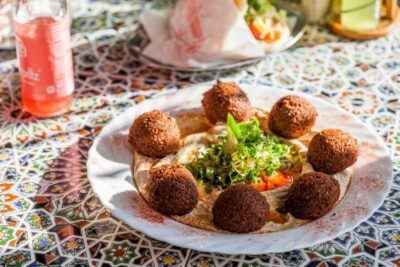
Past stops have included food from one of the oldest restaurants in the area, modern vegan food from a local startup, artisanal products, and desserts. The exact menu can change, so you should treat those examples as a sense of the range rather than a fixed promise.
The strongest idea here is contrast. You get a taste of old Berlin and new Berlin in the same afternoon. One plate may connect to German cooking traditions, while another reflects the city’s newer food culture and independent restaurant scene.
What you are likely to eat and drink
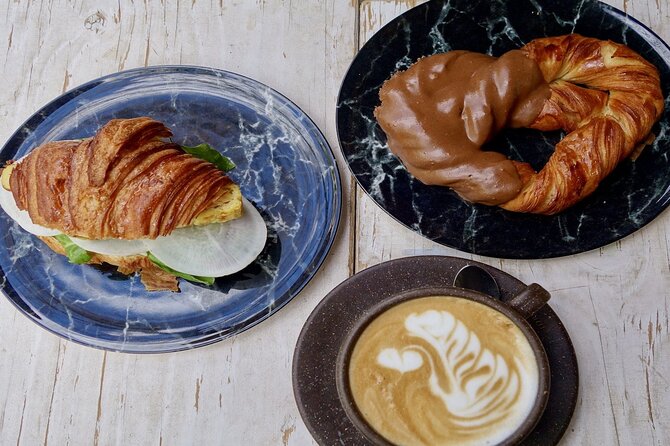
The experience includes at least six listed food tastings, while the main description promises at least seven different gourmet tastings. The difference may reflect changing menus or a simple wording mismatch, so confirm the current count if you are comparing this tour with other food walks.
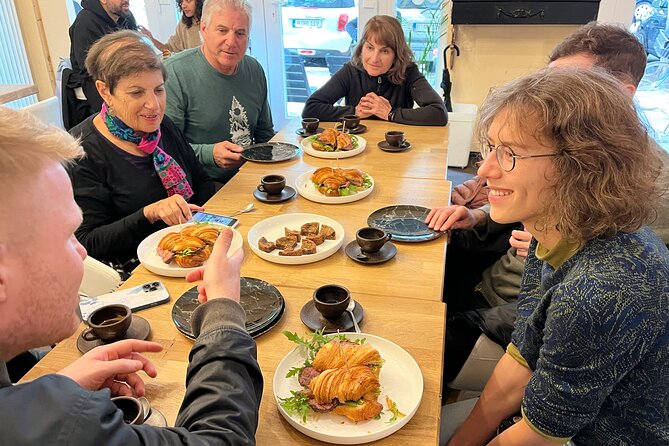
The food is presented as regional and gourmet rather than as a single heavy meal. That format lets you try several styles without committing to one restaurant for the entire afternoon. It also means portion sizes are likely to be tasting portions, not full restaurant meals, so do not arrive expecting three large courses.
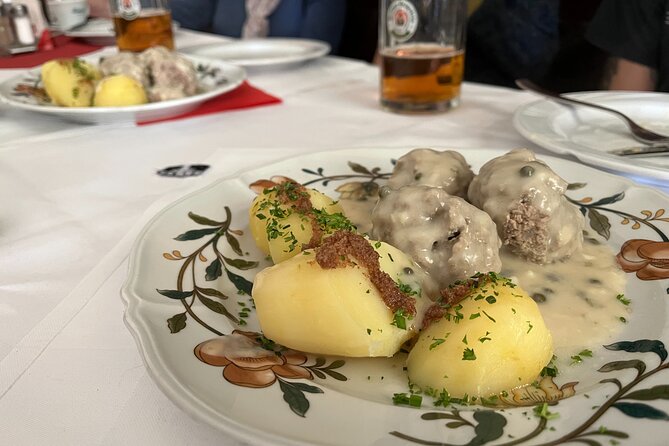
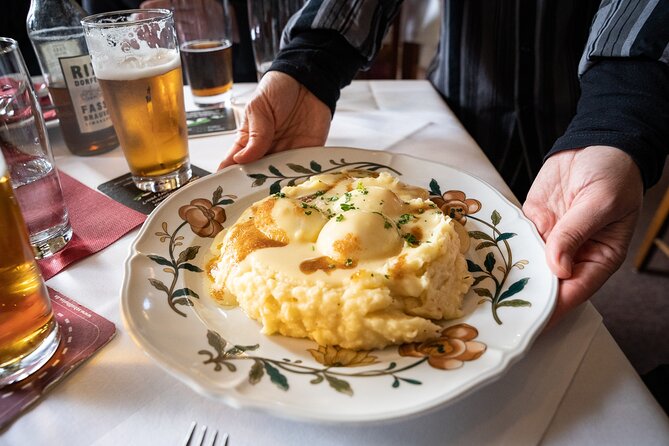
The food range can include traditional German dishes, modern creations, artisanal bites, and desserts. The tour’s value comes from the explanation attached to each stop. Your guide may explain where a dish comes from, how it fits local customs, or why a newer food business belongs in the story of present-day Berlin.
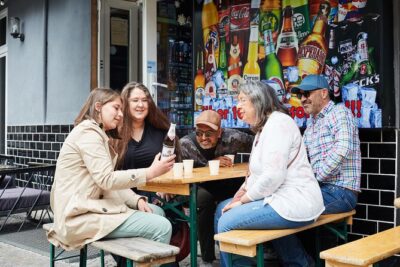
Drinks are part of the price. You’ll try different beers and one wine from the region, along with coffee or tea. That is useful for visitors who want a broader introduction to local eating and drinking habits without paying separately at every stop.
Additional food and drinks are not included. If you tend to eat large meals, plan for the possibility that you may want something later, especially because the exact tasting portions are not specified.
The guide is the link between food and history
A good food walk depends heavily on the person leading it. Here, the guide is expected to provide cultural background, explain the neighborhood, and offer practical recommendations for the rest of your stay.
Alex is one of the named guides, and the tour has also been led by Irem. Alex is described as fun, engaging, and strong on local food and German history. Irem is praised for arriving promptly, sharing a strong connection to Berlin, and keeping the mood friendly. Since guide assignments can change, you should not assume that a particular person will lead your date.
The guide’s recommendations are one of the most useful extras. You can ask where to eat afterward, which museums fit your interests, or what to do in Prenzlauer Berg and elsewhere in Berlin. These tips can save you from choosing restaurants at random, especially if this is your first visit.
I also like that the tour allows questions. A small group makes it easier to ask about local customs, the former East Berlin districts, or specific dishes. With a larger group, that personal exchange can become difficult. Here, the maximum size should keep the experience fairly conversational, although the listing’s two group-size figures are worth noting.
Same appetite, a different neighbourhood:
- Berlin: Downtown Food Tour with 8 Authentic Local Tastings
★ 4.8 · 342 reviews - Berlin: Guided Street Food Tour with Tastings
★ 4.8 · 310 reviews - East Berlin Food & History Tour with Eating Europe
★ 5.0 · 204 reviews - Classic Bites and Culinary Trends Neighborhood Food Tour in Berlin
★ 5.0 · 191 reviews
Why the history matters on a food tour
Berlin’s past is not a decorative backdrop here. It explains why the neighborhood looks and eats the way it does.
Your guide discusses Prenzlauer Berg as part of former East Berlin and describes its recent development. That gives context to the mix of traditional restaurants, independent producers, newer food businesses, and cultural spaces. The food becomes a practical way to see how a district changes without losing every connection to its past.
The Kulturbrauerei stop is especially helpful because the building itself links industry, public life, and culture. You hear what it was before and what it is now, then continue through a district where older and newer parts of Berlin sit close together.
This is not a formal architecture tour, and the food remains the main event. Still, you get more than a list of dishes. The walk helps you understand why this particular neighborhood was chosen and how it fits into Berlin’s larger story.
Small-group pacing and the three-and-a-half-hour schedule

At about three hours and thirty minutes, the tour is long enough for several stops without taking your whole day. A noon start works well if you want a substantial afternoon activity after breakfast, or if you need something structured before an evening plan.
The pace includes walking for digestion between tastings. That matters because the experience is not a sit-down meal with a short stroll attached. You will be on your feet, moving through the neighborhood and stopping along the way.
A group of eight or fewer should make it easier to hear the guide and stay together. The general information allows up to ten participants, so the actual size may vary. Either way, it is much more personal than a large coach excursion.
This tour may also suit you on your arrival day. The fixed afternoon schedule can give you a useful introduction to Berlin while providing food and a first look at an area you might not otherwise visit. Just remember that the meeting point is not at Berlin’s main central sights, so allow time to reach Pappelallee.
The tour is near public transportation, and it begins and ends near the same location. That makes it simple to continue exploring Prenzlauer Berg afterward or return to your hotel.
Who will get the most from this experience
I would choose this tour if you want food with context rather than a simple restaurant crawl. It suits first-time visitors who want a local introduction, as well as repeat visitors who have already seen the major central sights.
It is a good fit for couples and small groups who enjoy trying several foods and asking questions. The tour has also worked well for people who want restaurant suggestions for the rest of their stay. If you like wandering through neighborhoods and learning why a place matters, you’ll likely find the format rewarding.
It may be less suitable if you want a full meal at one famous restaurant, a strictly scheduled sightseeing tour, or a menu built around dietary substitutions. It is also not the right choice for anyone who cannot manage a walking route or outdoor portions, since the experience depends on moving between stops and requires good weather.
The tour is offered in English. Confirmation arrives when you book, and service animals are allowed. Most participants can take part, but the stated food restrictions should be taken seriously.
Price and what the $179.81 buys you
At $179.81 per person, this is not a budget snack walk. You are paying for about three and a half hours of guiding, multiple food tastings, beer, regional wine, coffee or tea, and a small-group experience with local recommendations.
The price makes more sense if you value the guide’s interpretation. A visitor who only wants to sample inexpensive street food may find cheaper ways to eat in Berlin. You may find better value here if you want several stops, cultural background, and help choosing places to visit afterward.
The drinks also add real value. Beer and wine are included, so you are not paying for each sample during the walk. The small group is another part of the cost. A personal food walk with room for conversation usually costs more than a large group route.
I would compare the tour with the kind of afternoon you might otherwise spend paying for lunch, drinks, and an unplanned neighborhood wander. If you already intend to eat well and want someone to explain the district as you go, the price is easier to justify.
Tips for the guide are not included. Set aside extra cash or use another accepted method if you want to thank your guide.
Dietary restrictions and a small point to clarify
The formal information says the tour cannot accommodate vegan or gluten-free diets. That is the clearest rule to follow when deciding if it works for you.
One account of the experience described a vegan dish from a local startup, but you should not rely on that being available. Menus change, and the stated policy does not promise vegan substitutions. If you have a serious allergy or strict dietary need, contact the provider before booking and get a direct answer.
The same applies to the tasting count. The tour highlights at least seven tastings, while the included list says six food tastings. It may simply reflect how the route is described, but asking ahead avoids disappointment.
Booking timing and cancellation terms
The experience is often booked about 63 days ahead, which suggests that popular dates can fill early. If your Berlin schedule is fixed, booking ahead is sensible, especially if you want a particular day.
You can cancel for a full refund up to 24 hours before the local start time. Cancellations or changes made inside that window are not refunded or accepted. Poor weather is handled differently: the tour may be moved to another date, or you can receive a full refund.
Is this Berlin food tour worth booking?
Book it if you want a personal introduction to Prenzlauer Berg, enjoy tasting both classic and modern food, and value a guide who can connect local dishes with Berlin’s past. The combination of Kulturbrauerei, former East Berlin context, independent food stops, beer, wine, and practical recommendations gives the afternoon a clear purpose.
Skip it if you need vegan or gluten-free food, prefer a low-cost market walk, or want a full meal rather than several tastings. Before paying, confirm the current tasting count and group size.
For most visitors who want to eat well and understand a less conventional part of Berlin, this is a strong choice. Alex and Irem are named guides with a clear focus on history, food, and useful local advice, and the small-group setup should keep the experience friendly rather than rushed.
FAQ
Where does the Berlin Culinary Experience begin and end?
It starts at Pappelallee 2, 10437 Berlin, Germany, and ends near the same meeting point. The meeting point may change, so check the booking confirmation.
What time does the tour start?
The tour starts at 12:00 pm and lasts about three hours and thirty minutes.
How many people can join the tour?
The highlights describe an intimate group of up to eight people. The general information states a maximum of ten participants, so confirm the expected group size when booking.
What food and drinks are included?
The experience includes food tastings, different beers, one regional wine, coffee, and tea. The inclusions list six food tastings, while the main description says at least seven, so confirm the current number before booking.
Can the tour accommodate vegan or gluten-free diets?
No. The provided information states that vegan and gluten-free diets cannot be accommodated.
What happens if I need to cancel?
You can receive a full refund if you cancel at least 24 hours before the local start time. Changes or cancellations inside 24 hours are not accepted or refunded. If poor weather cancels the tour, you’ll be offered another date or a full refund.
New food tours we have reviewed in Berlin
- East Meets West: Berlin Food Culture & Street Art★ 5.0 · 157 reviews
- Classic Bites and Culinary Trends Neighborhood Food Tour in Berlin★ 5.0 · 191 reviews
- Private Tour: Daytime Food Tour Trends & Classics★ 5.0 · 24 reviews
- Small-Group Berlin Sightseeing and Food Tour of Prenzlauer Berg and Mitte★ 5.0 · 25 reviews
- Private Berlin Street Food Tour by Bike★ 5.0 · 87 reviews
- The 10 Tastings of Berlin Kreuzberg Private Food Tour With Locals★ 4.5 · 31 reviews
- Berlin Evening Culinary Tour – Award Winning★ 5.0 · 118 reviews
- East Berlin Food & History Tour with Eating Europe★ 5.0 · 204 reviews
Berlin Food Tours, compared.

Berlin Center Food Tour with 8+ Authentic Local Tastings
Read our review →
Berlin: Downtown Food Tour with 8 Authentic Local Tastings
Read our review →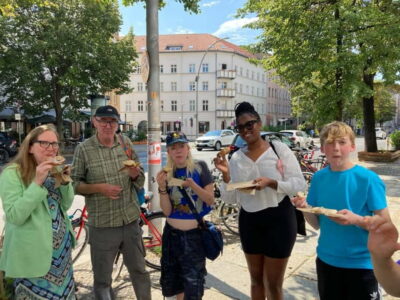
East Berlin Food & History Tour with Eating Europe
Read our review →
Classic Bites and Culinary Trends Neighborhood Food Tour in Berlin
Read our review →
East Meets West: Berlin Food Culture & Street Art
Read our review →Browse the lists this tour appears in