

Review · POLAND FOOD TOURS
Gdansk: 4-Hour Polish Food Tour
Gdansk’s food story goes far beyond pierogi. This four-hour walk takes you to 4 to 5 central venues for up to 12 tastings, from cold cuts and cheeses to soup, regional fish, traditional dishes, and sweets. The portions add up to a full meal, so arrive with an empty stomach.
I like the small group, limited to eight people, because it gives the guide room to explain unfamiliar foods and answer questions. I also like the cultural angle: you learn why Polish hosts serve almost absurd amounts of food, why fermentation is not the same as spoilage, and why some people still miss food from the 1970s.
The main drawback is the menu’s strong focus on pork. Vegetarians may find many dishes unsuitable, and extra drinks cost more. Tell the tour provider about allergies before you go so the menu can be adjusted.
Key points at a glance
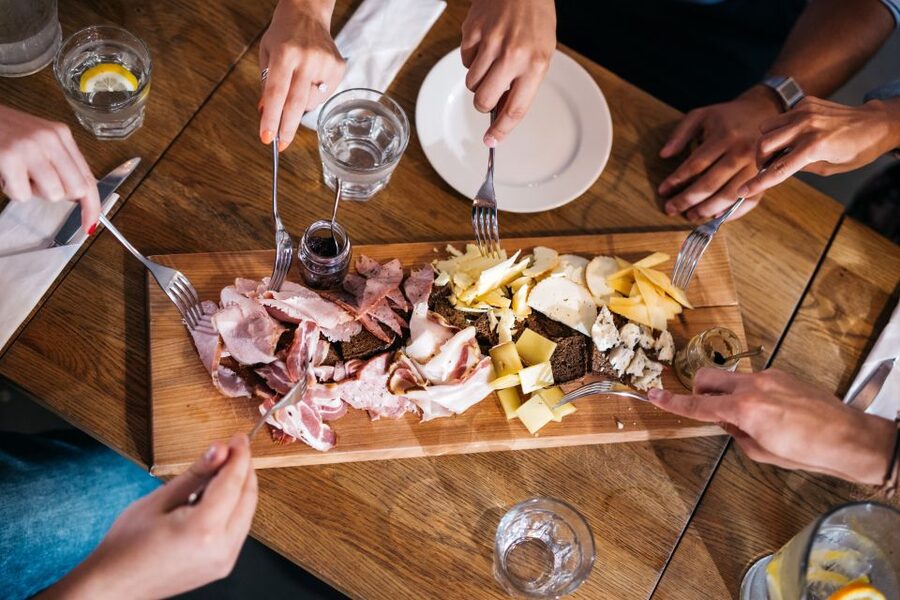
- Up to 12 tastings: The food covers a full meal, including dessert, rather than a few token samples.
- Four to five central venues: You walk between stops while seeing parts of central Gdansk.
- More than pierogi: Try cold appetizers, cheeses, soups, regional fish, traditional Polish dishes, and sweets.
- Food with context: Your English-speaking guide explains Polish customs, changing food habits, and the stories behind each venue.
- Small-group format: With no more than eight participants, the tour feels easier to follow and more personal.
- A practical finish: You receive a written food summary and suggestions for places to visit during the rest of your stay.
Why this Gdansk food walk is about more than pierogi
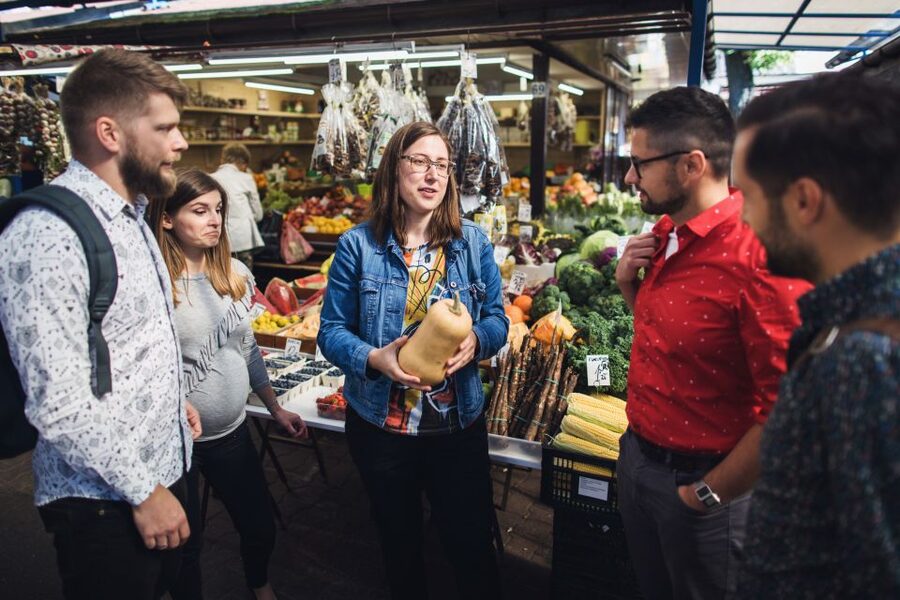
Pierogi are the Polish dish most visitors know, but they give only a small taste of the country’s cooking. This tour uses them as a starting point, if they appear at all, then moves into the broader world of Polish food.
You can expect cold appetizers, cured meats, cheeses, soup, regional fish, hot traditional dishes, and sweets. The exact dishes can vary, but the structure is clear: several savory courses followed by something sweet, with enough food to replace lunch or dinner.
That makes the experience useful early in your stay. You get a guided introduction to ingredients and customs, then have the rest of your trip to order familiar dishes with more confidence. The written summary and food recommendations are especially handy if you want to continue eating Polish food after the four hours are over.
More food tours in Poland:
- Krakow Food Tasting Tour with Delicious Poland
★ 5.0 · 1,032 reviews - Warsaw’s No 1 cooking class-Polish dumplings with liqueur tasting
★ 5.0 · 576 reviews - Krakow: Tipsy Polish Food Tour With History, Pierogi & Shots
★ 4.9 · 439 reviews
Starting opposite Gdansk Główny station
The meeting point is outside the main entrance of the Scandic Hotel at ul. Podwale Grodzkie 8. It is opposite Gdansk Główny railway station and next to the City Forum shopping mall, so it is one of the easier meeting points to find if you are arriving by train.
This location also makes the tour simple to fit into a city break. You do not need hotel pickup, and there is no transfer across town before the food begins. Plan to arrive ready for a walk, since the route connects several establishments in central Gdansk.
The total time is four hours. Starting times vary, so check the available slot when booking. Since the tour visits several venues, allow the full half-day rather than planning a tight appointment immediately afterward.
The first tastings: cold foods, cheese, and Polish hospitality

The early part of the tour introduces the foods that often appear on a Polish table before the main dish. Cold cuts and cheeses help explain the country’s everyday eating habits, while cold appetizers show how a meal can begin with several small portions instead of one large plate.
This is also where the guide can put Polish hospitality into perspective. The local rule is simple: serve enough food to make the table collapse. That is not just a funny saying. It explains why the portions on this tour are generous and why you should eat breakfast but skip lunch.
You are not being given a few bites to keep you going until dinner. The food tastings are intended to make up a full meal, and later courses continue to arrive. If you normally eat a substantial lunch, you may reach the final venues already full.
Soup and hot dishes show the heart of Polish cooking
The hot courses provide the most filling part of the route. Polish cuisine includes many soups and traditional dishes built around meat, vegetables, grains, potatoes, and other hearty ingredients. You may find that the meal feels more substantial than the word tasting suggests.
The value here is not simply quantity. A guide can explain how a dish fits into Polish home cooking and why certain ingredients appear again and again. You also get a clearer sense of the difference between food made for visitors and food that reflects ordinary Polish eating.
The tour’s pork-heavy menu matters at this point. If you eat meat, you will have more choices. If you are vegetarian, several dishes may not work for you. The provider asks you to share food allergies in advance, which gives the menu a chance to be adjusted, but you should not expect a fully vegetarian experience from the standard format.
Same appetite, a different neighbourhood:
- Krakow: Street Food Walking Tour
★ 4.8 · 285 reviews - Krakow Pierogi Cooking Class with Market Visit & Home-Cooked Meal
★ 5.0 · 212 reviews - Krakow: Vodka Tasting Tour: Tapas, Tipsy Tales & Hidden Gems
★ 5.0 · 203 reviews - Krakow: Guided Polish Food and Culture Tour with Tastings
★ 4.8 · 134 reviews
Regional fish and the food of Pomerania
Gdansk is in Pomerania, so regional fish has a natural place on this route. Fish adds variety to a menu that otherwise leans toward pork and other meat dishes, and it gives you a taste of the local setting rather than only standard Polish foods found across the country.
The fish course also helps show that Polish cuisine is not one fixed menu. Food changes by region, access to local ingredients, family habits, and the period in which people grew up. A good guide connects those details to what is on the plate instead of treating each dish as an isolated sample.
You should keep an open mind about preparation and flavor. Some foods may be familiar, while others may be different from the versions served in restaurants aimed at English-speaking diners.
Fermented foods and the story behind the ingredients
One of the tour’s most useful lessons is that fermented does not mean spoiled. Polish cooking uses fermentation in ways that may be unfamiliar if your experience is limited to a few well-known dishes.
This part of the tour gives you a better vocabulary for the meal. You learn to recognize food preserved or changed through traditional methods rather than judging it by a narrow idea of freshness. The guide can explain why these methods matter and how they connect food to Polish households and older cooking practices.
The tour also touches on why some Polish people miss food produced in the 1970s. That may sound surprising when modern food choices are so much broader, but food memories are tied to childhood, family routines, and a particular period in the country’s past. The result is a food tour with social history built into it, without turning the walk into a lecture.
Sweets and the final Polish vodka shot
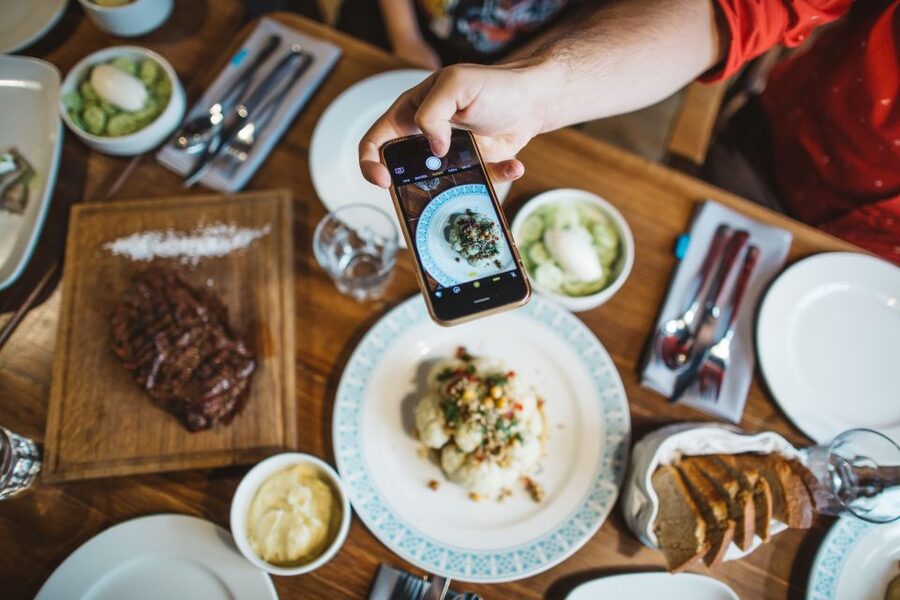
The route ends with sweets, giving the meal a clear finish. After savory foods, dessert helps you compare the flavors and textures of Polish cooking in a different category. The tour includes a shot of Polish vodka as well, adding a small traditional toast to the meal.
Additional drinks are not included, so budget separately if you want beer, wine, soft drinks, coffee, or other beverages at the venues. Water is provided at most stops. The included vodka shot is part of the experience, but it is not a drinks package.
If you want alcohol beyond that, check the cost before ordering. The food is the main part of the tour, and the price does not cover every drink you may choose along the way.
What the guide adds to the four-hour route
The guide is the key to this experience. Names connected with the tour include Paulina, Eric, and Eryk, although the guide for your departure may differ. The strongest feedback centers on guides who explain food, history, and daily life in a warm, easygoing way.
That human element matters because several dishes may be new to you. A guide can explain what you are tasting, how it is usually served, and why it matters in Poland. You can also ask about restaurants and food shops for the rest of your stay.
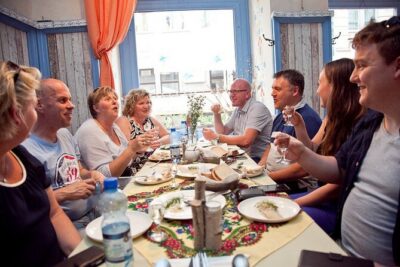
The small group helps here. With up to eight people, you are less likely to miss an explanation while the group moves between stops. It also makes it easier to ask about ingredients, especially if you are unsure about a dish or need to check an allergy concern.
The tour is conducted in English. If you want a quiet meal with no group interaction, this is not the right format. You are walking, listening, tasting, and talking for much of the afternoon or evening.
Four to five venues, and why the route matters
The stops are carefully selected establishments in central Gdansk. You are not sitting in one restaurant for four hours. Moving between venues breaks up the meal and lets you see more of the city center at the same time.
That route is useful for two reasons. First, a single restaurant can give you only one kitchen’s version of Polish food. Several venues let you compare different settings and preparations. Second, the walk gives you a better sense of where the food fits into the city rather than separating the meal from your sightseeing.
Do not expect a detailed city tour in addition to the food tour. The focus remains on eating and the stories behind the dishes, but the route does let you admire central Gdansk as you move between tastings.
Is $119 a fair price?
At $119 per person, this is not a cheap lunch. You are paying for four hours, up to 12 food tastings, visits to 4 to 5 venues, a guide, water at most stops, a vodka shot, and a written summary with recommendations.
The value depends on how you would otherwise eat your way through Gdansk. If you ordered a series of dishes, drinks, and desserts on your own, the food bill could add up, but you would not receive the explanations or the carefully planned progression between venues. You would also have to decide what to order without knowing which dishes best represent local cooking.
For a first visit, I think the price makes the most sense if you want a full meal plus a guided introduction to Polish food. It is less attractive if you eat lightly, avoid pork, or prefer to choose inexpensive restaurants on your own.
The strongest value is the combination of food and useful advice. A good guide can save you from spending the rest of your stay on familiar pierogi while pointing you toward dishes and places you might otherwise miss.
Who should book this food tour?
I would recommend it to first-time visitors who want an easy introduction to Polish cuisine and to anyone who likes learning the story behind a meal. It also suits couples, small groups of friends, and solo visitors who enjoy a social activity without joining a large crowd.
Come hungry. Have breakfast, then skip lunch if your tour is later in the day. The food is substantial enough that you may not need another meal afterward.
You should think twice if you are vegetarian, since many standard dishes contain pork or other meat. People with allergies should contact the provider before the tour, not wait until the first venue. Anyone who dislikes group dining or wants full control over the menu may prefer an independent restaurant crawl.
The tour provider can ask a participant to leave if their behavior interferes with the experience. That is a normal rule for a small group, but it is worth keeping in mind if you are booking for a group with different expectations.
Booking details that matter
The tour lasts four hours and is offered with an English-speaking guide. Group size is limited to eight, which is a major practical benefit for a food tour with several stops.
The meeting point is easy to reach at the Scandic Hotel opposite Gdansk Główny station. Hotel pickup and drop-off are not included, so you make your own way there and back.
You can reserve now and pay later, which helps if your schedule is still changing. Cancellation is free up to 24 hours in advance for a full refund. Check the starting time when you book, since the available departure times can vary.
FAQ
How long is the Gdansk Polish food tour?
The tour lasts four hours.
How many food tastings are included?
You receive approximately 10 to 12 food tastings, with up to 12 dishes in total. This includes enough food for a full meal and dessert.
How many venues does the tour visit?
The route visits 4 to 5 carefully selected establishments in central Gdansk.
Is the tour conducted in English?
Yes. The tour includes a live English-speaking guide.
Where does the tour meet?
You meet outside the main entrance of the Scandic Hotel at ul. Podwale Grodzkie 8. The hotel is opposite Gdansk Główny railway station and next to City Forum shopping mall.
Is a vodka tasting included?
Yes. One shot of Polish vodka is included. Other drinks are not included, although water is provided at most venues.
Can vegetarians join the tour?
Vegetarians can join, but many standard dishes are based on pork and may not be suitable. Contact the provider in advance about dietary needs and food allergies so the menu can be adjusted where possible.
Is hotel pickup included?
No. You are responsible for getting to the meeting point and returning to your accommodation after the tour.
Should you book it?
Book this tour if you want to understand Polish food as you eat it, not just check pierogi off a list. The small group, central walking route, generous portions, and strong focus on food customs make it a useful first or second activity in Gdansk.
The best timing is early in your stay, when the guide’s recommendations can shape the rest of your meals. Skip it if you need a vegetarian menu, dislike large meals, or want to keep your food budget low. For meat-eaters who arrive hungry and enjoy a good story with dinner, $119 buys more than a meal. It buys a practical introduction to the way Poland eats.
New food tours we have reviewed in Poland
- Krakow: Traditional Street Food Walking Tour★ 4.6 · 51 reviews
- Krakow: Traditional Polish Food and Drinks Tasting Tour★ 4.8 · 77 reviews
- Krakow: Vodka Tasting Tour: Tapas, Tipsy Tales & Hidden Gems★ 5.0 · 203 reviews
- Krakow: Guided Polish Food and Culture Tour with Tastings★ 4.8 · 134 reviews
- Krakow: 6-Course Full Polish Food Tour with Vodka Tasting★ 4.8 · 98 reviews
- Krakow: 4-Hour Polish Food Tour★ 4.9 · 39 reviews
- Gdansk: Polish Beer Tasting Tour★ 4.7 · 81 reviews
- Gdansk Private Polish Beer Tasting Tour at Best Pubs & Bars★ 4.8 · 22 reviews
Poland Food Tours, compared.
Krakow Food Tasting Tour with Delicious Poland
Read our review →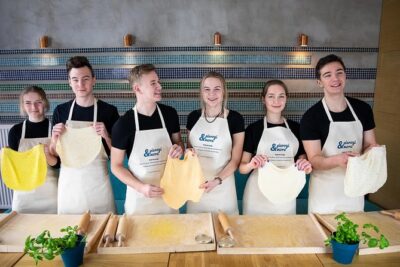
Warsaw’s No 1 cooking class-Polish dumplings with liqueur tasting
Read our review →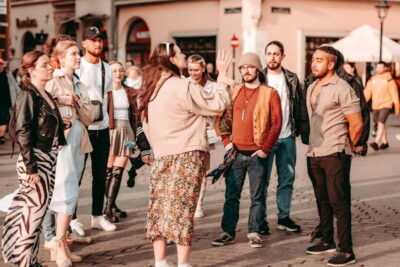
Krakow: Tipsy Polish Food Tour With History, Pierogi & Shots
Read our review →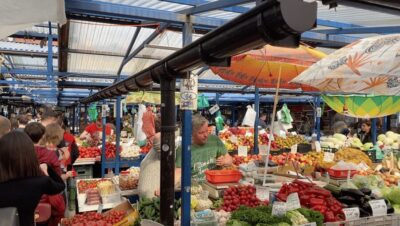
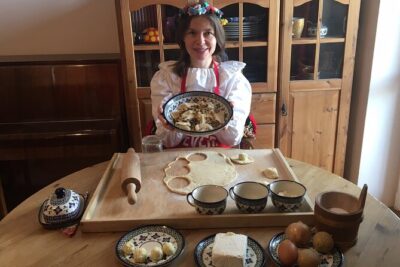
Krakow Pierogi Cooking Class with Market Visit & Home-Cooked Meal
Read our review →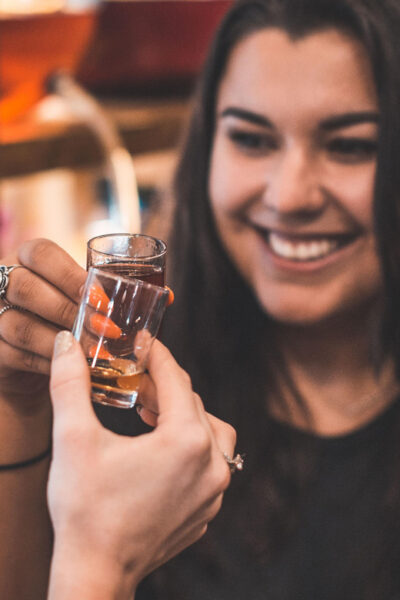
Krakow: Vodka Tasting Tour: Tapas, Tipsy Tales & Hidden Gems
Read our review →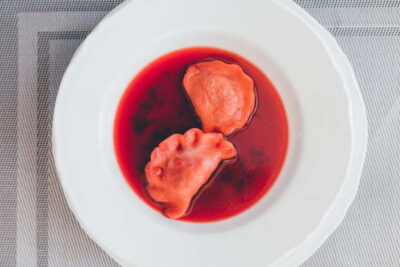
Krakow: Guided Polish Food and Culture Tour with Tastings
Read our review →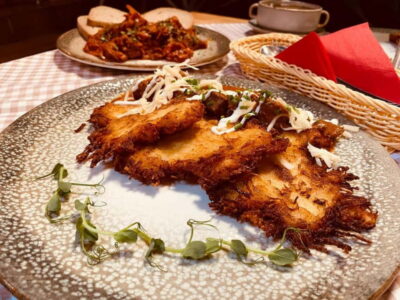
Krakow: 6-Course Full Polish Food Tour with Vodka Tasting
Read our review →Browse the lists this tour appears in