
Review · GERMANY FOOD TOURS
Hamburg: Schanzenviertel Culinary Tour
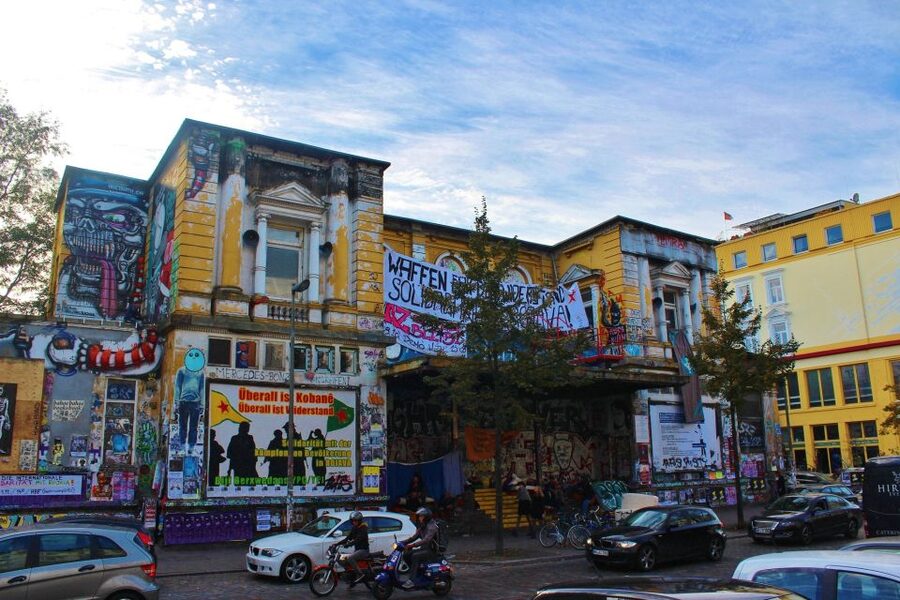
Hamburg’s Schanzenviertel is not just a place to eat. It is a compact neighborhood where cafés, bars, old workshops, political protest, and rising rents all share the same few streets. This three-hour walking tour uses five food stops to tell that larger story, with visits connected to the district’s changing character.
I like the way the tour links food with local life, rather than treating the neighborhood as a string of restaurants. I also like the chance to see landmarks such as the Rote Flora, the old piano factory, and places connected with Carl Hagenbeck. The main consideration is that two tastings may feel loosely tied to Hamburg or the district, and some food is eaten standing up.
Key points to know before booking
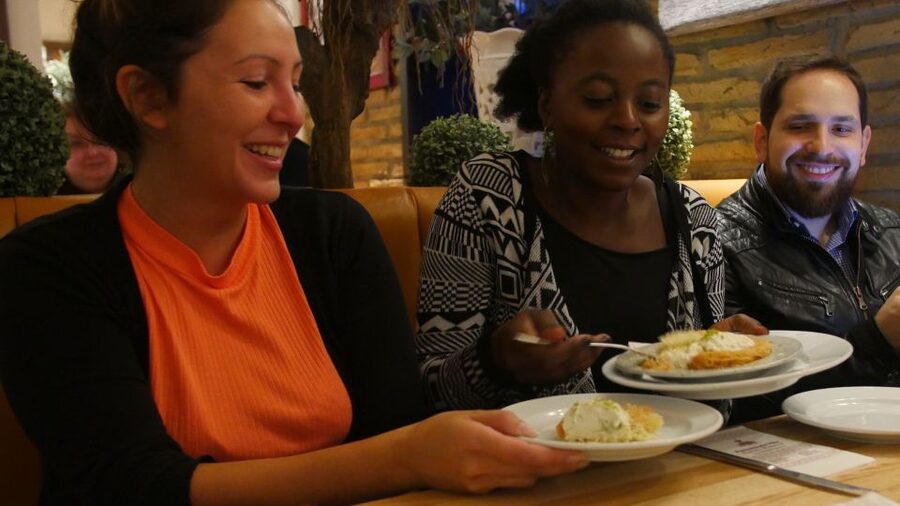
- Five tastings in three hours: Enough food to make a light meal for most people, but drinks cost extra.
- Sternschanze beyond the cafés: You’ll discuss the former star-shaped defense structure, the Rote Flora, old craft businesses, and the area’s rapid change.
- A tour with a political edge: Rising rents, investors, commerce, and opposition to gentrification are part of the conversation.
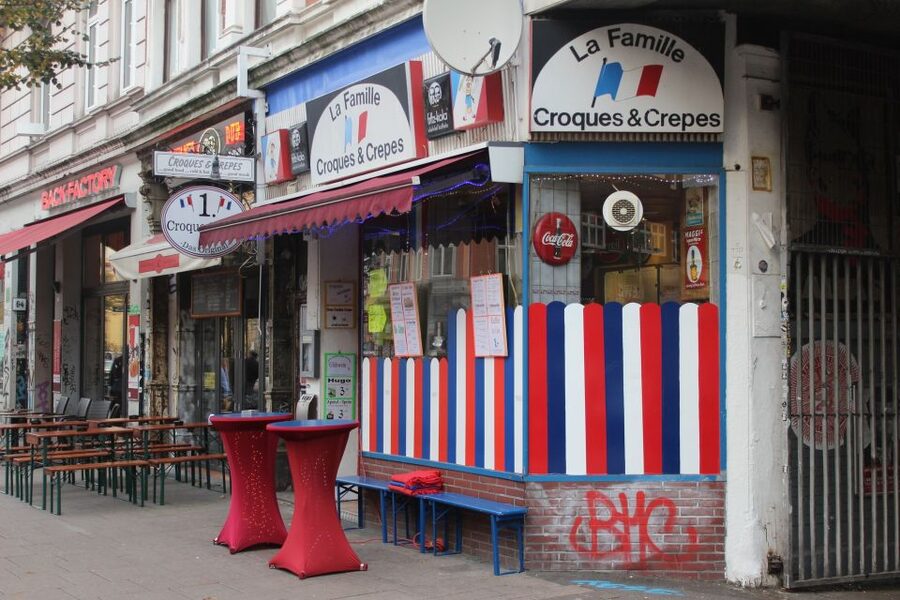
- Small local stops: The guide takes you to places you might not choose on your own, including less obvious neighborhood businesses.
- Good for vegetarians: Vegetarian participation is specifically supported, though you should confirm the exact tasting choices when booking.
- Dress for Hamburg weather: The tour runs outdoors, and suitable shoes matter more than fashionable ones.
Why Schanzenviertel makes a good food walk
Sternschanze covers only about 0.60 square kilometers, so this is a concentrated walk rather than a long city trek. That small size helps the tour move between food stops and historical points without spending much time in transit.
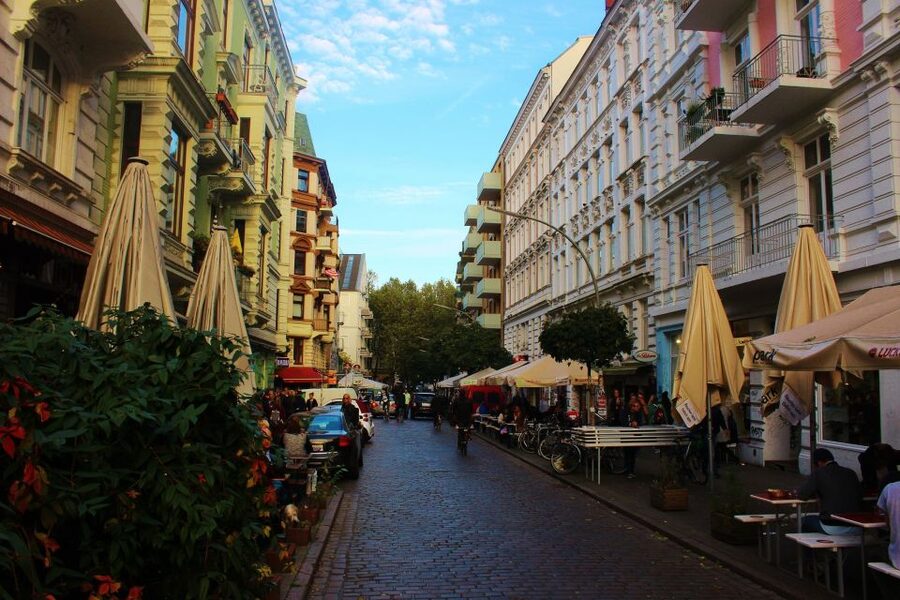
The district has a reputation similar to the Reeperbahn, though its mood is different. Cafés, bars, independent shops, workshops, and political spaces sit close together. You get a useful sense of how a neighborhood can become fashionable without losing its rougher edges, and how that popularity can also put pressure on the people and businesses already there.
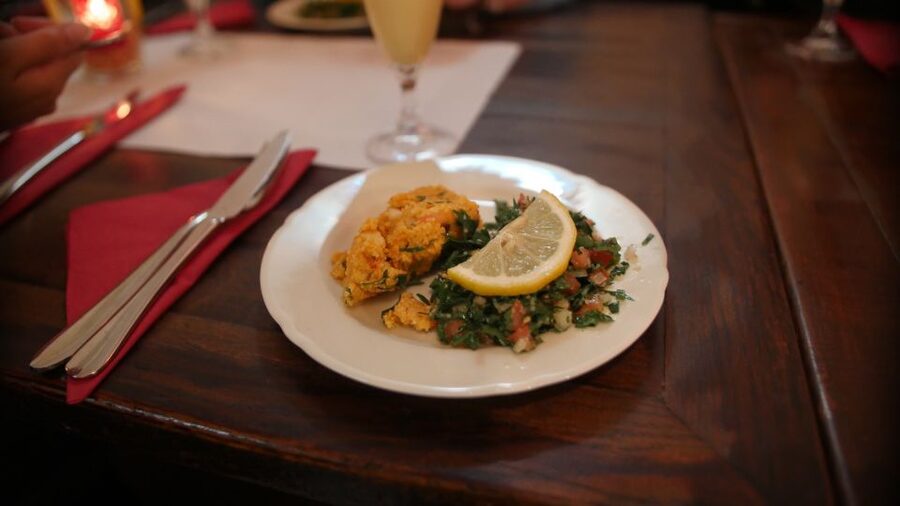
The food is the practical reason to book. Five tastings break up the walking and give you a reason to enter small places you might otherwise pass. The guide explains the backstory of each stop, so you are not simply handed a snack and moved along.
Still, this is not a dedicated Hamburg food-history tour in the strictest sense. The tastings show the district’s variety, but not every item has a clear regional connection. One recent assessment found two stops somewhat arbitrary and wished for a stronger local link. That is worth knowing if you want only classic northern German dishes.
More food tours in Germany:
- Hamburg: Elbphilharmonie Plaza and HafenCity Food Tour
★ 4.7 · 1,711 reviews - Berlin Center Food Tour with 8+ Authentic Local Tastings
★ 5.0 · 1,227 reviews - Munich: Viktualienmarkt Food Tour
★ 4.5 · 1,127 reviews
The five food stops and what they add
The tour includes visits to five localities, but the exact businesses and tasting menu can vary. That flexibility is useful in a neighborhood where small cafés and food businesses change over time, but it also means you should not book expecting a fixed list of dishes.
Think of the stops as a sample of Schanzenviertel life. You may try different kinds of local food and see how the area serves its residents, workers, and evening crowds. The supplied information does not name the individual foods, so it would be misleading to promise specific dishes.
The tastings are intended to provide enough food for most people without requiring a separate meal before or after. I would still treat the tour as a substantial snack walk, not a guaranteed full lunch or dinner. Appetite varies, and the sequence may include sweet items before savory ones.
That ordering matters to some people. A recent participant preferred to begin with savory food and finish with sweets. If you have a strong preference, ask the guide at the start whether the order can be adjusted.
Food may be eaten standing or, when needed, seated. This makes the route more flexible, but it is not a formal restaurant meal with a chair and table at every stop. Wear shoes you can comfortably walk and stand in for three hours.
Vegetarians can take part, which makes the tour more useful for mixed groups. The available information does not specify vegan choices or allergy procedures, so anyone with strict dietary needs should check before paying.
From star-shaped fort to modern Sternschanze
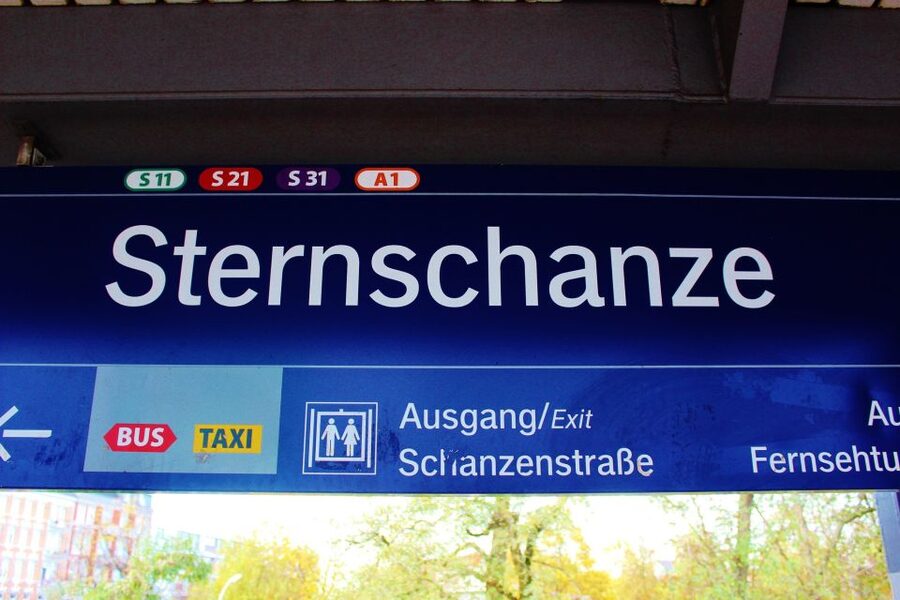
The name Sternschanze points back to a star-shaped defense structure. That military past is easy to miss when you are surrounded by cafés and bars, so the historical explanation gives the district a useful frame.
The guide also covers how the area developed over time. You will hear about its move from a less fashionable working district toward one of Hamburg’s most sought-after addresses. That change is not presented as a simple success story, because higher rents and investor interest are part of the discussion.
This is where the tour earns its price beyond the food. You are not just told that Schanzenviertel is trendy. You are shown how commerce, new businesses, old craft traditions, and local resistance occupy the same streets.
The subject can feel political, especially around the Rote Flora and discussions of gentrification. That is a strength if you want to understand present-day Hamburg instead of seeing only polished landmarks. It may be less appealing if you prefer a light food tour without current-affairs conversation.
The Rote Flora and the district’s revolutionary side
The Rote Flora is the best-known political landmark on the route. It is a left-wing autonomous center in the heart of Sternschanze, and it represents the district’s long-running opposition to commercial development and outside control.
The tour places the building within the story of local protest. You will discuss rising rents, investor interest, and the tension between a neighborhood’s growing popularity and the people who want to protect its identity.
The tone depends on the guide. Ute and Ursula have led recent tours, and the available comments describe their explanations as lively and clear. One particularly unusual outing took place during a demonstration and fireworks near the Rote Flora. You should not expect that exact scene, but it shows how closely the route can connect with current events in the area.
The point is not to turn the tour into a political rally. It is to help you read the streets. A café, renovated building, independent shop, and protest site can all be part of the same story.
Same appetite, a different neighbourhood:
- Munich: Beer and Food Tour with Dinner & Oktoberfest Museum
★ 4.7 · 1,086 reviews - Kreuzberg: Culinary Food Tour
★ 4.5 · 770 reviews - Cologne: Südstadt Guided Foodie Walking Tour
★ 4.6 · 624 reviews - Munich: Viktualienmarkt & Altstadt Food Tour
★ 4.7 · 481 reviews
Carl Hagenbeck, craftsmanship, and the old piano factory
The route also follows connections to Carl Hagenbeck and visits the old piano factory. These details add variety to a tour that could otherwise focus only on food and modern nightlife.
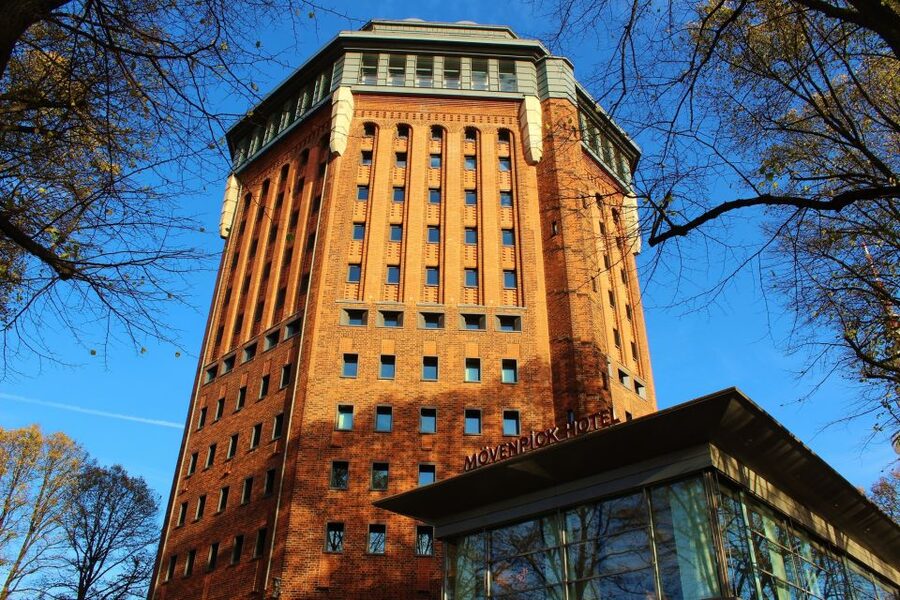
The piano factory is especially useful for understanding the district’s working side. The tour highlights genuine craftsmanship and the small businesses that helped shape Schanzenviertel before it became fashionable. You may find that these stories give more texture to the neighborhood than a standard list of landmarks.
The reference to Carl Hagenbeck adds another historical thread. The supplied details do not specify every stop or explain the full connection, so think of it as one part of the guide’s broader account rather than a separate museum visit.
This is a walking tour, not an attraction ticket package. You will see and discuss places from the street, with the guide providing the context. If you want interiors, exhibits, or long visits at each historical site, this will feel too brief.
What the guide adds to the experience
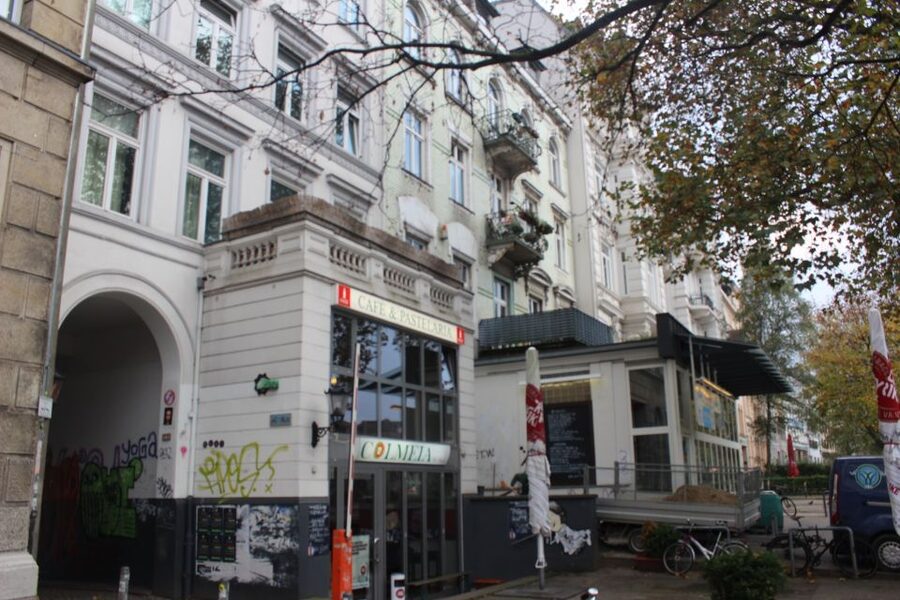
A good guide matters here because the district can look like a collection of fashionable food spots if you walk through without context. The route’s success depends on explaining why those businesses are here and what has changed around them.
The tour is offered in German and English. The available feedback highlights guides named Ute and Ursula, with particular praise for interesting information and clear descriptions of the neighborhood’s development. Guide quality can vary by date, but the format gives the leader plenty to explain between tastings.
Expect a conversational walk rather than a lecture. The guide has to manage food stops, street movement, historical explanation, and group timing. That keeps the experience active, though it also means you may not spend long at any single site.
Private groups are available. This could be useful if you want to ask more questions about housing, politics, or food, or if your group needs a slower pace. The public option should suit most visitors who enjoy meeting others and keeping the cost down.
Is $57 a fair price?
At $57 per person, the tour is not the cheapest way to eat in Hamburg. You are paying for five tastings, a three-hour guided walk, and the time spent connecting the food with local history and current issues.
The value is strongest if you would otherwise pay for several small snacks while exploring on your own. The guide also takes you to places you might overlook, which can prevent the usual problem of choosing only the most visible cafés.
The price is less convincing if you want large portions, included drinks, or a focused tasting of traditional Hamburg food. Drinks are not included, and the menu may include items chosen for variety rather than strict regional identity.
I would compare it with the cost of a light meal plus a guided neighborhood tour. On that basis, $57 can be reasonable, especially for a first visit to Hamburg or for anyone who wants a ready-made introduction to Sternschanze.
The tour also saves planning time. You do not need to choose five stops, read the district’s history, or work out how its political landmarks fit together. That convenience is part of what you are buying.
Timing, clothing, and practical comfort
The walk lasts three hours, and starting times depend on the date you choose. The meeting point can vary by booking option, so check your confirmation instead of heading automatically to a standard location.
Wear weatherproof clothing. Hamburg weather can turn cold or wet, and the route continues outdoors between stops. Suitable footwear is important because you will walk and may eat standing up.
You probably do not need a full meal before the tour. The tastings are designed to provide a meaningful amount of food, and most people should not need to eat immediately afterward. I would avoid arriving overly full, since the point is to try all five stops.
Bring room for a drink purchase if you want one. Drinks are excluded, and there is no promise that every stop provides seating. A small bottle of water may also be sensible, though the tour’s food and drink arrangements are not described in detail.
Cancellation is flexible up to 24 hours before the start for a full refund, and you can reserve while paying later. That helps if Hamburg weather or your schedule is uncertain. One serious logistical warning is worth noting: a tour can occasionally be canceled at short notice, and an alternative on the same day may not be available.
Who will enjoy this Sternschanze tour?
I would choose this for a first-time Hamburg visitor who wants a neighborhood experience rather than a checklist of major sights. It also suits repeat visitors who have seen the harbor and central city but want to understand one of Hamburg’s more contested districts.
Food-focused explorers will like the five-stop structure, especially if they enjoy small businesses and varied tastings more than formal dining. Vegetarians can participate, which makes it easier for mixed groups.
History and urban-change fans have another reason to book. The former defense structure, old piano factory, Carl Hagenbeck connection, Rote Flora, and debate over rising rents give the walk a clear purpose.
Families and older walkers should consider the standing and outdoor elements. The tour is not described as fully seated, and the exact meeting point varies. If mobility or dietary needs are important, ask before booking rather than assuming the route can be changed.
This may not suit you if you want only traditional northern German food, a fixed menu, or a quiet restaurant meal. It also may not fit if you dislike political topics or discussions about gentrification and investor pressure.
Should you book it?
Book this tour if you want five food tastings tied to a changing neighborhood, not just a meal with a guide. The strongest part is the mix of small food stops and street-level discussion about Schanzenviertel’s past, its craft traditions, and the pressure that comes with popularity.
Go in expecting variety rather than a perfect regional menu. Wear practical clothes, budget for drinks, and accept that at least some food may be eaten standing up. If that sounds enjoyable, $57 is a fair price for a focused three-hour introduction to Sternschanze.
FAQ
How long is the Schanzenviertel culinary tour?
The tour lasts three hours.
How many food tastings are included?
The tour includes food tastings at five localities in Schanzenviertel.
Are drinks included in the price?
No. Drinks are not included.
Is the tour suitable for vegetarians?
Yes. The tour is suitable for vegetarians.
Which languages are available?
The live guide is available in German and English.
Can I book a private group?
Yes. A private group option is available.
Where does the tour meet?
The meeting point can vary depending on the option you book. Check the details for your selected option.
Can I cancel for a full refund?
Yes. You can cancel up to 24 hours in advance for a full refund.
New food tours we have reviewed in Germany
- East Meets West: Berlin Food Culture & Street Art★ 5.0 · 157 reviews
- Classic Bites and Culinary Trends Neighborhood Food Tour in Berlin★ 5.0 · 191 reviews
- Private Tour: Daytime Food Tour Trends & Classics★ 5.0 · 24 reviews
- Small-Group Berlin Sightseeing and Food Tour of Prenzlauer Berg and Mitte★ 5.0 · 25 reviews
- Private Berlin Street Food Tour by Bike★ 5.0 · 87 reviews
- The 10 Tastings of Berlin Kreuzberg Private Food Tour With Locals★ 4.5 · 31 reviews
- Berlin Evening Culinary Tour – Award Winning★ 5.0 · 118 reviews
- East Berlin Food & History Tour with Eating Europe★ 5.0 · 204 reviews
Germany Food Tours, compared.
Hamburg: Elbphilharmonie Plaza and HafenCity Food Tour
Read our review →
Berlin Center Food Tour with 8+ Authentic Local Tastings
Read our review →
Munich: Beer and Food Tour with Dinner & Oktoberfest Museum
Read our review →


Browse the lists this tour appears in