
Review · WORKSHOPS
Paris: French Macaron Culinary Class with a Chef
The hardest part of a French macaron is getting that crisp shell and soft center just right. This Paris class takes you through the key steps, from meringue technique to ganache, then sends you home with the pastries you make.
I like the small six-person group, which gives the chef time to correct each stage before a small mistake becomes a ruined batch. I also like the relaxed, family-friendly tone. Children as young as five have taken part successfully, and the class works well for teenagers and adults who want more than a pastry tasting.
The main consideration is depth. This is a friendly beginner class, not a professional pastry course. Ingredient measuring may be handled for you, and one class finished in about 1 hour 45 minutes rather than the advertised 150 minutes.
Key points at a glance
- A real hands-on macaron lesson: You work through meringue, shells, filling, and assembly with a chef nearby.
- Small class size: The booking information limits the group to six, allowing more individual help.
- Good for families: Children and teenagers can take part, with chefs adjusting their guidance when needed.
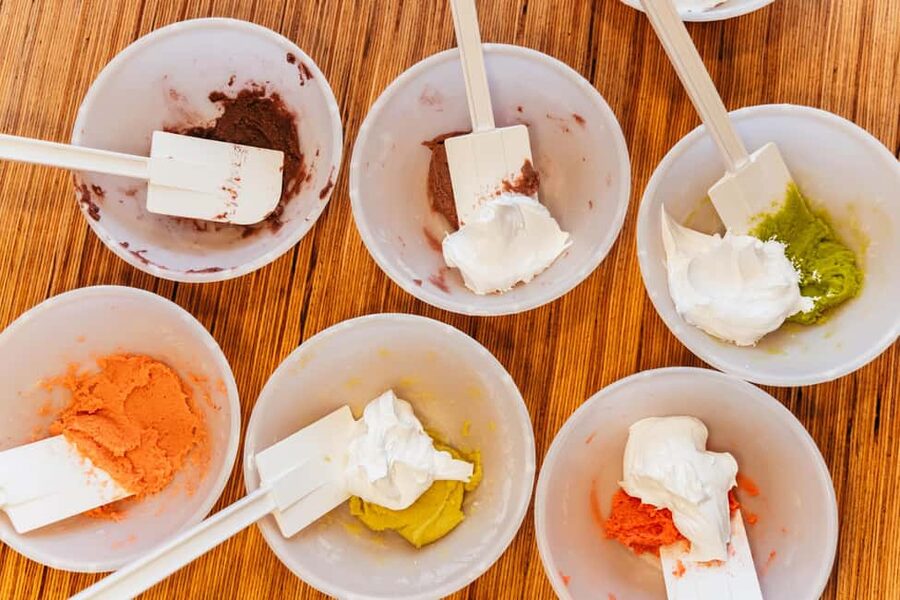
- Choose colors and flavors: Some sessions include multicolored macarons and a choice of fillings.
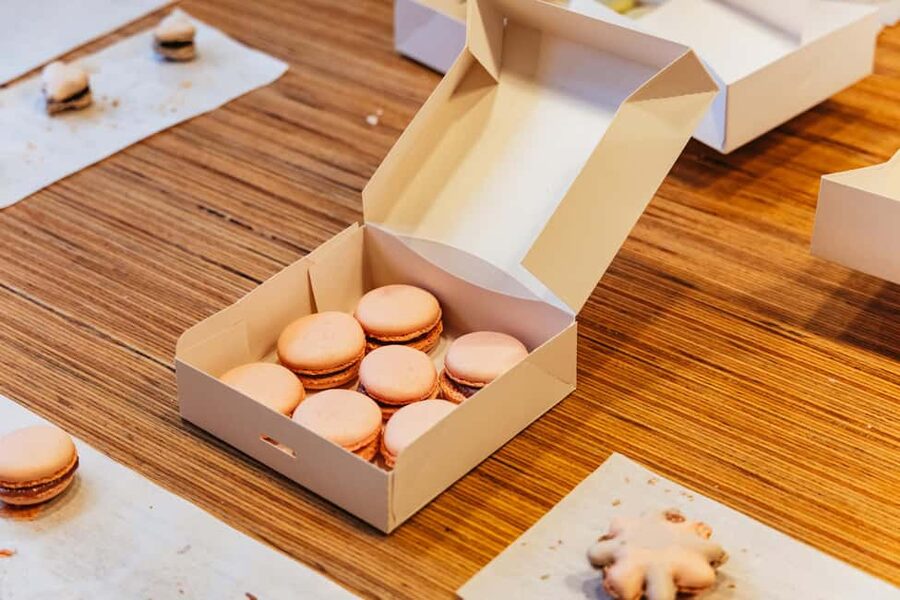
- A useful take-home result: You leave with a box of macarons made during the class, often enough to share over several days.
- Easy English instruction: The class is conducted in English, and some chefs, including Delphine, also speak French.
What the 150-minute Paris macaron class is really like
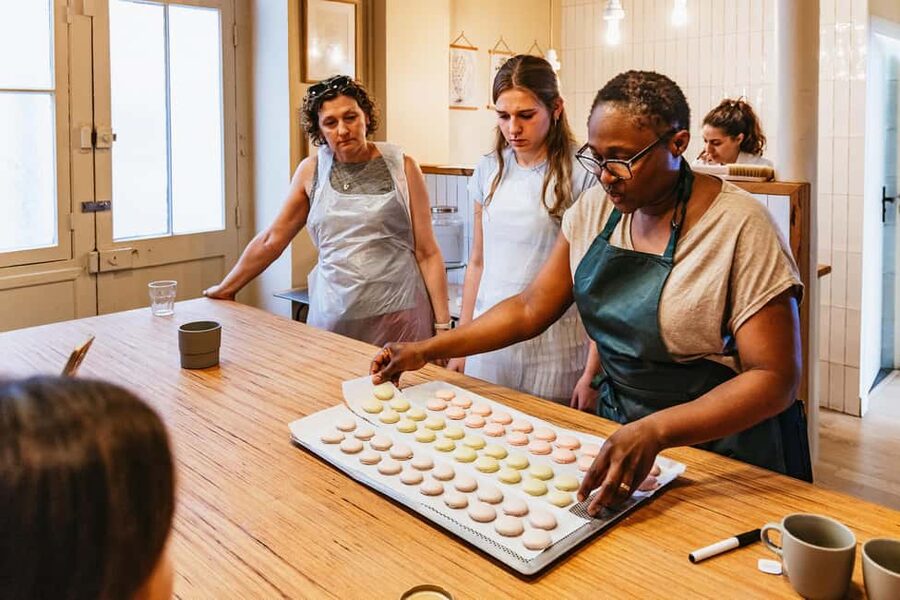
This is a practical pastry workshop at Maison Fleuret School, not a demonstration where you sit back and watch a chef do all the work. You arrive at the school and look for the gray door. There may be little or no obvious signage outside, so follow the meeting instructions closely and arrive at the stated time.
Inside, you meet the chef and the other members of your group. The class is listed as limited to six participants, a useful size for a recipe that needs close attention. Macarons are fussy little pastries. A slight error in mixing, piping, or baking can change the texture, so personal help matters.
The atmosphere is meant to be friendly rather than formal. You can expect a professional kitchen setting, clear demonstrations, and plenty of chances to ask questions. The chefs named in the feedback include Alice, Delphine, Amélie, Christian, Matthieu, William, Matteo, Felix, and others. The consistent strength is the teaching style: patient, upbeat, and willing to help individuals without making beginners feel clumsy.
That last point matters. Macarons have a reputation for being difficult, and many people arrive expecting failure. This class is arranged to make the recipe manageable, even for people with no baking background. You will not be left to guess what the mixture should look like or how much pressure to use when piping.
More hands-on workshops in Paris:
- Sushi Making Tokyo Roll and Authentic Japanese Sushi Class
★ 5.0 · 3,971 reviews - Authentic Pizza Making Class in Naples with Appetizers and Drink
★ 5.0 · 3,178 reviews - Tokyo: Roll and Authentic Sushi Making Class in Asakusa
★ 4.9 · 1,957 reviews
Starting with meringue, the foundation of the shell
The first important stage is the meringue. This gives the macaron its light structure, and the class focuses on how to bring it to the right consistency.
Your chef demonstrates the method, then guides you as you work. The useful part is not only learning which ingredients go into the mixture. You also learn to recognize the texture that makes the batter suitable for piping. That visual and physical judgment is often what home bakers lack when they first try macarons.
The chef can also step in when your mixture needs more or less folding. This is where a small class has a real advantage. In a large group, you might miss your chance to ask for help. With six people, the instructor can look at each person’s work and offer a correction before you move on.
The lesson is presented for beginners, but it is not useless for people who have baked before. One participant with previous macaron failures found the method more approachable, while another with some baking experience left feeling ready to try again at home. If you already make macarons regularly, though, you may find the class too basic.
Piping shells with a crisp outside
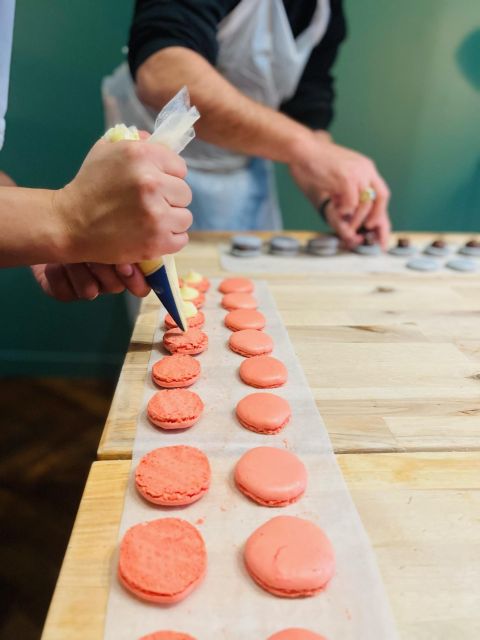
Once the meringue is ready, you learn how to pipe the shells. The aim is a smooth, even shape with the right thickness. You also learn what creates the prized contrast between the crisp outer layer and the tender middle.
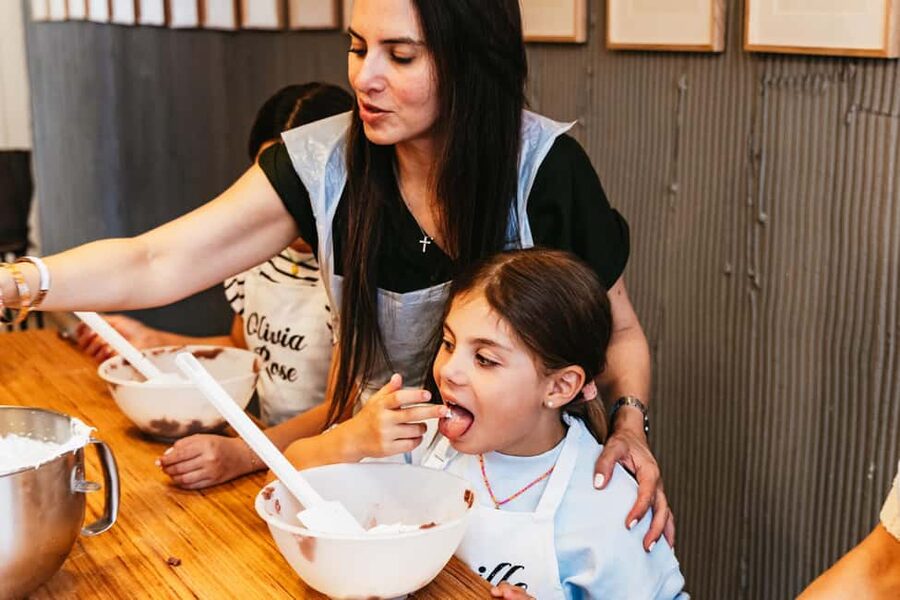
This is a satisfying stage because your pastries begin to look like macarons rather than a bowl of ingredients. The chef can show you how to keep the shells consistent and how to avoid common problems. Children can take part here too, although younger participants will need an adult nearby and the chef’s help.
Several family groups found that children aged seven, nine, eleven, thirteen, and fourteen could stay involved. One family with children aged five and eight also found the class suitable. The process is structured enough to keep young bakers interested, and the finished results tend to look much better than a nervous first attempt might suggest.
You may also get to select colors and flavors. One session included multicolored macarons, which adds a playful element without changing the main lesson. The precise options can vary, so do not book this expecting a fixed menu of flavors unless the provider confirms it.
Learning ganache and building the center
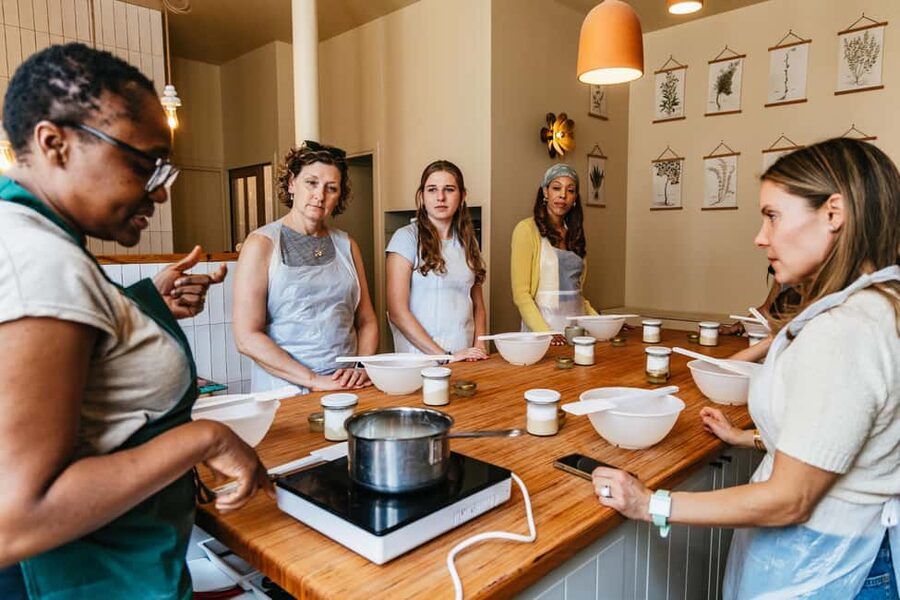
The filling is the other major skill covered in the workshop. You learn how to make ganache, then use it to create the soft, flavorful center between two shells.
This stage helps explain why a good macaron is more than a sweet, crunchy cookie. The shell should have a light bite, while the center supplies moisture and flavor. The chef explains how the two parts work together, and you assemble the finished pastries once the components are ready.
The class may not cover every possible ganache variation in detail. Its purpose is to give you a reliable starting method rather than a full pastry-school curriculum. Still, the basic lesson is useful at home because you leave with a sense of the textures and proportions you are trying to recreate.
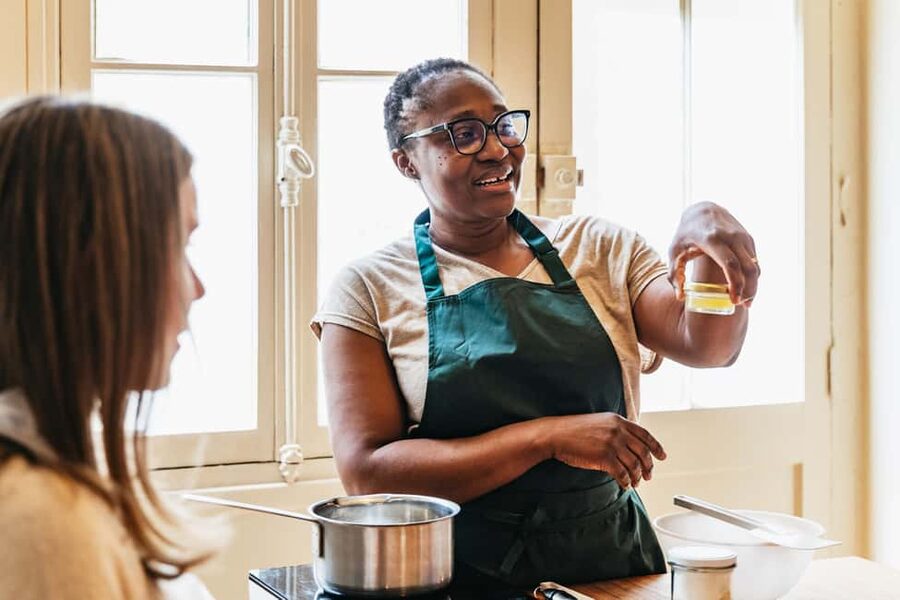
The chefs also offer practical tips for home baking. Delphine, for example, explained techniques in both French and English and gave advice for making macarons after the class. Matthieu was praised for explaining each step clearly and encouraging the group. These small teaching habits are more valuable than a long lecture.
More food tours in Paris:
- Bateaux Parisiens Seine River Gourmet Dinner & Sightseeing Cruise
★ 4.5 · 6,930 reviews - Authentic Parisian Gourmet Food Tour with 10 Local Dishes & Wines
★ 5.0 · 4,754 reviews - Bateaux Parisiens Seine River Gourmet Lunch & Sightseeing Cruise
★ 4.5 · 2,680 reviews - Montmartre Hill French Gourmet Food and Wine Tasting Walking Tour
★ 5.0 · 2,588 reviews
A box of macarons to take through Paris
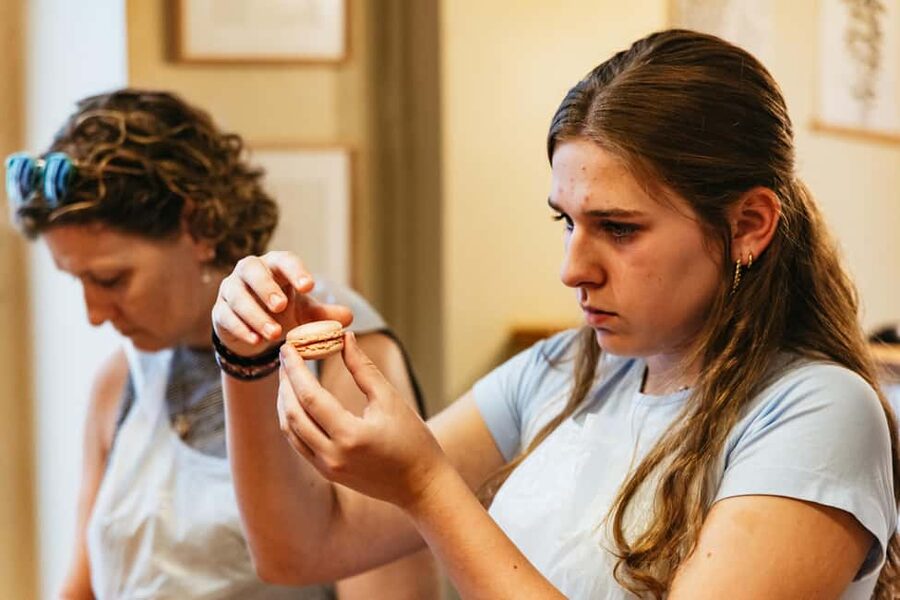
At the end, you receive a box containing the macarons made during the session. The amount can be generous. One family reported having macarons for the rest of the week, and another group made roughly a dozen each, plus a few extra.
That makes this more satisfying than a class where you only taste one pastry before leaving. You get an edible souvenir, and you can share the result with friends or family. The box also gives you a chance to judge your work after the shells have been filled and finished.
Transport takes a little care. One participant managed to carry the macarons from Paris back to the United Kingdom, even in warm weather, but that should not be treated as a guarantee. Keep the box level, avoid crushing it under luggage, and do not leave it in excessive heat.
The class does not include hotel pickup or drop-off. You make your own way to Maison Fleuret School, so allow enough time to find the gray door. One person noted the lack of clear signage, while another appreciated that the provider communicated promptly when the location changed. Check your final instructions before setting out.
Why the small group matters
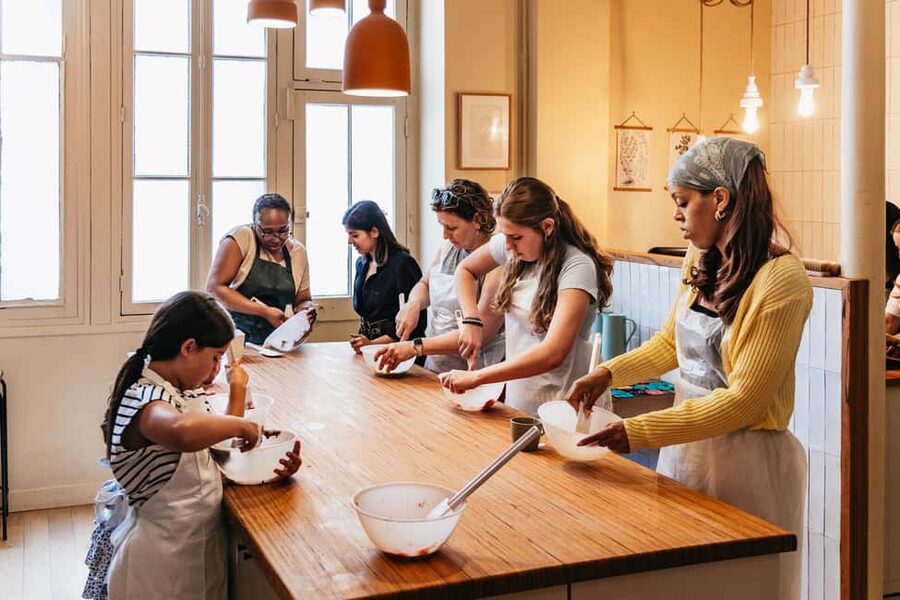
Macaron-making benefits from close supervision. The recipe has several points where timing, texture, and technique matter more than simply following a list of ingredients.
A six-person limit lets the chef move around the work area and check each participant’s progress. This is especially useful if you are cooking with children or if you have never piped pastry before. The instructor can give a quick correction without stopping the whole class.
The group setting also adds a social side. You work beside other people, compare colors and shapes, and share the small triumph when the finished shells look right. One group even exchanged pastries with people making croissants nearby. That kind of casual contact is part of the charm.
The tradeoff is that the class may feel less private than a one-to-one lesson. You share the chef’s attention, and the pace must suit the whole group. For most people, that is a fair exchange for the lower-pressure atmosphere and the chance to meet other food-minded people in Paris.
The chefs and the teaching style
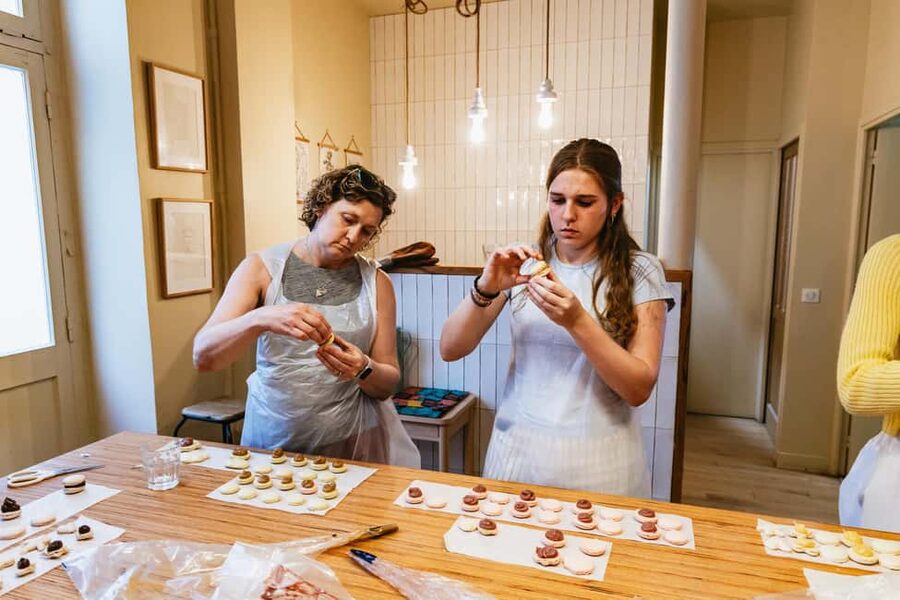
The named instructors vary by session, so you cannot book with a specific chef unless the provider confirms it. Still, the teaching qualities are remarkably consistent across the available comments.
Alice was described as upbeat and helpful. Amélie was praised for humor, patience, and making the work feel low pressure. Christian was noted for being professional and patient, while Matteo checked both the group and each person individually. Felix was particularly good with children, and Delphine combined French and English explanations.
This is important if you worry about a language barrier. The class language is English, and the instruction is designed for English-speaking participants. Delphine’s bilingual teaching is a bonus, but French is not required to follow the class.
The strongest fit is someone who wants to learn by doing. You will get demonstrations and explanations, but the real value comes from handling the mixture, piping the shells, and making the filling yourself. If you prefer a quiet, highly technical pastry lecture, the cheerful group style may feel a little light.
How long the class takes
The stated duration is 150 minutes, or two and a half hours. That is the amount of time you should reserve in your day, particularly if you have a museum booking, dinner reservation, or train to catch afterward.
Actual timing can vary. One participant finished in about 1 hour 45 minutes, so the class may end earlier than the official schedule in some sessions. Other groups may need the full time, especially when children are involved or when the chef spends longer helping with technique.
The class is long enough to cover the main process without taking an entire day. I would place it in the middle of a flexible afternoon rather than between two tightly timed attractions. You may also want a little extra time afterward to enjoy your box before it gets jostled around Paris.
Value for money without a listed price
A price is not provided here, so I cannot judge the exact cost against other Paris cooking classes. I can still explain what you are paying for.
The value is strongest if you want three things at once: instruction from a pastry chef, a small-group activity, and a substantial edible souvenir. You are not only buying macarons. You are paying for guidance at the tricky stages, the kitchen setting, and the confidence to try the recipe at home.
The value is weaker if your main goal is simply to eat excellent macarons. Paris has plenty of pastry shops, and buying a box will be quicker and probably easier. This class makes sense when the process matters as much as the taste.
I also would not choose it as an advanced professional course. The lesson gives you solid basics and useful tips, but it is built to help ordinary visitors succeed. Ingredient measuring may be done for you, and one person felt the class did not offer enough advanced information. That is not a flaw for beginners, but it is worth knowing before you book.
The free cancellation option up to 24 hours before the class and the reserve now, pay later plan make it easier to fit into a changing Paris schedule. These policies are useful, but they do not replace checking the meeting details and final location before the day.
Who should book this macaron class?
I would recommend it most strongly to:
- Families with children or teenagers who enjoy hands-on activities
- Couples looking for a relaxed food experience
- First-time bakers who want a clear introduction to macarons
- Home cooks who tried macarons before and want a better method
- Visitors who like taking home something they made themselves
- People who enjoy meeting a small group rather than joining a large tour
It is also a good rainy-day plan. You get an indoor activity with a clear result, and it works well when you need a break from museums and monuments.
I would think twice if you want advanced pastry science, a private lesson, or a long tasting session. The class is practical, social, and beginner-friendly. It is not designed to explore every possible shell color, filling, baking problem, or professional production method.
Practical advice before you arrive
Read the meeting instructions carefully. The entrance is described as the gray door, and there may not be strong signage outside. Arrive on time so you do not miss the opening explanation.
Wear something comfortable for a kitchen activity, though no special clothing requirements are provided. Keep your schedule loose enough for the full 150 minutes, even though some sessions finish sooner.
If you are bringing children, expect them to take part rather than simply watch. The class has worked well for children and teenagers, but younger bakers will benefit from an adult’s attention during the more delicate steps.
Plan how you will carry the macarons afterward. The box is part of the reward, but the pastries are fragile. Keep it flat and protected, especially in warm weather or on a crowded day of sightseeing.
Should you book it?
Yes, if you want a friendly, hands-on Paris food activity and you are happy with a beginner-level lesson. The small group, patient chefs, choice of colors and flavors in some sessions, and box of finished macarons make this a good use of an afternoon.
I would book it especially for a family, a parent and teenager, or anyone who has tried macarons at home and failed. If you already have serious pastry training, choose something more advanced. For everyone else, this class offers a pleasant mix of skill, conversation, and edible results without asking you to spend a full day in a kitchen.
FAQ
Where does the macaron class take place?
The class takes place at Maison Fleuret School in the Ile-de-France region. The meeting instructions direct you to wait in front of the gray door.
How long does the class last?
The stated duration is 150 minutes. One participant reported finishing in about 1 hour 45 minutes, so the exact timing can vary.
Is the class taught in English?
Yes. English is the listed teaching language. Some chefs, including Delphine, also speak French.
How many people are in the class?
The booking information lists a small group limited to six participants.
Are children allowed to join?
Yes. The class has been suitable for children and teenagers, including families with children aged five and up. The chefs help younger participants take part in the work.
What do I take home?
You receive a box of macarons made during the class. The amount can be around a dozen per person, with some sessions producing a few extra pastries.
New food tours we have reviewed in Paris
- The Official Emily in Paris Food Tour★ 4.8 · 39 reviews
- Paris: Saint Germain des Prés Guided Foodie Walking Tour★ 4.8 · 146 reviews
- Paris: Guided Champagne & Food Tour in St-Germain-des-Pres★ 4.6 · 26 reviews
- Paris: Taste of Montmartre Food & Wine Walking Tour★ 4.9 · 29 reviews
- Paris: Pastries and Chocolate Walking Food Tour★ 4.8 · 57 reviews
- Paris: Notre Dame & Latin Quarter Food Tour with 8+ Tastings★ 4.8 · 60 reviews
- Paris: Le Marais District Food Tour with 10+ Tastings & Wine★ 4.8 · 382 reviews
- Paris: Le Marais Bakery and Pastry Food Tour with Tastings★ 4.7 · 64 reviews
Workshops, compared.
Sushi Making Tokyo Roll and Authentic Japanese Sushi Class
Read our review →
Authentic Pizza Making Class in Naples with Appetizers and Drink
Read our review →
Tokyo: Roll and Authentic Sushi Making Class in Asakusa
Read our review →
Ramen Cooking Class at Ramen Factory in Kyoto
Read our review →
Small Group Cooking Class & Market Food Tour in Florence
Read our review →
Tokyo: Sushi Making Class in a Happi Coat near a Famous Spot
Read our review →
Sushi Making Osaka Roll and Authentic Japanese Sushi Class
Read our review →
Tokyo Sushi Making Class in Tsukiji with Professional Chef
Read our review →Browse the lists this tour appears in