
Review · CHINATOWN FOOD TOURS
San Francisco: Chinatown Food and History Walking Tour
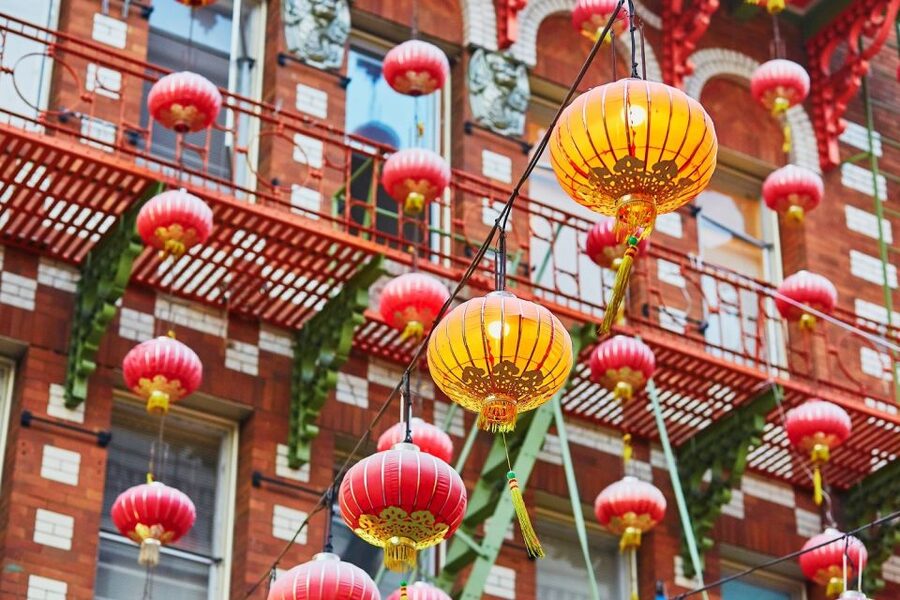
San Francisco Chinatown is best understood with your feet moving and your appetite ready. This 150-minute walk links Stockton Street food markets, Portsmouth Square, Eastern Bakery, and a fortune cookie factory, so you get both the famous sights and the everyday food culture between them.
I like the small group of up to 12, which gives your guide room to answer questions, and I like the mix of history and tasting stops. Joseph, one of the guides associated with this tour, has earned especially strong praise for his clear stories about old San Francisco and Chinatown. The main drawback is the fixed pace: $85 is fair only if you value a guided introduction and several tastings, and the walk may feel short if you want to linger in every shop.
Key points at a glance
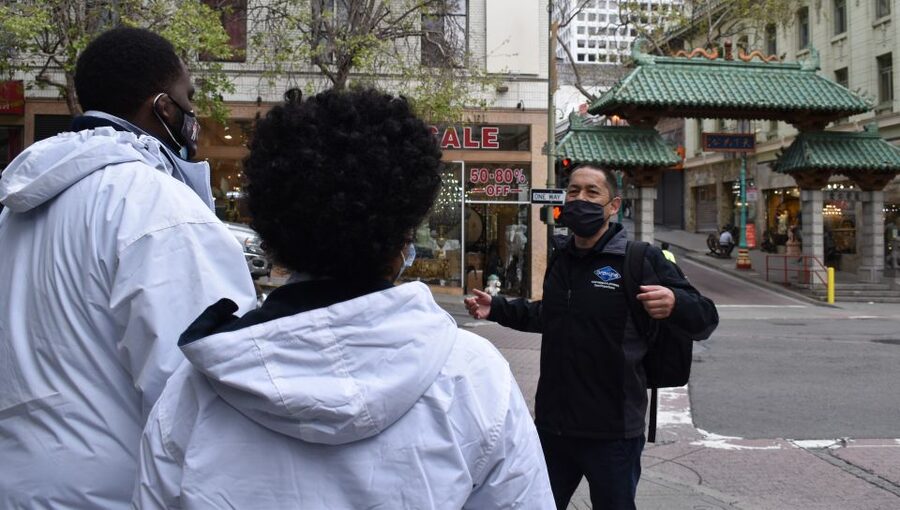
- Four distinct food tastes: Sample Chinese cookies or a pork bun, choose tea at Eastern Bakery, eat dim sum at Delicious Dim Sum, and finish with a fortune cookie.
- A walk through Chinatown’s layers: The route connects Dragon’s Gate, Old Saint Mary’s Cathedral, Portsmouth Square, markets, decorated buildings, and lesser-seen corners.
- A guide-led history lesson: You hear about Chinatown’s beginnings, the Gold Rush, California’s early story, religious culture, and the meaning of fortune cookies.
- Small group, personal feel: A maximum of 12 people makes it easier to hear the guide and ask about food or local history.
- Simple downtown meeting point: Meet in front of the Starbucks by Dragon’s Gate, and arrive 15 minutes before the start.
- English only: The live tour is conducted in English and does not include hotel pickup or drop-off.
Starting beneath Dragon’s Gate
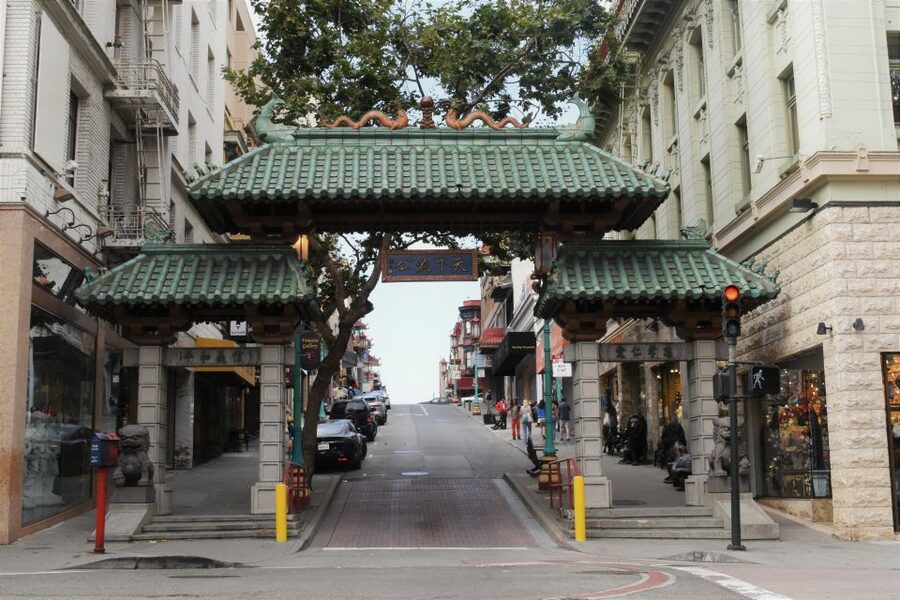
Your meeting point is in front of the Starbucks located by Dragon’s Gate, the ornate entrance to Chinatown. Look for the guide in a Gray Line San Francisco uniform, and arrive 15 minutes early so you are not trying to find the group as the walk begins.
Dragon’s Gate is a sensible starting place. It gives you an immediate visual introduction to the neighborhood, with Chinese architectural details and street decorations setting the tone before the first food stop. From here, the guide can help you read Chinatown as more than a collection of colorful storefronts.
The small group matters at this point. With no more than 12 people, you should be able to hear the commentary without standing shoulder to shoulder with a large crowd. It also makes it easier to ask where to return later for a snack, a market purchase, or another look at a shop you pass quickly.
More Chinatown food tours in the USA:
- NYC: Chinatown & Little Italy Food Tour with 7 Flavorful Tastings
★ 5.0 · 2,733 reviews - Original NYC Guided Food Tour of Chinatown and Little Italy
★ 5.0 · 2,194 reviews - Chinatown & North BeachLittle Italy: 7 Tastings & History
★ 5.0 · 1,070 reviews
Stockton Street and the working side of Chinatown
The walk continues along Stockton Street, known for markets selling fresh and unusual foods. This is one of the more useful parts of the tour because it puts Chinatown’s daily food trade next to its tourist-facing streets.
I like this contrast. You are not simply being shown decorative buildings and told a few old stories. You are also seeing the stores and markets that help give the neighborhood its current character. The guide’s commentary is meant to explain how Chinatown has changed while still keeping its cultural identity.
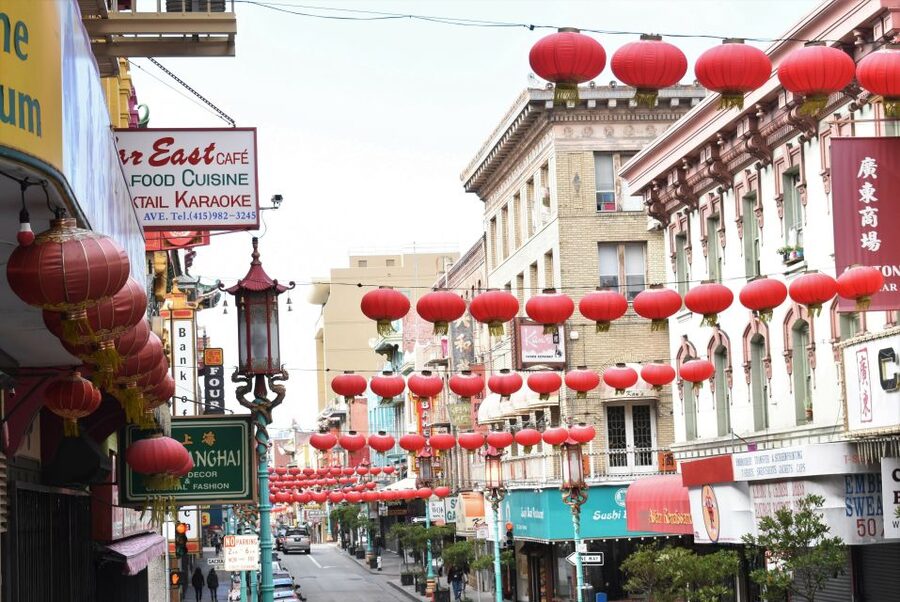
Keep your camera ready for the pagoda-style buildings and Chinese decorations along the route. These stops are built into the walk rather than treated as a separate sightseeing circuit, so you can take photographs without losing the connection between the street, the buildings, and the people using them.
The route includes lesser-known corners as well as major sights. That is useful if you have already seen Dragon’s Gate in photographs or walked through the main tourist streets on your own. The guide can point out details you might otherwise pass without knowing why they matter.
Old Saint Mary’s Cathedral and Chinatown’s religious story
Old Saint Mary’s Cathedral adds a different note to the tour. Here, the focus turns toward religious culture and the role of faith in San Francisco’s past.
This stop helps prevent the tour from becoming only a food crawl. Chinatown’s story is tied to migration, community life, religion, business, and the wider development of San Francisco. A guide can connect those subjects in a way that is hard to get from a quick walk through the neighborhood.
You should expect a short visit and explanation rather than an extended church tour. The supplied details identify Old Saint Mary’s Cathedral as a place to gain context about religious culture and history, but they do not promise a special service, private access, or a long interior visit. That makes this stop best viewed as part of the larger story.
Eastern Bakery, cookies, and a choice of tea
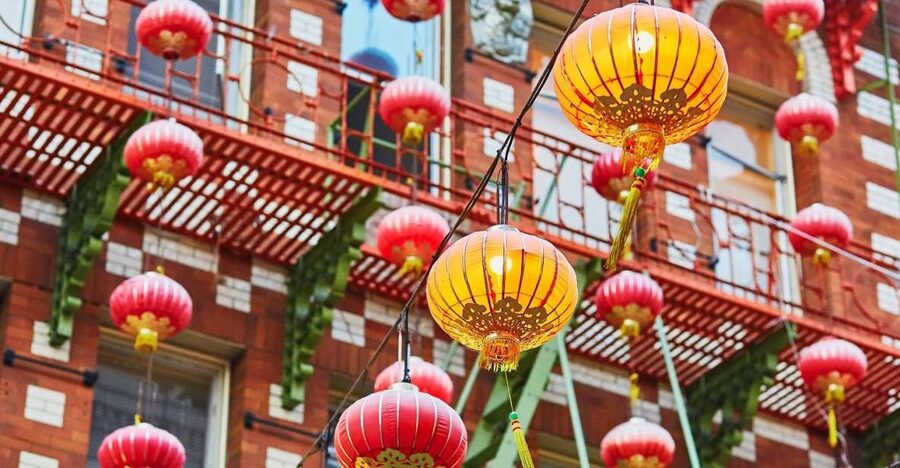
At Eastern Bakery, you get a taste of traditional Chinese cookies and tea. The exact food can vary, and the tour may offer traditional pork buns instead of cookies, subject to availability.
This stop has a personal touch because the bakery owners may share cooking tips. That small detail gives the visit more value than simply receiving a packaged sample. You get a chance to connect the food with the people who make it and to ask questions while the group is there.
Tea is another welcome pause during a walking tour. You choose the tea available at the bakery, giving you a brief chance to slow down and compare the flavor with the sweet or savory food. If you have a strong preference about the cookie or pork bun, ask the guide early, since availability controls what you receive.
The tasting is not designed to replace lunch. Think of it as one stop in a series of small portions. That format lets you try several Chinatown specialties without committing to a single large meal at the start of the walk.
More history tours in the USA:
- Historic Ybor City Food Walking Tour
★ 5.0 · 2,210 reviews - Boston Food & History: Pizza, North End & Freedom Trail
★ 5.0 · 1,772 reviews - New Orleans Food and History Walking Tour
★ 5.0 · 1,544 reviews - Boston’s North End Food Tour: Italian Flavors & Heritage Walk
★ 5.0 · 1,322 reviews
Portsmouth Square and the beginnings of San Francisco
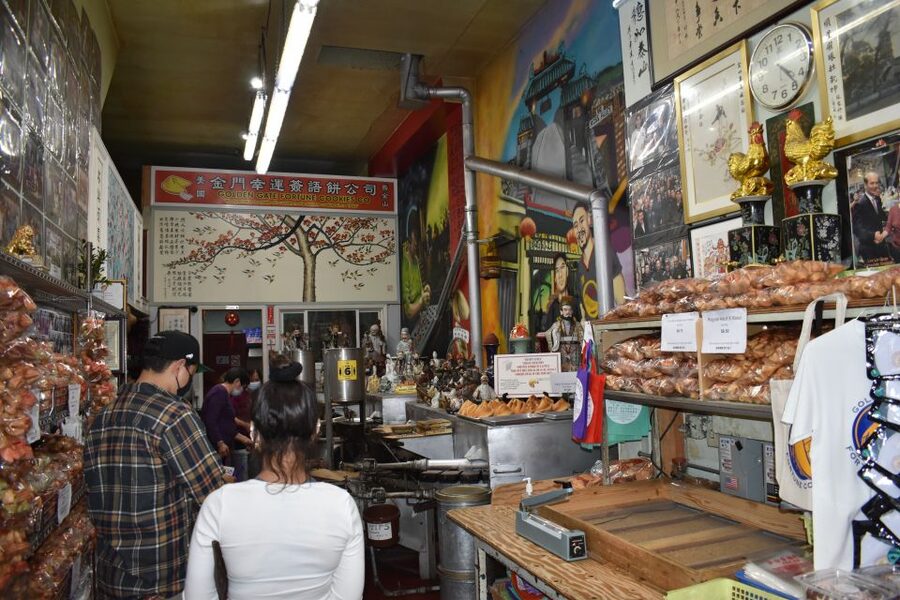
Portsmouth Square is one of the most important history stops on the route. The guide explains its connection to the Gold Rush, the early development of California, and the origin of Chinatown.
This is where the tour widens beyond neighborhood history. You learn how Chinatown fits into the story of San Francisco rather than treating it as an isolated district. The square gives the guide a clear place to explain how major events shaped the city and helped form the community around you.
The quality of this stop depends heavily on the guide. Past tours led by Joseph have been praised for clear, detailed explanations of both old San Francisco and Chinatown. His style is described as friendly and thorough without giving too much information at once, which is helpful at a site with several historical threads.
You may find this stop especially useful if you are new to San Francisco. It gives you dates and context that can make later sightseeing, from the waterfront to the older streets, easier to understand. If you already know the city’s Gold Rush story, the Chinatown connection may be the more useful part.
Dim sum at Delicious Dim Sum
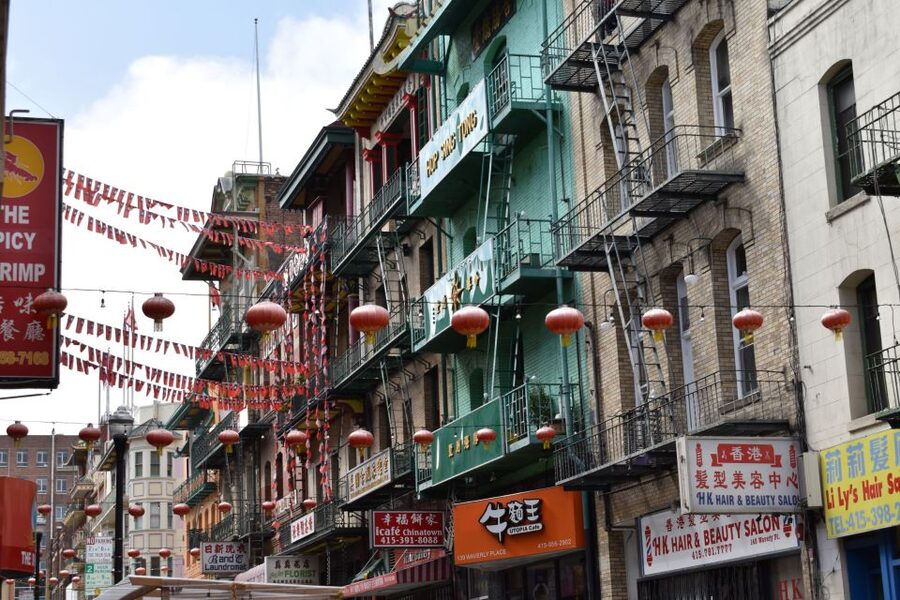
The food centerpiece is a tasting at Delicious Dim Sum. You try homemade dim sum, described as some of the best in the city, as part of the tour.
Dim sum works well here because it offers a direct taste of Chinatown’s food tradition without requiring a long restaurant meal. You can sample a prepared item, ask the guide what you are eating, and then keep walking. The stop also gives you a practical idea of where to return if you want a fuller meal after the tour.
The amount of food is important to understand. The tour includes dim sum, but it is not presented as a full lunch or dinner. You should arrive ready to eat a little before the walk, especially if you have a large appetite.
Food preferences may also affect your experience. The details do not list a vegetarian menu, allergy accommodations, or a specific dim sum selection. If those issues matter to you, ask before booking rather than assuming the included tasting can be changed.
One useful strategy is to note the names of the places you enjoy. The route moves quickly enough that you may not have time to shop or order extra food during the tour. You can always return to a favorite stop later, and one past participant even went back to a small restaurant for another selection after the walk.
The fortune cookie factory finale
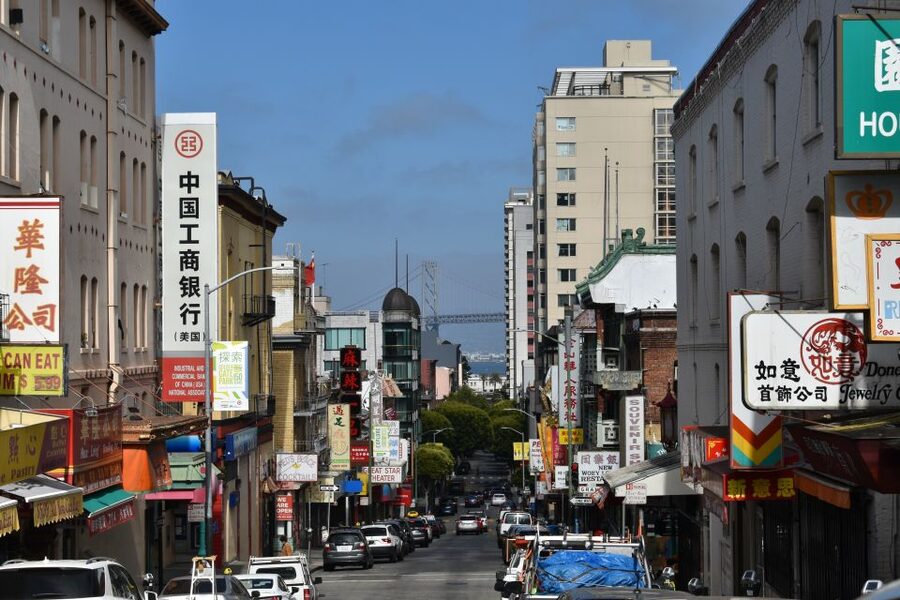
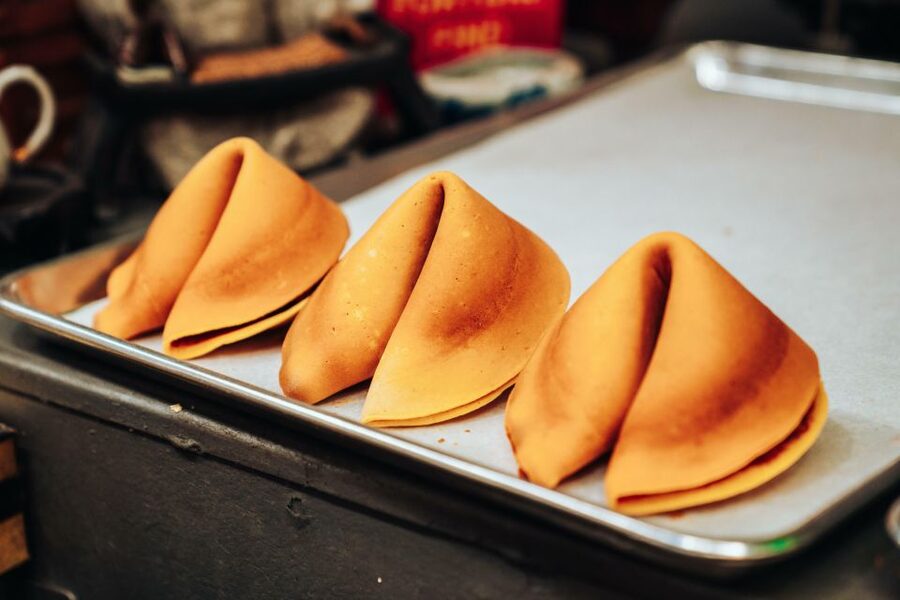
The final stop is a fortune cookie factory. You taste a fortune cookie, see how it is cooked, and hear about the historical meaning of fortune.
This is a fitting ending because it connects a familiar symbol with the making of the food itself. You are not only handed a cookie at the end. You get to see the cooking technique and learn why the fortune has become part of the experience.
The factory visit is also a good photo stop and a clear final marker for the route. After several food and history stops, you finish with something compact, recognizable, and easy to remember.
Keep expectations realistic. The supplied details do not promise a long factory visit, a private demonstration, or a chance to make your own cookies. The value comes from seeing the process and hearing the story, not from treating it as a full cooking class.
What $85 gets you
At $85 per person, this tour sits above the cost of simply walking through Chinatown alone. You are paying for a 150-minute guided route, a professional local guide, a small group, photo stops, dim sum, and several other tastes.
I see the price as reasonable if you want a structured first visit and would otherwise spend time guessing which shops and sights deserve attention. The guide adds the most value by connecting the food to the neighborhood’s history and by leading you to places you might not choose on your own.
The price is less compelling if you already know Chinatown well, speak with local food businesses comfortably, and prefer to order full portions at your own pace. You could spend $85 on several dishes independently, though you would not receive the same guided history or fixed route.
Because food availability can affect the cookie or pork bun stop, do not judge the value by one particular sample. The experience is the combination of small tastings, local explanations, and access to a sequence of stops within a short period.
Timing, group size, and practical comfort
The tour lasts 150 minutes, or two and a half hours. That is long enough to cover the main route without taking up the entire day, making it easy to pair with other San Francisco plans.
You will be on foot for the full experience. Wear comfortable shoes and leave enough room in your schedule to stay with the group. The supplied information does not provide a detailed accessibility description, so you should ask the operator directly if stairs, walking distance, or street conditions are a concern.
There is no hotel pickup or drop-off. Plan to reach Dragon’s Gate on your own and be at the Starbucks meeting point 15 minutes early. The guide wears a Gray Line San Francisco uniform, which should make the group easier to identify.
The tour is offered in English with a live guide. If you want a guided Chinatown experience in another language, this is not the right choice based on the available information.
You can reserve now and pay later, which helps if your San Francisco schedule is still changing. Free cancellation is available up to 24 hours before the activity for a full refund. Check the available start time when booking, since the exact departure time can vary.
Who will get the most from this walk
I would choose this tour for a first-time San Francisco visitor who wants an introduction to Chinatown without spending a full day on a food tour. It also suits anyone who likes learning the story behind a neighborhood instead of simply collecting photographs.
Families may appreciate the short tastings, approachable route, and food factory ending. The tour is described as family-friendly by the guide experience, but the group still needs to keep moving between stops.
Food-focused visitors should like the range of samples, especially if you want dim sum, bakery treats, tea, and fortune cookies in one outing. Just remember that these are tastings, not a replacement for a full meal.
History-focused visitors may find the guide matters more than the food. Joseph has been praised for explaining old San Francisco and Chinatown with detail, warmth, and a clear sense of proportion. Since guide assignments can change, treat that as useful background rather than a guarantee that he will lead your departure.
I would skip this tour if you dislike group pacing, want to spend a long time inside each shop, or need precise control over every ingredient you eat. You may also prefer an independent visit if you already know the neighborhood and want to focus on a full restaurant meal.
Should you book it?
Book this Chinatown food and history walk if you want a well-paced first look at the neighborhood, several small food tastes, and a guide who can connect Chinatown to San Francisco’s Gold Rush beginnings.
The strongest reasons to book are the group size, the mix of landmarks and everyday markets, and the food sequence that ends at a fortune cookie factory. The main question is value: at $85, you should want the history and guidance as much as the food.
If you do book, arrive early at Dragon’s Gate, eat lightly beforehand, wear comfortable shoes, and treat the included food as a series of samples. That approach lets you enjoy the stories, remember the places you like, and return afterward for a proper meal.
FAQ
How long is the San Francisco Chinatown food tour?
The tour lasts 150 minutes, or two and a half hours.
How much does the tour cost?
The price is $85 per person.
Where does the tour meet?
Meet in front of the Starbucks cafe located in front of Dragon’s Gate, the main entrance to San Francisco’s Chinatown.
How early should I arrive?
You should arrive 15 minutes before the activity starts.
What food is included?
The tour includes dim sum at Delicious Dim Sum, a fortune cookie at a fortune cookie factory, and traditional Chinese cookies or traditional pork buns, subject to availability. You also receive tea at Eastern Bakery.
Is the tour conducted in English?
Yes. The live tour guide speaks English.
Is hotel pickup included?
No. Hotel pickup and drop-off are not included, so you must make your own way to the meeting point.
New food tours we have reviewed in the USA
- Downtown Chattanooga Food Tour★ 5.0 · 290 reviews
- ChattaBrunch Food Tour★ 5.0 · 87 reviews
- Historic Southside Food Tour in Chattanooga★ 5.0 · 32 reviews
- Tastes Through Time – Charleston’s Best Food & History Tour★ 4.5 · 95 reviews
- Charleston’s Savor the Flavors of Upper King Street Walking Food Tour★ 4.5 · 130 reviews
- Charleston Private Brunch Tour: Biscuits, Shrimps, Grits and More★ 5.0 · 48 reviews
- Charleston Farm-to-Table Food Tour and Chef’s Challenge★ 5.0 · 110 reviews
- Private Charleston Walking Food Tour at the French Quarter★ 5.0 · 201 reviews
Chinatown Food Tours, compared.
NYC: Chinatown & Little Italy Food Tour with 7 Flavorful Tastings
Read our review →
Original NYC Guided Food Tour of Chinatown and Little Italy
Read our review →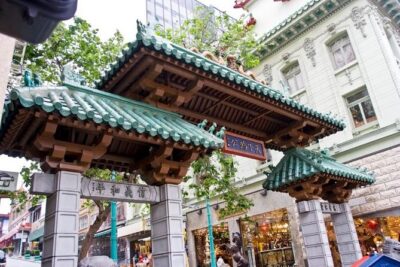
Chinatown & North BeachLittle Italy: 7 Tastings & History
Read our review →
Bangkok Authentic Tasting Thai-Chinatown Walking Food Tour
Read our review →
Bangkok: Tuk Tuk Adventure Chinatown Michelin Food & Temples
Read our review →

Bangkok Tuk-Tuk Tour by Night with Chinatown Street Food Meal
Read our review →
A Wok Around Chinatown: Culinary and Cultural Walking Tour Led by a Chef
Read our review →Browse the lists this tour appears in