
Review · WINE TOURS
Sorrento: Lemon, Olive Oil and Wine Tasting Tour with Lunch
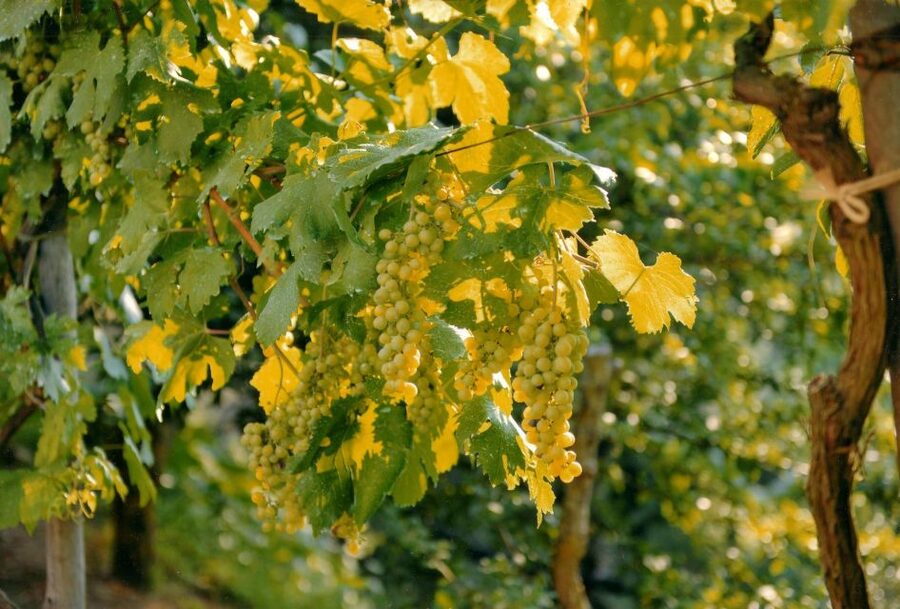
Sorrento’s best food experiences often happen away from the busy lanes, and this fourth-generation family farm gives you a close look at the work behind the region’s lemons, olive oil, wine, and honey. You walk through old groves, meet the family and farm animals, then sit down to a generous meal made from the land around you.
I especially like the 800 lemon trees and the visit to the old wine cellar, where traditional tools still help explain how the farm works. I also like the warm, personal hosting from family members such as Raffaele and Eugenio, who mix practical farming details with jokes and stories.
The main consideration is the terrain. The farm sits on a hill, and the walk can include steep sections and cobblestones. The activity is listed as wheelchair accessible, but anyone with limited mobility should confirm the walking route before booking.
Key points to know before booking
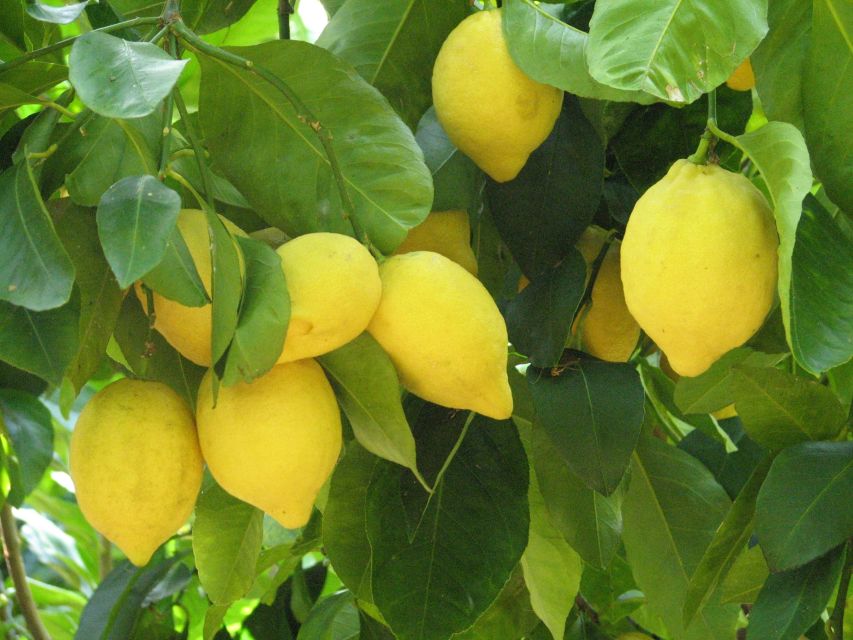
- 800 lemon trees: Learn how Sorrento lemons are grown, picked, and protected beneath traditional pergolas.
- A real working farm: See olive trees, seasonal vegetables, beehives, animals, and old farming methods in use.
- Family-led hosting: Raffaele, Eugenio, and other members of the Gargiulo family help lead the visit.
- Lunch is more than a snack: Expect a sit-down meal with seasonal dishes, homemade wine, and a lemon dessert with limoncello.
- Good value at $115.71: Transport, tastings, the farm walk, cellar visit, and lunch are bundled into four hours.
- Bring sensible shoes: Hills, uneven paths, and cobblestones are part of the setting.
Why this farm visit feels different from a standard tasting
A typical food tasting gives you a plate and a few explanations. This Sorrento experience starts much earlier, with the trees, soil, animals, tools, and people that make the food possible.
La Masseria Farm is run by the Gargiulo family across four generations. That family connection matters because you are not simply being shown a polished tasting room. You are visiting a working farm where fruit, vegetables, oil, wine, honey, and cured meats are part of an ongoing system.
I like this kind of visit because it gives familiar Italian foods some context. Olive oil tastes different when you have just walked between the trees that produce it. Limoncello makes more sense after you have seen how the local lemons are grown. The meal at the end becomes a sample of farm life rather than a separate restaurant stop.
The four-hour length is well judged for most people. You have enough time to walk, ask questions, taste several products, and eat without turning the outing into an all-day commitment. It also makes a useful change from Sorrento’s shops, churches, and crowded waterfront.
More Wine Tours in Italy
- Winner 2025 Florence Sunset Food & Wine Tour by Eating Europe
★ 5.0 · 5,015 reviews - From Florence: Small Group Wine Tasting Tour to Tuscany
★ 4.9 · 3,902 reviews - Rome Food Tour: Unlimited Tastings with Fine Wine & Barolo
★ 5.0 · 3,365 reviews
From Sorrento meeting point to the Gargiulo family farm
The tour begins at the bus parking area opposite the Grand Hotel Europa Palace in Sorrento. A shuttle takes you to the farm on the Sorrento Peninsula, and the activity ends at the same meeting point.
The transfer is short, but it helps to arrive early and look for the correct vehicle. One practical weakness is that the pickup may not always be obvious, so check the meeting instructions carefully. If you are staying outside central Sorrento, allow extra time to reach the bus parking area.
The ride takes you away from the town center and toward the rural side of the peninsula. On arrival, a member of the family welcomes you before the walking portion begins. Raffaele is one of the hosts often involved, while Eugenio has also led visits. Both are described as friendly, funny, and comfortable explaining the farm in English.
This is a social experience. You may share the meal and tastings with people from several countries, which suits you if you enjoy conversation around a table. If you prefer a private, quiet food lesson, this may feel more communal than intimate.
Walking through olive trees, animals, and working farmland
The first part of the visit takes you through the orchards and farm grounds. The pace is generally relaxed, but this is still a farm walk, not a paved garden stroll.
You see olive trees, fruit trees, seasonal vegetables, and animals that play a role in the farm’s approach to sustainable agriculture. The family explains how scraps and other useful material are put to work rather than wasted, including food that goes to the animals.
That detail gives the visit a useful focus. You are not only looking at beautiful trees. You are learning how a small family farm makes use of limited space and keeps different parts of production connected.
The animals are an enjoyable extra, especially for families. Children can see that food production involves more than a supermarket shelf, while adults may appreciate the practical side of the operation. The farm’s friendly animals also add some lightness to what could otherwise be a fairly technical walk.
Wear comfortable shoes with a firm sole. The ground can be uneven, and the farm is on a hill. One visitor described helping older companions over steep paths and cobbles in rainy weather, so wet conditions can make the walk more demanding.
Old olive trees and the making of extra-virgin olive oil
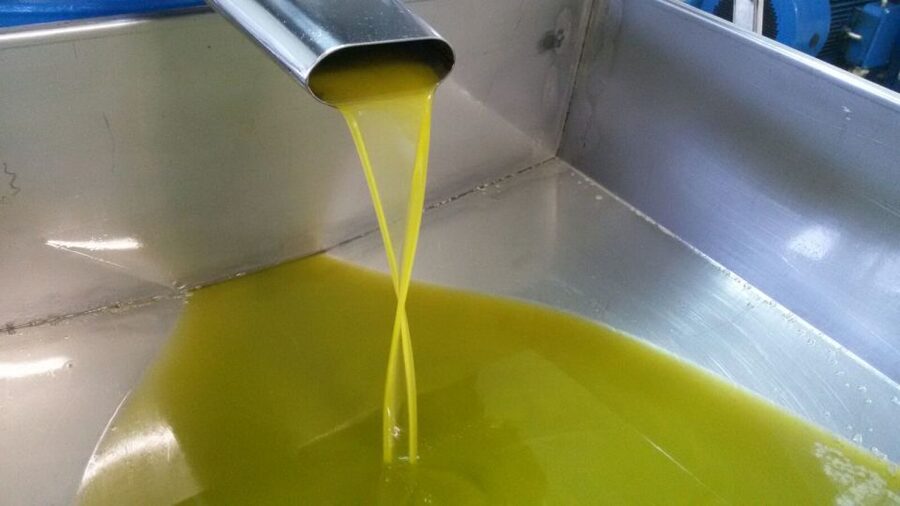
In the century-old olive grove, the family explains how its oil is produced and what care goes into the trees. You may see traditional picking methods and demonstrations that show the work behind the bottle.
The value here is in the comparison. At a shop, labels such as extra-virgin olive oil can feel abstract. On the farm, you connect the term to pruning, picking, pressing, storage, and the choices that affect flavor.
The tasting follows later, when you can try different olive oil specialties on homemade bread. This is one of the clearest food moments of the visit: simple bread gives the oil room to show its character, without sauces or complicated dishes getting in the way.
If you enjoy buying edible souvenirs, the farm shop gives you a chance to take home olive oil, limoncello, marmalades, honey, and related products. Prices for items sold by the family have been described as fair, but purchases are optional and are not part of the stated tour price.
More olive oil tastings in Italy:
- Sorrento Farm and Food Experience including Olive Oil, Limoncello, Wine tasting
★ 5.0 · 2,524 reviews - Ostuni: Olive Oil Tasting Tour
★ 4.4 · 171 reviews - Olive Oil Museum: Extravirgin school – Food & wine tasting
★ 5.0 · 39 reviews - From Chania: Olive Oil, Wine, Cheese & Honey Tasting Tour
★ 4.6 · 490 reviews
The beehives and the 800 lemon trees
The farm’s beehives provide a useful lesson in organic farming and pollination. You learn why bees matter to fruit production, with the guides explaining the subject in a reassuring way. You are not expected to handle the hives, and the visit is designed so you can observe without worrying about being stung.
Then comes the lemon grove, one of the strongest parts of the tour. The farm has about 800 lemon trees, and the walk shows how closely lemons are tied to the identity of the Sorrento Peninsula.
The family explains how lemons are picked and how the famous pergolas are built. These structures protect the trees and fruit, and they are a distinctive feature of local lemon growing. Seeing them in place makes the region’s lemon culture more understandable than simply ordering a lemon dessert in town.
The grove also opens toward a wild chestnut forest. That change of setting adds variety to the walk and shows how cultivated land sits beside less managed woodland.
The lemon section is especially good for anyone interested in regional food traditions. You learn not just that Sorrento produces lemons, but how the trees are maintained and why local growing methods matter. Bring a phone or camera if you like taking pictures, but keep your attention on the explanations and paths underfoot.
Inside the old cellar and oil mill
After the outdoor walk, you move indoors to the ancient family wine cellar. Here, the family explains how red wine is still made using the old wine press. You also learn about the curing of meats, adding another piece to the farm’s food cycle.
This part helps balance the tour. The groves show living crops, while the cellar shows how the harvest becomes food and drink. It is not a formal winery visit with a long technical lecture. Instead, it gives you a practical look at traditional equipment and family methods.
The atmosphere is likely to feel rustic rather than polished. That is part of the appeal, but it also means you should not expect a large commercial estate, a professional wine laboratory, or a broad catalog of wines. The focus is on the family’s own production and daily work.
Lemonade, honey, oils, and a generous homemade lunch
The tasting area brings together the farm’s products. You sample fresh lemonade, olive oils on homemade bread, citrus marmalades, honey, and cheeses. Wine is included as part of the meal and tasting experience, and the farm’s own products take center stage.
The fresh lemonade is a smart opening to the food portion. It shows the lemons in a direct, refreshing form before they appear in preserves or dessert. The honey and marmalades add sweetness, while the bread and cheese give the tasting enough substance to feel like more than a quick sample.
Lunch follows the tasting. The first traditional course uses seasonal farm products, and the meal is prepared by the family rather than brought in from a separate restaurant. The exact menu can change with the season, so you should think of this as a home-style meal built around what the farm has available.
Expect a full table, not a token snack. Several people have found themselves very full by the end, which makes sense when tastings are followed by a traditional meal, wine, dessert, and limoncello.
The lemon dessert is finished with a chilled glass of limoncello. You also learn the family recipe, although the tour does not promise a full hands-on cooking lesson. For many people, this is the most memorable finish because it ties the farm’s main crop directly to the final course.
Dietary needs can be accommodated in some cases. Gluten-free, vegetarian, and other allergy-related requests have been handled, but you should state your needs when booking rather than waiting until lunch.
Is $115.71 fair for four hours?
At $115.71 per person, this is not the cheapest food activity around Sorrento. The price makes more sense when you count everything included: shuttle transport from the central meeting point, a guided farm walk, the animal and orchard visit, olive oil and lemon explanations, the beehives, cellar and oil mill, multiple tastings, and a substantial meal.
You are also paying for access to a family operation that would be difficult to visit independently. Hiring transport to a rural farm, arranging an explanation of production, and finding a meal using the farm’s own products would take time and may cost more than expected.
I consider it good value if you want a complete half-day outing rather than a single tasting. It is less compelling if your main goal is a short olive oil sample or a formal wine tasting with many labels.
The tour also supports the family’s ongoing farm work. That does not make the price automatically right for everyone, but it is a meaningful factor if you prefer spending money with a local producer instead of a large food attraction.
Who will enjoy this outing most?
I would recommend it to couples, families, and anyone who wants to understand everyday food production in Campania. It works particularly well after a few busy days of sightseeing because the pace shifts from monuments and traffic to trees, animals, food, and conversation.
It suits you if you:
- Enjoy generous home cooking and local products
- Want a personal family-run experience
- Like learning how lemons and olive oil are produced
- Are happy sharing a meal with a group
- Can manage some uneven, steep, or cobbled paths
- Want to buy practical food souvenirs
It may not suit you if you want a private tour, dislike group meals, avoid alcohol, or have difficulty walking uphill. The activity is marked wheelchair accessible, but the reported terrain deserves a direct check before you reserve. Accessibility on paper does not always describe every section of an old farm.
The tour is conducted in English, and reserve-now, pay-later booking is available. Cancellation is free up to 24 hours before the start time. Those policies are useful if your Sorrento plans are still shifting.
Should you book the La Masseria farm experience?
Book it if you want to see the working side of Sorrento’s food culture, not just taste the finished products. The strongest reasons are the long lemon grove, the old olive trees, the family cellar, and the meal prepared from seasonal farm products.
I would choose this over a basic tasting if you have four hours available and enjoy a relaxed group setting. Bring comfortable shoes, arrive with a modest appetite, and make sure the walking route fits your mobility needs.
Skip it if you want a sleek winery, a private guide, or a short stop with no hill walking. For everyone else, the combination of family hospitality, farm knowledge, generous food, and local products makes this one of the more useful food experiences near Sorrento.
FAQ
Where does the tour begin?
It begins at the Bus Parking area opposite the Grand Hotel Europa Palace in Sorrento.
Where does the tour end?
The shuttle returns you to the same meeting point in Sorrento.
How long does the experience last?
The activity lasts four hours. Starting times vary, so check availability for the date you want.
What language is the tour offered in?
The tour is offered in English, and the host or greeter speaks English.
Is transportation included?
Yes. Shuttle service from the Sorrento meeting point to the farm and back is included.
What food and drinks are included?
You sample fresh lemonade, cheeses, honey, citrus marmalades, olive oils, homemade bread, wine, and limoncello. A light lunch or dinner is included, with a traditional seasonal course and lemon dessert.
Can I buy farm products?
Yes. The farm sells products such as olive oil and limoncello, along with other farm-made items.
Is the activity wheelchair accessible?
The activity is listed as wheelchair accessible. However, the farm includes hills, uneven paths, and cobblestones, so confirm that the route suits your needs before booking.
What should I bring?
Bring comfortable shoes for walking around the farm. You should also advise the provider about dietary requirements when booking.
More lunch bookings in Italy
- Bologna Food Experience: Factory tours & Family-Style Lunch
★ 5.0 · 1,201 reviews - Verona All in one: Food Walking Tour, Lunch & Wine
★ 5.0 · 342 reviews - From Naples: Wine Tasting Tour on Vesuvius Slopes with Lunch
★ 4.5 · 330 reviews - Taormina: Pizza Making Class with Lunch and Wine Tasting
★ 4.8 · 145 reviews
New food tours we have reviewed in Italy
- Private tour of Etna and Winery Visit with Food and Wine Tasting from Taormina★ 5.0 · 221 reviews
- Street food tour of Catania by night★ 4.5 · 31 reviews
- Catania Sicilian Street Food Tour: Small Group by Do Eat Better★ 5.0 · 293 reviews
- Mt Etna and Wine tasting tour from Catania★ 5.0 · 282 reviews
- Cagliari: A Full Meal Sardinian Food Tour with Do Eat Better★ 5.0 · 265 reviews
- Small-Group Food and Wine Tour from Cagliari★ 5.0 · 237 reviews
- Taste Bolzano: Food Tour with Full Meal by Do Eat Better★ 5.0 · 21 reviews
- Devour Bologna Tastes & Traditions Food Tour with Market Visit★ 5.0 · 69 reviews
Wine Tours, compared.
Montserrat Half-Day Tour with Tapas and Gourmet Wines
Read our review →
Winner 2025 Undiscovered Lisbon Food & Wine Tour by Eating Europe
Read our review →
From Porto: 2 Wine Regions, Farm-to-Table Lunch & Boat
Read our review →
Winner 2025 Florence Sunset Food & Wine Tour by Eating Europe
Read our review →
Authentic Parisian Gourmet Food Tour with 10 Local Dishes & Wines
Read our review →
Barcelona: Tapas Walking Tour with Food, Wine, and History
Read our review →
Lisbon: Food and Wine Small Group Walking Tour
Read our review →
Lisbon Small-Group Portuguese Food and Wine Tour
Read our review →Browse the lists this tour appears in