

Review · OLIVE OIL TASTINGS
Ostuni: Olive Oil Tasting Tour
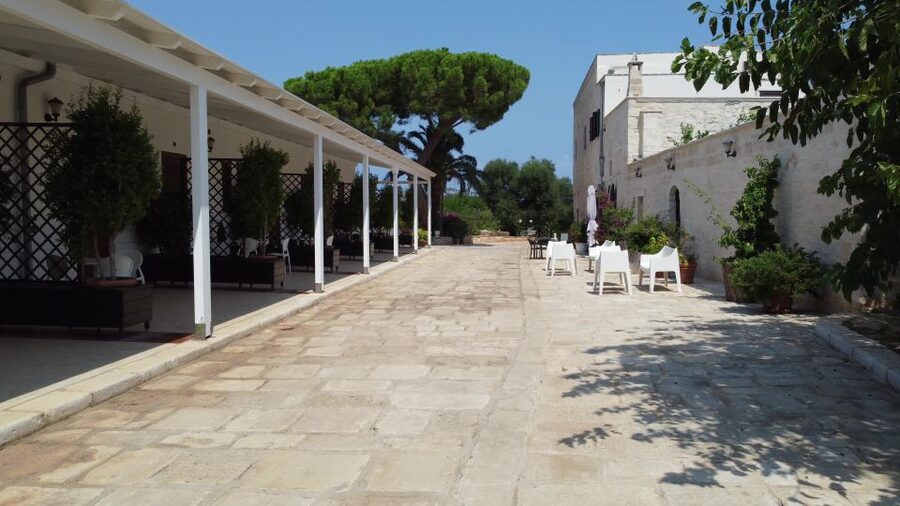
The most memorable part of this Ostuni experience is not the tasting table. It is the walk through an olive grove where some trees are said to have been planted more than 2,000 years ago, followed by a look inside a 16th-century underground oil mill. You get a clear sense of how deeply olive oil is tied to rural Puglia.
I like the mix of countryside and history, and I like that the tasting teaches you how to notice differences between oils instead of simply handing you bread and a bottle. Guides such as Angela, Carla, and Maria have been singled out for their warm, informative approach. The main drawback is time: the tour is advertised as one hour, while the detailed schedule can run about 1.5 hours, and some visitors find the price high for a short visit.
Key points to know before you book
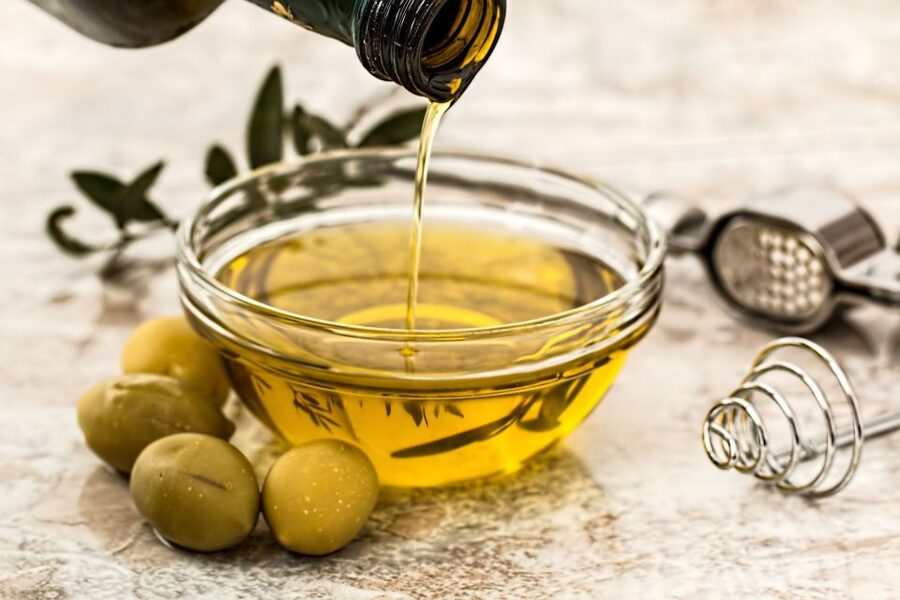
- Ancient olive trees: Walk among millenary trees, including some believed to be more than 2,000 years old.
- Two very different mills: See a 16th-century hypogeum mill below ground and a 19th-century epigean mill above ground.
- Three organic oils: Taste three oils with olives, tarallini, and fried broad beans.
- A real Masseria setting: Visit Masseria Valente, a traditional Apulian farm complex with a café and hotel on site.
- Useful language choice: Tours are offered with a live guide in English or Italian.
- Plan your transport: Transfers are not included, so you must arrange your own way to the meeting point.
Why the olive grove matters more than the tasting room
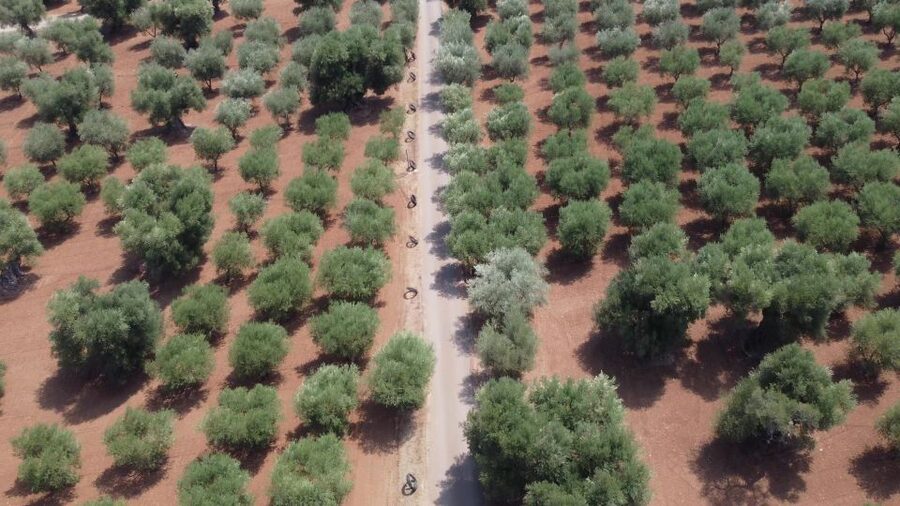
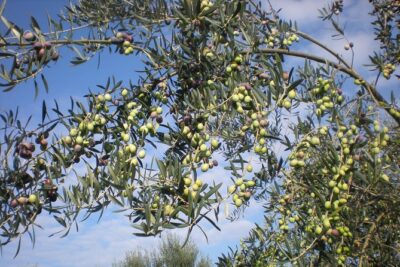
Puglia is often pictured as a sunny region lined with olive trees, but this visit helps you understand what those trees mean to local life. At Masseria Valente, you walk among young, mature, and ancient trees rather than viewing the grove from a passing car.
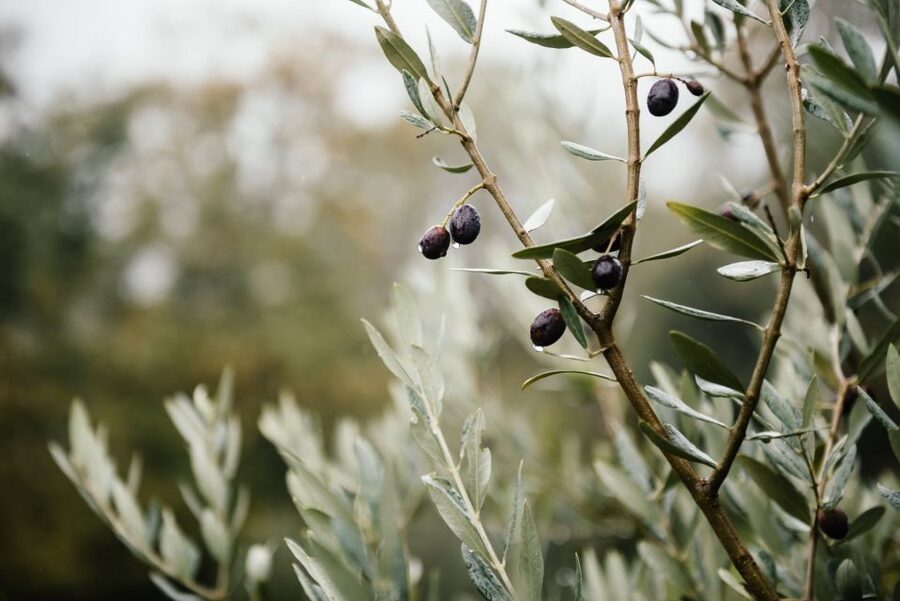
The oldest trees are the great draw. Their twisted trunks and hollow sections show their age in a way a date on a plaque cannot. Some are said to have been planted by veterans of the Punic Wars more than 2,000 years ago. That claim belongs to local tradition, so I would treat it as part of the site’s story rather than a fact you can independently verify on the spot. Either way, these are striking trees, and they make the short walk feel like a trip through several eras of farming.
You also learn that an olive grove is not a uniform collection of trees. The tour points out different ages and varieties, helping you connect the appearance of the trees with the oil in your glass later. That link between the field and the table is what gives the experience its value.
Bring a phone or camera if you enjoy quiet rural views. The estate has been praised for its peaceful setting and for giving you good chances to photograph the old trees. This is not a strenuous hike. It is a gentle walk through farm grounds, followed by the historic mill visits and tasting.
More olive oil tastings in Italy:
- Sorrento Farm and Food Experience including Olive Oil, Limoncello, Wine tasting
★ 5.0 · 2,524 reviews - Sorrento: Lemon, Olive Oil and Wine Tasting Tour with Lunch
★ 5.0 · 300 reviews - Olive Oil Museum: Extravirgin school – Food & wine tasting
★ 5.0 · 39 reviews
Masseria Valente, a working piece of rural Puglia
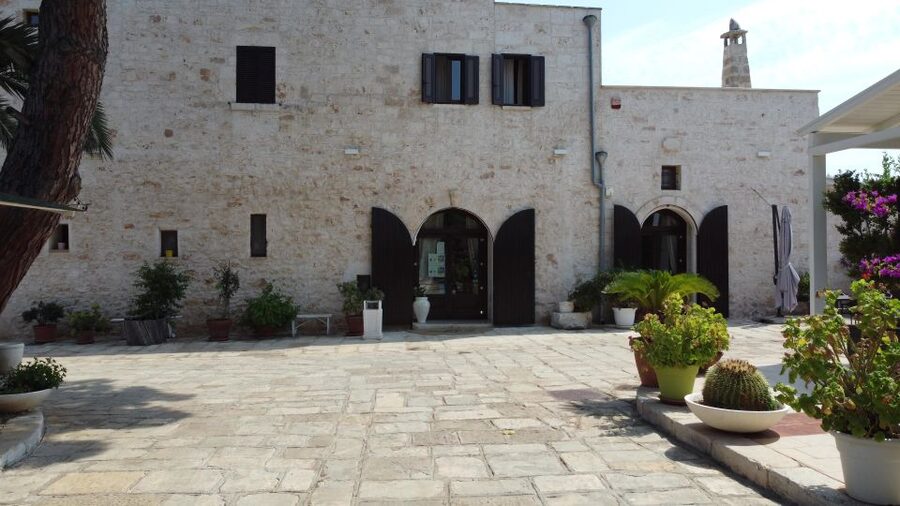
A masseria is more than a farmhouse. In Puglia, these large rural estates often combined living quarters, storage areas, agricultural work, and places for processing food. Masseria Valente gives you a look at that old farm system in a setting that also includes a café and hotel.
The estate itself is part of the experience. You are not arriving at a modern tasting shop with a few antique tools placed around the walls. You visit a traditional farm complex, then connect its buildings and olive trees with the production of oil.
That setting also makes this a good addition to an Ostuni day that already includes historic streets and whitewashed buildings. Ostuni gives you a hilltop town experience. Masseria Valente gives you the countryside that helped support the town.
The tour is guided rather than self-directed. Guides have included Angela, Carla, and Maria, and the best feedback focuses on their ability to explain the farming traditions, answer questions, and keep the pace comfortable. The guide is important here because the machinery and underground spaces need context. Without explanation, you would see old stone rooms and presses. With it, you can understand how labor-intensive oil production once was.
Going below ground into the 16th-century mill
The hypogeum oil mill is the most unusual stop. It is located below ground and dates to the 16th century. This underground processing floor shows how olive oil was produced before the more modern mill above ground took over.
A hypogeum space is practical as well as historic. The underground rooms offered a protected place for processing and storage, and the stone setting gives the visit a strong sense of age. You can see where olives were handled and learn about the methods used in earlier periods.
This part may be especially interesting if you care about food history or traditional crafts. The guide explains how oil was used in ancient times and compares older methods with later production. You are not simply looking at a preserved cellar. You are following the changes in a major part of the local economy.
The underground mill can also be the best reason to choose this experience over a simple olive oil tasting. A tasting teaches you about flavor. The hypogeum shows you the work behind the bottle.
One practical point: underground historic areas can feel less comfortable for people who dislike enclosed spaces, although no specific accessibility details are provided. The experience also involves walking between the grove, farmhouse, and mill areas, so comfortable shoes make sense.
Seeing the 19th-century epigean mill
After the underground mill, the tour introduces the 19th-century epigean mill. Unlike the hypogeum, this mill is above ground. Seeing the two spaces together gives you a simple visual lesson in how olive oil production changed over time.
The contrast is useful. In the underground mill, you see an older rural process shaped by stone rooms and manual labor. In the later mill, you can place that work in a more open, developed setting. The guide explains traditional production methods, so you can follow the shift rather than treating the two mills as unrelated museum rooms.
This is also where the tour earns its educational side. Several people who have taken the experience came away with a better understanding of the difference between virgin and extra virgin olive oil, as well as the ways olives and oil were used in earlier times.
Do not expect a long technical course in modern oil chemistry. The visit is short, and the emphasis is on local history, traditional processing, and tasting. If you want an advanced agricultural workshop, this is not it. If you want a clear introduction that adds meaning to the bottle you buy in Puglia, it works well.
More food tours in Italy:
- Winner 2025 Rome Twilight Trastevere Food Tour by Eating Europe
★ 5.0 · 5,157 reviews - Winner 2025 Florence Sunset Food & Wine Tour by Eating Europe
★ 5.0 · 5,015 reviews - Naples: Street Food Walking Tour with Local Guide
★ 4.9 · 4,976 reviews - Rome: Street Food Tour with Local Guide
★ 4.8 · 4,077 reviews
Tasting three oils with simple local foods
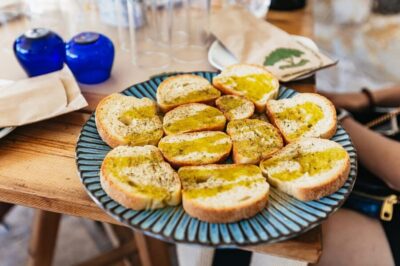
The tasting includes three organic olive oils, served with olives, tarallini, and fried broad beans. These pairings are modest, but that is part of their usefulness. They let you focus on the oils without turning the session into a large meal.
Tarallini are small ring-shaped crackers common in southern Italy. Their plain, crisp texture makes a good partner for oil. The olives offer a direct connection to the fruit itself, while fried broad beans add a salty, earthy snack to the table.
You will taste the oils side by side, which is much more helpful than trying one oil on its own. Pay attention to scent, bitterness, pepperiness, fruitiness, and the feeling at the back of your throat. A lively extra virgin oil can have a sharp finish. That is not automatically a flaw.
The three oils may taste different because of olive variety, harvest timing, or production choices, but the supplied information does not specify the exact varieties. Do not expect the guide to offer an unlimited flight. Three oils are included, and one clear criticism is that some people would prefer more samples or a lunch option on the property.
The tasting is not designed as a full lunch. If you want to stay longer, the estate has a dining room and café, and some visitors have added wine and appetizers after the tour. Those extras are not included in the $53 price, so budget separately if you plan to linger.
Is $53 a fair price for one hour?
At $53 per person, this is not the cheapest olive oil tasting in Puglia. The value depends on what you want from the visit.
If all you want is a few pours of oil, the price may feel steep, especially since the official duration is listed as one hour. A short tasting without the farm walk and mills would not justify the cost for me.
The calculation changes when you include the full setting: a guided walk through ancient olive trees, a traditional masseria, a 16th-century underground mill, a 19th-century mill, local history, and three organic oils with snacks. You are paying for access and interpretation, not just for food at a table.
The detailed schedule indicates about 1.5 hours for the visit to Ostuni and the tasting, while the main activity information says one hour. I would plan for at least an hour and allow extra time so you are not rushing to your next appointment. Tour length may also depend on the guide, questions, and the pace of the group.
For someone already interested in olive oil, farming, or rural architecture, $53 can be reasonable. For a casual visitor who wants a quick sample before returning to Ostuni, it is a more debatable purchase.
Getting there and planning your visit
The meeting point is Masseria Valente, and transfers are not included. You need to arrange your own transport to the farm and arrive 15 minutes before the start time.
That detail matters. This is not a tour that collects you from an Ostuni hotel as part of the experience. Check your route before booking and leave enough time for the approach to the property. The supplied information does not give a transfer service, pickup area, or public transport instructions, so do not assume any of those are included.
The tour is offered in English and Italian with a live guide. If you book in English, make sure that is the selected language. One past visit was less satisfying because the guide’s English was limited and questions were not always understood. That appears to be an exception among otherwise strong feedback, but it is still a fair point to keep in mind.
The cancellation policy allows a full refund if you cancel at least 24 hours ahead. You can also reserve and pay later, which helps if your Ostuni plans are still shifting. Those booking terms are useful, but the bigger practical issue remains transport to Masseria Valente.
The best time to combine it with your Ostuni plans
This works well as a short countryside stop before or after exploring Ostuni. The visit does not fill an entire day, so you can pair it with time in town, provided you allow for your own transport and a little flexibility in the schedule.
Harvest season can add an extra layer to the visit. In October, it may be possible to see olives being picked, depending on the timing of the harvest. That is not guaranteed, but it can make the process feel more immediate. You are no longer hearing only about production methods. You may see the first step taking place in the grove.
The estate also gives you the option of extending your time with wine, appetizers, or a meal, though those items are not part of the tour. If you want only the scheduled experience, the short duration is convenient. If you want a lazy farm afternoon, ask about what is available after the tasting before you arrive.
Who will enjoy this olive oil tour?
I would choose this for you if you want more than a food sample. It suits visitors who enjoy local agriculture, old buildings, traditional production, and a relaxed guided walk.
It is also a good choice for couples, food-focused travelers, and anyone who wants a break from town sightseeing. The pace is gentle, the setting is photogenic, and the tasting gives you something concrete to remember from Puglia.
Families may enjoy the old trees and underground mill, though the supplied information does not describe child pricing or activities designed for young children. History fans will get the most from the comparison between the two mills. Food lovers will appreciate the chance to compare oils and learn what makes extra virgin olive oil different.
You may want to skip it if your schedule is packed, your transport to the farm is difficult, or your main goal is a full meal. The included snacks are a tasting accompaniment, not lunch. You should also think twice if $53 feels high for a short guided visit.
Should you book Masseria Valente?
Book it if you want to connect Puglia’s olive oil with the trees, buildings, and labor behind it. The ancient grove and underground mill give the visit more substance than a standard tasting, while the three oils and local snacks keep it easy and enjoyable.
I would not book it solely for the food. The tasting is limited to three oils, and lunch is not included. I would also confirm the timing and language when booking, then plan your own transport carefully.
For many visitors to Ostuni, this is a worthwhile countryside add-on, especially if you have not visited an old masseria before. The strongest reasons to go are the scale and age of the olive trees, the unusual hypogeum mill, and the chance to leave with a better idea of how to judge olive oil at home.
FAQ
Where does the olive oil tour begin?
The tour begins at Masseria Valente in the Ostuni area of Puglia.
How long does the experience last?
The activity is listed as one hour, while the detailed schedule indicates about 1.5 hours for the visit and tasting. Allow extra time so you are not rushing afterward.
What languages are available?
A live guide is available in English or Italian.
Is transportation included?
No. Transfers are not included, so you must arrange your own transport to Masseria Valente.
What should I see during the visit?
You will walk among ancient, millenary, and young olive trees, visit the traditional masseria, explore a 16th-century underground oil mill, and see a 19th-century above-ground mill.
How many olive oils will I taste?
The tasting includes three organic olive oils.
What food is served with the oil?
The tasting includes olives, tarallini, and fried broad beans.
Is this a full meal?
No. The included food is provided with the tasting and is not described as a full lunch. The property has dining options, but additional food and drinks are not included.
How early should I arrive?
Arrive 15 minutes before the activity starts.
Can I cancel for a refund?
Yes. You can cancel up to 24 hours in advance for a full refund. You can also reserve now and pay later.
New food tours we have reviewed in Italy
- Private tour of Etna and Winery Visit with Food and Wine Tasting from Taormina★ 5.0 · 221 reviews
- Street food tour of Catania by night★ 4.5 · 31 reviews
- Catania Sicilian Street Food Tour: Small Group by Do Eat Better★ 5.0 · 293 reviews
- Mt Etna and Wine tasting tour from Catania★ 5.0 · 282 reviews
- Cagliari: A Full Meal Sardinian Food Tour with Do Eat Better★ 5.0 · 265 reviews
- Small-Group Food and Wine Tour from Cagliari★ 5.0 · 237 reviews
- Taste Bolzano: Food Tour with Full Meal by Do Eat Better★ 5.0 · 21 reviews
- Devour Bologna Tastes & Traditions Food Tour with Market Visit★ 5.0 · 69 reviews
Olive Oil Tastings, compared.
Sorrento Farm and Food Experience including Olive Oil, Limoncello, Wine tasting
Read our review →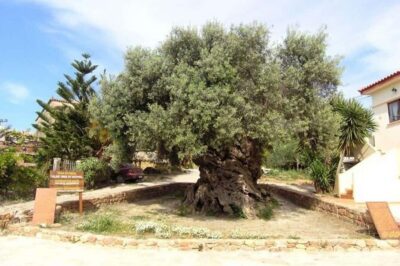
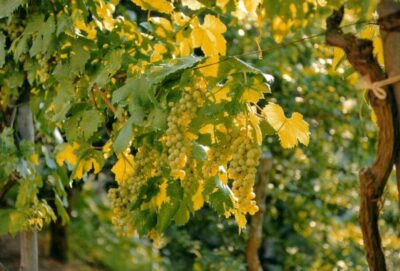
Sorrento: Lemon, Olive Oil and Wine Tasting Tour with Lunch
Read our review →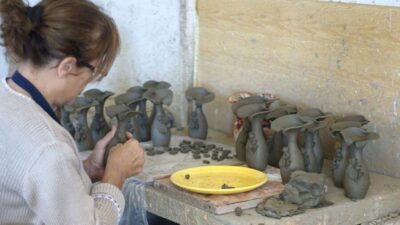
Full-Day Cretan Wines, Olive Oil, Raki and Food Tour
Read our review →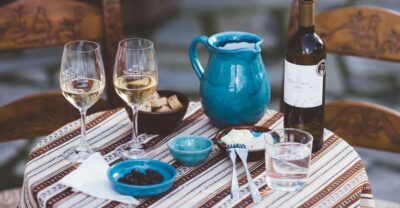
Private Winery & Olive Oil Tasting Tour with Lunch
Read our review →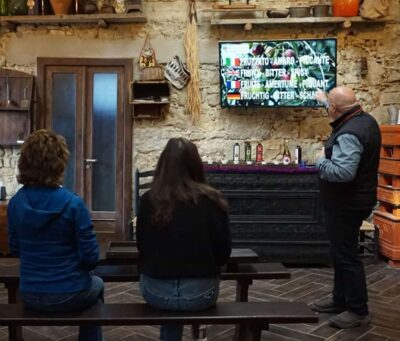
Olive Oil Museum: Extravirgin school – Food & wine tasting
Read our review →Browse the lists this tour appears in