
Review · WINE TOURS
From Chania: Wine and Olive Oil Tasting Tour with Snacks
Crete’s wine and olive oil traditions come together here in a very satisfying six-hour outing. You travel from Chania into the hills of Kissamos, visit family-run producers, and taste everything from Vidiano and Muscat of Spina to several extra virgin olive oils.
I like the small-group feel and the chance to meet people who actually make the products, not just sample them in a shop. I also like the mix of wine, food, countryside, and the remarkable 3,000-year-old olive tree. The main drawback is the price, $141 per person, which may feel high if you are mainly looking for a quick tasting rather than a full day out.
Key points to know before booking

- Taste around 10 wines: Sample local grapes such as Vidiano, Muscat of Spina, Vilana, and Assyrtiko, plus Grenache rouge, Syrah, and Mourvèdre.
- Visit two wine stops: One family winery dates to 1993, while another focuses on a local white blend and vineyard setting.
- See an ancient olive tree: The tree is estimated to be about 3,000 years old and sits in a traditional village setting.
- Learn how olive oil is made: A stop at a local factory explains extra virgin olive oil production before tasting several oils.
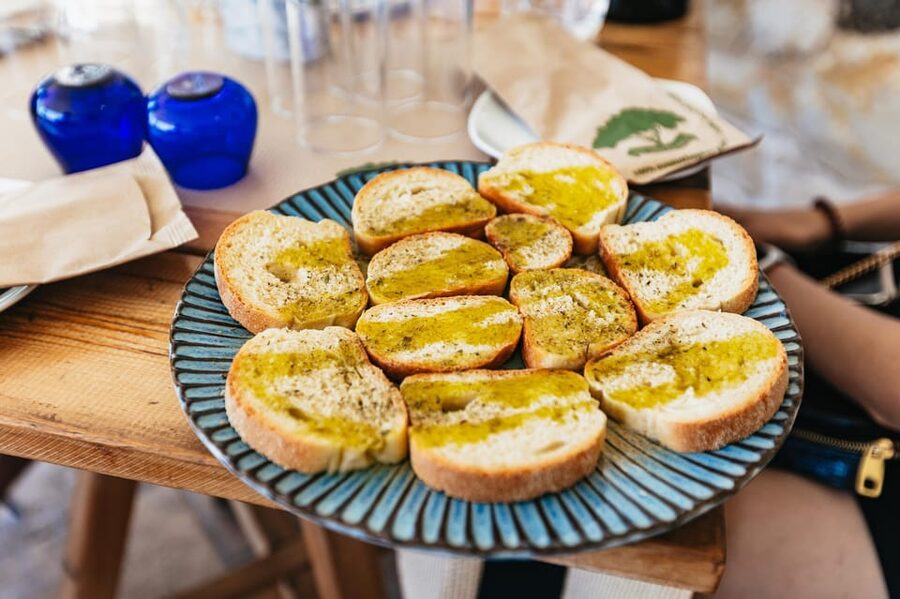
- Expect a generous food pairing: Cheese, local products, and snacks accompany the wine and oil tastings, though one past participant wanted more food.
- The guide shapes the day: Guides have included Andreas, Alex, Andy, Kostas, Nikos, Maria, and Thanassi, with strong praise for their warmth and local knowledge.
A Cretan food day, not just a tasting
This tour works because it links several parts of daily life in Crete. Wine is not treated as an isolated product, and olive oil is not simply poured into a little cup and forgotten. You see vineyards, hear about farming, visit a working oil facility, and learn why both products matter so much to the island.
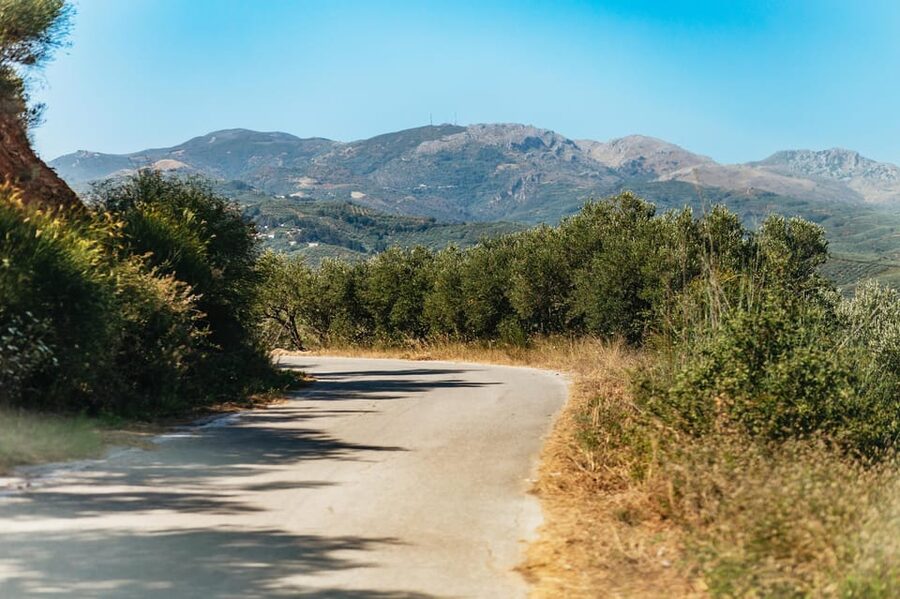
The day lasts about six hours, including pickup from selected locations in the Chania area and the drive into the Kissamos region. That travel time is useful. From an air-conditioned bus, you see olive groves, mountain roads, and rural villages instead of spending the whole day inside Chania.
I would book this for a day when you want a change from the beach and old-town streets. It is also a good choice early in your stay, since the guide can give you a helpful introduction to Cretan food, wine, customs, and local geography.
More Wine Tours in Greece
- Athens: Food Market Visit and Cooking Class with Wine
★ 4.9 · 1,087 reviews - Santorini: Wine Tasting Tour with Snacks
★ 5.0 · 693 reviews - From Chania: Olive Oil, Wine, Cheese & Honey Tasting Tour
★ 4.6 · 490 reviews
The drive from Chania into the Kissamos hills
Pickup begins 30 to 60 minutes before the stated departure time, depending on your location. This is worth noting when planning a morning. The exact pickup point may not be the most convenient one assigned at first, but a closer meeting place may be possible if you contact the provider.
Transportation is by air-conditioned bus. Several people specifically appreciated the comfort of the vehicle, and one person noted that the driver handled narrow roads well. That matters in rural Crete, where the route may be scenic but not always broad or straight.
Your driver is also your guide. Names have included Andreas, Alex, Andy, Kostas, Nikos, Maria, and Thanassi. The guide you receive will vary, but the strongest part of the experience is the combination of driving, storytelling, and practical explanations at each stop.
Expect the guide to talk about Cretan customs, local history, farming, and the products you are about to taste. Andreas has also led the tour as a sommelier, while guides such as Alex, Andy, and Kostas were praised for making the day friendly and easygoing. If the group includes first-time wine tasters, that relaxed tone helps.
The first winery and Cretan grape varieties
The first winery is family-owned and was established in 1993. Here you learn about the grapes grown in the area, modern farming methods, and the way wine is made in a place with hot summers and varied mountain terrain.
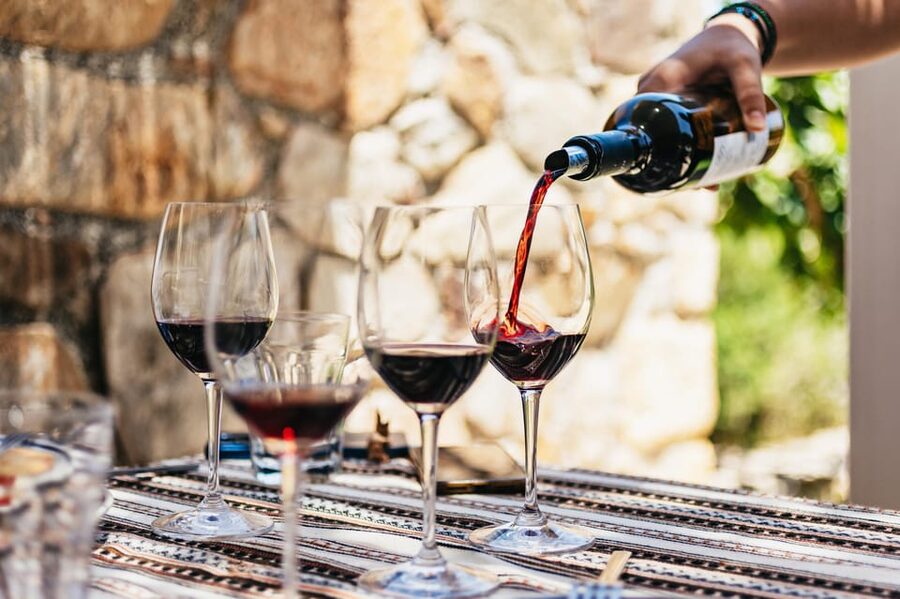
The tasting includes award-winning Cretan wines such as Vidiano and Muscat of Spina. You may also taste international varieties including Grenache rouge, Syrah, and Mourvèdre. This is a useful comparison: local grapes show you what belongs to Crete, while the international varieties help you notice how the same types of grapes can taste different in a new setting.
Vidiano is especially important to the Cretan wine story. It is a local white grape, and tasting it alongside other whites gives you a better sense of why Cretan wine is becoming more familiar outside Greece. Muscat of Spina adds another local point of comparison.
The tastings are not limited to a sip or two. One account describes five wines at the first stop and five more later in the day. Measures have been called generous, so pace yourself. You are not simply checking off labels. You are drinking enough to notice the differences, which makes the included food and water important.
The 3,000-year-old olive tree
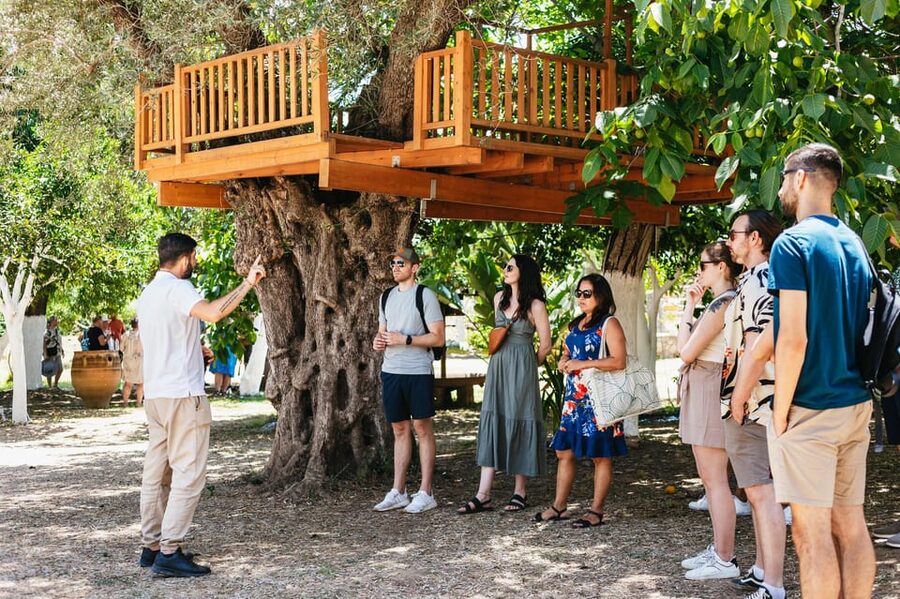
The stop at the ancient olive tree breaks up the tasting and gives the day a strong sense of place. The tree is estimated to be 3,000 years old, making it one of the most remarkable living links to Crete’s past.
You visit it in or near a traditional village, in a quiet setting surrounded by old-style olive-growing country. The point is not only the age of the tree. It shows how deeply olive cultivation is tied to the island, where groves have shaped food, work, trade, and family life for generations.
I like this stop because it gives context to the oil tasting that follows. After seeing an ancient tree, a bottle of extra virgin olive oil feels less like a souvenir and more like the finished result of a long farming tradition.
The visit is relatively brief compared with the tastings, so do not expect a full archaeological tour. It is best understood as a memorable countryside stop and a chance to connect the product in your glass with the trees around you.
More olive oil tastings in Greece:
- Crete: Full-Day Cretan Wines, Olive Oil, Raki and Food Tour
★ 5.0 · 264 reviews - Rethymno: Private Winery & Olive Oil Tasting Tour with Lunch
★ 5.0 · 56 reviews - Sorrento Farm and Food Experience including Olive Oil, Limoncello, Wine tasting
★ 5.0 · 2,524 reviews - Sorrento: Lemon, Olive Oil and Wine Tasting Tour with Lunch
★ 5.0 · 300 reviews
Inside a Cretan olive oil factory
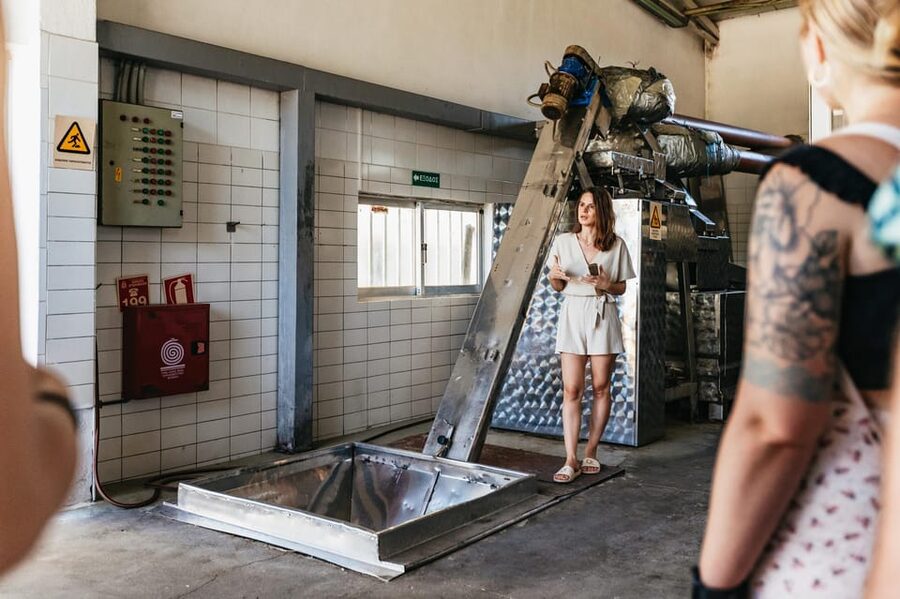
The olive oil factory is one of the most useful stops for anyone who cooks with olive oil or wants to understand the difference between ordinary oil and extra virgin oil. You learn how the olives are processed and then taste several local products.
This is where the tour becomes more than a food excursion. The staff explain the work involved in turning harvested olives into oil, and you get to compare oils rather than treating them all as identical. The tasting may include wine alongside the oil, with local cheeses and other snacks to help you reset your palate.
The factory and vineyard settings have been described as atmospheric and welcoming. You may also have the chance to buy oil to take home. There is no indication of aggressive selling, which is good news if you want to browse without pressure.
Bring a way to protect bottles if you plan to purchase them, especially if you are traveling with checked luggage. The tour includes tastings, but purchases are extra.
The second winery and white-wine blend
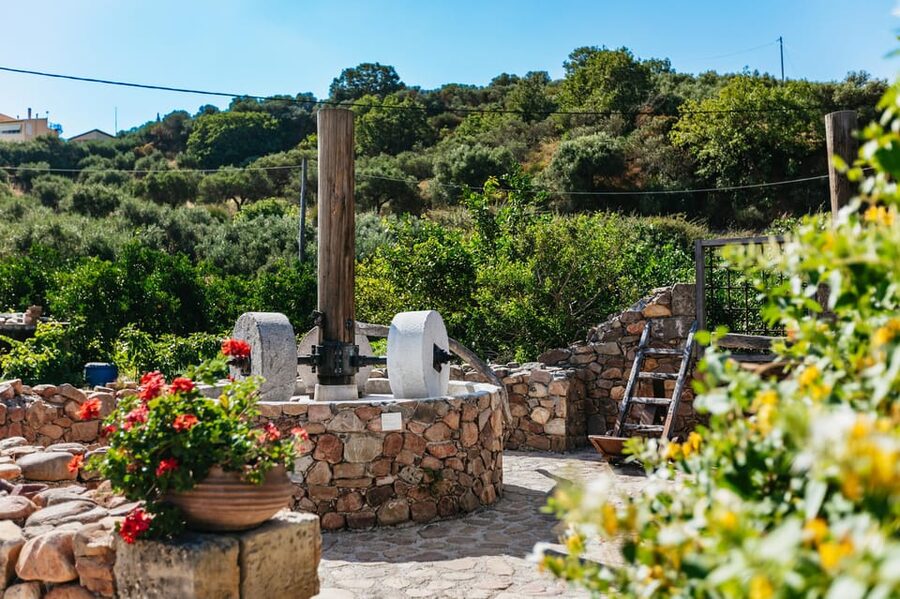
The second winery gives you another view of Cretan wine. Here the tasting includes a special local white blend made with Vilana, Vidiano, and Assyrtiko.
That combination is useful for understanding how Cretan winemakers work with both local and better-known Greek grapes. Vilana and Vidiano connect the blend to Crete, while Assyrtiko is strongly associated with Greece’s broader wine scene. Together, they offer a different profile from the first tasting.
You also stroll through the vineyards and taste wines with local food. The setting appears to be an important part of the pleasure. Several accounts describe the second winery as especially beautiful and relaxed, with a good atmosphere and friendly hosts.
The meal is described as light lunch or snacks rather than a full restaurant lunch. Expect cheese, local products, and food designed to accompany the wine. Vegetarian and vegan arrangements have been possible when requested in advance, but you should communicate dietary needs before the day.
One useful caution: the amount of food may not satisfy everyone, especially if you have a large appetite or are sensitive to drinking on an empty stomach. Eat a proper breakfast, and tell the provider about dietary needs ahead of time.
Finishing with tsikoudia
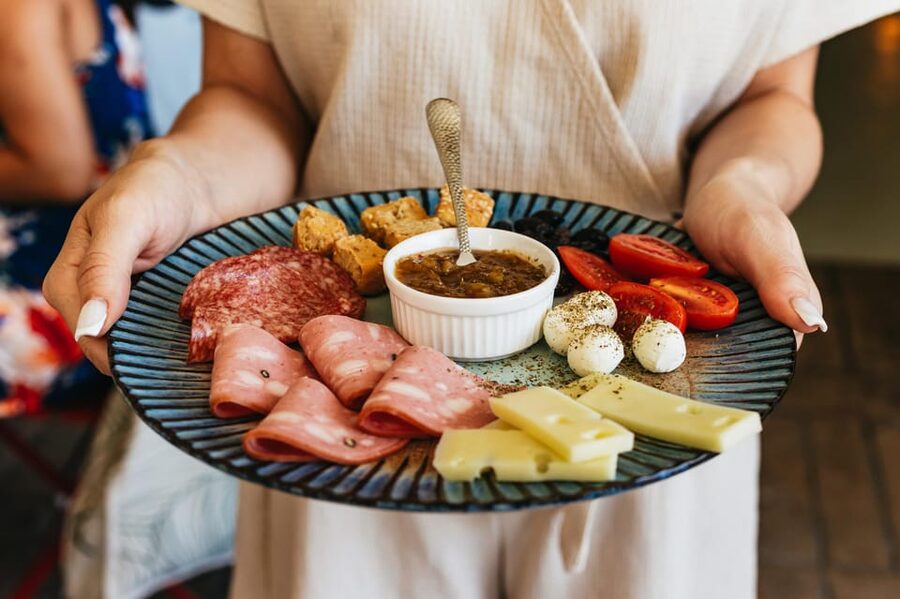
The final toast is tsikoudia, the clear Cretan spirit traditionally offered at the end of a meal or visit. The tour presents it as the Cretan way of saying goodbye.
Tsikoudia is stronger than the wines served earlier, so treat the final drink with respect. You have already had several tastings, and the return drive is part of the six-hour schedule. The air-conditioned vehicle means you do not need to drive afterward, which is one of the tour’s practical advantages.
This closing moment also gives the day a local custom rather than a generic tasting-room finish. You are not simply handed a receipt and sent away. The final drink connects the tour to Cretan hospitality.
What $141 gets you

At $141 per person, this is not a budget half-day activity. The price includes pickup and drop-off from specified Chania-area locations, air-conditioned transportation, entrance fees, a driver-guide, wine tastings, olive oil tastings, and light food.
The value depends on how you would otherwise see the countryside. If you rented a car, you would still need to plan two wineries, an olive oil producer, a village stop, food, and a sober driver. This tour handles the transport and lets you taste without worrying about driving back over rural roads.
The price also pays for access to small family producers rather than only a large commercial attraction. That personal contact is central to the day. Staff at the wineries and olive oil facility explain their work directly, and the hosts have been described as welcoming and willing to answer questions.
I would call the price fair for a food-focused excursion with substantial tastings and transportation, but not a bargain. If your main goal is to taste one or two wines, choose something shorter. If you want a full introduction to Cretan wine and olive oil, the cost is easier to justify.
Who will enjoy this tour most
This outing suits couples, solo visitors, food lovers, and small groups who want to meet other people while seeing rural Crete. It is also friendly to beginners. You do not need to know wine terminology, and the guide can explain what you are tasting in plain language.
It is a good match for anyone who wants more than beach time but does not want to organize a countryside driving day. The combination of scenery, village life, wine, oil, and snacks gives you variety without making you change vehicles or plan the route yourself.
Children can join if accompanied by an adult, but children under 18 cannot take part in the wine tasting. They are offered water or fresh orange juice instead. Since the day is built around alcohol and food, adults are likely to get more from it than families with very young children.
You should also be comfortable with a six-hour schedule, vehicle travel, and several tasting stops. It is not a hands-on harvest visit or a long vineyard hike. The focus is learning, sampling, and moving between producers.
Practical details that make the day easier
Bring your passport or ID card, as requested by the provider. Wear comfortable clothing and shoes for walking around the wineries, vineyards, village, and olive oil facility.
The tour runs in English with a live guide. Pickup locations are limited to specified places in the Chania region, and pickup can begin well before the published departure time. Check the exact time and meeting point carefully.
Weather may lead to small changes in the program. The provider can adjust the route when conditions require it, so the ancient tree, winery order, or another stop may change without advance notice.
Free cancellation is available up to 24 hours before the tour for a full refund. You can also reserve now and pay later, which helps if your Chania plans are still shifting.
Should you book the Chania wine and olive oil tour?
Book it if you want a well-organized day in the Cretan countryside, with enough wine to compare local and international grapes, a proper look at olive oil production, and a guide who adds local color along the way.
The best reasons to go are the variety and the access. You get two wine stops, an olive oil factory, the ancient tree, local snacks, and a safe ride back to Chania. Guides such as Andreas, Alex, Andy, and Kostas have helped make the experience informative and sociable.
Skip it if $141 feels too steep for tastings, or if you want a large meal, a long hike, or a private wine consultation. For most visitors who want to understand why wine and olive oil matter in Crete, this is a well-balanced day and a strong use of time away from the coast.
FAQ
How long does the wine and olive oil tour last?
The tour lasts six hours, including transportation from Chania-area pickup points and the return trip.
What wines will I taste?
The tastings can include Cretan Vidiano, Muscat of Spina, and Vilana, along with Assyrtiko, Grenache rouge, Syrah, and Mourvèdre. The tour includes around 10 wines across the two winery visits.
Will I visit an olive oil factory?
Yes. You visit a local olive oil factory, learn about extra virgin olive oil production, and taste several local oils and products.
Can children join the tour?
Children may join when accompanied by an adult. Wine tasting is not allowed for anyone under 18, and children are offered water or fresh orange juice instead.
Is food included?
Yes. Light lunch or snacks are included, along with local products such as cheese. Vegetarian and vegan arrangements have been available when requested in advance.
What should I bring?
Bring your passport or ID card. Comfortable clothing and shoes are also sensible for walking around the wineries, vineyards, village, and olive oil facility.
New food tours we have reviewed in Greece
- Walking “Food tasting tour” in the town of Chania★ 5.0 · 297 reviews
- Sunset Craft Beer & Food Tour – Chania Old Port★ 5.0 · 86 reviews
- Cruise Ship Guest Beer & Food Tour – Chania Old Port★ 5.0 · 26 reviews
- Gastronomy tour and wine tasting in traditional villages★ 5.0 · 32 reviews
- The Delicious Chania Street Food Tour★ 5.0 · 138 reviews
- Eat & Crete Food Tour [non-touristy] Chania Villages★ 5.0 · 25 reviews
- Chania Walking Food Tours Crete with a local!★ 4.5 · 61 reviews
- Chania Walking Food And Wine Night Tour★ 4.5 · 31 reviews
Wine Tours, compared.
Montserrat Half-Day Tour with Tapas and Gourmet Wines
Read our review →
Winner 2025 Undiscovered Lisbon Food & Wine Tour by Eating Europe
Read our review →
From Porto: 2 Wine Regions, Farm-to-Table Lunch & Boat
Read our review →
Winner 2025 Florence Sunset Food & Wine Tour by Eating Europe
Read our review →
Authentic Parisian Gourmet Food Tour with 10 Local Dishes & Wines
Read our review →
Barcelona: Tapas Walking Tour with Food, Wine, and History
Read our review →
Lisbon: Food and Wine Small Group Walking Tour
Read our review →
Lisbon Small-Group Portuguese Food and Wine Tour
Read our review →Browse the lists this tour appears in