
Review · STREET FOOD TOURS
The Delicious Chania Street Food Tour
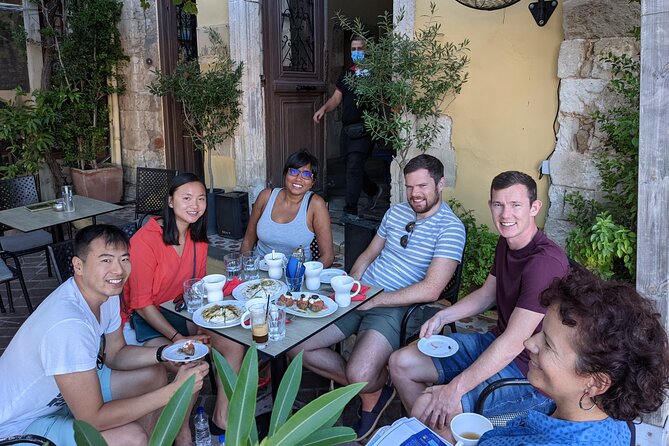
Chania’s best food stories are found between the grand harbor and the back streets, and this tour connects the two with a plate or small glass in hand. I like the private guide format, since your group can ask about Cretan cooking, family customs, and the city’s Venetian and Turkish past without keeping pace with strangers. I also like the mix of street bites and sitting-down food, from morning bougatsa and dark Greek coffee to cheese, olives, sweets, and souvlaki.
The main thing to consider is the price: $108.89 per person is not cheap for four hours in Chania. It can be good value if you arrive hungry and make full use of the food, local introductions, and history. It is less compelling if you want a quick snack walk or need gluten-free food, since this tour is not suitable for a gluten-free diet.
Key points to know before booking
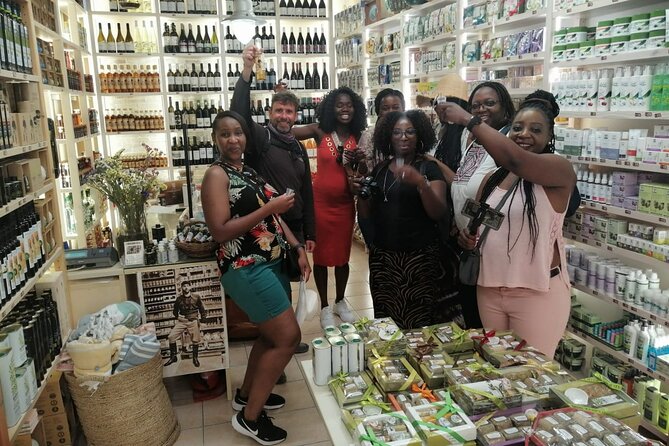
- Private tour for your group: You get one guide focused on your party, with plenty of room for questions and food preferences.
- A full Cretan tasting: Expect bougatsa, goat cheese, olives, raki, Greek coffee, kaltsounia, local desserts, bread, and authentic souvlaki.
- History comes with the food: The route passes the Venetian Lighthouse, Hassan Pascha Mosque, Splantzia Square, the Old Town, and the harbor.
- Come hungry: The tastings are substantial, and the food may add up to a very generous meal.
- A walking tour on old streets: You will spend much of the four hours on foot, including back lanes and historic quarters.
- Best for flexible eaters: Gluten-free diners should skip this one, and the minimum drinking age for raki is 18.
Why the food tells Chania’s story
I like food tours that use meals as a way into a place, rather than treating food as a string of unrelated samples. This one gives you a useful introduction to Cretan staples while guiding you through the parts of Chania that shaped them.
You may start with bougatsa, the flaky pastry often filled with sweet cheese or custard. The first meeting point is listed at Bougatsa Chania on Apokoronou 37, so you begin with something distinctly local rather than meeting beside a generic tourist landmark.
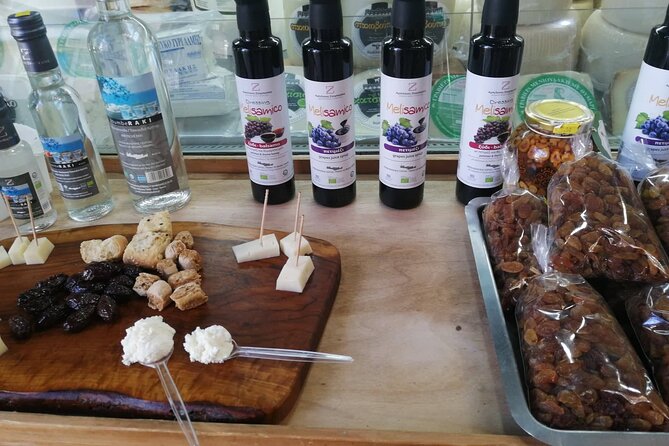
From there, the food broadens. You can expect local cheeses, olives, bread, Greek coffee, Cretan kaltsounia, desserts, and souvlaki. Raki, the grape pomace brandy served across Crete, is also part of the tasting. The route may include olive oil and balsamic tastings as well, depending on the stops arranged by your guide.
The important point is quantity. This is not a tour where you nibble one olive and then hunt for lunch. The food includes several tastings and a more substantial savory stop. Accounts of the experience describe a sit-down meal at a local taverna, along with souvlaki at Oasis and enough food to leave you very full.
That makes the tour a good choice for your first full day in Chania. You can learn what you like, ask your guide where to eat later, and return to a bakery, taverna, or market stall with more confidence. I would avoid a large breakfast beforehand. The practical advice is simple: arrive hungry, but not so hungry that you rush through the first stop.
More Street Food Tours in Greece:
- Athens: Street Food Tasting Tour
★ 4.9 · 3,343 reviews - Chania: Old Town Highlights Guided Tour with Street Food
★ 4.9 · 407 reviews - Athens Street Food Walk
★ 5.0 · 385 reviews
Bougatsa and the start on Apokoronou Street
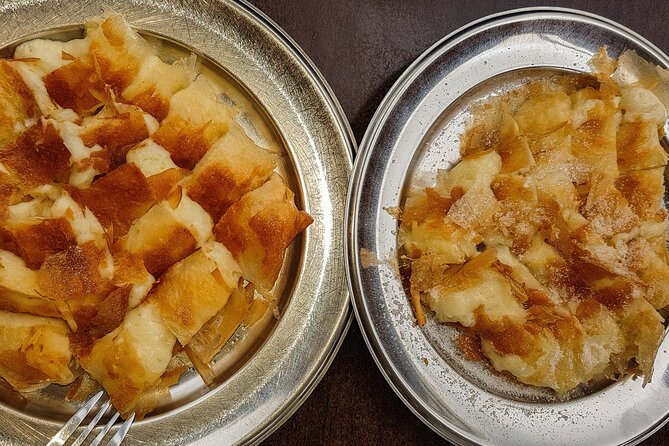
The meeting point at Bougatsa Chania gives the tour a clear food-first opening. Bougatsa is a useful introduction to the local palate because it can be sweet, creamy, flaky, and filling all at once.
You will also get an early chance to meet your guide and settle into the private format. Guides named in the tour’s feedback include Manos, Eleni, Goldie, Adonis, Aria, Sophie, Antonios, Aliki, Erofili, Tony, and Helene. The specific guide depends on the date, but the recurring strength is the personal approach. Some guides have shared family connections to Chania and Crete, while others add Greek words, food customs, and advice about dining.
This opening stop is not just a pastry run. It gives you a reason to ask about breakfast habits, ingredients, and the difference between food made for local life and food made mainly for visitors. If you have food allergies, tell the guide before the tour begins. One account describes a guide adjusting food for an allergy and even bringing a suitable item, but you should not assume every restriction can be handled.
Splantzia Square and dark Greek coffee
Splantzia Square is one of the tour’s most useful pauses. Here you sit with traditional Greek coffee and slow down after the first food stops.
Greek coffee is dark, thick, and usually served in a small cup. It is not the same as filtered coffee, and the grounds remain at the bottom. Your guide can explain how it is served and how coffee fits into everyday social life in Greece.
The square also gives the walking route some breathing room. Food tours can become tiring when every stop follows another stop. A 20-minute pause on Splantzia Square helps turn the experience into a conversation about the city, not just a race to the next bite.
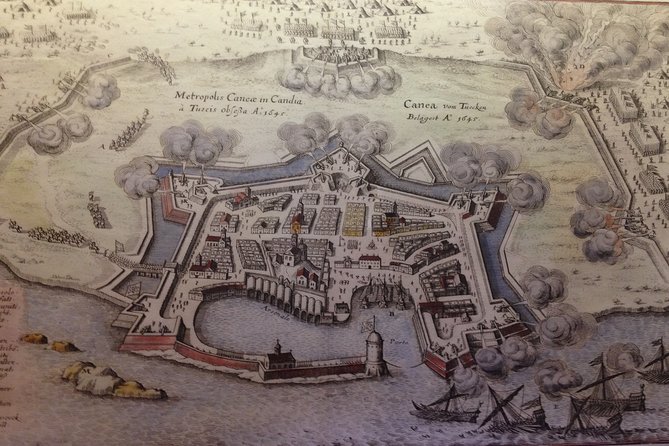
Splantzia itself adds historical context. The tour moves through the older quarters shaped by Venetian and Ottoman rule, and your guide can point out how those layers remain visible in the streets, buildings, and religious sites. The history is not separated from the food. Coffee, pastries, grilled meat, cheese, and sweets all sit within the daily life of the old city.
The Municipal Market for cheese and raki
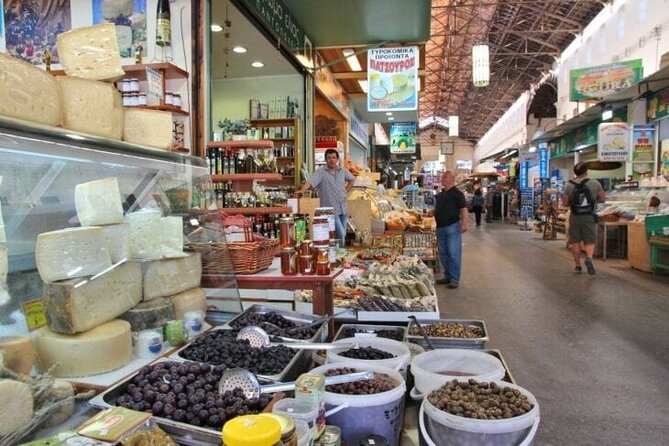
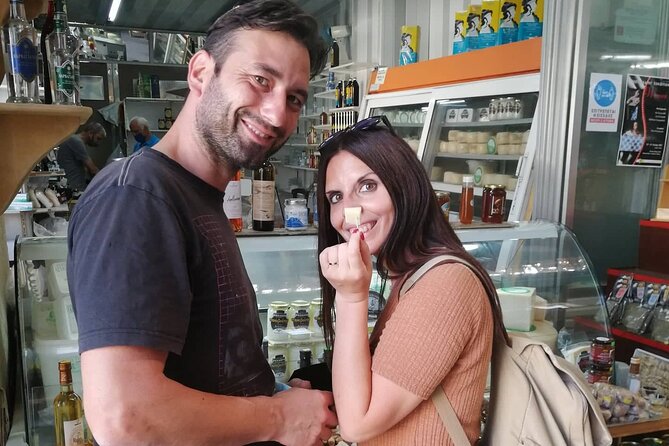
The Municipal Market of Chania is the natural place to talk about local ingredients. The planned visit lasts about 15 minutes, with a taste of goat cheese and raki while you stroll among the shops.
Goat cheese is central to the Cretan table, and tasting it in a market setting gives you a better sense of its place than seeing it on a restaurant plate. You can ask how it differs from sheep’s milk cheese, how it is served, and which foods pair well with it.
Raki brings a different kind of local context. It is strong, so take the small tasting seriously, especially if you are continuing through several food stops. The minimum drinking age is 18. If you do not drink alcohol, it is worth telling the guide, though the tour includes enough other food and drinks to keep the experience worthwhile.
The market stop is short, so do not expect a long shopping session. Its value is the introduction to ingredients and local buying habits. If you want to browse every stall or shop for edible gifts, return on your own.
More food tours in Greece:
- Greek Food Walking Tour in Athens
★ 5.0 · 4,740 reviews - Athens: Guided Greek Food Walking Tour with Tastings
★ 4.9 · 2,859 reviews - Small Group Greek Traditional Food Tour in Athens 20+ Tastings
★ 5.0 · 1,759 reviews - Rhodes Exclusive Swim Cruise Cocktail Open bar & Gourmet Buffet
★ 5.0 · 1,230 reviews
Venetian harbor, lighthouse, and the old lanes
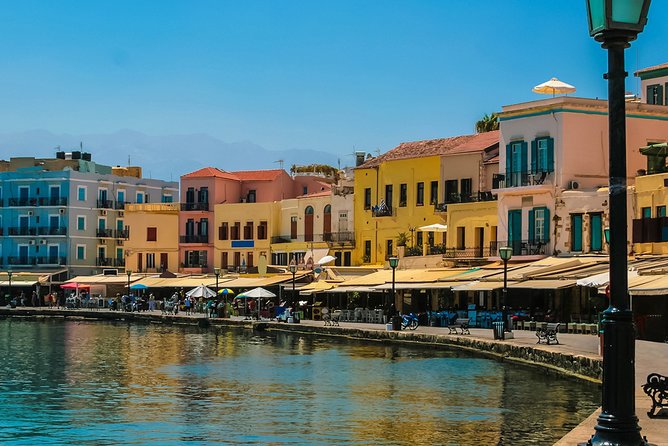
The Venetian Lighthouse is one of Chania’s best-known sights, and the route includes a short stop to see it. You will not pay an admission fee, and the stop is mainly about viewing the lighthouse and the harbor setting.
The Old Venetian Harbor provides the tour’s strongest visual change. After food stops in everyday parts of town, you walk along the waterfront and through the narrow streets of the Old Town. Venetian buildings, old facades, and the harbor architecture give your guide plenty to explain.
The itinerary also includes Hassan Pascha Mosque, now used for an exhibition. This is a brief visit, listed at about five minutes, so think of it as a quick cultural stop rather than a full museum visit.
I like this section because it keeps the tour from becoming a food crawl with no sense of place. You see the main harbor, then move into smaller streets and historic quarters. Several guides have taken groups away from the most obvious paths to show less touristy corners of the Old Town. You should still expect a popular historic center, but the private format allows the route and pace to feel more personal.
The walking is manageable for most people, and the pace is described as casual. Still, old Chania means uneven paving, tight lanes, and plenty of time on your feet. Wear comfortable shoes and save your shopping bags for later.
How much food do you really get?
The answer is more than the word snacks suggests. Included food covers bougatsa, local cheeses, olives, Cretan kaltsounia, local desserts, and Greek souvlaki, along with coffee, tea, and raki. The food may be presented as a progression of samples, but the total can feel like breakfast, lunch, and dessert rolled together.
Kaltsounia are small Cretan pastries, often associated with cheese and sometimes sweet fillings. They give you another look at the island’s habit of combining pastry, dairy, herbs, and honey. Souvlaki adds a hot, savory center to the day, while olives, bread, cheese, and oil show off the simpler side of Cretan eating.
The balance between small tastings and a full meal is one of the tour’s strongest features. You are not limited to one restaurant, but you also do not finish the walk still looking for lunch. A group of five, for example, may eat at a local taverna where the only tourists are the people on the tour. That kind of setting is more useful than another meal beside the harbor, where the menu may be aimed at short-term visitors.
If you have a small appetite, this could feel like too much. If you are excited to try many foods and want a meal included in the day’s price, it makes the cost easier to accept.
The guide makes the difference
A private food tour depends heavily on the person leading it. The strongest guides here appear to combine food knowledge with a warm, easy manner. Manos is described as charming and good at mixing history with restaurant stops. Eleni has local family ties and brings personal stories into the food. Goldie is praised for energy and care, while Adonis is described as patient, generous with time, and attentive to older walkers.
Those details matter because the tour involves many questions. You might want to know how to order in Greek, which foods are truly Cretan, where to eat the next night, or how Chania changed over time. A private guide can spend more time on your interests than a large group tour usually can.
The guide may also help you adjust the pace between tastings. Several food stops close together can be heavy, so a good guide will use the walking and historic stops to give you time before the next plate.
Guide assignments can change, so I would not book solely because you hope for one named person. Book because the structure gives you a private, flexible introduction to Chania, then treat the guide’s individual style as an added benefit.
Is $108.89 a fair price?
At $108.89 per person, this is a splurge by Chania standards. You are paying for a private English-speaking guide, a four-hour walking route, several tastings, alcoholic and nonalcoholic drinks, and the convenience of having someone connect the food to the city.
The value improves if you would otherwise pay for breakfast, lunch, dessert, coffee, and a separate history walk. The tour covers all of those elements in one half-day, and the included portions sound substantial. It also gives you restaurant advice for the rest of your stay, which can save you from choosing a mediocre meal in a prime tourist area.
The value drops if you mainly want a market visit or a short harbor walk. Admission to the listed sights is free, and the tour does not include hotel pickup or drop-off. You must reach the starting point yourself and make your own way after the tour ends at Küçük Hasan Mosque on Sourmelis 18.
Group discounts may help if you are booking for several people. Since only your group participates, the cost can make more sense for a family or small party that wants private attention.
Who should book this Chania food walk?
I would choose this tour for a first visit to Chania, especially if you want food and history in the same morning or afternoon. It suits couples, families, and small groups who like to ask questions and do not want to follow a large crowd.
It is also a good fit if you are unsure what Cretan food to order. You will sample enough dishes to find favorites, then receive practical guidance about local tavernas and food shops.
Older walkers can participate, but remember that this is a walking tour. One guide took extra care with older people, yet the old streets and several hours on foot remain part of the deal.
I would skip it if you need gluten-free food, dislike strong spirits, or prefer a light tasting rather than a meal-sized food experience. Service animals are allowed, the route is near public transportation, and most people can take part, but food restrictions should be discussed before booking.
Free cancellation is available up to 24 hours before the start time. Poor weather can lead to a different date or a full refund, and the experience does require suitable weather.
Should you book it?
Book this tour if you want to understand Chania through its everyday food, not just photograph the harbor. The combination of bougatsa, coffee, goat cheese, raki, olives, sweets, and souvlaki gives you a broad first taste of Crete, while the walk connects those foods to Venetian, Ottoman, and modern Chania.
I would especially recommend it early in your stay, when advice about restaurants and local dishes is most useful. At $108.89, it is a considered purchase, but the private guide, generous food, and four-hour route can justify it for people who want a full introduction rather than a quick snack stop.
FAQ
How long does The Delicious Chania Street Food Tour last?
The tour lasts approximately four hours.
Where does the tour start?
The meeting point is Bougatsa Chania at Apokoronou 37, Chania 741 50, Greece.
Where does the tour end?
The tour ends at Küçük Hasan Mosque at Sourmelis 18, Chania 731 32, Greece.
Is the tour private?
Yes. Only your group participates in the activity.
What language is the tour offered in?
The tour is offered in English.
What food is included?
Included tastings can include bougatsa, local cheeses, olives, Cretan kaltsounia, local desserts, bread, and authentic Greek souvlaki.
Are drinks included?
Yes. Greek coffee, coffee or tea, and raki are included.
Is hotel pickup included?
No. Hotel pickup and drop-off are not included.
Is the tour suitable for gluten-free guests?
No. The tour is listed as unsuitable for gluten-free guests.
What is the cancellation policy?
You can cancel at least 24 hours before the start time for a full refund. Cancellations or changes made less than 24 hours before the start time are not accepted for a refund. If poor weather causes the tour to be canceled, you can receive a full refund or choose another date.
New food tours we have reviewed in Greece
- Walking “Food tasting tour” in the town of Chania★ 5.0 · 297 reviews
- Sunset Craft Beer & Food Tour – Chania Old Port★ 5.0 · 86 reviews
- Cruise Ship Guest Beer & Food Tour – Chania Old Port★ 5.0 · 26 reviews
- Gastronomy tour and wine tasting in traditional villages★ 5.0 · 32 reviews
- Eat & Crete Food Tour [non-touristy] Chania Villages★ 5.0 · 25 reviews
- Chania Walking Food Tours Crete with a local!★ 4.5 · 61 reviews
- Chania Walking Food And Wine Night Tour★ 4.5 · 31 reviews
- Best Food Tasting Tour of Athens, taste 18+ iconic Greek foods!★ 5.0 · 448 reviews
Street Food Tours, compared.
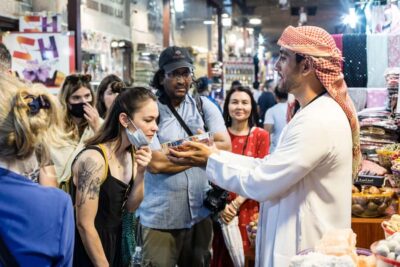
Dubai: Old Town, Creek, Museums, Souks, & Street Food Tour
Read our review →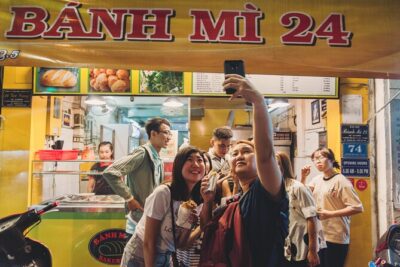
Ho Chi Minh City Street Food Tour & Sightseeing By Motorbike
Read our review →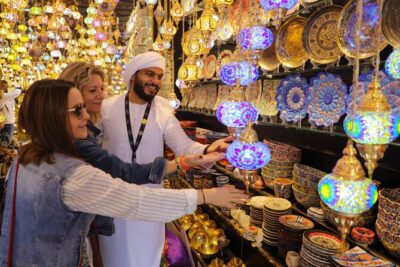
Dubai: Old Town, Souks, Street Food, Guided Tour & Abra Ride
Read our review →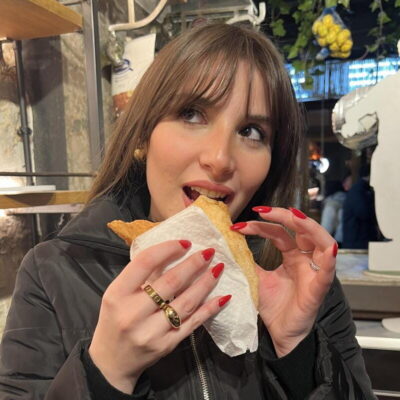
Naples: Street Food Walking Tour with Local Guide
Read our review →
Small Group Hanoi Street Food Tour with a Real Foodie
Read our review →
Saigon By Night and Street Food By Motorbike | Opt: Ao Dai Riders
Read our review →
Private Street Food Tour by Motorbike/Car with Local Students
Read our review →Browse the lists this tour appears in