
Review · GREECE FOOD TOURS
Eat & Crete Food Tour [non-touristy] Chania Villages
The best part of this Chania food tour is that it gets you out of town quickly. Instead of spending five hours moving between crowded restaurants, you follow mountain roads through Therisos Gorge, stop at a Byzantine church, visit ancient olive trees, and share food in small villages. The experience feels more like a countryside outing with generous eating than a standard city food walk.
I like the maximum group size of four, which should make the ride and village stops feel personal. I also like the mix of food and place: you are not only eating Cretan dishes, but seeing the family wine cellar, old village objects, mountain scenery, and olive trees that may be thousands of years old. The main drawback is the walking. The tour is not recommended for people with walking difficulties, and the mountain roads and weather-dependent route may not suit everyone.
Key points to know before booking
- Small group, big meal: The tour accepts a maximum of four people, with a full Cretan meal, wine, spirits, dessert, and snacks included.
- A proper countryside escape: You leave Chania at 11:00 am and head toward gorges, villages, vineyards, and the White Mountains.
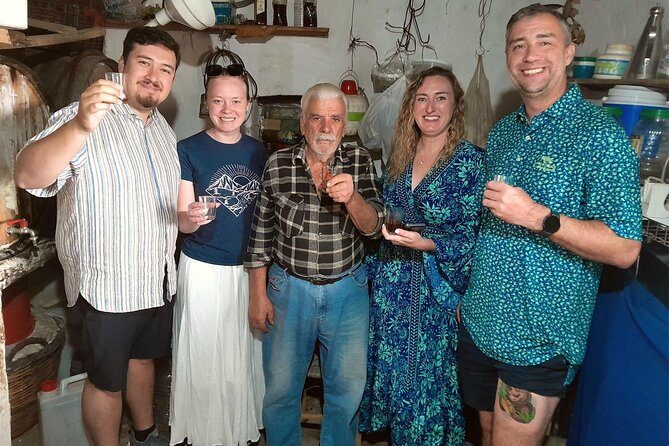
- Local wine from wooden barrels: A family wine cellar visit includes tasting homemade wine straight from old wooden barrels.
- Ancient olive trees and olive oil: You learn about olive growing and see very old trees within walking distance of a village stop.
- Convenient city transport: Pickup and return are at Platia Markopoulou in Chania city center, with an air-conditioned vehicle.
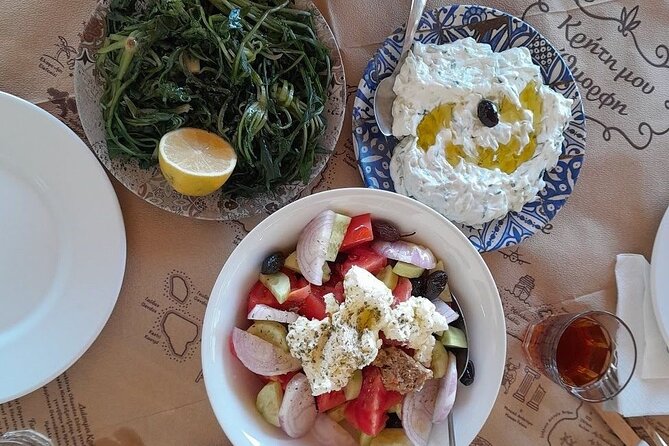
- Come ready for a long lunch: The food is seasonal and plentiful, with salads, appetizers, aged cheese, slow-cooked dishes, fruit, dessert, and plenty of virgin olive oil.
Why this tour is different from a Chania food walk
Chania’s old town is an easy place to eat. You can stroll from taverna to taverna, sample local dishes, and stay close to the harbor. This experience takes a different route. It uses food as the reason to see the countryside around Chania.
That change matters. Cretan cooking makes more sense when you see the olive trees, vineyards, mountain villages, and family homes that support it. You get a better feel for why olive oil is used so freely, why homemade wine remains part of village life, and why slow-cooked dishes are central to a traditional meal.
The experience lasts about five hours and begins at 11:00 am. That timing gives you a relaxed morning before setting out, then carries you through lunch and dessert in the afternoon. You return to the same central meeting point.
The group limit is four people. That is a real advantage here. A tiny group is easier to fit into a family cellar or a small village setting, and you can ask questions without competing with a busload of people. It also makes the vehicle ride through the mountain roads more comfortable.
The tour provider is Bonnie and Clyde Urban Tours. Individual guide names are not provided, so you should not book expecting a named host. What is clear is the style: local food, personal introductions, village stops, and a host-led day rather than a formal museum tour.
More food tours in Greece:
- Greek Food Walking Tour in Athens
★ 5.0 · 4,740 reviews - Athens: Street Food Tasting Tour
★ 4.9 · 3,343 reviews - Athens: Guided Greek Food Walking Tour with Tastings
★ 4.9 · 2,859 reviews
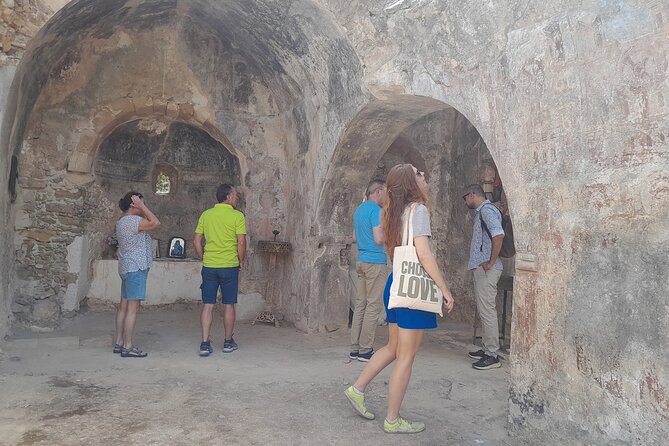
Leaving Chania for a Byzantine church
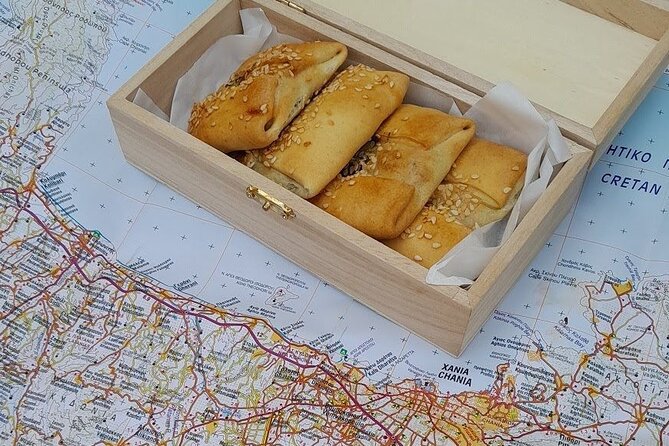
The first drive takes you away from central Chania and into quieter surroundings. The initial stop is beside a Byzantine church, where you have about 45 minutes for snacks and a pause in nature.
This is a smart opening. You get out of the vehicle, settle into the pace of the day, and begin with a small taste rather than rushing straight into a heavy meal. The church also gives the outing some historical texture without turning it into a long lecture or a formal sightseeing stop.
Admission is included, and no separate ticket is needed. The supplied details do not identify the church by name or describe its interior, so you should think of this as a scenic and cultural pause rather than a major church visit.
Bring water and wear shoes that can handle uneven ground. The tour asks you to bring your own bottle and stay hydrated because the Cretan sun can be strong. A hat, sunglasses, and a light layer are sensible, even if the morning begins pleasantly.
Through Therisos Gorge and into an old village
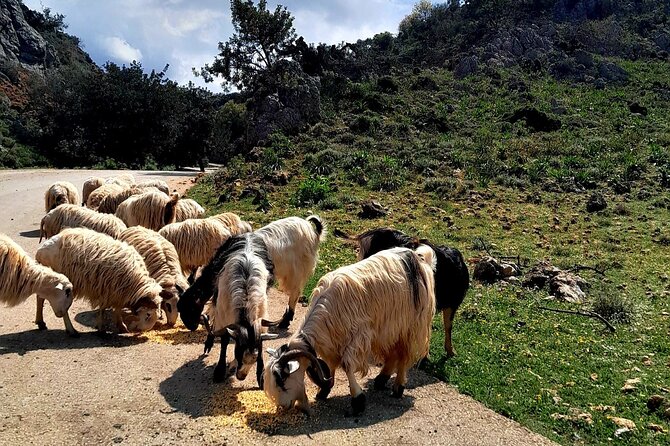
The route continues through Therisos Gorge along rural roads. You may see free-range goats beside the road, which gives the drive a distinctly rural feel. This is one of the better reasons to choose the tour over a restaurant-focused food activity: the setting keeps changing as you eat.
The next stop is a small village where old photographs and historical objects help frame local life. You also get mountain views and a chance to try a Cretan dish with wine or local distilled spirit. This is described as an appetizer, but it sounds like a meaningful one. Cretan meals often build slowly, so do not arrive expecting the main course right away.
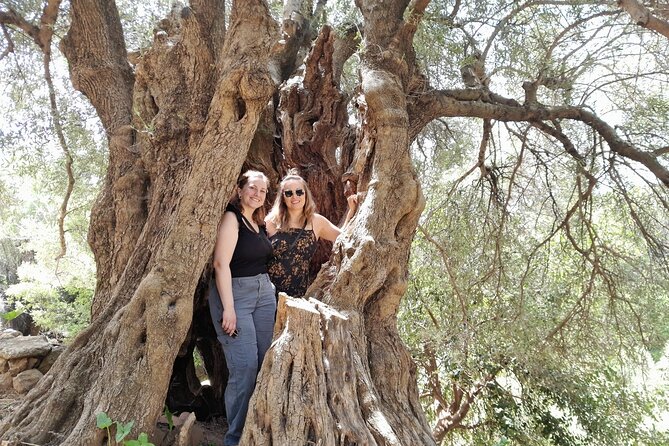
In walking distance, you visit olive trees said to be thousands of years old. The value of this stop is not just the age of the trees. It connects the meal to the agricultural life of Crete. Olive oil is not a decorative side ingredient here. It is one of the foundations of the island’s cooking, and the tour includes plenty of virgin olive oil in the food.
The walking involved is worth taking seriously. The tour is not recommended for people with walking difficulties, and the route can be adjusted if weather affects conditions. Ask yourself how comfortable you are with short walks on village or rural surfaces before booking.
A family wine cellar in the White Mountains
After the village stop, you head back onto mountain roads lined with fruit trees and grapevines. The next visit is to a local family’s rustic wine cellar, where you taste homemade wine directly from old wooden barrels.
This is one of the most distinctive parts of the outing. A formal winery can explain production neatly, but a family cellar gives you a closer look at wine as part of everyday rural life. The barrel tasting also adds a physical sense of place. You are not just sampling a labeled bottle in a restaurant. You are seeing where the wine is kept and tasting it in that setting.
Homemade wine and distilled spirits are included. Drink at your own pace, especially since the tour has more food ahead. The combination of wine, spirits, snacks, and a large meal can add up quickly, even over five hours.
The tour description does not promise a technical wine lesson, a vineyard walk, or a particular grape variety. You should book this for the family setting and local character, not for a detailed wine certification-style tasting.
Same appetite, a different neighbourhood:
- Small Group Greek Traditional Food Tour in Athens 20+ Tastings
★ 5.0 · 1,759 reviews - Rhodes Exclusive Swim Cruise Cocktail Open bar & Gourmet Buffet
★ 5.0 · 1,230 reviews - Athens: Food Market Visit and Cooking Class with Wine
★ 4.9 · 1,087 reviews - Athens Authentic Greek Food Walking Tour (Small Group)
★ 5.0 · 809 reviews
The main Cretan meal
The final major stop is a full gastronomic meal lasting about 90 minutes. It includes fresh salads, seasonal appetizers, Cretan aged cheese, slow-cooked dishes, wine, and more.
This is where the tour’s value becomes easiest to judge. A five-hour outing priced at $216.86 per person is not cheap if you are comparing it with one meal in Chania. It becomes more reasonable when you count the air-conditioned transport, multiple food tastings, alcoholic drinks, cellar visit, countryside sightseeing, guide service, taxes, and the full meal.
The food is described as organic and seasonal, with plenty of virgin olive oil. The exact dishes are not fixed, which is a positive if you like food that follows the season, but a limitation if you want a guaranteed menu. You might find that the meal changes depending on what local kitchens have available.
Expect this to be generous rather than delicate. You start with snacks and an appetizer, then move to the main meal, followed by fruit or homemade dessert. The supplied feedback repeatedly highlights eating until there is no room left, so plan a light breakfast and do not schedule an early dinner.
The slow-cooked dishes and aged cheese also give you a chance to taste food beyond the familiar Greek salad and grilled meat formula. You may already know some Cretan staples, but the village setting and seasonal preparation are the point.
Fruit, dessert, and the ride back to Chania
The final food stop is simple: fruit or homemade dessert before the drive back. It is a good ending after a large meal and a day of tastings. You then return toward Chania with sea and countryside views.
This last drive gives the day a gentle finish. You are not dropped at a different location or left to find your own way home. The activity ends back at the meeting point on Platia Markopoulou.
The road journey is part of the experience, but it can also be the least comfortable part for anyone prone to motion sickness. The route includes gorges and mountain roads, and conditions may lead the operator to change stops or routes. That flexibility is useful, though it means you should not treat every listed stop as absolutely guaranteed in poor weather.
What the $216.86 price includes
The cost is $216.86 per person. At first glance, that is a high price for a five-hour activity. The important comparison is not with a basic lunch. Compare it with a private-feeling countryside outing that combines transportation, food, drinks, and guiding.
Included are:
- A full Cretan lunch
- Starters, salad, main course, dessert, and additional food
- Homemade wine and distilled spirits
- A family wine cellar visit and tasting
- Snacks and seasonal ingredients
- A visit to ancient olive trees
- A Byzantine church stop
- Air-conditioned transport
- Food souvenirs
- Local restaurant recommendations
- Government fees and 24 percent taxes
You also get restaurant suggestions for the rest of your stay. That can be useful if you have several days in Chania and want to keep eating locally after the tour ends. The value is strongest for someone who wants one organized day to cover food, countryside, and local introductions without renting a car.
The price is less attractive if you mainly want to sample a few dishes near the harbor or prefer to choose every restaurant yourself. It is also not the right fit for a strict wine tour, since the focus is broader and more informal.
Tips and gratuities are not included. You should budget for that separately if the service meets your expectations.
Who will enjoy this day most
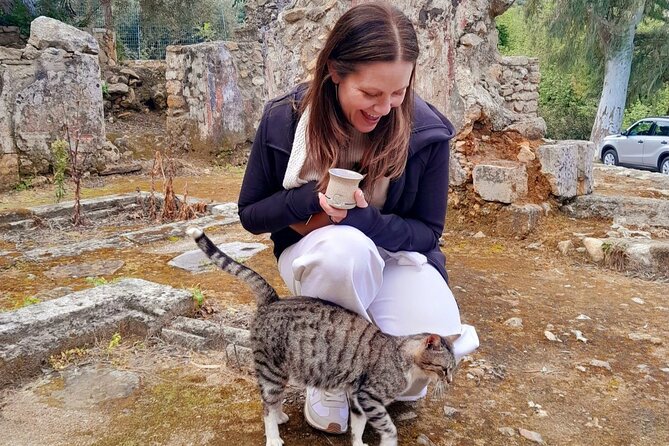
I would choose this tour if you want food to lead you into rural Crete. It suits couples, families, or a small group of friends who enjoy long meals, local drinks, and scenic drives more than fast sightseeing.
It is especially useful during a short stay. One person who came to Crete for only one day made this type of outing the main experience, and that makes practical sense. You see mountains, villages, olive trees, wine production, and Cretan cooking in one compact day.
You should also enjoy social meals. The experience is built around shared tasting and generous portions, not individual restaurant orders. If you are curious about local food and willing to try dishes as they arrive, you will get more from it.
I would hesitate if you have limited mobility, dislike winding mountain roads, avoid alcohol, or want a highly structured historical tour. The church and old village objects add context, but food and rural life remain the main focus.
The tour is offered in English. Confirmation arrives at booking, and service animals are allowed. Most people can participate, but the walking warning should guide your decision.
Practical advice for a smoother day
Eat lightly before the 11:00 am start. You will have snacks, an appetizer, drinks, and a substantial meal, so saving room is sensible.
Wear weather-appropriate clothes and sturdy, comfortable shoes. Add a hat and sunglasses, and carry your own water bottle. The tour operator reserves the right to change the route or stops according to weather conditions.
Keep your schedule flexible after the tour. The stated duration is approximately five hours, and mountain roads, meals, and local visits do not always move at city pace.
Free cancellation is available if you cancel at least 24 hours before the start time. Changes or cancellations inside that window are not accepted for a refund. If bad weather forces the operator to cancel, you will be offered another date or a full refund.
Should you book the Chania villages food tour?
Book it if you want a small, food-centered day that gets you beyond Chania’s streets. The strongest features are the group size of four, the family wine cellar, the ancient olive trees, and the full meal built around seasonal Cretan cooking.
At $216.86, this is an experience purchase, not a budget lunch. You are paying for transport, several food moments, alcohol, local access, and a countryside route that would be harder to arrange on your own.
Skip it if you want a short tasting, a fixed menu, or a fully accessible activity. But if your idea of a good day includes mountain roads, old villages, homemade wine, generous food, and time around a local table, this is one of the more useful ways to spend five hours near Chania.
FAQ
Where does the tour start and finish?
The tour starts at Platia Markopoulou in Chania, Greece, at 11:00 am. It ends back at the same meeting point.
How long does the experience last?
The experience lasts approximately five hours.
How many people can join the tour?
The tour has a maximum of four participants.
Is food included?
Yes. A full Cretan meal is included, along with starters, salad, main course, dessert, and additional seasonal food. Snacks, fruit, or homemade dessert are also part of the day.
Are drinks included?
Yes. Homemade wine and distilled spirits are included, including wine tasting at a local family cellar.
Is the tour suitable for people with walking difficulties?
No. The experience is not recommended for people with walking difficulties. Comfortable shoes and weather-appropriate clothing are advised.
What happens if the weather is poor?
The route and stops may be changed because of weather conditions. If the activity is canceled due to poor weather, you will be offered a different date or a full refund.
New food tours we have reviewed in Greece
- Walking “Food tasting tour” in the town of Chania★ 5.0 · 297 reviews
- Sunset Craft Beer & Food Tour – Chania Old Port★ 5.0 · 86 reviews
- Cruise Ship Guest Beer & Food Tour – Chania Old Port★ 5.0 · 26 reviews
- Gastronomy tour and wine tasting in traditional villages★ 5.0 · 32 reviews
- The Delicious Chania Street Food Tour★ 5.0 · 138 reviews
- Chania Walking Food Tours Crete with a local!★ 4.5 · 61 reviews
- Chania Walking Food And Wine Night Tour★ 4.5 · 31 reviews
- Best Food Tasting Tour of Athens, taste 18+ iconic Greek foods!★ 5.0 · 448 reviews
Greece Food Tours, compared.

Small Group Greek Traditional Food Tour in Athens 20+ Tastings
Read our review →
Rhodes Exclusive Swim Cruise Cocktail Open bar & Gourmet Buffet
Read our review →
Food Market Visit and Cooking Class with Wine
Read our review →
Athens Authentic Greek Food Walking Tour (Small Group)
Read our review →
Browse the lists this tour appears in