
Review · FOOD WALKING TOURS
The Original Cebu City Historical and Food Walking Tour
Cebu’s best introduction may come not from its beaches, but from its sidewalks, shrines, markets, and snack stalls. This four-hour tour links major historic sights with local food, a jeepney ride, and the city’s Carbon Market, giving you a quick look at Cebu as a living place rather than just a resort stop. The local food stops and street-level route are the main draw.
I like the way the tour mixes famous sights with ordinary city life. I also like the guides, especially Kyle, Lorelie, Phillip, and Necian, who are repeatedly praised for clear explanations, patience, and easy conversation. The main caution is value: at $69.99 per person, you should expect an active cultural experience, not a private car tour or a full restaurant meal. The pace, food selection, and access inside some churches can also vary.
Key points to know before booking
- Local food is part of the history lesson: Expect several small food stops, including dishes that may be unfamiliar or challenging for cautious eaters.
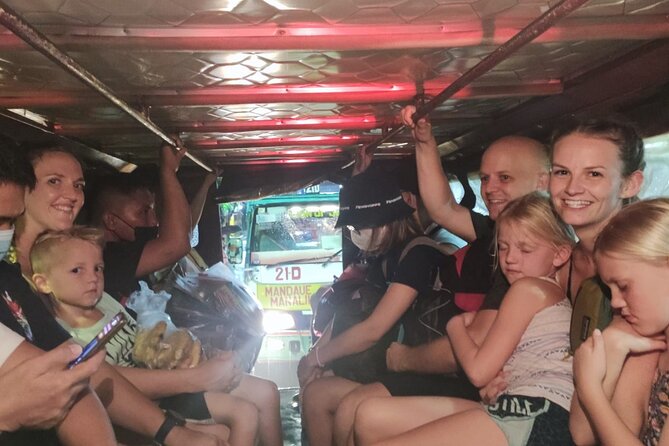
- The route uses the city itself as transport: A jeepney ride and public streets are part of the experience, not an inconvenience to be avoided.
- Six historic landmarks shape the walk: The route includes the Heritage of Cebu Monument, Yap-Sandiego Ancestral House, Santo Niño Basilica, Magellan’s Cross, Cebu Metropolitan Cathedral, and Carbon Market.
- The tour begins at 4 p.m.: The late start brings cooler light and an evening market atmosphere, but holiday closures and church services can affect what you see.
- You finish at Carbon, not back at your hotel: Arrange your own ride home from Freedom Park in Carbon.
- The group can reach 20 people: You may get a more personal outing with a small group, but the advertised maximum is not a private-tour guarantee.
Why this tour is a useful first evening in Cebu
Cebu City can be hard to read at first. The main sights are spread through busy streets, and the historic center sits well away from the beach resorts that shape many short visits. This tour gives you a guide, a set route, and enough context to make sense of the old city without spending your first day planning every turn.
The experience starts at Ayala Terraces at 4 p.m. and ends at Freedom Park in Carbon. It lasts about four hours, although timing depends on how quickly your group moves. One outing reportedly finished in around two and a half hours, while another lasted about three and a half, so treat four hours as an approximate window rather than a stopwatch promise.
The late afternoon start works well in Cebu’s heat. You get some daylight for the monuments and ancestral house, then move toward food stalls and market activity as the evening develops. Bring comfortable walking shoes, water, and a little patience. This is a street-level tour, not a polished coach excursion.
More Food Walking Tours in the world:
- Reykjavik Food Walk – Local Foodie Adventure in Iceland
★ 5.0 · 18,952 reviews - New Orleans Food Walking Tour of the French Quarter with Small-Group Option
★ 5.0 · 6,118 reviews - Naples: Street Food Walking Tour with Local Guide
★ 4.9 · 4,976 reviews
The Heritage of Cebu Monument sets the tone
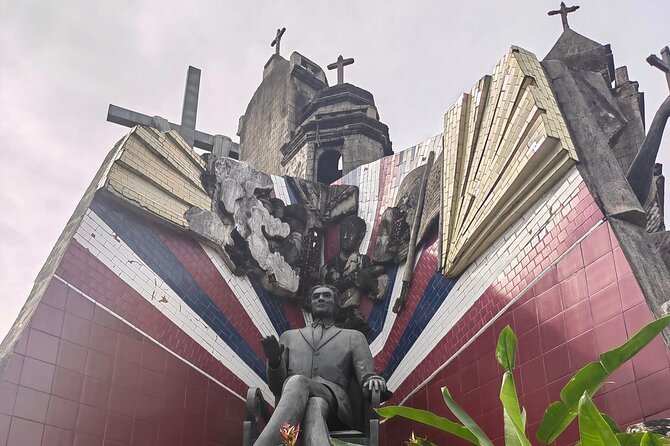
The first major sight is the Heritage of Cebu Monument, a large tableau showing episodes from Cebu and Philippine history. Its scenes include the Battle of Mactan, the inauguration of Sergio Osmeña as president, and the canonization of Pedro Calungsod.
This is a good opening stop because it gives your guide a visual way to explain several parts of Cebu’s past at once. You are not simply looking at a statue and moving on. The monument can help connect Spanish-era Christianity, local resistance, national politics, and Filipino identity.
The scheduled visit is about 30 minutes, with admission included. That is enough time for an explanation and photographs, though not for a long museum-style visit. If you want to study every figure in the tableau, keep your own pace in mind and stay close enough to hear the guide.
Yap-Sandiego Ancestral House brings history indoors
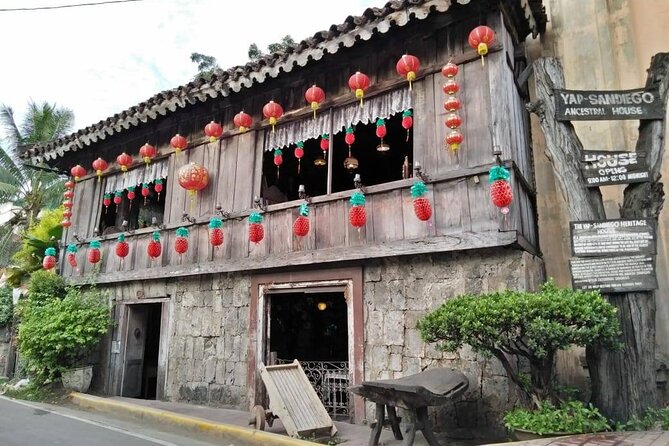
The Yap-Sandiego Ancestral House is one of the most atmospheric stops. Built around 1680 from wood and coral stone, it blends Spanish and Chinese design influences and is counted among the oldest residential homes in the Philippines.
This house gives you something the outdoor monuments cannot: a sense of domestic life. The worn materials, old furnishings, and compact rooms make the past feel less abstract. You can see how Cebu’s Chinese and Spanish influences existed side by side in a home rather than only in a textbook explanation.
Admission is included, and the stop is planned for about 30 minutes. Access here appears more consistent than access inside the churches, so this is one of the places where the tour’s historic focus is easiest to appreciate. Watch your footing and listen carefully, since the value comes from the details your guide points out.
Santo Niño Basilica and the meaning of Magellan’s Cross
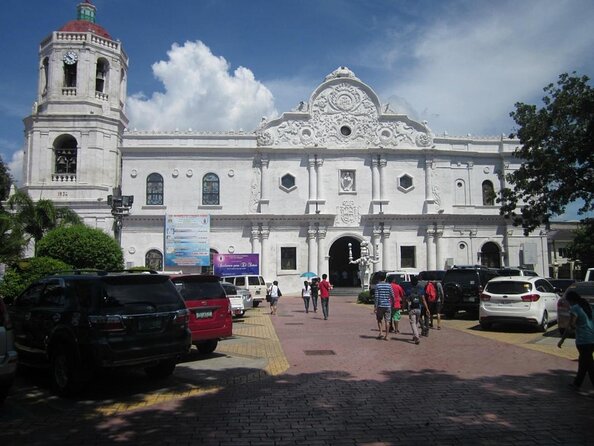
The Basílica Minore del Santo Niño de Cebu is one of the city’s central religious landmarks. Founded in 1565 by Fray Andrés de Urdaneta, it is associated with the Santo Niño, or Holy Child, and remains an important place of worship.
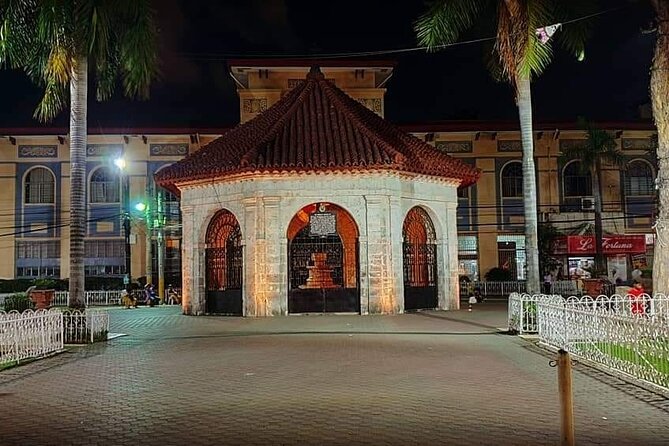
The tour then includes Magellan’s Cross Pavilion beside the basilica on Plaza Sugbo. The stone kiosk protects a cross linked with the expedition of Ferdinand Magellan and the arrival of Christianity in Cebu.
These two stops belong together. The basilica helps explain the continuing religious life of Cebu, while Magellan’s Cross points to the first Spanish contact and the beginning of a long, complicated period in Philippine history. Your guide can connect the symbols, rather than leaving you with two isolated photo stops.
There is an important practical limit here. The listed admission includes the sites, but entry into both cathedrals is not guaranteed in every situation. Church services, crowds, and the day’s schedule can affect access. One Sunday outing included the ancestral house but did not go inside both cathedrals because they were packed. If stepping inside the basilica is essential to you, ask the guide about access when the tour begins.
More history tours in the world:
- Barcelona: Tapas Walking Tour with Food, Wine, and History
★ 4.8 · 4,261 reviews - Sevilla Food Tour: Tapas, Wine, History & Traditions
★ 5.0 · 3,468 reviews - Madrid Tapas & Taverns Small Group Food & History Tour
★ 5.0 · 2,664 reviews - Historic Ybor City Food Walking Tour
★ 5.0 · 2,210 reviews
Cebu Metropolitan Cathedral adds another layer
The Cebu Metropolitan Cathedral, officially the Metropolitan Cathedral and Parish of Saint Vitalis and of the Immaculate Conception, is another major religious site on the route. Much of the cathedral was destroyed by Allied bombing during World War II, adding a modern wartime chapter to the building’s older story.
This stop works best when your guide explains what changed over time. Cebu’s past is not only about the Spanish period. War damage, rebuilding, and ongoing worship are part of the city’s story too.
Again, consider this a viewing stop rather than a guaranteed full interior visit. The tour provides access to listed attractions, but real church operations take priority. Dress and behave respectfully, and expect the guide to adjust the plan if a service is taking place.
Carbon Market is the tour’s most local-feeling stretch
Carbon Market is where the tour shifts from monuments to everyday Cebu. Its name comes from carbón, the Spanish word for coal, because the area was said to be near a coal depot connected with the old Cebu Railway.
The market is especially useful for first-time visitors who would not feel comfortable entering on their own. You can see how food is sold, how people move through the area, and how the city’s commercial life works beyond hotel districts. It is also the part of the tour most likely to feel unpredictable. Market conditions, holidays, weather, and opening hours can affect what is available.
The stop is listed at about 30 minutes, but several food-focused outings have made the market a memorable part of the route. One person wished for more time there, which is easy to understand. If you enjoy markets, this may be the section you want to linger over, though the group schedule may not allow it.
What you may eat, and why the food matters
The tour’s food component is made up of several local stops rather than one long restaurant meal. The operator describes three food stops, while individual outings have included food at four places. You may sample dishes such as lechon, tuslob buwa, balut, and other local snacks, but the exact selection is not guaranteed.
Lechon was singled out as a favorite by one diner, while tuslob buwa gave another person a chance to try something they would not have ordered alone. Balut was enjoyed by some people but was not included in every outing. That variation matters. You should book this as an introduction to Filipino street food, not as a fixed tasting menu.
The food may be unfamiliar, and not every dish will match your taste. The point is to try small portions in places your guide knows, while learning what people in Cebu actually eat. If you are adventurous, this is one of the tour’s strongest features. If you are vegetarian, highly selective, or uncomfortable with street food, ask about suitable options before booking.
The food is also part of the social side of the tour. Guides such as Lorelie have encouraged people to taste first and learn the dish’s name afterward. That turns each stop into a small shared challenge, which can make a mixed group feel more comfortable quickly.
A jeepney ride makes the route feel real
Several outings have included a jeepney ride between stops. This is a small but valuable part of the experience because you are using public transport instead of watching Cebu pass from behind a tour-vehicle window.
The ride also gives your guide a chance to explain how jeepneys work and why they matter in daily city life. It is practical, local, and a little less predictable than private transport. One person specifically enjoyed finally trying public transportation during the tour.
Do not book this experience expecting a chauffeured transfer. The tour is built around walking and local transport. Public transportation is part of the design, and the return to your hotel is not included. From the finish at Freedom Park in Carbon, you need to arrange your own ride, such as a taxi or app-based car.
How the guides shape the experience
The strongest part of the tour is the human element. Kyle is often described as friendly, thoughtful, and easy to understand, with a good feel for both Cebu’s food and history. Lorelie, also referred to as Lor or Lorelei, brings strong enthusiasm for local dishes and creates a relaxed group mood.
Phillip is praised for helping a solo woman feel safe while explaining the city and its food. Necian is described as conversational and informative. These details matter because a walking tour rises or falls on the guide’s ability to manage a group, explain unfamiliar places, and make you feel comfortable trying something new.
The tour has a maximum of 20 people. A smaller group can feel almost like a private outing, and some sessions have had only a few people. With a full group, you may spend more time waiting at crossings, food stalls, or narrow streets. If you are hoping for long personal conversations with the guide, the group size is worth considering.
The overall rating is 4.6 from 81 ratings, with 90 percent recommending it. That is a strong result, but the uneven comments point to the key issue: this is an authentic and flexible street experience, not a tightly standardized luxury product.
Is $69.99 a fair price?
At $69.99 per person, the tour is expensive compared with simply visiting Cebu’s historic center on your own. You could see several landmarks independently for much less, especially if you are comfortable using public transport and researching the sites beforehand.
The price becomes easier to justify if you value the guide’s local knowledge, the food tastings, included admissions, and the confidence of entering places you might otherwise skip. You are paying for the route, explanations, food coordination, and help navigating the city, not just for entrance tickets.
The value is weaker if you expect a private vehicle, a long sit-down meal, guaranteed entry into every church, or a fixed four-hour schedule. You should also remember that the ride back to your accommodation is not included. For a short stay, the tour can save planning time and give you a useful first look at Cebu, but it is not the cheapest way to tick off the sights.
Who should book this Cebu walking tour?
I would choose this tour if you have one evening in Cebu and want history plus food in a single outing. It suits curious eaters, solo visitors who want company, and people who would rather have a local guide lead them through Carbon Market and the old city.
It is also a good fit if you want to understand jeepneys, try dishes you would not order alone, and see Cebu beyond the beach areas. The guide can help turn a short visit into a stronger sense of place.
I would hesitate if you need firm timing, private transportation, a predictable menu, or a quiet museum tour. Anyone with mobility concerns should also consider that the experience includes walking and public transport, while the exact route pace depends on the group.
The tour is non-refundable and cannot normally be changed after booking. If bad weather cancels it, you are offered another date or a full refund. A cancellation caused by too few bookings also brings the choice of another date or experience, or a full refund.
Should you book it?
Book it if you want a practical first taste of Cebu City, especially with only one free evening. The combination of the Heritage of Cebu Monument, an old family home, Santo Niño, Magellan’s Cross, the cathedral, Carbon Market, and several food stops gives you a lot of context in a short time.
Go in with the right expectations. You may walk faster than expected, miss a listed food or interior visit, and finish at Carbon without a hotel transfer. For an open-minded eater who values local contact over polished convenience, the tour offers good memories and a useful introduction. For $69.99, it is worth choosing for the guide and access to local life, not simply for the landmarks.
FAQ
Where does the tour begin?
The tour begins at Ayala Terraces, 8W94+H97, Biliran Road, Cebu City, at 4 p.m.
Where does the tour end?
The tour ends at Freedom Park in Carbon, Cebu City. Transportation back to your hotel is not included.
How long does the tour last?
The stated duration is approximately four hours. The actual length can vary depending on how quickly the group moves between stops.
What sights are included?
The route includes the Heritage of Cebu Monument, Yap-Sandiego Ancestral House, Basilica Minore del Sto. Niño de Cebu, Cebu Carbon Market, Magellan’s Cross, and Cebu Metropolitan Cathedral.
Is food included?
Yes. The experience includes local food stops. The operator describes three food stops, though the exact dishes and number of places can vary.
Is admission included?
Admission is listed as included for the scheduled stops. Entry into the interiors of the basilica and cathedral can be affected by services, crowds, or other church conditions.
How many people can join?
The maximum group size is 20 people.
What happens if bad weather cancels the tour?
If poor weather causes cancellation, you are offered a different date or a full refund. The same choice applies if the minimum number of participants is not reached.
New food tours we have reviewed in the world
- ChattaBrunch Food Tour★ 5.0 · 87 reviews
- Downtown Chattanooga Food Tour★ 5.0 · 290 reviews
- Charlottetown waterfront SOLAR PartyBike food & drink experience!★ 4.0 · 92 reviews
- Historic Southside Food Tour in Chattanooga★ 5.0 · 32 reviews
- Tastes Through Time – Charleston’s Best Food & History Tour★ 4.5 · 95 reviews
- Charleston’s Savor the Flavors of Upper King Street Walking Food Tour★ 4.5 · 130 reviews
- Charlottetown Food Walking Tour★ 5.0 · 59 reviews
- Charleston Private Brunch Tour: Biscuits, Shrimps, Grits and More★ 5.0 · 48 reviews
Food Walking Tours, compared.
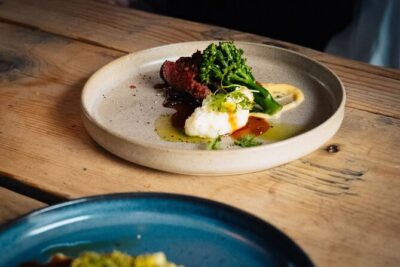
Reykjavik Food Walk – Local Foodie Adventure in Iceland
Read our review →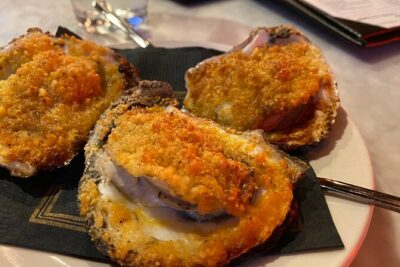
New Orleans Food Walking Tour of the French Quarter with Small-Group Option
Read our review →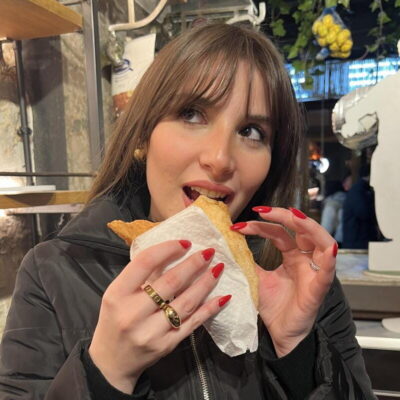
Naples: Street Food Walking Tour with Local Guide
Read our review →
Savannah First Squares Culinary & Cultural Walking Food Tour
Read our review →
Rome: Guided Food Walking Tour with Wine in Trastevere
Read our review →
Rome: Trastevere & Campo de Fiori Street Food Walking Tour
Read our review →Browse the lists this tour appears in