
Review · STREET FOOD TOURS
Medina Tasting Tour: Experience Local Street Food & Culture!
Marrakech is best understood one bite at a time, and this four-hour walk takes you well beyond the usual food stalls. You move from Jemaa el Fnaa into the Medina’s spice and olive markets, stopping for pastries, fruit juice, snacks, tea, and a full tanjia meal at Chez Lamine Hadj Mustapha.
I like the balance between food and local life. Guide Youssef brings in stories about Marrakech, Berber culture, cooking, and daily routines, while the route includes useful places such as a bakery, a spice workshop, and an underground mechoui oven. The main drawback is simple: there is a lot to eat, so arrive hungry and expect plenty of walking.
Key points at a glance
- A serious amount of food: Street snacks are followed by harira soup and beef tanjia or vegetarian tagine.
- Youssef makes the city easier to understand: His strongest role is explaining how food connects with Marrakech’s culture and history.
- The route mixes famous and local stops: You begin and end at Jemaa el Fnaa, but also visit lesser-known food spots, markets, and working kitchens.
- Good savory and sweet balance: The tastings are not limited to bread and pastries, with spices, fruit, snacks, and substantial dishes included.
- A useful first-night activity: The meeting point is central, and the tour gives you practical advice for avoiding tourist traps.
- Plan for a walking evening: Comfortable shoes matter, and the route can change during Ramadan and local holidays.
Why this food walk works so well in Marrakech
Marrakech’s food scene can feel confusing at first. Jemaa el Fnaa has dozens of stalls, the souks twist in every direction, and menus may not explain what you are eating. This tour gives you a local guide, a set route, and enough context to make sense of the choices around you.
The focus is not on one formal meal. Instead, you taste your way through the Medina, with small servings and short stops building toward dinner. That format suits you if you want to try unfamiliar foods without ordering a full plate of everything in sight.
I also like the way the tour treats food as part of ordinary life. You are not only handed a dish and told its name. You learn about spices, see food markets, stop at a bakery, and visit places that show how Marrakech cooks at street level. The guide can also point out tourist traps and explain which choices offer better value.
The experience is particularly strong with Youssef. Several bookings were private or nearly private, and his role went well beyond guiding people from one snack to another. He explains Marrakech’s past and present, Berber culture, and the connection between local customs and food. His storytelling is one of the main reasons this costs more than simply eating at the square on your own.
More Street Food Tours in Morocco:
- Marrakech: Street Food Tour with a Local Guide
★ 4.9 · 3,119 reviews - Marrakech: Street Food Tour by Night
★ 4.8 · 2,838 reviews - Marrakech Night Street Food Tour / Taste The Real Marrakech
★ 4.9 · 200 reviews
Starting at the post office and Jemaa el Fnaa
The meeting point is in front of the main gate of the main post office, facing Jemaa el Fnaa. Look for the official red and green ribbon and badge. This is a practical place to begin because the square is easy to identify, though you should allow time to find the correct side of the post office if you are new to the area.
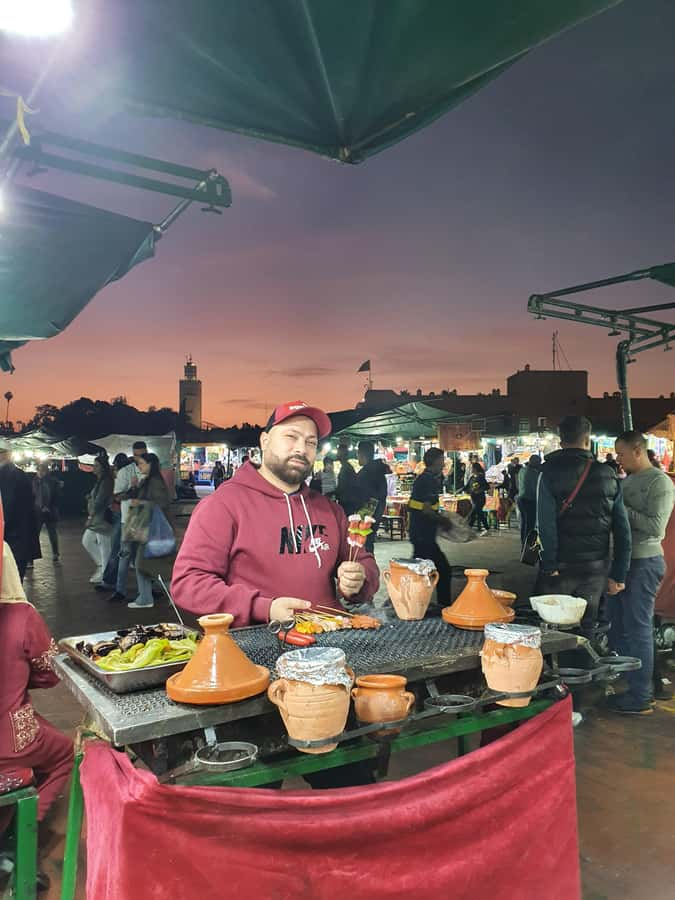
Your first walk takes about five minutes to Jemaa el Fnaa. The square is a UNESCO World Heritage site and a natural introduction to Marrakech’s food culture. Depending on the time of day, you may start with a welcome drink or fresh fruit juice, then sample local snacks while your guide explains the role of the square.
The itinerary allows about 15 minutes here at the beginning, with more time later for dinner. That first stop is not meant to be the main meal. It helps you get your bearings and introduces the sounds, smells, and food stalls that make the square such a memorable place.
You should also note that the tour finishes back near the same square. That makes it easy to continue exploring after the walk, watch the street performers, or return to your accommodation.
Small cafés, pastries, and the first tastings
After Jemaa el Fnaa, the group continues on foot to a local café for a short tasting. The route then moves to a less obvious food stop and a local bakery. These visits are brief, roughly 10 to 20 minutes each, but they provide useful contrast.
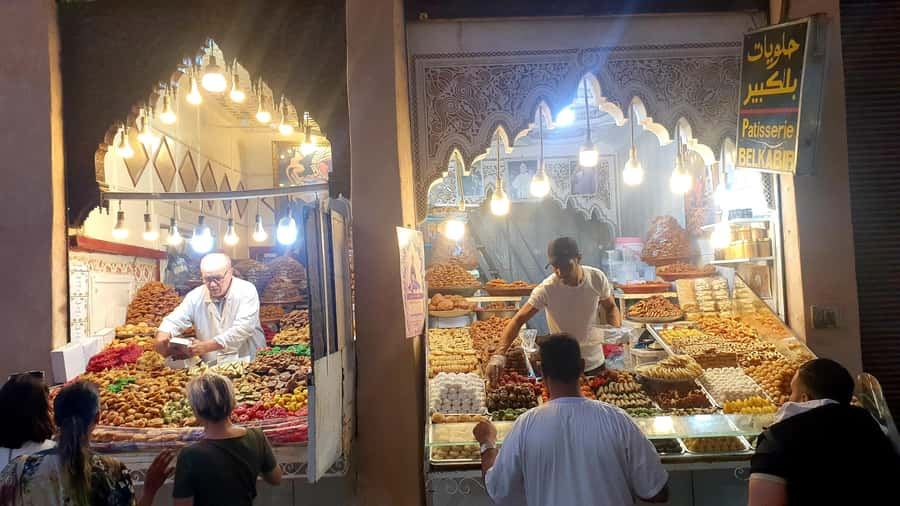
At the café, you might taste a familiar Moroccan drink or snack in a more everyday setting. The bakery stop is a chance to see how simple baked goods fit into daily routines. Moroccan food tours can easily become a parade of bread and sweets, but this one makes an effort to include both savory and sweet foods.
That balance matters. One booking specifically praised the route for avoiding a bread-and-sweets overload, while another noted that the food volume was so generous that finishing everything was difficult. You should take both points seriously. The tastings may be small, but they add up quickly before the main dinner.
Included food can include Moroccan sweet and savory pastries, a mix of dried fruit and nuts, and two or three further snack stops. The exact selection can change, so think of the tour as a sampling route rather than a fixed menu.
The food market, spice stop, and working kitchens
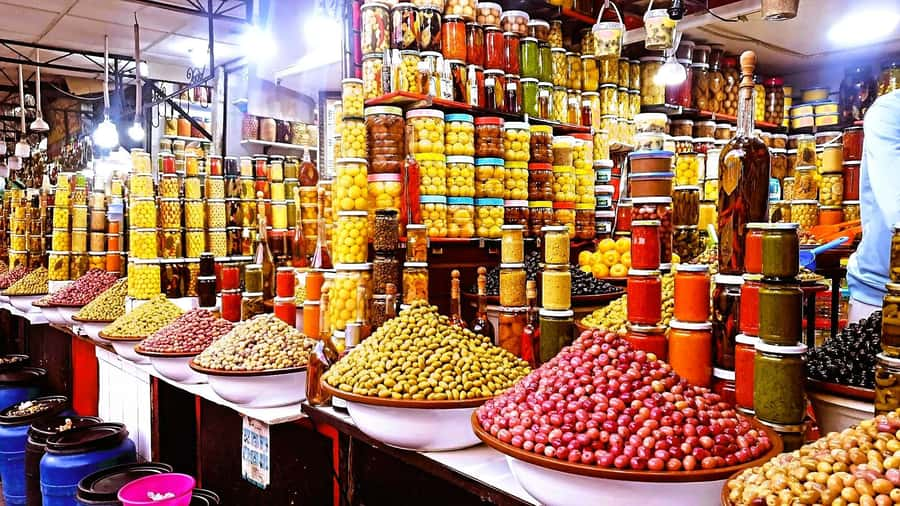
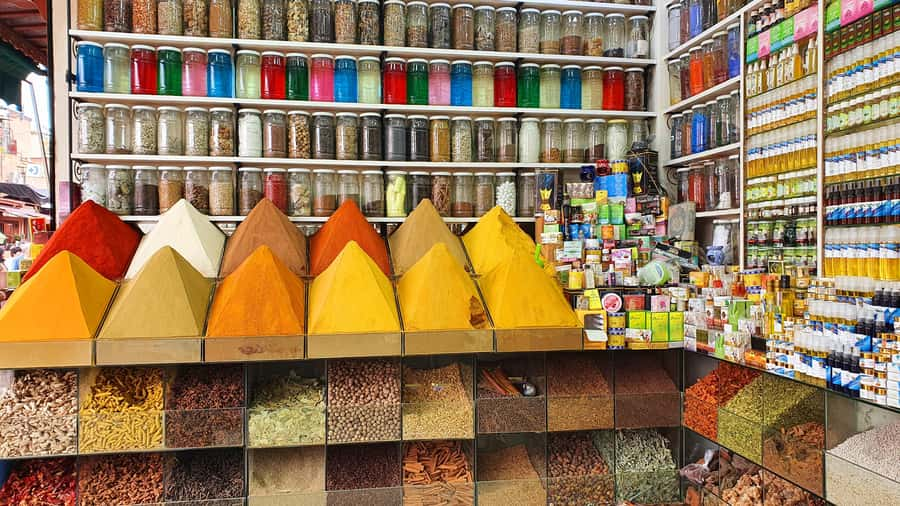
The route then reaches the old Rahba market, known for its food and spice stalls. You have time to look around, take photos, and shop if you wish. This is one of the more useful sections for first-time visitors because spices can be hard to identify when you are alone.
A spice discovery workshop is included. Your guide can explain what you are seeing and how the ingredients are used in Moroccan cooking. The point is not simply to buy a bright bag of powder. It is to understand the flavors behind dishes you may order later in your trip.
The tour also includes access to local food settings such as an underground mechoui oven and a private terrace overlooking the spice market. These details give the walk more depth than a standard sequence of restaurant stops. You see the spaces where food is prepared and sold, not just the finished dish placed in front of you.
There is shopping time at the market, so bring restraint. If you buy spices or other goods, remember that the tour’s purpose is food tasting, not a dedicated shopping excursion. The guide’s advice can help you judge prices and avoid the most obvious tourist traps.
More food tours in Morocco:
- Authentic Moroccan Food Tour in Marrakech with Dinner
★ 5.0 · 1,423 reviews - Marrakech: Jemma El Fnaa Food Tour with Dinner
★ 4.7 · 394 reviews - Marrakech: Authentic Moroccan Food Walking Tour & Dinner
★ 4.8 · 261 reviews - Cooking Classes Farm to Table Marrakech
★ 5.0 · 165 reviews
Souk Semmarine and the walk through the Medina
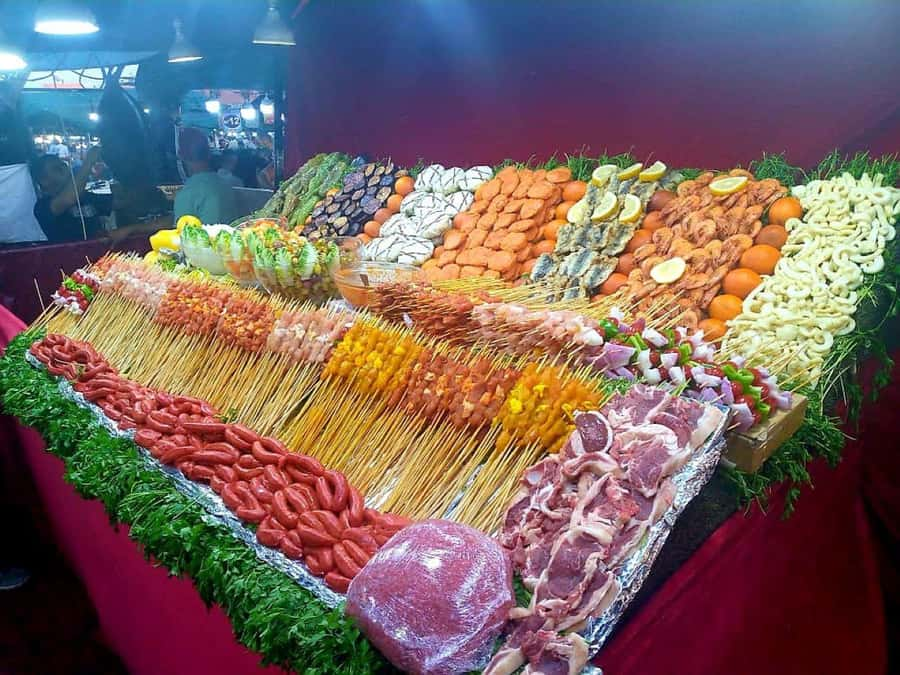
From the market, the route continues through Souk Semmarine. You will be on foot for several sections, including walks of about 15 minutes between some stops. Comfortable shoes are essential, especially if you are not used to spending an evening on uneven Medina streets.
The souk section gives you time to pass through one of Marrakech’s best-known shopping areas while continuing to sample street food. You are likely to encounter the usual mix of stalls, crafts, food displays, and sales pitches. The guide helps keep the focus on the culinary side of the Medina and can explain what is worth your attention.
This is not a quiet, slow-paced restaurant dinner. It is an active walk through a working part of the city. If you prefer a seated meal with long breaks between courses, choose a restaurant instead. If you like moving through markets and stopping often, the format works well.
The published route lists several timed stops, but the order and exact tastings may change. Ramadan and local holidays can affect both food availability and the itinerary. Special dietary needs and allergies must be communicated at least four hours before the tour so alternatives can be planned.
Harira at the square, then the main tanjia dinner
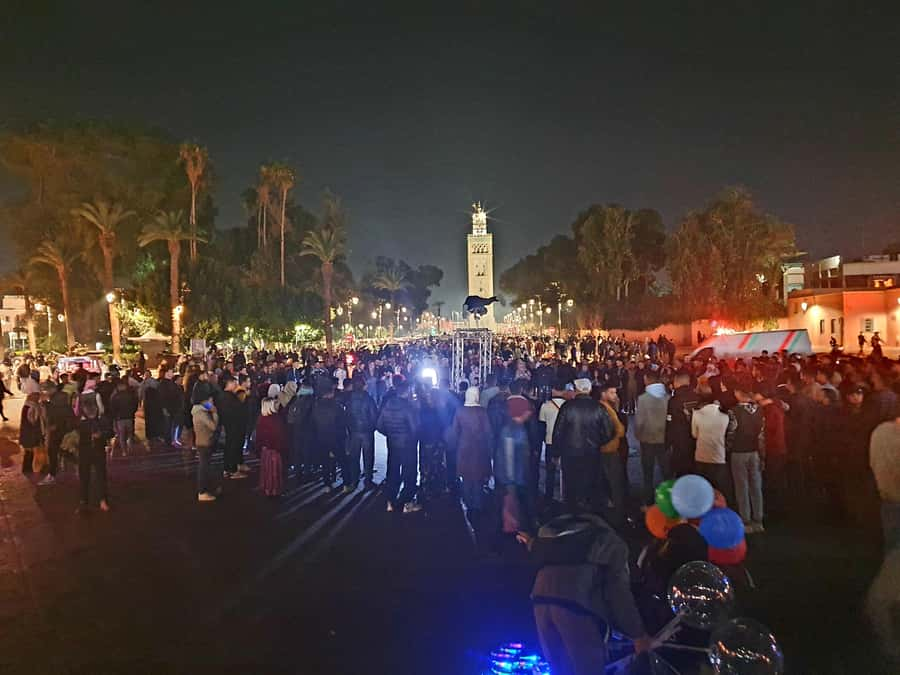
The food builds toward a two-course dinner. The starter is harira soup at Jemaa el Fnaa. Harira is a Moroccan soup often associated with evenings and communal meals, and it gives you a warm, filling pause before the main course.
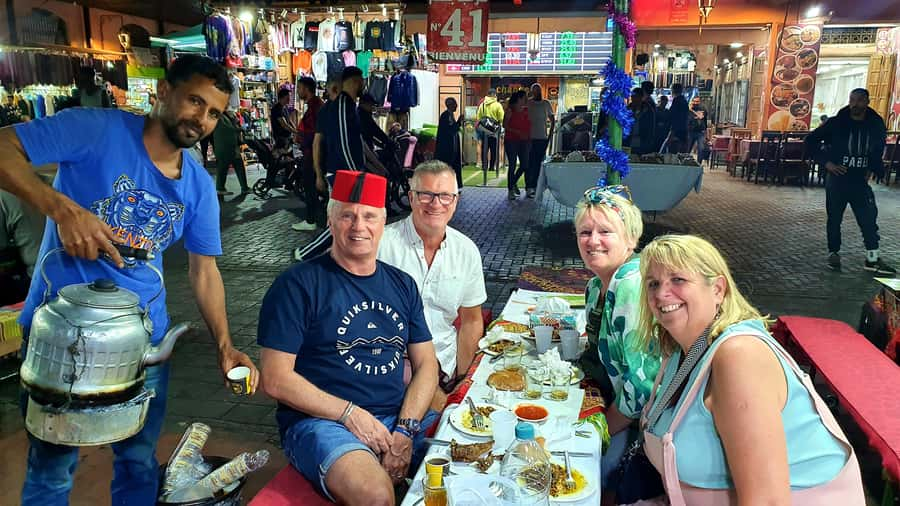
The main dish is served at Chez Lamine Hadj Mustapha, also known as Haj Lamine, a local tanjia restaurant near the square. You choose between beef tanjia and vegetarian tagine. The meal includes tea, and the tour provides bottled water during dinner.
Tanjia is especially tied to Marrakech. The dish is slow cooked in a traditional vessel, and the tour’s emphasis on local preparation makes this more than a standard restaurant meal. The tanjia is one of the most praised parts of the experience, and it is a good reason to avoid filling up too early on pastries.
The dinner stop lasts about an hour. That gives you enough time to sit down and enjoy a proper plate after the smaller tastings. Still, you may be surprised by how much food has already come before it. I would treat the early snacks as samples, eat at a steady pace, and save room for the tanjia.
Additional drinks beyond the included fruit juice, tea, and dinner water are not covered. If you want soft drinks or anything else, expect to pay separately.
Tea, a final viewpoint, and the return to Jemaa el Fnaa
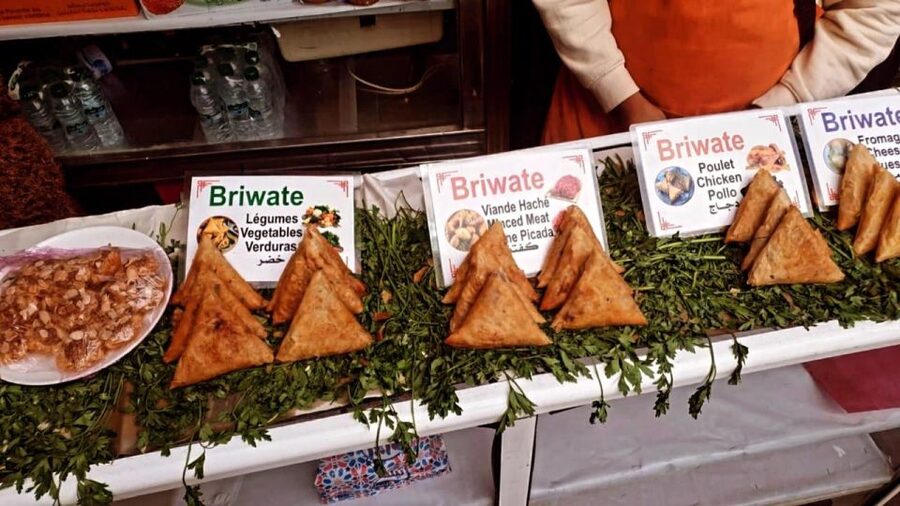
After dinner, the route includes a short stop at a viewpoint for street food, a tea ceremony, and a traditional dance show. The published timing allows about 10 minutes, so this is a compact finish rather than a full performance.
The tea stop is a pleasant way to end the food portion. Mint tea is central to Moroccan hospitality, and two mint teas per person are included during the activity. The viewpoint also gives you a final chance to look over the surrounding Medina before returning to the post office.
The tour ends where it began, near the main gate of the post office facing Jemaa el Fnaa. That is helpful if you want to stay in the square afterward, but it also means you should plan your own route home before the tour begins.
What the guide adds to the experience
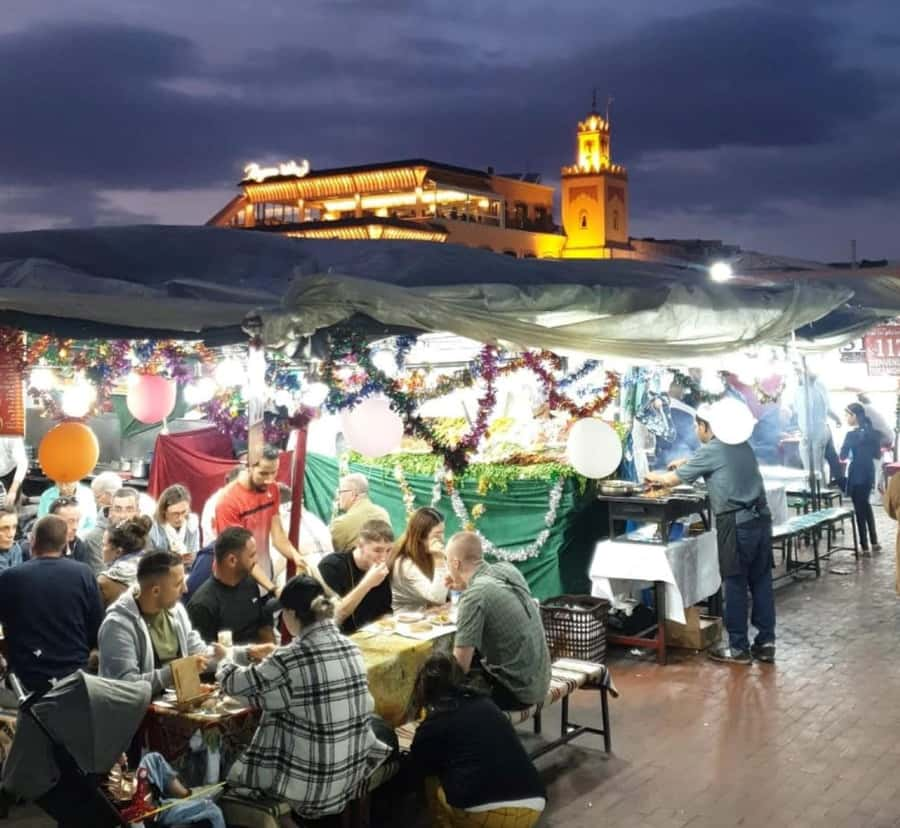
Food is the hook, but the guide is the main reason to book this instead of simply wandering through the souks. Youssef is repeatedly described as warm, easy to talk with, and deeply familiar with Marrakech’s food, culture, and history.
His strongest contribution is connection. He explains not only what you are eating, but why it matters, where it fits in local life, and how Moroccan identity appears through cooking. He also brings in Berber culture and the history of the Medina without turning the walk into a lecture.
This personal approach matters most if it is your first night in Marrakech. You get a basic map of the city’s food customs, a feel for the major square, and practical help in judging stalls and market prices. You can then use that knowledge for the rest of your visit.
Group size can vary. Private groups are available, and some departures have operated with only one booking. That can create a more personal experience, though you should not assume every date will be private.
Is $66 a fair price?
At $66 per person, this is not the cheapest way to eat in Marrakech. You could spend far less by choosing a few snacks in Jemaa el Fnaa on your own. That comparison, however, leaves out the guide, the planned tastings, the spice workshop, the market visits, and the final two-course dinner.
The value is strongest if you would otherwise feel unsure about what to order or where to go. You are paying for several food samples, fruit juice, dried fruit and nuts, pastries, two or three extra snacks, two mint teas, harira, and tanjia or tagine. You also get a local escort through the Medina and advice aimed at avoiding poor-value tourist stops.
The price is less attractive if your main goal is one large meal. In that case, book a restaurant and spend the difference on extra dishes. This tour suits you best if you want a guided introduction to Marrakech cuisine, especially early in your stay.
Who should book this Medina food tour?
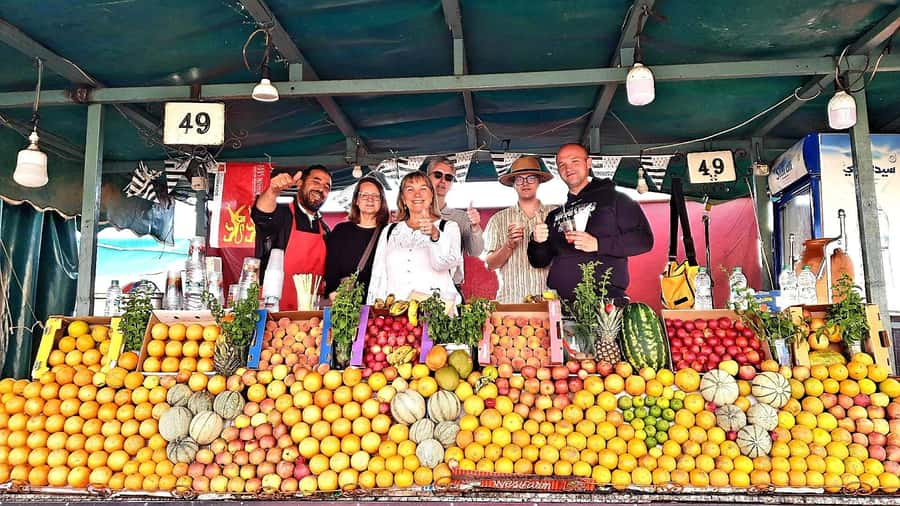
I would choose this activity for food-focused visitors who enjoy walking, trying small portions, and asking questions. It is also a good match for couples, families with older children, and solo visitors who want company on their first evening in the Medina.
It works particularly well as an arrival-night plan. You begin in the city’s central square, learn how the food scene works, and leave with a better sense of what to order later. The route is lively and social, but private groups are available if you prefer a more personal outing.
You should think twice if you have a very restricted diet, though the operator can plan around allergies and special requirements when told at least four hours ahead. The meal choices include beef tanjia or vegetarian tagine, but the full range of tastings may be harder to adjust.
The activity is listed as wheelchair accessible, but it includes repeated walks through markets and souks. Ask for the current route details if mobility is a serious concern, since the exact path and tasting stops can change.
Should you book it?
Book this tour if you want a guided food education, not just dinner. The mix of street snacks, spice stalls, market life, harira, and Marrakech-style tanjia gives you a useful first taste of the city, while Youssef’s storytelling adds the cultural context that many food walks lack.
Skip it if you want a quiet evening, a fixed menu, or complete control over what you eat. The route is active, the food is generous, and the stops may change.
For most first-time visitors who enjoy Moroccan food and can comfortably walk for four hours, $66 is a reasonable price for the amount included. Come hungry, wear comfortable shoes, tell the guide about allergies early, and save room for the tanjia.
FAQ
Where does the Medina tasting tour meet?
The meeting point is in front of the main gate of the main post office facing Jemaa el Fnaa Square. Look for a guide wearing an official red and green ribbon and badge.
How long does the tour last?
The advertised duration is four hours. The tour starts and ends near the main post office by Jemaa el Fnaa.
What food is included?
Included items are several street food tastings, fresh fruit juice, dried fruit and nuts, Moroccan sweet and savory pastries, two or three additional snack stops, harira soup, and a main course of beef tanjia or vegetarian tagine.
Are drinks included?
Fresh fruit juice and two mint teas per person are included. Bottled water is provided during dinner. Additional drinks are not included.
Which languages are offered?
The live tour guide service is offered in English and French.
Can dietary requirements or allergies be accommodated?
Special dietary requirements and allergies must be communicated at least four hours before the tour so the food stops can be planned accordingly.
Can I cancel or pay later?
You can cancel up to 24 hours in advance for a full refund. A reserve-now, pay-later option is available, allowing you to book without paying immediately.
New food tours we have reviewed in Morocco
- Casablanca Food Tour★ 5.0 · 60 reviews
- Casablanca Food Tour – Moroccan Street Food Tour★ 5.0 · 86 reviews
- Discovery of Moroccan Culinary Heritage, History and Secrets★ 4.5 · 48 reviews
- Authentic Food Tour in Agadir – Eat Like A Local★ 5.0 · 117 reviews
- Tangier: Food Walking Tour★ 4.9 · 43 reviews
- Rabat: Walking Food Tour★ 4.9 · 48 reviews
- Marrakech: Medina Stories Food Tour with 15+ Tastings★ 5.0 · 141 reviews
- Marrakech: Authentic Moroccan Food Walking Tour & Dinner★ 4.8 · 261 reviews
Street Food Tours, compared.
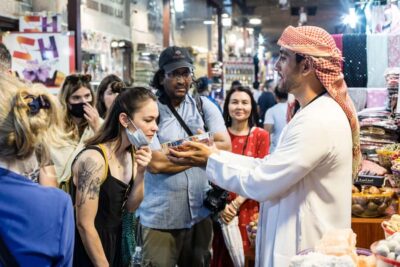
Dubai: Old Town, Creek, Museums, Souks, & Street Food Tour
Read our review →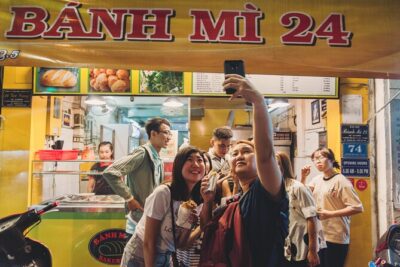
Ho Chi Minh City Street Food Tour & Sightseeing By Motorbike
Read our review →
Dubai: Old Town, Souks, Street Food, Guided Tour & Abra Ride
Read our review →
Naples: Street Food Walking Tour with Local Guide
Read our review →
Small Group Hanoi Street Food Tour with a Real Foodie
Read our review →

Saigon By Night and Street Food By Motorbike | Opt: Ao Dai Riders
Read our review →
Private Street Food Tour by Motorbike/Car with Local Students
Read our review →Browse the lists this tour appears in