
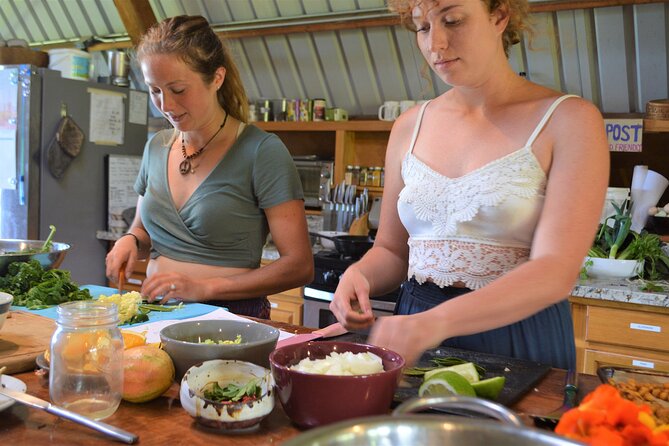
Review · COOKING CLASSES
Farm to Table Cooking Class at Kulaniapia Falls
The best part of this experience happens before you sit down to eat. You walk through Kulaniapia Farms, pick vegetables from volcanic soil, and then turn much of that harvest into lunch. It is a practical look at farm-to-table cooking, not just a meal served beside a few potted herbs.
I like two things here: the small group, capped at eight, and the setting. You may prepare food in a refurbished barn with views toward Hilo Bay and Mauna Kea, then walk near the waterfall and river. The main consideration is that this is a relaxed, volunteer-led activity, so your hands-on cooking time and instruction may vary from one guide to another.
Key points to know before you book
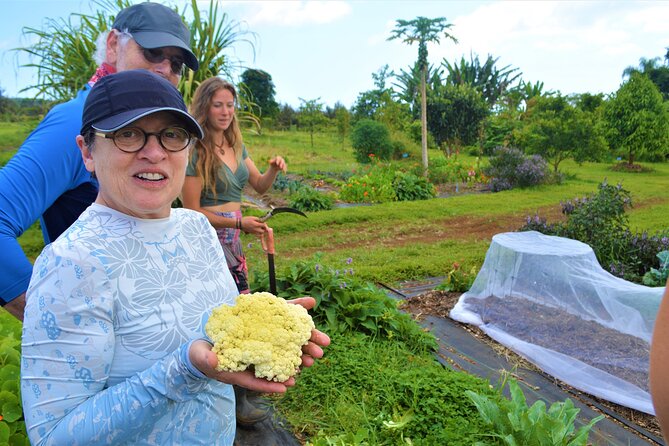
- You harvest most of your own lunch: More than 90 percent of the meal uses seasonal produce grown on the farm.
- The morning begins at 9:30 a.m.: Plan on roughly four hours at 100 Kulaniapia Drive in Hilo.
- The group stays small: A maximum of eight people makes it easier to ask questions and take part.
- The cooking is plant-based: The menu changes with the farm’s seasonal produce, rather than following a fixed restaurant-style menu.
- The setting is part of the appeal: You may see the waterfall, walk through bamboo gardens, feed goats, pick bananas, and sample farm coffee.
- Wear practical shoes: Closed-toe, flat tennis shoes are the smart choice for uneven ground and weedy paths.
A farm morning instead of a standard cooking class
Kulaniapia Farms offers a different kind of food outing on the Big Island. You do not simply arrive at a kitchen, follow a printed recipe, and leave with a full stomach. You begin outdoors, learning how food grows on the farm and helping select the ingredients that will become lunch.
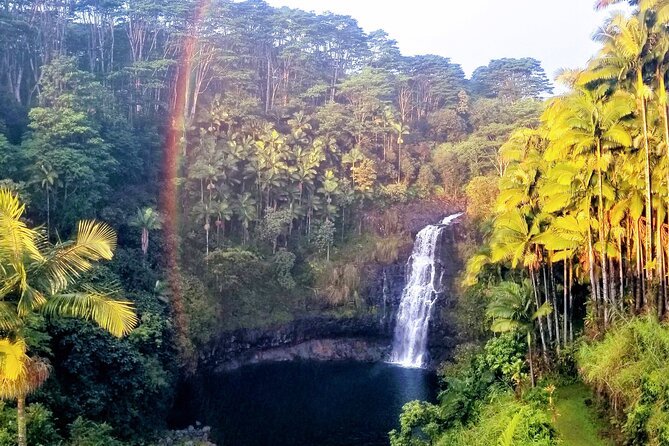
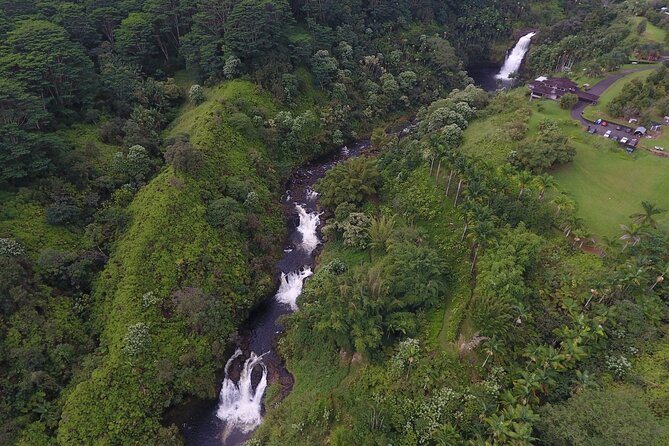
The experience takes place at the grounds of the Inn at Kulaniapia Falls, outside Hilo. That matters because the class comes with more than a cooking lesson. You get tropical gardens, bamboo, a waterfall, farmland, and broad views toward Hilo Bay and Mauna Kea. The setting gives the meal a sense of place that a city cooking studio cannot match.
I would think of this as a farm tour with a cooking lesson attached, rather than a formal culinary school class. That is good news if you want a friendly, hands-on morning. It may be less appealing if you want precise knife training, a fixed menu, or several hours of direct instruction from a professional chef.
More Cooking Classes in the USA:
- Atlanta: Historic Market Food Tour and Biscuit Cooking Class
★ 4.9 · 25 reviews - Sushi Making Class at a Local Distillery in Boston
★ 5.0 · 22 reviews - Authentic Pizza Making Class in Naples with Appetizers and Drink
★ 5.0 · 3,178 reviews
Starting at 9:30 a.m. in Kulaniapia’s gardens
Your morning starts at 9:30 a.m. at 100 Kulaniapia Drive, Hilo, Hawaii 96720. The experience ends at the same meeting point, so you do not need to arrange a second pickup location.
The first portion takes you around the farm. A member of the Kulaniapia community introduces the gardens and points out what is growing. You help harvest ripe vegetables and other produce for the meal. The exact selection changes with the season, which keeps the class tied to what the farm can actually provide.
That seasonal approach is one of the strongest features. You see the difference between a menu designed months ahead and a lunch shaped by what is ready that morning. The food may include a mixture of vegetables and tropical farm products, but the specific menu is not fixed in advance.
You might also encounter some of the farm’s other pleasures along the way. The morning can include feeding goats, collecting eggs, picking bananas directly from a tree, and sampling coffee grown or prepared on the property. These details make the outing feel connected to working farm life, though they should be treated as part of the setting rather than guaranteed stops on a rigid schedule.
Harvesting ingredients from volcanic soil
The farm’s soil comes from the volcanic ground of the Big Island, and the class uses that fact in a useful way. You are not just told that local food is fresh. You handle it, choose it, and carry it into the kitchen.
The farm walk also gives you a closer look at tropical growing conditions. The class is built around learning what farm-to-table means in daily practice: growing food, harvesting it at the right time, preparing it simply, and sharing it without wasting the connection between field and plate.
I like this part because it gives context to lunch. After picking the ingredients yourself, a salad or cooked vegetable dish feels less anonymous. You can see why freshness matters, and you leave with ideas you can use at home even if your own garden is a windowsill planter.
The ground is not presented as a polished walkway. You may walk over uneven areas and through weedy sections. Wear closed-toe, flat shoes with a decent sole. Sandals and dress shoes would make the farm portion less comfortable.
Cooking lunch in the refurbished barn
After the farm walk, you head to a refurbished barn with a full kitchen upstairs. The room provides a pleasant place to prepare and eat the meal, and the views toward the ocean, Hilo Bay, and Mauna Kea add something special to the cooking session.
The lunch is plant-based and built around the produce you helped harvest. More than 90 percent of the meal comes from the farm, so the food is the main lesson. You should expect a changing seasonal menu rather than a named dish that is guaranteed on every date.
The class provides the equipment needed for harvesting and preparing the meal. You work with the group to prepare the ingredients, then sit down to eat what you have made. Recipes and new ideas for plant-based cooking are part of the takeaway, giving the experience value beyond one lunch.
The cooking style is casual. Some sessions provide more direct instruction than others. In one account of the experience, participants prepared the vegetables while a volunteer or farm worker handled much of the actual cooking. That is worth knowing before you reserve. You will take part, but the balance between chopping, cooking, and watching can change.
At other times, the cooking portion has been led by people with strong kitchen skills. Davey, for example, has guided the class as a chef and helped participants learn even when they already cooked often at home. Adrian has also been praised for keeping the group involved from the farm walk through the meal.
The important point is to arrive ready for a shared kitchen experience, not a tightly scripted demonstration. If you enjoy cooking alongside other people and do not mind a little flexibility, that format works well.
More Farm to Table Experiences in the USA:
- Maui: Road to Hana Adventure with Farm to Table Lunch
★ 5.0 · 877 reviews - Charleston Farm-to-Table Food Tour and Chef’s Challenge
★ 5.0 · 110 reviews - Farm-to-Table Chef’s Dinner at Kulaniapia Falls
★ 4.5 · 42 reviews - From Porto: 2 Wine Regions, Farm-to-Table Lunch & Boat
★ 4.9 · 5,724 reviews
What the small group changes
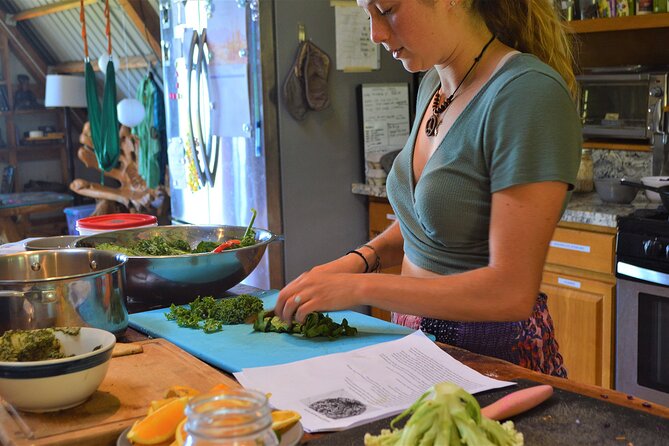
The maximum group size is eight. That is a useful limit for a farm and kitchen activity because the work happens in real spaces, not in a large demonstration room.
With four to six people, you should have an easier time hearing the guide, asking about the crops, and getting a turn with the ingredients. A smaller group also makes lunch feel more personal. You can chat with the people around you without the class becoming a crowd.
The group size does not guarantee that every person will receive the same amount of cooking instruction. The guide, group makeup, and day’s menu still matter. Still, the small format is a clear advantage over a large food tour where you only watch.
The experience is suited to couples, solo visitors, friends, and families. Children and adults who enjoy getting their hands dirty will likely find the farm portion more rewarding than anyone expecting a polished indoor class.
Waterfall, bamboo gardens, and views near Hilo
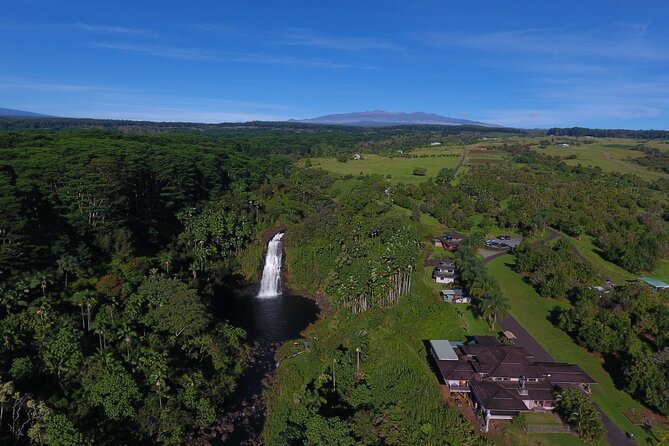
Kulaniapia Falls gives the outing much of its character. The waterfall is on the property, and you can see it before or after lunch. A short walk toward the river may also be part of the morning, adding a quiet nature break after the kitchen work.
The bamboo gardens make the walk feel distinctly tropical, while the views from the barn look out toward the ocean, Hilo Bay, and Mauna Kea. These views are not just decoration. They turn lunch into a place-based experience, linking the food to the island around you.
I would leave room in your morning to enjoy the setting instead of rushing off as soon as the meal ends. The activity returns to the meeting point, and the property gives you a reason to pause. The waterfall and gardens are a major part of the value, especially if you want more than a cooking lesson.
The outdoor parts do require sensible clothing. Uneven ground and weedy areas are part of the farm, so practical shoes matter more than looking dressed up. Bring the attitude of someone visiting a working garden, not a hotel dining room.
How the $169 price measures up
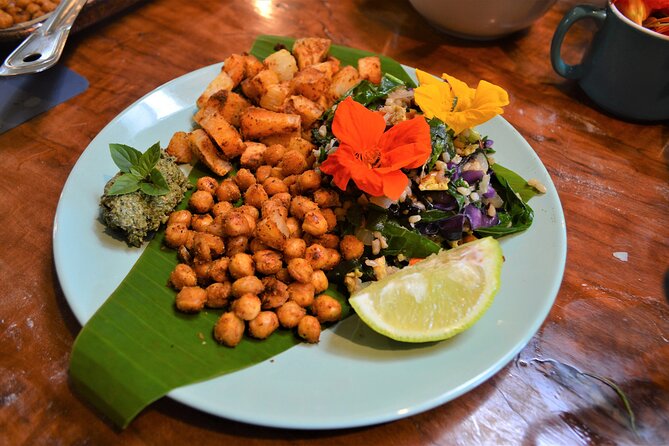
At $169 per person, this is not a cheap lunch. You are paying for roughly four hours, a guided farm visit, the produce you harvest, the cooking activity, the meal, the equipment, and the setting at Kulaniapia Falls.
The value improves if you want several experiences in one morning. You get a farm walk, a plant-based cooking session, lunch, garden scenery, and access to views and nearby natural features. If you would only like a quick meal or a short garden tour, the price may feel high.
The small group also matters when judging the cost. A maximum of eight allows more contact with the guide and more room to participate. You are not paying for a large food demonstration where the main activity happens several feet away.
Gratuity is not included. About $20 per person is typical for this activity, so include that in your budget if the guide and farm team give you a good morning. The total cost is easier to justify if you value the people leading the walk and helping with the meal, not just the food itself.
Because the activity is often reserved well ahead, with an average booking lead time of about 46 days, I would not leave it until the last minute if your schedule is fixed. Prebooking also helps you secure the day you want.
Who will enjoy this most
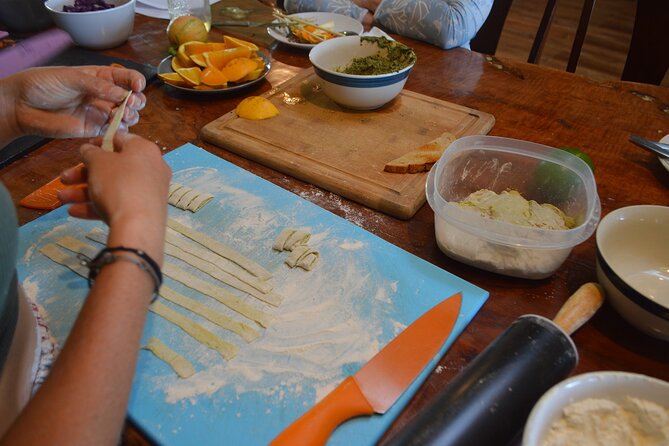
I would recommend the class to anyone curious about local food, tropical farming, or plant-based meals. It is especially appealing if you like activities where you do something rather than sit and listen.
It also suits people who want a slower morning in Hilo. The pace is relaxed, and the farm, waterfall, and barn kitchen create a pleasant break from driving between viewpoints. Couples and friends can treat it as a shared activity, while solo visitors have an easy setting for meeting a small group.
Families can enjoy the garden walk and the chance to help create lunch. The uneven ground is the main practical point to consider, especially for anyone who dislikes outdoor paths or needs a very smooth walking surface.
I would hesitate to recommend it to someone seeking advanced cooking technique. The class can be educational, but the instruction is informal and may depend on the person leading that day. Some guides may involve you deeply in the cooking, while other sessions may put more emphasis on harvesting and preparing ingredients.
The activity is also a good fit for people who care about how food is grown. You see the farm’s work up close and learn why seasonal cooking requires flexibility. That lesson is more useful than a polished menu if you want to carry the ideas home.
Booking, cancellation, and practical planning
The tour is offered in English and uses a mobile ticket. Confirmation is provided when you book. The activity requires a minimum number of participants, so a cancellation by the operator can lead to another date or a full refund.
You can cancel up to 24 hours before the start time for a full refund. Changes or cancellations made inside that 24-hour window are not accepted and are not refunded. The cut-off follows local Hawaii time, so check the clock carefully if you are arranging plans from another time zone.
Plan your day around the 9:30 a.m. start and allow about four hours. Since you finish where you began, it is simple to pair the class with later plans in Hilo, though I would avoid scheduling something immediately afterward. A farm walk, cooking, lunch, and time near the waterfall deserve a little breathing room.
Dress for outdoor work and bring a comfortable attitude. Closed-toe, flat tennis shoes are the most useful choice. The farm can be uneven, and you may walk through weedy sections before heading into the kitchen.
Should you book the Kulaniapia Falls cooking class?
I would book this if you want a small-group, hands-on farm morning with a meal at the end. The produce you harvest, the waterfall setting, the views from the barn, and the chance to feed goats or pick bananas give it a strong sense of place.
I would skip it if your priority is a formal chef-led class with a guaranteed recipe, exact menu, and lots of individual cooking time. The class is friendly and flexible, but the guide and the day’s harvest shape the experience.
For the right person, the $169 price buys much more than lunch. It buys a few hours of contact with a working farm, a seasonal meal, and a memorable view of Hilo’s tropical side. Reserve ahead, wear sturdy shoes, and arrive ready to chop, taste, walk, and let the morning unfold.
FAQ
Where does the cooking class start?
It starts at 100 Kulaniapia Drive, Hilo, Hawaii 96720, USA.
What time does the experience begin?
The activity starts at 9:30 a.m.
How long does the experience last?
It lasts approximately four hours.
Is lunch included?
Yes. You will prepare and eat a plant-based lunch made with farm-fresh produce that you help harvest.
What kind of food will be prepared?
The menu uses seasonal produce grown on the farm, with more than 90 percent of the meal coming from the farm. The exact menu can change.
How many people can join the activity?
The maximum group size is eight people.
Can I cancel for a refund?
Yes. You can cancel at least 24 hours before the start time for a full refund. Cancellations or changes made less than 24 hours before the start time are not accepted or refunded.
More hands-on workshops in the USA
- 2 Hour Historic Market Food Tour and Hands-On Biscuit Class
★ 5.0 · 251 reviews - Sushi Making Tokyo Roll and Authentic Japanese Sushi Class
★ 5.0 · 3,971 reviews - Tokyo: Roll and Authentic Sushi Making Class in Asakusa
★ 4.9 · 1,957 reviews - Ramen Cooking Class at Ramen Factory in Kyoto
★ 5.0 · 1,937 reviews
More farm visits in the USA
- Kauai Chocolate Farm Tasting Tour
★ 5.0 · 666 reviews - Sorrento Farm and Food Experience including Olive Oil, Limoncello, Wine tasting
★ 5.0 · 2,524 reviews - Sorrento: Farm Tour with Cheese Tasting & Pizza Making Class
★ 5.0 · 503 reviews - Thai Cooking Class | Since 2012 | Farm to Table
★ 5.0 · 496 reviews
New food tours we have reviewed in the USA
- ChattaBrunch Food Tour★ 5.0 · 87 reviews
- Downtown Chattanooga Food Tour★ 5.0 · 290 reviews
- Historic Southside Food Tour in Chattanooga★ 5.0 · 32 reviews
- Tastes Through Time – Charleston’s Best Food & History Tour★ 4.5 · 95 reviews
- Charleston’s Savor the Flavors of Upper King Street Walking Food Tour★ 4.5 · 130 reviews
- Charleston Private Brunch Tour: Biscuits, Shrimps, Grits and More★ 5.0 · 48 reviews
- Charleston Farm-to-Table Food Tour and Chef’s Challenge★ 5.0 · 110 reviews
- Private Charleston Walking Food Tour at the French Quarter★ 5.0 · 201 reviews
Cooking Classes, compared.
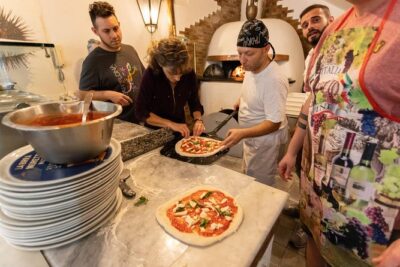
Authentic Pizza Making Class in Naples with Appetizers and Drink
Read our review →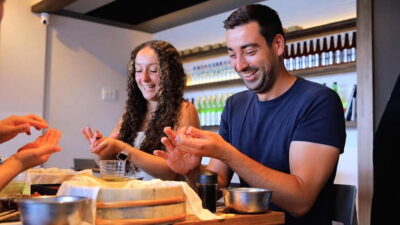
Tokyo: Roll and Authentic Sushi Making Class in Asakusa
Read our review →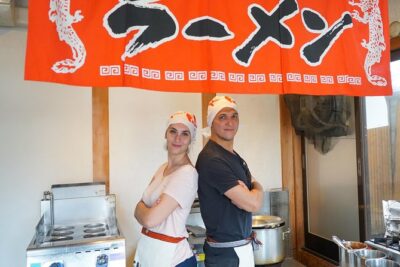
Ramen Cooking Class at Ramen Factory in Kyoto
Read our review →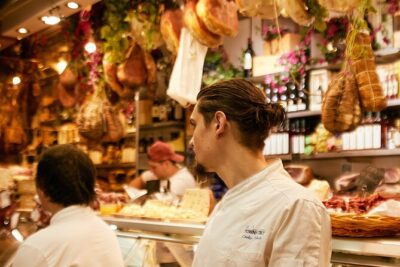
Small Group Cooking Class & Market Food Tour in Florence
Read our review →
Tokyo: Sushi Making Class in a Happi Coat near a Famous Spot
Read our review →
Tokyo Sushi Making Class in Tsukiji with Professional Chef
Read our review →
Food Market Visit and Cooking Class with Wine
Read our review →
Naples: Neapolitan Pizza and Tiramisù Making Class
Read our review →Browse the lists this tour appears in