
Review · COOKING CLASSES
Sushi Making Class at a Local Distillery in Boston
The best part of this Boston-area experience is the setting: you learn sushi in a working distillery, with a drink from the bar nearby and Chef Harold guiding each step. You’ll make miso soup, uramaki rolls, and temaki hand rolls, then sit down with the class to eat what you prepared. The hands-on format and Chef Harold’s lively teaching style make this more than a standard cooking demonstration.
I like that the class works for complete beginners while still offering useful tips for home cooks. I also like the social setup, which suits a date night, a small celebration, or anyone who enjoys meeting fellow food lovers. The main consideration is the location in Everett rather than central Boston, and drinks cost extra, so plan for that before booking.
Key points to know before booking
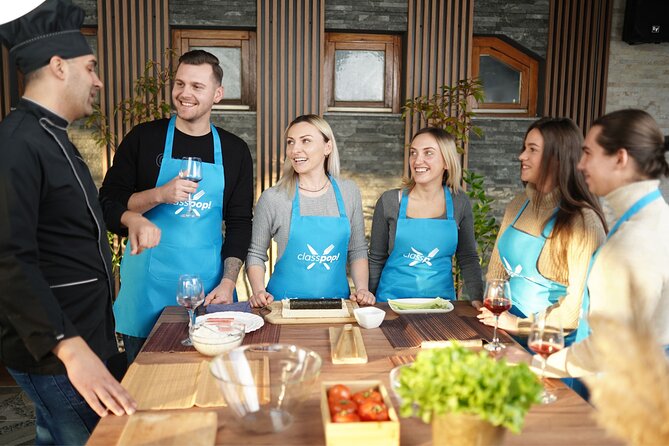
- Chef Harold leads the class: He brings more than 20 years of sushi-making experience and gives plenty of personal instruction.
- You make a full meal: The menu includes miso soup, shrimp tempura hand rolls, sweet potato hand rolls, and a spicy tuna roll.
- The class is held at Short Path Distillery: The address is 71 Kelvin Street in Everett, with craft drinks available for purchase.
- No prior cooking skills are needed: The instruction covers sushi rice, inside-out rolls, and hand rolls from the basics.
- The group can reach 25 people: This is social and friendly, but it is not a private lesson.
- Dietary needs can be discussed ahead of time: Tell the provider in advance so the menu can be adjusted when possible.
Why this sushi class feels different from a restaurant meal
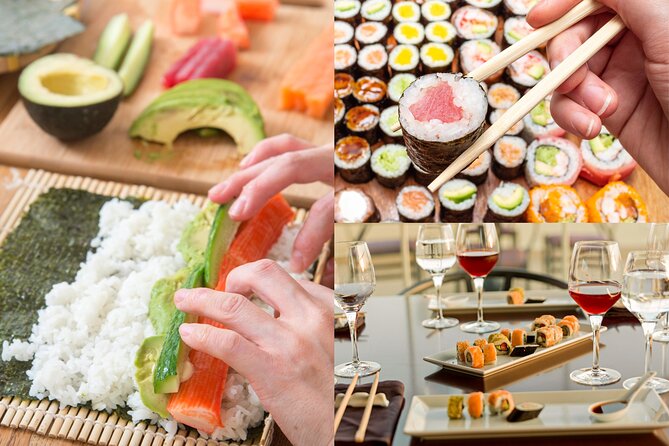
A sushi restaurant gives you a finished plate. This class lets you see how that plate comes together, from the seasoned rice to the final roll. That small shift changes the evening. You are not simply eating sushi. You are learning a skill, working with your hands, and sharing the result at the table.
The setting helps. Short Path Distillery gives the class a casual bar atmosphere rather than a formal cooking-school feel. You can purchase craft cocktails or other drinks while you work, with prices listed from $3 to $20. Drinks are not part of the $75 ticket, so the total cost depends on what you order.
I see this as a good choice for people who enjoy food with a social side. You will be seated and working near other classmates, and the meal at the end gives everyone an easy reason to talk. It has the feel of an evening activity rather than a technical culinary course.
The class lasts about two hours and begins at 7:00 p.m. That timing makes it a useful date-night option or a relaxed evening plan after a day in Boston. Since the meeting point is in Everett, check your route before you leave. The activity begins and ends at Short Path Distillery, at 71 Kelvin Street.
More Sushi and Ramen Tours in Boston:
- Sushi Making Tokyo Roll and Authentic Japanese Sushi Class
★ 5.0 · 3,971 reviews - Tokyo: Roll and Authentic Sushi Making Class in Asakusa
★ 4.9 · 1,957 reviews - Ramen Cooking Class at Ramen Factory in Kyoto
★ 5.0 · 1,937 reviews
Meeting Chef Harold at Short Path Distillery
Chef Harold is the center of the experience. With more than two decades of sushi-making experience, he brings a playful, upbeat approach to the lesson. He is also described as personable and attentive, taking time to speak with the group before the cooking starts.
That personal contact matters in a class like this. Sushi can look simple on a plate, but small details affect the result. Rice texture, rolling pressure, filling size, and knife work all take practice. A teacher who watches what you are doing can correct problems before they become a disappointing meal.
You should expect instruction rather than a long lecture. Chef Harold explains the process, demonstrates the essential techniques, and gives you a chance to try them yourself. The class is built for beginners, but experienced home cooks can still pick up useful methods and kitchen tips.
One especially practical touch is the recipe information shared for home use. That means the class does not end when you leave the distillery. You can try the rolls again, adjust the fillings, and improve with practice. Just remember that sushi rice and hand rolling are skills learned through repetition, not a one-night trick.
Starting with miso soup, dashi, and wakame
The first dish is miso soup made with miso paste, dashi, and wakame seaweed. This is a sensible opening because it gives you a warm, simple dish while the group gets organized for the sushi work.
Miso soup is also a useful introduction to Japanese ingredients. Miso brings salt and depth, dashi provides a savory base, and wakame adds a light sea flavor and soft texture. You are not just filling time before the main class. You are learning how a few carefully chosen ingredients can create a complete dish.
The soup course should appeal to cooks who want to understand flavor as much as technique. It also gives you something to enjoy while Chef Harold moves into sushi rice and rolling methods. If you have dietary restrictions, share them before the class. The provider says the activity can accommodate a range of dietary needs when informed in advance.
Learning sushi rice, the foundation of every roll
Sushi rice is the quiet test of the class. Fillings attract attention, but the rice controls the texture and balance of the finished roll. Too loose and the roll falls apart. Too firm or too heavily packed and the filling gets lost.
Chef Harold teaches the fundamentals before you make the rolls. That is important for beginners, since the rice can be more difficult to handle than expected. You will learn how to work with it as part of the roll rather than treating it like ordinary steamed rice.
This is one of the strongest reasons to take the class instead of simply watching a short online video. You can handle the rice, see how much to use, and receive help if your first attempt is uneven. The process is forgiving, and the goal is a good meal, not a perfect competition piece.
More Cooking Classes in Boston:
- Authentic Pizza Making Class in Naples with Appetizers and Drink
★ 5.0 · 3,178 reviews - Small Group Cooking Class & Market Food Tour in Florence
★ 5.0 · 1,574 reviews - Tokyo: Sushi Making Class in a Happi Coat near a Famous Spot
★ 4.9 · 1,377 reviews - Tokyo Sushi Making Class in Tsukiji with Professional Chef
★ 5.0 · 1,177 reviews
Making uramaki and temaki by hand
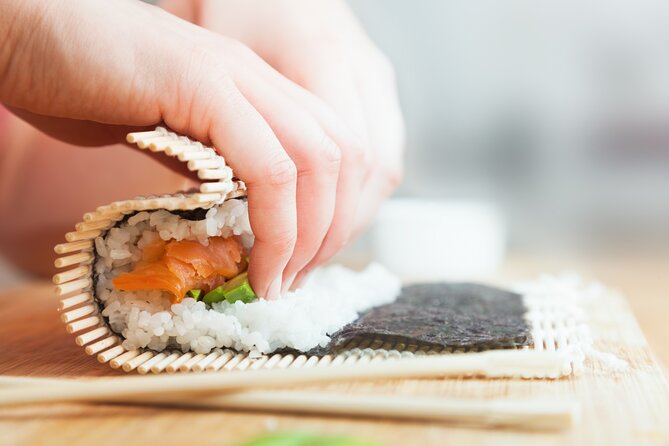
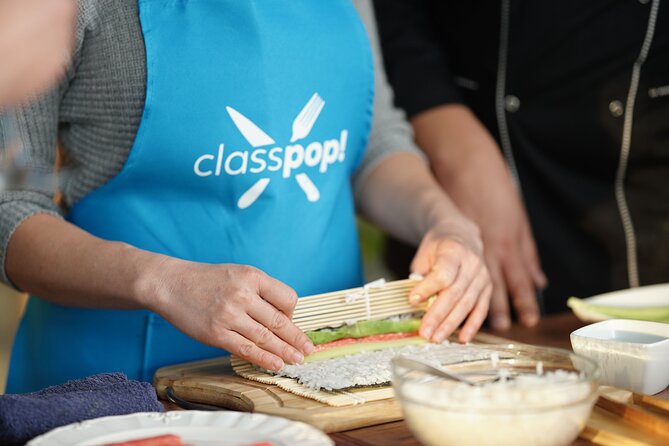
The class covers two essential sushi styles: uramaki and temaki. Uramaki is the inside-out roll, with the rice on the outside. Temaki is the hand roll, shaped into a cone with nori, rice, and fillings inside.
The hand rolls are likely to be the most approachable part for first-time sushi makers. You can see the ingredients clearly, control the filling, and shape the nori without needing the same neatness as a tightly sliced roll. Shrimp tempura and sweet potato are used for the hand rolls, giving you both a savory option and a vegetarian-friendly choice.
The spicy tuna roll brings a different lesson. Tuna, sushi rice, and nori require a more compact roll, and the spicy filling adds a sharper flavor than the sweet potato. Having several styles and fillings keeps the class from feeling repetitive.
Do not expect every roll to look restaurant-perfect on the first try. That is part of the appeal. The practical win is learning why a roll holds together and how to make one that tastes good. The class also gives you room to make extra sushi, and leftovers may be taken home.
What you actually eat during the two hours
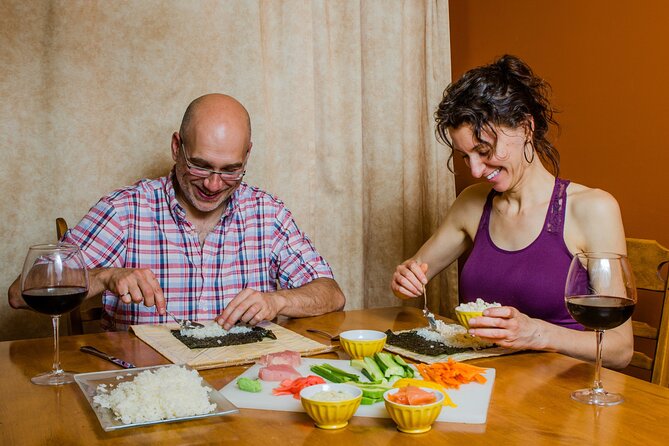
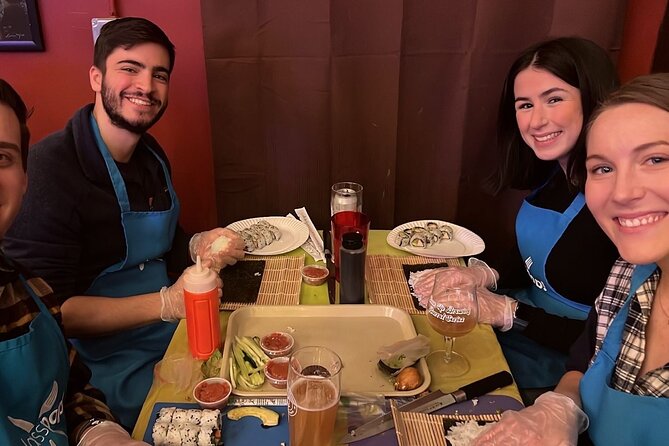
The menu is substantial for a cooking class. You prepare:
- Miso soup with miso paste, dashi, and wakame seaweed
- Shrimp tempura hand rolls with shrimp, nori, and sushi rice
- Sweet potato hand rolls with sweet potato, nori, and sushi rice
- Spicy tuna rolls with tuna, sushi rice, and nori
This is not a small tasting menu. You receive a full meal that you prepare yourself, and the portion has been described as generous enough to leave extra sushi in some cases. That makes the $75 price easier to justify, especially when you value the instruction and the social evening as well as the food.
The ingredients are supplied, as are the cooking tools. You do not need to bring a knife, cutting board, rice paddle, rolling mat, or groceries. That removes much of the work involved in planning a home sushi night.
The menu also has enough range for a mixed group. Seafood fans have shrimp and tuna, while sweet potato offers a non-seafood choice. Still, you should not assume every dietary request can be handled automatically. Contact the provider in advance with specific needs.
The distillery setting and extra drink cost
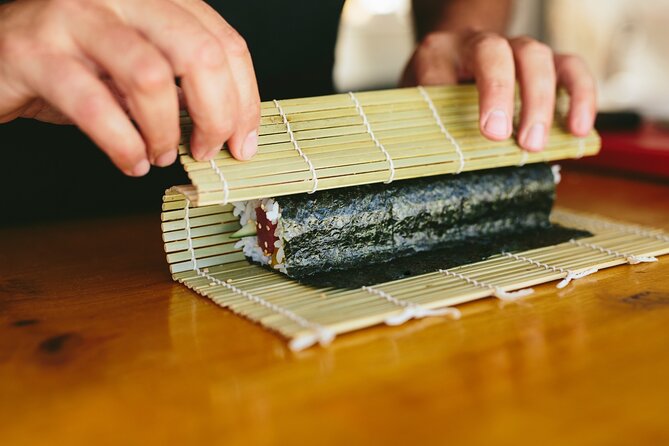
Short Path Distillery gives the activity its local flavor. You are not in a formal restaurant or a classroom with rows of desks. You are in a casual drinks venue where sushi preparation and craft spirits share the same evening.
That setting can make the class feel relaxed, though it may not suit someone seeking a quiet, highly structured culinary lesson. The social energy is part of the experience. You are encouraged to chat, meet classmates, and enjoy the bar atmosphere while cooking.
Drinks are purchased separately, with prices ranging from $3 to $20. That is a wide range, so you can keep the added cost modest or turn the evening into a larger night out. I would set a spending limit before you arrive if you are watching your budget.
The $75 ticket includes the class, ingredients, tools, instruction, and the meal you make. It does not include drinks or transportation. Compared with paying for several sushi dishes at a restaurant, the value is reasonable if you want to learn along the way. If you only want dinner, a restaurant may be simpler.
Group size, pace, and the social side
The class can include up to 25 people. That is large enough to create a lively room, but it also means this is not an intimate private lesson. Chef Harold’s attentive teaching style helps, yet you should expect to share his time with the group.
The format works best if you enjoy a little interaction. You will prepare food beside classmates, compare your rolls, and eat together after the cooking. The meal provides a natural break from instruction and gives the evening a clear finish.
For a date, the class offers more to talk about than a meal across a table. You have a shared task, a few chances to laugh at imperfect rolls, and something to eat at the end. It also suits families and groups of friends, although the evening start and bar setting may be less appealing to very young children.
The class is offered in English. Mobile tickets make arrival straightforward, and the venue is near public transportation. The address is in Everett, so do not confuse this with a downtown Boston meeting point.
Who should book this Boston sushi class
I would recommend this experience to:
- First-time sushi makers who want direct help
- Home cooks who want better rice and rolling techniques
- Couples looking for an active date night
- Friends planning a food-focused evening
- Sushi fans who enjoy craft drinks and group activities
- Families with older children or adult relatives who can take part in the class
It is less suited to someone who dislikes seafood, does not want a group activity, or expects a polished restaurant meal prepared by someone else. The class is about making the food, including the imperfect attempts.
It can also work well for a visitor who has already seen Boston’s main sights. Since the activity begins at 7:00 p.m., you can use it as an evening plan rather than giving up most of a sightseeing day. Just allow enough time to reach Everett and avoid arriving rushed.
Booking timing and cancellation details
This experience is often booked about 25 days ahead, so I would reserve early if you need a particular evening. Confirmation is sent within 48 hours, subject to availability.
Free cancellation is available up to 24 hours before the 7:00 p.m. start time. Changes or cancellations made inside that 24-hour window are not accepted for a refund. The activity can also be changed or refunded if poor weather affects the event or if the minimum group size is not reached.
Service animals are allowed, and the venue is near public transportation. If you have food allergies or other dietary needs, contact the provider before the class rather than waiting until arrival.
Should you book it?
Book this class if you want a relaxed evening that combines cooking, conversation, and a meal you make yourself. Chef Harold’s personal style, the useful home-cooking tips, and the chance to practice both hand rolls and inside-out rolls give the $75 price real value.
Skip it if you want a private lesson, a quiet dinner, or a downtown Boston activity. For everyone else, the combination of a full menu, a casual distillery setting, and clear beginner-friendly instruction makes this a practical pick for a Boston-area food experience.
FAQ
Where does the sushi-making class take place?
The class takes place at Short Path Distillery, 71 Kelvin Street, Everett, Massachusetts 02149.
What time does the class begin?
The class begins at 7:00 p.m.
How long does the sushi class last?
The experience lasts approximately two hours.
How much does the class cost?
The listed price is $75 per person.
Are drinks included in the ticket?
No. Drinks are available for purchase at the venue bar and cost between $3 and $20.
What food will I make?
You will make miso soup, shrimp tempura hand rolls, sweet potato hand rolls, and a spicy tuna roll.
Do I need previous cooking experience?
No. The class is designed for beginners as well as experienced cooks.
What sushi styles will I learn?
The class teaches uramaki, which is an inside-out roll, and temaki, which is a hand roll.
Can the class accommodate dietary needs?
The class is designed to accommodate a variety of dietary needs when you provide the information in advance.
How many people can attend?
The class has a maximum of 25 travelers.
Can I cancel for a full refund?
Yes. You can cancel at least 24 hours before the start time for a full refund. Cancellations made less than 24 hours before the class are not refundable.
More hands-on workshops in Boston
- Sushi Making Osaka Roll and Authentic Japanese Sushi Class
★ 5.0 · 1,220 reviews - Athens: Food Market Visit and Cooking Class with Wine
★ 4.9 · 1,087 reviews - Rome: Pizza & Tiramisu Class with Free Flowing Fine Wine
★ 5.0 · 973 reviews - Naples: Neapolitan Pizza and Tiramisù Making Class
★ 4.8 · 839 reviews
New food tours we have reviewed in Boston
- Sweet & Savory South End: Explore Boston’s Best Food Neighborhood★ 5.0 · 72 reviews
- North End Boston Food Tour★ 5.0 · 147 reviews
- Boston’s North End Food and History Walking Tour★ 5.0 · 459 reviews
- Boston Private Food Tour of 6+ Tastings, Cannoli, Lobster Roll★ 5.0 · 165 reviews
- Boston: Food and History of The Freedom Trail Private Tour★ 5.0 · 159 reviews
- Boston Freedom Trail History and Food Tour★ 4.5 · 22 reviews
- Boston Seafood Private Tasting Tour★ 5.0 · 102 reviews
- A Taste of the Freedom Trail: Boston’s Iconic Food & History Tour★ 5.0 · 32 reviews
Cooking Classes, compared.
Authentic Pizza Making Class in Naples with Appetizers and Drink
Read our review →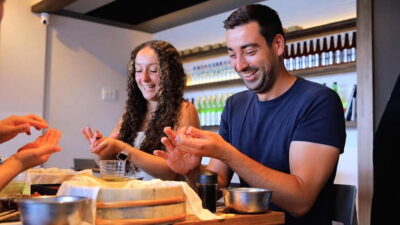
Tokyo: Roll and Authentic Sushi Making Class in Asakusa
Read our review →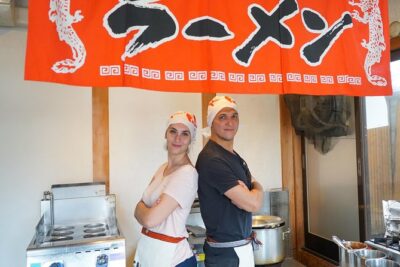
Ramen Cooking Class at Ramen Factory in Kyoto
Read our review →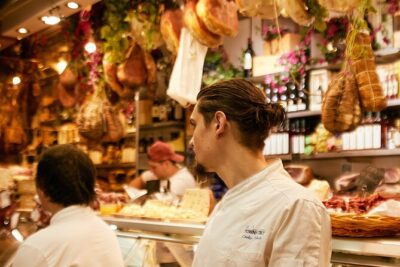
Small Group Cooking Class & Market Food Tour in Florence
Read our review →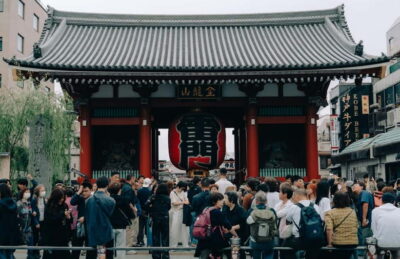
Tokyo: Sushi Making Class in a Happi Coat near a Famous Spot
Read our review →
Tokyo Sushi Making Class in Tsukiji with Professional Chef
Read our review →
Food Market Visit and Cooking Class with Wine
Read our review →
Naples: Neapolitan Pizza and Tiramisù Making Class
Read our review →Browse the lists this tour appears in