
Review · BEER AND BREWERY FOOD TOURS
Kobe: Guided Sake Breweries Tour with Tastings
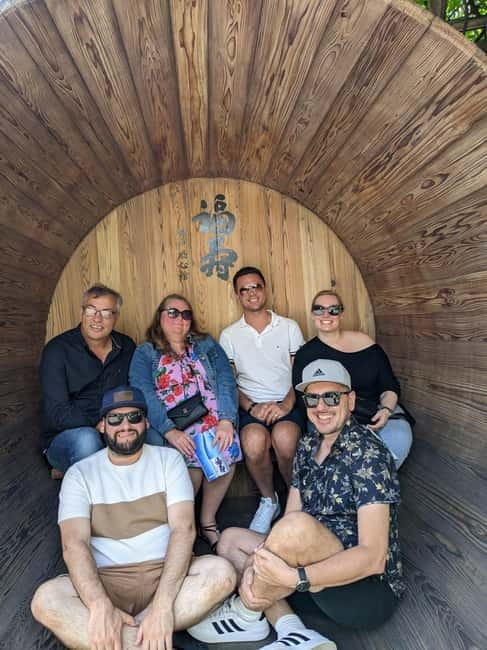
Kobe’s Nada district turns sake tasting into a neighborhood walk. In about three and a half hours, you visit three or four breweries, compare different styles, and see how pure water, rice, yeast, and patient craft become Japan’s best-known drink. The tour moves from Ishiyagawa Station to Uozaki Station, with plenty of tasting along the way.
I like the small-group format, limited to 10 people, and the mix of major breweries and smaller local stops. I also like the fresh tofu tasting, a simple but memorable pause that connects local food with the same clean water used for sake. Guides such as Hiro, Romi, Aya, Fuma, and Hiroman bring warmth, humor, and clear English explanations.
The main consideration is the alcohol and the walking. You cover roughly 4 kilometers, and by the final tasting you may be feeling the sake. Eat before you arrive, wear good shoes, and leave room in your bag for bottles or other brewery purchases.
Key points to know before booking
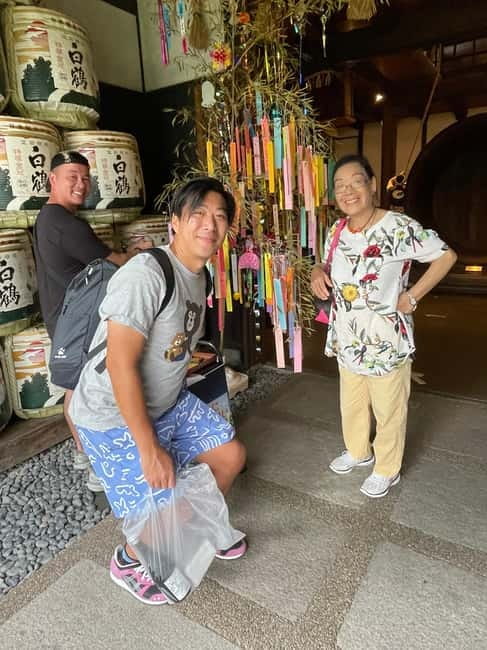
- Nada gives you several sides of sake: Visit about three or four breweries, from long-established producers to Japan’s largest sake brewery.
- The route is a 4-kilometer walk: The tour runs from Ishiyagawa Station to Uozaki Station, with walks of about 10 to 20 minutes between stops.
- You taste more than one style: Each brewery offers different sake, making it easier to compare flavor, technique, and finish.
- The tofu stop adds a local food angle: Okage Tofu-an makes tofu each morning and may offer fresh ganmodoki, or tofu and vegetable fritters.
- Guides make the difference: Hiro, Romi, Aya, and other KampaiSakeTours guides explain sake in clear English and often add humor and local context.
- The price rewards drinkers who want context: At $106 per person, you pay for a guided route, tastings, snacks, and access to several breweries rather than one tasting room.
Why Kobe’s Nada district is the right place for a sake tour
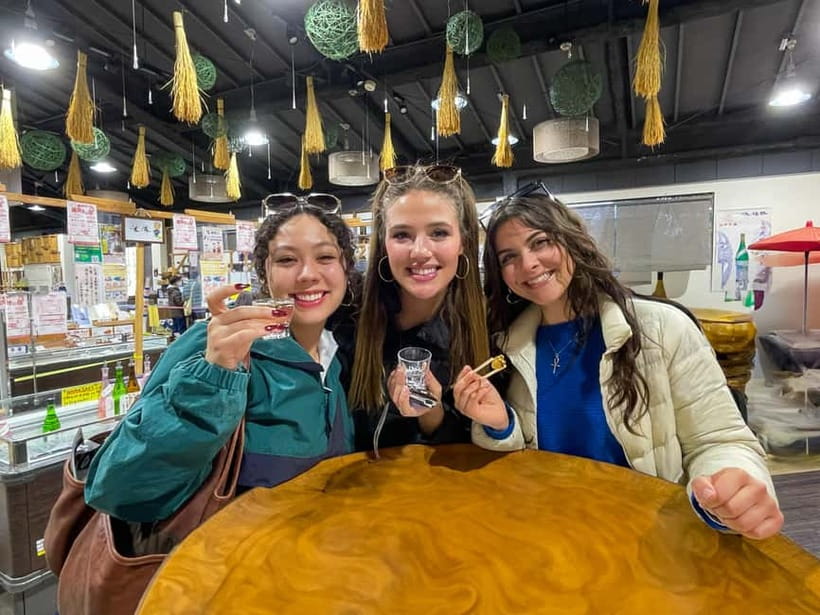
Nada is one of Japan’s leading sake-producing areas, with more than 26 breweries. That concentration matters. Instead of spending your day crossing Kobe in search of isolated tasting rooms, you can walk from one producer to another and see how sake fits into the local streetscape.
The district is also useful for first-time sake drinkers. A single tasting can leave you with one pleasant impression, but several stops let you compare. You can notice differences in sweetness, aroma, texture, and polish without needing advanced knowledge of Japanese brewing.
The tour also gives you a sense of scale. One stop may feel tied to an older, hands-on tradition, while another belongs to a major national producer. That contrast helps explain why sake is not one fixed drink. Production methods, rice, yeast, aging, and serving style all shape the result.
I like that the experience does not treat sake as a quick bar stop. You walk through the Nada area, see preserved brewing equipment, learn why the district matters, and taste products connected to the places you have just visited.
More Beer and Food Tours in Japan:
- Kyoto Sake Brewery & Tasting Walking Tour
★ 5.0 · 623 reviews - Kyoto: Sake Brewery and Tasting Tour in Fushimi
★ 4.8 · 55 reviews - Porto Craft Beer Tour: 7 Beers + 3 Food Pairings in a Small Group
★ 5.0 · 1,725 reviews
Starting at Ishiyagawa Station at 1 p.m.
You meet your guide at Ishiyagawa Station on the Hanshin Line at 1 p.m. Look for a staff member wearing a name tag with the KampaiSakeTours logo. The tour ends at Uozaki Station around 4:30 p.m., so the route is straightforward for anyone using Kobe’s rail network.
The timing works well for a tasting tour. You get an afternoon activity rather than a late-night drinking session, and you can continue to dinner afterward. If you plan to have Kobe beef or another substantial meal after the tour, the finish near Uozaki makes that easy to arrange in your wider Kobe plans, though the tour itself does not include dinner.
Eat something before meeting the guide. This is not a formal meal, and the included snacks and tofu are not a substitute for lunch. Sake on an empty stomach can catch up with you quickly, especially when several breweries are on the schedule.
The group is capped at 10 people. That is small enough for questions and conversation, while still giving the guide a lively group to work with. The exact guide can vary, but names associated with this experience include Hiro, Romi, Aya, Fuma, Hiroman, and Aki. The strongest feedback centers on their friendly manner, humor, and ability to explain sake without making the subject feel stiff or technical.
Kobe Shushinkan and the Fukuju tradition
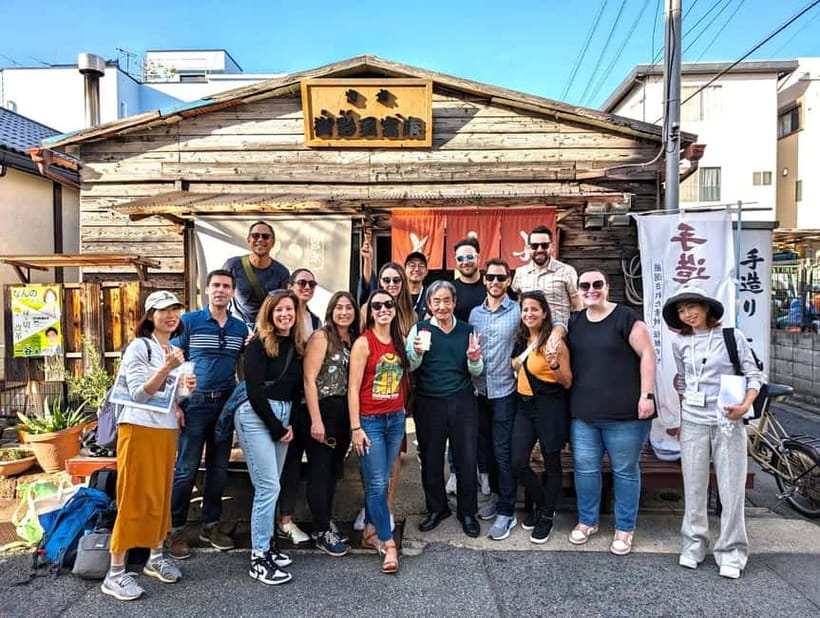
The first major stop is Kobe Shushinkan, home of the Fukuju brand. The brewery dates to 1751 and remains committed to handcrafted production. That long span gives the visit a useful sense of continuity, but the focus is not only on age. You learn how ingredients, brewing skill, time, and careful handling shape the finished sake.
Fukuju presents sake as something meant to bring pleasure into everyday life. That may sound lofty, but it is easy to understand once you taste several versions side by side. One may feel light and clean, another fuller or more aromatic. The point is not to find one correct choice. It is to discover what suits your own palate.
This stop lasts about 40 minutes. Your guide explains the brand and brewing approach, then leads you through tasting. The exact pours can vary, but the tour is designed to sample different types from each brewery rather than offer only one standard drink.
I particularly like beginning here because it sets up the rest of the day. You start with a brewery built around careful craft, then compare that approach with the larger museum and other producers later in the route.
A fresh tofu pause at Okage Tofu-an
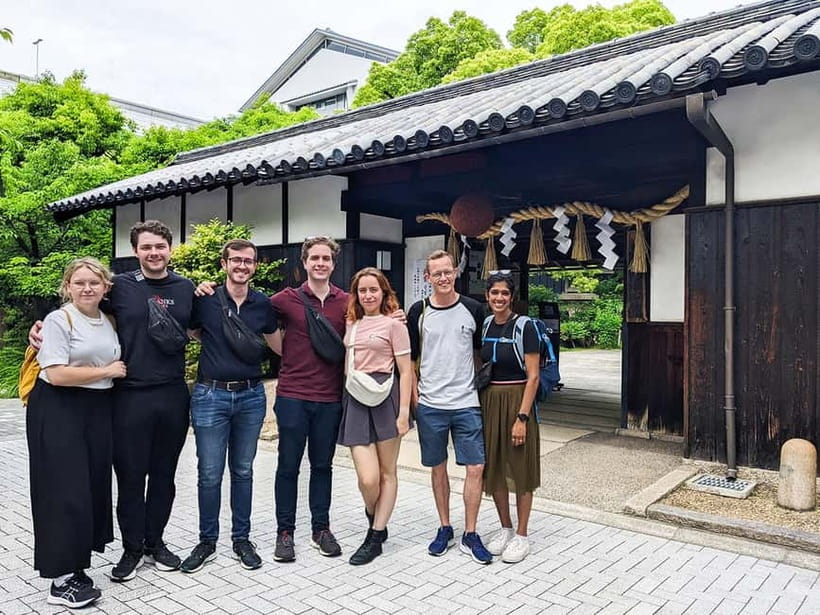
After Kobe Shushinkan, you walk about 10 minutes to Okage Tofu-an. This small shop has made fresh tofu each morning for more than 60 years. Its location among sake breweries is not accidental. Both tofu and sake depend on good water, and the stop gives you a food-based way to think about local ingredients.
The included tasting lasts about 15 minutes. You may sample delicate, freshly made tofu, and if the timing is right, just-made ganmodoki, a tofu and vegetable fritter. It is a modest stop, but it breaks up the alcohol and adds a texture and flavor contrast to the day.
Do not expect a full meal. Think of it as a local snack and a look at a family-style food business that you might pass by without noticing. This is one of the tour’s more personal touches, since it moves beyond famous brewery names.
There is an important schedule limitation. Okage Tofu-an is closed on Sundays and public holidays, so the tour will skip the shop and tofu tasting on those days. The brewery visits still form the main part of the experience, but if the tofu stop matters to you, check the day before booking.
More drinks tours in Japan:
- Best of Shinjuku: Izakaya Food Tour (4 Stops, 14+ Tastings)
★ 5.0 · 1,863 reviews - Kyoto Night Foodie Tour in Gion (9+ dishes + 6 Sake tastings)
★ 5.0 · 1,762 reviews - Tokyo: Sushi and Ramen Cooking Class with Sake Pairing Set
★ 5.0 · 81 reviews - Hiroshima: Bar Hopping Food Tour
★ 4.9 · 48 reviews
Hakutsuru Sake Brewery Museum and the scale of modern production
The walk then continues for about 10 minutes to the Hakutsuru Sake Brewery Museum. Hakutsuru is Japan’s largest brewery, which gives this stop a different feel from the smaller or more craft-focused parts of the tour.
The museum occupies an old sake brewhouse kept in its original form. Here, you see traditional tools and learn how sake was made before modern production changed the work. This is more than a display of bottles. The equipment helps you understand the physical labor behind brewing, including the steps that turn rice and water into a drink with such a clean finish.
You spend about an hour here, making it the longest visit. There is a tasting corner and a shop in the same building, so you can try more sake and browse bottles, gifts, and other souvenirs. This is also the point where you may find it easiest to choose a bottle because you have already tasted several styles and discussed them with your guide.
I see real value in the museum stop. A small brewery can show you personality and care, but Hakutsuru shows how sake production can operate at national scale while still presenting old methods and tools. The contrast gives you a more complete picture of the industry.
The shop can also be practical. Tourists with a passport are exempt from tax on purchases over JPY 5,500 at breweries. Ask the staff or your guide about the current purchase procedure, and carry your passport if you intend to use the exemption.
Kiku-Masamune and the traditional Kimoto method
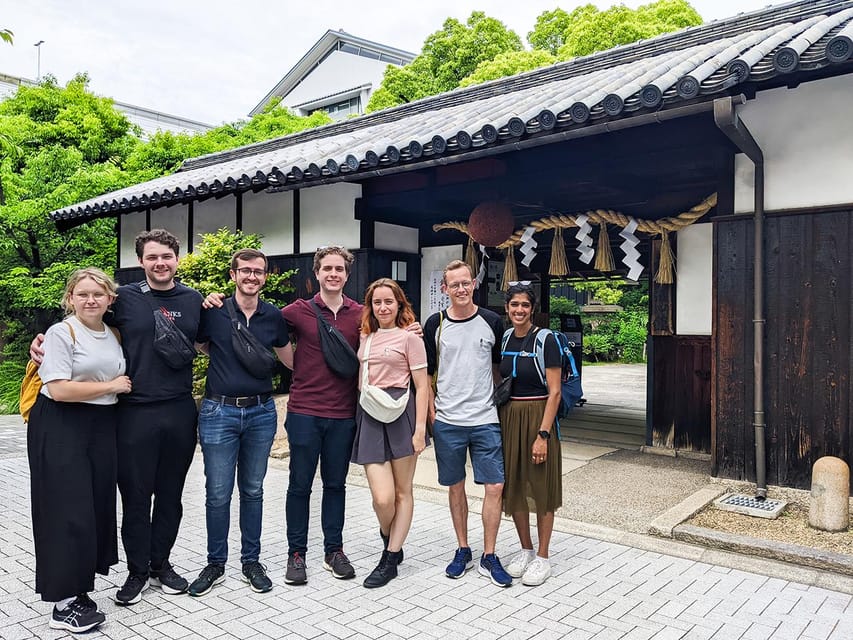
The final brewery visit is Kiku-Masamune, a producer dating to 1625. The brewery is known for maintaining the traditional Kimoto method of yeast-starter preparation. You do not need to memorize the technical details to appreciate the difference. The useful lesson is that sake makers can protect older methods even while the wider industry changes.
The museum displays wooden sake-making tools, which makes this another strong stop for anyone curious about process. You see the equipment used in earlier production and hear how brewing methods developed over time.
The visit lasts about 30 minutes. A tasting takes place near a Japanese garden, giving you a calm setting for the final pours. It is a pleasant way to end the brewery sequence before the walk to Uozaki Station.
The schedule may include three or four locations. Brewery opening days, public holidays, and weather can change the exact route, so do not book this expecting one rigid list of stops. The core promise is a guided Nada walk with several brewery visits and tastings, not a guaranteed appearance at every named location.
What the 4-kilometer walk feels like
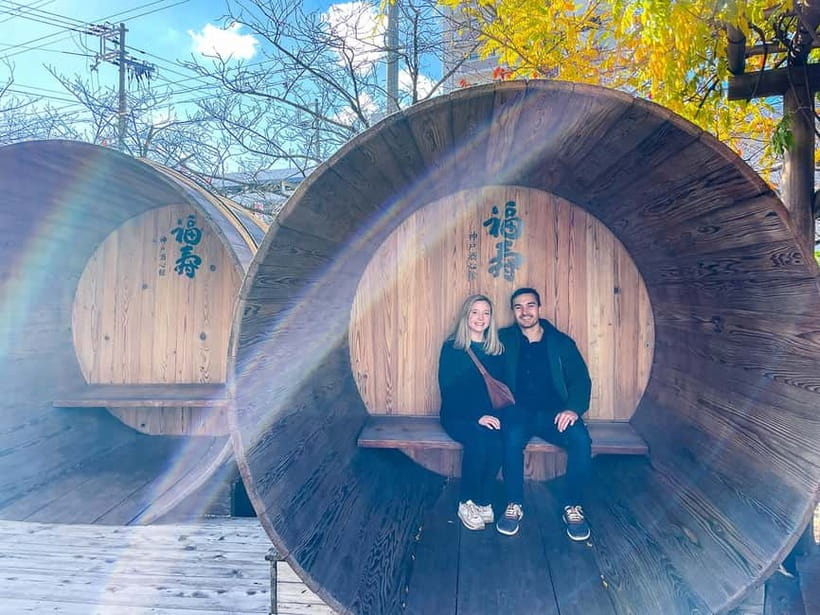
The tour includes walks of about 20 minutes from the starting station to the first brewery, followed by shorter walks of about 10 minutes between later stops. The route is manageable for most people who are comfortable walking for several hours, but it is not a seated tasting session.
Wear comfortable shoes. You will be walking after drinking, which makes unstable footwear an especially poor choice. A backpack is also better than a shoulder bag if you plan to buy sake, since the route includes several opportunities to purchase bottles.
Rain may affect the day. The tour is designed as a walking experience, but a past wet-weather outing was adapted with a car, allowing the group to continue between breweries. That kind of adjustment cannot be guaranteed, so bring weather protection and keep your schedule flexible.
Wheelchair and stroller users should contact the operator when booking. The route includes station access, sidewalks, brewery entrances, and walking between stops, so your needs should be discussed in advance rather than left until the meeting point.
How much sake will you drink?
The tour includes tastings at multiple breweries, plus snacks. The number and size of pours can vary, but the overall design is generous enough that you should expect to feel the alcohol by the end. One participant described finishing the route noticeably tipsy, which is a useful warning rather than a minor detail.
The guide will explain the sake as you taste it. You can ask about differences between bottles, brewing techniques, and regional character. If you need to spit during tasting for professional evaluation, contact the operator ahead of time.
The tour is not suitable for anyone under 20 or for pregnant women. It is also not the right choice if you want to avoid alcohol entirely. For everyone else, drink slowly, use the snacks, and remember that the goal is comparison and learning rather than simply seeing how much you can consume.
Is $106 a fair price?
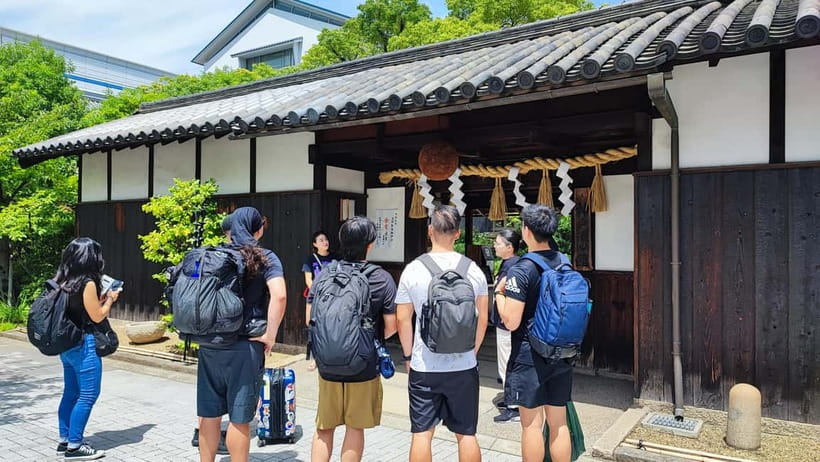
At $106 per person, this is not the cheapest way to taste sake in Kobe. You could buy a bottle or two at a shop for less. That comparison misses what you are paying for, though.
The price covers a 210-minute guided walk, an English-speaking guide, tastings at several breweries, snacks, and access to museums and local businesses that would be harder to connect on your own. You also avoid the guesswork of figuring out which breweries are open, how to reach them, and what each producer makes.
The value is strongest if you are new to sake or want more than a quick sample. A good guide turns each pour into a comparison, and the route places the drink within Kobe’s food and brewing culture. It is less compelling if you already know exactly which producers you want to visit and prefer to explore independently.
The small group helps justify the cost. With no more than 10 people, the guide can answer questions and keep the tasting personal. The strongest guides, including Hiro and Romi, are praised for clear explanations, humor, and genuine enthusiasm. That human element is a large part of what separates this from a self-guided museum visit.
Who should book this Nada sake tour?
I would recommend it to adults who enjoy local food, Japanese culture, and walking tours with a clear theme. It suits first-time sake drinkers particularly well because you taste across several producers instead of trying to understand the drink from one bottle.
It also works for experienced drinkers who want access to traditional methods and brewery-only products. The Kimoto method at Kiku-Masamune, the preserved brewhouse at Hakutsuru, and the Fukuju tradition at Kobe Shushinkan give the day enough variety for someone who already knows the basics.
You may want to skip it if you dislike alcohol, have difficulty walking 4 kilometers, or need a fully fixed schedule. Sunday and public holiday visitors should also know that the tofu stop will not operate.
Cancellation is free up to 24 hours before the tour, and you can reserve now and pay later. Those policies help if your Kobe plans are still shifting, but the most important decision is simpler: can you handle an afternoon of walking and sake?
Should you book it?
Book this tour if you want sake explained in context, not just poured into a glass. The mix of Fukuju, Hakutsuru, Kiku-Masamune, local tofu, historic tools, and several tasting styles gives you a solid afternoon in Nada.
My practical advice is to schedule it after a proper meal or at least eat before meeting at Ishiyagawa Station. Wear reliable shoes, bring a small backpack, and keep your evening open for dinner near the finish. If you do those three things, the tour offers a friendly and useful introduction to one of Kobe’s most distinctive local traditions.
FAQ
Where does the tour start?
The tour starts at Ishiyagawa Station on the Hanshin Line at 1 p.m. Staff wear a name tag displaying the KampaiSakeTours logo.
Where does the tour finish?
The tour finishes at Uozaki Station on the Hanshin Line at about 4:30 p.m.
How long is the tour?
The experience lasts 210 minutes, or three and a half hours.
How far do you walk?
You walk around 4 kilometers in total. Individual walks between stops take about 10 to 20 minutes.
How many breweries will I visit?
The tour visits three to four locations. The exact breweries can change because of closing days or weather.
Is the tofu tasting available every day?
No. Okage Tofu-an is closed on Sundays and public holidays, so the tour will not stop there and tofu tastings will not be available on those days.
Is the tour suitable for children or pregnant women?
No. The activity is not suitable for people under 20 or for pregnant women.
More sake tastings in Japan
- Kyoto: Foodie Night Tour in Gion with 9 dishes + 6 Sake
★ 4.4 · 26 reviews
More brewery visits in Japan
- Margaret River Winery, Brewery Tour with Gourmet Lunch.
★ 5.0 · 401 reviews - Montreal Old Port: Craft Brewery and Beer Tasting Tour
★ 4.8 · 87 reviews - Ghent: Brewery visit + Beer Tasting tour with a Young Local
★ 4.7 · 31 reviews - Bamberg Countryside Breweries Beer Hike Food Experience
★ 5.0 · 27 reviews
New food tours we have reviewed in Japan
- Tokyo : Asakusa Food Tour – 12 Dishes & 3 Drinks★ 5.0 · 44 reviews
- Asakusa Highlights: Street Food Crawl Tour (7+ Local Bites)★ 5.0 · 206 reviews
- Tokyo: West-Side Cycling and Food Tour with Guide★ 5.0 · 37 reviews
- Tokyo: Wagyu and Sushi Gastronomic Journey★ 4.3 · 24 reviews
- Tokyo Tsukiji Food & Culture Private Tour Licensed Guide★ 4.9 · 28 reviews
- Tokyo: Allstar Food Tour★ 4.7 · 29 reviews
- Tokyo: Togoshi Ginza Street Food Tour★ 5.0 · 34 reviews
- Tokyo: Sushi Making Class★ 4.9 · 390 reviews
Beer and Brewery Food Tours, compared.
Porto Craft Beer Tour: 7 Beers + 3 Food Pairings in a Small Group
Read our review →
Munich: Beer and Food Tour with Dinner & Oktoberfest Museum
Read our review →
Cancun Taco Tour, Local Beer and Night Market with Transportation
Read our review →
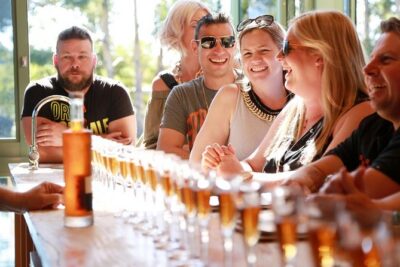
Margaret River Winery, Brewery Tour with Gourmet Lunch.
Read our review →
Brussels: Beer Tasting Tour with 7 Beers and Snacks
Read our review →
Brussels: Walking Food Tour with Chocolate, Beer, & Waffles
Read our review →Browse the lists this tour appears in