Review · COOKING CLASSES
Tokyo: Sushi Making Class
The best part of this Tokyo class is that you do not just roll one maki and call it lunch. Over three hours, you make several kinds of sushi, prepare miso soup and tamagoyaki, and learn why the rice matters as much as the fish. The class is held in a small residential studio, where the tone is closer to a friendly cooking lesson than a tourist production.
I like the small group of up to nine, since beginners can get help without waving for an instructor. I also like the practical recipes and the generous meal at the end. The main drawback is the location: the studio can be tricky to find in a beige residential building, and the class uses pre-sliced fish, so it does not teach raw-fish cutting.
Key points at a glance
- Three hours of hands-on cooking: You make sushi, tamagoyaki, miso soup, and sushi rice rather than watching a short demonstration.
- Four sushi styles: The lesson covers nigiri, inari, hosomaki, and California rolls.
- English-speaking instruction: Past instructors including Mika, Yuki, Miki, and Yuko have taught with clear, step-by-step guidance, but the team may change.
- Small class size: A maximum of nine people allows more personal help, useful if you are new to sushi.
- Dietary substitutions are possible: Tell the provider about allergies, celiac disease, vegetarian needs, gluten-free diets, or religious restrictions when booking.
- A full meal is included: You eat the sushi you make with miso soup, wasabi, and pickled ginger.
What the Cooking Sun class is really like
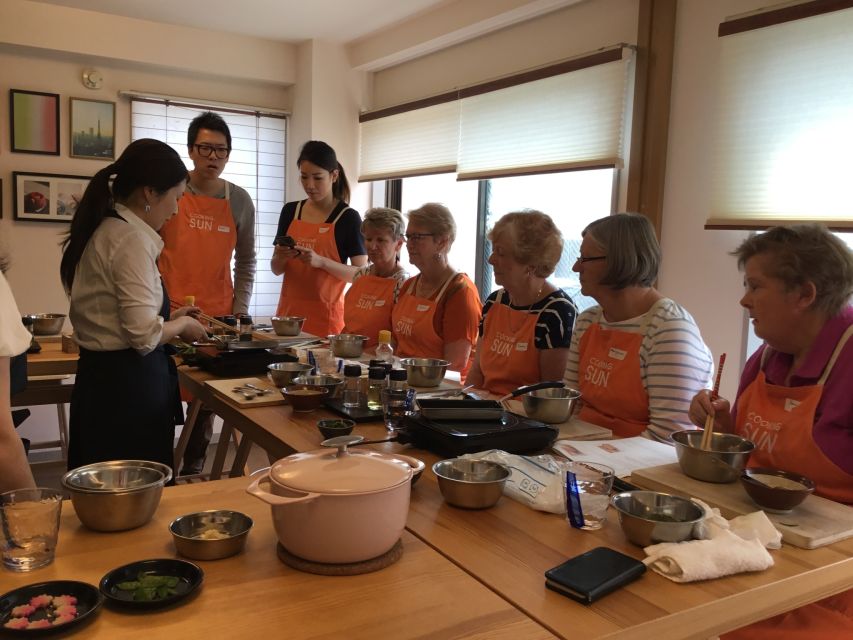
This is a cooking class first and a cultural activity second. You spend the afternoon in a professional kitchen-style studio with local English-speaking instructors, learning through demonstrations and then copying the technique yourself.
The class is designed for complete beginners. You do not need knife skills, sushi experience, or a confident hand. The instructors break each job into small steps, show you what to do, then help while you try it.
That format matters. Sushi looks simple on a plate, but the details are not obvious: rice texture, seasoning, pressure, rolling speed, and the amount of filling all affect the result. You get a useful lesson in those details without being expected to master them at once.
The group limit is nine people. That is large enough to meet others, but small enough for the instructors to check your work. It also makes the class a better choice than a crowded demonstration if you want to ask questions or need help with rolling.
More Cooking Classes in Japan
- Tokyo: Roll and Authentic Sushi Making Class in Asakusa
★ 4.9 · 1,957 reviews - Tokyo: Sushi Making Class in a Happi Coat near a Famous Spot
★ 4.9 · 1,377 reviews - Tokyo Sushi Making Class in Tsukiji with Professional Chef
★ 5.0 · 1,177 reviews
Finding the residential studio in Shinjuku
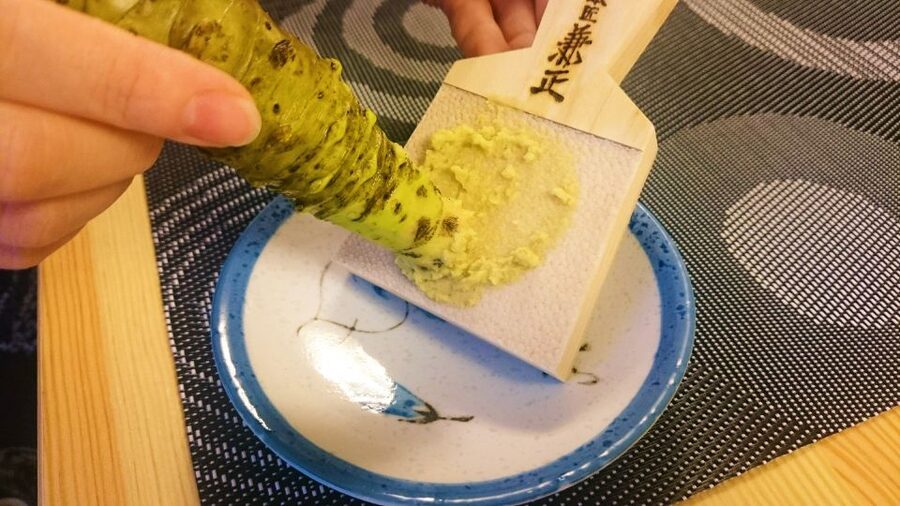
The studio is in Shinanomachi, in Shinjuku-ku, but it is not presented as a large street-facing cooking school. It sits on the second floor of a beige residential building in a quiet neighborhood.
Use Google Maps and search for Cooking Sun Tokyo at Shinanomachi 18-39, Shinjuku-ku, Tokyo. At the entrance, you will see two doors. Use the door on the right, then press 314 on the intercom to call the studio.
This is one part of the experience where a few minutes of preparation will save you stress. Download or check the directions before leaving if you will not have Wi-Fi. Do not rely on spotting a bright sign from the street.
If you arrive by privately arranged vehicle, ask the driver to use a nearby coin-operated parking lot rather than waiting in front of the building. The area is residential, and the studio asks visitors not to block the entrance or inconvenience neighbors.
Starting with Japanese ingredients and dashi
The lesson opens with an introduction to basic Japanese ingredients. You learn about dashi, the soup stock that gives many Japanese dishes their savory base, along with traditional seasonings and miso.
This opening is useful because it gives the food some context before you begin assembling it. You are not just handed bowls of ingredients. You get an explanation of the flavors behind the dishes, including the role of miso soup in a Japanese meal.
The instructors also add cultural, historical, and language notes during the cooking. The amount may vary with the group and the instructor, but the class is built to include more than mechanical instructions.
For you, the main value is practical. Once you understand what the seasonings do, you can make better choices at home instead of copying a recipe without knowing why it works.
Making tamagoyaki with patient guidance
Next comes tamagoyaki, the lightly sweet Japanese rolled omelet. You work through the process with step-by-step help and learn how to create the layered, fluffy texture.
This is a good early task because it introduces control and timing without requiring raw fish or complicated rolling. It also gives you a chance to get comfortable with the equipment before the main sushi work begins.
The instructors use demonstrations before asking you to cook. That rhythm helps if you rarely cook or if English is not your first language. You can watch the hand movements, listen to the explanation, and then repeat the process.
Tamagoyaki is also a worthwhile takeaway skill. It is one of the dishes that can make a homemade Japanese meal feel more complete, and the recipe materials let you try it again after your Japan trip.
More Cooking Classes in Tokyo
- Ramen & Gyoza Cooking Class in Tokyo with Local Supermarket Visit
★ 5.0 · 823 reviews - Tokyo: Tsukiji Fish Market Sushi Making Class with Pro Chef
★ 4.9 · 506 reviews - Tokyo: Sushi and Ramen Cooking Class with Sake Pairing Set
★ 5.0 · 81 reviews - Shibuya Tokyo: Sushi Making Class (Vegan/Vegetarian/Halal)
★ 4.7 · 29 reviews
Why sushi rice gets so much attention
The sushi rice lesson is one of the most important parts of the afternoon. The class shows you how to prepare tasty sushi rice before you add toppings or begin rolling.
This may sound less exciting than shaping nigiri, but good sushi depends heavily on the rice. If it is too wet, too dry, too loose, or poorly seasoned, even fresh toppings will not fix the result.
You learn the process in a clear order, with the instructor explaining what you are doing and why. This is especially useful for home cooks who have made sushi before but never felt sure about the rice.
The class also prepares toppings such as shrimp. The fish used in the lesson is pre-sliced, so you can focus on rice, shaping, and presentation. That keeps the class manageable for beginners, but it is important to know that this is not a fish-cutting course.
Four sushi styles, four different skills
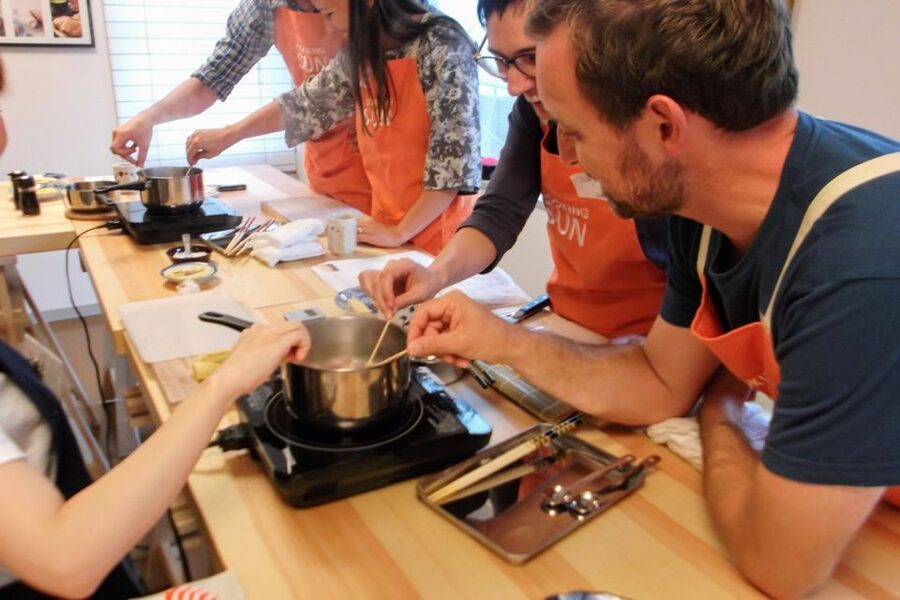
The sushi portion gives you a good range of techniques rather than repeating one roll.
Nigiri teaches you to form and hand-press rice before placing the topping on it. The challenge is using enough pressure to keep the piece together without crushing the rice.
Inari uses a sweet tofu pouch. It is a different shape and texture from the other sushi, and it gives you a break from the rolling mat.
Hosomaki, or thin roll, requires even filling and a controlled roll. You learn how much rice and filling to use, along with how to keep the finished roll neat.
California rolls add another familiar style and give you room to try a more creative combination. Once you understand the basic method, the instructors encourage you to experiment with local ingredients and your own sushi ideas.
This range is one of the strongest parts of the class. You leave with a broader understanding of sushi than you would get from making only one type of maki. You also see how the same basic ingredients can produce very different shapes and eating experiences.
Eating the sushi you made
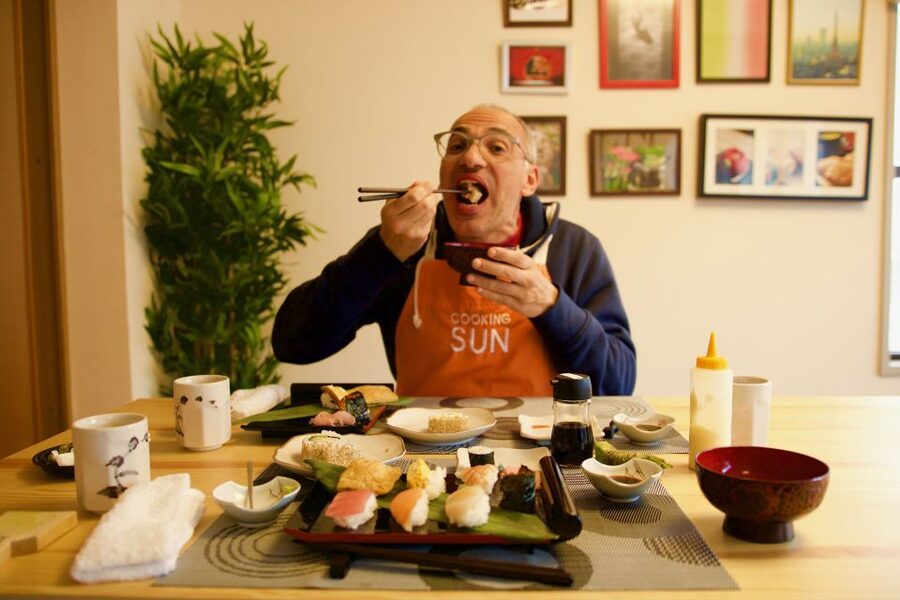
At the end, you sit down and eat the sushi with miso soup. Fresh wasabi and pickled ginger are served on the side.
Plan to arrive hungry. The amount of food can be substantial, and the finished meal is more than a small taste of what you prepared. You get to see the direct payoff of the afternoon, including the pieces that may look slightly uneven but still taste good.
That shared meal is also a pleasant social finish. The setting encourages conversation with the instructors and the other people in the class. Some groups are very small, while others may include families or several couples, with the maximum set at nine.
Tea or sake is not listed as part of the class, so do not book this expecting a drinks pairing. The focus is the food and the instruction.
How good is the English instruction?
The class is taught in English, and the instructors are used to working with people who may know little about Japanese cooking terms.
The teaching style is highly guided. You watch a demonstration, try the technique, and receive help when needed. That is a better setup for beginners than a fast class where the teacher moves on before you have finished.
Past instructors named by participants include Mika, Yuki, Miki, Yuko, Aya, Koyotama, and other members of the Cooking Sun team. The exact instructors depend on the date, but the class format remains focused on clear demonstrations and personal assistance.
If you are an experienced home cook, you should still find useful details in the rice preparation, rolling technique, and explanations of ingredients. At the same time, do not expect an advanced sushi-chef apprenticeship. The class teaches accessible home techniques, not professional fish preparation or restaurant-level knife work.
Dietary needs and family suitability
Cooking Sun says it can substitute ingredients for allergies, gluten-free diets, vegetarian preferences, religious restrictions, and other dietary needs. You must state your requirements when booking.
That advance notice matters. Sushi ingredients can include sauces, seasonings, seafood, and other items that are not always obvious. Clear communication lets the instructors prepare substitutions and explain what has changed.
The class also suits families. Children have taken part with patient help from the instructors, including a seven-year-old sushi fan and a toddler. Still, the activity involves cooking and kitchen tools, so parents should remain involved and judge what their child can manage.
For adults, couples, families, and small friend groups, the class offers a useful break from sightseeing. It works especially well on a rainy afternoon or on a day when you want a slower activity with a meal built in.
Is $67 a fair price?
At $67 per person, the class is not the cheapest way to eat sushi in Tokyo. You can buy a meal for less, and a short lesson may cost less if all you want is a quick introduction.
The value comes from the length and amount of instruction. You receive three hours, all ingredients, utensils, an apron and towel rental, recipes, several dishes, and the meal you make. You are paying for an activity as well as lunch or dinner.
The small group also improves the value. A class limited to nine gives you a realistic chance to ask questions and get help with each technique. If the session is nearly full, you still have a much more personal format than a large cooking demonstration.
I would consider the price fair for someone who wants to learn enough to repeat the dishes at home. It is less appealing if you mainly want to eat high-end sushi or learn how to slice whole fish.
Who should book this class?
I would recommend it most strongly to:
- First-time sushi makers who want calm, clear instruction
- Families with children interested in Japanese food
- Couples looking for a shared activity beyond temples and shopping
- Home cooks who want better sushi rice and rolling skills
- People with dietary needs who are willing to explain them in advance
- Anyone who wants a substantial meal during a three-hour cultural activity
It may not suit you if you dislike group activities, want a luxury restaurant experience, or expect instruction in cutting raw fish. The class uses pre-sliced fish and concentrates on preparation, assembly, and Japanese cooking basics.
The residential setting is another consideration. You will not walk into a famous market or grand culinary school. You will make your way to a quiet apartment-style building, which may feel less polished at first but gives the activity a local neighborhood setting.
Booking and timing tips
The class lasts three hours, with starting times depending on availability. Leave enough time to find the building, especially if you are unfamiliar with the Shinanomachi area.
Cancellation is free up to 24 hours before the activity for a full refund. You can also reserve and pay later, which helps if your Tokyo plans are still changing.
Bring your dietary information when you book, not at the last minute. If you need gluten-free, vegetarian, allergy-safe, or religious substitutions, the instructors need notice to plan the ingredients.
Wear something comfortable for a cooking session. Apron and towel rental are included, but hotel pickup and transportation are not.
Should you book the Cooking Sun sushi class?
Book it if you want to learn several practical Japanese dishes, eat a full meal, and spend an afternoon in a small, friendly class. The combination of sushi rice, tamagoyaki, miso soup, four sushi styles, recipes, and English instruction gives you plenty to do for the $67 fee.
I especially like it for families and first-time cooks because the instructors work step by step and keep the group small. It also suits experienced home cooks who want to improve their sushi rice or learn more about Japanese ingredients.
Skip it if your main goal is to cut raw fish, visit a market, or dine at a formal sushi counter. For everyone else, this is a practical, filling, and genuinely hands-on way to bring a little Japanese cooking home with you.
FAQ
How long does the sushi class last?
The class lasts three hours. Starting times vary, so check availability when choosing your date.
What types of sushi will I make?
You will learn to make nigiri, inari, hosomaki, and California rolls. You will also prepare sushi rice and toppings such as shrimp.
Does the class teach how to cut raw fish?
No. The fish used in the class is pre-sliced, and the session does not include instruction on cutting raw fish.
Is the class taught in English?
Yes. The instructor language is English, and the class is designed for English-speaking participants.
Can dietary requirements be accommodated?
Ingredient substitutions are available for allergies, gluten-free diets, religious restrictions, vegetarian preferences, and other needs. Tell Cooking Sun about your requirements when booking.
What is included in the price?
The price includes the cooking lesson, all ingredients and utensils, recipes, and towel and apron rental. Hotel pickup and transportation are not included.
More hands-on workshops in Tokyo
- Shinjuku Tokyo: Authentic Japanese Home-Style Culinary Class
★ 4.9 · 125 reviews - Ramen Making from Scratch +Akihabara Tour –Cooking Class
★ 5.0 · 25 reviews - Authentic Pizza Making Class in Naples with Appetizers and Drink
★ 5.0 · 3,178 reviews - Ramen Cooking Class at Ramen Factory in Kyoto
★ 5.0 · 1,937 reviews
More Sushi and Ramen Tours in Tokyo
- Sushi Making Tokyo Roll and Authentic Japanese Sushi Class
★ 5.0 · 3,971 reviews - Best of Shinjuku: Izakaya Food Tour (4 Stops, 14+ Tastings)
★ 5.0 · 1,863 reviews - Sushi Making Tokyo! Popular Maki Sushi & Japanese Sushi(+Recipe!)
★ 5.0 · 1,314 reviews - Tokyo Night Foodie Tour in Shinjuku – Seasonal Sushi, Wagyu Beef
★ 5.0 · 1,161 reviews
New food tours we have reviewed in Tokyo
- Tokyo: West-Side Cycling and Food Tour with Guide★ 5.0 · 37 reviews
- Tokyo: Wagyu and Sushi Gastronomic Journey★ 4.3 · 24 reviews
- Tokyo Tsukiji Food & Culture Private Tour Licensed Guide★ 4.9 · 28 reviews
- Tokyo: Allstar Food Tour★ 4.7 · 29 reviews
- Tokyo: Togoshi Ginza Street Food Tour★ 5.0 · 34 reviews
- Tokyo: Shibuya Food Tour (13 dishes and 4 Eateries)★ 5.0 · 178 reviews
- Tokyo: Best of Shibuya Food Tour★ 4.7 · 119 reviews
- Tokyo: Sushi and Ramen Cooking Class with Sake Pairing Set★ 5.0 · 81 reviews
Cooking Classes, compared.
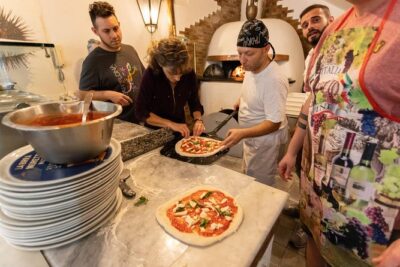
Authentic Pizza Making Class in Naples with Appetizers and Drink
Read our review →
Tokyo: Roll and Authentic Sushi Making Class in Asakusa
Read our review →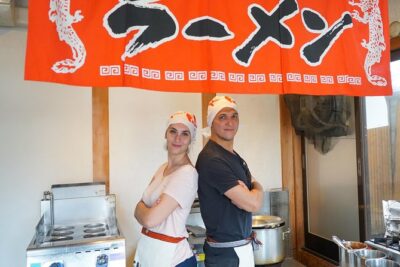
Ramen Cooking Class at Ramen Factory in Kyoto
Read our review →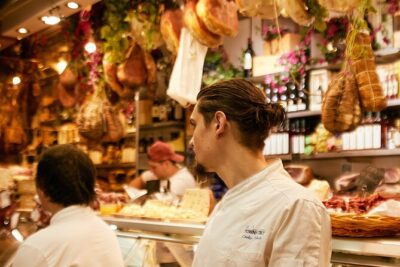
Small Group Cooking Class & Market Food Tour in Florence
Read our review →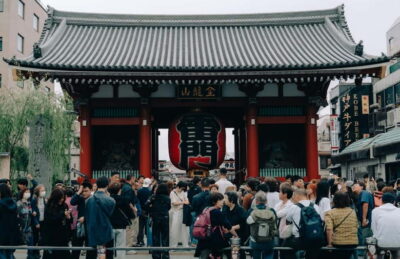
Tokyo: Sushi Making Class in a Happi Coat near a Famous Spot
Read our review →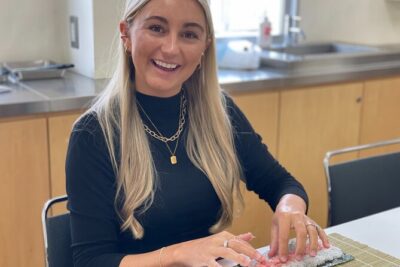
Tokyo Sushi Making Class in Tsukiji with Professional Chef
Read our review →
Food Market Visit and Cooking Class with Wine
Read our review →