
Review · TOKYO FOOD TOURS
Tokyo: Best of Shibuya Food Tour
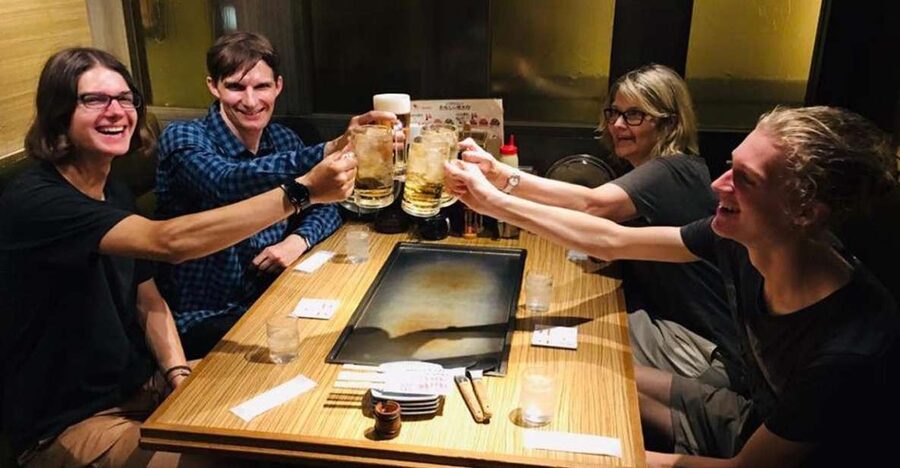
Shibuya’s famous crossing is only the front door. This three-hour food walk takes you into the side streets, small restaurants, izakaya, ramen counters, and department-store food halls that make the district much more than neon and crowds. You can expect five food stops, two drinks, dessert, and plenty of cultural explanation from an English-speaking guide.
I especially like the mix of food and place. You might try sushi at a standing restaurant, regional okonomiyaki, ramen, and a traditional sweet, then hear why each dish matters. I also like the small-group limit of 10, since guides such as Alex, Jane, Maya, and Saika have been praised for making the outing personal and easy to follow.
The main drawback is the price, $170 per person, and the three hours of walking and standing. One earlier group had 12 people and found some stops crowded, so the current limit of 10 is welcome. You should also arrive early: the guide waits only five minutes, and the group cannot be contacted once it leaves.
Key points to know before booking
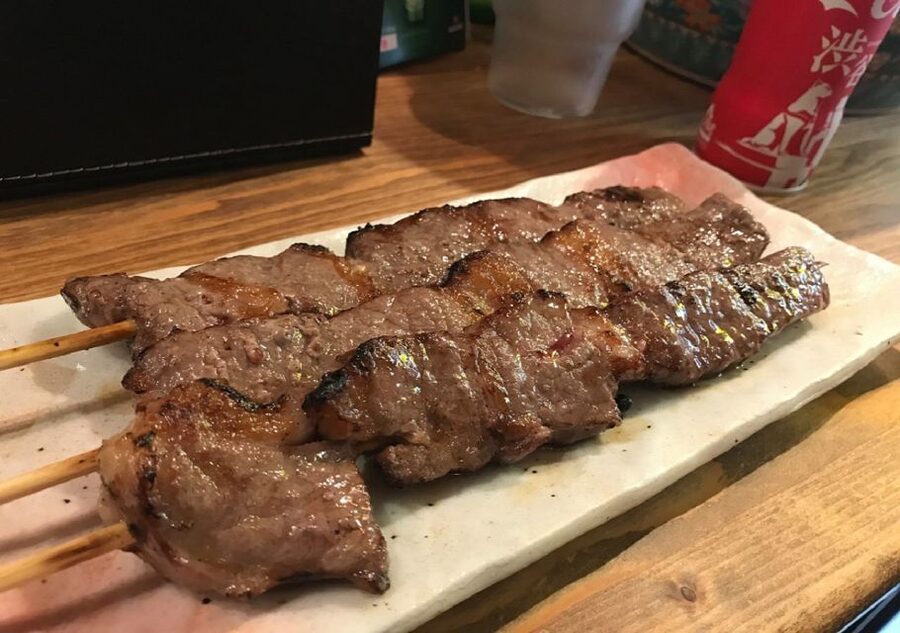
- Five food stops: Expect a broad tasting route, with examples including sushi, izakaya food, okonomiyaki, ramen, and Japanese dessert. The exact restaurants and dishes can vary.
- Shibuya beyond the crossing: The route uses backstreets and small local eateries rather than staying only around the major sights.
- Food comes with context: Guides explain Japanese customs, regional dishes, restaurant manners, and local stories in English.
- Two drinks are included: Additional food and drinks can be bought at your own expense.
- A small group makes a difference: The tour accepts up to 10 people, though walking and standing remain part of the experience.
- Bring passport details: Everyone aged 10 and over must provide a copy of passport information, and you should carry your passport and wear comfortable shoes.
Leaving Hachiko behind for the real Shibuya
Meet at the colorful Hachiko wall mural outside Shibuya Station, at the Hachiko exit. Do not wait at the famous Hachiko statue. The mural is visible as soon as you leave the station, and you should face the large intersection with the mural behind you.
That distinction matters. Shibuya Station has several exits, crowds, signs, and moving streams of people. The statue is an obvious landmark, but it is not the meeting point. Give yourself extra time to find the mural, especially if you are arriving with children, luggage, or a group.
Once the walk begins, the point is to move away from the biggest tourist flow. The district changes quickly. A broad commercial street can lead to a narrow lane with tiny bars, compact restaurants, and food counters packed into upper floors or basements.
This is one of the tour’s strongest ideas. You see Shibuya as a working food district rather than simply a place to take a crossing photo. The guide helps you read a part of Tokyo that can be hard to understand on your own, especially when menus are unfamiliar and restaurants may have limited space.
More food tours in Tokyo:
- Tokyo: Shinjuku Food Tour (13 Dishes at 4 Local Eateries)
★ 5.0 · 6,603 reviews - Sushi Making Tokyo Roll and Authentic Japanese Sushi Class
★ 5.0 · 3,971 reviews - Tokyo Tsukiji Fish Market Food and Culture Walking Tour
★ 5.0 · 3,184 reviews
Five stops, five ways to eat in Japan
The tour promises five food stops, but the exact selection is not fixed. That is worth understanding before you book. The food is presented as a varied introduction to Japanese cooking, not as a guaranteed menu with one specific restaurant at every stop.
Past routes have included a standing sushi restaurant, an izakaya, an okonomiyaki restaurant, a ramen stop, and a traditional dessert. Other food examples associated with the experience include takoyaki and Kobe beef. Your route may differ, but the general pattern is clear: several smaller tastings rather than one long meal.
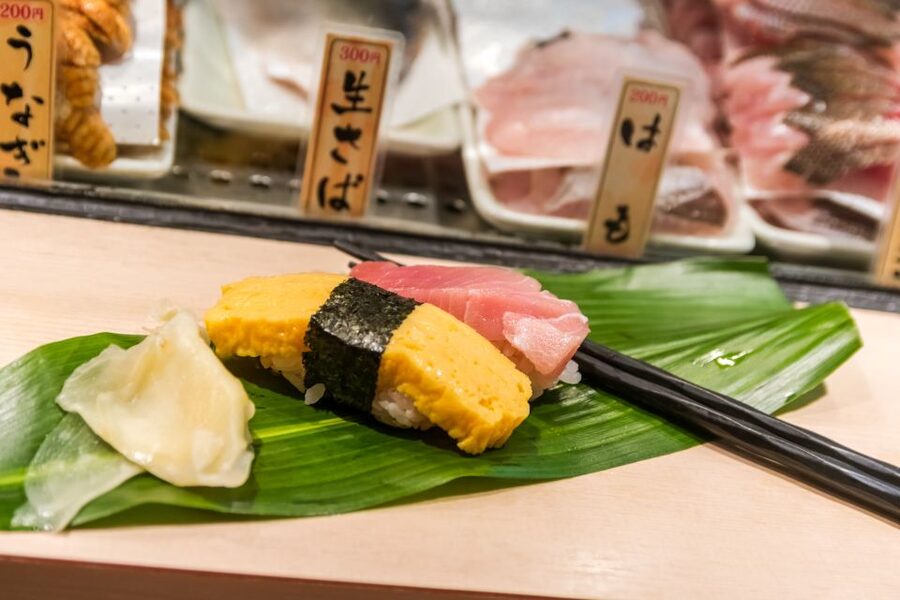
Sushi in a compact local setting
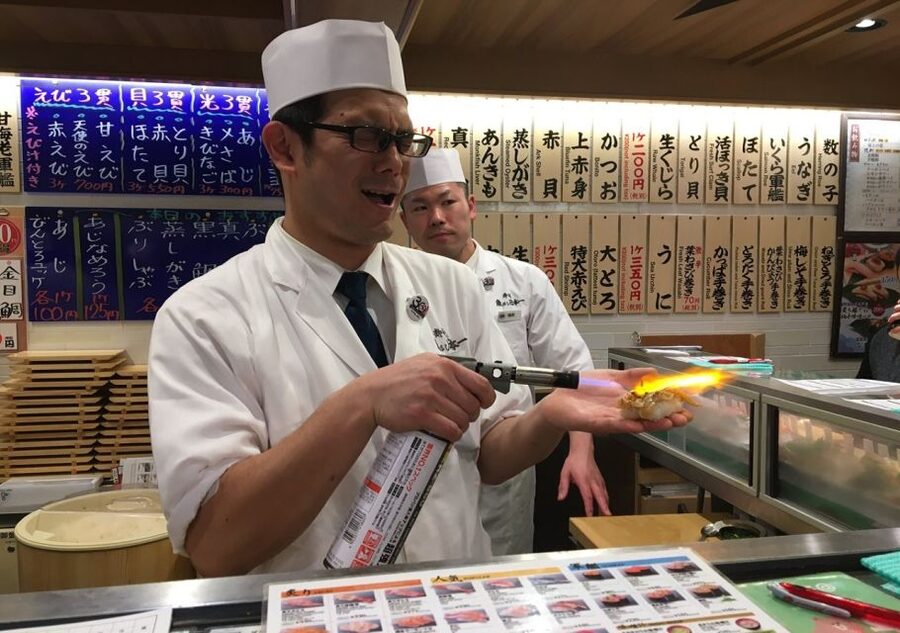
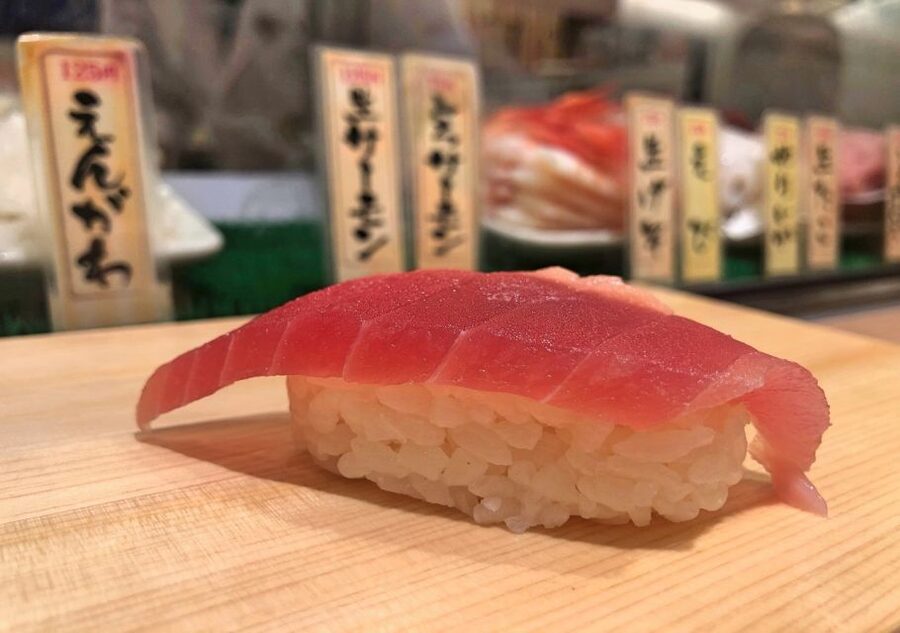
A standing sushi stop can be a memorable way to start. It shows how Tokyo dining often makes good use of very limited space. You may eat close to the counter, watch the preparation, and focus on the ingredients rather than on a long formal meal.
One small-group outing included sushi that the participants considered the best they had eaten in Japan. That will not be a promise for every date, but it points to the value of having a guide choose a place you might not identify from the street.
If you are not comfortable with standing, ask your guide early about the plan. The tour involves walking and several stops, and not every restaurant has the kind of seating you might expect from a conventional restaurant meal.
Izakaya food and everyday Japanese dining
An izakaya is a place for shared dishes, drinks, and conversation. It gives you a look at an everyday side of Japanese dining that can be missed if you only visit large restaurants or famous food markets.
The advantage of trying izakaya dishes with a guide is that you do not have to decode every item alone. You can ask what something is, how it is normally eaten, and where the dish fits into Japanese food culture.
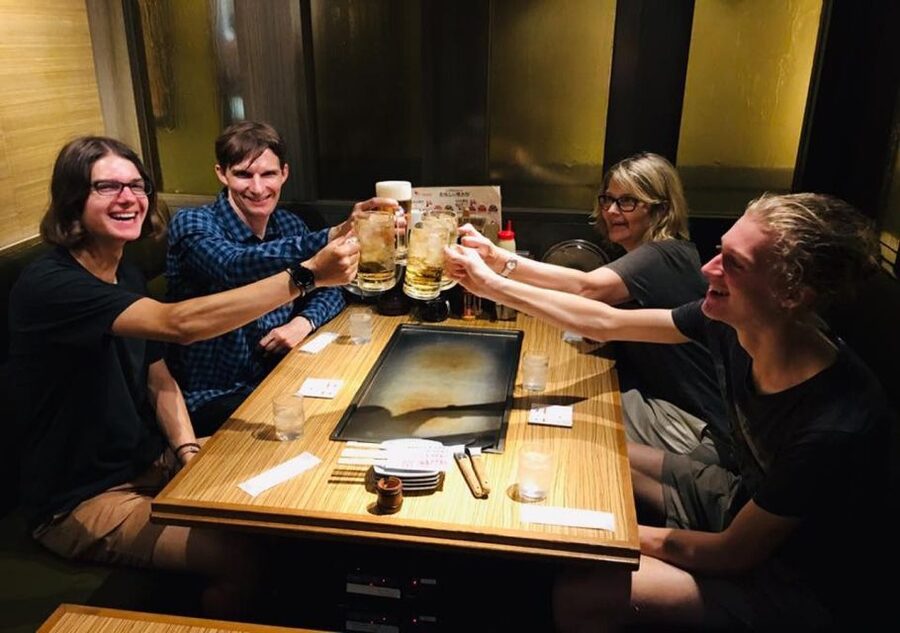
Two drinks are included in the tour. They help make the izakaya portion feel natural, but extra drinks are not covered. If you do not drink alcohol, the activity information does not specify the alternatives, so it is sensible to check with the provider before booking if that matters to you.
Same appetite, a different neighbourhood:
- Tokyo: Shinjuku Food Tour (15 Dishes and 4 Eateries)
★ 4.9 · 2,033 reviews - Tokyo: Roll and Authentic Sushi Making Class in Asakusa
★ 4.9 · 1,957 reviews - Best of Shinjuku: Izakaya Food Tour (4 Stops, 14+ Tastings)
★ 5.0 · 1,863 reviews - Tokyo: Sushi Making Class in a Happi Coat near a Famous Spot
★ 4.9 · 1,377 reviews
Okonomiyaki with a regional angle
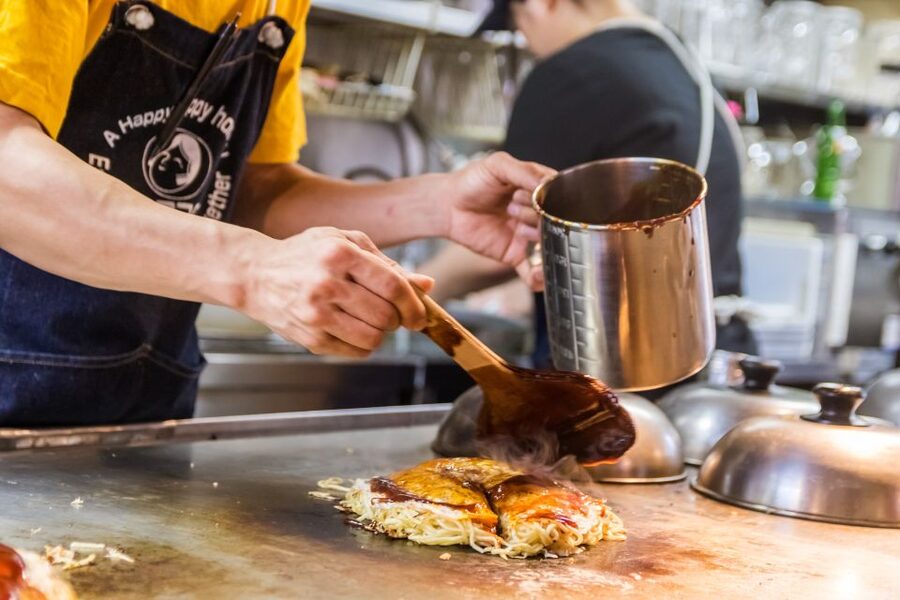
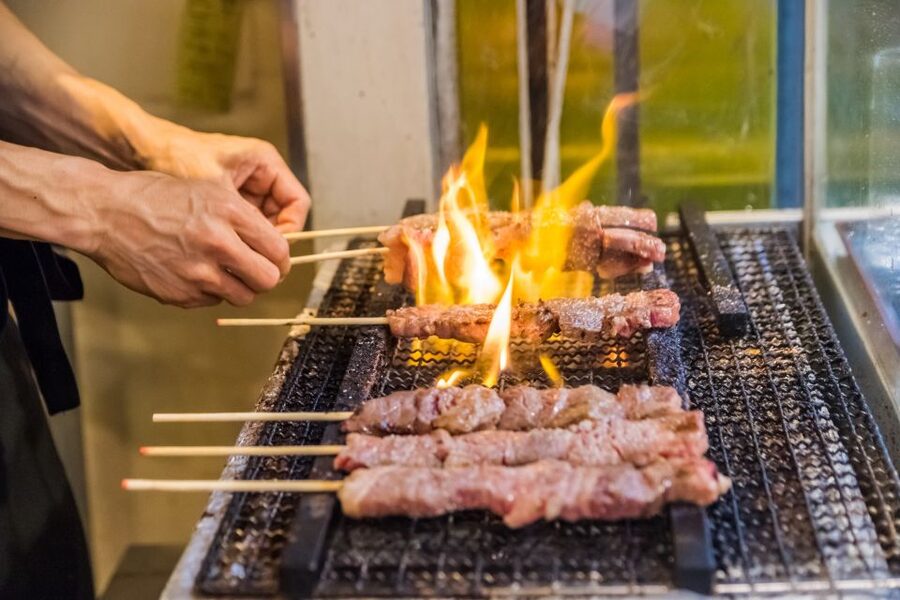
Okonomiyaki is often called a Japanese savory pancake, though that simple label does not tell the whole story. Regional styles differ, and one route included a restaurant serving regional versions of the dish.
This is a useful stop because it connects food with Japan’s regional identity. You are not just tasting a filling pancake. You are also learning that familiar dishes can change from one part of Japan to another.
One earlier assessment found the okonomiyaki particularly good, while another person thought the sushi stop could have been changed but still praised the pancakes. That is a fair reminder that no food tour can satisfy every palate at every stop. The variety helps balance it out.
Ramen and the pleasure of a quick bowl
A ramen stop adds a warm, filling dish to the route. One reported itinerary included a ramen restaurant on a ramen-focused street. This can be a welcome change after lighter bites, though it also means you may feel full before dessert.
Come hungry. Several people found the portions generous, and one person specifically noted that the tour offered so much food that it was worth every cent. If you prefer sampling small amounts of many foods, tell the guide at the start. The tour is designed to feed you, not simply offer tiny tastes.
Dessert in a Shibuya Depachika
The final stop is dessert in a Shibuya Depachika, the Japanese term for an underground department-store food hall. This is a fitting finish because these food halls show how carefully Japanese department stores present sweets, prepared foods, and specialty products.
The dessert also gives the route a change of pace. After small restaurants and street-level food stops, you end in a polished indoor food setting. The activity information does not promise one particular sweet, but previous routes included a local traditional dessert.
Why the backstreets matter
Shibuya is easy to reduce to bright signs, shopping, and the Scramble Crossing. The tour’s worth comes from showing the layers behind that image.
Your guide may point out tiny bars beside large department stores, restaurants upstairs, and food markets below street level. These details help you understand how Tokyo uses every floor and narrow space. The city is not laid out for a single sightseeing route. It is stacked, busy, and full of places that are easy to pass without noticing.
The cultural commentary is as important as the food. Guides have explained Japanese habits, local history, food traditions, and practical recommendations for the rest of a Japan trip. Alex, Serena, Jane, Saika, Maya, Shion, and Michie are among the guides singled out for friendly presentation, strong English, or useful local tips.
The experience can also have a personal quality. One couple happened to be the only two people in their group and received what felt like a private outing. That is not something you should count on, but the maximum group size of 10 gives you a better chance of asking questions than a large bus-style tour.
Guide quality is the heart of the experience
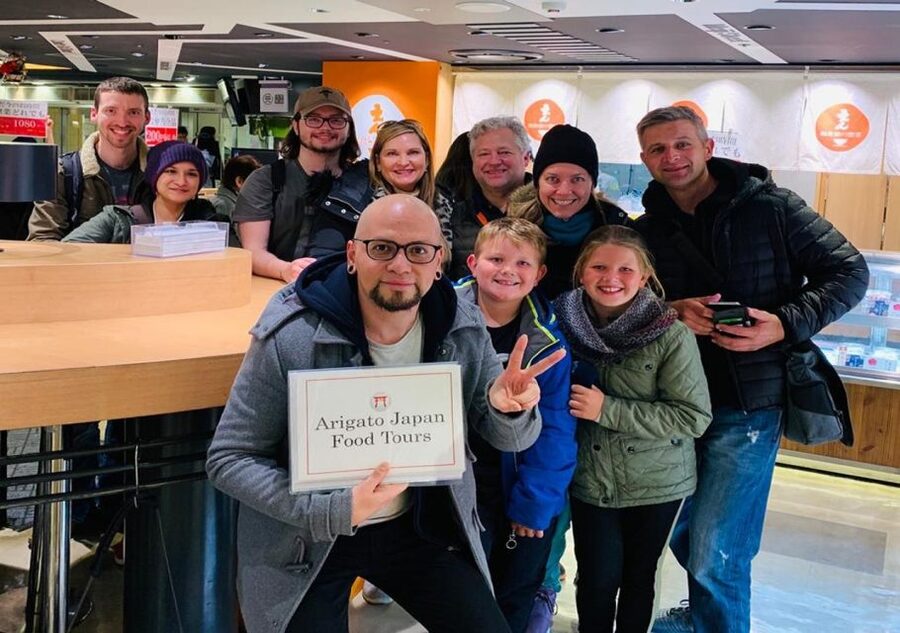
A food route is only as good as the person leading it. Here, the guide is expected to do more than point out restaurants. The guide handles restaurant introductions, explains unfamiliar dishes, keeps the group moving, and answers questions about Tokyo.
The strongest pattern in the feedback is the warmth and enthusiasm of the guides. Alex was praised for combining food knowledge with stories about Japanese and Mexican culture. Saika was described as having very good English, a good sense of humor, and a habit of taking photos along the way. Maya was praised for choosing good stops and adding historical details.
Guides have also adapted to food restrictions and family needs. One group of friends said Kumie made sure no one was left out despite dietary restrictions. A family with young children received hand warmers during cold weather, and the guide adjusted the rhythm so the children had enough time indoors and to rest.
Those examples do not mean every request can be met. Food restrictions should be raised before or at the start of the tour. Still, they show why a small group and a live guide can be more useful than following a self-guided food map.
Walking, standing, and the amount of food
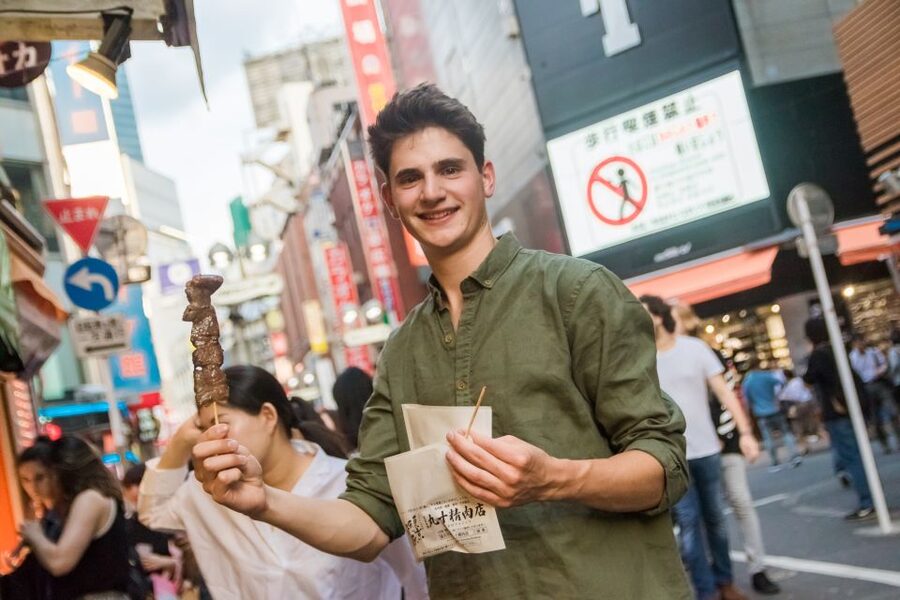
Wear comfortable shoes. The tour lasts three hours and includes movement through Shibuya’s streets, plus time at several food stops. One earlier group noted that only one of its stops had seating, making the route tiring for children and anyone expecting a sit-down meal.
That is the clearest practical caution. This is not a restaurant crawl where you sit comfortably at one table for the entire evening. It is a walking tour with food along the way. If you have mobility concerns, ask the provider what seating and walking conditions are expected before you reserve.
The food portions also deserve attention. Several comments describe the servings as generous, and one person wished for half portions or samples because they became full too quickly. You should eat a light meal beforehand rather than arriving stuffed, but you do not need to skip food all day.
Families can enjoy the route. Children aged 6, 8, 9, 10, and 11 were part of successful outings, with adventurous eating and a willingness to walk being the main requirements. Young children may still find the standing and pace demanding.
Is $170 a fair price?
At $170 per person, this is not a budget meal. The price includes a three-hour guided route, a variety of dishes at five stops, two drinks, dessert, and an English-speaking guide. It does not include transportation, extra food or drinks, gratuity, or hotel pickup.
The real question is how much help you want in Shibuya. If you are comfortable reading menus, choosing small restaurants, and figuring out Tokyo dining customs alone, you may prefer to spend the money directly on meals. If you want several dishes, local explanation, and a route through places you might otherwise miss, the cost becomes easier to justify.
You are also paying for organization. The guide manages a multi-stop route, handles communication with restaurants, and explains what is on the table. That can be especially useful early in your Japan trip, when ordering and restaurant etiquette still feel unfamiliar.
I would book it near the start of a Tokyo stay if food is a major reason for your visit. You can use the restaurant suggestions and neighborhood tips later. If your schedule is tight, the three-hour format gives you a focused introduction without taking a full day.
Free cancellation is available up to 24 hours before the start, and you can reserve now and pay later. Hotel pickup costs extra if you arrange it. Since transportation costs are not included, plan your own route to Shibuya Station.
Who should book this Shibuya food walk?
I would recommend it to first-time visitors who want a confident introduction to Japanese food without spending days researching restaurants. It also suits people who enjoy asking questions, trying dishes they might not order alone, and learning the story behind a meal.
It is a good choice for couples and small groups. Solo participants may also enjoy the social setting, though the activity does not promise a particular group size beyond the limit of 10.
Families can make it work, especially with children who like trying new food. The younger your children are, the more important it is to prepare them for walking and possible standing. A child who expects a comfortable dinner table may not enjoy the format.
I would hesitate if you dislike shared or unfamiliar dishes, need guaranteed seating, or want a fixed menu. I would also avoid booking it immediately after another large meal. This tour is designed for appetite and curiosity.
Should you book the Best of Shibuya Food Tour?
Book it if you want Shibuya explained through food rather than simply photographed. The strongest reasons are the five-stop variety, the backstreet route, the cultural stories, and the chance to eat in small places that are easy to overlook.
Skip it if $170 feels high for three hours, or if walking and standing would make the outing uncomfortable. For most food-focused visitors, the combination of meals, drinks, dessert, and guide support gives the price a reasonable purpose, especially early in a Tokyo visit.
Arrive at the Hachiko mural early, bring your passport and comfortable shoes, and leave room in your stomach. With those details handled, this is a practical way to see a less obvious side of Shibuya.
FAQ
Where does the Shibuya food tour meet?
Meet in front of the colorful Hachiko wall mural outside Shibuya Station at the Hachiko exit. Do not meet at the Hachiko statue. Face the large intersection with the mural behind you.
How long does the tour last?
The tour lasts three hours.
How many people can join the tour?
It is a small-group experience limited to 10 participants.
What language is the tour conducted in?
The tour is conducted in English by a live English-speaking guide.
How many food stops are included?
The experience includes five food stops. The exact restaurants and dishes may vary.
Are drinks and dessert included?
Yes. The price includes two drinks and dessert. Additional drinks or food can be purchased at your own expense.
What should I bring?
Bring your passport and wear comfortable shoes. A copy of passport information is required for every participant aged 10 and over.
What happens if I arrive late?
The guide can wait only five additional minutes after the scheduled start. After that, the tour leaves, and the guide cannot provide directions or be contacted by phone once the route has begun.
New food tours we have reviewed in Tokyo
- Tokyo: West-Side Cycling and Food Tour with Guide★ 5.0 · 37 reviews
- Tokyo: Wagyu and Sushi Gastronomic Journey★ 4.3 · 24 reviews
- Tokyo Tsukiji Food & Culture Private Tour Licensed Guide★ 4.9 · 28 reviews
- Tokyo: Allstar Food Tour★ 4.7 · 29 reviews
- Tokyo: Togoshi Ginza Street Food Tour★ 5.0 · 34 reviews
- Tokyo: Sushi Making Class★ 4.9 · 390 reviews
- Tokyo: Sushi and Ramen Cooking Class with Sake Pairing Set★ 5.0 · 81 reviews
- Tokyo: Shibuya Food Tour (13 dishes and 4 Eateries)★ 5.0 · 178 reviews
Tokyo Food Tours, compared.
Tokyo: Shinjuku Food Tour (13 Dishes at 4 Local Eateries)
Read our review →
Sushi Making Tokyo Roll and Authentic Japanese Sushi Class
Read our review →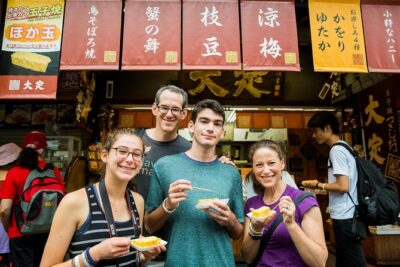
Tokyo Tsukiji Fish Market Food and Culture Walking Tour
Read our review →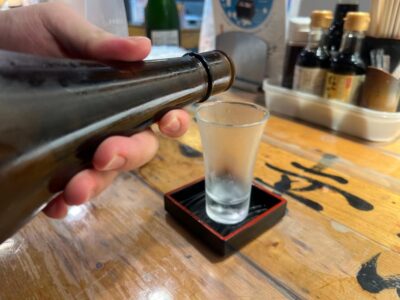
Tokyo: Shinjuku Food Tour (15 Dishes and 4 Eateries)
Read our review →
Tokyo: Roll and Authentic Sushi Making Class in Asakusa
Read our review →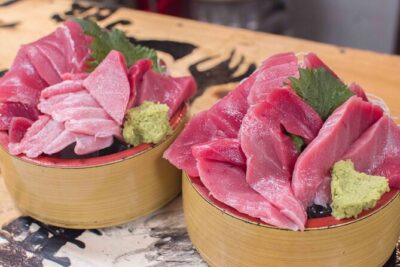
Best of Shinjuku: Izakaya Food Tour (4 Stops, 14+ Tastings)
Read our review →
Tokyo: Sushi Making Class in a Happi Coat near a Famous Spot
Read our review →
Sushi Making Tokyo! Popular Maki Sushi & Japanese Sushi(+Recipe!)
Read our review →Browse the lists this tour appears in