
Review · TOKYO FOOD TOURS
Tokyo: West-Side Cycling and Food Tour with Guide
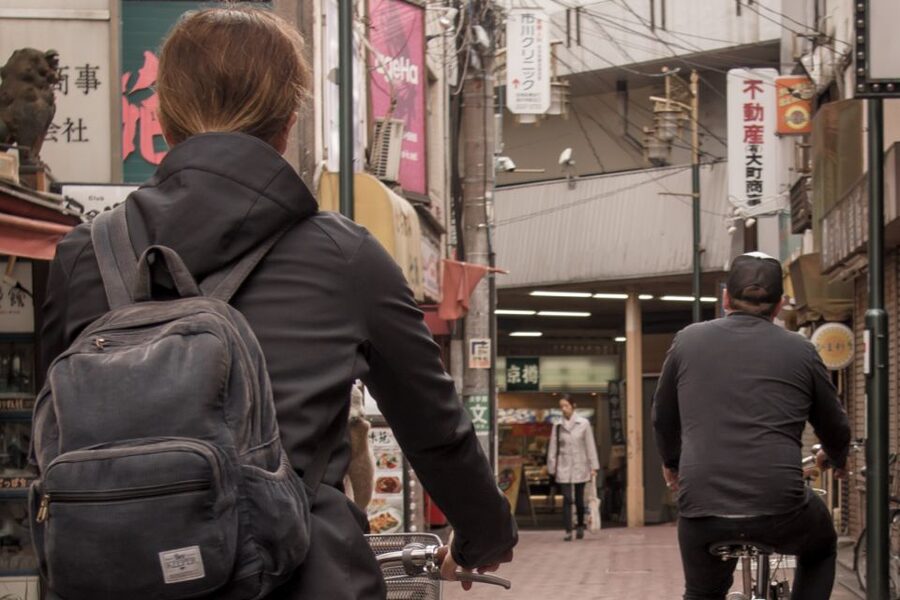
Tokyo’s west side is best understood at bicycle speed. This 3.5-hour tour takes you through Nakano, Koenji, and Asagaya on salvaged mamachari bicycles, the practical city bikes many Japanese residents use for errands. You ride narrow back streets, riverside paths, and local activity hubs rather than sticking to Tokyo’s famous sights.
I like the way guide Andy connects small details to daily life, from bicycle parking systems to vending-machine drinks and neighborhood customs. I also like that the $110 price covers lunch, two street foods, a bottled drink, parking fees, insurance, and the guide. The main drawback is that you need to be a confident cyclist, since the route covers about 12 to 15 kilometers on some narrow, crowded, or uneven streets and normally goes ahead in rain.
Key points to know
- Ride a real mamachari bike: These are practical Japanese city bicycles, usually fitted with a useful front basket and kept in good working order.
- See three local neighborhoods: The route links Nakano, Koenji, and Asagaya, areas that feel far removed from Tokyo’s big-name sightseeing circuit.
- Eat along the way: Your ticket includes two street food stops, a simple local lunch, and one bottled drink.
- Learn how Tokyo works: Andy explains local habits, Japanese customs, bicycle parking, food, and ordinary city life.
- Expect a steady 12 to 15 kilometers: The pace is leisurely, but you must handle narrow streets, uneven surfaces, and occasional crowds.
- Meet at Koenji Station: The guide waits outside the JR ticket gates five minutes before departure and wears a baseball cap.
Why a bicycle is the right way to see west Tokyo
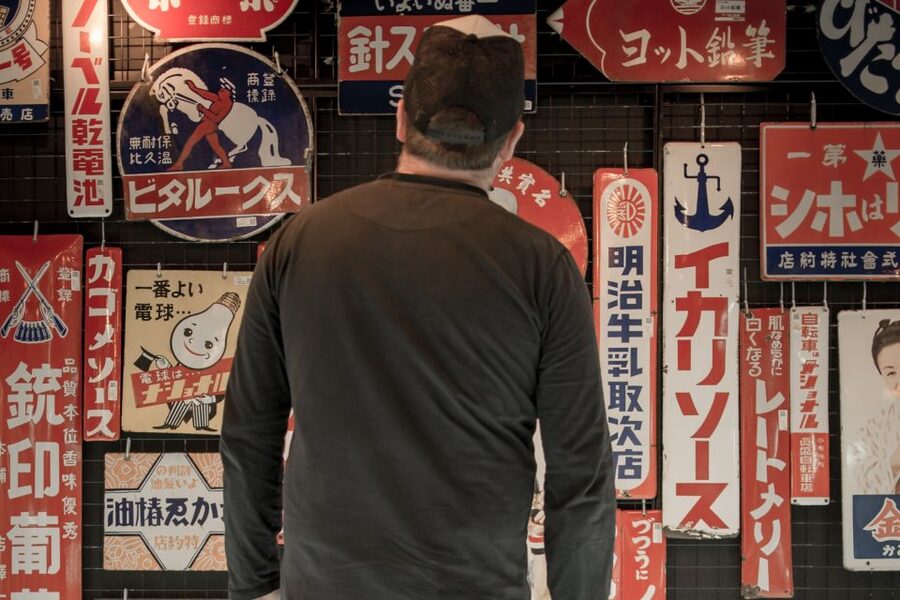
Tokyo is easy to visit by train, but trains can hide the small connections between neighborhoods. A bicycle lets you notice the change from one district to the next. You pass through back streets, follow riverside paths, and stop in places where daily life matters more than sightseeing.
The bike itself is part of the lesson. A mamachari is not a sleek racing machine. It is a sturdy, upright city bicycle built for short trips, with a basket at the front and a relaxed riding position. Several riders have found the bikes easy to handle, even in the smallest alleys, and the bicycles are described as well maintained despite the occasional creak or squeak.
That makes the experience feel grounded. You are not gliding through Tokyo on a high-end touring bike. You are using the sort of bicycle that fits the neighborhoods you are visiting.
The tour is also a useful choice if you have already seen Shinjuku, Shibuya, or Asakusa and want a different view of the city. It does not try to replace Tokyo’s major sights. Instead, it shows you how people move, eat, shop, and spend time in ordinary districts.
More guided departures in Tokyo:
- Tsukiji Fish Market Guided Tour and Sushi Making with Pro Chef
★ 5.0 · 775 reviews - Tokyo: 2-Hour Vegan and Vegetarian Ramen Guided Walking Tour
★ 4.8 · 33 reviews - Tokyo Tsukiji Food & Culture Private Tour Licensed Guide
★ 4.9 · 28 reviews
Starting at Koenji Station
The meeting point is outside the ticket gates at Koenji Station, on the JR network. Koenji is only about six minutes from Shinjuku by train and around 18 minutes from Shibuya, so reaching the start is fairly simple from central Tokyo.
The timing matters. The guide waits five minutes before the start, wearing a baseball cap, and the tour leaves on time. Do not arrive at Koenji Station at the listed start time and expect a long check-in. Give yourself enough time to find the station exit, pass through the gates, and meet Andy before the group sets off.
Koenji is a fitting place to begin. It is a local neighborhood with its own rhythm, rather than a major sightseeing stage. From here, the ride takes you into the west side of Tokyo and toward the connected districts of Nakano and Asagaya.
The group can be private or small, which matters on a bicycle tour. Smaller numbers make it easier to hear explanations, keep together at turns, and ask questions while stopped. The precise group size is not stated, so confirm the format when booking if that detail is important to you.
Nakano, Koenji, and Asagaya at street level
The three neighborhoods give the tour its shape, but the point is not a checklist of famous monuments. You are seeing the spaces between the headline sights: residential lanes, local shopping areas, small food stops, bicycle parking facilities, and the everyday urban details that are easy to miss from a train window.
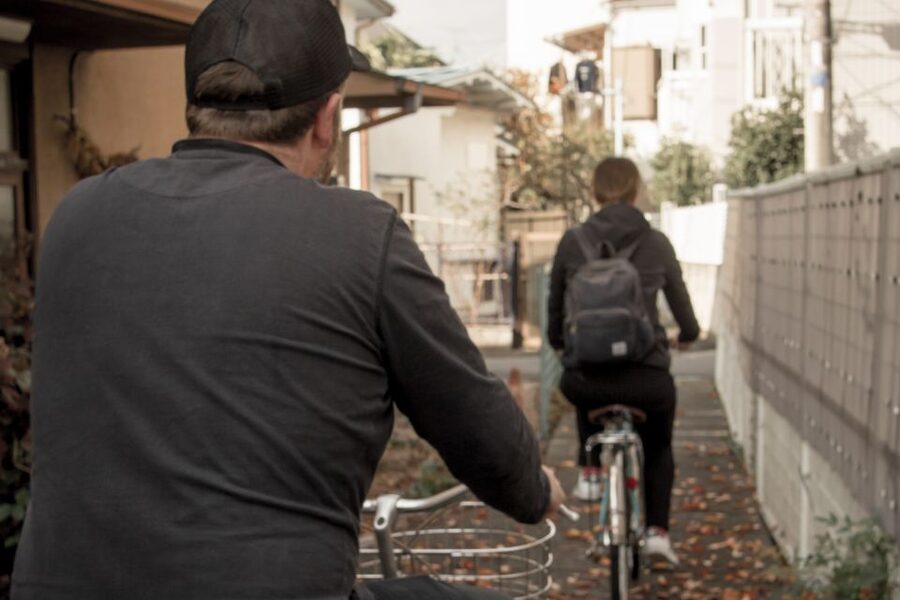
Nakano brings one kind of west Tokyo energy, while Koenji and Asagaya offer their own local identities. The route uses twisting back streets and activity hubs, so you should expect frequent turns and changing surroundings. That is part of the appeal, but it also means you need to pay attention to the guide and to other road users.
The ride can include riverside paths, where the pace may feel calmer, and narrow urban streets, where you will need more care. You are not racing. The stated pace is leisurely, but leisurely does not mean effortless. A total distance of 12 to 15 kilometers is enough to tire you if you rarely cycle.
Andy’s role is important here. The tour is not simply a bike rental with a map. He explains the customs and routines behind what you see. Past tour groups have valued his explanations of Japanese society, local habits, architecture, food, shops, and even the confusing range of drinks sold from vending machines.
That kind of commentary helps you read the streets. A bicycle parking system becomes more than a place to leave your bike. A noodle shop becomes more than lunch. A local snack becomes a small clue to how people eat during an ordinary day.
Food stops that keep the ride local
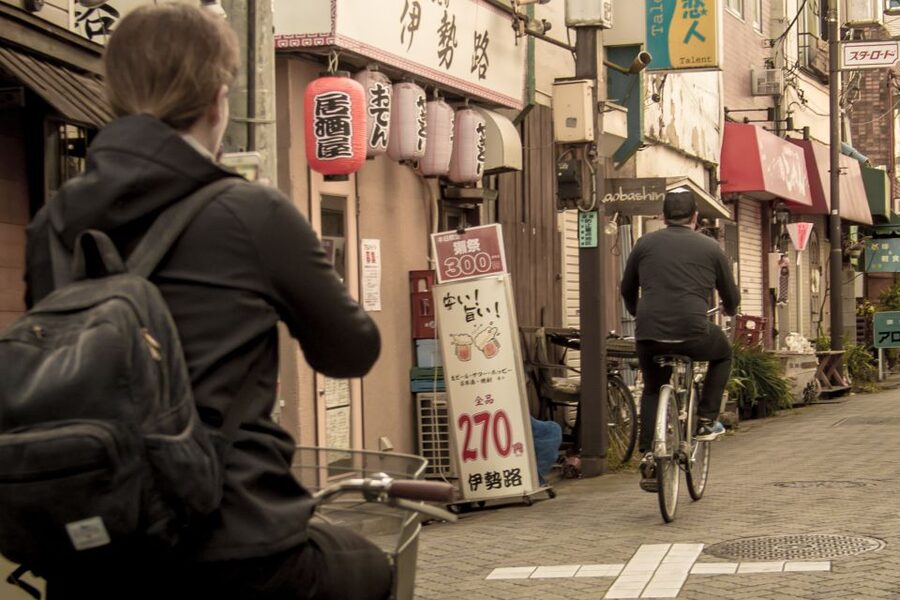
The food is simple rather than luxurious, and that is the right expectation. The ticket includes two popular street food eats, a simple Japanese lunch, and your choice of one bottled drink.
The two snack stops break up the ride and give you a chance to try everyday food instead of spending the whole afternoon in a formal restaurant. Exact dishes are not fixed in the tour details, so do not book expecting a named specialty. The food selection is tailored to the route and local availability.
Lunch takes place at a local noodle bar, based on the tour details. You can expect a straightforward meal in the sort of setting used by people working nearby. The atmosphere may include counter seating and the quick, practical pace of a neighborhood lunch stop. That makes it a useful cultural experience, though it may not suit someone looking for a long, leisurely restaurant meal.
Food restrictions are a serious consideration. The tour does not cater to personal tastes, dietary requirements, or allergies. It is not suitable for vegans or people with food allergies. If you have a strict diet, this is one of the clearest reasons to choose another activity.
The bottled drink is included, and Andy can help make sense of the choices available from Japanese vending machines. The tour also asks you to bring hand sanitizer or tissues and a garbage bag. Those items are practical for a moving food tour, especially since you may not always have a convenient place to dispose of wrappers.
More food tours in Tokyo:
- Tokyo: Shinjuku Food Tour (13 Dishes at 4 Local Eateries)
★ 5.0 · 6,603 reviews - Sushi Making Tokyo Roll and Authentic Japanese Sushi Class
★ 5.0 · 3,971 reviews - Tokyo Tsukiji Fish Market Food and Culture Walking Tour
★ 5.0 · 3,184 reviews - Tokyo: Shinjuku Food Tour (15 Dishes and 4 Eateries)
★ 4.9 · 2,033 reviews
What Andy adds to the experience
The strongest feature of this tour is the guide’s local perspective. Andy is an English-speaking Australian guide who has lived in Japan long enough to explain both the visible details and the less obvious social habits behind them.
His style is described as friendly, patient, and good-humored. He answers questions about Japanese culture and daily life, and he has also sent recommendations after the tour. That follow-up can be useful if you want ideas for the rest of your Tokyo stay, though you should not book solely for post-tour recommendations.
The commentary seems especially useful for first-time visitors. Tokyo can feel orderly but difficult to interpret. You may see a bicycle parked in a particular way, a lunch counter used by office workers, or a food machine with unfamiliar buttons and not know what it means. Andy helps turn those moments into practical understanding.
This is also a good tour for curious people who ask questions. You are not just moving from one stop to another. The value comes from pausing to discuss why a place works the way it does.
The bikes, traffic, and physical demands
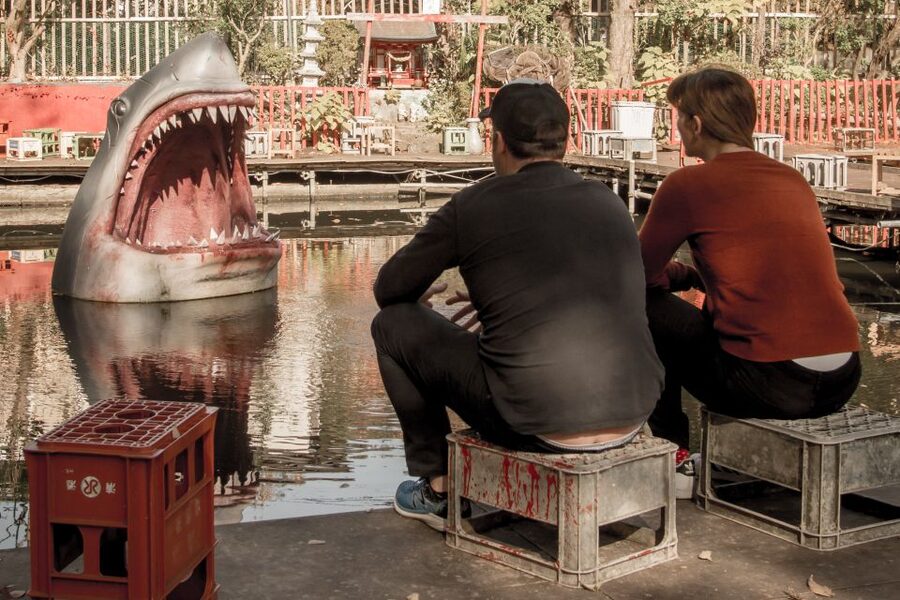
You should be comfortable riding a bicycle before booking. The route uses occasionally narrow and crowded streets, uneven surfaces, back roads, and riverside paths. You will need to steer confidently, slow down when required, and stay with the group.
The total distance is roughly 7.5 to 9.5 miles, or 12 to 15 kilometers. At a leisurely pace, that is manageable for a regular cyclist, but it is not a short orientation ride around one block. Children under 10 are not accepted, and riders should be at least about 140 centimeters tall. The information gives both a minimum of over 140 centimeters for comfortable riding and an exclusion for people under 4 feet 6 inches, so check your height carefully if you are close to the limit.
The bicycles are salvaged mamachari models, not performance bikes. That means a relaxed posture and a practical feel, but also a different ride from the lightweight bicycle you might use at home. The front basket is handy for small personal items, though keep anything valuable secure.
The tour carries cycling liability insurance, and bicycle parking fees are included. Those inclusions remove a few small costs and make the price easier to judge, but insurance does not remove the need to ride carefully.
Rain, clothing, and what to carry
This is an outdoor activity and generally operates in rain. Plan for the chance of getting wet rather than assuming poor weather will cancel the ride. Wear clothing that can handle light rain and shoes suitable for pedaling and walking.
Bring your passport or another ID card, hand sanitizer or tissues, and a garbage bag. The ID requirement is worth remembering because it can be easy to leave your passport locked in a hotel safe when you are taking a neighborhood tour.
You may also want to carry only what you need. A bicycle is easier to control when you are not weighed down by a large bag. The front basket helps, but it is not a substitute for a secure daypack or a small bag that closes properly.
Tokyo weather can change, and the tour runs in all seasons. The ride may feel very different in summer heat, winter cold, or wet conditions. The activity description does not promise a weather-related refund or a particular alternative route, so contact the provider if conditions are a major concern for your travel plans.
Is $110 a fair price?
At $110 per person, this is not the cheapest way to spend half a day in Tokyo. You can explore many west-side streets on your own for the cost of a train fare and a meal.
The value comes from the combination of access, guidance, and included food. You receive a bicycle, an English-speaking guide, two street foods, lunch, a bottled drink, bicycle parking, and cycling liability insurance. You also avoid the work of planning a safe route through several neighborhoods.
For me, the guide is the deciding factor. Without someone explaining the local customs and linking the neighborhoods together, the ride would be a pleasant bicycle outing. With Andy, it becomes an introduction to how west Tokyo functions.
The price is easier to justify for a first visit, for people who want a local orientation, or for anyone who finds independent cycling in Tokyo a little daunting. It is harder to justify if you are an experienced Tokyo visitor who already knows these neighborhoods and prefers to choose every meal and stop yourself.
Free cancellation is available up to 24 hours before the tour, and you can reserve now and pay later. Those terms give you some flexibility, but the departure itself is strict. Miss the start and the group will leave without you.
Who should book this ride?
I would choose this tour for an active visitor who wants to understand Tokyo beyond its major stations and landmark districts. It suits couples, friends, and small groups who like food, local customs, and a moderate physical challenge.
It is also a good early-trip activity. The route can help you get your bearings in west Tokyo, and Andy’s explanations may give you ideas for the rest of your stay. You could also book it near the end of a visit, when you are ready to slow down and notice the ordinary parts of the city.
I would not choose it for a person who dislikes cycling, struggles with narrow urban streets, or wants a fully weatherproof activity. It is also a poor fit for vegans, people with food allergies, children under 10, and anyone below the stated height range.
If you are unsure about the food, ask before booking. The tour does not adapt to allergies or dietary requirements, and that limitation is more important than the otherwise flexible booking terms.
Should you book the West-Side Cycling and Food Tour?
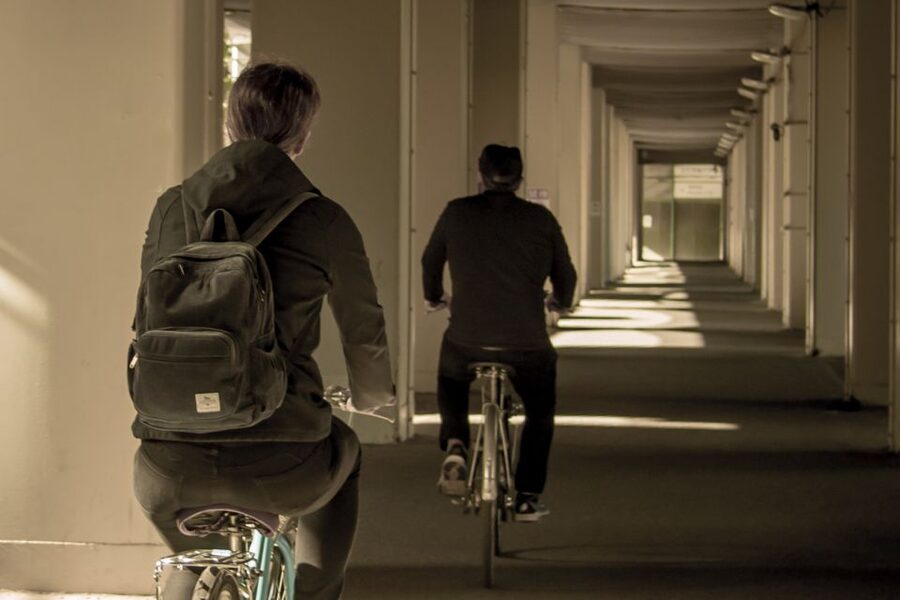
Book it if you want a guided look at Nakano, Koenji, and Asagaya that feels connected to ordinary life. The best parts are the mamachari bicycles, Andy’s clear cultural explanations, the local lunch, and the chance to travel through streets you might never seek out on your own.
Skip it if you need a short, easy ride, a set menu designed around dietary restrictions, or a weather-proof sightseeing plan. For a confident cyclist who wants more than Tokyo’s famous postcard views, the $110 fee buys a useful mix of transport, food, local context, and practical insight.
FAQ
Where does the tour meet?
The tour begins outside the ticket gates at Koenji Station on the JR Train Network.
How early should I arrive?
The guide waits outside the ticket gates five minutes before the start. The tour departs on time, so arrive early enough to find the meeting point.
How do I identify the guide?
The English-speaking guide will be wearing a baseball cap. Go over and introduce yourself outside the ticket gates.
How long is the activity?
The tour lasts 210 minutes, or 3.5 hours.
How far will I cycle?
You will ride roughly 7.5 to 9.5 miles, or 12 to 15 kilometers, at a leisurely pace.
Which neighborhoods does the route visit?
The route explores Nakano, Koenji, and Asagaya in west Tokyo.
What food and drinks are included?
The ticket includes a simple local lunch, two street food items, and one bottled drink.
Are dietary restrictions accommodated?
No. The experience does not cater to personal tastes, dietary requirements, or allergies. It is not suitable for vegans or people with food allergies.
Can children join the tour?
Children under 10 are not suitable for this activity. Riders should also be over about 140 centimeters tall to ride the bicycles comfortably.
Does the tour operate in rain?
The tour generally proceeds as planned in rain, so you should be prepared to get wet.
What should I bring?
Bring a passport or ID card, hand sanitizer or tissues, and a garbage bag. Comfortable clothing for cycling and possible rain is also sensible.
Are bicycle parking and insurance included?
Yes. Bicycle parking fees and cycling liability insurance are included in the ticket price.
Can I cancel for a refund?
You can cancel up to 24 hours in advance for a full refund. You can also reserve now and pay later.
New food tours we have reviewed in Tokyo
- Tokyo: Wagyu and Sushi Gastronomic Journey★ 4.3 · 24 reviews
- Tokyo Tsukiji Food & Culture Private Tour Licensed Guide★ 4.9 · 28 reviews
- Tokyo: Allstar Food Tour★ 4.7 · 29 reviews
- Tokyo: Togoshi Ginza Street Food Tour★ 5.0 · 34 reviews
- Tokyo: Sushi Making Class★ 4.9 · 390 reviews
- Tokyo: Best of Shibuya Food Tour★ 4.7 · 119 reviews
- Tokyo: Sushi and Ramen Cooking Class with Sake Pairing Set★ 5.0 · 81 reviews
- Tokyo: Shibuya Food Tour (13 dishes and 4 Eateries)★ 5.0 · 178 reviews
Tokyo Food Tours, compared.
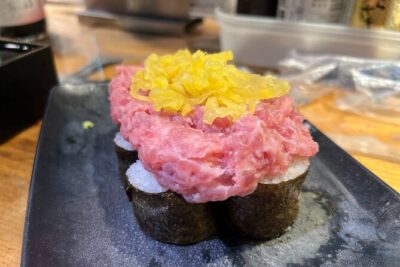
Tokyo: Shinjuku Food Tour (13 Dishes at 4 Local Eateries)
Read our review →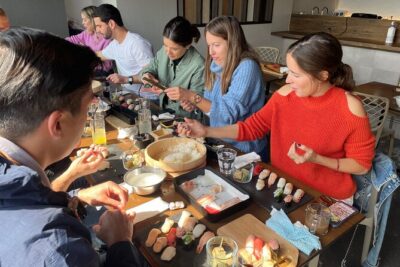
Sushi Making Tokyo Roll and Authentic Japanese Sushi Class
Read our review →
Tokyo Tsukiji Fish Market Food and Culture Walking Tour
Read our review →
Tokyo: Shinjuku Food Tour (15 Dishes and 4 Eateries)
Read our review →
Tokyo: Roll and Authentic Sushi Making Class in Asakusa
Read our review →
Best of Shinjuku: Izakaya Food Tour (4 Stops, 14+ Tastings)
Read our review →
Tokyo: Sushi Making Class in a Happi Coat near a Famous Spot
Read our review →
Sushi Making Tokyo! Popular Maki Sushi & Japanese Sushi(+Recipe!)
Read our review →Browse the lists this tour appears in