
Review · TOKYO FOOD TOURS
Tokyo: Shibuya Food Tour (13 dishes and 4 Eateries)
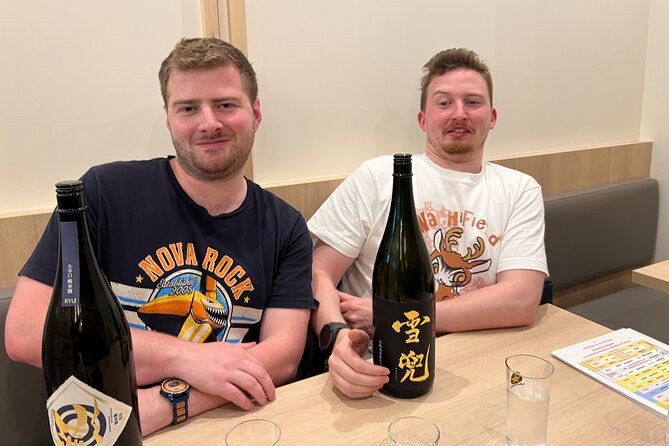
Shibuya’s best food moments often hide above, below, or behind its loud main streets. This three-hour walk takes you from an izakaya to a street stall, a traditional eatery, and dessert, with 13 dishes and two drinks along the way. I like the variety of stops and the chance to try foods you may not order alone.
I also like the practical help. Guides such as Hoshi, Kei, Naruto, Rio, and Yota explain how dishes are served, answer questions about customs, and often offer advice for the rest of your Tokyo stay. The main drawback is pace: four eateries, sightseeing, and 13 dishes in three hours can feel full-on, especially if you prefer long, quiet meals.
Key points at a glance
- Thirteen dishes in four settings: You visit an izakaya, street food stall, traditional eatery, and dessert stop.
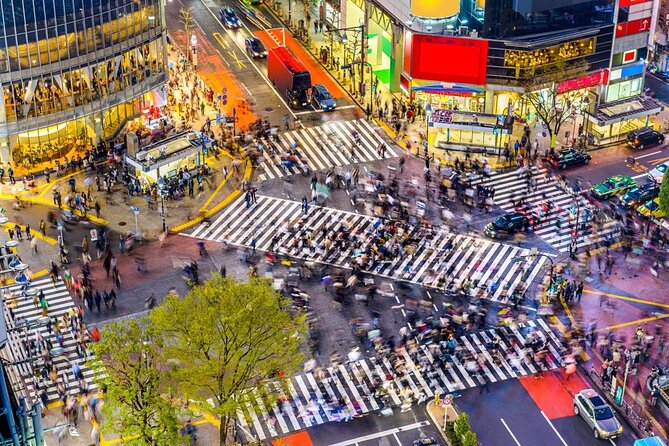
- A food tour with Shibuya sightseeing: The route includes Center Gai, Dogenzaka, and a crossing of Shibuya Scramble Crossing.
- Two drinks are included: The package lists both alcoholic and non-alcoholic options.
- Guides make unfamiliar food easier: Hoshi, Kei, Naruto, Rio, and other English-speaking guides help explain dishes, eating customs, and local etiquette.
- Useful for first-time Tokyo visitors: You get food ideas, neighborhood orientation, and advice for the rest of your Japan trip.
- Good solo-traveler option: The tour is designed around shared dining and a relaxed social setting, with wheelchair accessibility listed.
Why this Shibuya food walk works
Shibuya is not one tidy dining district. It is a fast-moving mix of department stores, narrow lanes, office buildings, youth hangouts, bars, chain restaurants, and small places that can be difficult to find without local help. That makes a guided food walk useful here.
You are not simply sitting in one restaurant for three hours. You move through the neighborhood and eat in several formats. The change of setting helps you understand how Japanese food fits into daily life, from quick street snacks to the social style of an izakaya.
The advertised price is $77 per person. That is fair if the 13 dishes, two drinks, guide, and four food stops are all covered as stated. The information also contains a conflicting note saying the dishes are not included, so I would confirm the final inclusions at booking. If food and drinks are included, the price compares well with paying for several small meals separately, especially when you add the value of a guide who handles ordering and explains what is on the table.
More food tours in Tokyo:
- Tokyo: Shinjuku Food Tour (13 Dishes at 4 Local Eateries)
★ 5.0 · 6,603 reviews - Sushi Making Tokyo Roll and Authentic Japanese Sushi Class
★ 5.0 · 3,971 reviews - Tokyo Tsukiji Fish Market Food and Culture Walking Tour
★ 5.0 · 3,184 reviews
Meeting at Kusumoto Building near Tokyu Plaza
The published meeting point is in front of the 7-Eleven at Tokyu Plaza in Shibuya. The itinerary also names Kusumoto Building as the starting location, so check the exact meeting instructions before setting out.
This matters in Shibuya. The area has many large buildings, several busy entrances, and a maze of pedestrian routes. Give yourself extra time to reach the 7-Eleven rather than arriving at the last minute. Once you meet the guide, the route moves on foot through central Shibuya and finishes in Shibuya.
The tour is listed as wheelchair accessible. Shibuya’s crowds and crossings can still make walking slower, so tell the provider about any mobility needs when you book.
First hour: Shibuya food and local orientation
The opening section gives you a quick introduction to the area while the first food stops begin. The food selection can include familiar Japanese favorites such as yakitori and sushi, along with dishes you may not recognize at first glance.
This is where a good guide earns the fee. Hoshi, who is frequently praised for explaining food, language, and customs, has shown participants how dishes are normally eaten and garnished. That kind of detail changes the meal from a guessing game into a small lesson in Japanese dining.
The food is served in manageable portions across several stops rather than as one large course. Still, 13 dishes is a lot of tasting in a short evening. If you have a small appetite, tell the guide early. If you have allergies or dietary restrictions, ask before booking, since the supplied information does not spell out how substitutions are handled.
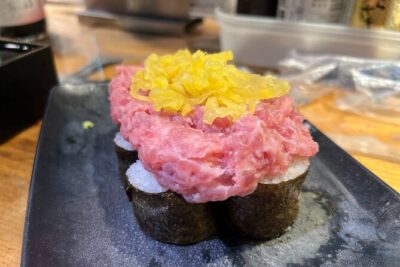
One memorable food theme is tuna. The tour has included both sushi and cooked tuna, with smoked tuna receiving particular praise. The exact dishes may change, but the format gives you a useful range: raw and cooked food, grilled items, savory snacks, and something sweet at the end.
Center Gai: Tokyo street energy between meals
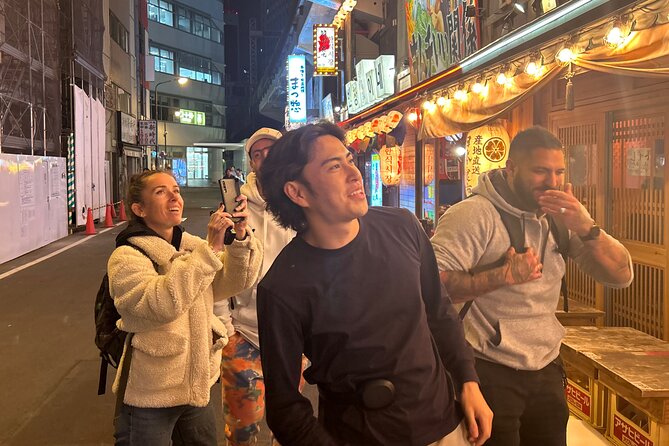
Center Gai is one of Shibuya’s most recognizable pedestrian areas. It is packed with shops, signs, restaurants, and people moving in every direction. The tour uses this district as both a food setting and a chance to see how Shibuya operates after dark.
The walk between stops is part of the value. You get a sense of the district’s scale and character instead of spending the whole evening inside restaurants. Your guide can point out the difference between a place aimed at visitors and the smaller food businesses that are easy to miss when you are exploring alone.
The trade-off is noise. Center Gai is not a peaceful setting, and conversation can be harder in crowded streets or compact eateries. If you want a slow food seminar, this is not the right format. If you want food mixed with the sights and sounds of Shibuya, it fits well.
The food here may be served in a casual style, with a street food stop included in the package. Street food is a practical way to sample something small without committing to a full meal. It also keeps the evening moving.
Same appetite, a different neighbourhood:
- Tokyo: Shinjuku Food Tour (15 Dishes and 4 Eateries)
★ 4.9 · 2,033 reviews - Tokyo: Roll and Authentic Sushi Making Class in Asakusa
★ 4.9 · 1,957 reviews - Best of Shinjuku: Izakaya Food Tour (4 Stops, 14+ Tastings)
★ 5.0 · 1,863 reviews - Tokyo: Sushi Making Class in a Happi Coat near a Famous Spot
★ 4.9 · 1,377 reviews
Shibuya Scramble Crossing in 10 minutes
The stop at Shibuya Crossing lasts about 10 minutes and is mainly for photos and a guided walk. You will cross the famous intersection as part of the route, rather than treating it as a separate sightseeing visit.
Ten minutes is enough for a look and a photo, but not enough for a long explanation of Shibuya. Think of this as a lively pause between food stops. The crossing can feel chaotic, though its many streams of pedestrians are surprisingly orderly.
This short stop is especially useful if you are new to Tokyo. Your guide helps you cross with the group and places the landmark in the flow of the evening. If you already know the crossing well, it will not add much sightseeing value, but it breaks up the meal stops nicely.
Dogenzaka: the final food stretch
The last major section takes about 50 minutes in Dogenzaka. This steep, crowded area is known for restaurants, bars, entertainment, and narrow side streets. It gives the tour a different mood from Center Gai, with more emphasis on evening dining.
The listed food format includes one izakaya and one traditional eatery. An izakaya is a Japanese drinking and dining place where people share several small dishes. It is a good setting for learning how food and conversation work together. The traditional eatery offers another style of meal, and dessert closes the tasting sequence.
A hidden izakaya and yakitori have been particular highlights for some participants. Yakitori is grilled chicken served on skewers, often with different cuts and seasonings. It is simple food, but a guide can explain the options and help you notice the difference between the pieces.
Dessert is the most personal part of the meal. Most of the food choices have been well received, but not every sweet will suit every palate. If you prefer savory food, regard dessert as a small final sample rather than the reason to book.
What the guides add to the meal
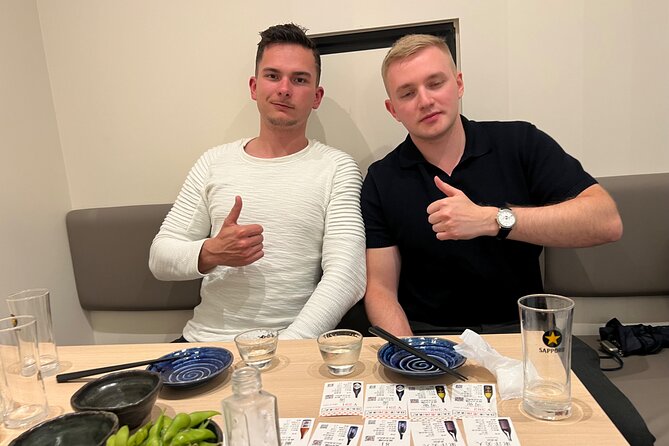
The guide roster changes, but names that appear often include Hoshi, Kei, Naruto, Rio, Yota, Will, Nicola, Nicolas, Doren, Matt, Haydn, Osato, and Taiga. The strongest pattern is not one fixed personality or presentation. It is the practical role the guide plays in making unfamiliar food easier to understand.
Hoshi has been singled out for humor, clear English, and careful explanations of how food is eaten. Kei has been praised for introducing dishes that many people would not try alone. Naruto has been noted for adjusting the food selection for a returning participant and for offering tips for the rest of a Tokyo visit.
Other guides add their own strengths. Will has been appreciated by repeat participants for pointing out new features and keeping conversation easy. Taiga once helped a participant reach the meeting point and later showed the way to the correct subway. Rio and Yota are known for combining food with cultural information and a friendly evening atmosphere.
You should not book on the promise of one particular guide unless the provider confirms that person. But the examples show what to value: clear explanations, help with ordering, and useful answers about Japanese customs.
Thirteen dishes, four eateries, and two drinks
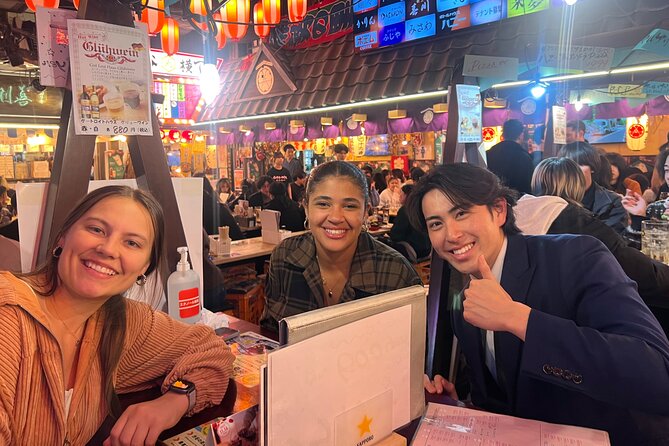
The package is built around four types of food stop:
- An izakaya
- A street food stall
- A traditional eatery
- A dessert stop
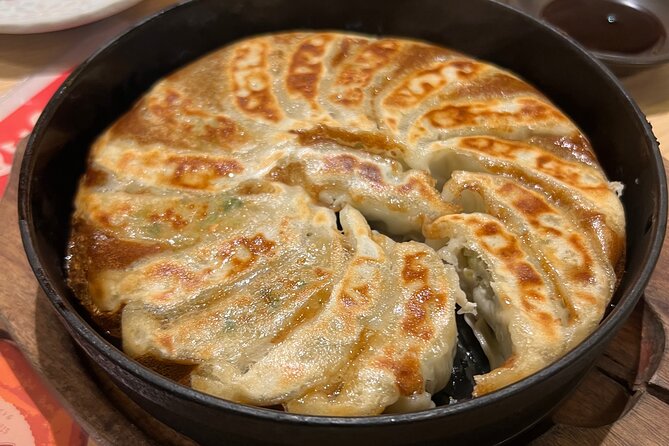
The menu is not given dish by dish, so you should expect the selection to vary. Foods connected with the tour include yakitori, sushi, tuna, smoked tuna, cooked tuna, and dessert. The tour also includes two drinks, with alcoholic and non-alcoholic choices listed.
This range is the main reason to choose the tour over a single restaurant reservation. You can compare textures, cooking methods, and settings in one evening. You also avoid ordering a full portion of something you may not enjoy.
There is one important point to clarify. The experience information says food is included at the four stops, but another description says the authentic dishes are not included. Ask the operator what the $77 covers before payment. That question is especially important if you are comparing this tour with a cheaper walking tour that charges separately for every dish.
How much walking and social time to expect
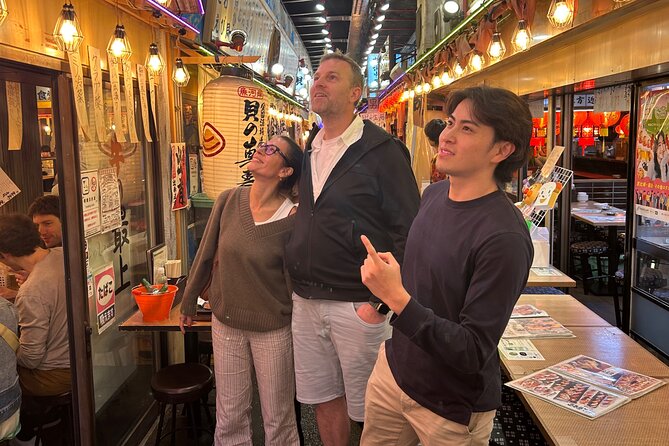
The official duration is three hours. The itinerary allocates about one hour to Shibuya City, one hour to Center Gai, 10 minutes to Shibuya Crossing, and 50 minutes to Dogenzaka. These timings include both guided walking and dining.
This is a social tour. You eat at several places with the group, talk while walking, and share the experience of trying new dishes. Solo visitors can find it an easy way to meet people while still having a guide nearby. Couples and friends can also use it to avoid the work of choosing restaurants on their first night.
The route is not designed for a long, private meal at each stop. You may need to keep moving so the group can complete all four venues. Wear comfortable shoes, arrive hungry but not starving, and avoid scheduling a major late dinner immediately afterward.
Who should book this tour
I would choose this tour for a first or second visit to Tokyo, especially if you are staying near Shibuya and want an easy introduction to the district. It suits curious eaters who want guidance with Japanese dishes and customs without committing to a formal fine-dining meal.
It is also a good match for solo visitors, nervous first-time diners, and anyone who wants practical restaurant ideas for later. The guide may help you understand what to order, how to eat it, and where to look for similar food during the rest of your stay.
You may want another type of activity if you dislike group dining, need strict control over every ingredient, or want a quiet, slow-paced evening. The tour is active, public, and timed. The crowded streets are part of the setting, not a side issue.
Booking details worth checking
You can cancel up to 24 hours before the activity for a full refund, and the reserve-now, pay-later option lets you hold a place without paying immediately. The tour is offered in English with a live guide.
Starting times depend on availability. Since this is an evening food walk, check the time carefully against your arrival plans, restaurant bookings, and transport. The finish is listed simply as Shibuya, not a specific restaurant or station entrance.
The tour has a rating of 5 from 178 reviews, and the praise is unusually consistent around the guides, food variety, friendly atmosphere, and value. I would still use the food-inclusion question as your final check, since that detail affects the real price.
Should you book the Shibuya food tour?
Book it if you want 13 tastes, four food settings, two drinks, and Shibuya sightseeing in one organized evening. The strongest reasons are the variety and the human help. A guide can take you to places you might pass by, explain foods you would not recognize, and offer useful advice for the rest of your trip.
Skip it if you prefer to choose every restaurant yourself or want a quiet meal with no schedule. For most first-time visitors, though, the $77 price is sensible if all listed food and drinks are included. Confirm that point, meet at the 7-Eleven by Tokyu Plaza, and arrive ready for a fast, tasty walk through one of Tokyo’s most energetic districts.
FAQ
How long does the Shibuya food tour last?
The tour lasts three hours.
Where do I meet the guide?
Meet the guide in front of the 7-Eleven at Tokyu Plaza in Shibuya. Kusumoto Building is also listed as the starting location, so check the final meeting instructions when booking.
What areas does the tour visit?
The route includes Shibuya City, Center Gai, Shibuya Crossing, and Dogenzaka. It finishes in Shibuya.
How many dishes are included?
The experience is described as including 13 Japanese dishes across four eateries or food settings.
What types of food stops are included?
The package lists food at one izakaya, one street food stall, one traditional eatery, and a dessert stop.
Are drinks included?
Two drinks are listed, including alcoholic and non-alcoholic options.
Is the tour conducted in English?
Yes. It includes a live English-speaking guide.
Can I cancel the booking?
Yes. You can cancel up to 24 hours in advance for a full refund. A reserve-now, pay-later option is also available.
New food tours we have reviewed in Tokyo
- Tokyo: West-Side Cycling and Food Tour with Guide★ 5.0 · 37 reviews
- Tokyo: Wagyu and Sushi Gastronomic Journey★ 4.3 · 24 reviews
- Tokyo Tsukiji Food & Culture Private Tour Licensed Guide★ 4.9 · 28 reviews
- Tokyo: Allstar Food Tour★ 4.7 · 29 reviews
- Tokyo: Togoshi Ginza Street Food Tour★ 5.0 · 34 reviews
- Tokyo: Sushi Making Class★ 4.9 · 390 reviews
- Tokyo: Best of Shibuya Food Tour★ 4.7 · 119 reviews
- Tokyo: Sushi and Ramen Cooking Class with Sake Pairing Set★ 5.0 · 81 reviews
Tokyo Food Tours, compared.
Tokyo: Shinjuku Food Tour (13 Dishes at 4 Local Eateries)
Read our review →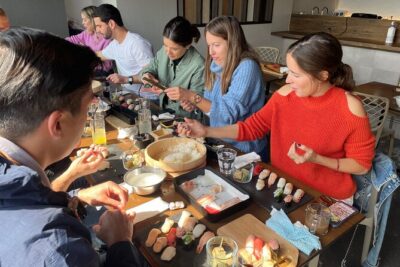
Sushi Making Tokyo Roll and Authentic Japanese Sushi Class
Read our review →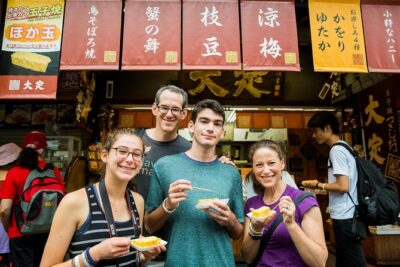
Tokyo Tsukiji Fish Market Food and Culture Walking Tour
Read our review →
Tokyo: Shinjuku Food Tour (15 Dishes and 4 Eateries)
Read our review →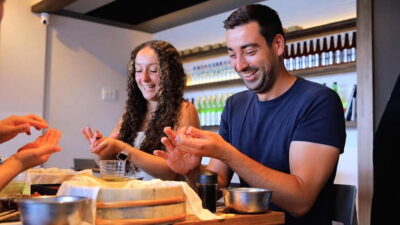
Tokyo: Roll and Authentic Sushi Making Class in Asakusa
Read our review →
Best of Shinjuku: Izakaya Food Tour (4 Stops, 14+ Tastings)
Read our review →
Tokyo: Sushi Making Class in a Happi Coat near a Famous Spot
Read our review →
Sushi Making Tokyo! Popular Maki Sushi & Japanese Sushi(+Recipe!)
Read our review →Browse the lists this tour appears in