Review · COOKING CLASSES
Ramen & Gyoza Cooking Class in Tokyo with Local Supermarket Visit
Tokyo’s best food lessons do not always happen in polished restaurant kitchens. This one takes you to YUCa’s home kitchen in Nishiogu, where you learn to make ramen and gyoza, then sit down to eat the results. I like the warm, personal setting and the fact that the recipes are approachable enough to repeat at home.
I also like the small maximum group of seven, the family-friendly format, and YUCa’s talent for keeping beginners involved. The main catch is that the class can be more demonstration-based than some cooks expect, and the optional supermarket visit is not guaranteed unless you confirm it.
Key points to know before booking
- Cook in YUCa’s home kitchen: This is a personal food experience, not a large commercial lesson.
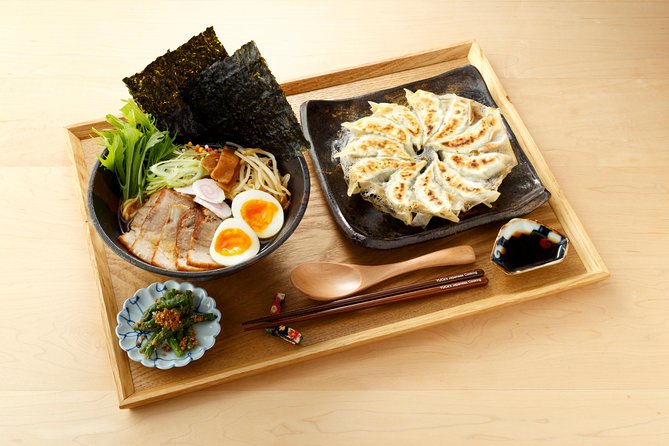
- Make two Japanese staples: You work with ramen and minced pork gyoza, using vegetables, meat, noodles, and seasonings.
- Expect a compact class: The maximum is seven people, with a minimum of two required to run a booking.
- Good for mixed ages: Families, couples, teenagers, grandparents, and first-time cooks can all take part.
- The supermarket stop is optional: It is listed after the cooking session, but some bookings have ended without the visit.
- Plan on 2.5 hours: The class begins at 10:00 a.m. and ends back at the meeting point.
A Tokyo cooking class with a personal touch
YUCa’s Japanese Cooking begins at 10:00 a.m. at 2-chōme-34-8 Nishiogu in Arakawa City, northeast Tokyo. This is outside the usual central sightseeing circuit, which is part of the appeal. You get a look at a residential side of the city rather than spending another morning among department stores and major attractions.
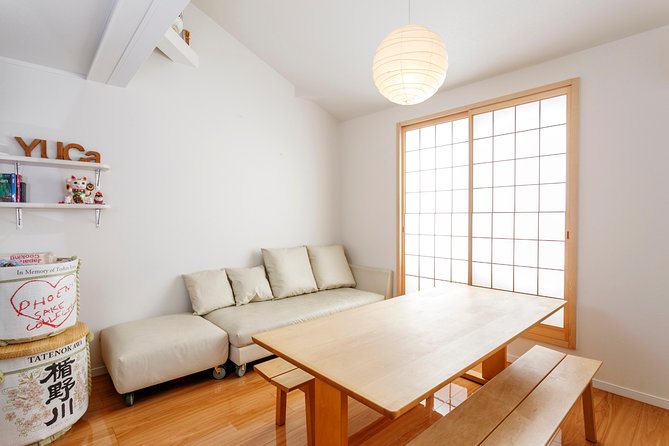
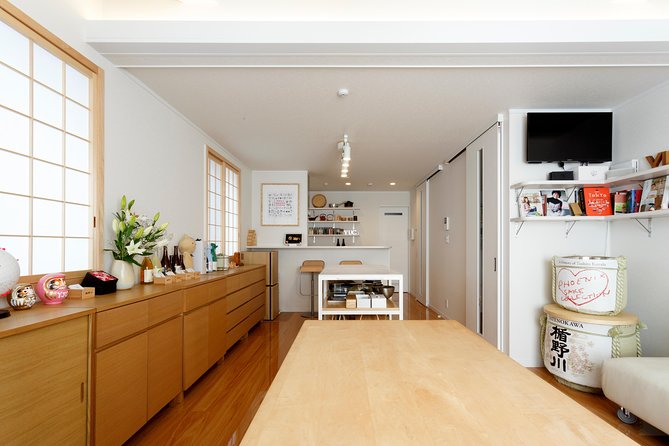
The setting is YUCa’s own home and kitchen. That matters because the lesson feels closer to being invited into someone’s daily life than attending a formal culinary school. YUCa explains the food and Japanese home cooking in English, and her friendly teaching style is repeatedly praised in the supplied feedback.
The group can include people who have never folded a dumpling before alongside confident home cooks. YUCa divides tasks so everyone can take part, though the single-kitchen layout means you should not expect every person to prepare every step independently.
More Cooking Classes in Japan
- Tokyo: Roll and Authentic Sushi Making Class in Asakusa
★ 4.9 · 1,957 reviews - Tokyo: Sushi Making Class in a Happi Coat near a Famous Spot
★ 4.9 · 1,377 reviews - Tokyo Sushi Making Class in Tsukiji with Professional Chef
★ 5.0 · 1,177 reviews
The morning schedule, from 10:00 to lunch
The morning is divided into three parts:
- 10:00: Meet at YUCa’s Japanese Cooking
- 10:15 to 10:30: Introduction to Japanese home cooking and lifestyle
- 10:30 to 12:30: Cooking and tasting
- 12:30 to 13:00: Optional local supermarket visit
The timing is tidy and easy to fit into a Tokyo itinerary. You finish around lunchtime, leaving the afternoon open for another neighborhood or attraction. Since the activity ends where it starts, you do not need to work out a separate return point.
The first short talk gives context before the cooking begins. You learn about Japanese home cooking and everyday food habits, not just a list of ingredients. That can be useful if you want to understand why ramen and gyoza are prepared and served in particular ways.
Do not expect a long lecture. The class moves quickly into the kitchen, which suits people who would rather handle food than sit through a formal presentation.
Making ramen without turning it into a restaurant course
The ramen portion focuses on building a bowl of noodle soup with vegetables, meat, noodles, and seasonings. You prepare the components, then assemble the finished bowl near the end of the session.
The class is designed around a practical home recipe rather than professional restaurant production. That is good news if your goal is to recreate the meal after returning home. Several participants specifically appreciated that the instructions were easy to follow and that the food could be made again in an ordinary kitchen.
The process also includes waiting time while parts of the ramen cook. That pause is used for the gyoza, so the morning has a sensible rhythm instead of leaving you standing around.
Here is one point to keep in mind. Not every stage is equally hands-on. Some preparation involves adding a measured amount of powder or liquid to a bowl, and one participant found the cooking less involved than expected. If you want knife work, stock-making, or a long lesson on noodle production, this may feel too simple.
For most people, especially families and beginners, that simplicity is useful. You learn the broad method, see how the components fit together, and eat a satisfying bowl without spending half a day on technical restaurant techniques.
Folding gyoza while the ramen cooks
The gyoza session gives the class its most playful task. You work with minced pork and vegetables, place filling into wrappers, and fold the dumplings by hand. The folding is simple enough for children but still entertaining for adults who have never made dumplings.
This is where the class tends to become social. People work side by side, compare their shapes, and learn through repetition. Families with children aged nine, thirteen, and fourteen found the activity workable, while teenagers also enjoyed the lesson.
The dumplings are cooked as part of the meal, so you get a clear reward for the effort. Perfect pleats are not the point. The value is learning a repeatable technique and gaining the confidence to try gyoza at home.
Vegetarian participation is available, but you need to advise the provider when booking. The standard description refers to minced pork gyoza, so do not assume the usual recipe will be changed automatically. You should also report any other dietary requirements in advance.
More Cooking Classes in Tokyo
- Tokyo: Tsukiji Fish Market Sushi Making Class with Pro Chef
★ 4.9 · 506 reviews - Tokyo: Sushi Making Class
★ 4.9 · 390 reviews - Tokyo: Sushi and Ramen Cooking Class with Sake Pairing Set
★ 5.0 · 81 reviews - Shibuya Tokyo: Sushi Making Class (Vegan/Vegetarian/Halal)
★ 4.7 · 29 reviews
The tasting: simple food, satisfying payoff
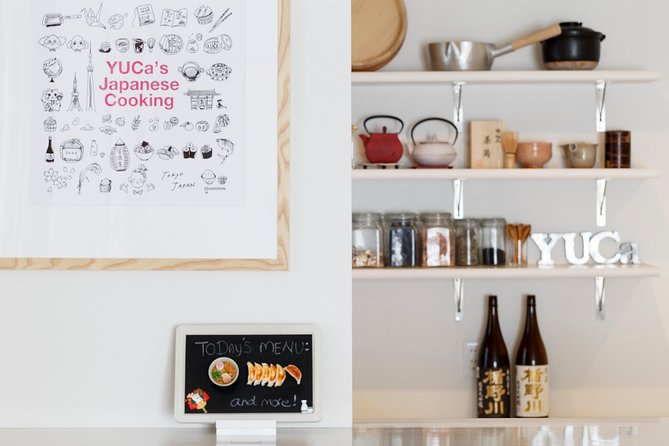
After the cooking, you sit down and eat the ramen and gyoza you helped prepare. The meal is the strongest reason to choose this class over a sightseeing talk about Japanese cuisine. You do not just hear how the dishes work. You taste the result while the process is still fresh.
Portions may feel modest to some people. One participant specifically wished for larger servings, so you may want to treat this as a substantial tasting lunch rather than an enormous meal.
The payoff is still strong if you care about learning. You can compare the finished food with the method you followed, ask questions while the details are fresh, and leave with recipes you can try at home. The class also includes cultural conversation, which gives the meal more meaning than simply ordering ramen in a restaurant.
YUCa’s warmth is central to the experience. She is described as patient, energetic, easy to understand, and good at making sure each person has a role. That personal attention is especially helpful if you are shy about cooking in front of others.
What the small group size really means
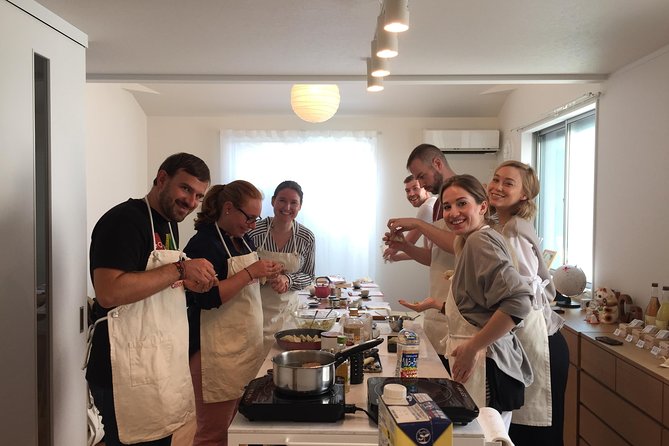
The class has a maximum of seven people. That is small enough to feel personal, but it does not mean everyone will have a private workstation.
With one kitchen, some parts are necessarily demonstration-led. You may watch YUCa complete a step before taking your turn or helping with another task. The best way to approach the class is to see it as guided participation, not a fully independent cooking lab.
This format works well for:
- Couples who want a shared activity
- Families with children or teenagers
- Solo visitors who enjoy meeting people over food
- Beginners who want clear instructions
- Home cooks looking for Japanese recipes to repeat
It may suit you less if you want advanced culinary training or uninterrupted access to a cooking station. The class is about food, culture, and a pleasant shared morning, not professional certification.
The optional supermarket visit deserves careful attention
The local supermarket visit is scheduled for 12:30 to 13:00, after the cooking and tasting. In theory, it adds a useful final chapter. You can see Japanese ingredients in their everyday setting and ask YUCa about unfamiliar packages, sauces, seasonings, and foods.
That is valuable because supermarket shelves often tell you more about ordinary life than a specialty food shop aimed at visitors. You can learn what local shoppers actually buy and gain confidence when looking for Japanese ingredients at home.
But this part needs a clear warning. It is optional, and several people completed the cooking class without taking the supermarket tour. One booking specifically expected the visit and did not receive it. In that case, the provider explained that a family health problem appeared to require a quick return to the hotel.
So, if the supermarket is your main reason for booking, confirm its availability before you pay and again at the start of the class. Do not treat it as the guaranteed core of the experience. The cooking lesson is the reliable centerpiece.
Getting to Nishiogu and planning your morning
The meeting point is near public transportation, but the supplied details do not identify a specific station or provide a walking route. Give yourself enough time to find the home address, especially if you are unfamiliar with Tokyo’s residential streets.
The exact meeting time is 10:00 a.m. The activity ends back at the same point, usually around 12:30 if you skip the supermarket visit or around 1:00 if you join it.
A mobile ticket is accepted, and confirmation is provided when you book. The activity requires at least two people, so solo booking is not described as an option unless another person joins the same date.
The price is $122.70 per person. That is more than the cost of eating a bowl of ramen and a plate of gyoza at a casual restaurant. You are paying for the instruction, the ingredients, the small-group setting, the home visit, and the chance to prepare both dishes yourself.
For a family, the cost can make sense because the activity fills a full morning and gives children a task beyond simply looking at Tokyo sights. For a couple or solo visitor, the value depends on how much you want the personal setting and the cooking lesson. If you only want to eat ramen, use a restaurant. If you want a food memory and recipes to take home, the price is easier to justify.
The culture you get between the recipes
The best part of a home cooking class is often what happens around the recipe. YUCa shares aspects of Japanese food culture and daily life while explaining the dishes. The home setting lets you see how a real kitchen differs from a restaurant counter or cooking studio designed for large groups.
The lesson also creates room for conversation with the other people in the group. Several people enjoyed meeting fellow visitors while cooking, and that social element can make the morning especially good for solo visitors.
There are small personal touches, too. YUCa has written participants’ names in Japanese characters based on their pronunciation, and some people bought aprons or food products after class. These extras are not the main reason to book, but they help make the experience feel personal.
English-speaking visitors should find the instructions clear. The class is aimed at international participants, and the teaching style is direct rather than formal.
Cancellation and dietary planning
You can cancel for a full refund up to 24 hours before the start time. Cancellations or changes made less than 24 hours before the class are not refunded or accepted.
The experience may be canceled if the minimum number of two participants is not met. In that case, you are offered another date or experience, or a full refund.
Tell YUCa about dietary requirements when booking. A vegetarian option is available, but advance notice is required. This is particularly important because the standard meal includes meat-based gyoza.
Should you book this ramen and gyoza class?
Book it if you want an intimate, friendly introduction to Japanese home cooking rather than a high-level culinary workshop. YUCa’s warm teaching style, small group, family-friendly tasks, and useful recipes make this a strong choice for couples, families, and first-time cooks.
I would be more cautious if you want every minute to be hands-on or if the supermarket visit is essential. The class uses demonstration as well as participation, and the market stop is optional and may not happen.
For most visitors, the best reason to book is the combination of a real home kitchen, two familiar Japanese dishes, and a meal you prepare yourself. Confirm the supermarket plan, disclose dietary needs, and arrive ready to share the kitchen. Do that, and this is a thoughtful way to spend a Tokyo morning beyond the usual sightseeing route.
FAQ
Where does the ramen and gyoza class take place?
The class takes place at YUCa’s Japanese Cooking, 2-chōme-34-8 Nishiogu, Arakawa City, Tokyo 116-0011, Japan.
What time does the experience begin?
The meeting time is 10:00 a.m. The cooking and tasting portion runs from approximately 10:30 a.m. to 12:30 p.m.
How long does the activity last?
The cooking experience lasts about two and a half hours. If you join the optional supermarket visit, the full schedule can run until approximately 1:00 p.m.
What dishes will I make?
You will prepare ramen and gyoza. The gyoza uses minced pork, along with vegetables and other ingredients.
Is a vegetarian option available?
Yes. A vegetarian option is available, but you must advise the provider when booking.
How many people can join the class?
The activity has a maximum of seven participants. A minimum of two people per booking is required.
Is the supermarket visit guaranteed?
No. The supermarket visit is optional and follows the cooking class. Because some sessions have ended without the visit, confirm its availability when booking.
Does the activity end at a different location?
No. The activity ends back at the meeting point in Nishiogu.
Can I cancel for a full refund?
Yes, if you cancel at least 24 hours before the experience start time. Cancellations made less than 24 hours in advance are not refunded.
More hands-on workshops in Tokyo
- Shinjuku Tokyo: Authentic Japanese Home-Style Culinary Class
★ 4.9 · 125 reviews - Ramen Making from Scratch +Akihabara Tour –Cooking Class
★ 5.0 · 25 reviews - Authentic Pizza Making Class in Naples with Appetizers and Drink
★ 5.0 · 3,178 reviews - Ramen Cooking Class at Ramen Factory in Kyoto
★ 5.0 · 1,937 reviews
More Sushi and Ramen Tours in Tokyo
- Sushi Making Tokyo Roll and Authentic Japanese Sushi Class
★ 5.0 · 3,971 reviews - Best of Shinjuku: Izakaya Food Tour (4 Stops, 14+ Tastings)
★ 5.0 · 1,863 reviews - Sushi Making Tokyo! Popular Maki Sushi & Japanese Sushi(+Recipe!)
★ 5.0 · 1,314 reviews - Tokyo Night Foodie Tour in Shinjuku – Seasonal Sushi, Wagyu Beef
★ 5.0 · 1,161 reviews
New food tours we have reviewed in Tokyo
- Tokyo: West-Side Cycling and Food Tour with Guide★ 5.0 · 37 reviews
- Tokyo: Wagyu and Sushi Gastronomic Journey★ 4.3 · 24 reviews
- Tokyo Tsukiji Food & Culture Private Tour Licensed Guide★ 4.9 · 28 reviews
- Tokyo: Allstar Food Tour★ 4.7 · 29 reviews
- Tokyo: Togoshi Ginza Street Food Tour★ 5.0 · 34 reviews
- Tokyo: Sushi Making Class★ 4.9 · 390 reviews
- Tokyo: Shibuya Food Tour (13 dishes and 4 Eateries)★ 5.0 · 178 reviews
- Tokyo: Best of Shibuya Food Tour★ 4.7 · 119 reviews
Cooking Classes, compared.
Authentic Pizza Making Class in Naples with Appetizers and Drink
Read our review →
Tokyo: Roll and Authentic Sushi Making Class in Asakusa
Read our review →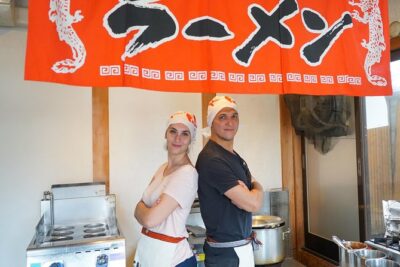
Ramen Cooking Class at Ramen Factory in Kyoto
Read our review →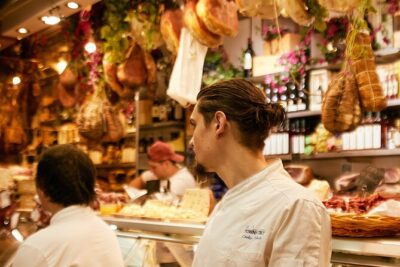
Small Group Cooking Class & Market Food Tour in Florence
Read our review →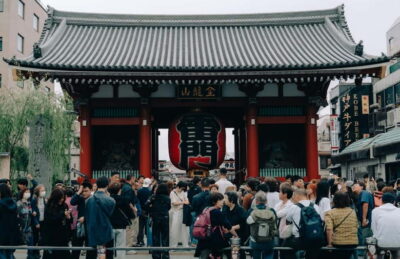
Tokyo: Sushi Making Class in a Happi Coat near a Famous Spot
Read our review →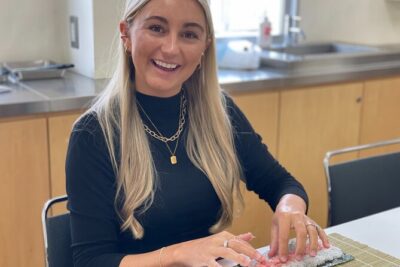
Tokyo Sushi Making Class in Tsukiji with Professional Chef
Read our review →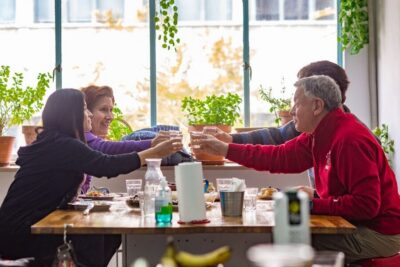
Food Market Visit and Cooking Class with Wine
Read our review →