
Review · SUSHI AND RAMEN TOURS
Tokyo Night Foodie Tour in Shinjuku – Seasonal Sushi, Wagyu Beef
The best part of this Shinjuku evening is the pairing of seasonal omakase sushi and Wagyu beef. You get chef-selected sushi, then grill several cuts of Japanese beef at your table, with a guided walk through Kabukicho between meals. It is a smart way to see Shinjuku after dark without having to guess which doors to open.
I like the small group, limited to seven people, because it gives you room to ask questions and keeps the evening social rather than crowded. I also like the mix of food and city life: guides such as Molly, Yuma, Mimi, Aoi, and Yosh have helped visitors understand both the dishes and the streets around them. The main consideration is that the exact restaurants and third stop can vary, and the tour may include venues where smoking is allowed.
Key things to know before you book
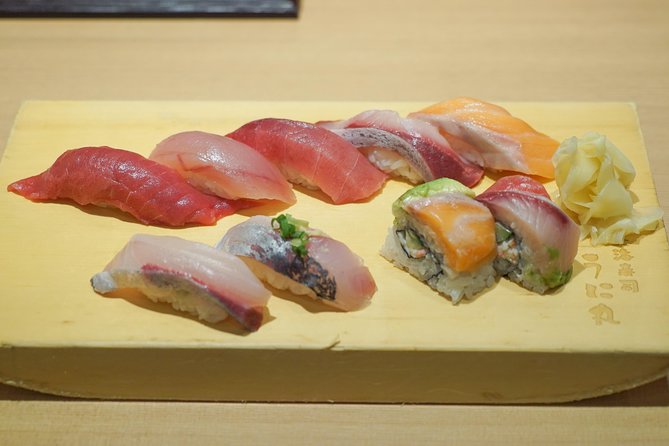
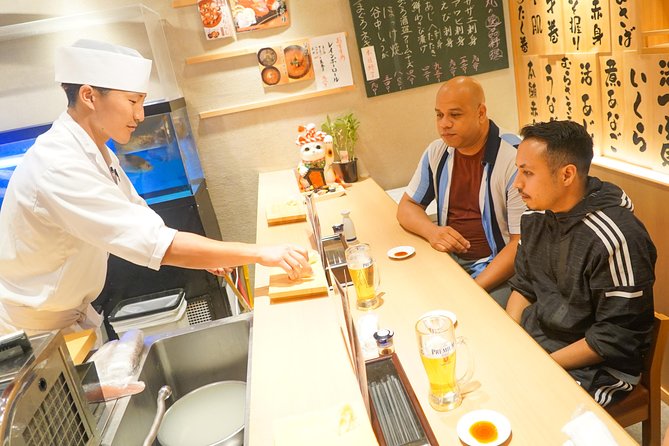
- Eight-piece omakase sushi: Expect the chef to choose seasonal sushi rather than ordering every piece yourself.
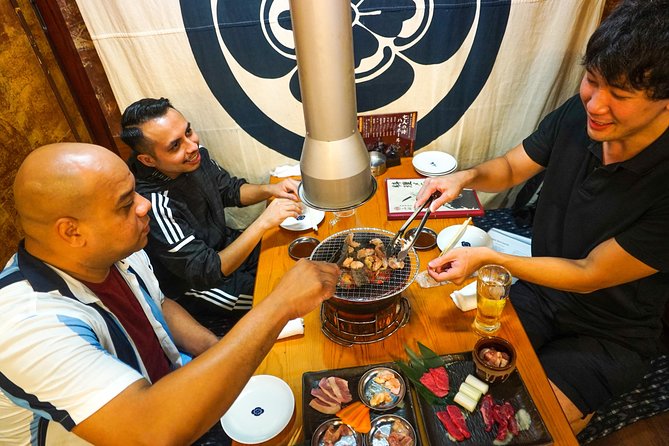
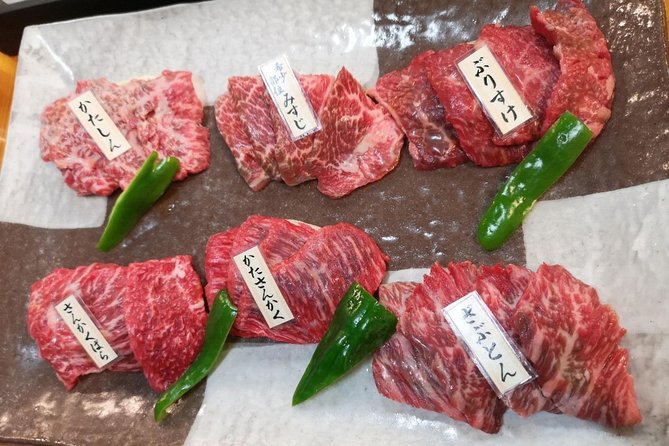
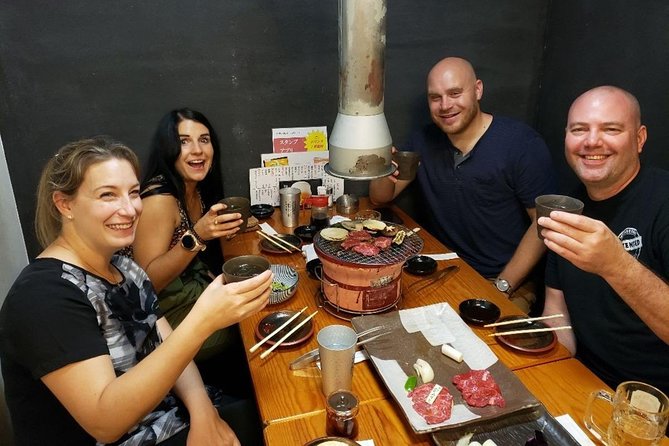
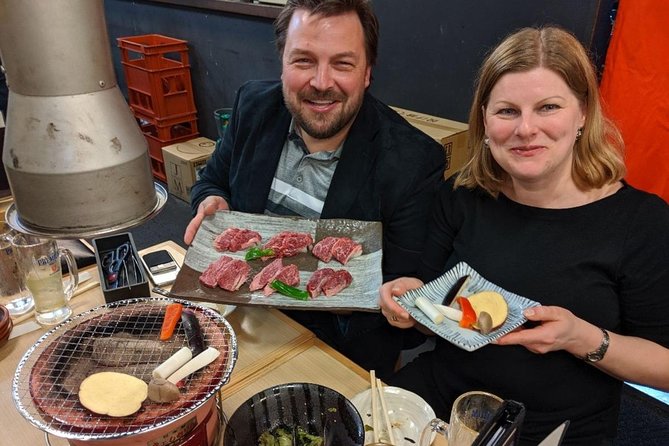
- A5 Wagyu at a shichirin grill: Several cuts of beef are cooked at your table over traditional charcoal stoves.
- Kabukicho after dark: The walk adds neon streets, nightlife, Godzilla Road, and a glimpse of Shinjuku beyond the restaurants.
- Small group of up to seven: The size suits questions, menu help, and conversation with other people.
- Dessert or a drink to finish: The final stop in Nishishinjuku gives the evening a lighter ending.
- Dietary planning matters: Vegetarian requests must be made by the day before, and allergy-free meals cannot be guaranteed.
Why the sushi and Wagyu pairing works
Many food tours give you a broad sample of small bites. This one focuses on two Japanese specialties with real weight behind them: sushi and yakiniku-style beef. That makes the $111.62 price easier to assess. You are not simply paying for a walk through Shinjuku. You are paying for several food stops, a local escort, restaurant coordination, and a night that combines dining with sightseeing.
The sushi portion is presented as omakase, meaning the chef selects the meal. One detailed account of the experience describes eight pieces of omakase sushi, while the Wagyu portion included five cuts of A5 beef. Exact dishes can change with the season and restaurant, so you should not treat those numbers as a fixed menu. Still, they show the general shape of the meal.
Omakase is especially useful if you are new to sushi or unsure what is best in Japan. Instead of trying to decode a menu, you let the chef choose the strongest available items. Your guide can help with questions and customs, and guides such as Yuki have also helped older family members make menu choices.
The Wagyu stop adds a different texture and rhythm. You cook the beef yourself over a shichirin stove, a traditional Japanese charcoal grill. That hands-on step makes the meal feel less like a tasting counter and more like a shared evening around the table.
You should arrive hungry, but not starved. Several people have found the amount of food more than enough, while one person described it as just right after arriving in Tokyo from a flight. The tour is designed as dinner, not a string of tiny samples.
More Sushi and Ramen Tours in Tokyo
- Sushi Making Tokyo Roll and Authentic Japanese Sushi Class
★ 5.0 · 3,971 reviews - Tokyo: Roll and Authentic Sushi Making Class in Asakusa
★ 4.9 · 1,957 reviews - Best of Shinjuku: Izakaya Food Tour (4 Stops, 14+ Tastings)
★ 5.0 · 1,863 reviews
Meeting in Shinjuku and finding the first table
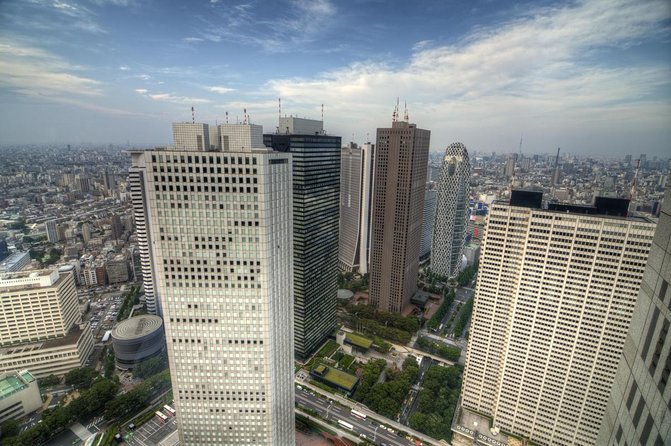
The meeting point is at 1-chōme-2-8 Nishishinjuku, in Shinjuku City. The activity begins in the Shinjuku area and ends back at the meeting point. Since the tour starts in one of Tokyo’s busiest districts, give yourself time to reach the address and locate your guide before the scheduled start.
The first stop is an authentic sushi restaurant described as a place known mainly to locals. The visit itself is listed at about 40 minutes, though the initial meeting and movement through the area form part of the opening stretch. This is not a long lecture before dinner. You get moving fairly quickly.
One useful strength here is the guide’s role at the table. A good guide can explain what you are eating, help with ordering, and answer questions about Japanese food and daily life. Yuma, Mimi, Aoi, and Molly are among the guides praised for making the evening personal and easy to follow. Guide quality can shape this experience, since the food is only half the story.
The group limit of seven is important. A large food tour can turn restaurant seating and conversation into a traffic jam. With this size, you have a better chance of hearing the guide and getting help when a dish or cooking method is unfamiliar.
Omoide Yokocho and the reality of the route
The itinerary includes Omoide Yokocho, a narrow restaurant area near Shinjuku Station known for its small lanes and compact eateries. It is a good place to begin thinking about the contrast between old-style eating districts and the larger nightlife zone around Kabukicho.
There is one practical detail you should understand before booking. The tour may meet or pass through Omoide Yokocho, but you do not necessarily eat inside those tiny lanes. The sushi restaurant can be about a 15-minute walk away, followed by another walk of roughly 15 minutes to the Wagyu restaurant.
That is not a flaw, but it changes your expectations. You are not signing up for a crawl where every course happens in Omoide Yokocho. You are taking a food-and-neighborhood walk, with restaurant stops set in different parts of Shinjuku.
The walking pace appears moderate. One person described it as a relaxing way to see Shinjuku, which may suit you if you want a gentle evening rather than a fast march between restaurants. Comfortable shoes still make sense, and you should prepare for weather. Tokyo summers can reach 40°C, while winter temperatures can fall to -5°C, according to the tour information.
Kabukicho after dark
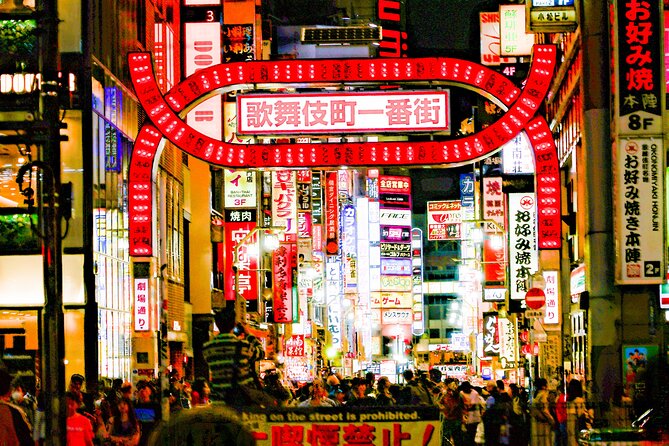
After the food stops, the tour spends about 40 minutes around Kabukicho. This is the part that gives the meal a sense of place. Shinjuku is not only a dining district. It is a dense nightlife area filled with restaurants, theaters, neon signs, and entertainment venues.
A guide is useful here because the streets can feel like visual overload. You can ask about the area, Japanese nightlife, local customs, and the difference between the streets you pass through. Guides have also shared enough neighborhood background to help people return later on their own and feel more comfortable choosing another restaurant.
The walk is not a formal historical tour with long stops at monuments. It is more about atmosphere, orientation, and cultural context. You will see the busy side of Tokyo as it gets dark, with time to absorb the signs, shopfronts, and movement around you.
This is also where the small group helps. Staying together in a crowded entertainment district is easier with six or seven people than with a coachload. Still, you should be prepared for crowds and plenty of visual noise. If you prefer quiet streets and old temples, Kabukicho will feel like a sharp change of pace.
Same appetite, a different neighbourhood:
- Tokyo: Shinjuku Food Tour (13 Dishes at 4 Local Eateries)
★ 5.0 · 6,603 reviews - Tokyo Tsukiji Fish Market Food and Culture Walking Tour
★ 5.0 · 3,184 reviews - Tokyo: Shinjuku Food Tour (15 Dishes and 4 Eateries)
★ 4.9 · 2,033 reviews - Tokyo: Sushi Making Class in a Happi Coat near a Famous Spot
★ 4.9 · 1,377 reviews
Godzilla Road and a five-minute photo stop
The itinerary includes Godzilla Road and the Godzilla Head, with about five minutes set aside for the stop. This is a brief landmark visit, not a long museum experience.
For Godzilla fans, the oversized head is a fun photo point and a recognizable part of the Shinjuku skyline. The stop also breaks up the food and walking portions with a quick bit of pop culture. You should keep your expectations in proportion: five minutes is enough to see the feature and take pictures, not enough for an extended explanation of the film series.
The value here comes from how easily it fits into the route. You do not need to make a separate trip across Tokyo for it, and the guide can point it out while introducing the surrounding nightlife streets.
Finishing with dessert or a drink
The final stop takes place in Nishishinjuku and lasts about 30 minutes. You finish with a Japanese dessert or a drink, following the sushi and grilled beef.
This ending is well judged. After two substantial food experiences, a sweet course gives you a chance to slow down and talk. If your group chooses a drink instead, the last stop can feel more like a relaxed bar visit.
The third restaurant is not always fixed in the same way as the sushi and Wagyu stops. The group may have a choice between dessert and a drink, and one group chose dessert. That flexibility is useful for mixed groups, but it also means you should not book the tour expecting one exact final dish.
The activity ends back at the meeting point. That makes it easier to continue your own evening in Shinjuku, though the tour does not provide a separate hotel transfer.
How much food and value you get for $111.62
At $111.62 per person, this is not a bargain meal in the everyday sense. The value depends on how much you want guidance and how comfortable you are finding good restaurants in Shinjuku yourself.
The price includes a three-hour evening with sushi, Wagyu, a final dessert or drink, and a guide. It also reduces the risk of choosing a disappointing restaurant in a district where the options can feel endless. For a first night in Tokyo, that convenience has real value.
You are also buying access to a social setting. The tour creates an easy way to meet other people, ask a local about Tokyo, and gather restaurant ideas for later in your trip. Several guides have offered recommendations for the rest of the visit, which makes booking near the start of your stay a sensible choice.
I would not choose this experience if your only goal is the lowest possible food bill. You can spend less by eating one meal on your own. I would consider it good value if you want high-end Japanese specialties, a guide to explain the setting, and a ready-made evening in a complicated part of Tokyo.
Guides and the human side of the evening
The guide is central to the experience. Food tastes better when you know what is on the plate, and Shinjuku is easier to enjoy when someone can explain what you are seeing.
Molly has been especially good at answering questions about food, culture, and daily life, while Yuma has combined humor with background about Shinjuku. Mimi has helped families with clear English and patient answers, and Aoi has been praised for making people feel included. Yosh has also been helpful with local orientation and getting people safely back toward their destination.
These names do not guarantee who will lead your departure, but they show the kind of guiding style you can expect: friendly, conversational, and attentive. The strongest part of the tour is not a scripted speech. It is the chance to ask the questions that fit your interests.
One fair caution is that the amount of food explanation can depend on the guide. If you want detailed information about every fish, cut, and preparation method, say so. The tour has a cultural side, but it is also a social evening, not a specialist sushi seminar.
Dietary limits, weather, and other practical concerns
The operator cannot guarantee allergy-free food because the restaurants are independent kitchens. Substitutions may not be possible at every stop, though an effort may be made to offer alternatives elsewhere. Anyone with a serious allergy should treat this as a major booking concern.
Vegetarian meals can be requested in advance, by the day before the tour. A vegetarian course cannot be arranged on the day itself. The experience is built around sushi and Wagyu, so you should confirm that the available alternatives suit you before paying.
Smoking may be allowed at some venues. The tour cannot always change restaurants for that reason. If smoke-free dining is essential, ask before booking.
The tour is near public transportation, and most people can take part. It is still a walking evening through crowded city streets, with restaurant seating and changing weather. Wear shoes you can walk in, and bring suitable protection from heat, cold, or rain.
Free cancellation is available up to 24 hours before the start time. Changes or cancellations made less than 24 hours ahead are not accepted for a refund.
Who will enjoy this Shinjuku food tour most
I would recommend this for first-time visitors who want a strong introduction to Shinjuku without spending hours planning restaurant reservations. It also fits couples, adult families, and solo visitors who enjoy eating with a small group.
It is a particularly good choice near the beginning of a Tokyo trip. You can ask the guide about other places to eat, learn how the neighborhood works, and return to Kabukicho later with more confidence.
Food-focused visitors should like the omakase and Wagyu combination. People who want a full cultural lecture, a quiet setting, or strict control over every dish may find the format less suitable.
The tour also works for visitors who want a substantial meal. The sushi, beef, and final stop add up to more than a quick tasting, though the exact menu and portion size can vary.
Should you book it?
Book this tour if you want premium Japanese food with a local guide, a small group, and an evening walk through Shinjuku’s neon core. The sushi and Wagyu give the experience a clear purpose, while Kabukicho, Godzilla Road, and dessert keep it from feeling like dinner in isolation.
Skip it if you need guaranteed allergy-free food, a fully vegetarian menu arranged at the last minute, or a smoke-free venue with no flexibility. Also skip it if you would rather choose each restaurant yourself.
For most visitors, I see this as a well-shaped first-night experience: enough food to count as dinner, enough walking to show you the district, and enough personal contact to make Tokyo feel less daunting.
FAQ
How long does the Tokyo Night Foodie Tour last?
The tour lasts approximately three hours.
Where does the tour meet?
The meeting point is 1-chōme-2-8 Nishishinjuku, Shinjuku City, Tokyo 160-0023, Japan.
Where does the tour end?
The activity ends back at the meeting point.
How many people can join the tour?
The tour has a maximum of seven travelers.
Is vegetarian food available?
A vegetarian course can be requested in advance, by the day before the tour. It cannot be arranged on the day of the experience.
Can the tour accommodate food allergies?
Allergy-free meals cannot be guaranteed because the food is prepared in kitchens that do not belong to the tour operator. Substitutions may also be unavailable at some stops.
What is the cancellation policy?
You can cancel at least 24 hours before the start time for a full refund. Cancellations or changes made less than 24 hours before the tour are not accepted.
More after-dark experiences in Tokyo
- Tokyo After 5: Authentic Japanese Food & Drink Night Tour
★ 4.5 · 560 reviews - Tokyo: 3-Hour Food Tour of Shinbashi at Night
★ 4.9 · 45 reviews - Winner 2025 Florence Sunset Food & Wine Tour by Eating Europe
★ 5.0 · 5,015 reviews - Saigon By Night and Street Food By Motorbike | Opt: Ao Dai Riders
★ 5.0 · 4,066 reviews
New food tours we have reviewed in Tokyo
- Tokyo: West-Side Cycling and Food Tour with Guide★ 5.0 · 37 reviews
- Tokyo Tsukiji Food & Culture Private Tour Licensed Guide★ 4.9 · 28 reviews
- Tokyo: Allstar Food Tour★ 4.7 · 29 reviews
- Tokyo: Wagyu and Sushi Gastronomic Journey★ 4.3 · 24 reviews
- Tokyo: Togoshi Ginza Street Food Tour★ 5.0 · 34 reviews
- Tokyo: Sushi Making Class★ 4.9 · 390 reviews
- Tokyo: Shibuya Food Tour (13 dishes and 4 Eateries)★ 5.0 · 178 reviews
- Tokyo: Best of Shibuya Food Tour★ 4.7 · 119 reviews
Sushi and Ramen Tours, compared.
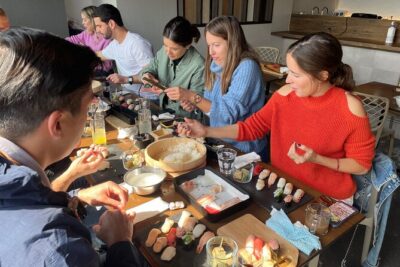
Sushi Making Tokyo Roll and Authentic Japanese Sushi Class
Read our review →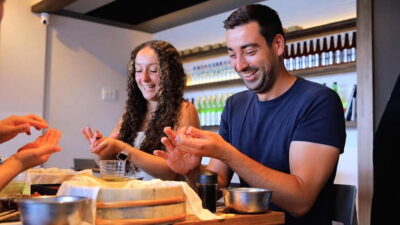
Tokyo: Roll and Authentic Sushi Making Class in Asakusa
Read our review →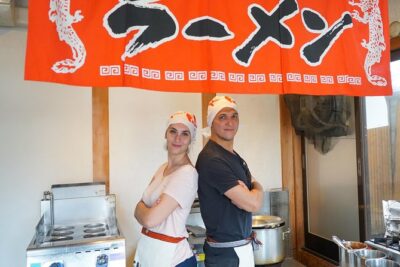
Ramen Cooking Class at Ramen Factory in Kyoto
Read our review →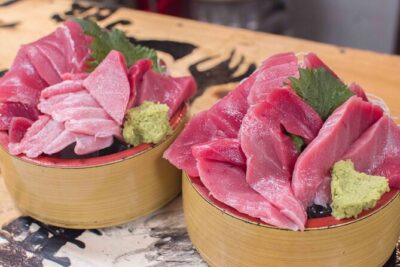
Best of Shinjuku: Izakaya Food Tour (4 Stops, 14+ Tastings)
Read our review →
Tokyo: Sushi Making Class in a Happi Coat near a Famous Spot
Read our review →
Sushi Making Tokyo! Popular Maki Sushi & Japanese Sushi(+Recipe!)
Read our review →
Sushi Making Osaka Roll and Authentic Japanese Sushi Class
Read our review →
Tokyo Sushi Making Class in Tsukiji with Professional Chef
Read our review →Browse the lists this tour appears in