
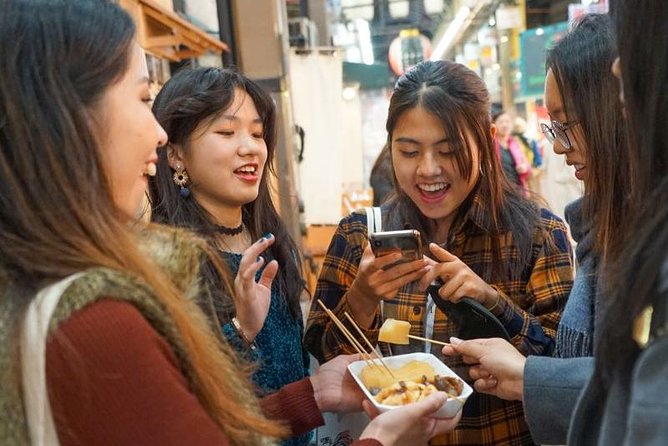
Review · FOOD WALKING TOURS
Kuromon Market Food Walking Tour in Osaka (6 stops, 6 tastes)
Osaka’s Kuromon Market is best enjoyed with a guide who can point to the good stalls, explain unfamiliar foods, and help you order. This tour combines six food tastes with a walk through Doguyasuji, a useful stop for kitchenware, knives, tableware, and cooking tools.
I like the small group limit of seven, which makes it easier to ask questions and adjust the pace. I also like the local food focus: takoyaki, sushi, yakitori, dumplings, sweets, and other market treats rather than a long list of famous sights. The main caution is the food budget and portion size. One person felt hungry afterward, so think of this as a guided tasting walk, not a full lunch.
Key points to know before you book
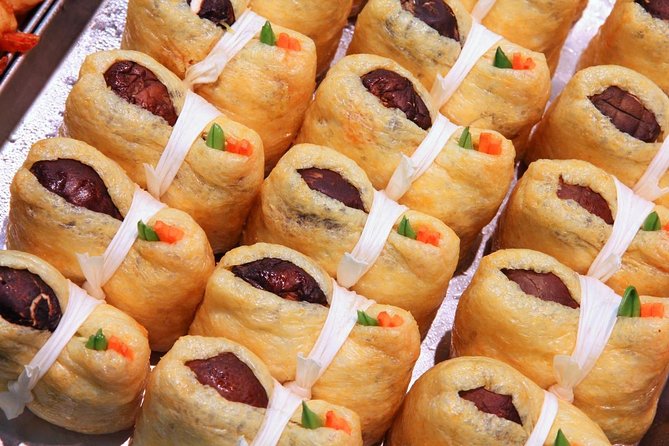
- Six tastes in about two hours: Expect a sampling of Osaka favorites, with exact foods depending on the guide and group.
- Kuromon plus Doguyasuji: The tour adds kitchenware shops and local streets to the market visit.
- Small groups of seven or fewer: This makes ordering, asking questions, and keeping together easier.
- Guides vary by date: Nina, Yuto, Rie, Megumi, Niko, Aya, Taku, and others have led this experience.
- Start on time at Nippon-bashi: Meet by the SMBC ATM near Kintetsu Nippon-bashi Station Exit 10.
- Bring extra cash: The tour covers the guide’s food and drinks, but you need money for extra snacks and drinks.
Why Kuromon Market works so well for a first Osaka food walk
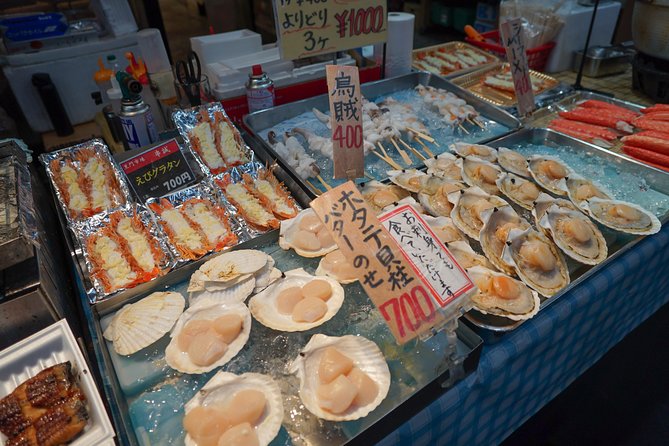
Kuromon Market is a long shopping street in Minami, the central area of Osaka. It has a different feel from the giant signs and restaurant crowds of Dotonbori. Here, you move past food stalls, shops, and small sellers, often stopping for a bite before continuing down the street.
The market’s name comes from the black gate of Enmyoji Temple. That small piece of background gives the place more meaning than a simple row of food counters. You are walking through a market with a local identity, not just ticking off another Osaka attraction.
A guide helps most when you do not know what to order. Food signs may be difficult to read, portions can vary, and some stalls are aimed at quick local purchases rather than visitors looking for an organized meal. A guide can explain what is being sold, help with language problems, and steer you toward dishes that suit your tastes.
The strongest part of this experience is the combination of food and conversation. Guides such as Nina, Yuto, Rie, and Megumi have been praised for keeping the mood light while explaining Japanese food customs and Osaka life. The exact style depends on who leads your group, but the small size gives you a good chance to ask direct questions.
More Market Food Tours in Japan
- Osaka: Kuromon Market Food Walking Tour (6 stops, 6 tastes)
★ 4.6 · 272 reviews - Tokyo Tsukiji Fish Market Food and Culture Walking Tour
★ 5.0 · 3,184 reviews - Nishiki Market Brunch Walking Tour (7 Tastings + Brunch)
★ 5.0 · 1,355 reviews
Meeting near Nippon-bashi and getting your bearings
The meeting point is in front of the SMBC ATM at Nippon-bashi 1chome, near Kintetsu Nippon-bashi Station Exit 10. The listed address is Japan, 542-0073 Osaka, Chuo Ward, Nipponbashi, 1-chōme 17, Picasso Nipponichi Building.
This is a practical starting point because the area is close to public transportation. Give yourself extra time to find the correct exit and ATM. The tour starts on time, and late arrivals cannot join, reschedule, or receive a refund if they miss the group.
You return to the same meeting point after roughly two hours. That makes the experience easy to fit into a morning or afternoon plan. I would schedule it near the start of your Osaka stay, since the guide’s food and neighborhood advice can help with later meals.
The guide may also help you find a train at the end. That is a small but useful touch if Nippon-bashi, Namba, and Dotonbori are still new to you.
Tasting Osaka one stop at a time
The tour is described as six stops and six tastes, but the exact food selection is not fixed in the information provided. Past menus have included fresh sushi, takoyaki, yakitori, dumplings, mushrooms, oden, and Japanese sweets.
That flexibility can work in your favor. A guide may adjust the food to the group’s interests, and several guides have been praised for doing so. If you have a dish you especially want to try, tell the guide early rather than waiting until the final stop.
Takoyaki for the classic Osaka bite
Takoyaki is one of Osaka’s best-known foods, and it is a natural part of a market food walk. These hot, round snacks are commonly associated with the city and are usually eaten soon after cooking.
A guide is useful here because temperature matters. You may need to wait before taking a full bite, and the toppings can make the food messy. One guide brought hand wipes for the group, a thoughtful detail when you are eating while walking.
More Market Food Tours in Osaka:
- Chef Guided Food Tour of Pike Place Market
★ 5.0 · 3,733 reviews - London Bridge & Borough Market Food Tour with 7 Authentic Dishes
★ 5.0 · 1,972 reviews - Pike Place Market Tasting Tour
★ 5.0 · 1,696 reviews - Small Group Cooking Class & Market Food Tour in Florence
★ 5.0 · 1,574 reviews
Sushi and fresh market food
Fresh sushi has appeared among the tastings. Kuromon Market is known for food shopping, so this stop connects the market’s everyday purpose with the food you are trying.
Do not expect a full sushi meal. The tour is built around small tastes across several stops, not one large plate. If sushi is your main reason for booking, ask the guide at the beginning how it fits into that day’s selection.
Yakitori, dumplings, and other savory bites
Yakitori and dumplings give the walk a different rhythm from seafood and takoyaki. One food selection included mushroom yakitori, which is useful to know if you prefer something besides meat.
Oden and gyoza have also been recommended during the walk. Taku, one of the guides, was especially praised for helping a solo participant find gyoza and oden. The lesson is simple: speak up about your preferences. The tour can be more personal when the guide knows what you like.
Sweets and smaller tastes
Japanese sweets may appear as one of the stops. A sweet bite gives you a break from hot and savory foods, though it also reinforces the fact that this is a tasting route rather than a sit-down meal.
The phrase six tastes should not be read as six large servings. Portions and choices may change with the group, the day, and dietary needs. If you have a big appetite, plan to buy an extra snack or a later meal.
Doguyasuji adds a useful shopping stop
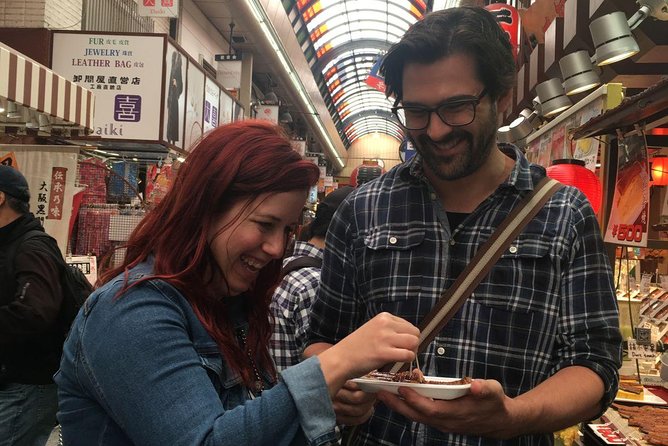
Doguyasuji is a street lined with shops selling kitchenware, tableware, cooking equipment, and other supplies. It is a good match for a food tour because you see some of the tools and objects behind Japanese cooking and restaurant culture.
This stop also gives you a break from eating. You can browse knives, dishes, utensils, and restaurant goods, though the tour information does not promise a specific shop or purchase. If you are looking for souvenirs, ask the guide which items are practical to carry home.
The shopping portion is one reason this tour offers more than a self-guided snack crawl. Kuromon Market is easy to visit on your own, but a guide can connect the food with the shops and explain what you are seeing. That added context is most useful if this is your first visit to Osaka.
Namba, Dotonbori, and Osaka’s comic side
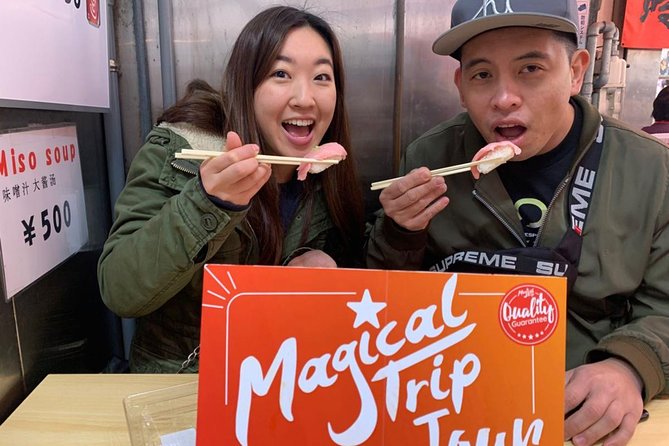
The route passes through nearby Namba and Dotonbori rather than presenting them as long stops. Namba is a major entertainment and transportation district, with shopping, restaurants, and the Namba Parks complex.
You also pass Namba Grand Kagetsu, a comedy theater operated by Yoshimoto Kogyo. This gives a quick look at Osaka’s comic culture, an important part of the city’s character.
Dotonbori brings the familiar Osaka images: large three-dimensional signs, the Glico sign, Kani Douraku, and Shochikuza Theater. You will not have a full sightseeing tour of every landmark, but passing through helps place Kuromon Market within the wider Minami area.
If you have already visited Dotonbori, the market section may feel more useful and less crowded. One participant specifically found Kuromon’s mood quite different from Dotonbori and returned to explore it again. I agree with that planning approach: use this tour for market guidance, then explore Dotonbori independently when you want photos and nightlife.
The guides shape the experience
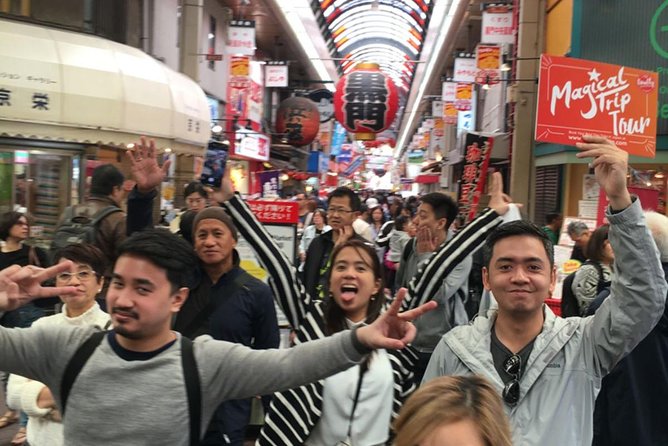
The guide is the most important variable. Names connected with this experience include Nina, Yuto, Rie, Megumi, Niko, Aina, Aya, Peco, Mari, Mitch, Taku, Anne, and Yuki.
Nina has been praised for her warmth, humor, English, and patience with children. Yuto handled dietary concerns well for one group. Rie showed participants around Namba and introduced them to different foods, while Megumi combined food stops with conversation about Japanese culture.
Niko received praise for keeping energy high, adjusting to what the group wanted, and helping with train directions during bad weather. Taku helped with local ordering, photos, and food choices. These details matter if you are traveling alone, with children, or with someone nervous about language barriers.
Still, do not assume every guide will deliver the same level of commentary. One participant felt the guide offered too little information unless asked and did not explain the market or food in enough detail. That is a fair concern. If you want more cultural background, ask questions early and clearly. The tour works best as an active conversation, not a silent walk behind the guide.
What $50.41 buys you
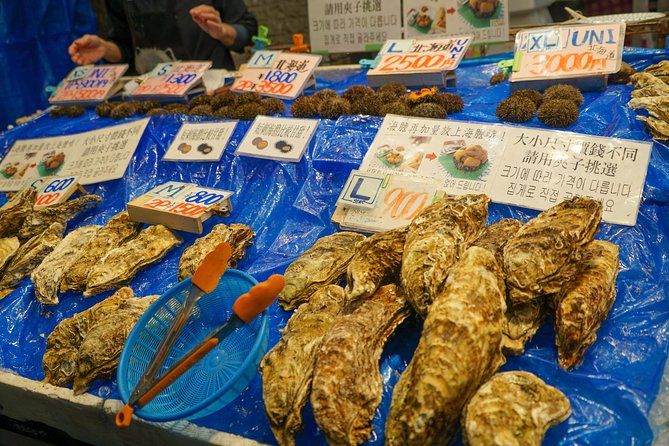
At $50.41 per person, the price is higher than simply walking into Kuromon Market and buying six snacks yourself. The value depends on what you want from the visit.
You are paying for a local guide, help with ordering, food tastings, neighborhood orientation, cultural explanation, and a small group capped at seven. You also get the convenience of moving through the market without stopping at every stall to guess what something is.
The price is less convincing if your only goal is to eat as much as possible. A critical experience described a limited food budget and left one participant hungry. Another person felt the market was easy enough to explore alone. Those are important warnings, not minor complaints.
I would judge the value this way:
- Good value if you are new to Osaka, unsure what to order, or want cultural context.
- Good value for families and solo visitors who appreciate help with food, photos, and navigation.
- Less good value if you already know Kuromon Market or mainly want a large meal.
- Best value when you use the guide’s recommendations for the rest of your stay.
You do not need to pay for the guide’s food or drinks. Bring cash for anything extra beyond the included tastings.
Group size, families, and the walking pace
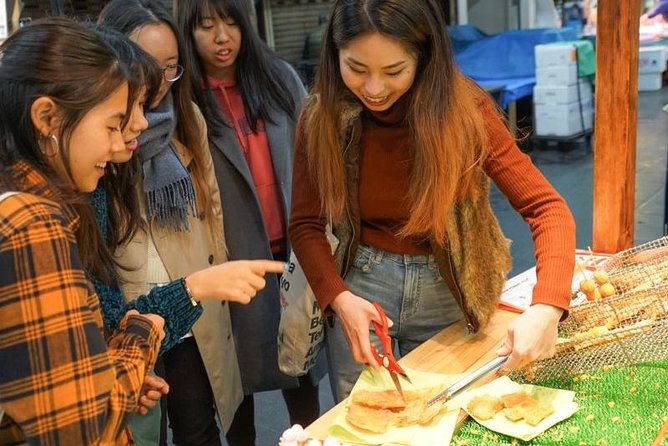
The maximum group size is seven. That is small enough for a more personal feel, and it makes it easier to hear the guide in a crowded market. A group of five was described as comfortable, with enough food for the price in that particular case.
All ages are welcome. Families have found the experience suitable for children, and one guide answered kids’ questions with patience and humor. A child in a sling also managed the route well. A stroller may be awkward in narrow or crowded areas, so a sling is the safer option based on the available experience.
The tour lasts about two hours. You should expect to stand, walk, eat, and move through busy commercial streets. Osaka summers can reach 40°C, while winter temperatures can fall to minus 5°C. Wear shoes you can walk in, dress for the weather, and carry water in hot conditions.
Dietary needs need advance planning
Dietary requests must be sent at least one day before the tour. Requests made on the day cannot be accommodated.
The available information gives mixed guidance about gluten-free food. One note says gluten-free requests cannot be accommodated, while another says vegetarian, vegan, and gluten-free requests may be considered but options can be limited. The safest approach is to contact the provider before booking and get a clear answer for your exact needs.
The food is prepared in kitchens the tour company does not operate. Substitutions and allergy-free meals are not guaranteed. If you have a serious allergy, this may not be the right food experience unless the provider confirms that the tour can safely meet your needs.
Should you book the Kuromon Market food walk?
Book it if you want a friendly introduction to Osaka food, need help ordering, or prefer a small group over exploring the market alone. It is especially useful during your first days in Osaka, when advice about Kuromon, Namba, Dotonbori, and nearby restaurants can shape the rest of your visit.
Do not book it expecting six full meals or unlimited food. The tastings may be modest, and the exact selection changes. If you are hungry, carry extra cash and plan another meal afterward.
My practical choice would be to take this tour early in your Osaka stay, ask the guide about the foods you most want to try, and treat the route as an introduction rather than the final word on Kuromon Market. With that expectation, the combination of local help, six tastes, Doguyasuji, and a group of seven or fewer makes the $50.41 price reasonable for many first-time visitors.
FAQ
Where does the Kuromon Market food tour begin?
It begins in front of the SMBC ATM at Nippon-bashi 1chome, near Kintetsu Nippon-bashi Station Exit 10.
Where does the tour end?
The activity ends back at the meeting point.
How long does the tour last?
The walking and food experience lasts approximately two hours.
How many people can join the tour?
The maximum group size is seven people.
What foods might I taste?
Possible foods include takoyaki, sushi, yakitori, dumplings, oden, mushrooms, and Japanese sweets. The exact six tastes can vary.
Is Doguyasuji included?
Yes. The route includes a visit to Doguyasuji, where you can browse kitchenware, tableware, and cooking equipment.
Are children allowed to join?
Yes. All ages are welcome, and children have joined successfully.
Do I need to pay for the guide’s food?
No. You do not need to cover the guide’s food or drinks. Bring cash if you want extra snacks or drinks.
Can dietary requests be accommodated?
You must provide dietary requests or allergy information at least one day before the tour. Options may be limited, substitutions are not guaranteed, and the information provided gives conflicting guidance about gluten-free requests, so confirm directly before booking.
More Food Walking Tours in Osaka
- Osaka Local Foodie Walking Tour in Dotonbori and Shinsekai
★ 5.0 · 985 reviews - Reykjavik Food Walk – Local Foodie Adventure in Iceland
★ 5.0 · 18,952 reviews - New Orleans Food Walking Tour of the French Quarter with Small-Group Option
★ 5.0 · 6,118 reviews - Naples: Street Food Walking Tour with Local Guide
★ 4.9 · 4,976 reviews
New food tours we have reviewed in Osaka
- Hidden Osaka – Yukaku Red Light Tour & Culinary Adventure★ 4.8 · 96 reviews
- Eat Like a Local in Osaka – Private Custom Street Food Tour★ 4.3 · 33 reviews
- Osaka: Sushi Class in Dotonbori★ 4.9 · 160 reviews
- Osaka: Sushi Making in Spacious Studio (SAME-DAY OK!)★ 5.0 · 75 reviews
- Osaka: Roll and Authentic Sushi Making Class in Dotonbori★ 4.9 · 239 reviews
- Osaka: Local Foodie Tour in Dotonbori and Shinsekai★ 4.7 · 95 reviews
- Osaka: Kuromon Market Food Walking Tour (6 stops, 6 tastes)★ 4.6 · 272 reviews
- Osaka: 2-Hour Local Street Food Tour – Dotonbori & Namba★ 4.6 · 95 reviews
Food Walking Tours, compared.
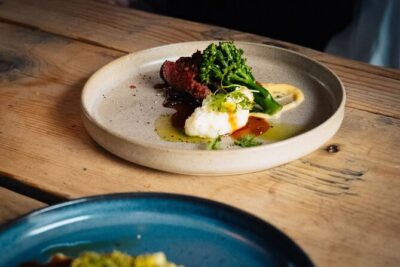
Reykjavik Food Walk – Local Foodie Adventure in Iceland
Read our review →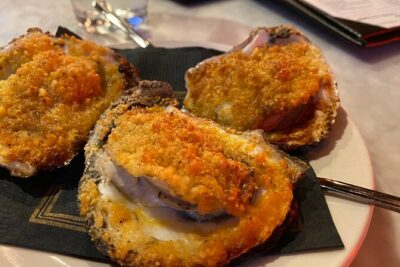
New Orleans Food Walking Tour of the French Quarter with Small-Group Option
Read our review →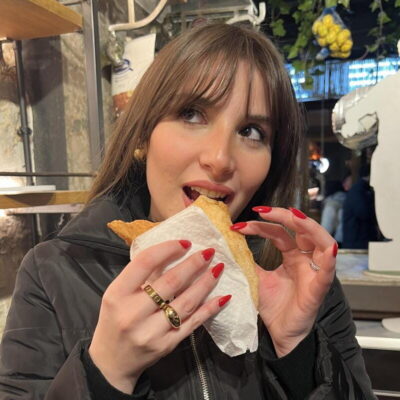
Naples: Street Food Walking Tour with Local Guide
Read our review →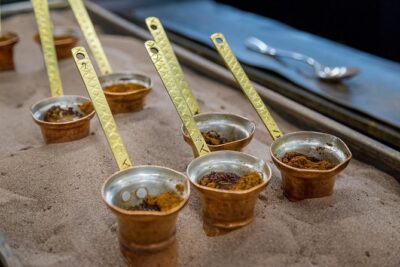
Savannah First Squares Culinary & Cultural Walking Food Tour
Read our review →
Rome: Guided Food Walking Tour with Wine in Trastevere
Read our review →

Rome: Trastevere & Campo de Fiori Street Food Walking Tour
Read our review →Browse the lists this tour appears in