
Review · COOKING CLASSES
Osaka: Roll and Authentic Sushi Making Class in Dotonbori
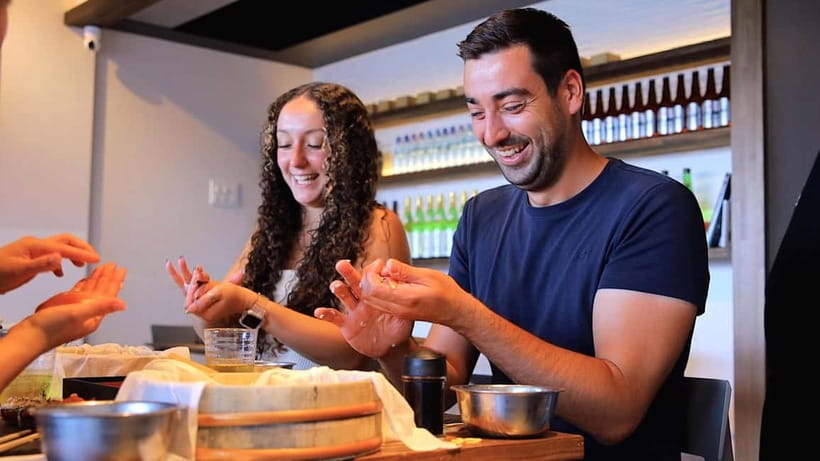
The best part of this Osaka activity is simple: you do not just watch a chef work. You make maki rolls and nigiri sushi yourself, then sit down and eat the results. A short quiz on sushi history adds context without turning the class into a lecture.
I like the friendly English-speaking instruction, especially from teachers such as Shoki, Yui, Takara, Fuji, and Reika. I also like the central location, just five minutes from Shinsaibashi Station and close to Dotonbori, so you can fit the class around an evening of eating and exploring. The main drawback is timing: some people find the final eating period a little rushed, so pay attention during the demonstrations and keep your work area tidy.
Key Points Before You Book
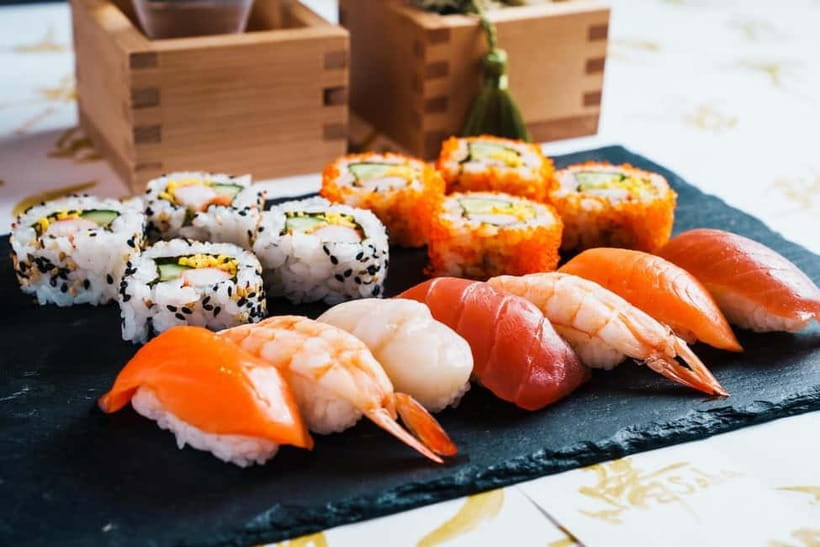
- You make two styles of sushi: Prepare maki rolls and traditional nigiri, rather than simply assembling one easy dish.
- The class begins with sushi history: A light quiz and visual explanations give useful context before you handle the ingredients.
- English instruction keeps things easy: Staff explain each step, demonstrate the techniques, and help beginners throughout.
- The food becomes your lunch or snack: You eat the sushi you make, with enough ingredients for a satisfying meal.
- Dietary requests are possible: Vegan, vegetarian, gluten-free, halal, and allergy-friendly menus can be arranged if requested at least three days ahead.
- The setting is central but slightly tucked away: The class meets on the third floor of the Galleria Acca Building, near Shinsaibashi and Dotonbori.
Why This Class Works Well in Osaka
Osaka is famous for food, but much of the eating here is passive. You choose a restaurant, point at a menu, and hope you ordered well. This class gives you a more active connection with one of Japan’s best-known foods.
You learn enough technique to understand what you are eating. The difference between a roll and nigiri becomes clear in your hands, not just on a menu. That makes later sushi meals more interesting because you begin to notice the shape, rice, topping, and presentation.
The setting also makes practical sense. The meeting point is about five minutes from Shinsaibashi Station and within easy reach of Dotonbori. You can schedule the class before a night walk along the canal, after shopping in Shinsaibashi, or as a midday break from Osaka sightseeing.
At $45 per person, this is not the cheapest meal in Osaka. It is a reasonable price for a 100-minute activity that includes instruction, ingredients, and the sushi you prepare. You are paying for a meal plus a hands-on cultural experience, not simply for plates brought to your table.
More Cooking Classes in Japan
- Osaka: Ramen and Gyoza Cooking Class in Dotonbori
★ 5.0 · 378 reviews - Osaka: Cooking Class Ramen & Gyoza Course in Nanba
★ 4.9 · 86 reviews - Osaka: Gluten-Free Ramen and Gyoza Cooking Class
★ 5.0 · 42 reviews
Arriving at the Galleria Acca Building
The meeting point is on the third floor of the Galleria Acca Building. The entrance can be easy to miss because the building has a concrete architectural style and does not announce itself like a large restaurant.
Give yourself a few extra minutes to find the entrance. This is especially useful if you are coming from the crowded streets around Dotonbori, where signs, shops, and pedestrians can make a short walk feel less direct.
The class is listed as wheelchair accessible. One practical point from the venue details is that the building has an elevator, but it may not reach the workshop floor. If access is important for you, confirm the exact arrangement before booking.
Once you arrive, expect a clean, organized room set up for group instruction. You sit at a workstation with prepared ingredients and follow the teacher’s demonstrations from your place.
The Sushi Quiz Comes First
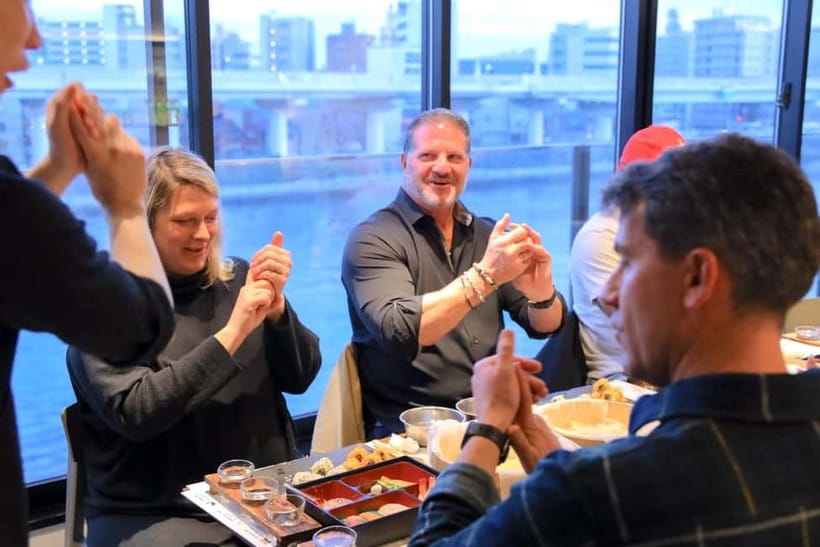
The class does not rush straight into rolling rice. It begins with a short, interactive introduction to sushi history. The quiz format keeps this part light and social, while giving you a few useful facts about how sushi developed.
This is a good choice for a mixed group. A serious food student gets some background, while a first-time visitor does not have to sit through a long historical talk. The instructors use visual material and demonstrations, so the information is tied to what you will make next.
The teachers also use this opening to get people talking. They may ask where you are from and create conversation between people who arrived as couples, families, or solo participants. That social element matters because cooking classes can feel stiff if everyone works in silence.
Names vary by session, but instructors including Shoki, Yui, Takara, Fuji, Reika, Fuko, Fujiko, Miho, and Serai have led classes. The common thread is an upbeat teaching style, with jokes, encouragement, and clear English.
Making Maki Rolls Step by Step
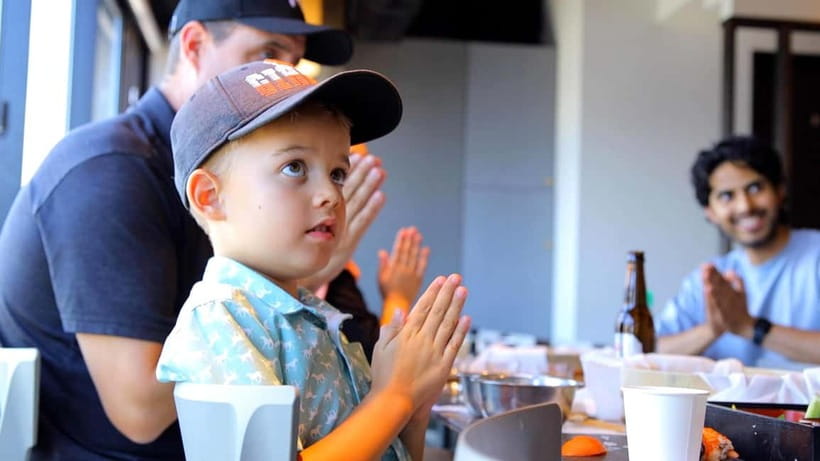
The first practical lesson covers maki, the rolled style of sushi. You work with rice, nori, and prepared fillings, then learn how to shape the roll and cut it into pieces.
This is the more forgiving of the two techniques. The nori helps hold everything together, and a slightly uneven roll can still look and taste good. You will still need to listen closely, since the amount of rice and the pressure used while rolling affect the final shape.
The class uses demonstrations before you begin. That helps because sushi techniques can look easy until you try them. The teacher shows the movement, then lets you copy it at your own station.
The amount of food is generous enough to make the class feel like more than a tasting. One session included six maki pieces and six pieces of nigiri or sashimi-style sushi, though the exact arrangement may vary. You should expect to eat what you make rather than carry a finished box away.
For children, families, and people who do not cook often, maki is a comfortable starting point. You can focus on neatness and balance without needing professional knife skills.
More Sushi and Ramen Tours in Osaka
- Sushi Making Osaka Roll and Authentic Japanese Sushi Class
★ 5.0 · 1,220 reviews - Osaka: Five Must-See Highlights Walking Tour & Ramen Lunch
★ 4.7 · 411 reviews - Osaka Sushi Making Experience
★ 5.0 · 400 reviews - Osaka: Sushi Class in Dotonbori
★ 4.9 · 160 reviews
Shaping Nigiri Without Panic
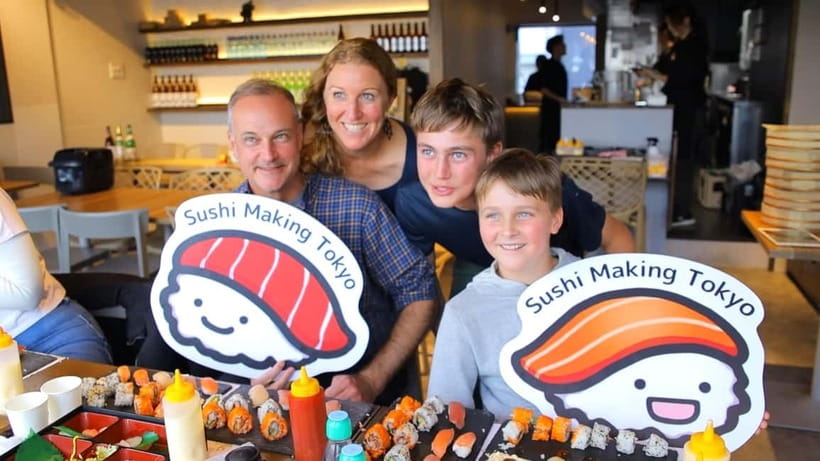
Nigiri is the more traditional-looking challenge. You shape a small mound of seasoned rice and place a topping over it. The result seems simple, but getting the rice to hold together without crushing it takes a gentle touch.
The instructors break the process into manageable steps. Watch carefully, copy the hand position, and do not squeeze too hard. The class has a cheerful way of reminding you to treat the rice kindly, which helps keep the mood relaxed when your first piece looks less than perfect.
This is where the activity feels most useful for future meals. Once you have tried forming nigiri, you understand why the rice matters so much. You also get a better sense of the difference between a roll designed to hold several fillings and a small piece built around one topping.
The lesson is intended for beginners, not aspiring restaurant chefs. Ingredients are prepared before class, so you are learning assembly, shaping, and presentation rather than starting with fish preparation or rice cooking. That keeps the session manageable within 100 minutes.
If you want a full professional kitchen course, this will feel limited. If you want a practical introduction that you can remember and repeat at home, the scope is about right.
Eating What You Made
The reward comes at the end, when you eat the sushi you have assembled. This gives the activity a satisfying finish and helps you judge the results immediately.
The ingredients are described as good quality, with a useful range of fillings. The quantity is enough to serve as a light lunch or substantial snack, depending on how hungry you are.
The timing deserves attention. Some sessions have felt rushed at the end, particularly when participants spend too long perfecting their final pieces. One useful tip is to follow the demonstration closely and keep moving once your own sushi is taking shape.
You may also want to place ginger and wasabi on your plate before the ingredient tray is collected. That avoids losing condiments before you have started eating. The class is 100 minutes long, but the time available for eating can feel shorter if the making stage runs behind.
This is not a flaw that ruins the class, but it affects the pace. If you prefer a slow meal with plenty of conversation, plan to eat another meal afterward. If you see the sushi as the delicious result of a workshop, the ending should feel satisfying.
How the Instructors Shape the Experience
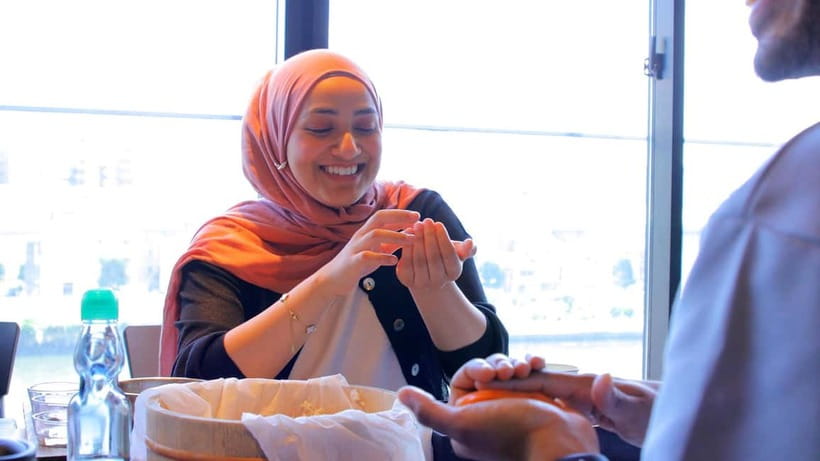
The teaching is one of the strongest reasons to book. Staff members use clear English, show the technique, then circulate to help. That matters more than polished presentation because sushi is a hands-on skill and small adjustments make a difference.
Shoki is known for bringing humor into the history section and keeping the room involved. Yui has been praised for clear instruction, while Takara is particularly warm and encouraging. Fuji has also helped participants with both the sushi steps and suggestions for things to eat and do around Osaka.
You should expect an energetic atmosphere rather than a quiet chef’s demonstration. The group may learn a chant or call of Hoi Hoi Hoi while making nigiri. It is playful and a little silly, but that is part of the appeal for families and groups of friends.
Solo participants can also fit in well. The instructors make a point of starting conversations, and the class naturally creates chances to talk with people from other countries. Couples who want a shared activity will find more to discuss here than at an ordinary restaurant meal.
The small-group feel is another plus. Exact group size is not stated, but sessions have been described as intimate and well organized. The teacher can demonstrate to the room while still offering individual help.
Dietary Options and Advance Planning
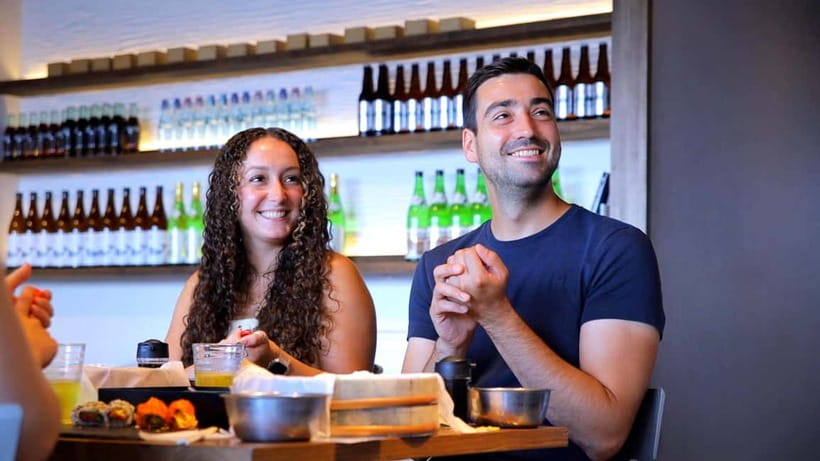
The class can accommodate vegan, vegetarian, gluten-free, halal, and allergy-related menu changes. Meat, nuts, fruits, and dairy are not used in the standard ingredient information provided for this activity.
You must request a menu change at least three days before the class. Same-day changes are not accepted, and the provider does not accept individual ingredient specifications beyond the available menu options.
That last point is important. If you have a serious allergy or need a very specific substitution, contact the provider before reserving. Do not assume that mentioning it at the door will be enough.
The halal option has worked well when requested in advance, with the staff checking the ingredients before the class. This makes the activity a stronger choice for people who often have difficulty finding food experiences that can accommodate their diet.
Who Will Enjoy This 100-Minute Activity
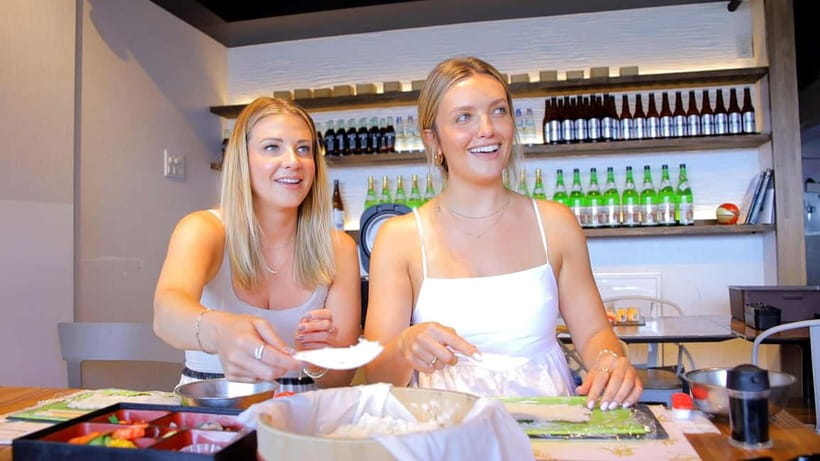
I would recommend this class to first-time visitors who want a food activity with clear structure. You do not need cooking experience, and the instructors guide you through each stage.
It works especially well for:
- Couples looking for a shared Osaka memory
- Families with children who enjoy making their own food
- Solo participants who like social classes
- Sushi fans who want to understand the basics
- People with dietary needs who arrange the correct menu early
- Visitors staying near Shinsaibashi or Dotonbori
It may be less suitable if you want advanced fish preparation, a long lesson on rice cooking, or a quiet fine-dining atmosphere. The class focuses on making maki and nigiri from prepared ingredients, with a lively teaching style.
It is also worth thinking about your schedule. The class lasts 100 minutes, and the central location makes it easy to pair with sightseeing. Still, do not book it immediately before a train or timed attraction, since finding the building and completing the class both require a little breathing room.
Booking Value at $45 Per Person
The $45 price works best when you treat this as both a meal and an activity. Ingredients are included, the instructor is included, and you eat what you make. There is no hotel pickup or drop-off, but the class is in central Osaka and close to public transport.
Compared with simply buying sushi, the class costs more. Compared with a private cooking lesson, it offers a good amount of instruction for the price, particularly if you are happy working in a shared class.
The free cancellation policy allows cancellation up to 24 hours before the start for a full refund. You can also reserve and pay later, which helps if your Osaka schedule is still changing.
Should You Book the Osaka Sushi Class?
Book it if you want a friendly, practical food experience in a central location. The strongest reasons are the patient English-speaking teachers, the chance to make both maki and nigiri, and the fact that you eat your own work at the end.
I would book early if you need a halal, vegan, vegetarian, gluten-free, or allergy-friendly menu, since changes must be arranged at least three days ahead. I would also leave a little extra time around the class so the final meal does not feel rushed.
Skip it if you want a long professional cooking course or a formal sushi-chef apprenticeship. For most visitors, though, $45 buys a useful introduction, a filling snack or lunch, and a memorable way to connect with Osaka’s food culture.
FAQ
Where is the sushi making class held?
The class meets on the third floor of the Galleria Acca Building, about five minutes on foot from Shinsaibashi Station and close to Dotonbori.
How long does the class last?
The activity lasts 100 minutes.
What types of sushi will I make?
You will make two types: maki sushi rolls and authentic Japanese nigiri sushi.
Is the class taught in English?
Yes. The instructor and class support are provided in English.
Do I need previous cooking experience?
No. The class is designed for beginners, and the instructors explain and demonstrate each step.
Can I request a special menu?
Vegan, vegetarian, gluten-free, halal, and allergy-related menu changes are available when requested at least three days before the class. Same-day changes are not accepted.
Is the class wheelchair accessible?
The activity is listed as wheelchair accessible. The building has an elevator, but one practical note says the elevator does not reach the workshop floor, so confirm the access details before booking if needed.
More hands-on workshops in Osaka
- Sushi Making Tokyo Roll and Authentic Japanese Sushi Class
★ 5.0 · 3,971 reviews - Tokyo: Sushi Making Class in a Happi Coat near a Famous Spot
★ 4.9 · 1,377 reviews - Tokyo Sushi Making Class in Tsukiji with Professional Chef
★ 5.0 · 1,177 reviews - Athens: Food Market Visit and Cooking Class with Wine
★ 4.9 · 1,087 reviews
More Cooking Classes in Osaka
- Authentic Pizza Making Class in Naples with Appetizers and Drink
★ 5.0 · 3,178 reviews - Tokyo: Roll and Authentic Sushi Making Class in Asakusa
★ 4.9 · 1,957 reviews - Ramen Cooking Class at Ramen Factory in Kyoto
★ 5.0 · 1,937 reviews - Small Group Cooking Class & Market Food Tour in Florence
★ 5.0 · 1,574 reviews
New food tours we have reviewed in Osaka
- Hidden Osaka – Yukaku Red Light Tour & Culinary Adventure★ 4.8 · 96 reviews
- Eat Like a Local in Osaka – Private Custom Street Food Tour★ 4.3 · 33 reviews
- Osaka: Sushi Class in Dotonbori★ 4.9 · 160 reviews
- Osaka: Sushi Making in Spacious Studio (SAME-DAY OK!)★ 5.0 · 75 reviews
- Osaka: Local Foodie Tour in Dotonbori and Shinsekai★ 4.7 · 95 reviews
- Osaka: Kuromon Market Food Walking Tour (6 stops, 6 tastes)★ 4.6 · 272 reviews
- Osaka: 2-Hour Local Street Food Tour – Dotonbori & Namba★ 4.6 · 95 reviews
- Osaka: Gluten-Free Ramen and Gyoza Cooking Class★ 5.0 · 42 reviews
Cooking Classes, compared.
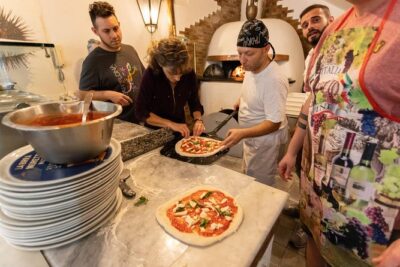
Authentic Pizza Making Class in Naples with Appetizers and Drink
Read our review →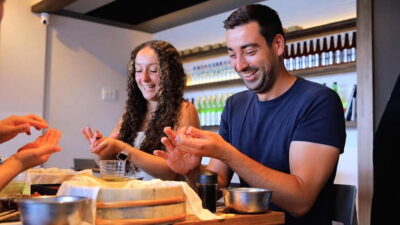
Tokyo: Roll and Authentic Sushi Making Class in Asakusa
Read our review →
Ramen Cooking Class at Ramen Factory in Kyoto
Read our review →
Small Group Cooking Class & Market Food Tour in Florence
Read our review →
Tokyo: Sushi Making Class in a Happi Coat near a Famous Spot
Read our review →
Tokyo Sushi Making Class in Tsukiji with Professional Chef
Read our review →
Food Market Visit and Cooking Class with Wine
Read our review →
Naples: Neapolitan Pizza and Tiramisù Making Class
Read our review →Browse the lists this tour appears in