
Review · COOKING CLASSES
Osaka: Ramen and Gyoza Cooking Class in Dotonbori
The best part of this Osaka class is that you do not simply watch someone assemble ramen. You knead the wheat, cut the noodles with a machine, and fold gyoza before sitting down to eat. The meal is the reward, but the useful skill is knowing how the bowl came together.
I like the small-group setup, with up to eight people and two instructors, because you get help without losing the hands-on feel. I also like the practical finish: you eat your own soy-sauce ramen and chicken gyoza, then take the recipes home. The main drawback is the meeting point. Room 807 is in a building that can be hard to identify, so allow extra time to find the entrance.
Key points to know before booking
- Make noodles from wheat: Knead the dough yourself, then use a noodle machine to cut it into ramen.
- Prepare a proper broth: The standard soup uses chicken bones and dried sardines, with soy sauce as the base.
- Fold chicken gyoza: You make the filling from minced chicken and shape the dumplings by hand.
- Small class, close instruction: Two teachers work with a maximum of eight people, according to the class details.
- Good family activity: Children and teenagers can take part, and an 11-year-old was reported to have enjoyed the pace.
- Dietary adjustments may be possible: Plant-based and fish-free substitutions have been made, but you should raise the issue when booking or on arrival.
Making ramen from wheat near Dotonbori
Osaka is famous for eating, and Dotonbori is one of the city’s most obvious food districts. This class gives you a useful change of pace from ordering one more bowl at a restaurant. You learn what sits behind that bowl.
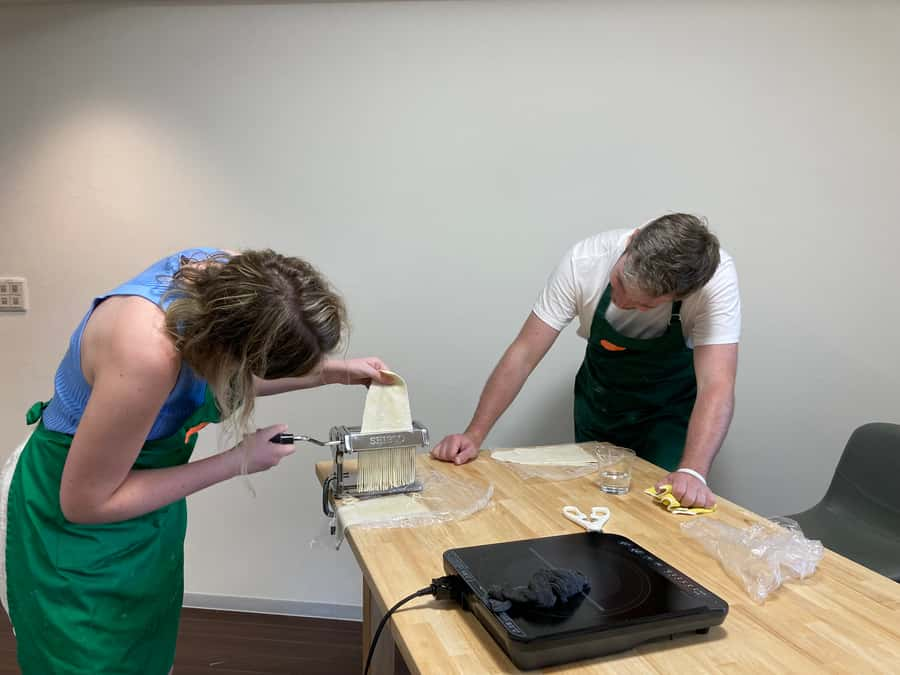
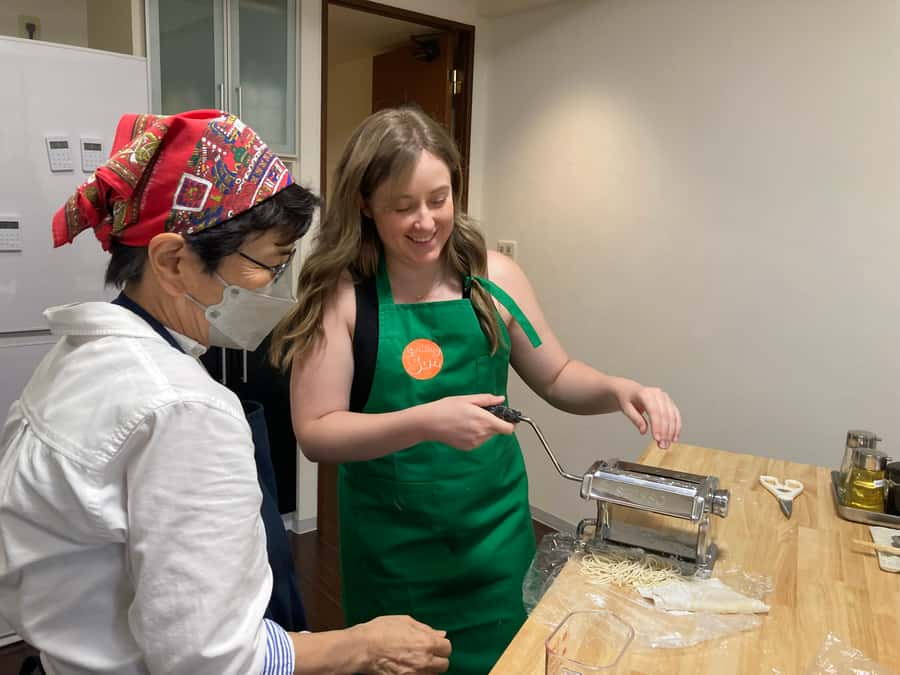
The session begins with the ramen dough. You work wheat into noodles rather than opening a packet, which makes the process more physical than many short cooking demonstrations. The dough needs attention and timing, and the class gives you a chance to feel how the texture changes as you work it.
The noodle machine is another strong point. You do not need to master a traditional hand-cutting technique. Instead, you learn how to feed the dough through the machine and cut it into strands. That makes the lesson approachable, while still giving you a real part in the preparation.
This is also a good class for anyone who likes to understand food rather than simply reproduce a picture. The instructors explain ingredients and the wider eating culture around ramen and gyoza. You may hear about different kinds of miso and when each type works best, along with tips about buying fresh ingredients in Japan.
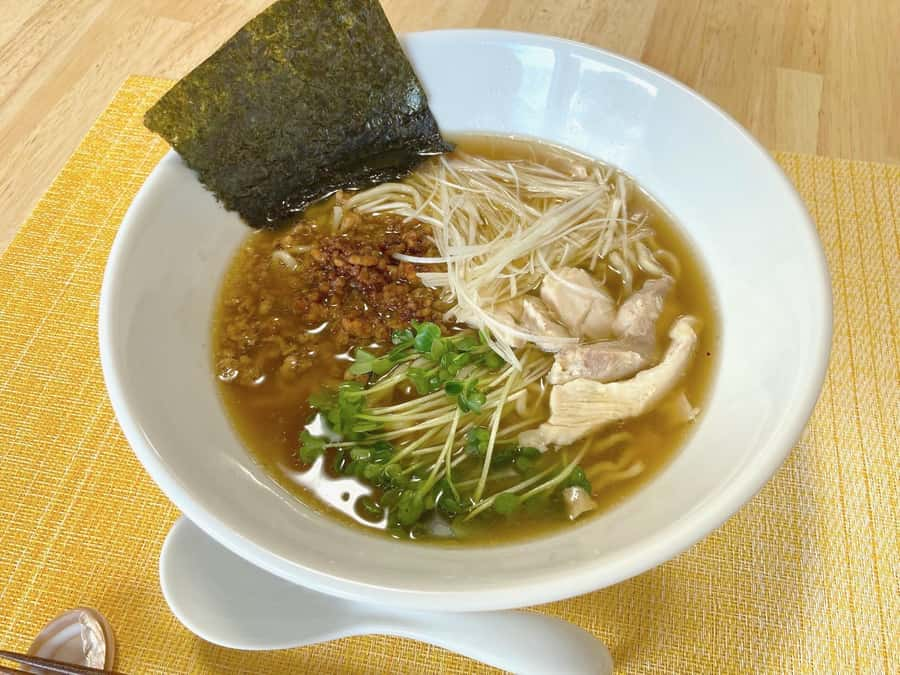
The standard bowl is soy-sauce ramen. You can add toppings and, according to the class description, add miso to the soup if you want a miso-style result. The exact topping choices are not listed, so do not book expecting a long buffet of options. The pleasure is in building the base and making the noodles yourself.
More Cooking Classes in Japan
- Osaka: Roll and Authentic Sushi Making Class in Dotonbori
★ 4.9 · 239 reviews - Osaka: Cooking Class Ramen & Gyoza Course in Nanba
★ 4.9 · 86 reviews - Osaka: Gluten-Free Ramen and Gyoza Cooking Class
★ 5.0 · 42 reviews
Broth with chicken bones and dried sardines
The soup is not treated as an afterthought. The class uses chicken bones and dried sardines to create the broth, giving you a look at two ingredients that help shape the flavor of Japanese ramen.
That matters because ramen is not just noodles plus salty liquid. The broth, seasoning, toppings, and noodle texture all need to work together. Making the soup gives you a clearer idea of why a restaurant bowl can taste layered even when the ingredient list appears simple.
Dried sardines may be a new flavor for some people. If you do not eat fish or dislike fish broth, say so before the cooking gets under way. A fish-free substitution has been made for participants who did not want fish broth, and plant-based substitutions have also been provided in some cases.
Still, you should not assume every dietary request will be handled automatically. The class is built around chicken and dried sardines, and the advertised gyoza uses minced chicken. Contact the operator in advance if you need a strict vegan, vegetarian, or allergy-safe meal.
Folding gyoza with minced chicken
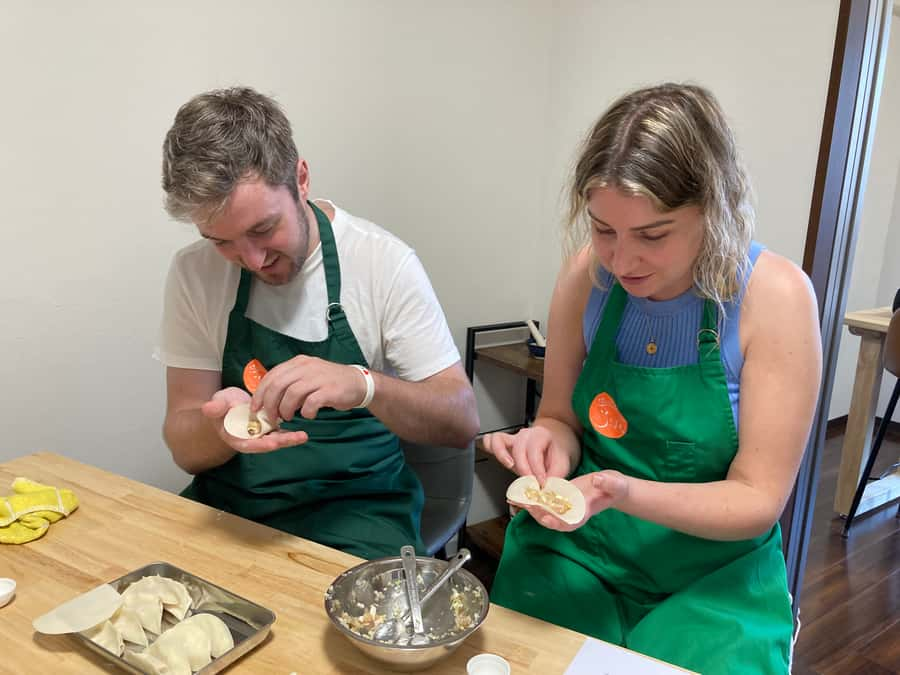
While the noodle dough rests, you prepare the gyoza. This is a sensible part of the schedule because it keeps your hands busy while the ramen process moves along.
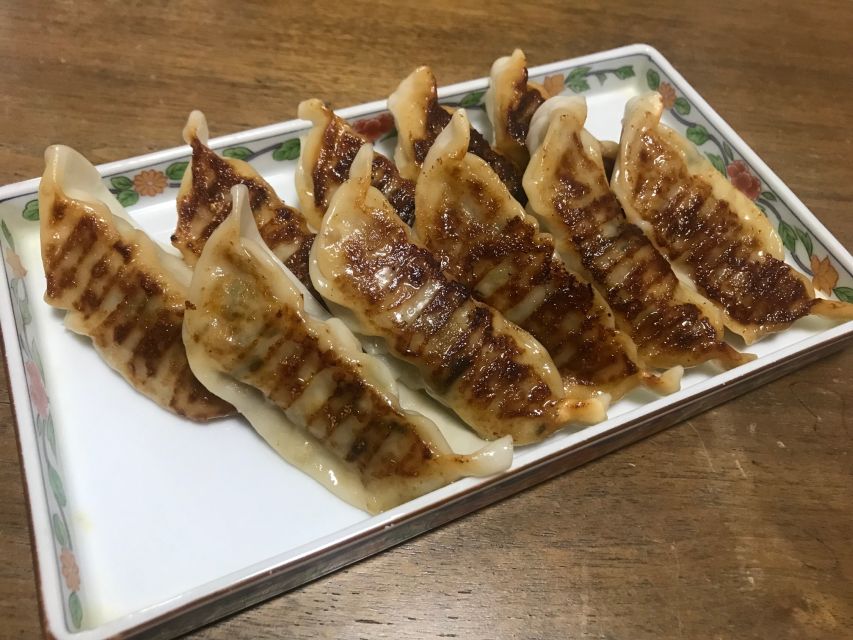
The filling uses minced chicken. You work with the ingredients, place filling into the wrappers, and fold the dumplings. The folding is likely to be the part that takes a little practice. It looks simple when someone else does it, but the amount of filling and the seal both matter.
That is where the two-instructor format earns its price. If your dumplings are too full or your folding slows you down, someone can step in and show you the correction. The class is paced so that people can keep moving together, rather than leaving beginners behind.
You do not need prior cooking experience. The teaching is step by step, and several participants described the instructions as clear and patient. If you are nervous about cooking in front of strangers, the small group should help. The format is intimate, but not so large that you become anonymous.
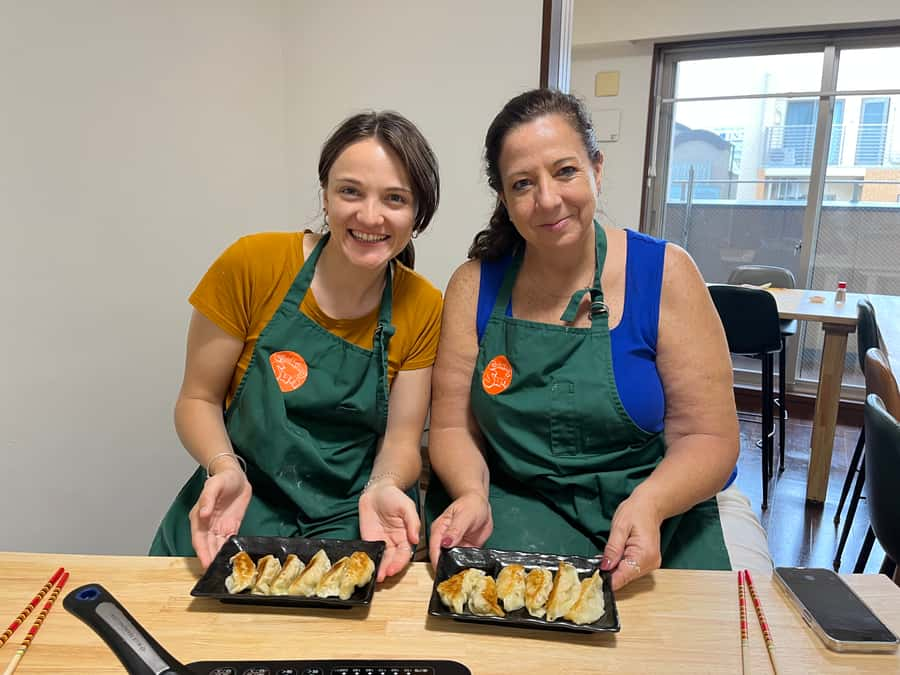
The finished gyoza is part of the meal, not a sample handed to you by the kitchen. That gives the dumplings more meaning. You notice the shape, the texture, and the difference between something you folded yourself and something ordered at a restaurant.
A meal that makes the lesson worthwhile
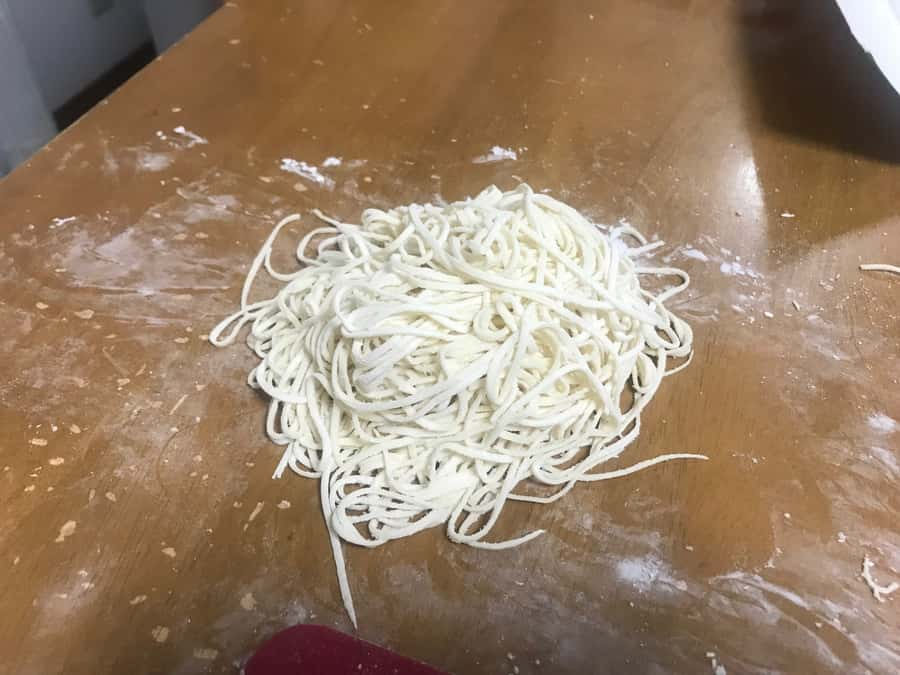
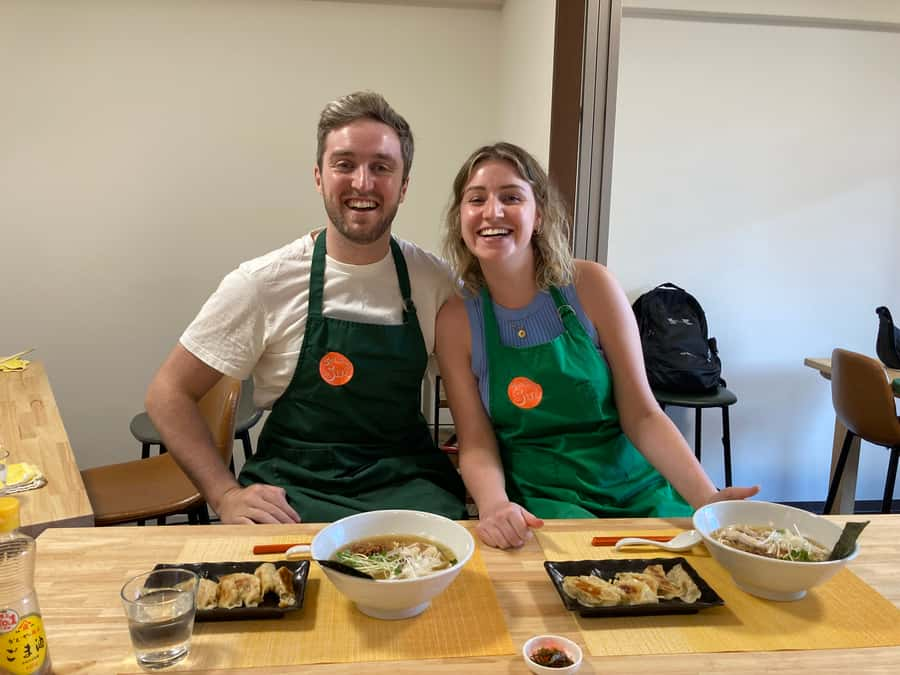
At the end, you sit down and eat the ramen and gyoza you prepared. This is not a tiny tasting portion designed to leave you hungry for dinner. The class provides a substantial meal, and one useful tip is to arrive with an appetite.
The final bowl is also your chance to make choices. You can use toppings as directed and adjust the soup with miso if that option is offered during your session. The result is your own version of the dish, rather than a fixed bowl made exactly the same way for everyone.
I like this finish because it connects technique to taste. You can tell which parts of the process mattered. The noodles have a texture you helped create, and the broth carries the flavor of the ingredients you prepared.
Do not expect the class to turn you into a ramen chef in one afternoon. Professional ramen shops deal with larger equipment, long broth preparation, and years of repetition. What you get here is a practical home-cooking foundation, plus enough confidence to try the recipes again.
The class provides recipes to take home. That detail improves the value considerably. Without written instructions, the lesson could become a pleasant memory that is difficult to repeat. With recipes, you have a chance to make ramen and gyoza again after leaving Japan.
More Sushi and Ramen Tours in Osaka
- Sushi Making Osaka Roll and Authentic Japanese Sushi Class
★ 5.0 · 1,220 reviews - Osaka: Five Must-See Highlights Walking Tour & Ramen Lunch
★ 4.7 · 411 reviews - Osaka Sushi Making Experience
★ 5.0 · 400 reviews - Osaka: Sushi Class in Dotonbori
★ 4.9 · 160 reviews
Why the small group changes the experience
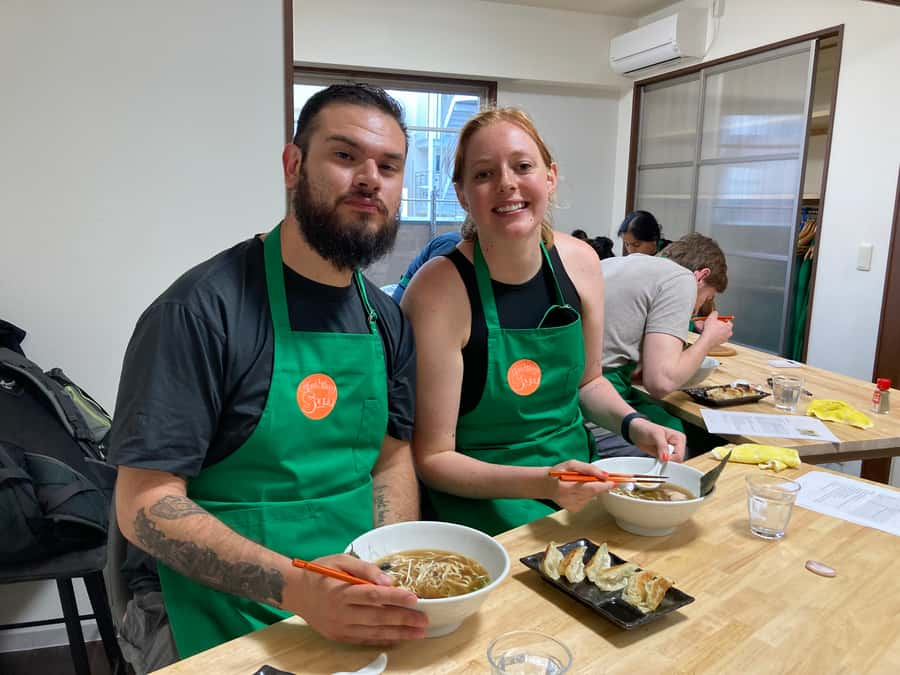
The class is described as having a maximum of eight participants, with two instructors. That is a useful ratio for a hands-on activity. You are not waiting behind a crowd while one person demonstrates every task.
Named instructors associated with the class include Miki, June, Yoshi, and Kasa. Staffing can change, so do not book around one particular teacher unless the operator confirms who will lead your session. The important point is the teaching style: clear English, frequent help, and a willingness to slow down when someone falls behind.
The English-language format is a practical advantage. You receive explanations about the cooking steps, ingredients, and Japanese food culture without having to rely only on gestures. The instructors also take photos when requested, which is useful if you want a record of the process without stopping to handle your own phone.
Several families have found the class workable, including a group with an 11-year-old and a 14-year-old. I would consider it a good fit for children who enjoy making things with their hands. Very young children may need close adult help, since kneading, cutting, filling, and folding all require attention.
Couples also get plenty from the setup. You can split tasks, compare your folding skills, and eat together at the end. Solo participants should not feel out of place, since the shared work gives you an easy way to interact with the rest of the group.
Timing, pace, and the awkward building entrance
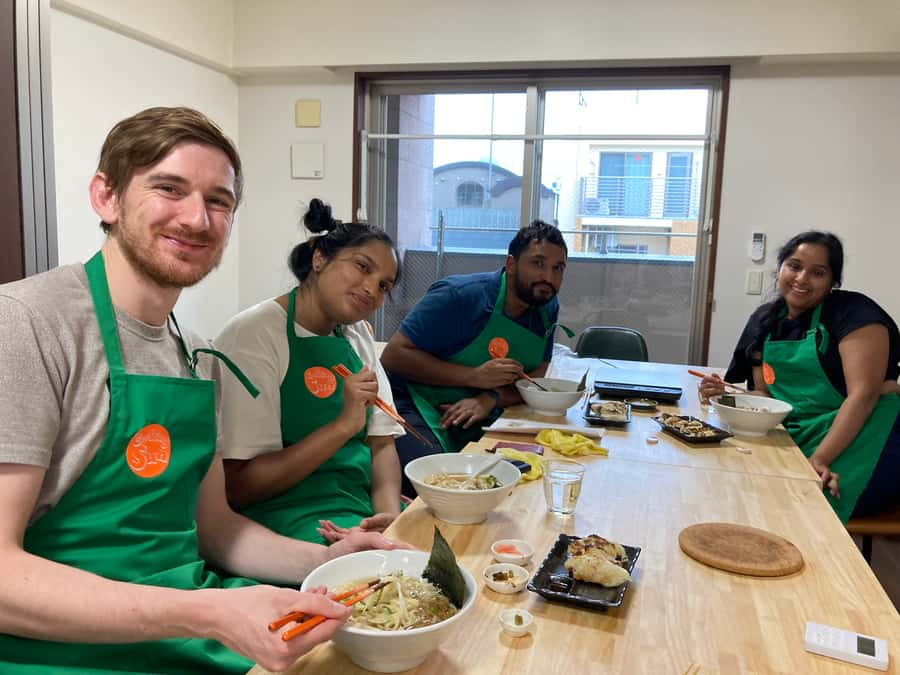
The class has been described as lasting about two to three hours. The exact duration may vary with the group and the session, but you should keep a good part of an afternoon or morning free rather than squeezing this between two tightly timed bookings.
The pace is one of the better features. It is organized enough to keep the dough, broth, gyoza, and meal moving in the right order, but it is not meant to feel like a race. Instructors help when someone falls behind, which keeps the group together.
Your meeting point is Cooking Sun Osaka, room 807. At the entrance, press 807 and then the button marked 呼出, which means call. This is the sort of detail that is easy to miss and can cause unnecessary stress.
The building may not be obvious from the street. Bring the address and room number with you, and arrive early enough to locate the entrance. There is no hotel pickup or drop-off, so you handle your own way there and back. The activity ends at the same meeting point.
Is $70 a fair price?
At $70 per person, this is not the cheapest way to eat ramen in Osaka. You can order a bowl for far less, and even a good restaurant meal with gyoza will usually cost less than the class fee.
You are paying for more than food, though. The price includes all cooking ingredients, instruction in English, use of the cooking equipment, a small class setting, and the meal at the end. You also receive recipes that can help you recreate the dishes later.
I consider the value good if you want a hands-on food activity rather than another restaurant stop. It is especially worthwhile for couples, families, and anyone who plans to cook Japanese food at home. If you only want to eat ramen and have limited time in Osaka, a restaurant is the better bargain.
The class also has a practical cultural value. You learn why ramen and gyoza are commonly ordered together in Japan, how the broth is built, and how ingredients such as miso and dried sardines fit into Japanese cooking. Those details give the meal a context that a quick lunch cannot provide.
The price feels less attractive if you are not interested in cooking, have strict dietary needs that cannot be confirmed in advance, or need to keep your schedule very flexible. You should also allow for the time spent finding the building.
Who should book this Osaka cooking class?
I would recommend it to first-time visitors who want an activity beyond shrines, shopping, and restaurant meals. It works particularly well during a longer Osaka stay, when you can spare several hours for a slower food experience.
Families should consider it because the work is varied. Kneading, cutting, filling, folding, and eating each bring a different task, and the class keeps the group moving. It is also a good rainy-day plan, since the entire activity takes place indoors.
Book it if you want to learn enough to try the dishes again at home. The recipe handouts, instructor corrections, and ingredient explanations make the class more useful than a simple demonstration.
You may want to skip it if you dislike fish broth, cannot eat chicken, or want a highly formal culinary course. Substitutions have been made, including vegan and fish-free versions, but the standard class centers on chicken and dried sardines. Confirm your needs before committing.
Final verdict: a strong choice for food-minded visitors
I would book this class if I wanted a personal Osaka food memory that did not end when the meal was over. Making noodles from wheat and folding gyoza gives you a real task, while the two-teacher, eight-person format provides enough help to keep the work enjoyable.
The best reasons to go are the patient English instruction, the satisfying meal, and the recipes you can use later. The main cautions are the $70 cost, the lack of hotel transport, the potentially confusing room 807 entrance, and the need to check dietary substitutions ahead of time.
If those points suit your plans, this is a friendly, useful introduction to two Japanese staples. You leave with a full stomach, a clearer sense of how ramen is made, and a skill you can take back to your own kitchen.
FAQ
Where does the ramen and gyoza class meet?
It meets at Cooking Sun Osaka, room 807. At the entrance, press 807 and then press the 呼出 call button.
Does the activity include hotel pickup and drop-off?
No. Hotel pickup and drop-off are not included. The class ends back at the meeting point.
What language is the class taught in?
The class is offered in English.
What dishes will I make?
You will make ramen from scratch using wheat noodles, along with gyoza made with minced chicken. The standard ramen is soy-sauce ramen.
Are ingredients included in the price?
Yes. All ingredients used in the cooking class are included.
Can the class accommodate vegan or fish-free preferences?
Plant-based and fish-free substitutions have been made for some participants. The standard recipes use chicken and dried sardines, so contact the operator or raise your dietary needs before the class begins.
More hands-on workshops in Osaka
- Sushi Making Tokyo Roll and Authentic Japanese Sushi Class
★ 5.0 · 3,971 reviews - Tokyo: Sushi Making Class in a Happi Coat near a Famous Spot
★ 4.9 · 1,377 reviews - Tokyo Sushi Making Class in Tsukiji with Professional Chef
★ 5.0 · 1,177 reviews - Athens: Food Market Visit and Cooking Class with Wine
★ 4.9 · 1,087 reviews
More Cooking Classes in Osaka
- Authentic Pizza Making Class in Naples with Appetizers and Drink
★ 5.0 · 3,178 reviews - Tokyo: Roll and Authentic Sushi Making Class in Asakusa
★ 4.9 · 1,957 reviews - Ramen Cooking Class at Ramen Factory in Kyoto
★ 5.0 · 1,937 reviews - Small Group Cooking Class & Market Food Tour in Florence
★ 5.0 · 1,574 reviews
New food tours we have reviewed in Osaka
- Hidden Osaka – Yukaku Red Light Tour & Culinary Adventure★ 4.8 · 96 reviews
- Eat Like a Local in Osaka – Private Custom Street Food Tour★ 4.3 · 33 reviews
- Osaka: Sushi Class in Dotonbori★ 4.9 · 160 reviews
- Osaka: Sushi Making in Spacious Studio (SAME-DAY OK!)★ 5.0 · 75 reviews
- Osaka: Local Foodie Tour in Dotonbori and Shinsekai★ 4.7 · 95 reviews
- Osaka: Kuromon Market Food Walking Tour (6 stops, 6 tastes)★ 4.6 · 272 reviews
- Osaka: Roll and Authentic Sushi Making Class in Dotonbori★ 4.9 · 239 reviews
- Osaka: 2-Hour Local Street Food Tour – Dotonbori & Namba★ 4.6 · 95 reviews
Cooking Classes, compared.
Authentic Pizza Making Class in Naples with Appetizers and Drink
Read our review →
Tokyo: Roll and Authentic Sushi Making Class in Asakusa
Read our review →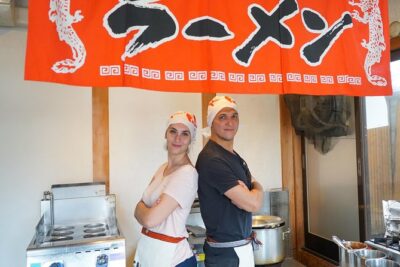
Ramen Cooking Class at Ramen Factory in Kyoto
Read our review →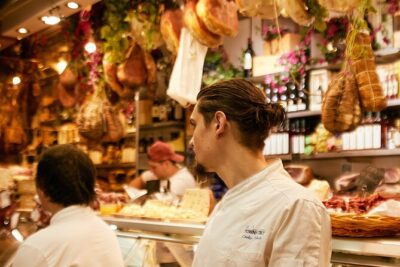
Small Group Cooking Class & Market Food Tour in Florence
Read our review →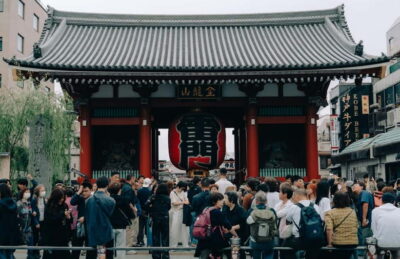
Tokyo: Sushi Making Class in a Happi Coat near a Famous Spot
Read our review →
Tokyo Sushi Making Class in Tsukiji with Professional Chef
Read our review →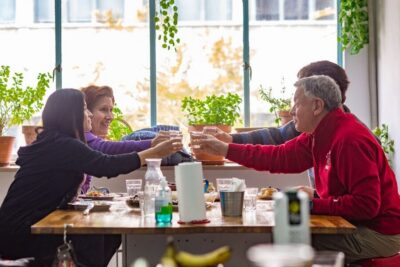
Food Market Visit and Cooking Class with Wine
Read our review →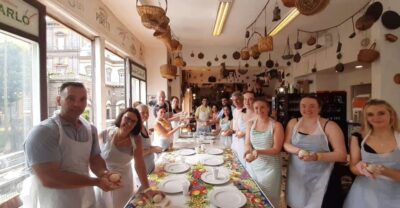
Naples: Neapolitan Pizza and Tiramisù Making Class
Read our review →Browse the lists this tour appears in