
Review · HISTORICAL TOURS
“Rotes Bier” and “Blaue Zipfel”. A historical-culinary walk
Nuremberg’s food traditions are small in size but big on stories. This two-hour culinary walk links the old town’s lanes and squares with red beer, Nuremberg bratwurst, gingerbread, and questions about everything from ravioli to the city’s historic meat supply.
I like the route’s mix of local tasting and serious history, and I like that the guide leaves room for questions. Guides such as Sonja explain the subject with humor and clear detail. The main drawback is simple: the tour is held in German, and the snacks are more like tasting portions than a full meal.
Key points at a glance
- Red beer at a local brewery: Finish at Altstadthof Brewery, where the tour centers on Nuremberg’s distinctive Rotbier.
- The story behind small bratwurst: Taste a genuine Nuremberg sausage while learning why it has its famous compact size.
- A food lesson across the old town: Stops at the Altes Rathaus, Hauptmarkt, Unschlitthaus, and St. Sebaldus Church give the food a historical setting.
- Gingerbread with a local claim to fame: Sample Nuremberg Lebkuchen and hear what makes the city’s version special.
- A question-driven tour: Topics include ravioli, meat consumption, the so-called Devil’s Kitchen, and the planner of Munich’s English Garden.
- A compact, practical route: The tour lasts two hours, uses short walks between stops, and runs in all weather.
Why this food walk is different
Many city food tours are built around eating first and explaining later. This one uses food as a way into Nuremberg’s past. You walk from the old town hall toward the city’s market, churches, historic buildings, and brewery while the guide asks how people cooked, ate, traded, and lived.
That approach gives the tastings more meaning. A bite of bratwurst is not just a snack. It becomes part of a discussion about the name bratwurst, the size of Nuremberg’s sausages, and the habits of the city’s cooks. Gingerbread is not simply a sweet sample. It opens the door to Nuremberg’s baking tradition.
The tour also promises answers to some wonderfully odd questions. Since when did Nuremberg cooks know ravioli? How much meat did citizens eat? What does Devil’s Kitchen mean? And what connection does the planner of the English Garden have to Nuremberg food? You will not get a generic food crawl here. The point is to connect familiar dishes with less familiar pieces of local history.
The activity has a 4.4 rating from 190 reviews, with especially strong praise for the guides’ explanations, humor, and willingness to answer questions. Sonja is singled out for her clear, witty presentation, but guide assignments can vary.
More history tours in Germany:
- Bamberg: Guided Historical Culinary Tour
★ 4.6 · 461 reviews - East Berlin Food & History Tour with Eating Europe
★ 5.0 · 204 reviews - Barcelona: Tapas Walking Tour with Food, Wine, and History
★ 4.8 · 4,261 reviews
Starting at the Altes Rathaus
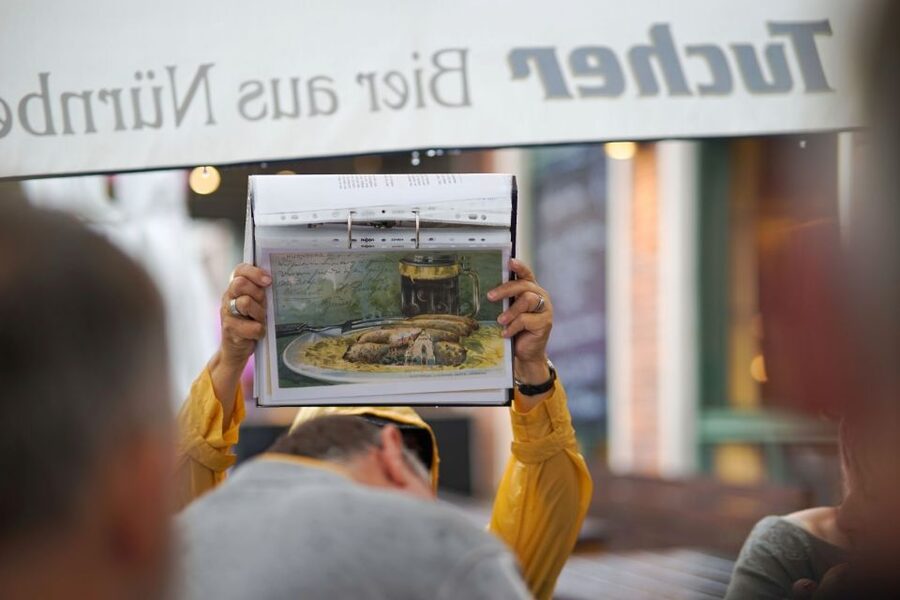
Meet your guide in front of the main entrance of the Alte Rathaus, or Altes Rathaus, at Rathausplatz 5. Look for the picture folder and the green Geschichte Für Alle e.V. logo. That detail matters in a busy old-town square, where several groups may gather near the same landmark.
The old town hall is a fitting starting point. The tour begins with place and power before moving into food. You are not simply handed a sausage and sent down the street. The guide sets the scene, then uses nearby streets and buildings to explain how food belonged to city life.
Because the tour is in German, you should feel comfortable following a live explanation in that language. The guide’s style appears to be a major part of the experience, especially for people who enjoy asking questions rather than only listening to a prepared speech.
Bratwurst Röslein and the small sausage question
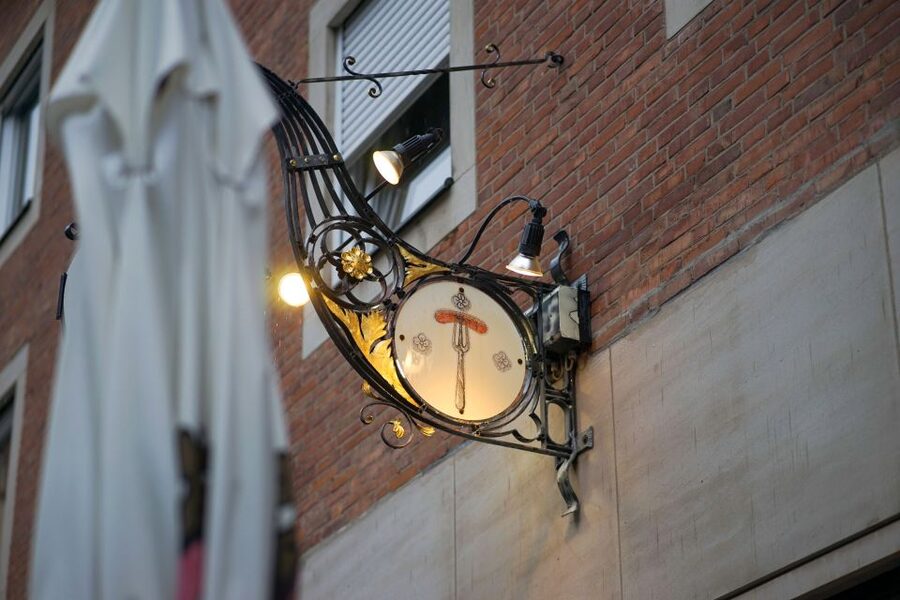
The first main food stop is Bratwurst Röslein, reached after about five minutes on foot. Here you receive a guided explanation and a food tasting centered on the real Nuremberg Bratwurst.
The key question is why Nuremberg bratwurst is so small. That may sound like a minor detail, but it is exactly the kind of local fact that makes a regional dish memorable. The tour also asks why bratwurst is called bratwurst, giving you useful context rather than treating the sausage as a symbol without a story.
Expect a sample, not a full plate. That distinction is important if you are hungry. The food is spread across several stops, so you should think of the experience as a series of tastes joined by a walking tour.
The short distance from the Altes Rathaus keeps the beginning easy. You get an early taste without spending a long stretch of the two-hour schedule walking between sights.
Hauptmarkt, where food and city life meet
From Bratwurst Röslein, the route takes about three minutes to Hauptmarkt Nürnberg. The market square receives guided attention and another tasting. Hauptmarkt gives the food a public setting, a place where city life, trade, ceremony, and everyday eating can be discussed together.
This is also where the tour’s style becomes clear. You are moving through central Nuremberg, but the focus is not only on photographing grand buildings. The guide uses the square as a setting for food questions and short explanations, then brings the subject back to what you are tasting.
A second stop at Hauptmarkt, listed at Hauptmarkt 2, adds another guided explanation and food sample. Since the route stays in the same central area, you do not waste time crossing town. The benefit is a tighter story. You remain in the old town while the guide adds another layer to Nuremberg’s culinary past.
If you want a tour with long stretches of independent wandering, this may feel structured. If you like a clear route and frequent stops, the compact design works well.
More food tours in Germany:
- Hamburg: Schanzenviertel Culinary Tour
★ 4.6 · 2,051 reviews - Hamburg: Elbphilharmonie Plaza and HafenCity Food Tour
★ 4.7 · 1,711 reviews - Berlin Center Food Tour with 8+ Authentic Local Tastings
★ 5.0 · 1,227 reviews - Munich: Viktualienmarkt Food Tour
★ 4.5 · 1,127 reviews
Gingerbread at Hauptmarkt 2
The gingerbread portion is one of the experience’s most appealing hooks. Nuremberg is closely linked with Lebkuchen, and the tour asks what makes the city’s gingerbread special. You receive a sample while learning how the food fits the city’s traditions.
The description calls it the best gingerbread in the world, but I would treat that as a proud local claim rather than a measurable fact. The useful part is not settling a global baking contest. It is understanding why this particular sweet matters in Nuremberg and how it became part of the city’s identity.
This stop is a good reminder that food tours work best when the tasting is tied to a place. You are not sampling a random sweet in a shop far from its context. You are hearing about Nuremberg’s baking tradition while walking through the city center.
The portions throughout the tour may not satisfy a large appetite. One direct criticism of the food side is that some in-between snacks could feel more substantial or valuable. The bratwurst, gingerbread, and beer are the main attractions, while the additional snacks help keep the route varied.
Trödelmarkt and the history behind the snacks
After Hauptmarkt, walk about five minutes to Trödelmarkt 13. The stop includes both a guided explanation and another food tasting.
The route’s strength here is its range. You are not hearing the same story at every restaurant. The guide moves through different parts of the old town and uses each location to discuss cooking, ingredients, and city life. Questions about how much meat Nuremberg citizens ate fit naturally into a walk through a historic trading district.
You may also hear about the meaning of Devil’s Kitchen. The title is memorable because it adds a bit of local color to what could otherwise become a list of dates and dishes. The tour seems designed for people who like history served with a small joke and a tasting fork.
The walking time remains manageable. Five minutes between stops is enough to move on without tiring most people, while still giving you a chance to see the streets between the formal explanations.
Unschlitthaus and the practical side of food
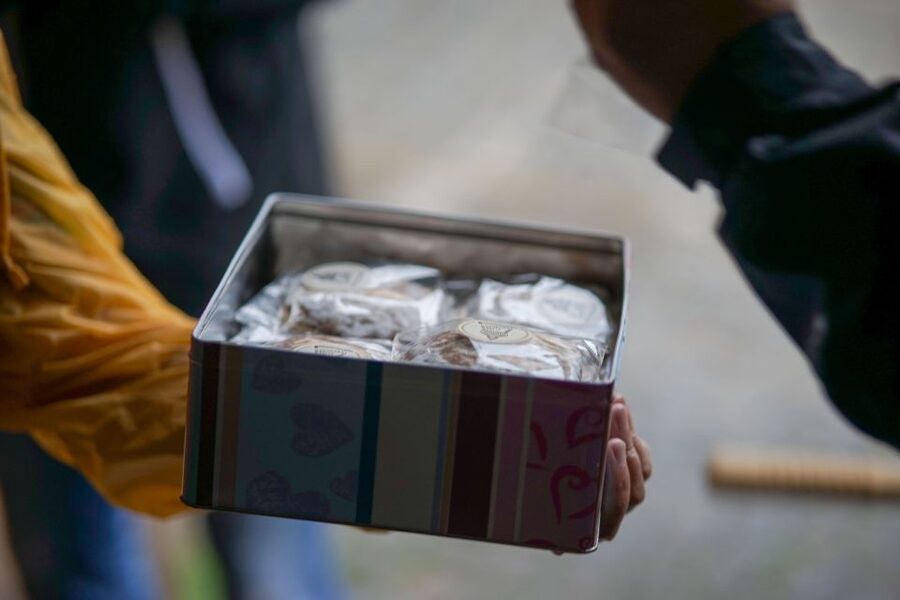
The next stop is Unschlitthaus, about five minutes from Trödelmarkt. It includes another guided segment and tasting.
This stop helps shift the discussion from famous dishes to the systems behind food. The tour’s questions about meat, cooking, and city life point toward the practical side of the subject: what people had access to, what they prepared, and how food fitted into urban society.
You should not expect a cooking lesson or a market-shopping session. The value is interpretive. The guide explains why certain foods became associated with Nuremberg and gives you a way to look at old buildings through the everyday needs of the people who used the city.
With several tastings spaced through the walk, you also avoid the problem of sitting in one restaurant for two hours. You keep moving, see more of central Nuremberg, and get a succession of small samples.
St. Sebaldus Church and surprising culinary links
From Unschlitthaus, allow about ten minutes to reach St. Sebaldus Church. This is the longest walk on the route, but it is still a short city stroll. The church stop includes guided commentary and food.
The church gives the tour a change of mood. Until this point, much of the route has focused on market areas, public spaces, and food-related urban life. St. Sebaldus adds a major historic setting where the guide can connect the city’s religious and civic past with the broader story of Nuremberg.
The culinary questions continue in unexpected directions. The tour asks when Nuremberg cooks knew ravioli, which shows that the guide is not limiting the subject to the dishes most often printed on menus today. It also asks what the planner of the English Garden had to do with Nuremberg food. These links may appeal most to you if you enjoy the odd connection that makes a walking tour stick in your memory.
The ten-minute walk is worth noting if you have limited mobility or dislike uneven old-town routes. The activity is wheelchair accessible, but the experience still takes place outdoors on foot and moves between several central locations.
Altstadthof Brewery and Nuremberg’s red beer
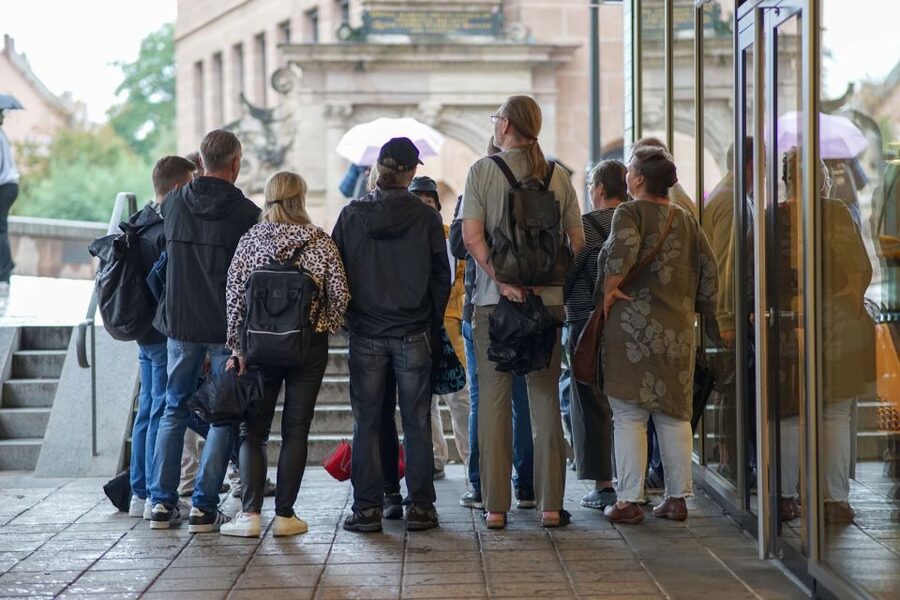
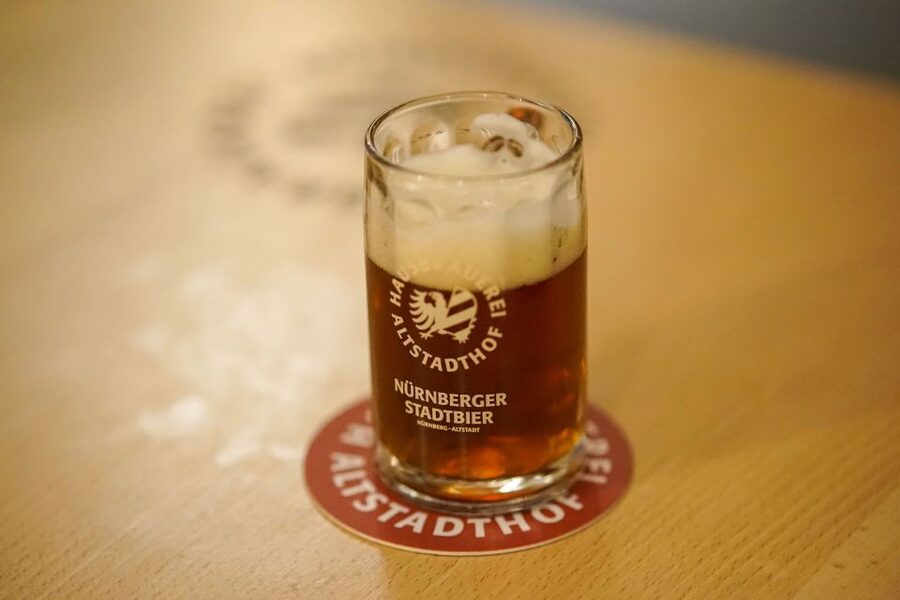
The route finishes at Hausbrauerei Altstadthof, specifically the Rotbierstüberl, brewery, and whisky distillery. This is reached after another five-minute walk from St. Sebaldus Church.
Here the beer tasting brings the tour to its natural finish. Nuremberg’s red beer, or Rotbier, has a distinctive local identity, and the activity uses it as one of its main food-and-drink highlights. The stop is not just a bar visit added at the end. It gives the walking route a final taste that belongs to Nuremberg’s brewing tradition.
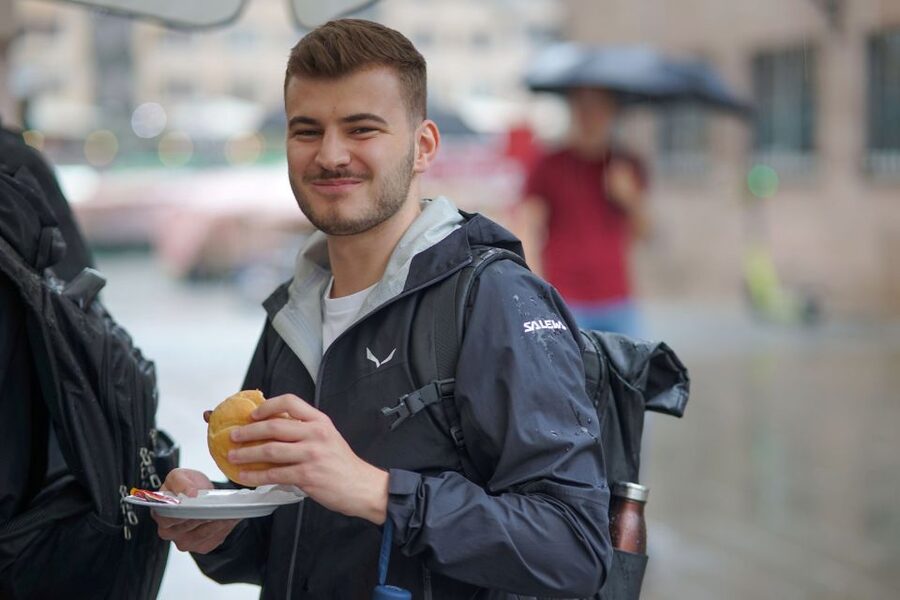
Beer is included, along with snacks. If you enjoy trying regional drinks but do not want to plan a separate brewery visit, this ending adds useful value to the $29 price. If you do not drink beer, the culinary appeal is narrower, although the tour still includes bratwurst, gingerbread, and other samples.
The finish at the brewery is also practical. You end in a place where you can remain for another drink or meal at your own expense, but the supplied information does not promise additional purchases or a full meal. Plan accordingly.
What $29 buys you
At $29 per person, this is a reasonable price for a two-hour guided walk that includes a live guide, several snacks, and beer. The value depends on what you want from a food tour.
If you mainly want a large meal, this is not the right comparison. The samples are spread across the route, and some of the smaller snacks may feel modest. You will pay for the explanations, the access to tastings along the way, and the way the guide ties the food to Nuremberg’s old town.
I see the best value in the combination. A standard sightseeing walk may explain the buildings but leave the food in the background. A casual food stop may give you sausage and beer without much context. This experience tries to do both in two hours.
The price also works well for a first afternoon in Nuremberg. You get a quick orientation to the old town, a few local specialties, and a list of foods and places you can revisit on your own.
Timing, language, and walking comfort
The tour lasts two hours, with starting times depending on availability. The route is on foot and includes short transfers of about three, five, and ten minutes. Wear comfortable shoes and dress for the weather.
The tour runs rain or shine. That is worth taking seriously because the experience moves outdoors between indoor food stops and historic sites. A light raincoat or suitable outer layer is more useful than an umbrella that crowds the narrow streets.
German is the only stated tour language. If you understand German well enough to follow a live guide, the explanations and question time are central benefits. If you do not, the tasting alone is unlikely to justify booking this particular activity.
The tour is wheelchair accessible, but you should still consider the full walking format and weather exposure. The route does not include transportation to or from the meeting point, so you make your own way to the Altes Rathaus.
Bookings can be canceled up to 24 hours in advance for a full refund, and you can reserve now and pay later. For bookings made through GetYourGuide, the booking confirmation serves as proof of payment because an invoice cannot be issued.
Who should book this Nuremberg walk?
I would choose this tour if you like food with a story attached. It suits first-time visitors who want a compact old-town orientation, as well as people who already know Nuremberg and want to understand the local dishes beyond the menu description.
It is especially good for German speakers who enjoy asking questions. The strongest part of the experience appears to be the guides’ delivery. Sonja, in particular, is praised for combining solid explanations with humor and expressive speaking. The guide also takes time for questions, which can make the tour feel more like a conversation than a recited script.
Families and mixed-age groups may like the short walks and frequent changes of scene, though the German-only format remains the main limitation. Beer fans will appreciate the Altstadthof finish. Food lovers should enjoy the combination of sausage, Lebkuchen, and local beer.
I would skip it if you need a tour in English, want a full lunch, or prefer to explore at your own pace. The snacks are tastings, not a substitute for a meal, and the schedule keeps you moving from one explanation to the next.
Should you book it?
Book this tour if you want Nuremberg explained through what people ate and drank. The best moments come from the links between old-town places and local food: the small bratwurst, the city’s gingerbread, the red beer, and the less obvious stories about ravioli, meat, and Devil’s Kitchen.
At $29, it offers fair value for a well-packed two hours, especially if the guide is as lively and open to questions as Sonja. Just arrive ready to walk, dress for rain or shine, understand German, and treat the samples as a tasting menu rather than dinner.
FAQ
How long does the tour last?
The tour lasts two hours.
What language is the tour held in?
The tour is held in German, with a live German-speaking guide.
Where does the tour start?
Meet in front of the main entrance of the Alte Rathaus at Rathausplatz 5. Look for the guide with a picture folder and the green Geschichte Für Alle e.V. logo.
Where does the tour finish?
The tour finishes at Hausbrauerei Altstadthof, at the Rotbierstüberl, brewery, and whisky distillery.
Are food and drinks included?
Yes. Snacks and beer are included, along with tastings such as Nuremberg bratwurst and gingerbread.
Is the tour wheelchair accessible?
Yes, the activity is listed as wheelchair accessible. It is a walking tour and takes place rain or shine, so weather-appropriate clothing and comfortable shoes are recommended.
New food tours we have reviewed in Germany
- East Meets West: Berlin Food Culture & Street Art★ 5.0 · 157 reviews
- Classic Bites and Culinary Trends Neighborhood Food Tour in Berlin★ 5.0 · 191 reviews
- Private Tour: Daytime Food Tour Trends & Classics★ 5.0 · 24 reviews
- Small-Group Berlin Sightseeing and Food Tour of Prenzlauer Berg and Mitte★ 5.0 · 25 reviews
- Berlin Evening Culinary Tour – Award Winning★ 5.0 · 118 reviews
- Private Berlin Street Food Tour by Bike★ 5.0 · 87 reviews
- The 10 Tastings of Berlin Kreuzberg Private Food Tour With Locals★ 4.5 · 31 reviews
- East Berlin Food & History Tour with Eating Europe★ 5.0 · 204 reviews
Historical Tours, compared.
Barcelona: Tapas Walking Tour with Food, Wine, and History
Read our review →
Sevilla Food Tour: Tapas, Wine, History & Traditions
Read our review →
Madrid Tapas & Taverns Small Group Food & History Tour
Read our review →
Barcelona Tapas Walking Tour: Food, Wine & History
Read our review →
Boston Food & History: Pizza, North End & Freedom Trail
Read our review →Browse the lists this tour appears in