
Review · CRETE FOOD TOURS
Chania: Sightseeing & Tastings Tour
Chania’s best introduction may be a walk that treats the city as both a museum and a kitchen. This four-hour tour starts at the Municipal Market, then threads through old lanes, Ottoman and Jewish quarters, artisan workshops, and the harbor before settling down to Cretan mezedes.
I like the generous tastings, which can include olives, honey, olive oil, local sweets, pastries, cheeses, coffee, raki, and a meze meal. I also like the guides’ personal touch. Manos, Adonis, Yannis, Ioannis, and others are praised for warm storytelling and useful restaurant advice.
The main consideration is simple: do not eat a large breakfast. The food is plentiful, and the four-hour route includes a fair amount of walking. The meeting point in front of Kydon, The Heart City Hotel can also be easy to miss, so arrive early and look for the Crete Local Adventures sign.
Key points at a glance
- Start with Chania’s 1913 Municipal Market: Browse family-run stalls and sample Cretan groceries at the old town’s boundary.
- Taste more than a snack: Expect Greek coffee, sweets, olives, honey, olive oil, regional bites, raki, and mezedes.
- Walk beyond the postcard harbor: The route includes Ottoman and Jewish quarters, narrow lanes, monuments, and less familiar corners.
- Meet working artisans: You may visit one of the last traditional Cretan knife workshops and try your hand at a craft.
- Learn from local guides: Manos, Adonis, Yannis, Ioannis, and other guides bring hometown knowledge and restaurant tips.
- Plan for a full stomach: The food is a major part of the experience, not a decorative extra.
Why this four-hour Chania tour works
Chania is easy to admire and surprisingly easy to misunderstand. The Venetian harbor gets most of the attention, but the city’s character reaches well beyond the waterfront. Romans, Byzantines, Arabs, Venetians, Ottomans, and Germans all left their mark here, and the old town still shows those layers in its streets, buildings, food, and customs.
This tour gives you a useful first look because it does not separate sightseeing from eating. You hear about the city while moving through it, then taste the place in family-run shops and local eating spots. I find that approach more memorable than a standard monument walk, especially in Crete, where food is closely tied to farming, family, hospitality, and village life.
The pace is described as relaxed, but this is still an active four hours. You move through market aisles, narrow streets, old neighborhoods, workshops, and the harbor promenade. You should be comfortable walking and ready to pause often for food and stories.
More food tours in Greece:
- Greek Food Walking Tour in Athens
★ 5.0 · 4,740 reviews - Athens: Street Food Tasting Tour
★ 4.9 · 3,343 reviews - Athens: Guided Greek Food Walking Tour with Tastings
★ 4.9 · 2,859 reviews
Meeting at Kydon Hotel and entering the old market
The tour begins in front of Kydon, The Heart City Hotel, at the entrance. Your guide holds a Crete Local Adventures sign. This detail matters because the hotel sits near the point where modern Chania meets the old town, and the meeting instructions have caused some confusion for at least one participant. Give yourself a few extra minutes rather than arriving at the last second.
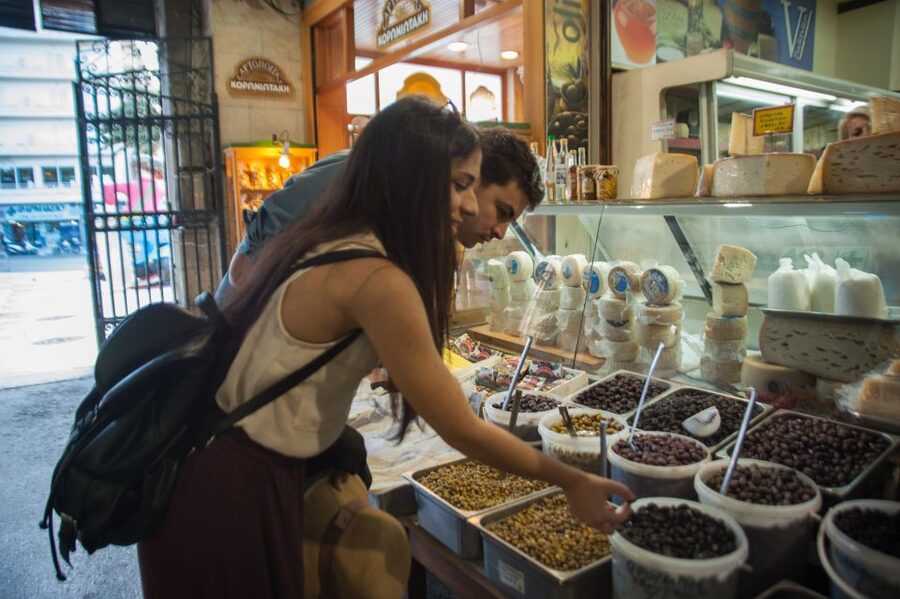
The first substantial stop is Chania’s Municipal Market, known locally as the Dimotiki Agora. Opened in 1913, the year Crete united with Greece, the market has more than 70 family-owned businesses selling groceries and local products.
This is a smart place to begin. You can see what Cretans actually buy, not just what is placed on a souvenir shelf. Your guide introduces regional ingredients and offers samples such as olives, honey, olive oil, and local sweets. The point is not simply to eat small portions. You begin to understand how Cretan meals are built from products tied to villages, farmers, and livestock keepers.
The market visit is scheduled for about two hours, though that time includes food tasting and the surrounding old-town exploration. Do not expect a quick lap through a market followed by a rushed lecture. The food is spread through the early part of the route, so breakfast should be light.
Greek coffee and Cretan flavors
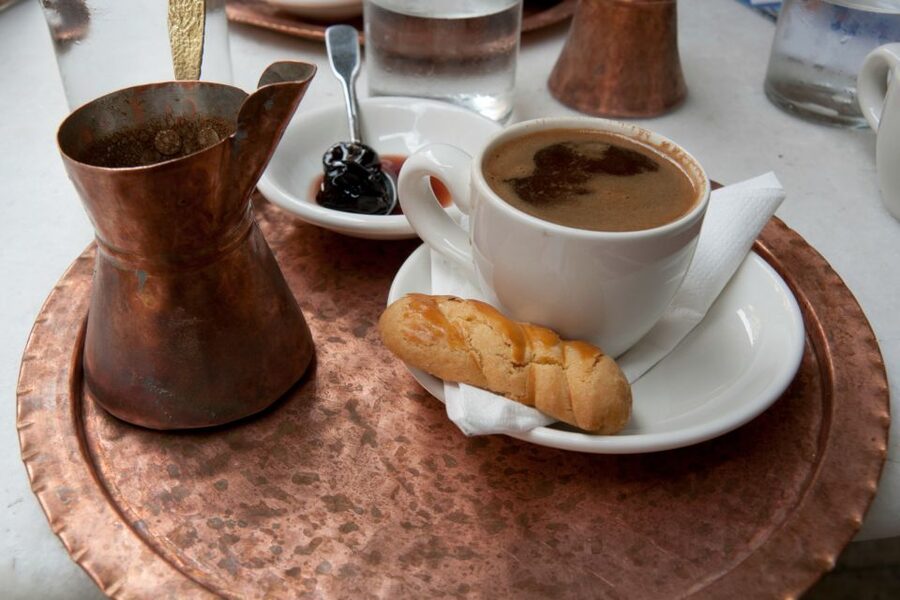
A Greek coffee stop is listed for roughly 30 minutes in the old town. It gives the tour a useful change of pace after the market. You sit, ask questions, and let the guide connect food to daily life in Chania.
Coffee is included, as are local sweets. Other tastings may include bougatsa, Cretan pies, local cheeses, olives, honey, and olive oil. Exact dishes can vary, but the pattern is clear: you get several small tastes rather than one formal restaurant meal at the start.
The tasting menu is generous enough that some people report not needing dinner afterward. I would plan this as a substantial food experience, not a light sampling walk. If you have a small appetite, tell the guide early. Vegetarians and other dietary needs can be accommodated when you notify the local partner in advance.
The food also makes the tour useful for the rest of your stay. You learn which flavors you like, which ingredients to look for in shops, and where you might return for a meal. Guides such as Adonis and Manos are particularly praised for giving restaurant and activity suggestions after the tour.
Chania’s old lanes, monuments, and stories
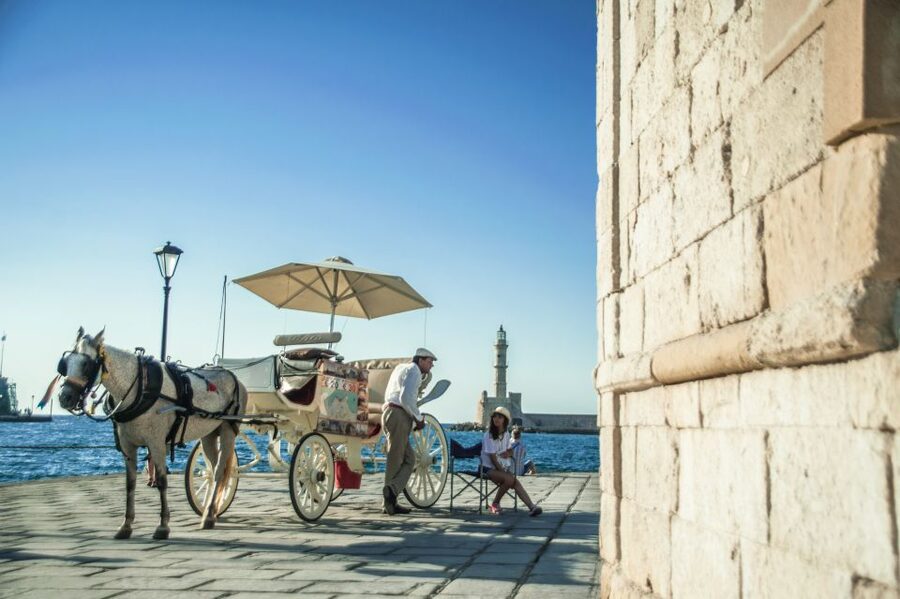
After the market and coffee, the route moves through the old town. Here the guide supplies the context that turns attractive stone walls and doorways into part of a larger story.
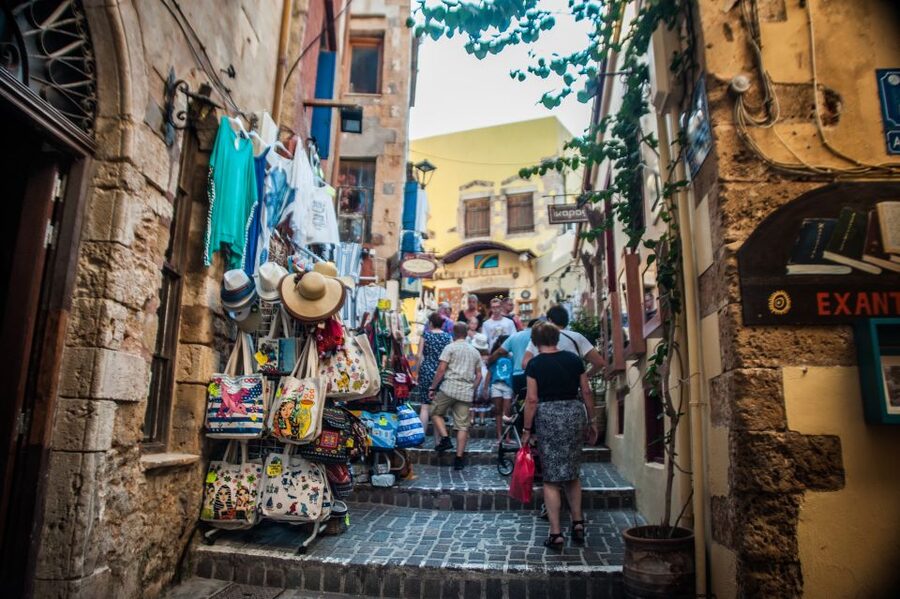
You hear about kings, sailors, merchants, heroes, lovers, and artists. The stories cover the city’s long role as a meeting point between western and eastern cultures. Venetian and Ottoman monuments appear along the way, along with old gardens, narrow lanes, and corners you might pass without noticing on your own.
The tour does not promise a formal archaeological excavation at every stop. Instead, it uses the city itself as the setting. You may see ancient remains, historic buildings, and traces of changing rulers as you walk. That format suits Chania because the old town is best understood through movement. One lane may feel Venetian, the next Ottoman, and the next shaped by later local life.
I like this part for practical reasons. On your first day, it helps you understand the layout of the old town and gives you places to revisit later. The guide can also point out spots that are easy to overlook from the main harbor streets.
Same appetite, a different neighbourhood:
- Small Group Greek Traditional Food Tour in Athens 20+ Tastings
★ 5.0 · 1,759 reviews - Rhodes Exclusive Swim Cruise Cocktail Open bar & Gourmet Buffet
★ 5.0 · 1,230 reviews - Athens: Food Market Visit and Cooking Class with Wine
★ 4.9 · 1,087 reviews - Athens Authentic Greek Food Walking Tour (Small Group)
★ 5.0 · 809 reviews
Ottoman and Jewish quarters beyond the main route
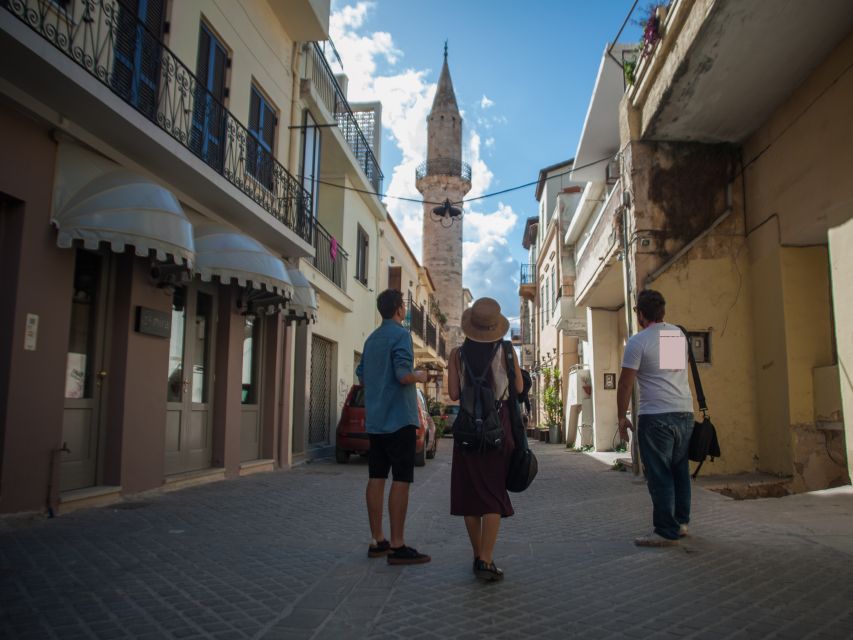
Many Chania walks focus on the harbor, lighthouse, and Venetian buildings. This one also visits the old Ottoman and Jewish neighborhoods. That makes the route more revealing, since it shows how different communities helped shape the city over time.
The Ottoman quarter is a key part of Chania’s past, and the Jewish quarter adds another layer to the city’s story. The tour presents these areas as lived neighborhoods, not just architectural backdrops. You learn how multicultural life affected local customs and the people who called Chania home.
Do not expect the neighborhoods to function like a single large museum site. Their interest comes from details scattered through the streets: a building, a lane, a monument, or a story connected to a particular place. A local guide is valuable here because those details can be hard to interpret without context.
The route is wheelchair accessible according to the activity information. Because the walk includes old lanes and several neighborhood changes, anyone with specific mobility needs should still confirm the exact route and surfaces before booking.
Meeting Cretan makers at a working workshop
One of the most distinctive parts of the experience is the artisan visit. You meet local craftspeople, hear how they make their products, and may get to try some of the work yourself.
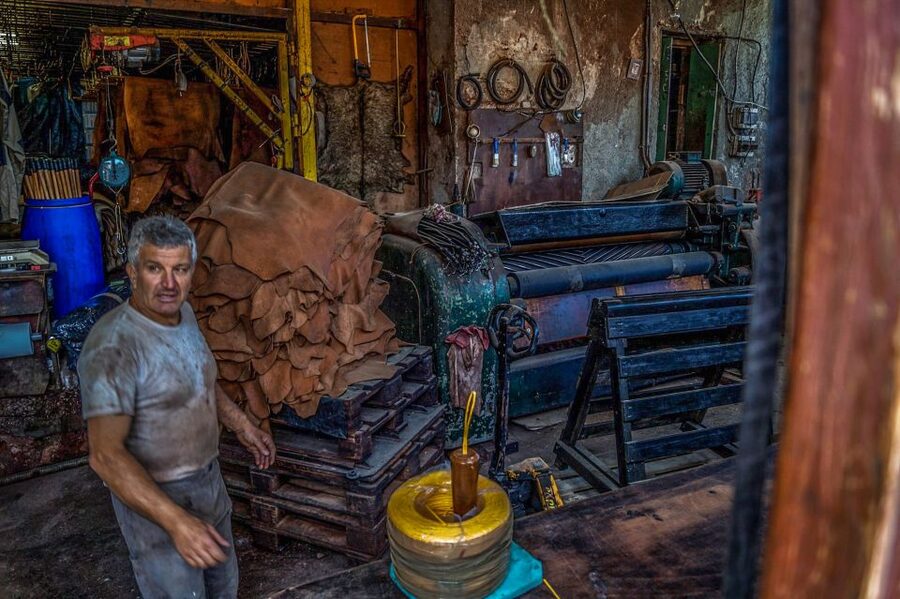
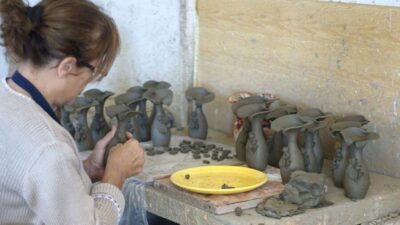
The local impact element specifically includes a visit to one of the last remaining workshops producing traditional handmade Cretan knives. This is a stronger encounter than simply browsing a shop filled with finished goods. You hear from the knife maker and see the skill behind an object associated with Crete.
The hands-on element can be brief, but it changes the mood of the tour. You are not only listening to history or sampling food. You are seeing a living trade and meeting someone who keeps an old craft going.
This stop also gives you a better way to shop. If you buy a handmade item later, you have more sense of the labor and tradition behind it. The tour emphasizes family-owned businesses and Cretan-only products, so the experience is tied to local makers rather than generic souvenirs.
The harbor walk and final meze table
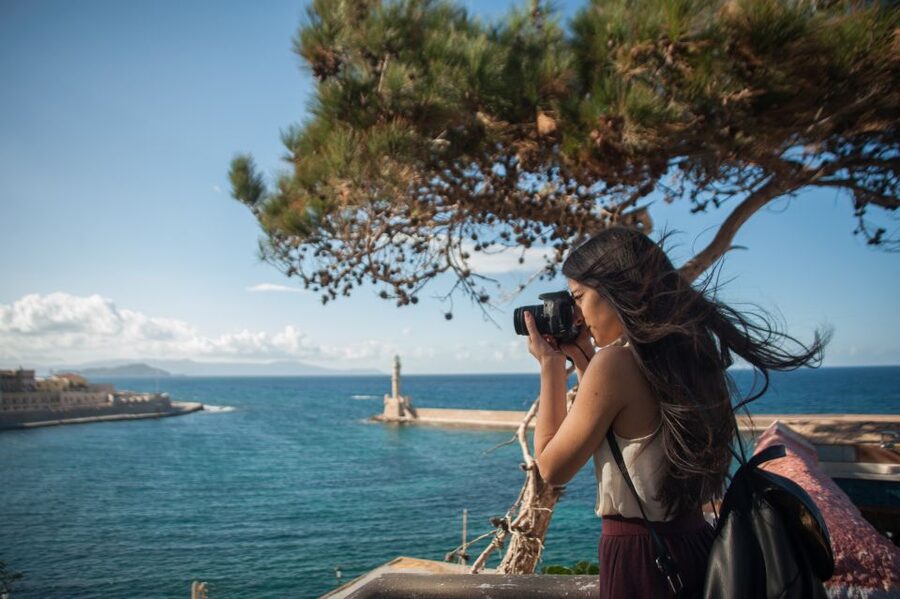
The final stretch follows the historic harbor promenade before stopping at a local favorite for Cretan mezedes. This is the point when the tastings become a shared meal.
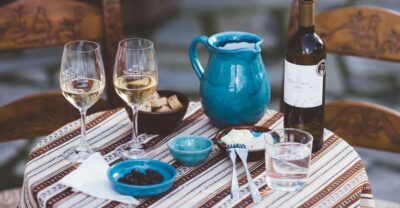
Mezedes are small dishes meant to be enjoyed together, and the format fits a walking tour well. You can try several local preparations without ordering a large plate of one unfamiliar dish. Raki is included, and the itinerary also lists wine and wine tasting for about an hour. Since the included items specifically name raki but do not give a separate wine inclusion, it is sensible to confirm exactly what the wine portion covers when booking.
Alcohol is served only to participants age 18 and older. Younger participants receive non-alcoholic drinks. If you do not drink alcohol, the food and coffee portions still form the main body of the experience.
The ending is practical as well as pleasant. You can continue exploring from the harbor, or the guide can escort you back to the starting point. Before leaving, ask for final recommendations. Several guides are praised for helping with restaurant choices, beaches, and later activities, which can make this tour especially useful near the beginning of your stay.
The guides make the difference
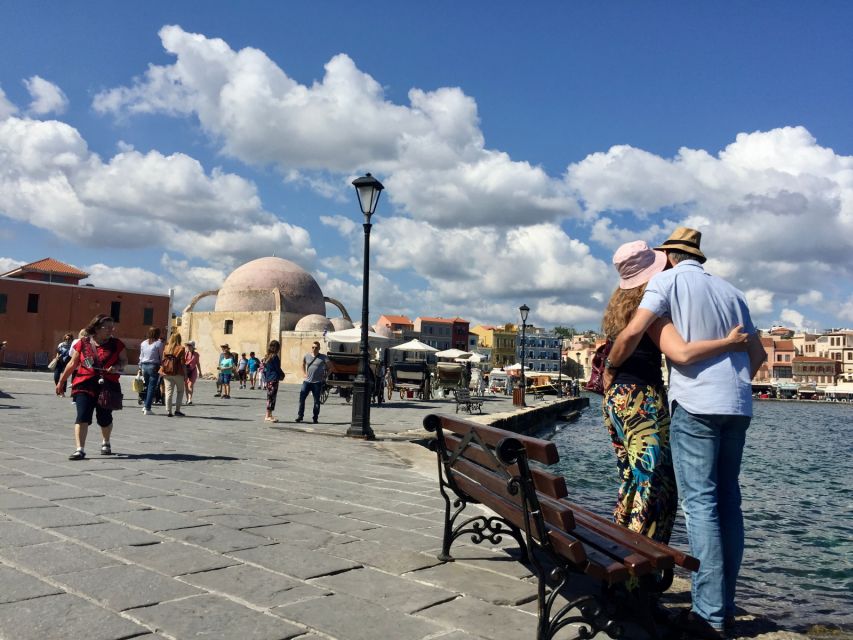
The activity uses English-speaking local guides, and the guide is central to the experience. Names that appear repeatedly in the tour’s feedback include Manos, Adonis, Yannis, Yiorgos, Ioannis, George, and Michael.
Manos is often described as warm, funny, and strong on local history, food, and practical suggestions. Adonis is praised for enthusiasm and an obvious affection for Chania. Yannis and Yiorgos are noted for clear explanations and friendly conversation. The exact guide depends on the date, so you cannot assume a particular person will lead your departure.
The common thread is a personal style. This is not designed as a stiff lecture with facts delivered at fixed stops. Guides answer questions, adjust to interests, and share details about their hometown. Some departures may be very small, and a few have become private when other participants did not show. That can make the conversation especially personal, but it is not something to count on when booking.
Is $114 a fair price?
At $114 per person, this is not the cheapest way to walk around Chania. You can see the harbor and old town without paying for a guide, and you could order a meal separately for less.
The value comes from the amount packed into four hours. The price includes the guide, market visit, Greek coffee, sweets, olives, honey, olive oil, raki, and mezedes. It also covers introductions to local businesses, historical interpretation, and a route through neighborhoods you might otherwise skip.
I would consider the price fair if you want one well-organized introduction to Chania rather than several separate stops. Food alone is not the reason to book it. The better value is the combination of food, local contacts, history, and useful advice for the rest of your trip.
It is less compelling if you prefer to explore alone, dislike fixed tasting schedules, or want a dedicated archaeological tour. The experience is social and food-centered, with history woven through the walk.
Who should book this Chania food walk?
I would recommend it most strongly for a first visit to Chania, especially if you have only a few days. It quickly shows you how the market, old town, neighborhoods, harbor, food culture, and local crafts fit together.
It suits couples, families with older children, solo visitors, and anyone who enjoys asking questions over a meal. Vegetarians can be accommodated with advance notice, and participants under 18 receive non-alcoholic drinks.
You should choose something else if you want a quiet, sit-down food tasting with little walking. You should also allow extra time if you are visiting Chania from a cruise ship or working with a tight schedule. One participant had to shorten the experience because of cruise timing, though the guide still adapted the route.
Wear comfortable shoes and arrive hungry. That advice comes up for good reason.
Practical details before you reserve
The tour lasts four hours and operates with an English-speaking guide. It begins and ends at Kydon, The Heart City Hotel, though you may continue from the harbor or return with the guide at the end.
Hotel pickup and drop-off are not included. Additional food, drinks, and personal purchases cost extra. The activity is wheelchair accessible, and dietary restrictions can be handled when shared in advance.
You can cancel up to 24 hours before the start for a full refund, and the reserve-now, pay-later option keeps your plans flexible. Starting times depend on availability, so check the date that suits your schedule.
Should you book it?
Book this tour if you want Chania explained through its food and neighborhoods, not just its famous waterfront. The market, artisan workshop, Ottoman and Jewish quarters, and final meze table give you a fuller sense of the city than a quick harbor stroll.
Skip it if you have already spent time with a local guide, prefer independent eating, or cannot manage four hours of walking and tasting. For most first-time visitors, though, $114 buys a useful orientation, a very full meal, and a head start on finding the places you will want to revisit.
FAQ
Where does the Chania sightseeing and tasting tour begin?
It begins in front of Kydon, The Heart City Hotel, at the entrance. Your guide will be holding a Crete Local Adventures sign.
How long does the tour last?
The experience lasts four hours.
What language is the tour conducted in?
The live tour guide speaks English.
What food and drinks are included?
Included tastings include Greek coffee, local sweets, olives, honey, olive oil, Cretan mezedes, and raki. The itinerary also includes a wine tasting.
Is alcohol served to children?
No. Alcoholic drinks are served only to participants aged 18 and older. Younger participants receive non-alcoholic drinks.
Can dietary restrictions be accommodated?
Yes. Vegetarians and other dietary needs can be accommodated if you notify the local partner in advance.
Is hotel pickup included?
No. Hotel pickup and drop-off are not included. You must meet the guide at Kydon, The Heart City Hotel.
What should I bring?
Bring comfortable shoes. You should also arrive ready to eat, since the tour includes many tastings and a meze meal.
New food tours we have reviewed in Greece
- Walking “Food tasting tour” in the town of Chania★ 5.0 · 297 reviews
- Sunset Craft Beer & Food Tour – Chania Old Port★ 5.0 · 86 reviews
- Cruise Ship Guest Beer & Food Tour – Chania Old Port★ 5.0 · 26 reviews
- Gastronomy tour and wine tasting in traditional villages★ 5.0 · 32 reviews
- The Delicious Chania Street Food Tour★ 5.0 · 138 reviews
- Eat & Crete Food Tour [non-touristy] Chania Villages★ 5.0 · 25 reviews
- Chania Walking Food Tours Crete with a local!★ 4.5 · 61 reviews
- Chania Walking Food And Wine Night Tour★ 4.5 · 31 reviews
Crete Food Tours, compared.
Old Town Highlights Guided Tour with Street Food
Read our review →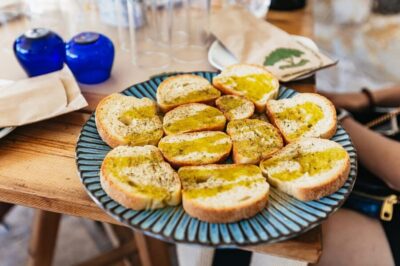
Full-Day Cretan Wines, Olive Oil, Raki and Food Tour
Read our review →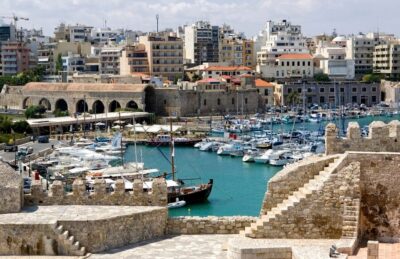
Private Winery & Olive Oil Tasting Tour with Lunch
Read our review →Browse the lists this tour appears in